
Working in humanitarian response & international development | Sharing about #humanitarian, #localisation, & disaster risk reduction (#DRR) | Views my own
Joined November 2013
- Tweets 5,888
- Following 1,204
- Followers 1,424
- Likes 4,184
513 Photos and videos





Jun 12
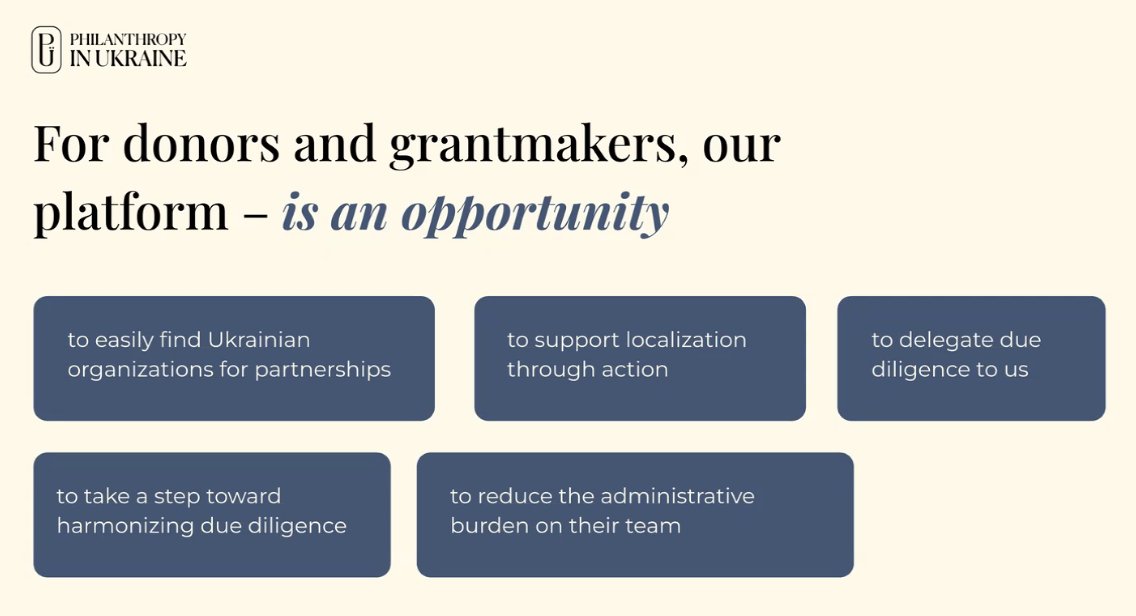
What is the role of the state in leading crisis response (and how is this taken up)? Read @hpg_odi's series of really interesting reports on this topic with case studies for #Indonesia #Myanmar #Philippines #Kenya & #Somalia: odi.org/en/about/our-work/ip…
35
Lizz Harrison retweeted

Jun 4
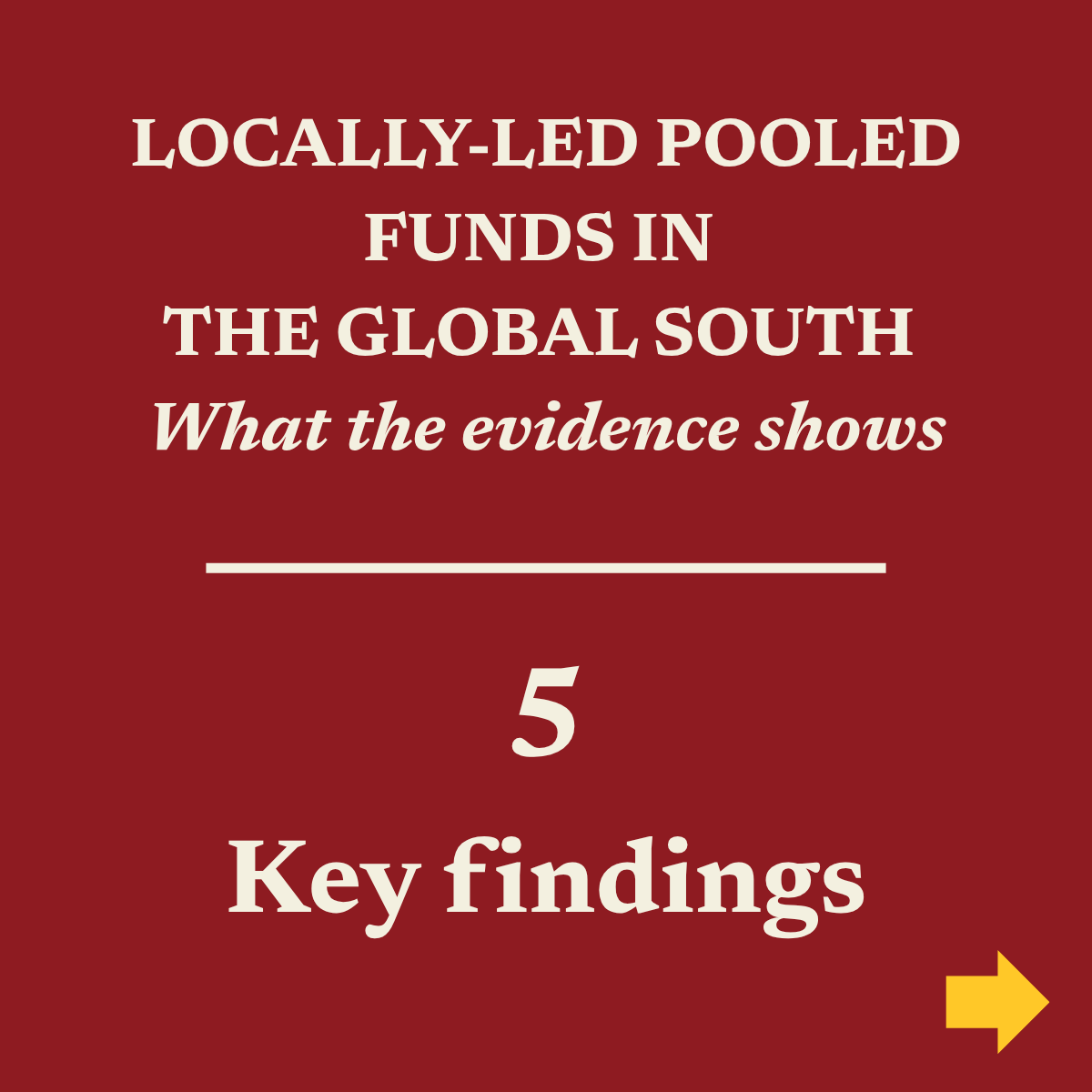
We’ve been sitting on a question: ℎ𝑜𝑤 𝑚𝑎𝑛𝑦 𝑙𝑜𝑐𝑎𝑙𝑙𝑦-𝑙𝑒𝑑 𝑝𝑜𝑜𝑙𝑒𝑑𝑓𝑢𝑛𝑑𝑠 𝑎𝑐𝑡𝑢𝑎𝑙𝑙𝑦 𝑒𝑥𝑖𝑠𝑡 𝑎𝑐𝑟𝑜𝑠𝑠 𝑡ℎ𝑒 𝐺𝑙𝑜𝑏𝑎𝑙 𝑆𝑜𝑢𝑡ℎ? NEAR commissioned research to find out.
1
3
4
120
Lizz Harrison retweeted

May 27
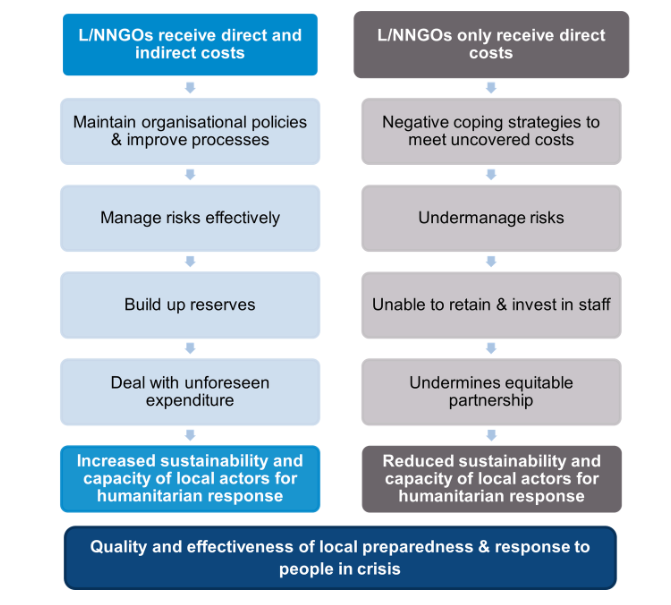
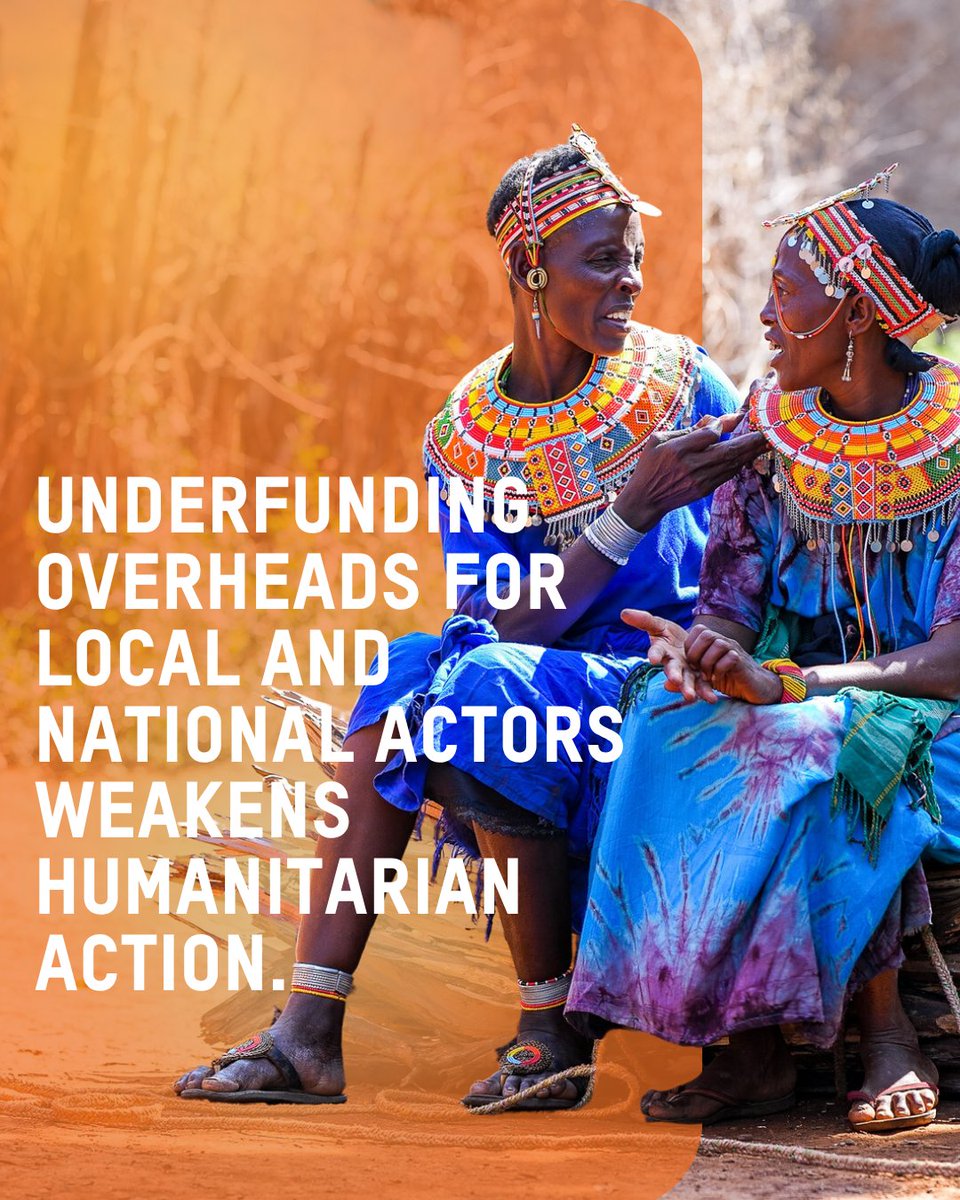
Local organisations need more than project funds to respond safely and effectively.
New ODI Global research published through the HST-LHL programme shows how underfunding overheads for local and national actors weakens humanitarian action.
With support from Oxfam and the Netherlands MFA.
Read more: odi.org/en/publications/how-…
6
5
798
May 27
How can #localisation be understood and supported in ways that reflect the realities faced by local actors, including those related to public communication, media reporting, political expectations & coordination? Asks Stella Anjani, Penabulu via @hpn_hpg bit.ly/4upZqgT
21
Lizz Harrison retweeted

What does real #Localisation look like in practice? A new study explores how shifting power to local actors requires moving past temporary fixes and investing in sustainable, locally owned systems.
Read the full analysis here: tandfonline.com/doi/full/10.…
2
1
63
May 21
"The conceptual looseness of #localisation is a political product, not an accidental failure of definition." Read why this matters & potential 'good enough' definitions in @a_postovoitova's article via @hpn_hpg
1
16
May 12
Have a look at this great (evolving) map of country-specific research on #localisation from @a_postovoitova! Interesting to see this visualised bit.ly/4cYzlPT
1
1
182
Lizz Harrison retweeted
May 11
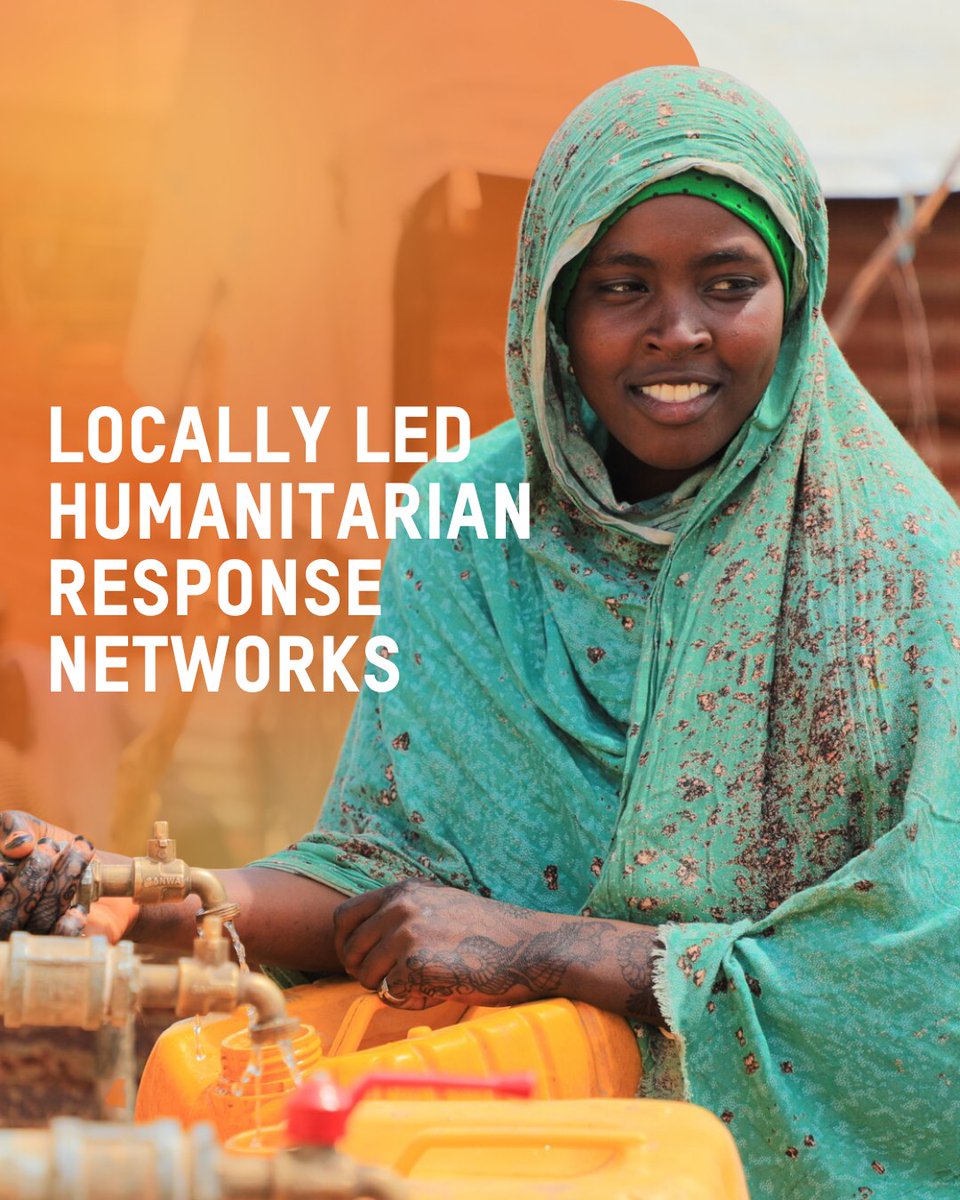
What happens when humanitarian response is led by the people closest to the crisis?
Our new learning brief explores how locally led response networks in Indonesia, Kenya, Myanmar, and Somalia coordinate, share capacity and bring together resources to support communities at a large scale.
Read more: oxfamlocalhumanitarianleader…
2
8
8
593
Read the new learning briefs on how locally led #humanitarian response networks (of local & national orgs) respond at scale by coordinating, sharing capacity, & mobilising resources - @KenyaAsal @JMK_Oxfam @SomaliNexus & Myanmar LIA Network bit.ly/4dhZrfP @Oxfam
1
2
180
“Practise what you preach, or lose the chance to change the system for the better,” says Dustin Barter, @hpg_odi in @newhumanitarian article highlighting contradictions between commitments & reality from @CBPFs, @savechildrenuk & others bit.ly/4m0doCK #localisation
1
1
56
Read Marie-Rose from @HaitiESPWA insights and recommendations for cohesion, connection & networks as a way to support genuine community-led action - whether for #humanitarian or development - in #Haiti and beyond bit.ly/4lR5nQy
1
1
53
Mar 31
Why does #Kenya remain heavily reliant on int'l assistance for #humanitarian response? New report from @hpg_odi: 'Kenya's state, aid politics, and perpetual humanitarian crisis' bit.ly/4tfoczm. Part of the HST-LHL programme @KenyaAsal @oxfamkenya @NLinKenya
1
1
96
Mar 30
Read the new report from @ipf_global providing an analysis of disaster and climate financing in ASAL counties in #Kenya: bit.ly/4uTciwJ. Launched last week in Nairobi. Part of the HST-LHL programme @oxfamkenya @NLinKenya #humanitarian
1
52
Mar 27
What makes #humanitarian action legitimate in today’s world – and who gets to decide? New findings from @BenParker140 & @poole_lydia show there are two blocs: the 'cautious incrementalists' & 'new radicals'. Read the research summary: makingsenseofcrisis.org/reth…
2
5
483
Mar 25
Why have other middle-income countries taken leadership of #humanitarian responses, yet #Kenya remains heavily reliant on int'l assistance? Read the new report: 'Kenya's state, aid politics, and perpetual humanitarian crisis' from @hpg_odi bit.ly/4sHFoh9
1
36
Mar 25
“The [#humanitarian] reform will only succeed if all actors accept a gradual redistribution of leadership.” Anon. Overheard by @illied @newhumanitarian at #HNPW last week bit.ly/41b11dz
1
24
Mar 23
'For @UNReliefChief, @CBPFs are a tool to speed up (and localise) funding...For others, they’re one of many possible options at best; or worse: a misguided push that concentrates funding through a single, flawed gatekeeper.' Read: @illied @newhumanitarian bit.ly/41b11dz
1
30
Mar 20
"By 2027-28, [@FCDOGovUK @UKaid] #aid spending on overseas programmes is expected to reach its lowest since records began in 1970, at just 0.24% of GNI." bit.ly/3PwIiXg @guardian. Missing the 0.7% target set out in the International Development (ODA Target) Act 2015
1
60
Mar 11
"INGOs need to notice what their partnership models reward in practice, & shift away from dynamics that select for compliance over voice. If local influence depends on being 'easy', locally-led leadership & accountability will remain limited."@NEAR_Network bit.ly/47pZsMf
2
4
142
Women’s leadership is not just about inclusion. It is about resilience and social cohesion. Read @Oxfam's new report on how women's leadership builds disaster resilient communities. bit.ly/40NncX2 #IWD
13