#SiliconValley #SanJose Business Owner from 1999. Worked in IBM as a Software Engineer. Worked in NASA. I love the outdoors! I mentor people to start a business
Joined August 2008
- Tweets 35,775
- Following 3,859
- Followers 1,727
- Likes 55,374
1,901 Photos and videos





#Eventbrite sucks. Eventbrite Support sucks. I am unable to login and there is nobody to help. There are so many other options out there! I will be looking into other companies.
4

Jun 12
Exciting news for small businesses, job seekers, and workforce partners! 🚀
The U.S. Department of Education is launching the new Workforce Pell Grant program, effective July 1, 2026. This major expansion allows eligible students to use federal Pell Grants for high-quality, short-term job training programs (as little as 8 weeks) in in-demand fields like healthcare, IT, skilled trades, manufacturing, and more — helping workers gain credentials fast with little to no debt.
Great opportunity for training providers, community colleges, and employers to upskill talent and strengthen local pipelines. Check eligibility and details on Grants.gov or ed.gov!
Who’s ready to tap into this? Let’s connect if you’re exploring workforce development in the Bay Area. #JobTraining #WorkforceDevelopment #SmallBusiness #LBN #LocalBusiness #smallBusiness
15
Jun 9
I am so happy many have registered! There is a huge explosion of Small Business formation in USA right now!
5
Jun 9
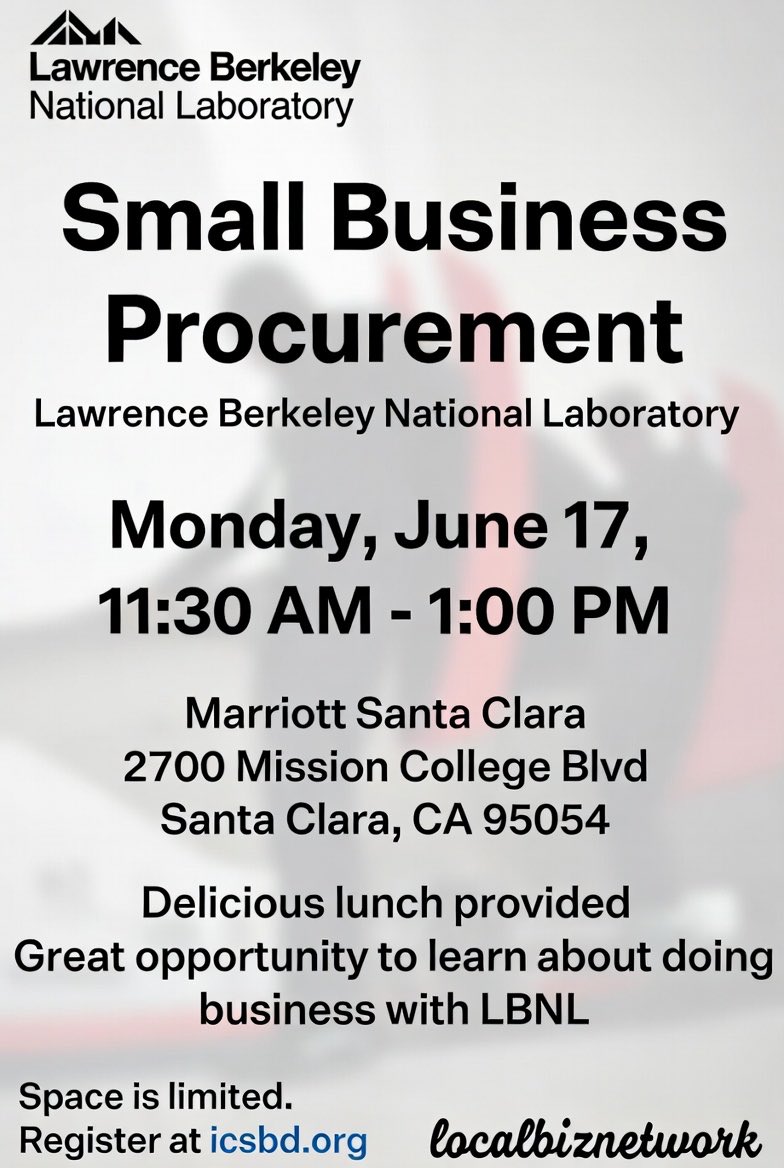
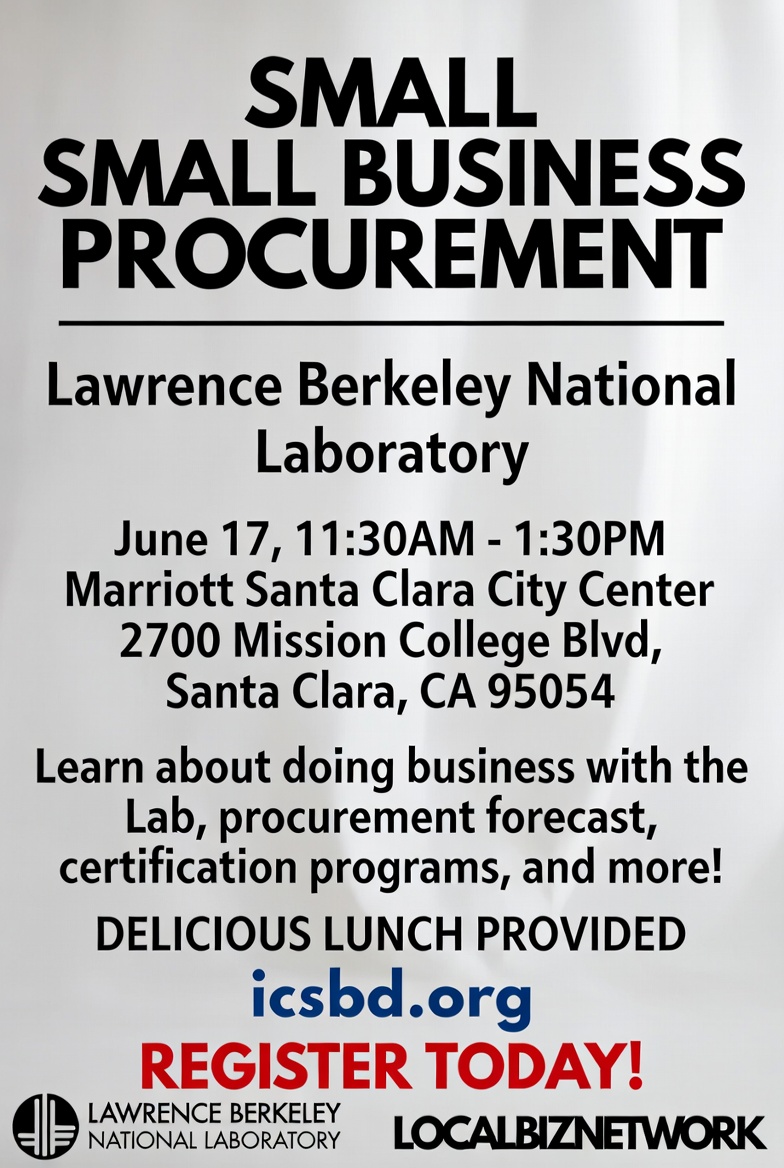
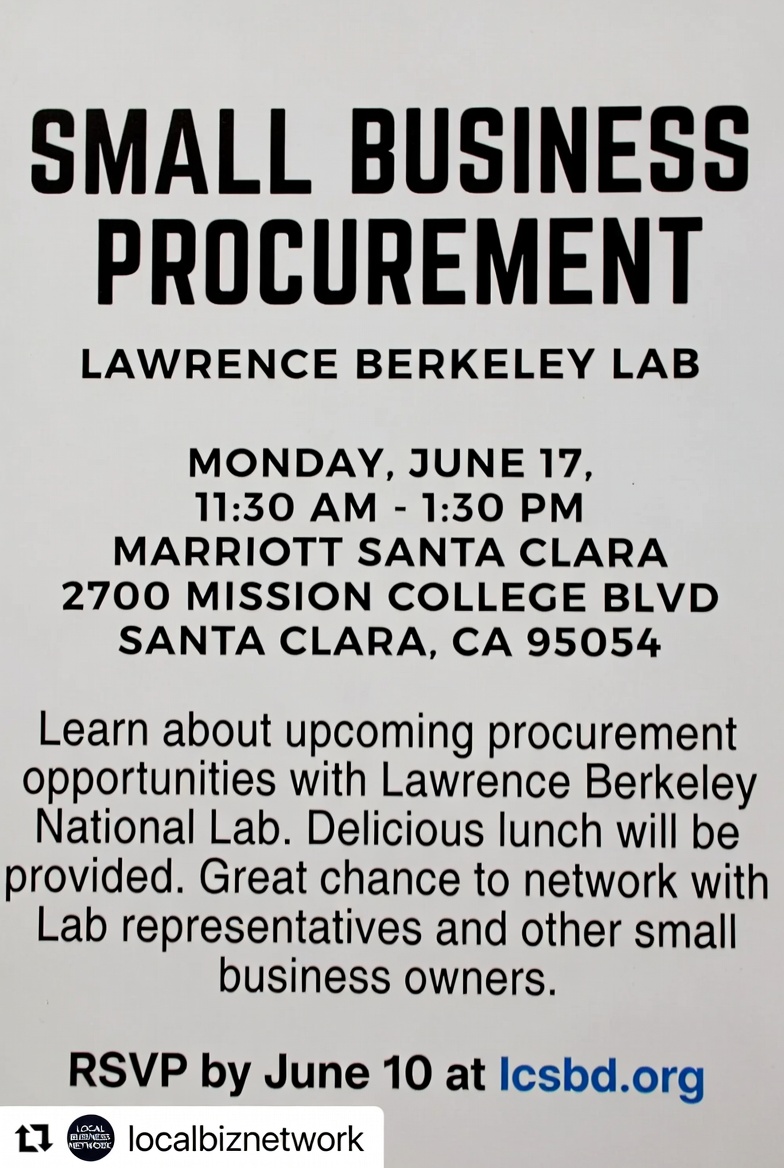
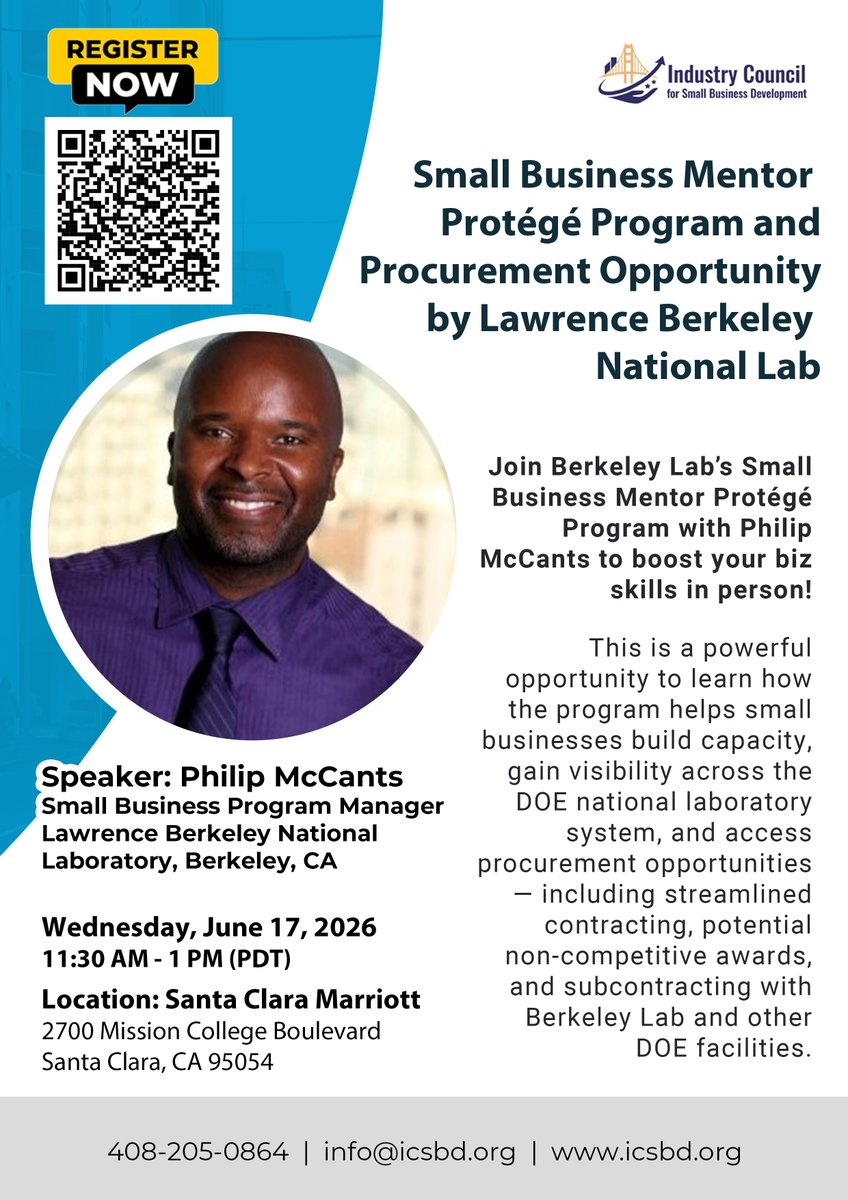
Calling all Small Business owners to attend this Procurement event in person on Wed June 17th at 11:30AM. Lunch will be provided. Register at icsbd.org
#networking #smallbusinesssupportingsmallbusiness #smallbiz #smallbusiness #smallbiz
2
Jun 8
Small Business Procurement Event by Lawrence Berkeley Labs. Register today. Tickets going fast! Must attend for every Small Business owner - eventbrite.com/e/small-busin…
5
Jun 2
localbiznetwork.com/LocalBiz… - Sign up today for valuable content for Micro Business owners!
13
May 22
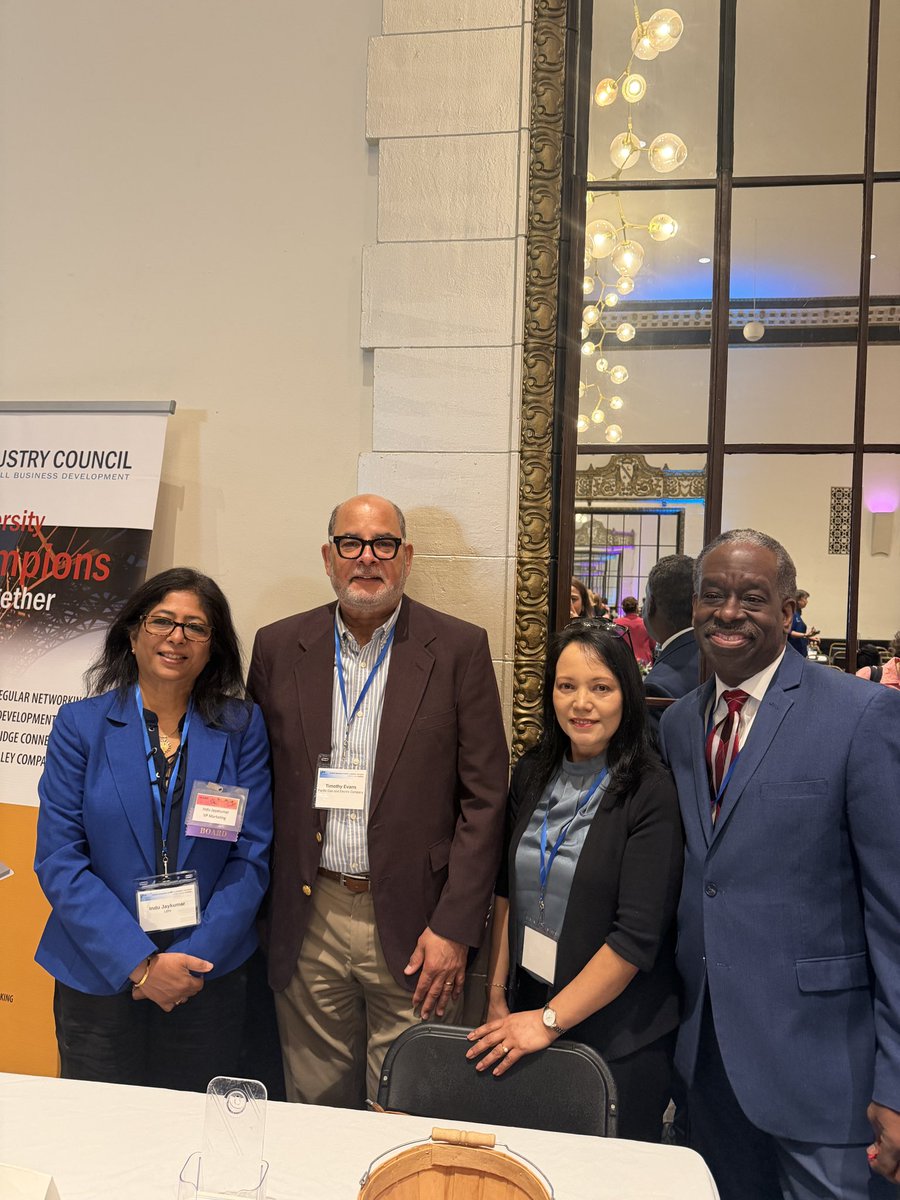
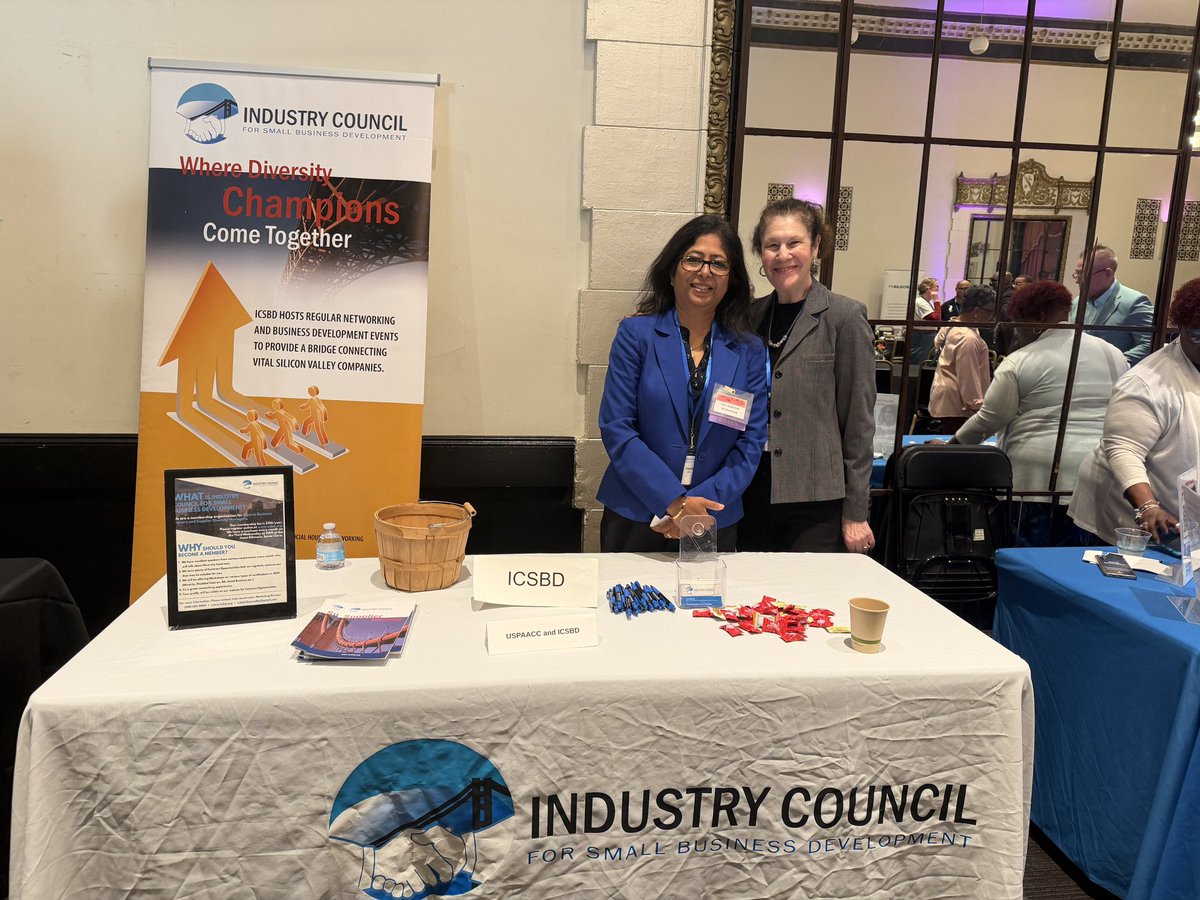
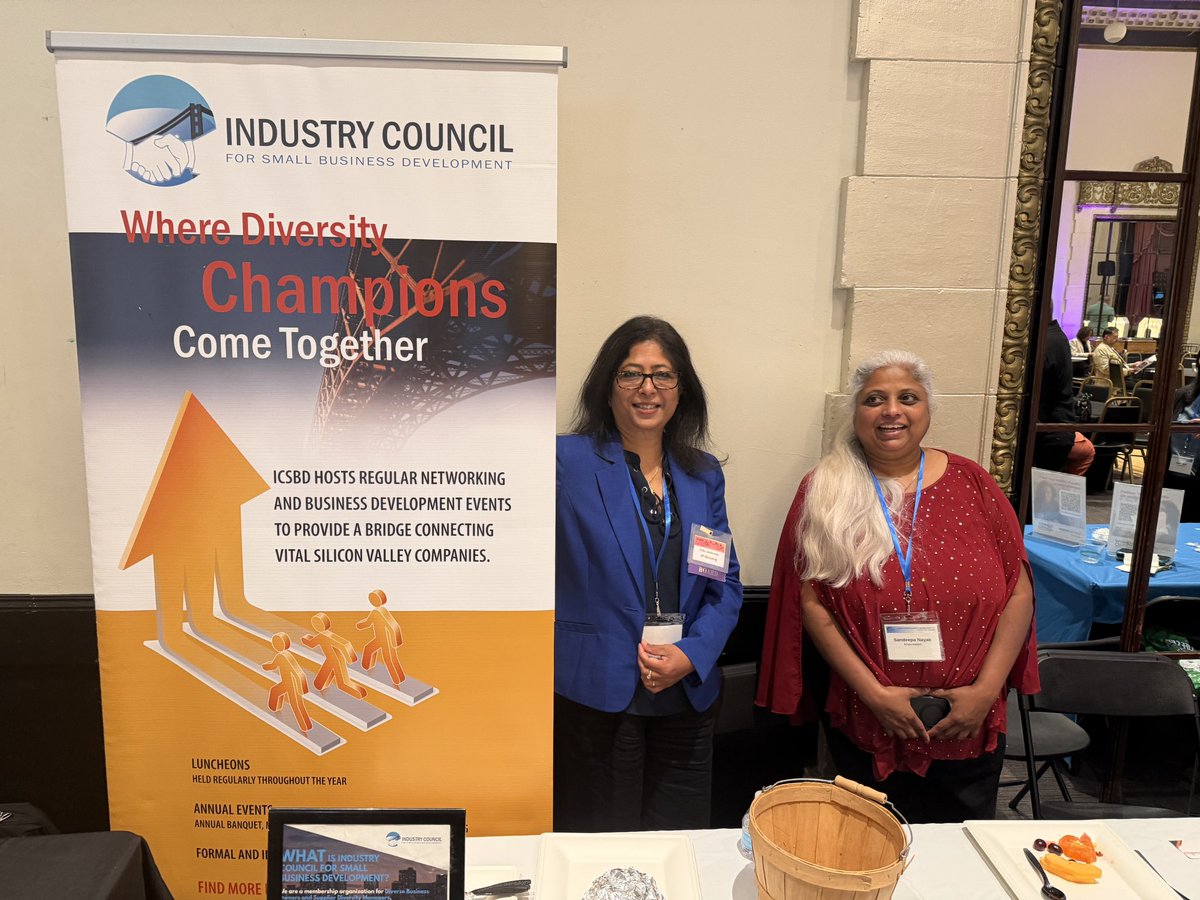
Great day at the annual WRMDC Networking Event in Oakland!
I had the honor of representing Industry Council as a Board Member and reconnecting with so many familiar faces — fellow business owners I’ve known for over 30 years. There’s nothing quite like catching up with people who’ve been on this entrepreneurial journey with you for decades.
Several leaders expressed strong interest in our LocalBizNetwork Directory services — excited to help more local businesses grow and get discovered!
Grateful for these meaningful connections and the power of community.
Industry Council event for Small Business owners in on June 17th at 11:30AM. Please register on our website icsbd.org
#WRMDC #Networking #OaklandBusiness #IndustryCouncil #LocalBizNetwork #BusinessNetworking #SmallBusiness #EntrepreneurLife #BayAreaBusiness #LongTimeFriends
18
May 20
Big News for Small Businesses:
SBA Doubles Loan Limits to $10 Million
LocalBizNetwork is excited to share a major win for entrepreneurs and small business owners across the Bay Area and beyond. Today, SBA Administrator Kelly Loeffler announced a new rule that doubles the agency’s cumulative 7(a) and 504 loan limit from $5 million to $10 million. Effective July 4, qualified borrowers can now combine up to $5 million through the 7(a) program (for working capital, equipment, and acquisitions) with another $5 million via the 504 program (for fixed assets like real estate and machinery).
This historic increase gives local solopreneurs, manufacturers, service providers, and growing firms in Milpitas, Silicon Valley, and California the capital needed to hire talent, expand operations, upgrade technology, and meet surging demand. It aligns directly with the America First agenda, supporting job creation and domestic growth at a time when small businesses are driving record formation and economic momentum.
What This Means for You
• Higher Financing Power: Fund larger projects without hitting previous caps.
• Flexibility: Manufacturers gain extra advantages, with 7(a) access layered on existing 504 options.
• Growth Catalyst: Whether you’re scaling a dental practice, launching a consulting firm, or optimizing your CPA services, this opens doors to real expansion.
At LocalBizNetwork, we specialize in helping micro-businesses and solopreneurs navigate opportunities like this. Our directory and marketing support make your business more visible to lenders, partners, and customers—pairing perfectly with new SBA funding.
If you’re ready to grow, visit LocalBizNetwork.com for a free visibility audit or reach out to discuss how to position your business for these loans. Update your profile today and connect with local resources.
This is the moment to invest in your future. Let’s build stronger local businesses together!
1
27
May 18
Tired of Fighting with Your Website? Meet Sarah. She runs a cozy little bakery in town—fresh pastries, loyal customers, and big dreams. But every time she wanted to update her menu or add a new photo, she’d log into GoDaddy and feel completely lost. “Why is this so complicated?” she’d sigh, wasting hours on confusing dashboards, plugins, and error messages. Sound familiar? Sarah was like so many micro business owners—great at what they do, but not at wrestling with tech. Then she found LocalBizNetwork. Now, when Sarah wants a change, she just sends us a quick message. Our team handles everything—fast, friendly, and zero extra charge. Need a new special added at 10pm? We’re here. Website looking tired? We freshen it up. No stress, no fees, no waiting days for support. Best part? Our monthly hosting is super affordable—way easier on a small business budget than those big corporate providers. Today Sarah spends her time baking and growing her business instead of fighting her website. Her online presence finally works for her, not against her.Ready to stop struggling?Let LocalBizNetwork handle your website so you can focus on what you love. 24/7 support, unlimited edits included, and hosting that actually makes sense. DM us or visit LocalBizNetwork.com today. Your business deserves better than GoDaddy headaches.
30
May 11
Calling all Small Business owners in Silicon Valley for an in-person event.
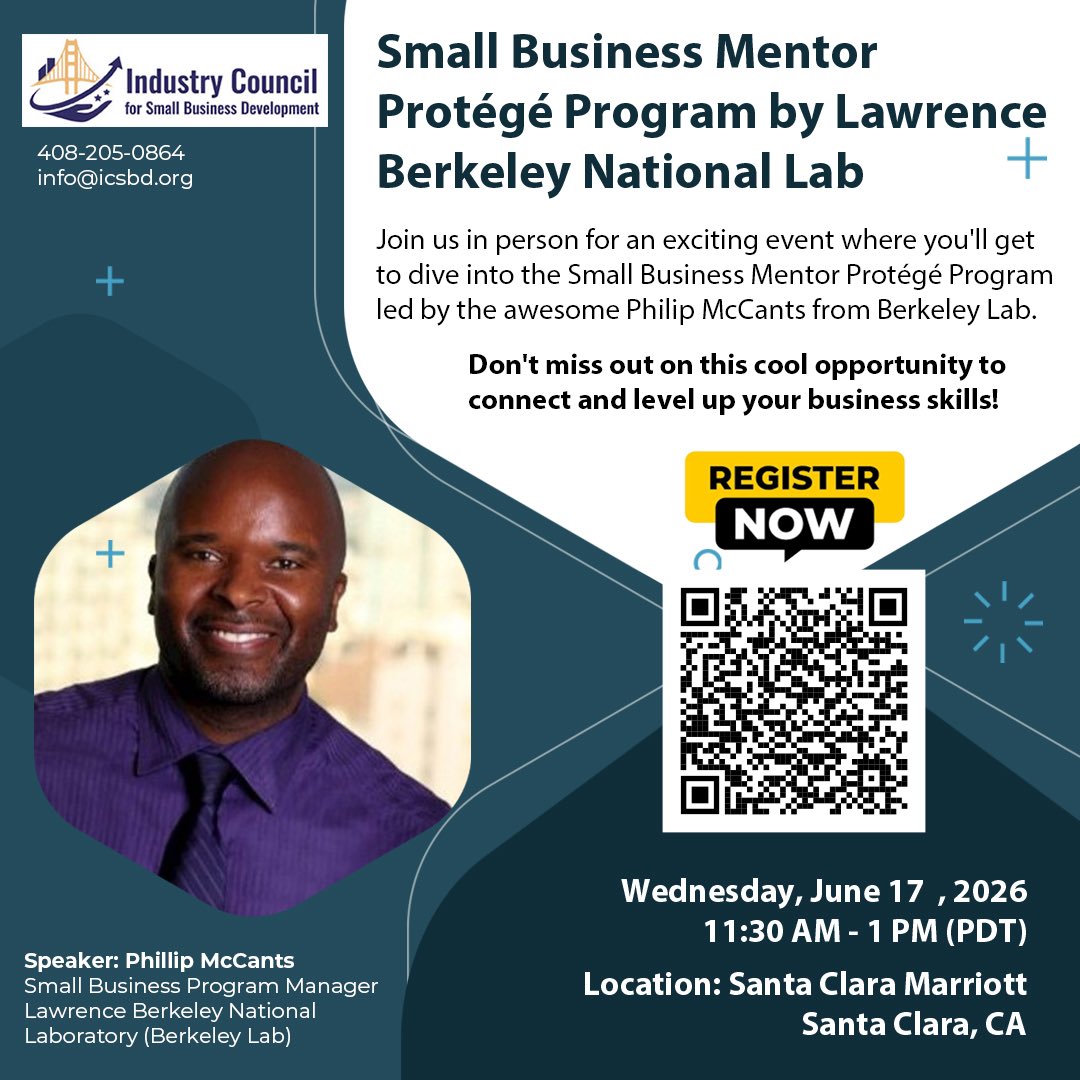
Do not miss this event organized by Industry Council for Small Business Development. Register today for this June 17th, 2026 event in Santa Clara Marriott, at 11:30AM. Delicious lunch will be provided.
Procurement Opportunity and Mentor Protege Program by Lawrence Berkeley National Lab. Speaker Phillip McCants is well known in the Small Business community. You have to attend if you are interested in growing your business.
Click here to register - lnkd.in/ggMphWbz
21
May 4
Do not miss this event organized by Industry Council for Small Business Development. Register today for this June 17th, 2026 event in Santa Clara Marriott, at 11:30AM. Delicious lunch will be provided.
Procurement Opportunity and Mentor Protege Program by Lawrence Berkeley National Lab. Speaker Phillip McCants is well known in the Small Business community. You have to attend if you are interested in growing your business.
Click here to register - lnkd.in/ggMphWbz
If you are interested in having a Vendor Table at the event, please contact the organizer at (408) 205-0864.
29
May 4
Do not miss this event organized by Industry Council for Small Business Development. Register today for this June 17th, 2026 event in Santa Clara Marriott, at 11:30AM. Delicious lunch will be provided.
Procurement Opportunity and Mentor Protege Program by Lawrence Berkeley National Lab. Speaker Phillip McCants is well known in the Small Business community. You have to attend if you are interested in growing your business.
Click here to register - lnkd.in/ggMphWbz
If you are interested in having a Vendor Table at the event, please contact the organizer at (408) 205-0864.
22
Apr 30
Good event for Small Business owners in Silicon Valley. In-person event only!
Do not miss this event organized by Industry Council for Small Business Development. Register today for this June 17th, 2026 event in Santa Clara Marriott, at 11:30AM. Delicious lunch will be provided.
Procurement Opportunity and Mentor Protege Program by Lawrence Berkeley National Lab. Speaker Phillip McCants is well known in the Small Business community. You have to attend if you are interested in growing your business.
Click here to register - lnkd.in/ggMphWbz
If you are interested in having a Vendor Table at the event, please contact the organizer at (408) 205-0864.
12
Apr 29
Economic lesson for every Small Business owner!
In essence: beyond a certain level of wealth, money is no longer about consumption—it's about capital allocation.
That sentence changes everything.
Economics, at its core, is just an allocation problem. You have finite resources and infinite uses. Who decides where what goes?
Imagine a school playground. 100 kids, packs of Pokémon cards handed out at random. You let it play out. Very quickly, an order emerges. The good players accumulate rare cards, the collectors sort, the negotiators strike deals. No one planned it. And yet every card ends up in the hands of the one who gets the most value from it. The system maximizes the total happiness of the playground. That's the invisible hand.
Now bring in the teacher. She finds it unfair. Leo has 50 cards, Tom has 3. She confiscates, redistributes, enforces equality. Three immediate effects. The good players stop playing—what's the point. The bad ones have no reason to improve; they'll get their share anyway. Trades collapse. The playground is equal, and dead. She maximized equality, she destroyed happiness.
The teacher's problem is that she can't have the information the playground had collectively. That's Mises' economic calculation problem, formulated in 1920. The USSR tried to solve it for 70 years with the Gosplan. Result: shortages, lines, collapse. Not because the Soviets were stupid, because the problem is mathematically unsolvable in centralized mode.
The state has a track record too. Hospitals collapsing, education declining, debt exploding, public services degrading despite constantly rising budgets. The market identifies good allocators; politics identifies good communicators.
Profit isn't an end goal—it's a signal. It says: you've allocated scarce resources to a use that people value enough to pay for. The bigger the profit, the greater the value created. When Starlink turns profitable, it means millions of people in rural areas finally have internet. When a ministry runs a deficit, it means it's consuming more than it produces. One creates, the other destroys, and we call that redistribution.
Look at the last 50 years. iPhone, civilian internet, SpaceX, Tesla, Google, Amazon, Stripe, mRNA, ChatGPT. All private inventions, driven by entrepreneurs, funded by venture capital. Not a single ministry has invented anything that's changed your daily life.
In our societies, it's always the entrepreneurs who advance civilization. Bureaucrats, at best, maintain a rent; at worst, they destroy it. No society has ever progressed by taxing its creators to subsidize its managers.
The question is never who has how much. It's who allocates the next unit of resource best to maximize humanity's future. The answer hasn't changed in 200 years. It's not the civil servants.
Excerpt from a talk from Elon Musk.
#ElonMusk #Business
14
Apr 25
Small Business in California:
California’s $800 minimum stands out as notably high for small businesses, as many states have no minimum franchise tax, much lower fees, or thresholds that exempt small entities entirely.
• Delaware (popular for incorporation): Corporations pay a minimum franchise tax of $175 (authorized shares method, for ≤5,000 shares) $50 annual report fee (total ~$225). LLCs/LPs pay a flat $300 annual tax. No income tax on out-of-state activities.
• Texas: No corporate income tax. Franchise (margin) tax applies only above ~$2.65 million in revenue (2026 threshold); small businesses below this pay $0. Rate is 0.375%–0.75% on margin for larger entities.
• Florida: No state income or franchise tax for most corporations/LLCs. Annual report fee ~$139. Very low ongoing costs.
• Wyoming, Nevada, South Dakota: Often $0 or very low annual fees/taxes (e.g., Wyoming ~$60 license tax). No corporate income tax.
• New York: Higher combined burdens, but minimums vary (often lower flat fees than CA’s $800).
• Other states: Many have annual report fees of $0–$300 or asset-based/minimum taxes well below $800 (e.g., $50–$250 in numerous states). A handful have no franchise tax at all.
38
Apr 15
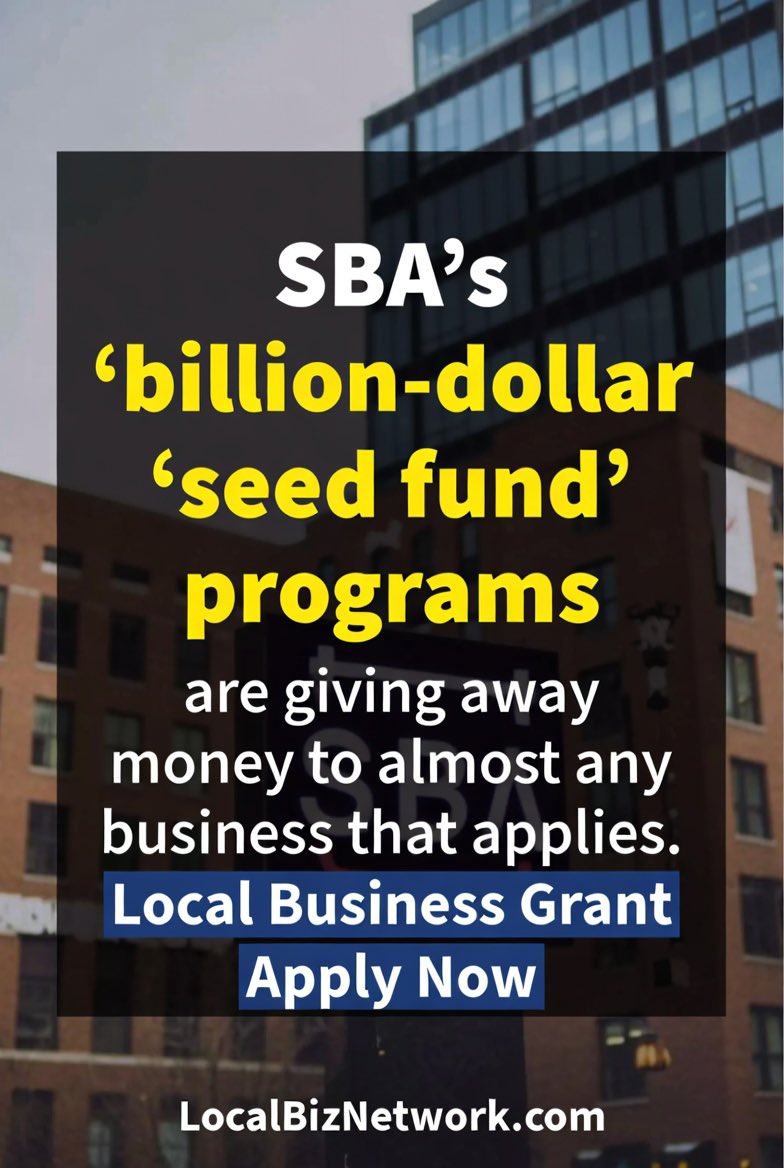
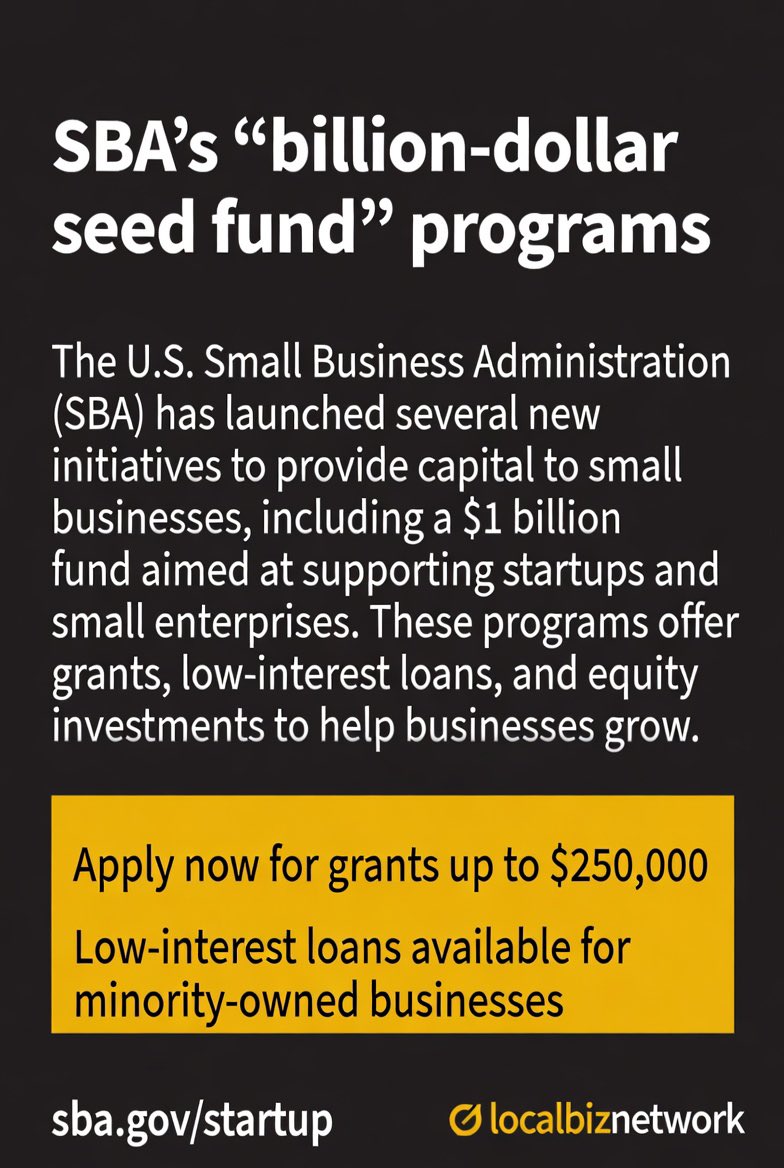
SBA’s “billion-dollar ‘seed fund’ programs” — commonly known as America’s Seed Fund (the Small Business Innovation Research (SBIR) and Small Business Technology Transfer (STTR) programs) — are back.
They were reauthorized on April 13, 2026, when President Trump signed into law S. 3971, the Small Business Innovation and Economic Security Act.
What Happened
• The SBIR/STTR programs expired on September 30, 2025.
• They experienced a five-month lapse (roughly October 2025 through early April 2026) during which new funding awards were paused or delayed.
The new law reauthorizes the programs for five years (through September 30, 2031) and includes reforms focused on strengthening national security, improving accountability, protecting against foreign adversaries, and expanding access for innovative small businesses.
Quick Overview of the Programs
• Collectively called “America’s Seed Fund” — they provide non-dilutive (no equity or IP taken by the government) early-stage R&D funding to small businesses and startups developing innovative technologies.
• Annual funding: Approximately $4 billion per year across 11 participating federal agencies (e.g., DoD, NIH, DOE, NASA, NSF, etc.).
Phases:
• Phase I: Feasibility/proof-of-concept (typically up to ~$150k–$275k).
• Phase II: Prototype/development (up to ~$1M–$1.8M or more).
• Phase III: Commercialization (often through follow-on contracts or private investment, no direct SBIR funds).
Since 1982, the programs have invested over $81 billion into more than 34,000 small businesses.
Recent Activity
With reauthorization complete, the SBA has already announced the return of America’s Seed Fund Week (a major virtual event), scheduled for May 12–14, 2026.
This ties into broader SBA efforts in 2025–2026, including record activity in the Small Business Investment Company (SBIC) program, which hit $53 billion in combined private capital and leverage in FY25 (separate from SBIR/STTR but also focused on small business capital).
If you’re a founder or small business working on tech/innovation (especially in areas like defense, health, energy, or advanced computing), now is a good time to explore opportunities at sbir.gov or through the America’s Seed Fund site.
Contact LocalBizNetwork if you need help.
53
LBN retweeted

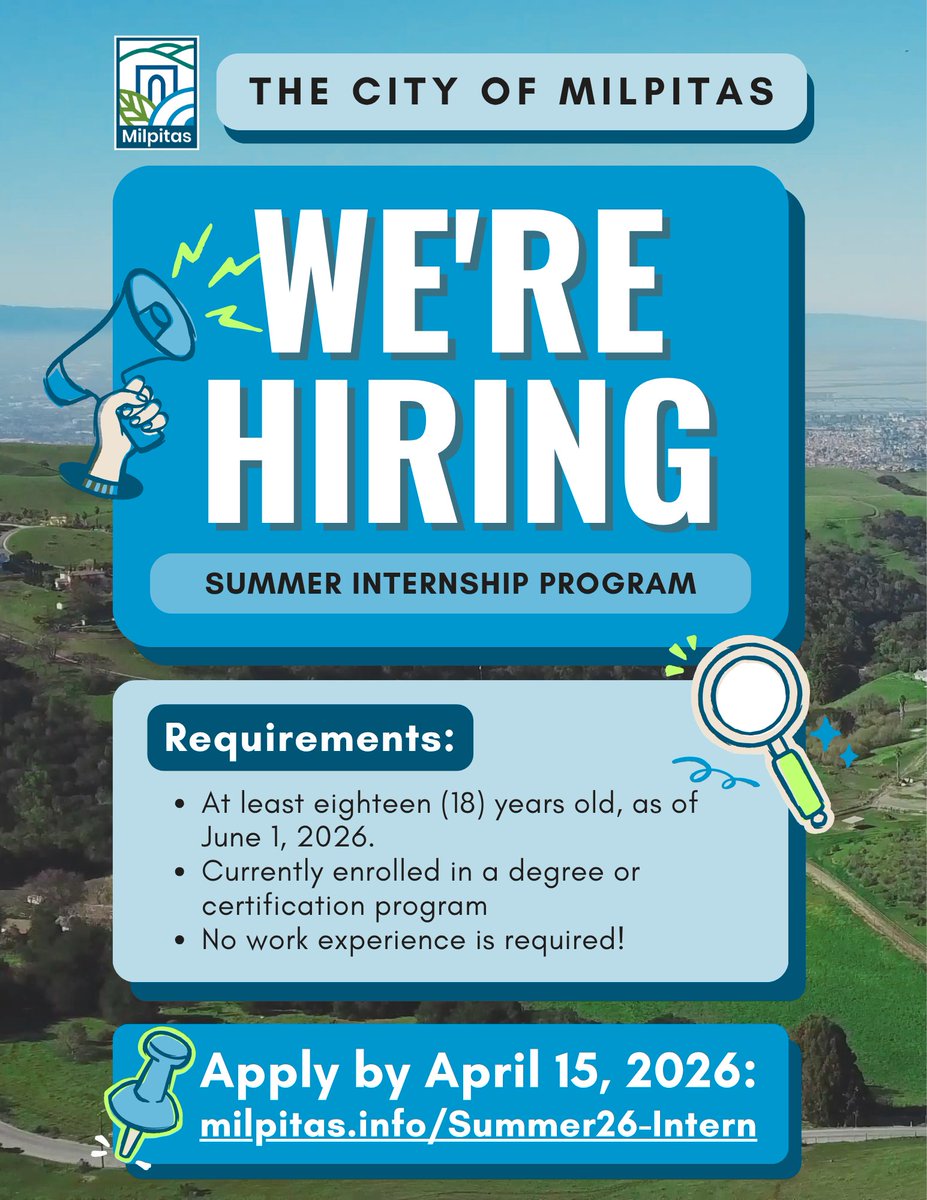
The City of Milpitas is launching its first-ever Summer Internship Program! This is an 8-10 week internship for college students interested in learning about careers in local government.
Apply today at milpitas.info/Summer26-Inter…!
1
2
121
Apr 15
What happens after customers find you? Micro business owners fail to convert most of the time.
linkedin.com/posts/localbizn…
7
Apr 8
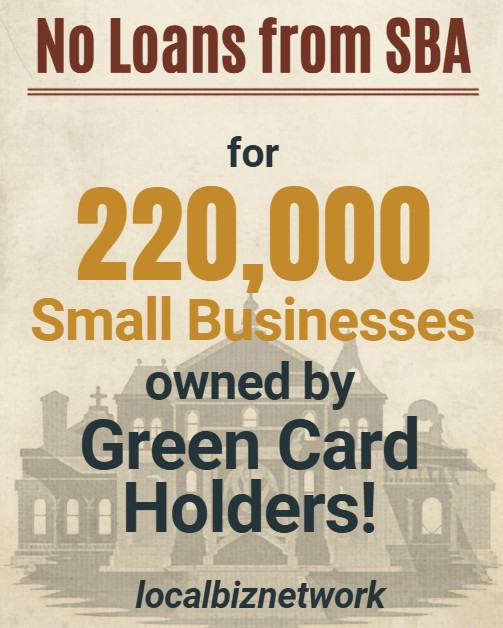
The U.S. Small Business Administration (SBA) has implemented strict new rules barring non-U.S. citizens from accessing its guaranteed loan programs. Effective March 1, 2026, for flagship 7(a) and 504 loans—and expanded in March to Surety Bond Guarantee and Microloan programs—businesses must now be 100% owned by U.S. citizens or nationals whose principal residence is in the United States or its territories.
Previously, SBA loans allowed majority ownership by citizens or lawful permanent residents (green card holders), with limited exceptions for small foreign stakes. The updated policy eliminates all non-citizen ownership, direct or indirect, rescinding prior flexibility that permitted up to 5% foreign involvement. Even a 1% stake by a green card holder, refugee, asylee, or DACA recipient disqualifies the entire application.
SBA Administrator Kelly Loeffler stated the changes prioritize American job creators amid capped lending authority and high demand. “The limited resource of SBA financing must prioritize American citizens who are building businesses and creating jobs here at home,” she said. In fiscal year 2025, about 4% of approved loans involved partial ownership by lawful permanent residents.
Critics argue the policy could hinder immigrant entrepreneurs, who own a significant share of small businesses in states like California, potentially reducing job growth and pushing borrowers toward costlier private financing. Supporters view it as responsible stewardship of taxpayer-backed funds for U.S. workers.
1
32