
Postdoctoral scientist @StanfordCancer | PhD @emblebi and @DKFZ | studying how cancer cells are evolving in spatial context
Joined July 2018
- Tweets 97
- Following 315
- Followers 367
- Likes 317
32 Photos and videos

Pinned Tweet

27 Apr 2023
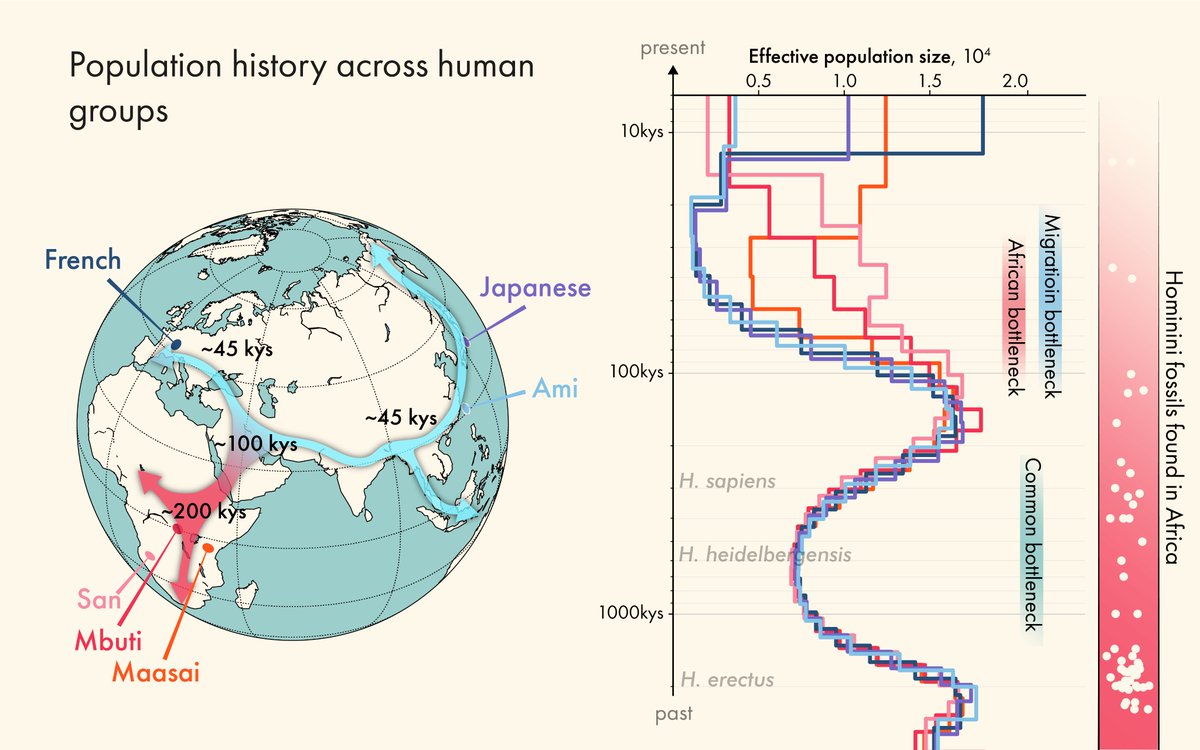
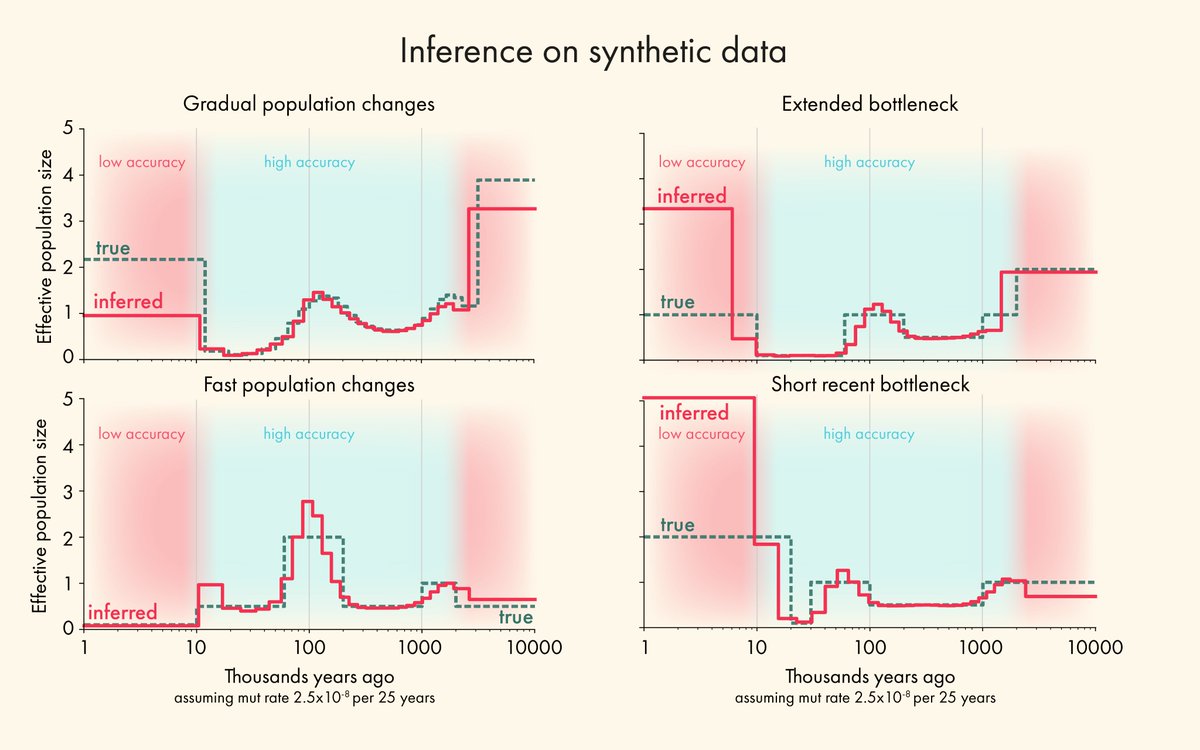
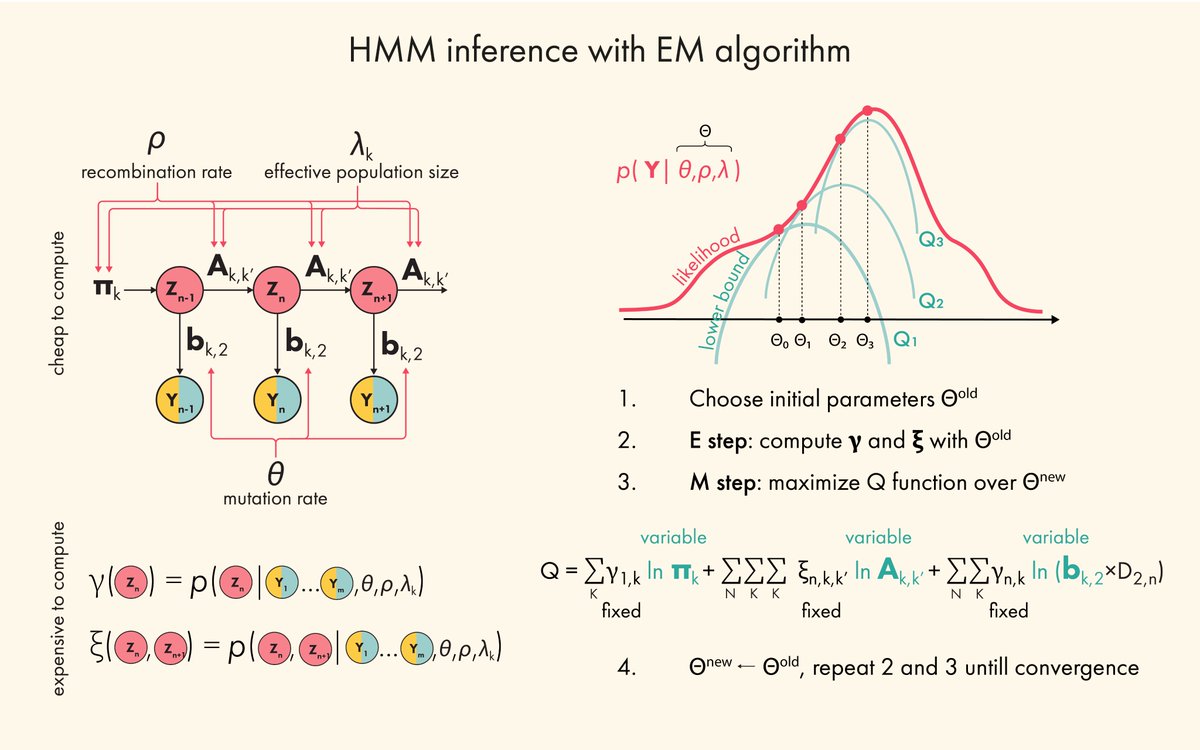
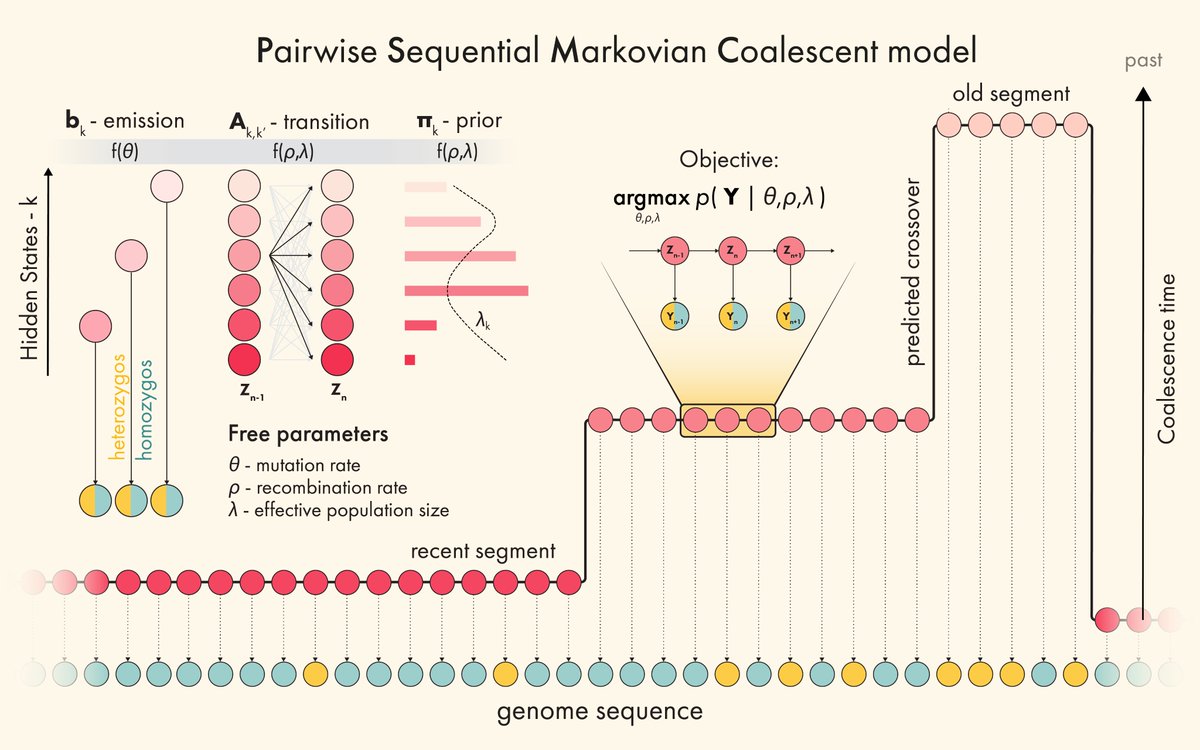
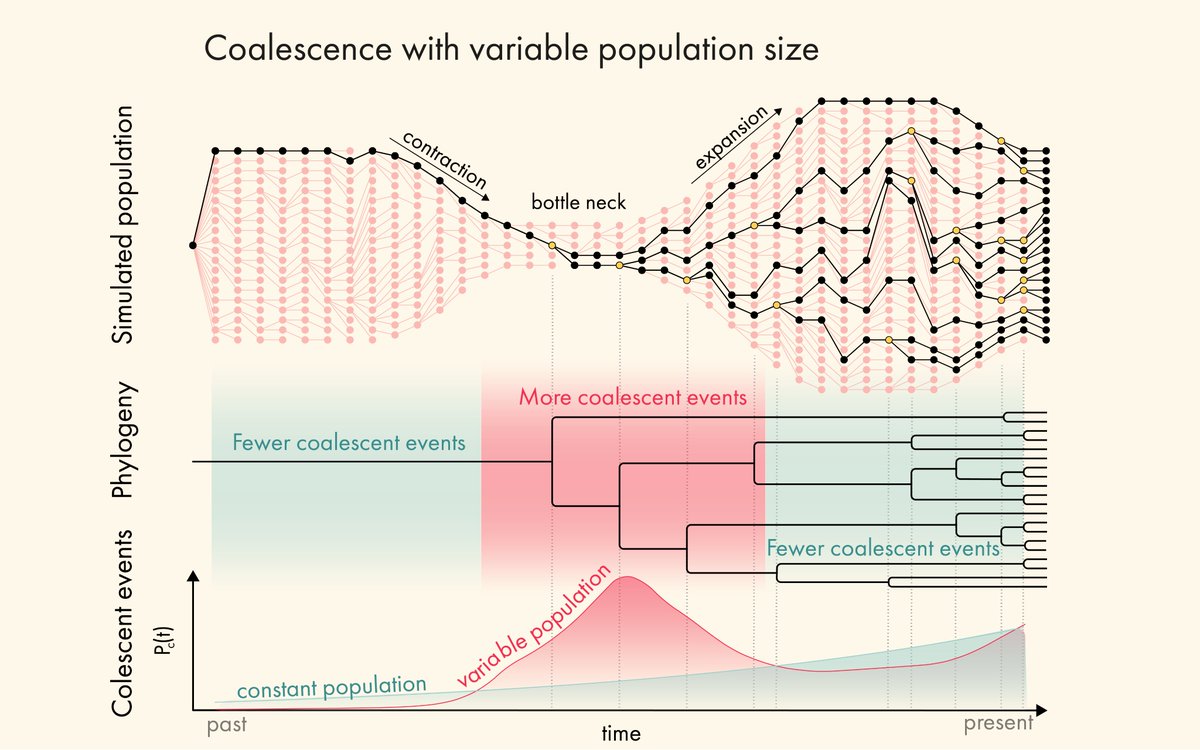
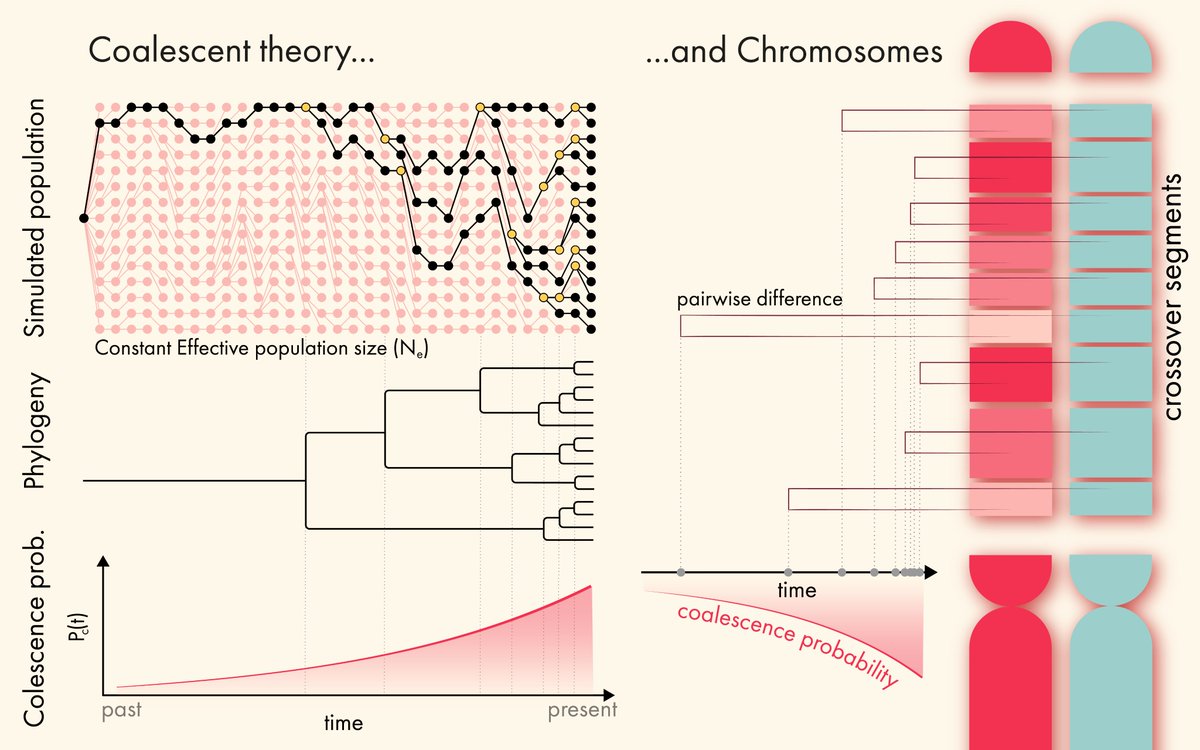
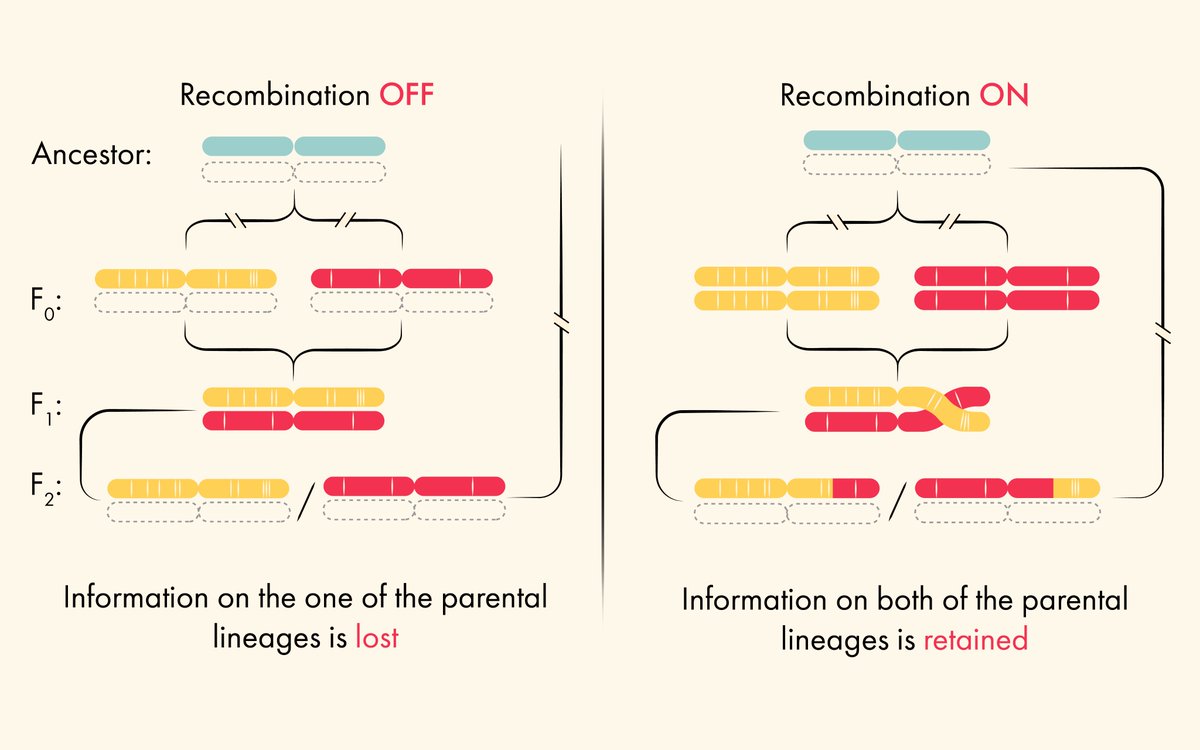
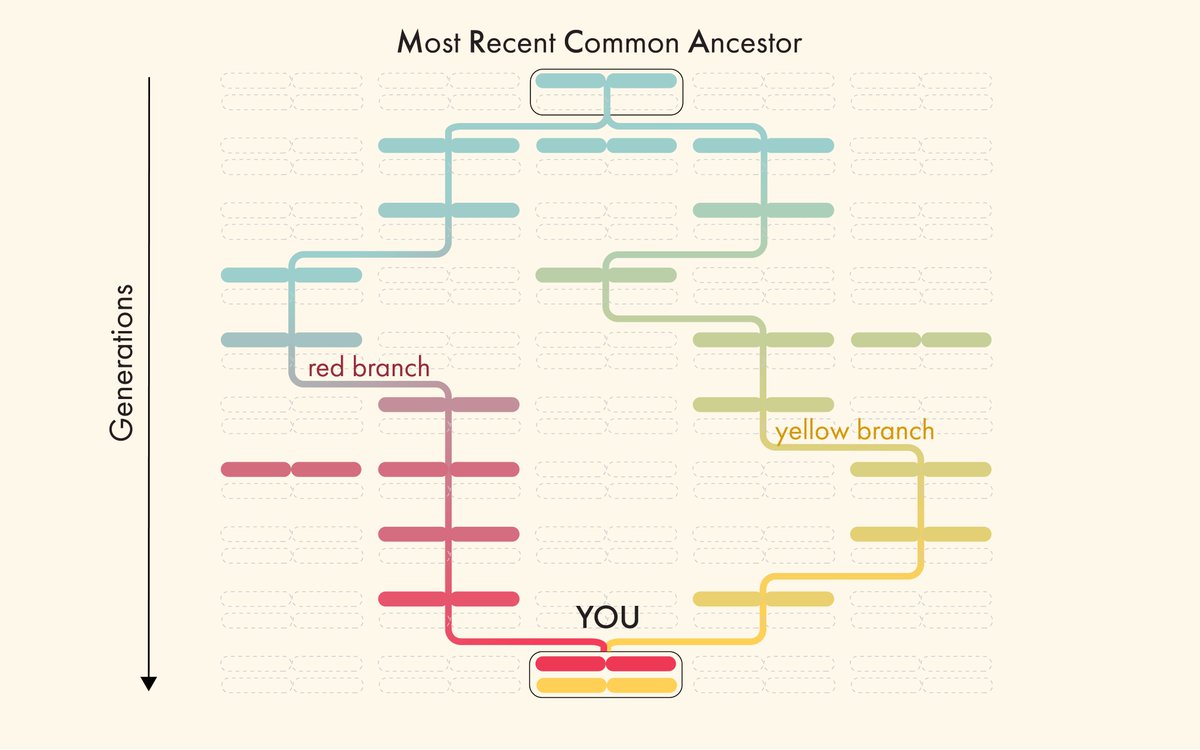
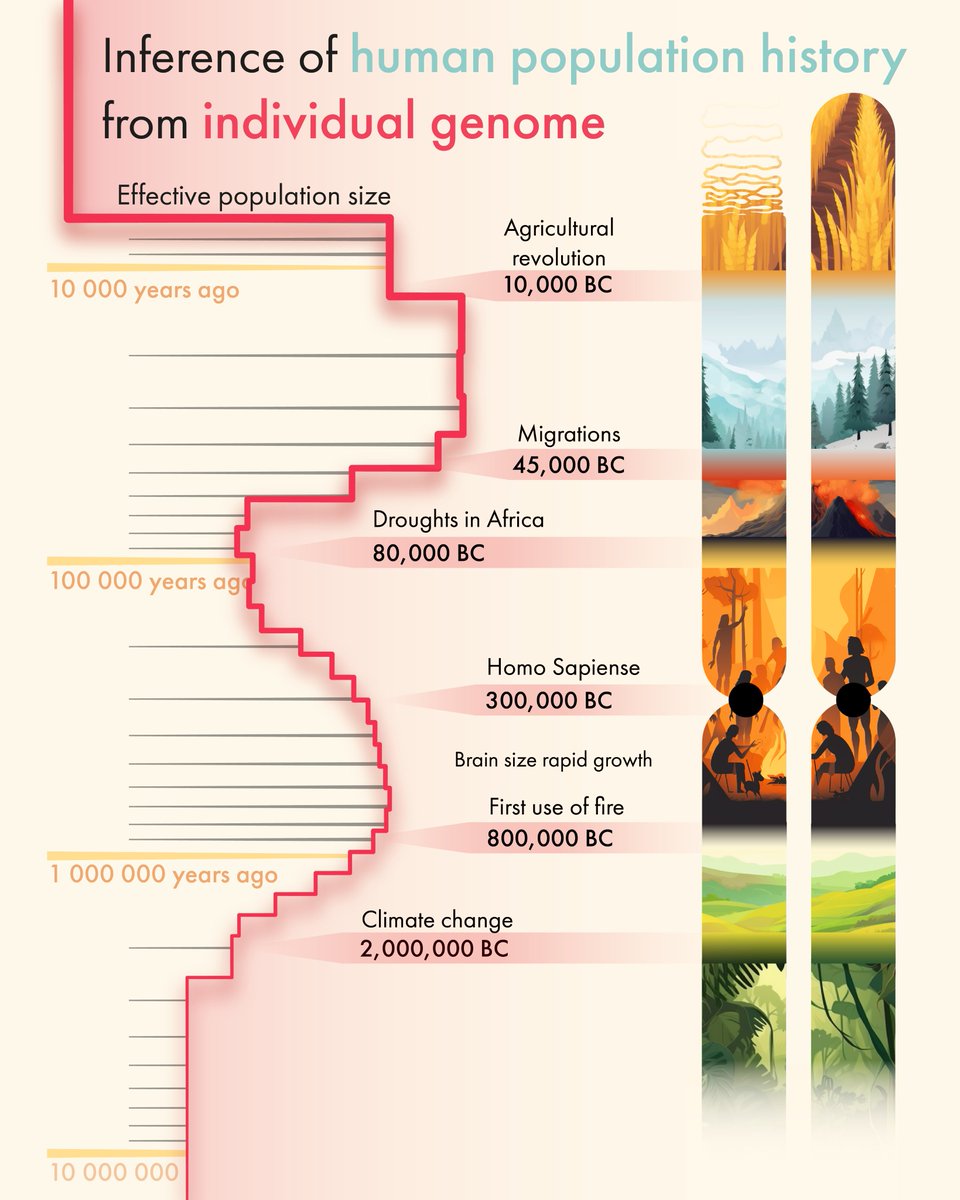
The wonders of population genetics allow us to reveal the echoes of the tumultuous times our ancestors survived, forever imprinted in our genome. In this thread, I'll share my experience replicating one of my all-time favourite papers by @lh3lh3 and @richard_durbin
11
114
370
69,525
Artem Lomakin retweeted

17 Sep 2025
How much does your medical history reveal about your future?
As a team effort of @MoritzGerstung and @ewanbirney's labs, we present Delphi-2M, a transformer for modelling future health based on past medical history.
nature.com/articles/s41586-0…
2
20
46
6,513
9 Dec 2024
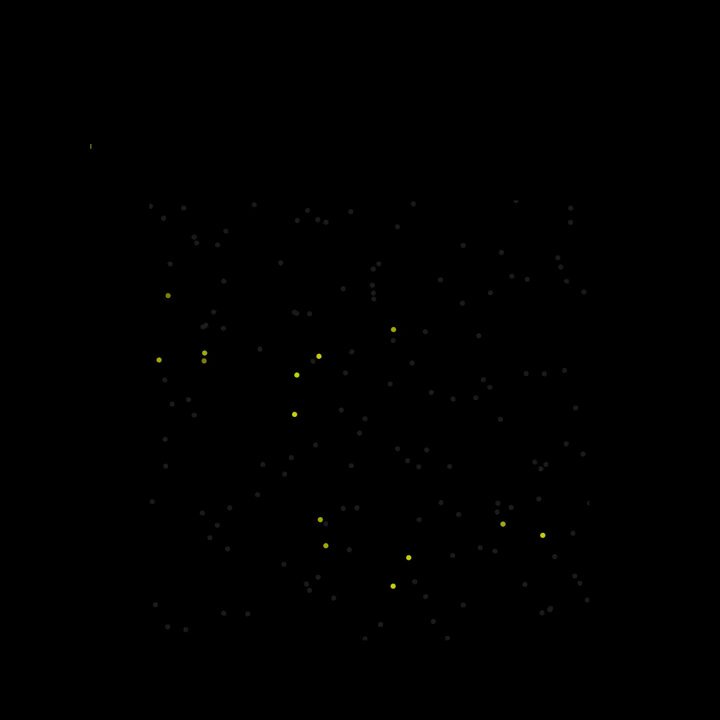
Recently visited SF's @exploratorium (an awesome place, highly recommend). The oscillators section mentioned the synchronisation phenomenon in fireflies but used metronomes as a demo. Metronomes are fine, but they don’t glow!
Here’s a simulation of 150 fireflies shoved into a box
7
439
8 Sep 2024
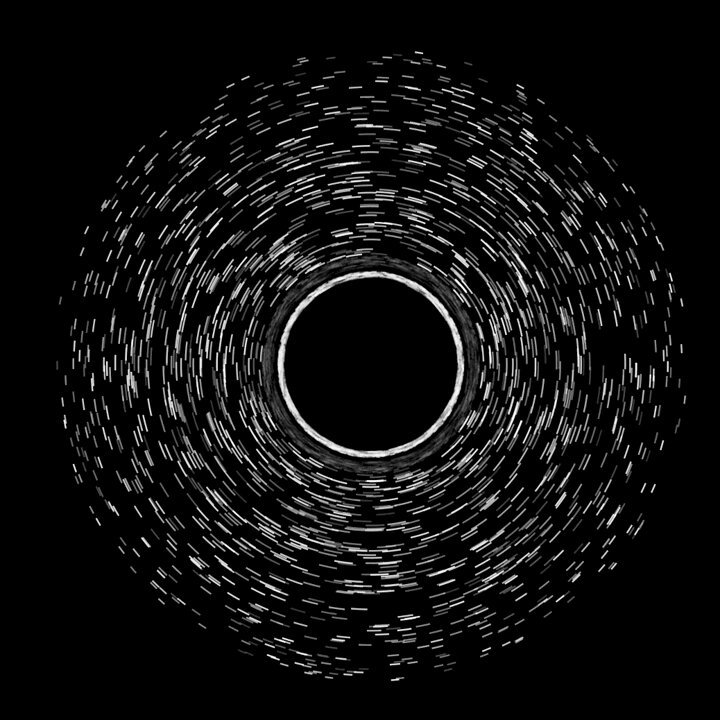
Stumbled upon some of the @ALCrego_ 's motion art and felt an urgent need to animate a black hole
1
11
494

5 Jun 2024
Research internships have been essential in helping me find my career path. However, most internships in Europe are unpaid, making them inaccessible for many students. If you can, please consider helping a friend of mine to fundraise his internship at @DKFZ
4 Jun 2024

Hi everyone! I am trying to raise some money for the dream internship I got at one of the best cancer research centers in Europe. I don't need much. Please find 2 minutes and read this post! It will help me a lot. Thank you!
telegra.ph/Fundraiser-for-th…
2
2
5
1,258
Artem Lomakin retweeted

28 May 2024
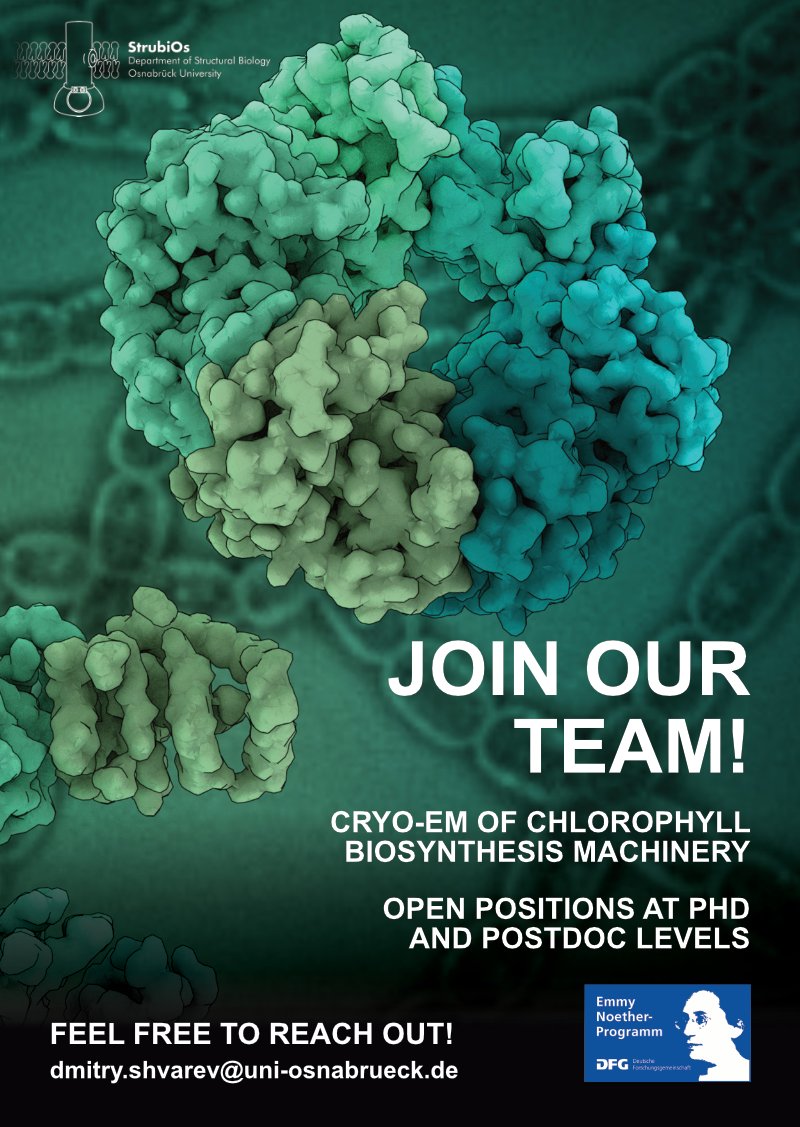
Exciting news! I'm looking for talented individuals to join my soon-to-be-launched Emmy Noether group supported by @dfg_public and @UniOsnabrueck! Reach out if you're passionate about #cryoEM and #photosynthesis!
bit.ly/ChlorophyllPhD
bit.ly/ChlorophyllPostdoc
#ScienceJobs
27
57
10,363
6 Dec 2023
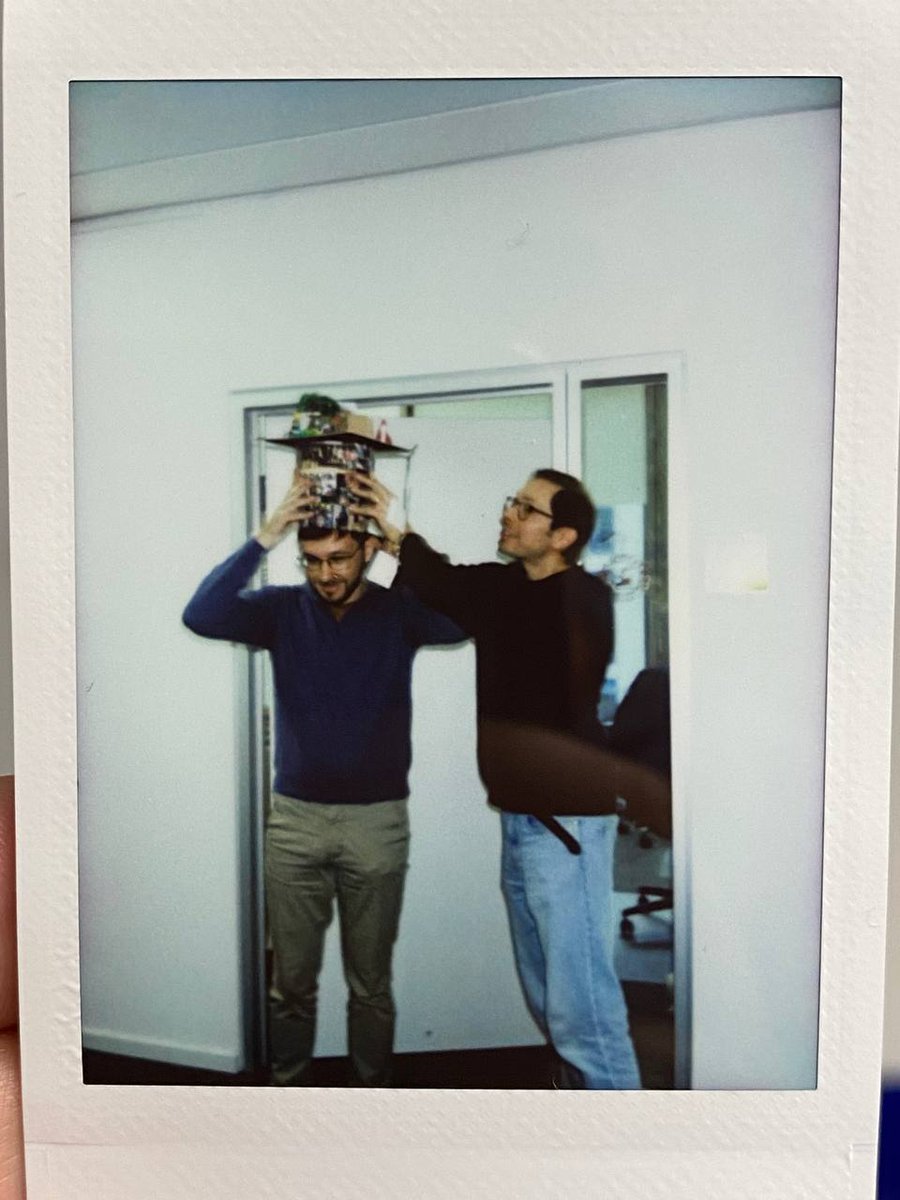
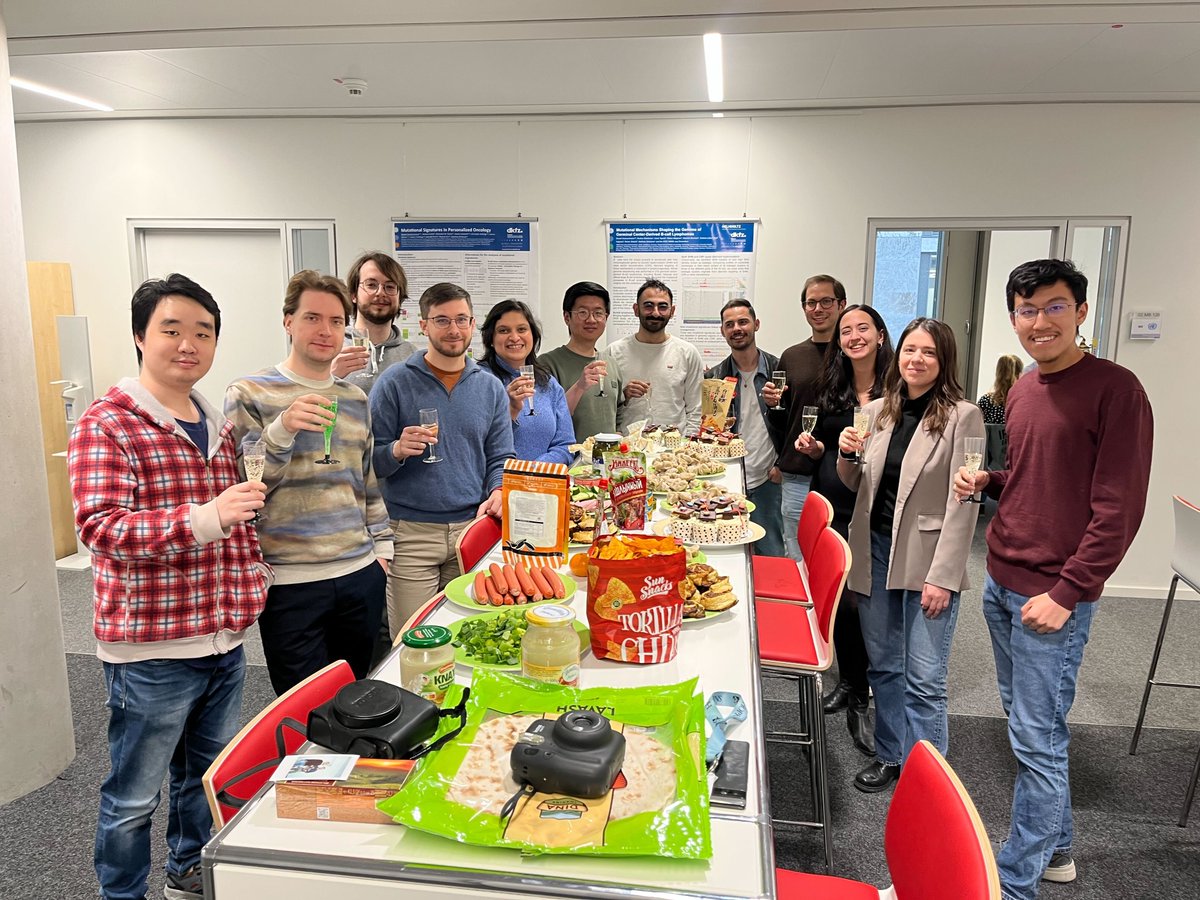
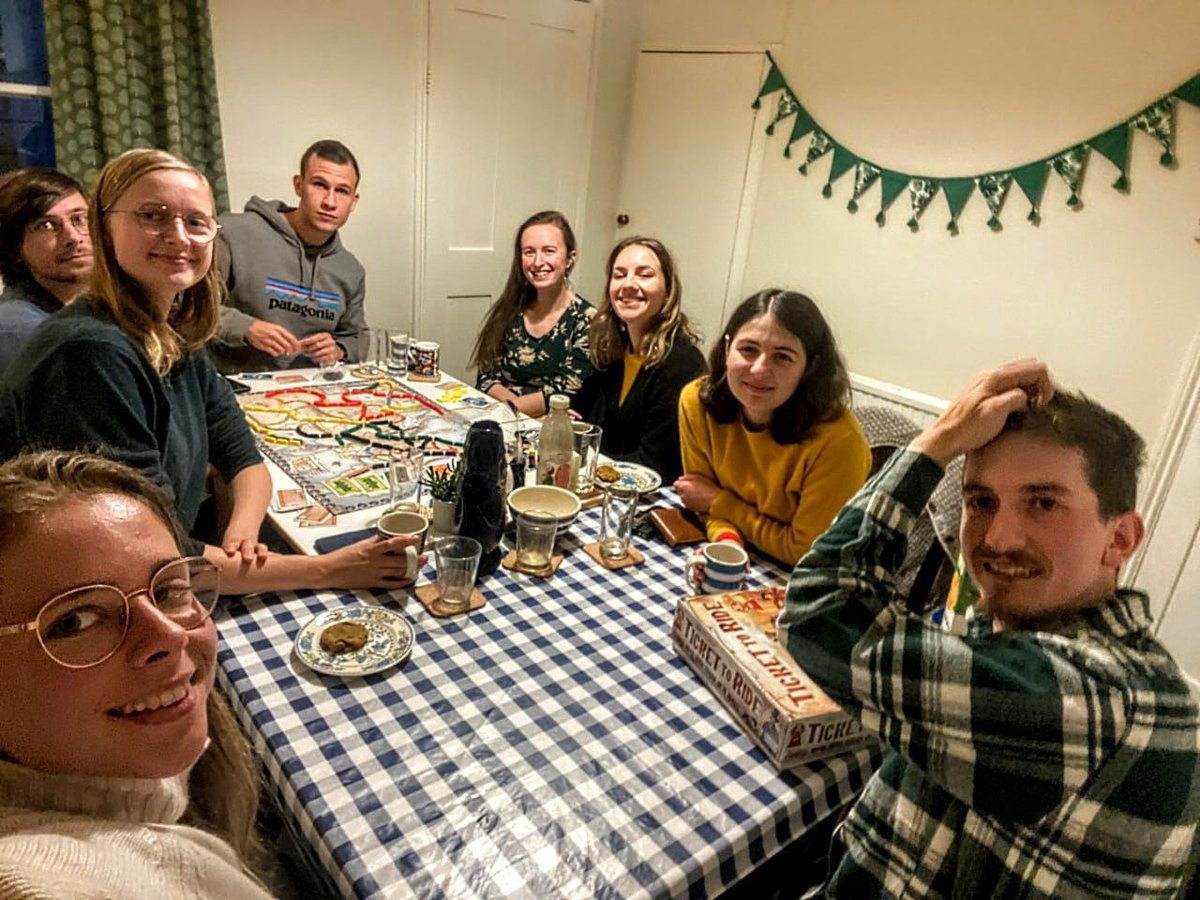
Thesis defended and my colleagues awarded me with the fancy hat 🎓
Thank you everyone who've been with me on this journey - you are fantastic scientists and friends! And thank you @MoritzGerstung and @Yates_lab for guiding me through this chapter of my life. It was fun!
2
3
35
2,733
13 Jun 2023
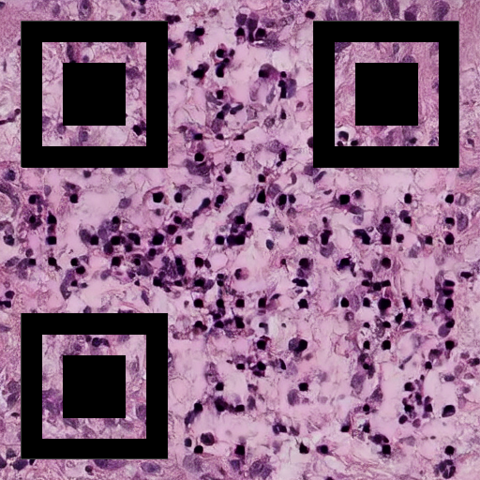
Histopathology image as a QR code v0.1
13 Jun 2023

My lab's new histopathology themed QR code. Generated by @artem_shmatko and @LomakinAI.
🔥🔥🔥
12
1,201
10 May 2023
The field of spatial genomics has faced challenges with diverse data types and a lack of standardised infrastructure for quite some time. Congratulations to the authors for the release of a much-needed solution!
10 May 2023

1/9 Excited to share #SpatiaData, a framework for representing spatially-resolved omics technologies. Great colab w/ @g_palla1 @ky396 @ivirshup @HeidariElyas @TreisTim Marcella @rahulbshrestha @harald_voeh @wolfgangkhuber @MoritzGerstung @notjustmoore @fabian_theis @OliverStegle
ALT The text “SpatialData Framework” along with the SpatialData logo, showing three stacked layers in perspective, at the top a yellow tabular structure, in the middle a dark blue layer with green dots (i.e. cells), and at the bottom a lighter blue layer with a black grid representing a raster image.
1
6
1,229
27 Apr 2023
The wonders of population genetics allow us to reveal the echoes of the tumultuous times our ancestors survived, forever imprinted in our genome. In this thread, I'll share my experience replicating one of my all-time favourite papers by @lh3lh3 and @richard_durbin
11
114
370
69,525
27 Apr 2023
During my PhD interview with @Nick_Goldman, I shared this as my favourite paper, acknowledging my limited understanding of how the method works. Nick then asked me how long it'd take to replicate if the math is provided, and I somewhat naively replied, "I guess three weeks?🤔"
2
1
8
1,837
27 Apr 2023
It took me numerous evenings of dedicated effort to replicate the task at hand. As someone with limited computational experience four years ago, I cannot stress enough how much of an underestimation the "three weeks" suggestion was 🤦♂️
1
26
1,683