Cancer researcher at Wellcome Sanger Institute; Elucidating the nature and clinical relevance of breast cancer heterogeneity & evolution
Joined July 2019
- Tweets 22
- Following 80
- Followers 219
- Likes 33
Photos and videos
Lucy Yates retweeted

9 Dec 2022
Interested in spatial biology and cancer evolution?
New spatial genomics technologies start unraveling how somatic evolution, tissue microanatomy and tumour microenvironments interact.
New review with @Yates_lab @LomakinAI and @zaira_sef
nature.com/articles/s41576-0…
2
45
110
Lucy Yates retweeted

9 Nov 2022
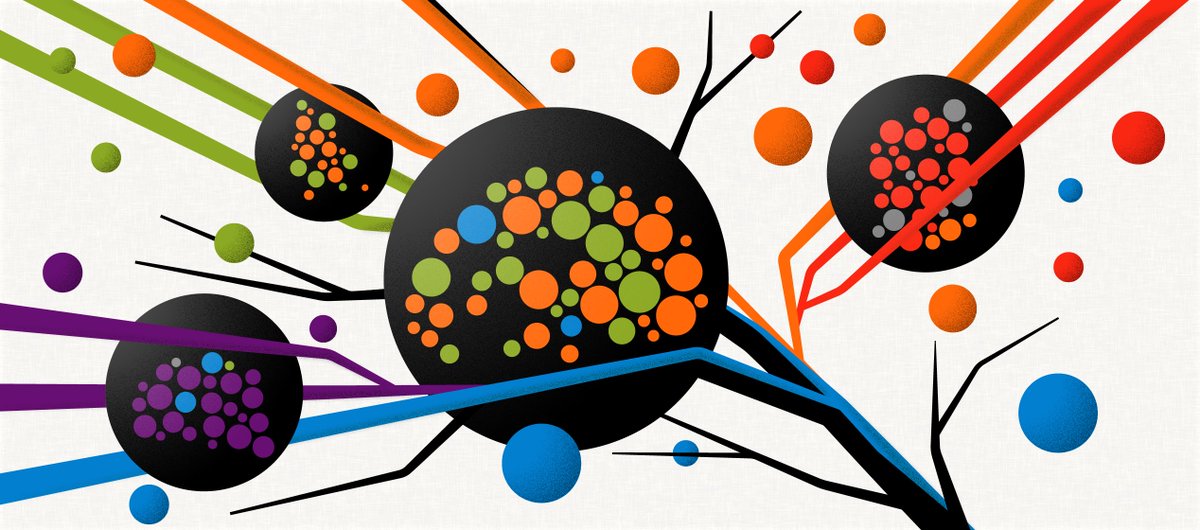
From sequencing and evolutionary theory we know that tumours grow as mosaics of clones - but so far we haven’t been able to see them.
The labs of @Yates_lab, @MatsNilssonLab and @MoritzGerstung created a new method to map the spatial evolution of cancers: nature.com/articles/s41586-0…
4
105
324
Lucy Yates retweeted

26 Sep 2022
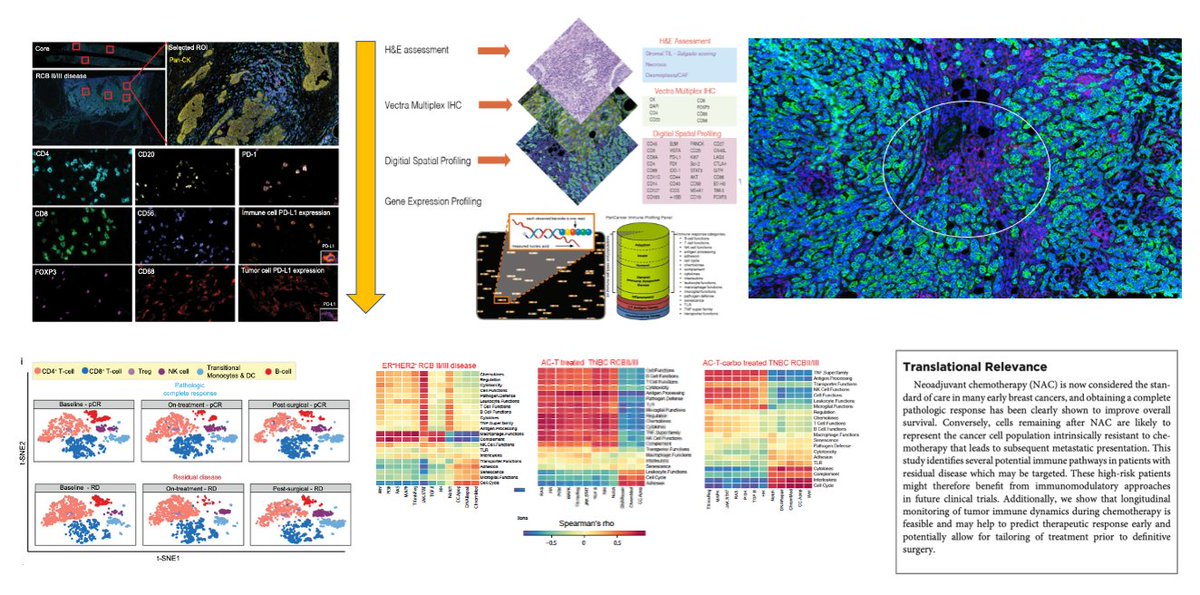
Delighted to have our deep dive into understanding the #tumourmicroenvironment of high-risk chemotherapy resistant breast cancers published in @CCR_AACR today!!
@KCLcancer_pharm @ICR_London
@CRUKresearch
doi.org/10.1158/1078-0432.CC…
kcl.ac.uk/news/immune-target…
4
22
68
Lucy Yates retweeted
26 May 2021
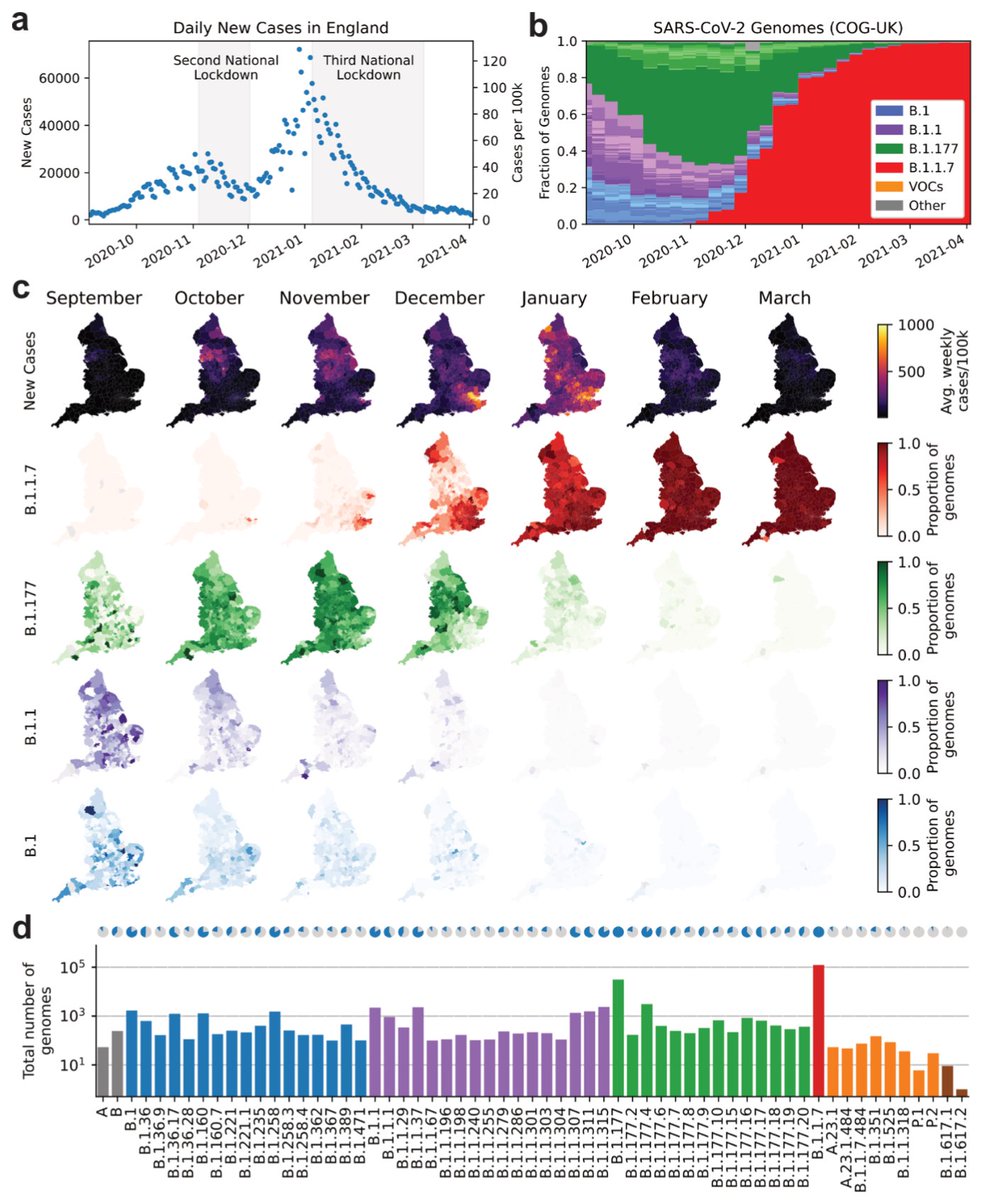
What have we learned from analysing 200,000 SARS-CoV-2 genomes from genomic surveillance in England in the last 9 months?
These data provide important context for the current situation related to B.1.617.2.
Here’s a summary of the preprint. medrxiv.org/content/10.1101/…
3
111
275
Lucy Yates retweeted

13 May 2021
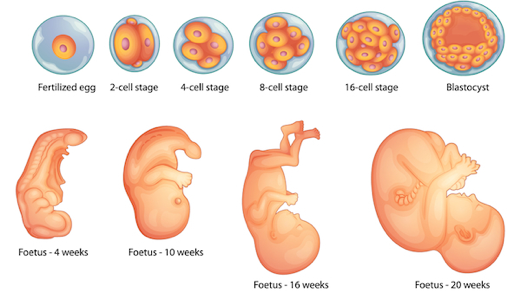
1/ How do our bodies – with their incredible complexity - come from a single fertilised egg? How is it co-ordinated? What tissues come from what? Why (and how) might it go wrong? These are the questions we asked in our study out in @nature this week.
doi.org/10.1038/s41586-021-0…
16
193
813
Lucy Yates retweeted

3 May 2021
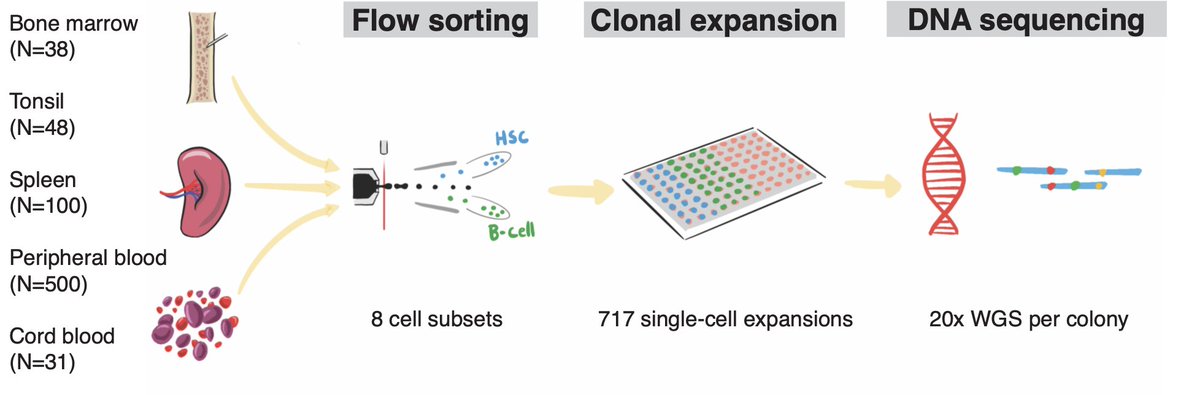
So proud of this new study. We developed naive and memory B and T single-cell expansion protocols and produced lymphocyte and blood stem cell genomes, from healthy individuals aged 0-81. I am still stunned at the biological insights revealed. [1/10]
biorxiv.org/content/10.1101/…
6
95
337
Lucy Yates retweeted

28 Apr 2021
Excited to share our latest work. We present NanoSeq, a new duplex sequencing method with <5 errors per billion sites in single DNA molecules. A leap in our ability to study mutation in any tissue. 1/ nature.com/articles/s41586-0…
23
230
759
Lucy Yates retweeted

19 Apr 2021
Alright, since folks are commenting on the Guardian article calling Bayes Theorem "obscure", here's a story about doctors, Bayes Theorem, log scales, and learning and listening from people even when they don't know the thing you know.
13
121
446
Lucy Yates retweeted
17 Apr 2021
These snippets highlight the huge potential of spatial genomics and transcriptomics with BaSISS to study cancer evolution. This will enable us to measure, understand - and hopefully one day prevent - the key steps of malignant progression. 8/9
1
2
10
Lucy Yates retweeted
17 Apr 2021
It's the result of a great research collaboration combining new technology, clinical oncology and data science. Huge thanks to Carina, Milana, @artem_shmatko, Jun, @GenomeDoctor, @stefan_seq, @vitaliikl, Vasyl, Tong, @bayraktar_lab, @luiza_moore, Sarah, Andrea and Peter. 9/9
1
1
11
Lucy Yates retweeted

7 Apr 2021
Proud to present the final chapter of the PCAWG Evolution and Heterogeneity Working Group after 7 years: detailed pan-cancer characterisation of intra-tumour heterogeneity! #PCAWG cell.com/cell/fulltext/S0092…
8
69
242
Lucy Yates retweeted

26 Oct 2019
People will take enormous risks to enter Britain econ.st/2Jl8Rdf
16
36
69

26 Oct 2019
Fantastic paper from the Gerstung lab applies histology based deep learning approach and not only identifies cancer type but also the underlying molecular aberrations.
25 Oct 2019

Pan-cancer computational histopathology reveals mutations, tumor composition and prognosis biorxiv.org/cgi/content/shor… #bioRxiv
3
Lucy Yates retweeted

23 Oct 2019
Our study on normal and cirrhotic liver is also out in @nature. Fantastic work by @sfbrunner led by @Matt_Hoare20 and Peter Campbell @sangerinstitute
Normal liver parenchyma is composed of small clones, but this changes with damage and regeneration in cirrhosis
23 Oct 2019

Great to work on this project with @Matt_Hoare20 @CRUK_CI and Peter Campbell, lead by @sfbrunner @sangerinstitute
Somatic mutations and clonal dynamics in healthy and cirrhotic human liver
nature.com/articles/s41586-0…
3
14

Lucy Yates retweeted

25 Sep 2019
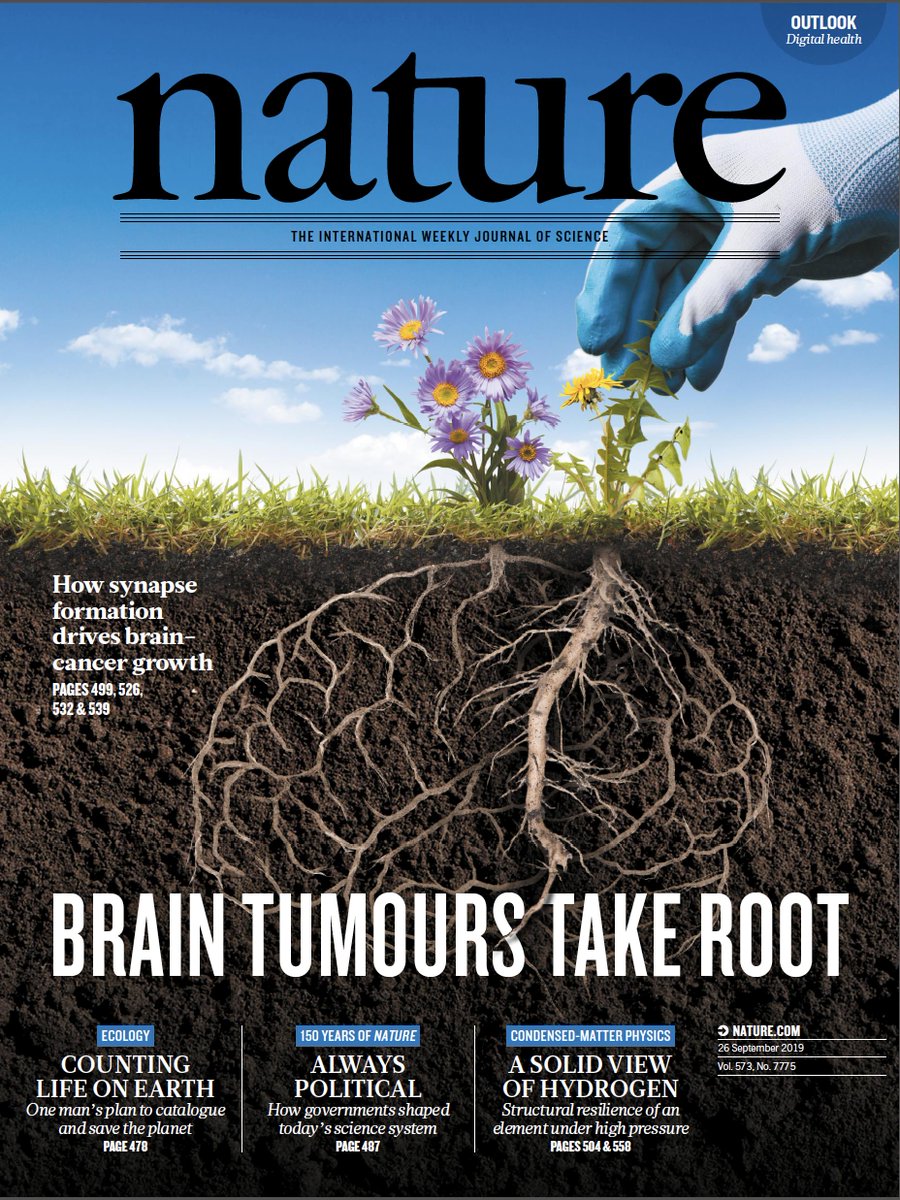
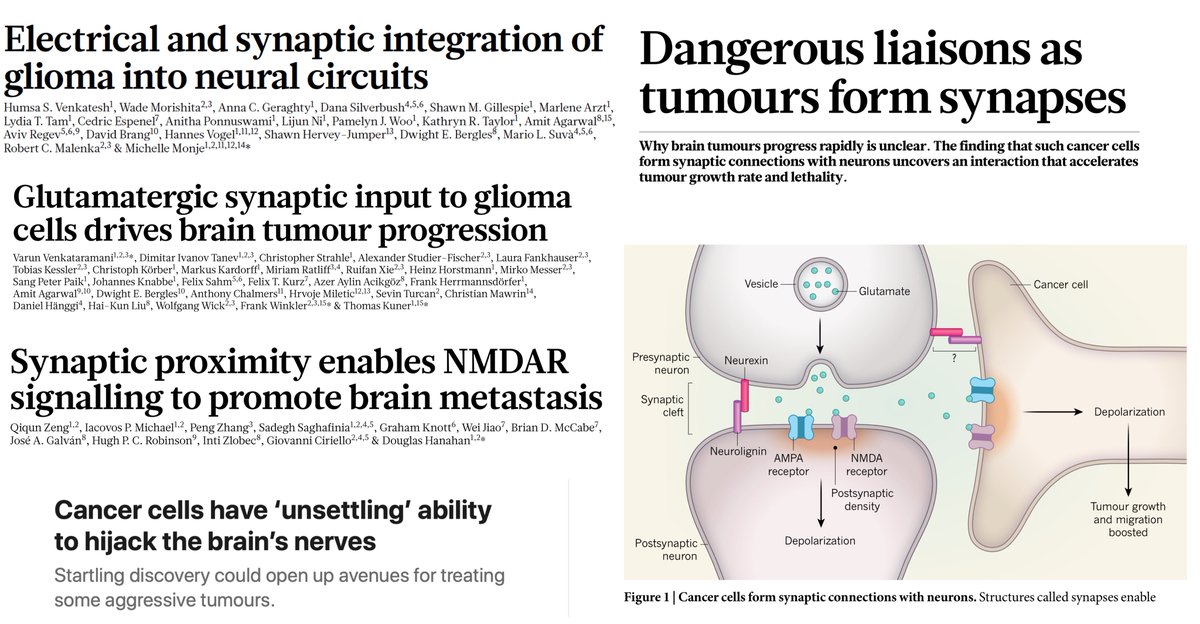
When the #brain is hijacked by #cancer.
It isn't at all pretty as the @nature cover this week
3 reports, summarized well by a @NatureNV by Andres Barria nature.com/articles/d41586-0… and @heidiledford's @NatureNews nature.com/articles/d41586-0…
1
43
105
Lucy Yates retweeted

25 Sep 2019
dotdotdot: an automated approach to quantify multiplex single molecule fluorescent in situ hybridization (smFISH) images in complex tissues biorxiv.org/cgi/content/shor… #bioRxiv
25
48
Lucy Yates retweeted

18 Jul 2019
3 CT scans’ worth of radiation gives cancer-capable cells an advantage in ‘Game of Clones’ battle in healthy tissue. New research in mice helps understand the risks around low doses of radiation.
#AnimalStats @Cambridge_Uni
bit.ly/2YXIyQ4
1
14
20