
377 Photos and videos







Pinned Tweet

Jan 15
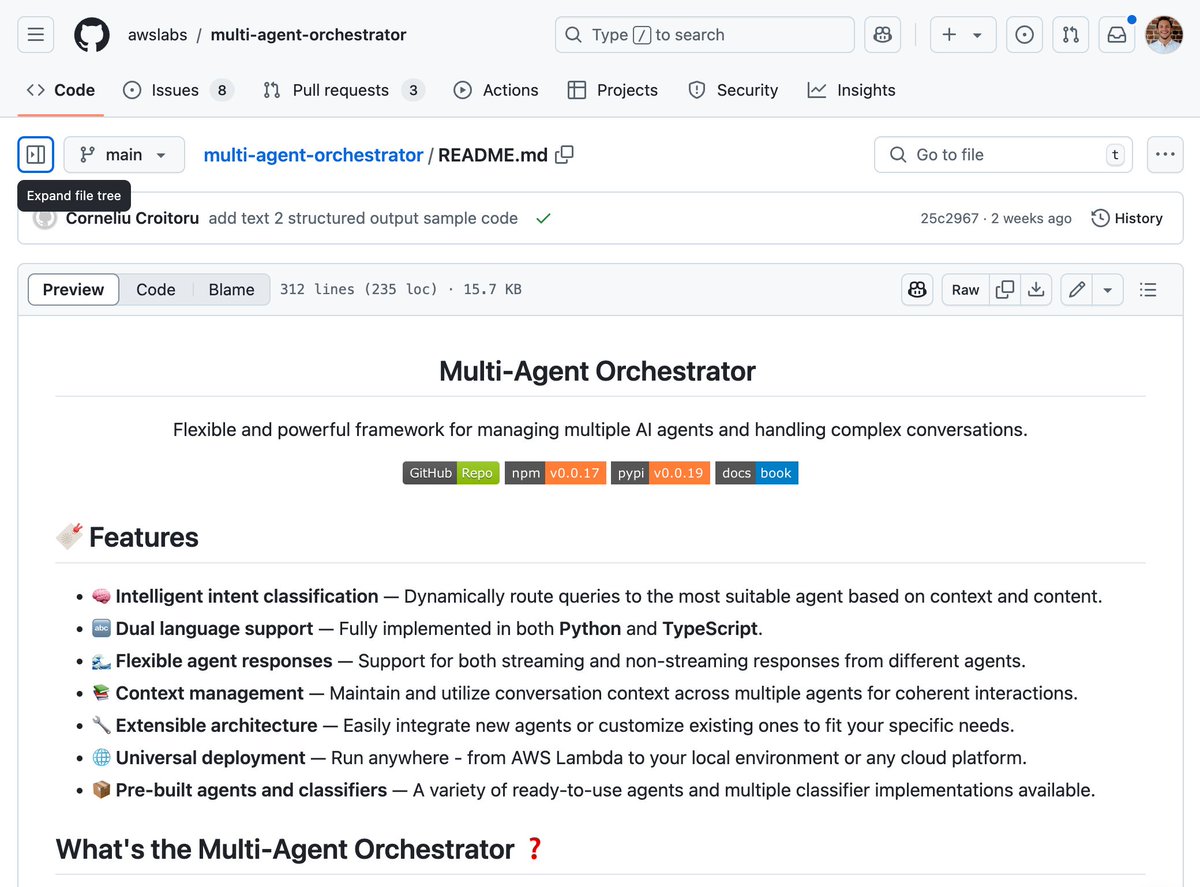
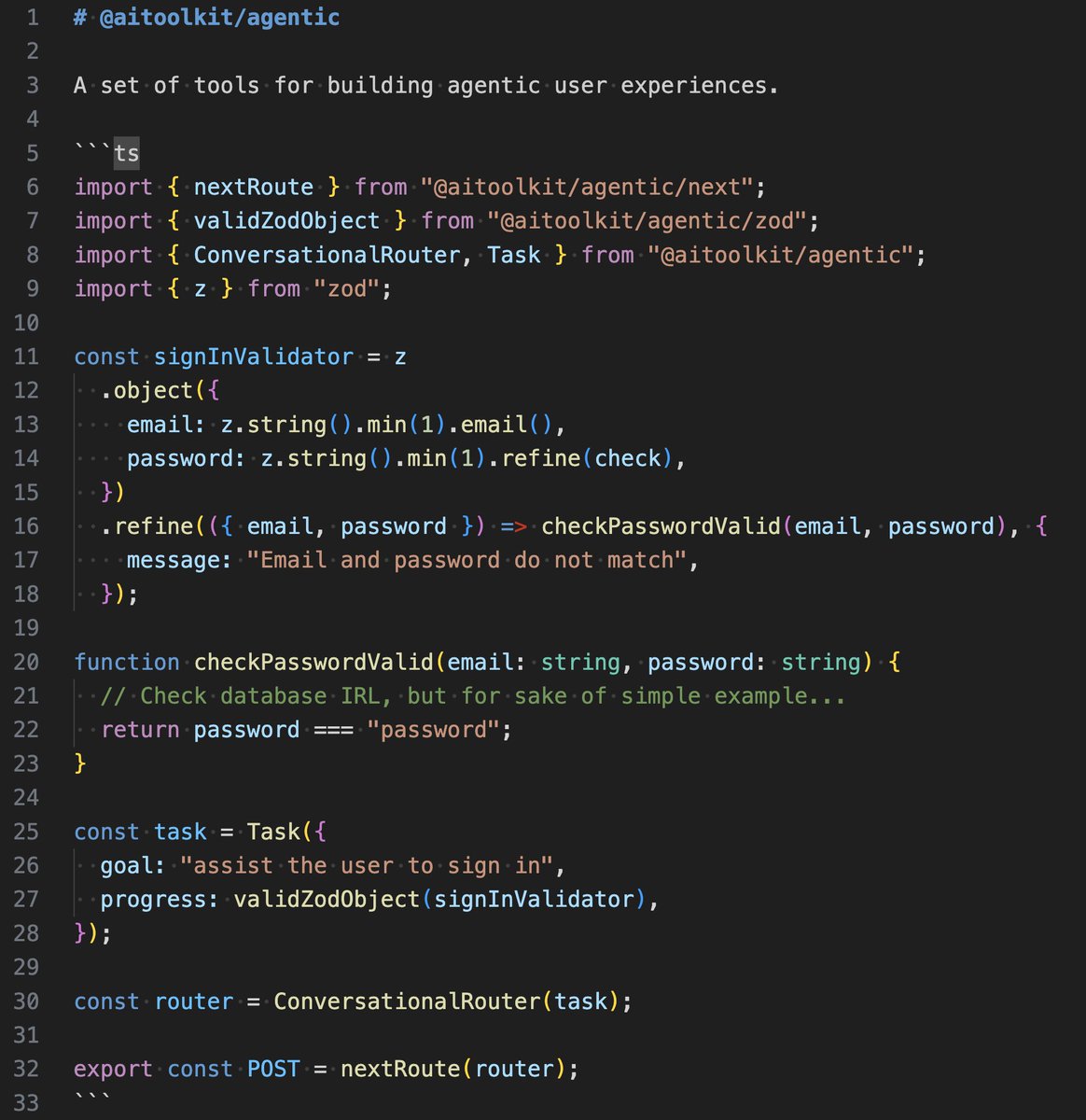
Here’s a recent demo of First that I gave to the PromptMates community:
youtu.be/sS4ZsIwv0tE?si=y63V…
4
419
May 13
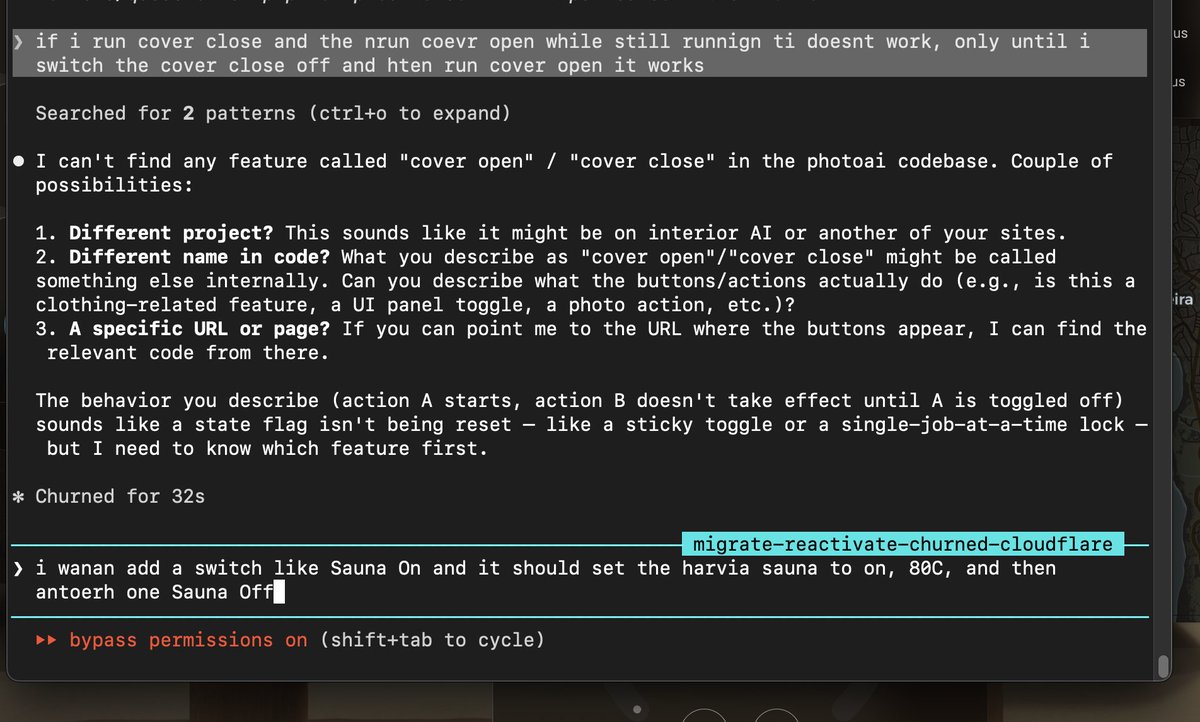
Might have done this across projects more than once… 😅

When you end up in the wrong tab and add Pool Cover and Sauna home automation to your AI startup
43
Luke Morton retweeted

May 13
Hello 👇 I talk about ClearanceKit a tool to protect yourself from supply chain attacks on macOS.
2
1
3
124
Apr 27
Both answers wrong.
It’s all just religion.
Apr 27

requirements.txt looks cleaner because it’s simple. it also can’t do half of what real apps need
nodejs uses package.json because software isn’t just dependencies, it’s scripts, builds, tooling, lifecycle
python keeps it minimal, node keeps it usable
54
Apr 26
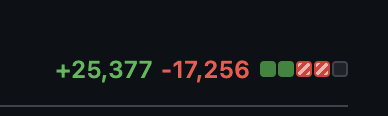
Exactly!

34
Apr 25
This isn’t practical advice. I can see how an approach like this can help you build up a prototype or MVP quickly, but you can’t iterate on users feedback and build a business like this.
You’re shipping too slowly if you’re working to this cadence. The amount of code you can produce in say a 8-12 hour “night shift” is too much to review, and would be reviewed far too infrequently.
The only way it could work would be if it were shipping to live users automatically and could interpret business goals and user feedback to drive requirements independently.
We struggle for bandwidth with 2 devs working 3-4 parallel streams each with several review points through the day.
Apr 25

Tons of folks are piling in here saying that AFK agents are a myth.
I have been using them to ship these GitHub repos:
mattpocock/evalite
mattpocock/sandcastle
mattpocock/software-factory (might be public by the time you see this)
Here are a few steps to making this work, and some reality checks.
Definitions
Let's split this into the day shift and the night shift. Day shift is planning/review/QA, night shift is AFK implementation.
Day Shift (part 1)
1. Use /grill-me to align with the AI
2. Use /to-prd and /to-issues to create a PRD (the destination) and implementation steps as separate tickets, which can be grabbed in parallel (the journey)
3. The PRD is a ticket, but it's not an actionable step. You just put the user stories there
This is pure requirements gathering shit, same as it ever was.
Night Shift
1. I run a planner agent which looks at all the tickets and sees what can be worked on now, and what's blocked
2. The planner agent then kicks off multiple agents (sandboxed using Sandcastle, my OSS tool) to implement the code
3. I then have an automated reviewer agent look at the commits produced - one agent per implementation. This checks alignment to the original PRD, as well as code quality
4. These commits end up on branches that get PR'd to main
5. The planner agent runs again until all work has been completed
The review is a crucial step - it's saved me MANY times. I am planning to massively increase the amount of review I do, hopefully with multiple agents.
But guess what - AFK agents sometimes produce bad code. This can happen because of:
a. The original plan was bad because the best solution was something different
b. The original plan was bad because it didn't take into account all the unknown unknowns, and the AI had to make some decisions during the coding session which were bad
c. The plan was good, but the AI just shat the bed (twice, once in the review stage, once during implementation)
d. Your codebase is bad and the feedback loops don't tell the agent if it did a good job or not
So... QA:
Day Shift (part 2)
1. QA all of the branches created
2. Create follow-up issues, potentially editing the original PRD to adjust the destination
This will usually take a long time, often as long as planning. But then you kick off the night shift again.
Once QA is all done, you review the important bits of code manually, usually in PR's. There isn't anything better than the PR UI right now, so that's what we're stuck with.
Wake-up Calls
1. If you let the AI run all night unbounded by planning, it's going to produce shit code
2. Mostly, my loops finish before I go to bed, it's just the night shift catching up to the day shift
3. The only reason I do AFK at all is because it allows me to automate review and totally not give a shit about latency
4. I always run night and day shift in parallel. I can't plan that far ahead (skill issue, probably). I need working code to base my plans from, so I'm aggressively QA-ing stuff that lands
73
Apr 25
The more I read this the more I disagree with it.
AI now writes all of my code but I feel like I’m coding more not less. I’m managing 3-4x my past throughput because I’m learning how to context engineer enough parallel threads of 30-60 minute chunks of work.
Im gradually learning how to use these tools to do exactly what I want and how I want it.
It’s not one shot but software shouldn’t be! You need to build feedback into dev loops and deploy loops. Those loops should be small and rapid increments.
That’s on codebases I’ve previously hand written with custom architectures, as well as rails apps I’ve built with AI and have never reviewed outside of Claude Code.
My learning journey and experience right now is the opposite as OP…
I am so very impressed by how I can scale the delivery of my ideas to users, and iterate based on their feedback.
Apr 25

A common dynamic I observe with AI: it feels most impressive when you don’t know much about the subject, don’t care or don’t have a clear idea of what the you want.
This applies across design, code, legal, and more. If I don’t know code very well, every piece of code it writes feels very impressive.
Once you know what something should feel or look like, it becomes almost impossible to guide AI there. And you definitely can’t one-shot it.
73
Apr 25
Claw on k8s
Apr 23

Working on that with some big players in the industry.
49
Apr 10
Wow can’t believe how far behind the Anthropic team are
134
Apr 1
The spiritual successor to WordPress is WordPress.
Apr 1

Introducing EmDash — the spiritual successor to WordPress. cfl.re/3NPVfev
56
Apr 1
Spiritual successor to WordPress is WordPress
Apr 1

Announcing: EmDash, the WordPress spiritual successor built for the modern web.
TypeScript. Serverless. MIT licensed. x402 for agent-era monetization. MCP server built in. Deploy to Cloudflare or anywhere Node.js runs.
Imports your existing WordPress site in minutes.
npm create emdash@latest
blog.cloudflare.com/emdash-w…

49
Luke Morton retweeted

Apr 1
Announcing: EmDash, the WordPress spiritual successor built for the modern web.
TypeScript. Serverless. MIT licensed. x402 for agent-era monetization. MCP server built in. Deploy to Cloudflare or anywhere Node.js runs.
Imports your existing WordPress site in minutes.
npm create emdash@latest
blog.cloudflare.com/emdash-w…
187
338
3,100
666,193
Mar 31
Never filled with confidence when Claude debates its own plan within the plan itself.
44
Mar 18
OMG… Claude Code please sort your command allow list approach.
Constantly running into problems with EOF and now got add won’t work because my file paths have square brackets in (next)!
So annoying.
55
Mar 17
I’ve never been much of a short video consumer…
I usually run 2-3 work streams in parallel, sometimes 5. But that bandwidth hurts my human brain.
Sometimes that means I’m left idling while Claude Code does its thing.
I now watch shorts.
87
Mar 9
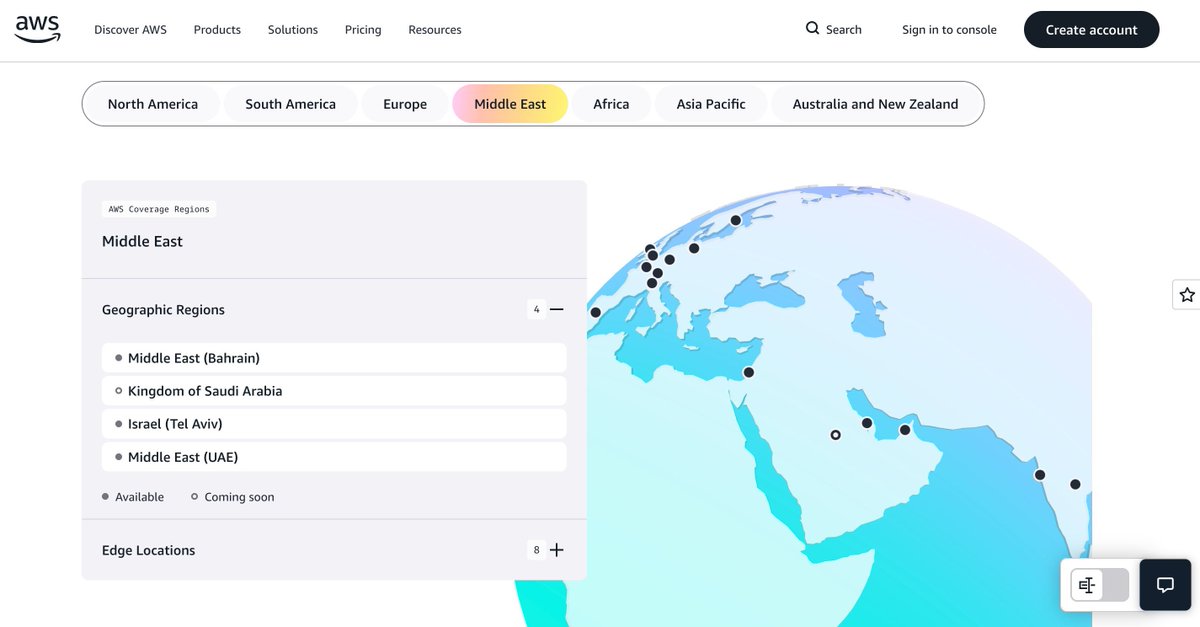
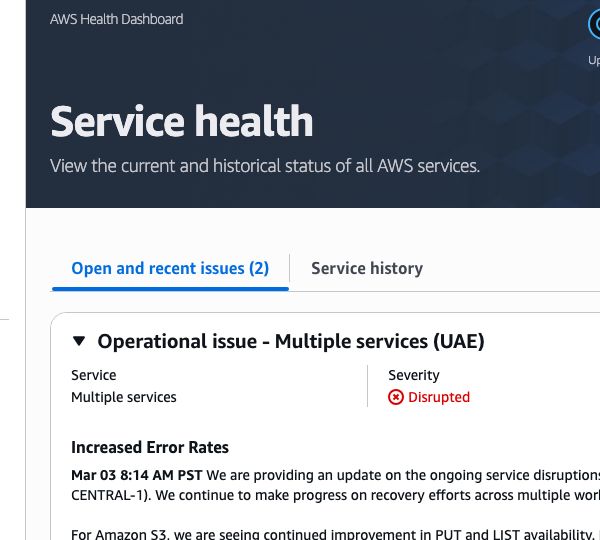
Cloud region selection used to be a latency decision. After Iranian drones hit three AWS data centres, it is a geopolitical one too.
44
Mar 9
Dope
Mar 9

Introducing Sovereign AI, the Government’s new £500m venture fund.
Sovereign AI will support founders from day one to start here, scale here and win everywhere.
sovereignai.gov.uk
77
Mar 9
Now I know how those vim kids felt coding on the command line all day long
1
50