
PhD student @northwesternu. Prev. student researcher @google, alum of @ucberkeley and @utaustin computer science.
Joined September 2019
- Tweets 121
- Following 158
- Followers 169
- Likes 688
22 Photos and videos
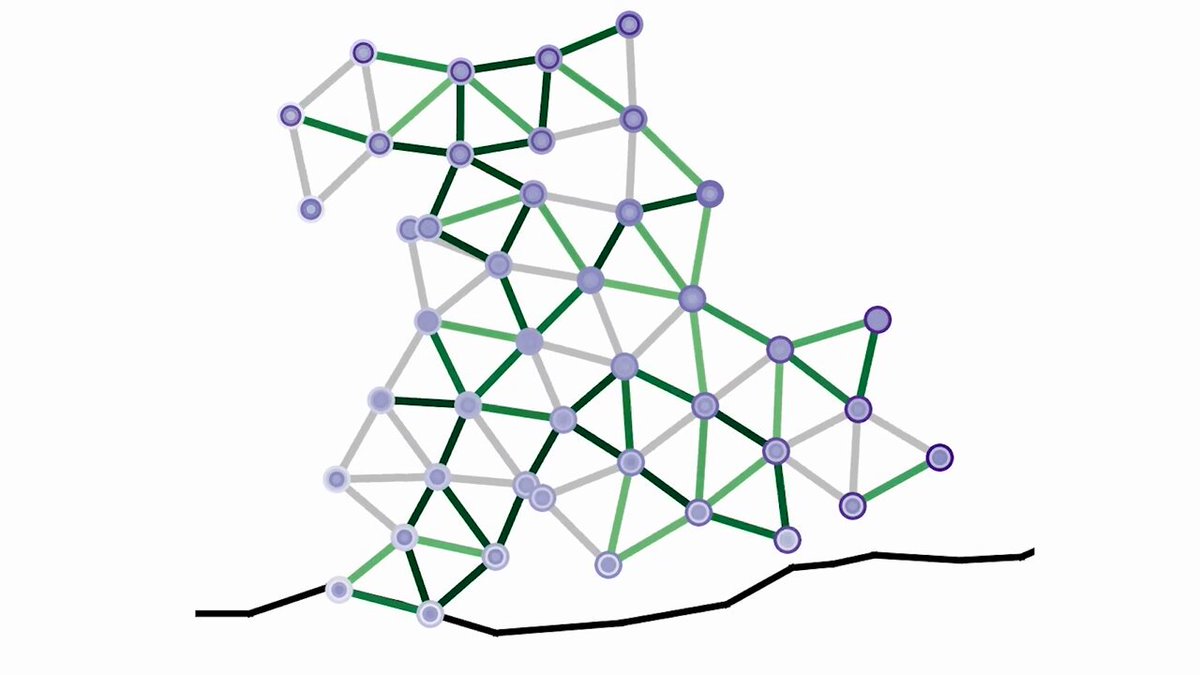
Pinned Tweet

Jan 27
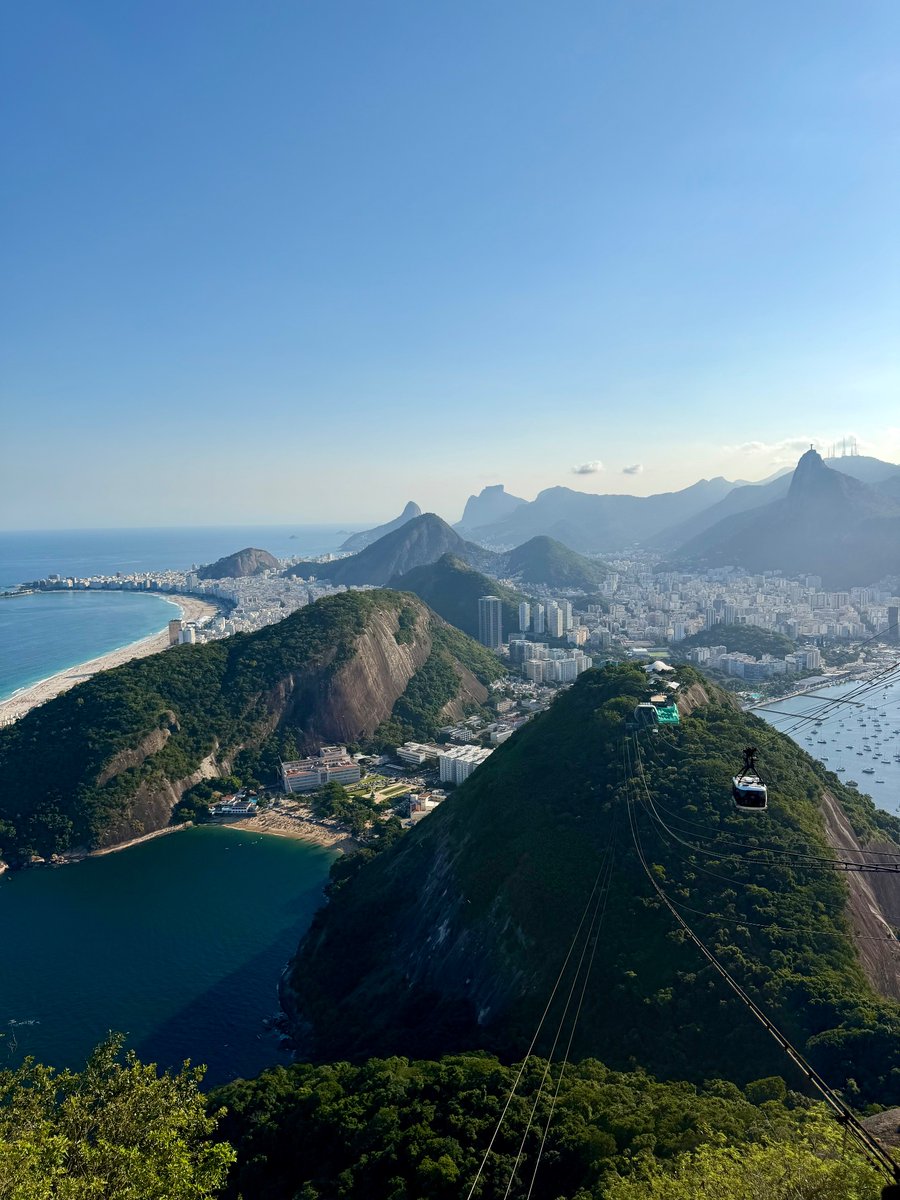
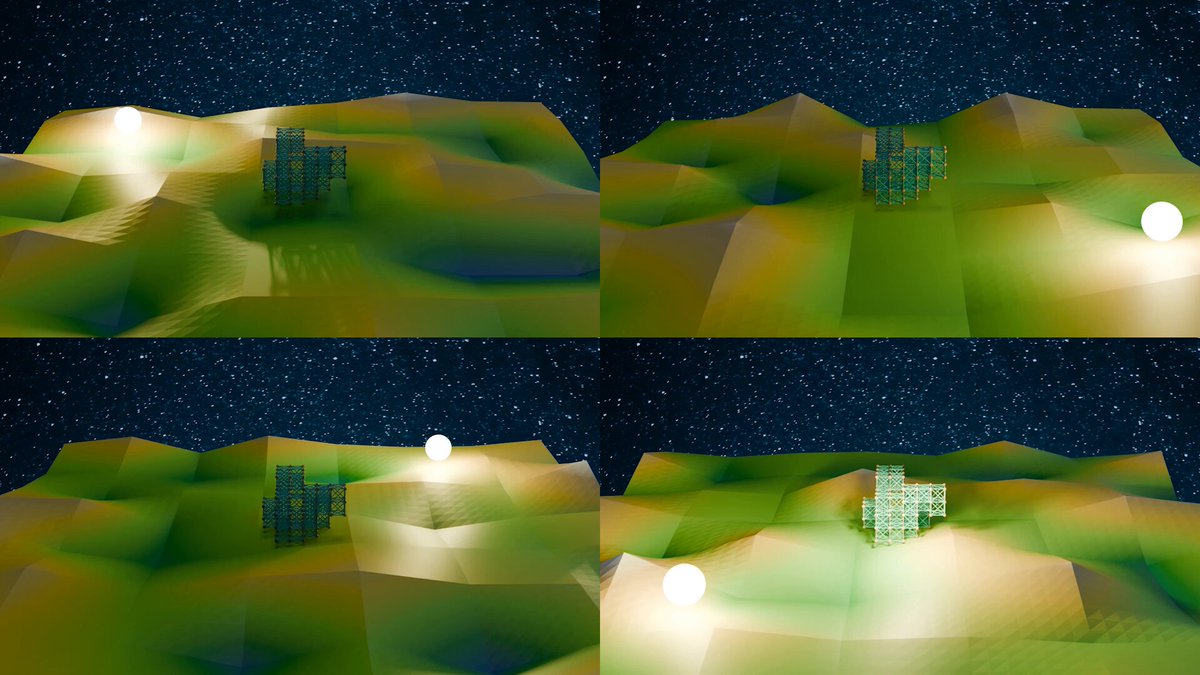
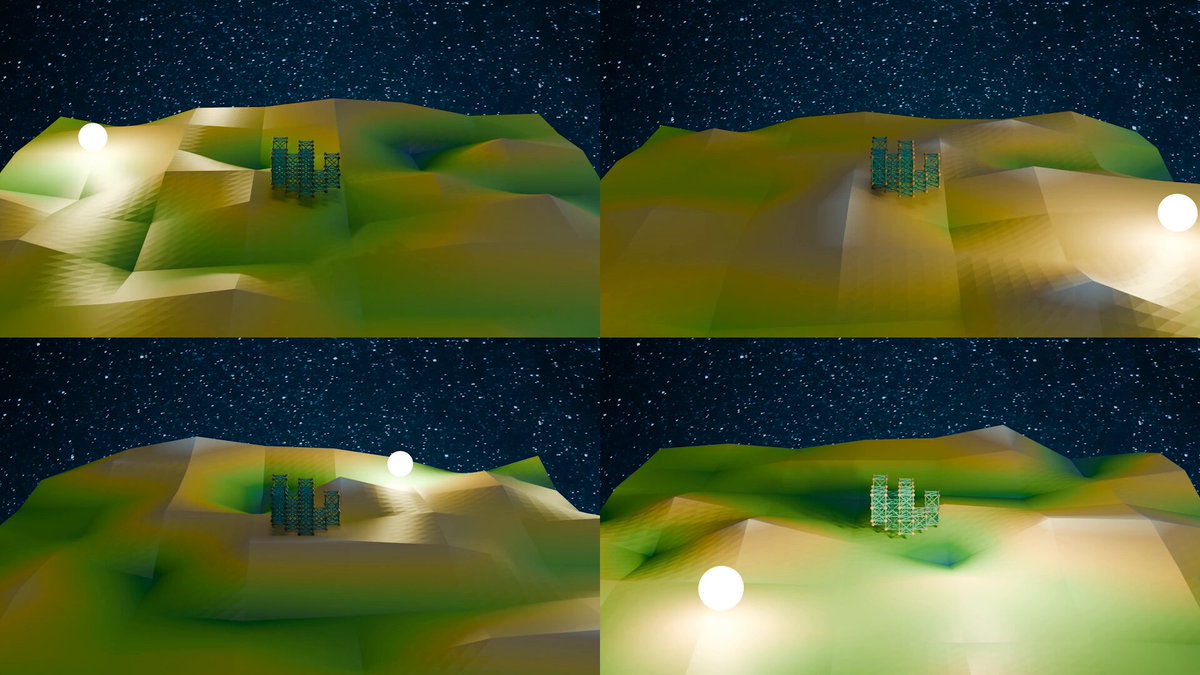
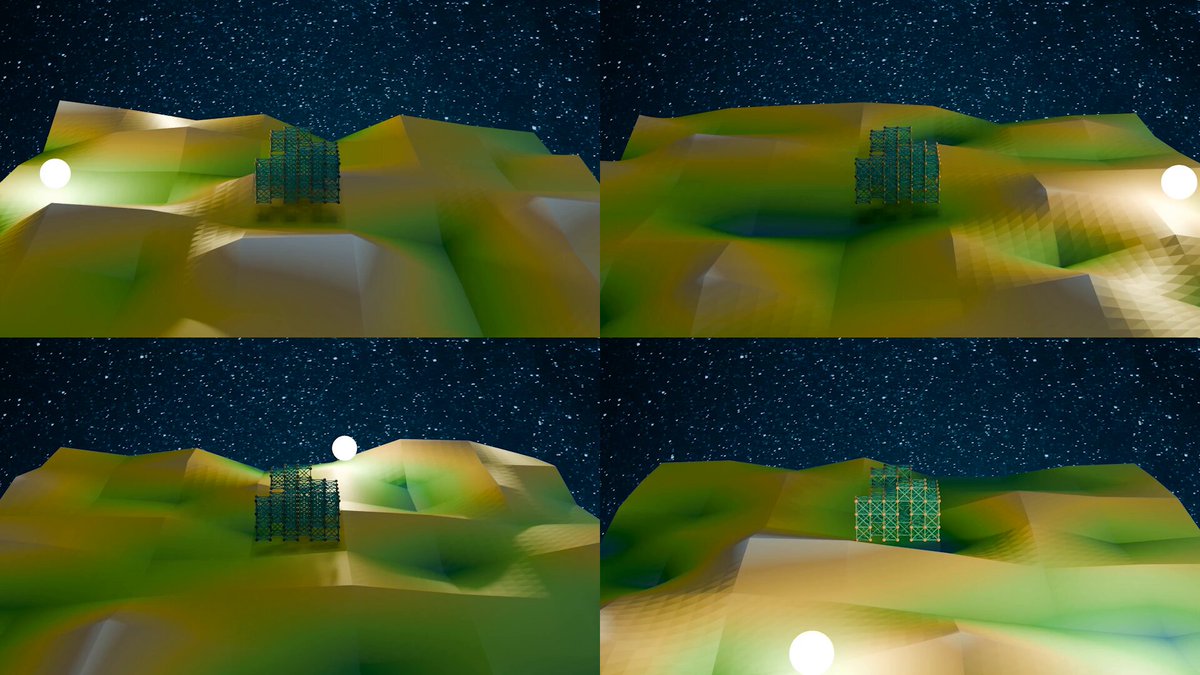
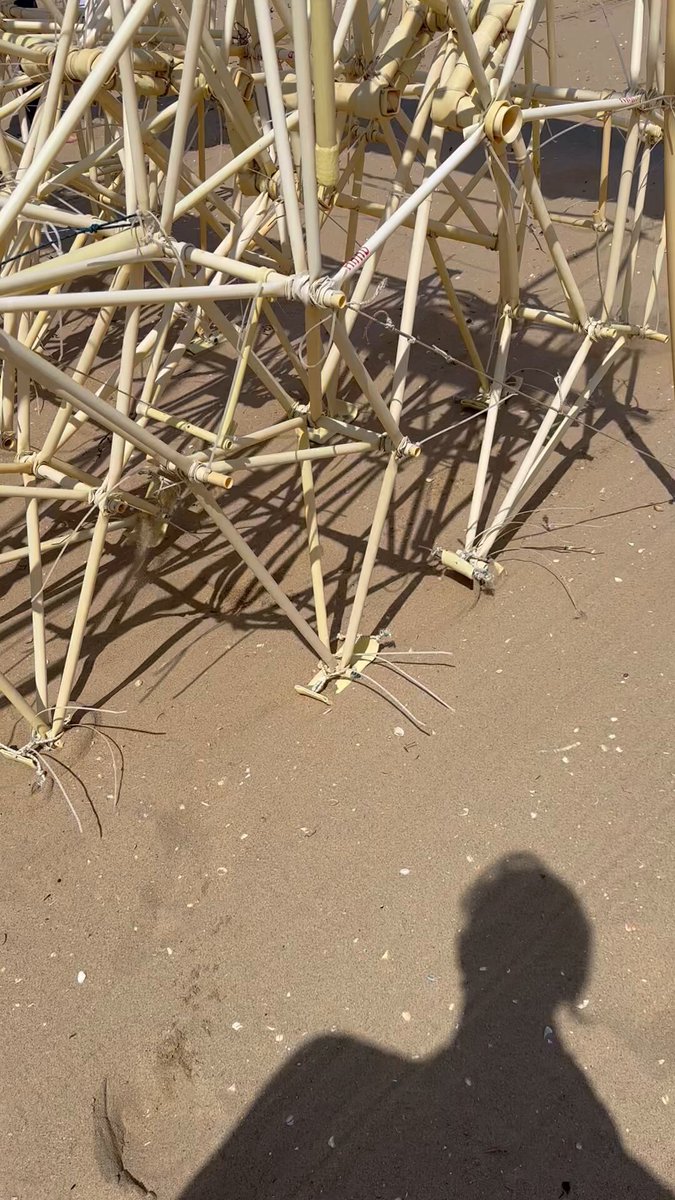
These robots are going to Rio 🇧🇷
See you at #ICLR2026
18 Feb 2025

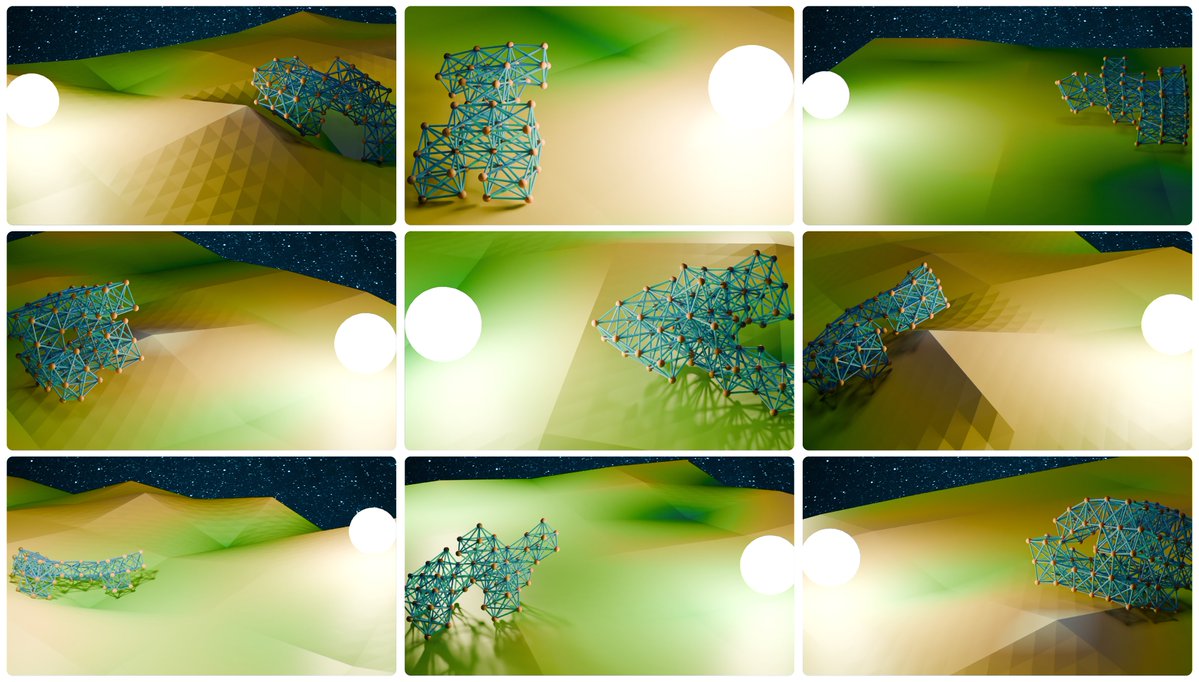
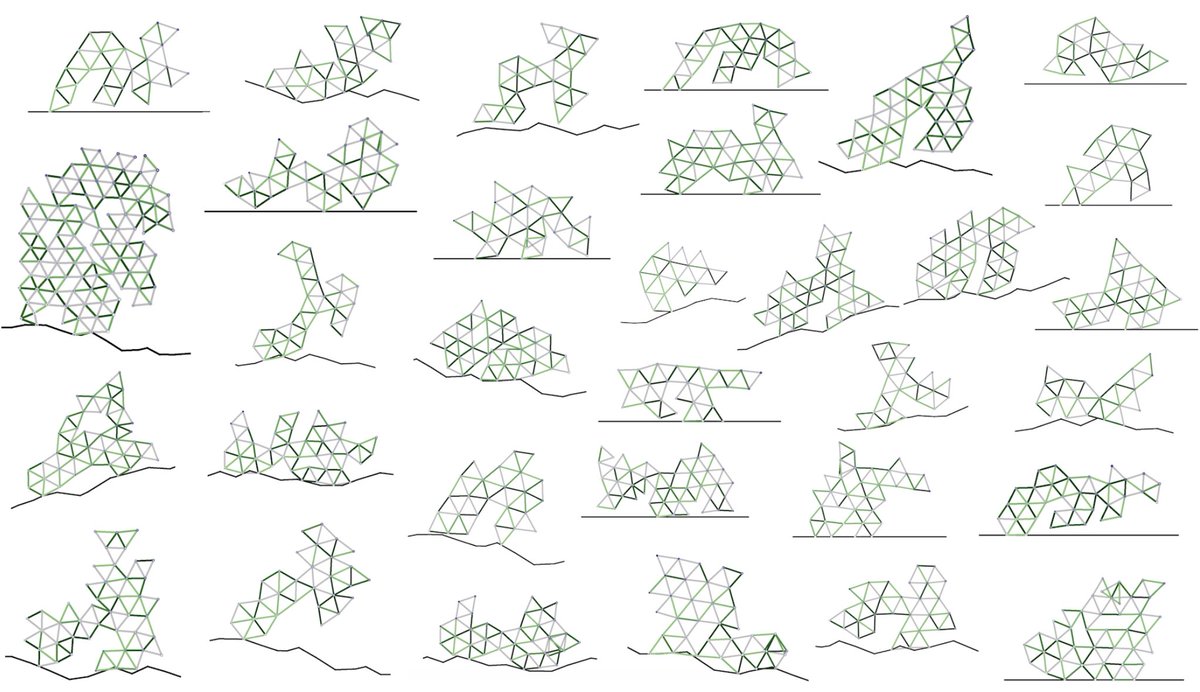
New preprint. Accelerated co-design of robots through morphological pretraining. With @Kriegmerica.
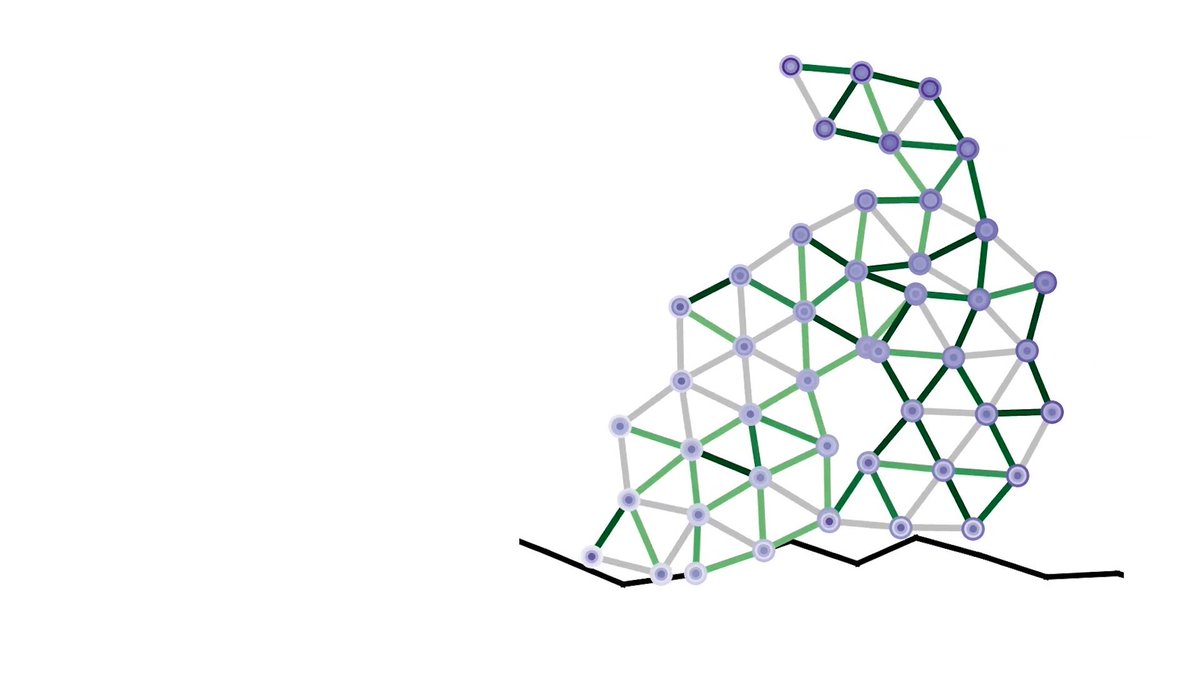
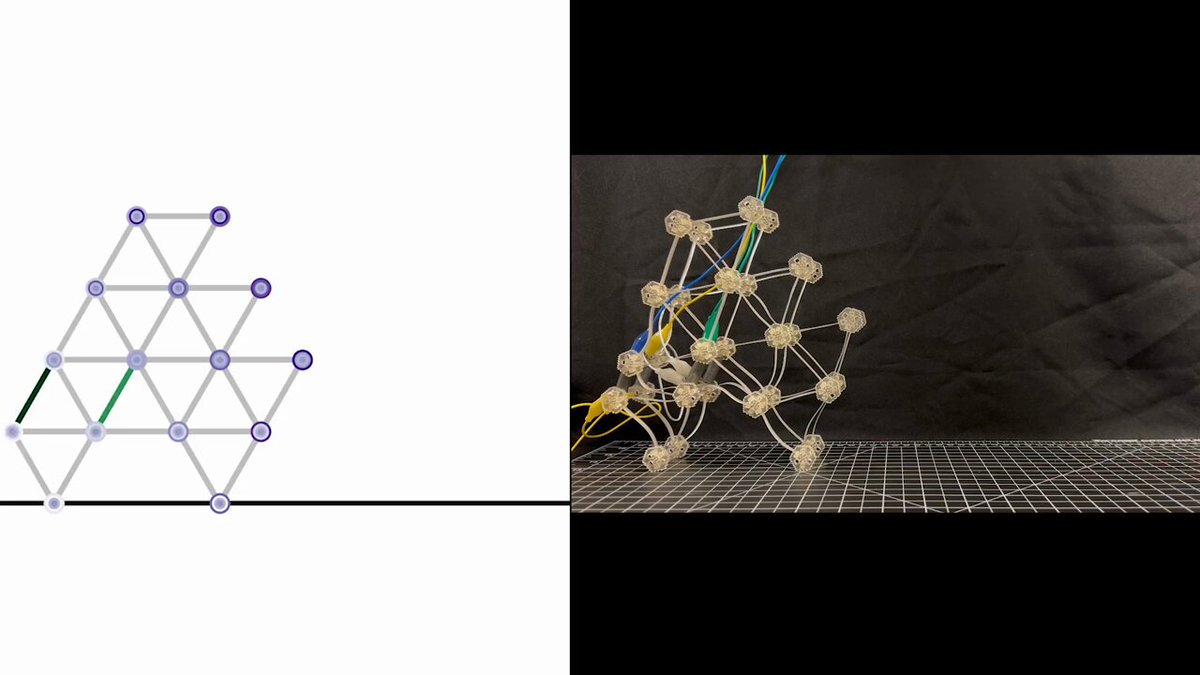
We pretrained a universal controller in minutes through differentiable simulation. Then we used it as a prior for zero-shot and few-shot evolution to discover robots like this:
2
12
1,159
Luke Strgar retweeted
Apr 26
The code is now available! Please reach out if you have any questions about usage or just want to chat 🧑💻
github.com/lstrgar/codesign-…
1
2
90
Luke Strgar retweeted
Apr 23
@iclr_conf this week! P3-1109 at 3:15 on Saturday. Reach out or swing by if you want to hang or talk universal controllers x robot co-design 🦾🇧🇷🏖️
1
1
2
157
Luke Strgar retweeted

Feb 19
New essay: Beyond Slop
Reflections on 6 years making creative AI tools and why the field feels stuck on content production rather than personal expression.
We're building molds with dials rather than new clay.
On embracing craft, process, and open-ended mediums (with some new demos!)
joelsimon.net/beyond-slop
10
24
154
12,509
Luke Strgar retweeted

19 Dec 2025
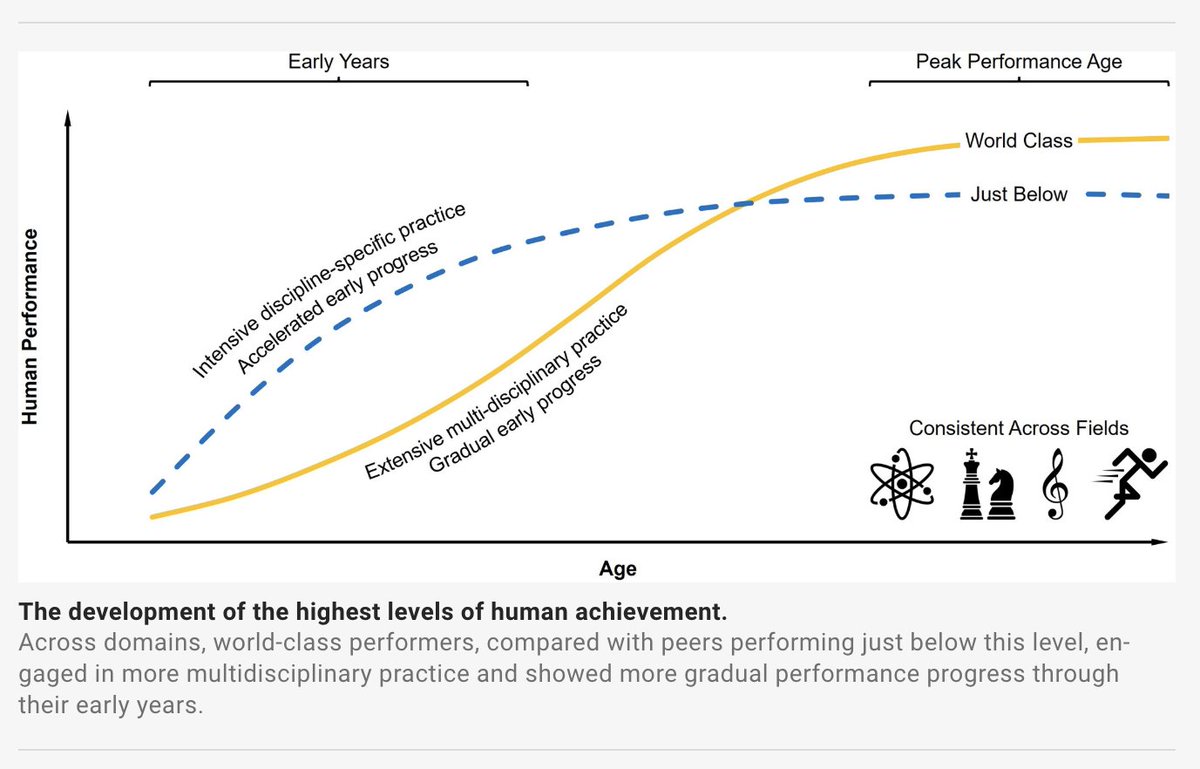
A massive new study on peak performance included 34,000 international top performers: Nobel laureates, renowned classical music composers, Olympic champs, and the world’s best chess players. It shows early specialization is a trap, and the road to greatness is long and varied.
243
2,292
12,530
2,194,978

Excited to announce our MIT Press book “Neuroevolution: Harnessing Creativity in AI Agent Design” by Sebastian Risi (@risi1979), Yujin Tang (@yujin_tang), Risto Miikkulainen, and myself.
We explore decades of work on evolving intelligent agents and shows how neuroevolution can drive creativity in deep learning, RL, LLMs and AI Agents!
📖 Free open-access edition: neuroevolutionbook.com
In addition to our own works, this video features work by Jürgen Schmidhuber (@SchmidhuberAI), Seth Bling (@SethBling), Igor Karpov, Jacob Schrum, Yulu Gan (@yule_gan), Ken Stanley (@kenneth0stanley), Joel Lehman (@joelbot3000), Jeff Clune (@jeffclune), Nick Cheney (@CheneyLab), Richard Song (@XingyouSong), Chelsea Finn (@chelseabfinn), Julian Togelius (@togelius), Sam Earle (@Smearle_RH), Hod Lipson (@hodlipson), and Jean-Baptiste Mouret (@jb_mouret).
16
215
998
162,492

A world model inside a world model 🌏
6 Aug 2025

Something we discovered by accident: what happens if we start Genie 3 from a video and a completely unrelated prompt? Turns out the model really, really wants to make it work, to the point where it emulates itself.
The prompt in this one is about a trex on a tropical island.
20
28
269
33,770

"I promise to not raise your taxes" and "I promise to not cut your benefits" are the two popular political promises that are inconsistent with the much more needed promise "I promise to cut the budget deficit to about 3 percent of GDP" that is required to prevent a big debt/dollar crisis. There is no way that the deficit/debt bomb problem can be sustainably dealt with unless there is a mix of tax revenue increases and spending decreases that are determined in a bipartisan way. Our representatives in Washington, DC, both Republicans and Democrats, know this is true. They understand the need to reduce the deficit by having those from both sides chip in a bit (e.g., a 4 percent increase in tax revenue and a 4 percent spending cut) which would lead to a supply/demand balance improvement for US debt which in turn would lower interest rates. Lower interest rates would help reduce the budget deficit as well as help the markets and the economy. But because politics have become so absolutist, they feel they can't go down this obviously best path because both their constituents and their parties will throw them out of office if they explored this more balanced approach. To me, that’s a tragedy.
1,258
2,963
19,497
2,973,988

Luke Strgar retweeted

3 Jun 2025
It's already the case that people's free will gets hijacked by screens for hours a day, with lots of negative consequences. AI video can make this worse, since it's directly optimizable.
AI video has positive uses, but most of it will be fast food for the mind.
2 Jun 2025

Very impressed with Veo 3 and all the things people are finding on r/aivideo etc. Makes a big difference qualitatively when you add audio.
There are a few macro aspects to video generation that may not be fully appreciated:
1. Video is the highest bandwidth input to brain. Not just for entertainment but also for work/learning - think diagrams, charts, animations, etc.
2. Video is the most easy/fun. The average person doesn't like reading/writing, it's very effortful. Anyone can (and wants to) engage with video.
3. The barrier to creating videos is -> 0.
4. For the first time, video is directly optimizable.
I have to emphasize/explain the gravity of (4) a bit more. Until now, video has been all about indexing, ranking and serving a finite set of candidates that are (expensively) created by humans. If you are TikTok and you want to keep the attention of a person, the name of the game is to get creators to make videos, and then figure out which video to serve to which person. Collectively, the system of "human creators learning what people like and then ranking algorithms learning how to best show a video to a person" is a very, very poor optimizer. Ok, people are already addicted to TikTok so clearly it's pretty decent, but it's imo nowhere near what is possible in principle.
The videos coming from Veo 3 and friends are the output of a neural network. This is a differentiable process. So you can now take arbitrary objectives, and crush them with gradient descent. I expect that this optimizer will turn out to be significantly, significantly more powerful than what we've seen so far. Even just the iterative, discrete process of optimizing prompts alone via both humans or AIs (and leaving parameters unchanged) may be a strong enough optimizer. So now we can take e.g. engagement (or pupil dilations or etc.) and optimize generated videos directly against that. Or we take ad click conversion and directly optimize against that.
Why index a finite set of videos when you can generate them infinitely and optimize them directly.
I think video has the potential to be an incredible surface for AI -> human communication, future AI GUIs etc. Think about how much easier it is to grok something from a really great diagram or an animation instead of a wall of text. And an incredible medium for human creativity. But this native, high bandwidth medium is also becoming directly optimizable. Imo, TikTok is nothing compared to what is possible. And I'm not so sure that we will like what "optimal" looks like.
22
36
380
51,897
Luke Strgar retweeted

17 May 2025
The 80-year recipe stoking America’s Prosperity:
1) Free-market capital investments in brilliant ideas…
2) enabled by Engineering Innovations…
3) based on Science Research in Universities…
4) funded by Grants from the US Government.
It’s time more people understood this.

257
660
3,431
294,597

Luke Strgar retweeted

2 Mar 2025
We can do so much better in robotics than five fingers and two arms.
We're just getting started optimizing that outer loop of form factors.
10
29
282
21,261
18 Feb 2025
And by fine-tuning the pretrained model we were able to increase morphological diversity, whereas naively employing universal control during evolution created a homogenous population.
1
3
425
18 Feb 2025
You can read the full paper here: arxiv.org/abs/2502.10862
Code is coming soon:
sites.google.com/view/co-des…
And here are more robots!
6
417
18 Feb 2025
Despite each robot being morphologically distinct, typically composed of hundreds of sensors and thousands of motors, they all used the same universal controller.
1
6
380
18 Feb 2025
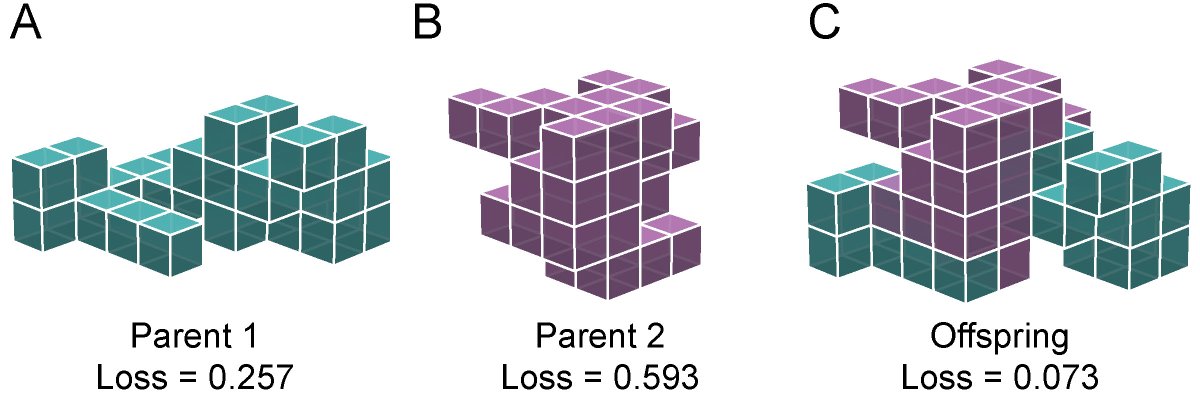
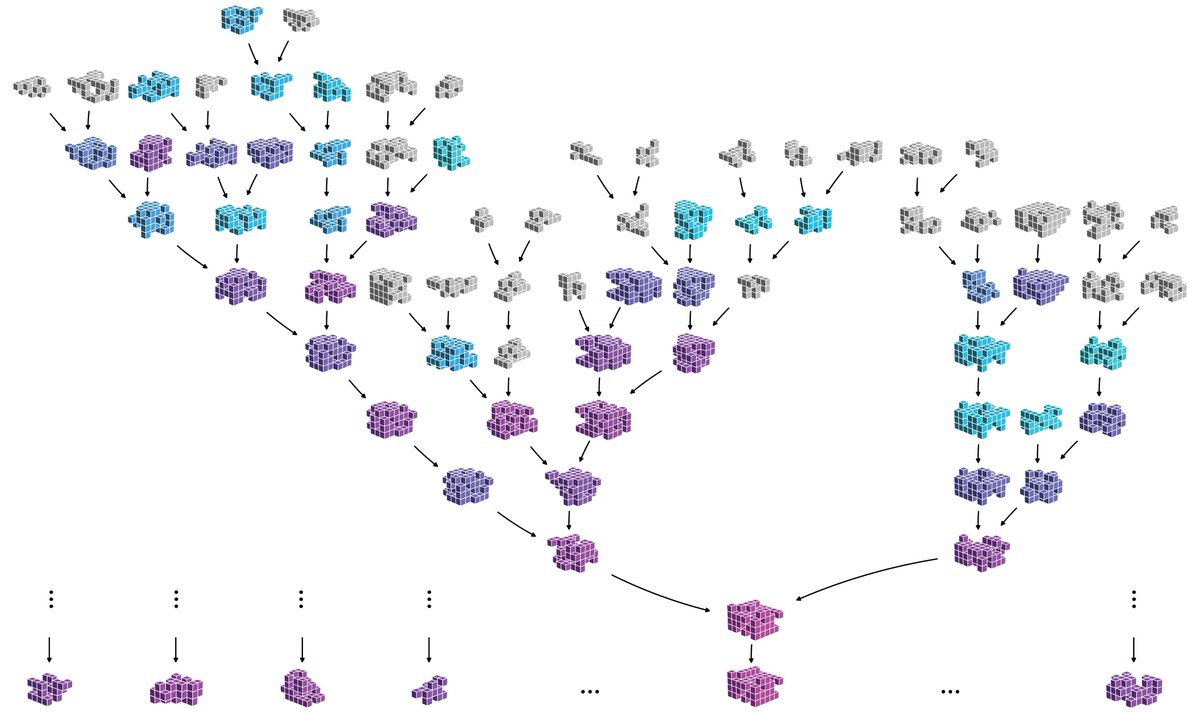
We found that morphological pretraining was able to unlock successful recombination ("crossover") of substructures across body designs.
1
1
4
535
18 Feb 2025
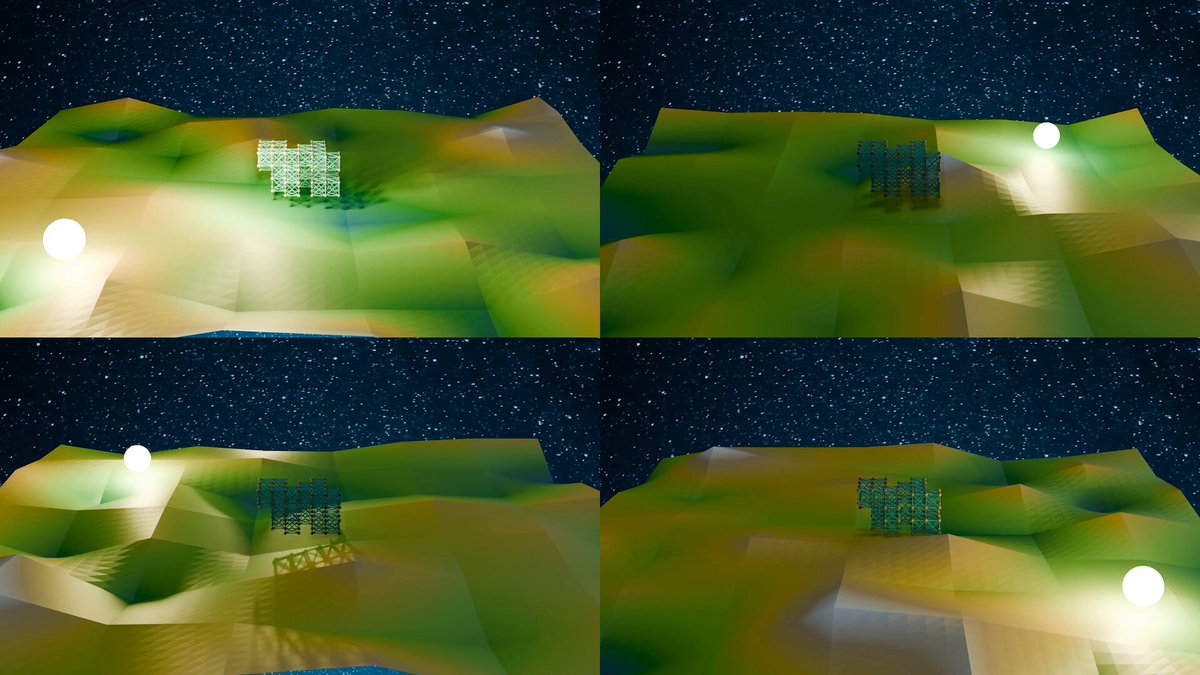
Here is another robot that evolved. In each of the four panels the robot is shown sensing a randomly placed light source and traversing previously unseen terrain to reach the light.
1
5
388
18 Feb 2025
New preprint. Accelerated co-design of robots through morphological pretraining. With @Kriegmerica.
We pretrained a universal controller in minutes through differentiable simulation. Then we used it as a prior for zero-shot and few-shot evolution to discover robots like this:
4
8
35
4,106