The extra terrestrial general contractor and construction manager. Come build with us amongst the stars!
Joined August 2025
- Tweets 236
- Following 194
- Followers 381
- Likes 183
Photos and videos
Pinned Tweet

15 Sep 2025
LunarCore Construction Services, come build with us amongst the stars!
1
7
20
3,004
14 Oct 2025
We are going back to stay, not with 3d printing nor rover based construction - but with the tried and true methods that have built our greatest landmarks to date.

Artemis III will be a game changer and it’s going to happen during @POTUS’ administration.
@NASA will learn remarkable lessons from the minerals found on the Moon when American astronauts return to stay, long-term. 👨🚀🇺🇸
The impact this will have on Earth will be HISTORIC!🌎
8
36
1,880
9 Oct 2025
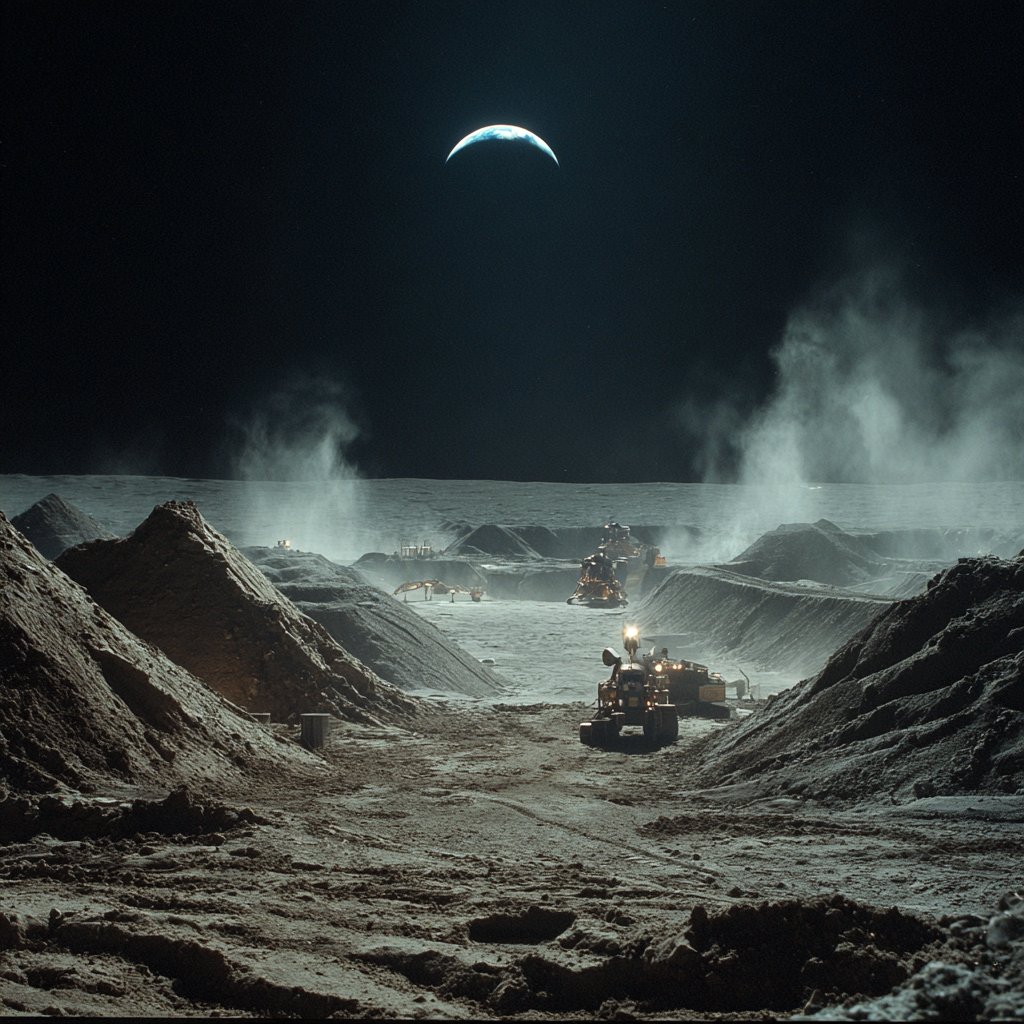
Much capital and thought equity has been committed to the “space construction question” by scientists, academic engineers and space agencies across the globe, and this great work is a foundation that private ingenuity and expertise can build upon. NASA, CSA, ESA, JAXA and the western space community at large will not be building anything directly with their own forces - on the moon or otherwise; as this is not how construction projects are procured or executed.
The time is nigh for a purpose built, private and highly technical general contractor and construction manager to join the industry to assist, advise and execute on the broad vision of leading scientific voices in the field.
2
11
29
2,729
8 Oct 2025
What's the advantage of keeping our equipment pilots in Lunar or Martian orbit as opposed to landing them on the surface to operate the machines manually?
-Less reaction mass requirements (cheaper)
-Less life support requirements on the surface (cheaper)
-EVA training not required for pilots (cheaper)
-Better communications with mission control (safer)
-Easier return to earth, easier to control pilot well being (safer)
-Contamination from equipment fuel sources on the surface not a concern (safer)
-Less transmission lag than if operated from mission control (more efficient)

4
9
48
1,934
6 Oct 2025
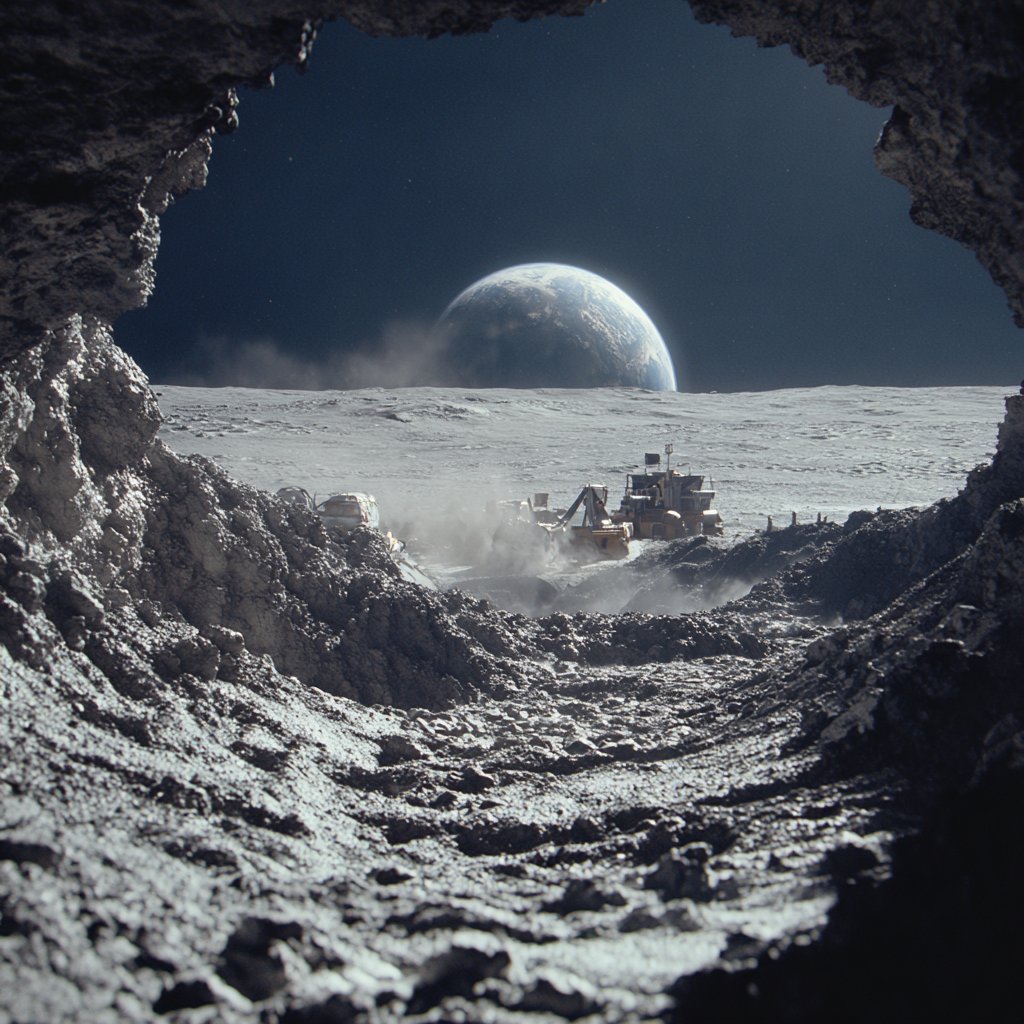
Was your home built with automation, 3d printers or by wheeled rovers? No? Then why would you assume the first permanent homes on the moon would be either?
2
3
34
994
3 Oct 2025
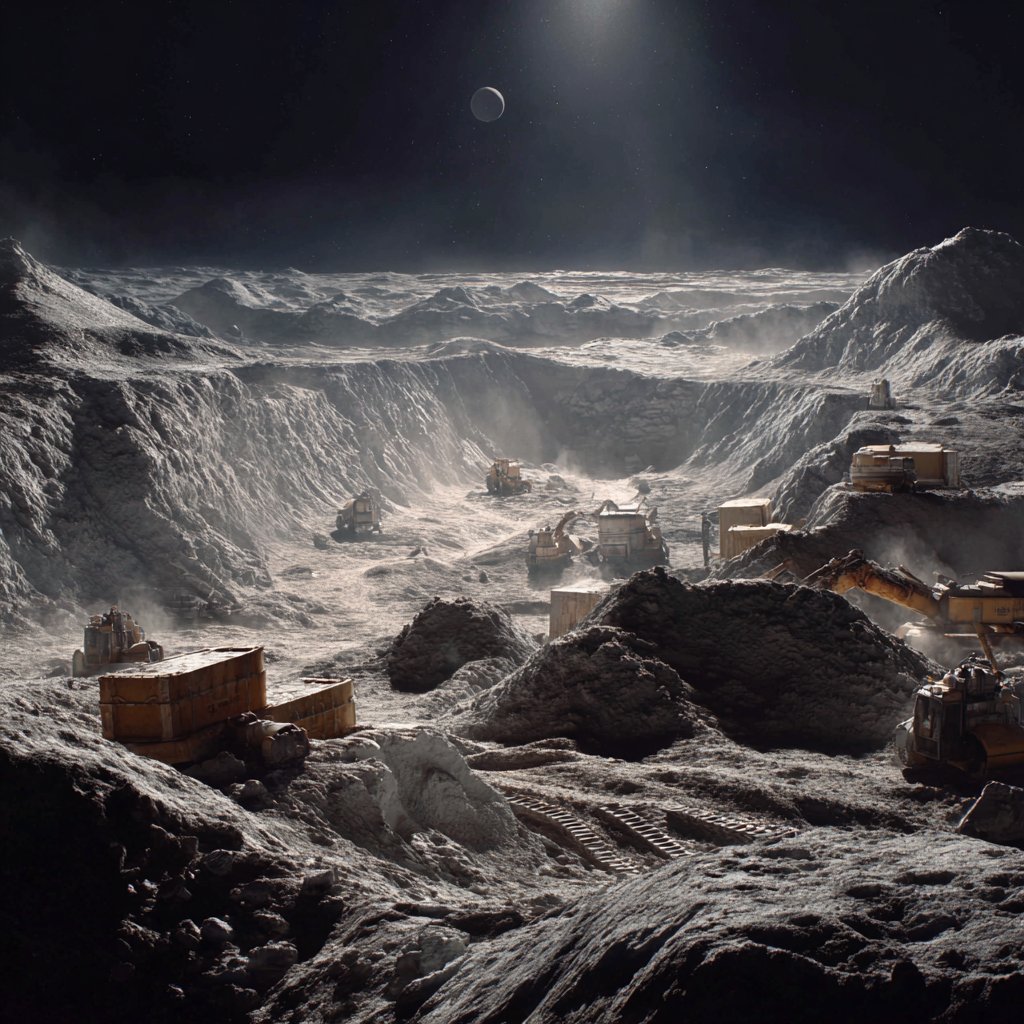
The first permanent bases on the moon and mars won't be 3d printed. They will be built with the same methods that allowed us to build the Empire State building, the Panama Canal or the Hoover Dam.
3
6
33
2,121
3 Oct 2025
LunarCore Construction Services is a group of pragmatic and practical professionals with a passion for engineering and construction, possessing a wide depth of experience delivering commercial, industrial and residential construction projects in the North American terrestrial market. We feel that this positions us tremendously well to deliver value as the world's first extra terrestrial general contractor for lunar and martian construction.
Initially, we chose a pre-seed crowdfunding campaign as a way of securing runway without diluting ownership. However, we understood the chances of success for a non-product, highly technical (technical in a field not shared by many others on the internet, either, as opposed to SWE or Rocketry) crowdfunding campaign were limited.
After seeing the tremendous interest and thousands of engagements and impressions over the last month, we understand that there are many other private individuals, space professionals and business owners alike who are just as passionate regarding the same goals as LunarCore - and we have an incredibly positive outlook regarding our future in the industry.
With that said, we have determined that continuing on with a crowdfunding campaign is counter productive to our messaging and our path towards first engagement or solicitation of grants. We will pause the crowdfunding campaign, proceed with continued bootstrapping of our initial testing and R&D - and in the coming weeks begin formal outreach to potential partners and traditional startup funding sources.
We look forward to building with you, amongst the stars!
15 Sep 2025

LunarCore Construction Services, come build with us amongst the stars!
1
6
24
1,664
2 Oct 2025
Current prevailing ET construction theories fall short from real world readiness and application.
3D printing; while innovative, is slow (0.3-0.6 m3/hr), cumbersome (currently requires in person human oversight and movement assist by other equipment between areas), not robust enough for vacuum environments, and struggles with airtight seals, all of which essentially negates the technology’s ability to deliver a useful habitat or workspace without substantial iteration and further R and D.
Rover-based technologies; designed for exploration, are equally inadequate - their lightweight frames (<500 kg) and limited power restrict them to small-scale tasks, incapable of the heavy-duty excavation volume needed for subsurface habitats. Naturally, space agencies technological development pipeline for construction follows what their teams are familiar with (a portion of this being assumptions regarding historical payload volumes pre SpacEx) which is the main reason why “Rover Based Construction” is even being considered - not due to the fact that it is proven or logical considering our thousands of years of excavation experience terrestrially.
Automation is viewed by many as the “third option” as it relates to ET construction; but due to the lack of earth based development in fully autonomous construction - functional, non piloted humanoid or non anthropomorphic robots that could take the place of a living and breathing construction worker are unable to be productive in any meaningful manner in the short term.
We would expect the automated robotic construction technologies to be mature and widely adopted here on earth before they are deployed to our far flung frontier among the stars.

3
7
30
2,118
1 Oct 2025
The "race" is on, and the West can win it handily if we only apply the same first principles practicality that built the Empire State building in a year.
30 Sep 2025

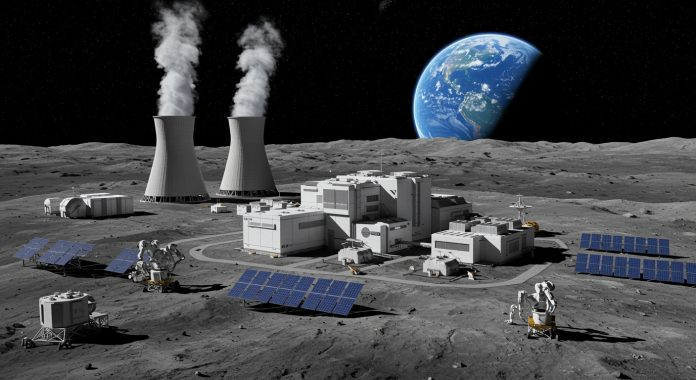
BEIJING — China announced plans to complete a permanent lunar base at the Moon’s South Pole by 2035. Officials said the International Lunar Research Station will include habitats, mining units and nuclear power.
1
10
25
1,875
1 Oct 2025
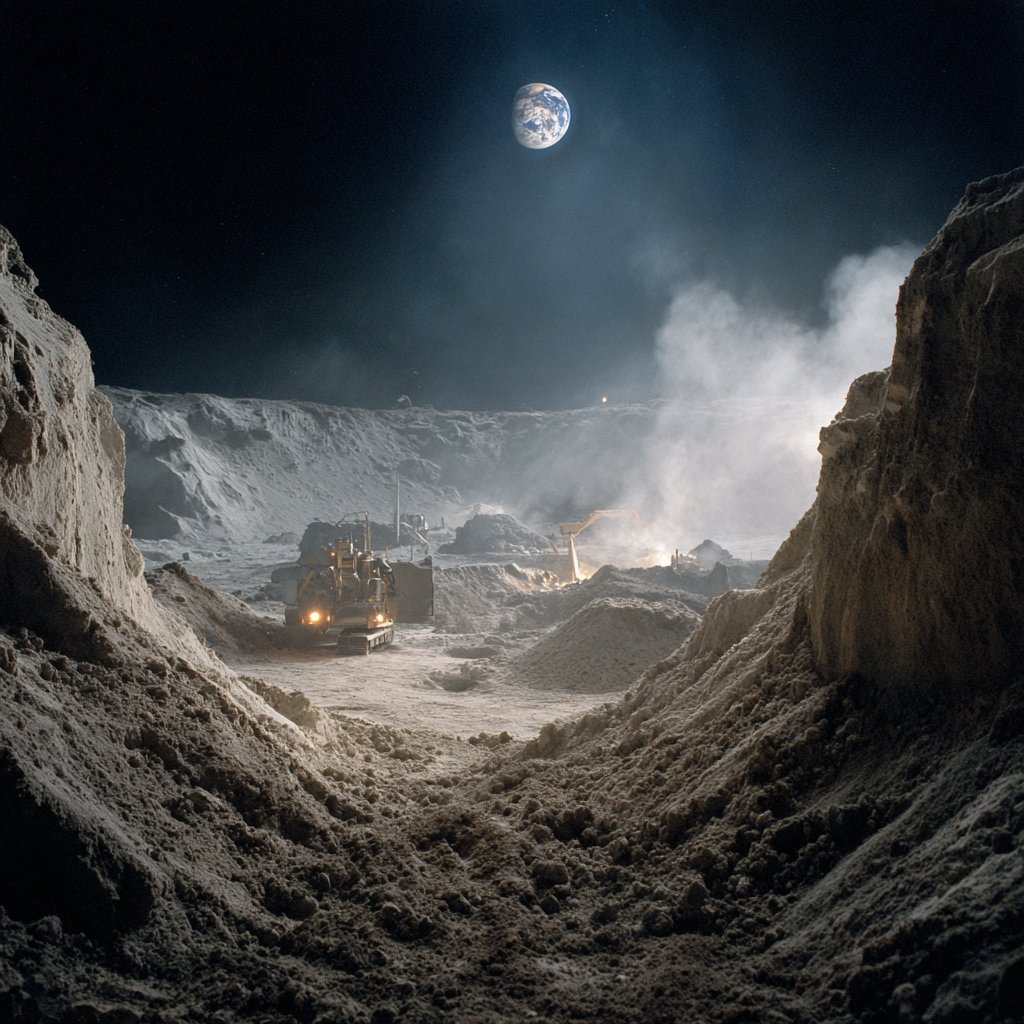
The first permanent habitats on the Moon and Mars won't be 3d printed, nor built with automation or rovers.
4
18
7,524
27 Sep 2025
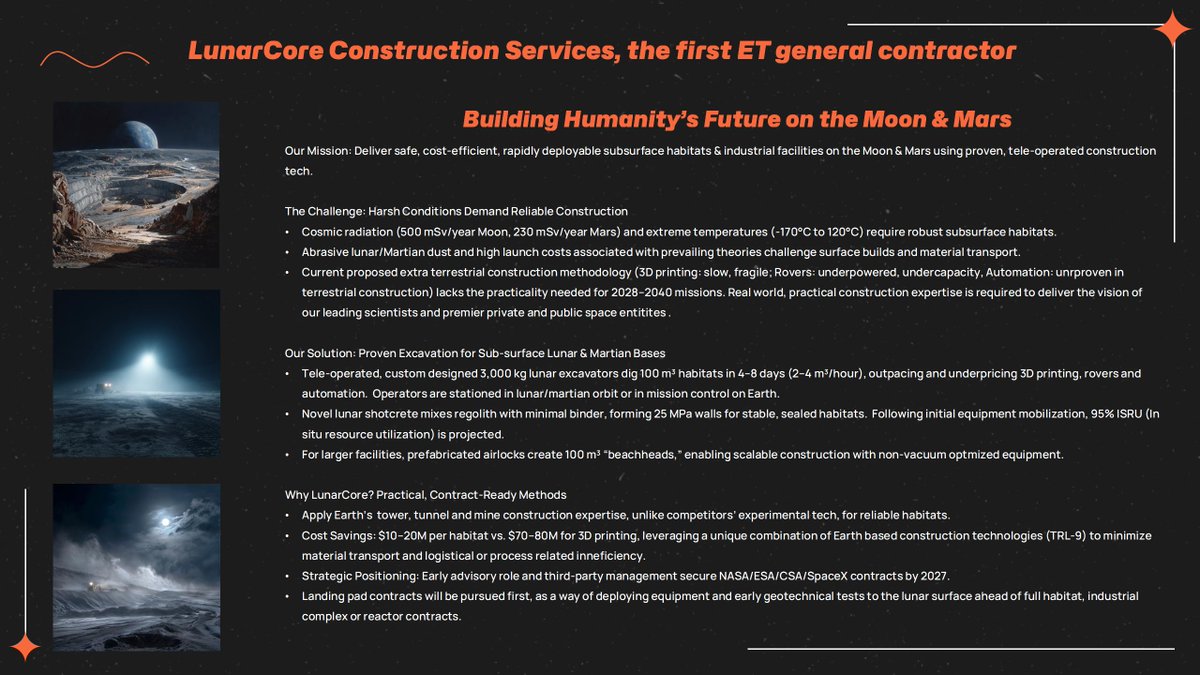
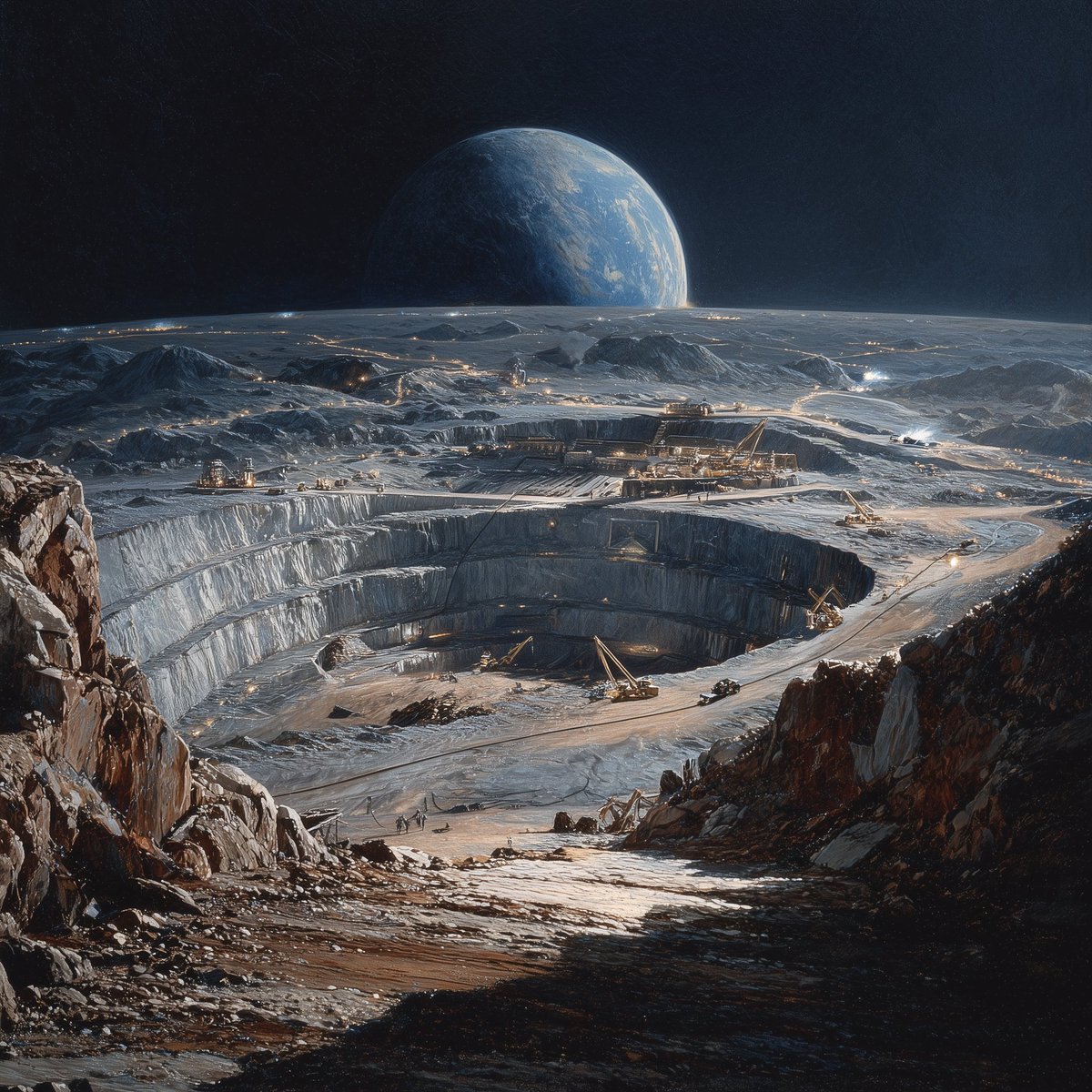
Envision a home or workspace far from Earth - carved beneath the lunar surface, shielded from the vacuum, radiation and meteorites - and built with the practical construction expertise that shapes Earth’s infrastructure.
This is the future LunarCore Construction Services is creating. We’re the general contractor ready to build humanity’s off-world homes with proven and practical methods.
7
17
1,936
27 Sep 2025
LunarCore is the general contractor and construction manager for extra terrestrial construction, managing projects on the moon or mars with proven technologies drawn from Earth’s construction industry.
15 Sep 2025
LunarCore Construction Services, come build with us amongst the stars!
2
8
20
548
25 Sep 2025
NASA, CSA, ESA, JAXA and SpaceX need dependable habitats for 2028–2040 missions. Subsurface construction (building shallow underground) offers superior protection, with 1–2 m of regolith blocking >99% of radiation. Unlike 3D printing’s technical unsuitability, rovers’ limited capacity and automation’s lack of real world practice - LunarCore plans to utilize remote operated excavation equipment designed and piloted by real construction professionals, applying a suite of industrial and commercial construction solutions in a unique and novel combination in ET environments, ensuring speed, strength, and safety.
25 Sep 2025

.@SecDuffyNASA: "This is the first time we're going back to the moon since the 70s... This time, when we go back to the moon, we're going to stay. We're going to set up a base. What we learn from that is going to bring us, I think, to Mars as well."
4
2
30
1,723
24 Sep 2025
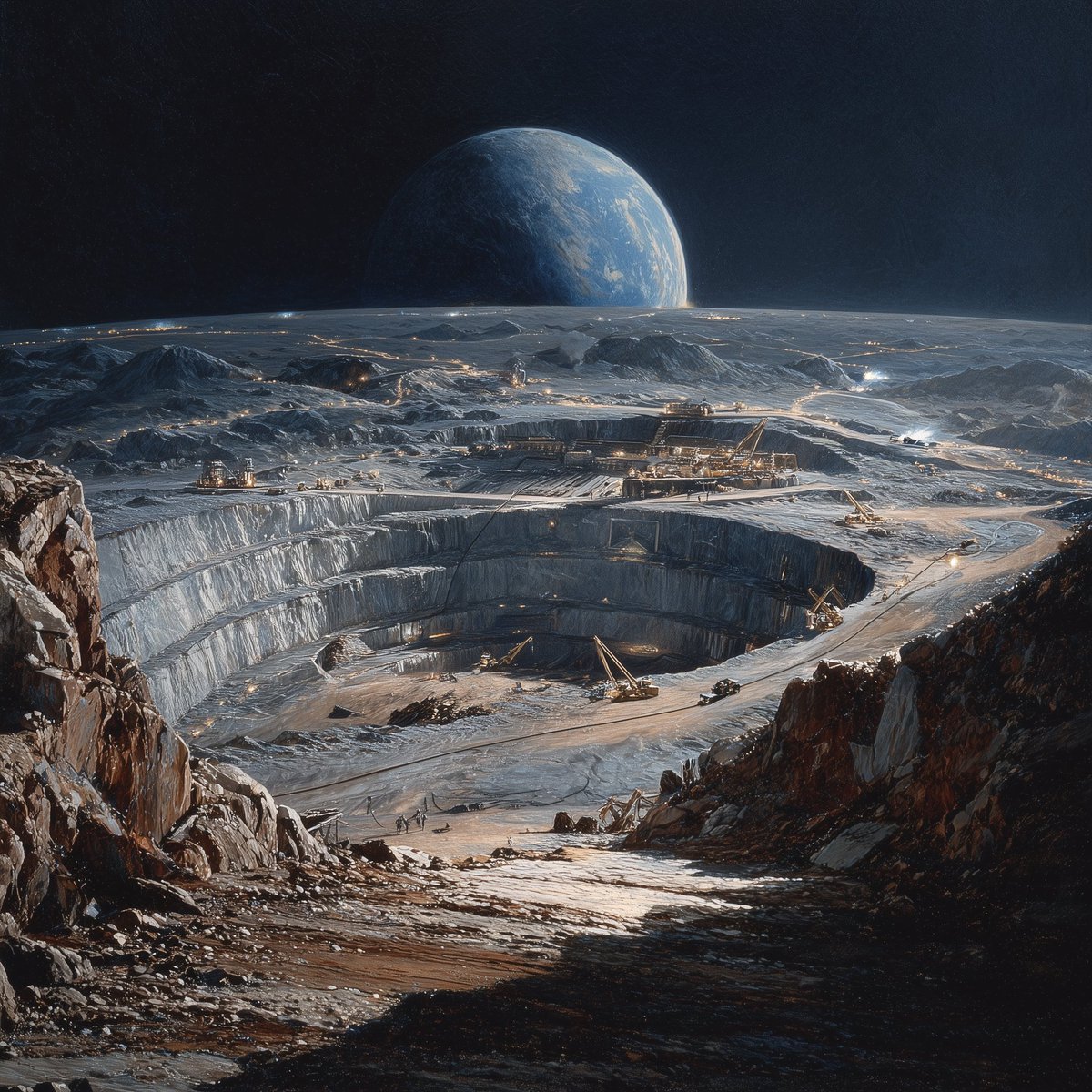
Much capital and thought equity has been committed to the “space construction question” by scientists, academic engineers and space agencies across the globe, and this great work is a foundation that private ingenuity and expertise can build upon. NASA, CSA, ESA, JAXA and the western space community at large will not be building anything directly with their own forces - on the moon or otherwise; as this is not how construction projects are procured or executed. The time is nigh for a purpose built, private and highly technical general contractor and construction manager to join the industry to assist, advise and execute on the broad vision of leading scientific voices in the field.
3
6
32
733
24 Sep 2025
Current prevailing ET construction theories fall short from real world readiness and application. 3D printing; while innovative, is slow (0.3-0.6 m3/hr), cumbersome (currently requires in person human oversight and movement assist by other equipment between areas, as well as dozens of tons more upmass to the Moon than our subsurface construction application), not robust enough for vacuum environments, and struggles with airtight seals, all of which essentially negates the technology’s ability to deliver a useful habitat or workspace without substantial iteration and further R and D. Rover-based technologies; designed for exploration, are equally inadequate - their lightweight frames (<500 kg) and limited power (200–500 W) restrict them to small-scale tasks, incapable of the heavy-duty excavation volume needed for subsurface habitats. Naturally, space agencies technological development pipeline for construction follows what their teams are familiar with (a portion of this being assumptions regarding historical payload volumes pre SpaceX) which is the main reason why “Rover Based Construction” is even being considered - not due to the fact that it is proven or logical considering our thousands of years of excavation experience terrestrially. Automation is viewed by many as the “third option” as it relates to ET construction; but due to the lack of earth based development in fully autonomous construction - functional, non piloted humanoid or non anthropomorphic robots that could take the place of a living and breathing construction worker are unable to be productive in any meaningful manner in the short term. We would expect the automated robotic construction technologies to be mature and widely adopted here on earth before they are deployed to our far flung frontier among the stars.
1
1
34
23 Sep 2025
With regards to global construction, who right now is currently building commercially profitable projects at scale with 3d printing, rover based technologies or automation?
The answer is no one - and this should guide capital and strategy in the terrestrial construction space.
These approaches prioritize experimentation over reliability, leaving a gap for scaleable, practical solutions.
Will China be building their lunar and martian bases with automated robotic 3d printers and rovers? Likely not. They will be deploying actual astronaut engineers and heavy equipment to the field to build traditionally - as they have done so well here on Earth in the past.

2
3
32
1,699
22 Sep 2025
Our greatest value, in addition to practical expertise actually building things - is cost efficiency.
-LunarCore subsurface habitats: $10-20M per 100m3 habitat (Mostly SpaceX launch costs for equipment and pilots)
-3d printed habitats proposed by 3d printed construction companies: $70-80M per 100m3 habitat
Currently, 3d printed lunar habitats proposed by the leading academic agencies will cost taxpayers or private investors nearly $100M for each 100m3 structure.
LunarCore's subsurface habitats will cost a small fraction of that, and could actually be constructed in time for 2030 missions. Can any other method or proponent say the same?
2
4
24
1,743
21 Sep 2025
One hundred percent correct - we need practical and immediately scaleable solutions for lunar infrastructure; not concepts or theories based on novel and unproven technology.
21 Sep 2025

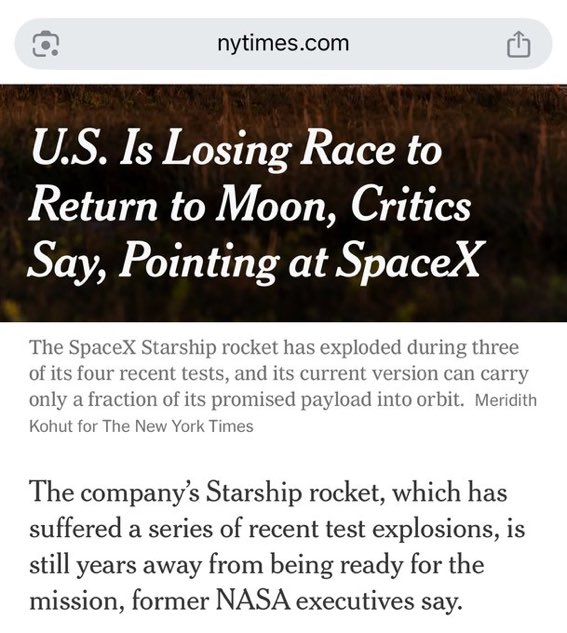
The race for “boots on the Moon” against China is a distraction.
We don’t need a flag-planting lander — we need the ability to put real mass on the lunar surface. The real competition is for permanent infrastructure at prime sites. In space, law is thin and control follows enduring presence. Being first matters.
The most compelling case for the Moon is national security. Stabilized, large-scale optics and sensors could watch both Earth and cislunar space. From NRHO, we could stage satellites for rapid insertion into GEO or other critical orbits. Power is straightforward: solar on the lunar ridges offers near-continuous generation, while the Moon is also the best place to mature nuclear systems — more critical for Mars and deep-space missions where sunlight dwindles.
We don’t need to repeat 1969. The real contest is the “race for the base.” China can build a small lander, but true heavy-lift to the surface depends on Long March 9 — essentially their Starship knockoff that’s years behind. We are winning the real contest; don’t let lobbyists confuse you or shill their own racket. Constellation/SLS/Orion has cost $100b over 20 years, at $4b per launch. Starship/HLS will cost $<20b to develop, less than 10 years, and under $50m per launch (conservative estimates). Yes, orbital refueling, HLS, and full reusability will need time, but this is the near future we must be planning for.
NASA should pivot entirely: fund and maintain research jobs for deep space propulsion, space nuclear systems, ISRU, and human habitation in exchange for killing SLS/Orion. These are technologies that may not be critical to the Moon, but certainly will be for anything beyond.
America’s priority should be cheap, reliable space logistics. Without it, no space economy works and we never leave Earth for good. More broadly, the true “great filter” is whether we can find a lasting reason to expand into the stars — my bet: one built on affordable logistics and the discovery of industrial products, not the fleeting geopolitics that drove Apollo. Starship is the only path to permanence, and with it comes the extension of American leadership across the great cosmic sea. Time to get serious.
2
5
15
605