
Joined July 2013
- Tweets 6,739
- Following 2,455
- Followers 2,242
- Likes 6,665
1,651 Photos and videos

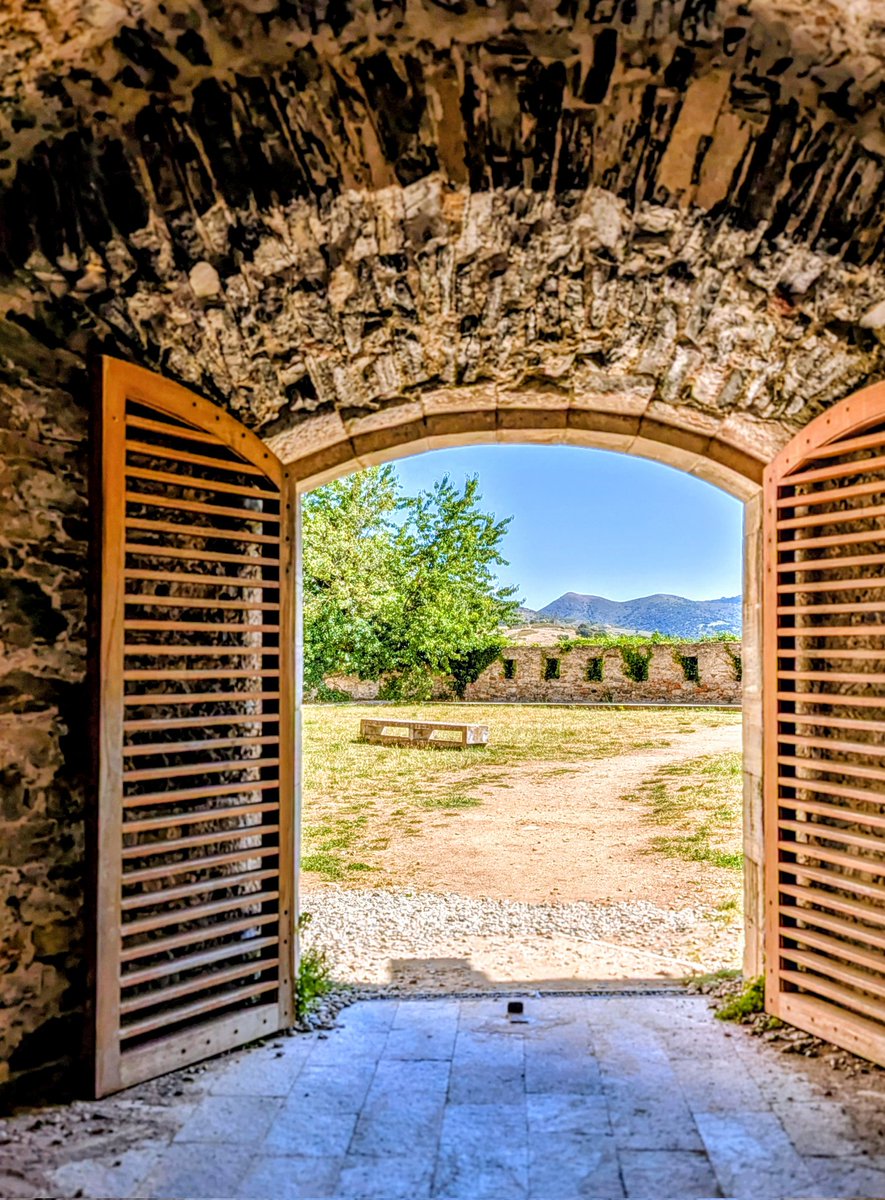

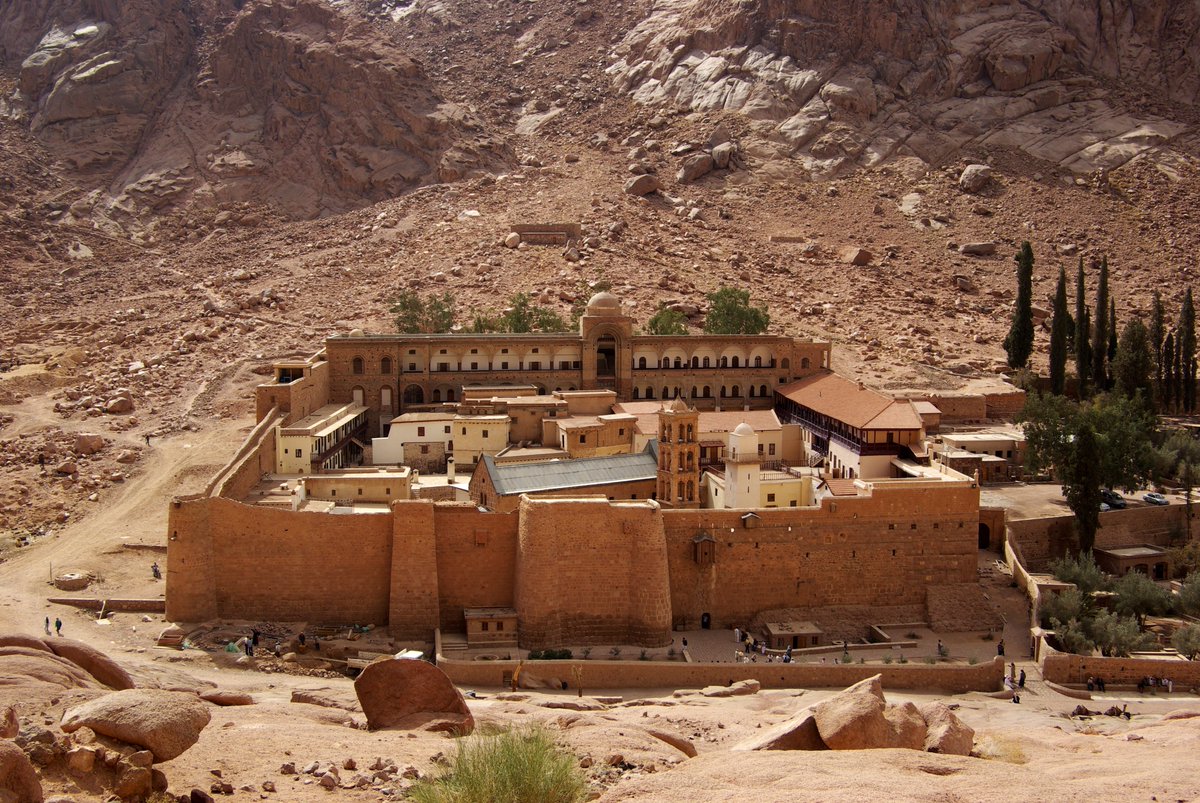
St. Catherine's Monastery Library in Egypt is the oldest library in the world that's been continuously running.
It was built back in the 500s under Emperor Justinian, right at the foot of Mount Sinai, a remote location that's really not easily accessible.
That isolation is exactly what saved it.
While wars, fires, and invasions wiped out pretty much every other big ancient library, this one survived.
The monks were just trying to keep their community going, so they copied books for daily prayers, for teaching the younger monks, and for keeping records.
Year after year, those practical copies piled up.
What started as everyday stuff slowly turned into this incredible collection: early Christian writings, ancient Greek texts, medical books, and languages almost nobody speaks anymore.
One of the craziest moments came in the 1970s when the monks were doing some repairs and found a hidden room stuffed with forgotten manuscripts. They call them the New Finds. A bunch of them were palimpsests, where someone had scraped off the original writing and reused the pages.
Thanks to modern imaging tech, we've been able to read what was underneath: lost texts in Syriac, Arabic, Greek, even some early Christian hymns nobody knew still existed.
It really felt like cracking open a time capsule inside another time capsule.
The place is also home to the Codex Sinaiticus, one of the oldest complete Bibles we have, from the 4th century. Not a copy. The real thing. Finding it basically changed how scholars understood early Christianity.
Think about it: this library has kept going through the rise and fall of empires, through Crusaders marching by, Ottoman rule, world wars, and modern politics.
Just a handful of monks stubbornly keeping the lights on for nearly 1,500 years.
That's why it's special.
(Photo of the Saint Catherine's Monastery, looking down from Mount Sinai by Berthold Werner - Own work, CC BY-SA 3.0, commons.wikimedia.org/w/inde…)
42
692
2,065
51,036
Mark Fuller retweeted

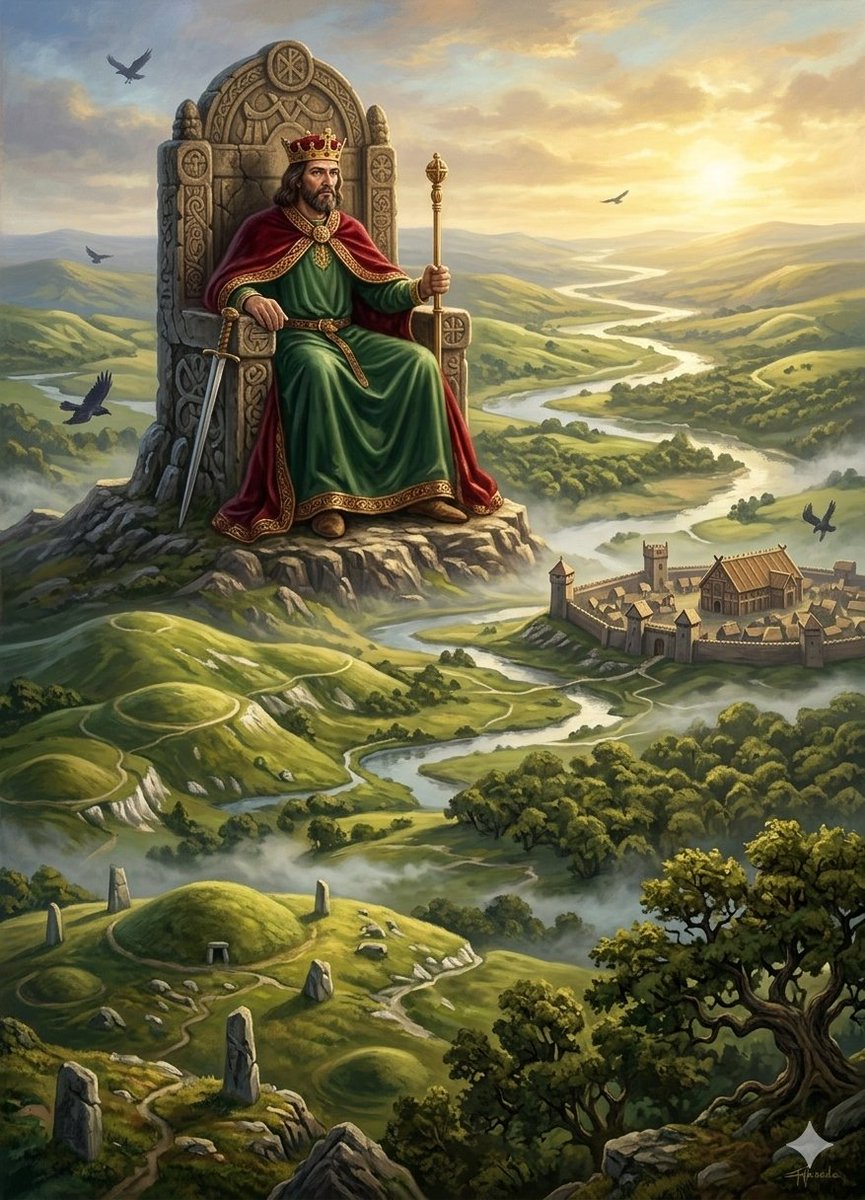
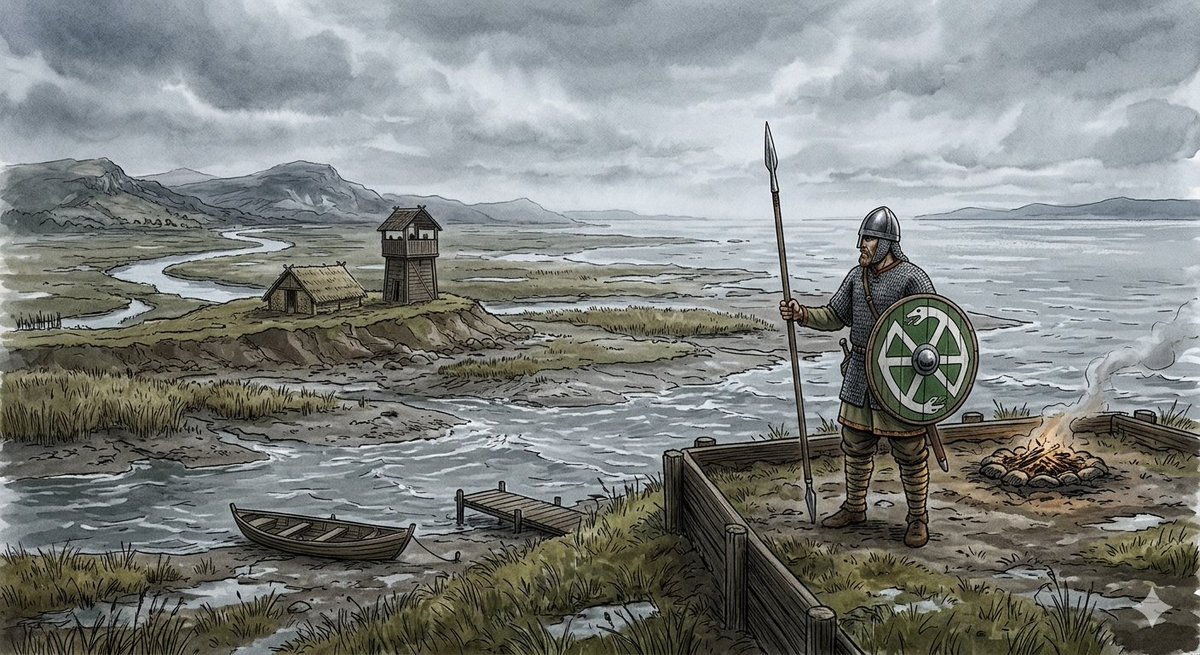
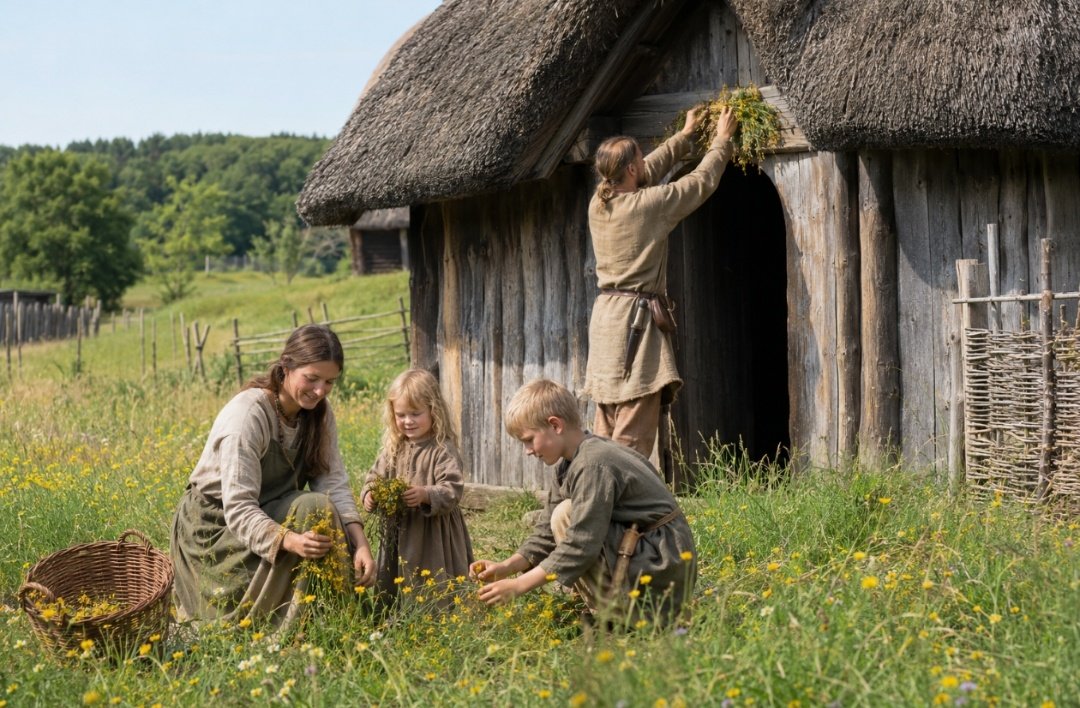
15 June – Midsummer Approaches in Anglo-Saxon England
As midsumor approached, our Anglo-Saxon ancestors prepared for one of the most important times of the year. The days before the summer solstice were seen as a powerful season, and many people gathered herbs believed to protect their homes and families.
Among the most prized was St John's Wort, known in old tradition as Devil's Chase. It was gathered and hung in houses, over doorways and around property to drive away evil spirits and guard against misfortune.
A glimpse into the beliefs and traditions of Old England as midsummer approached. 🏴
7
117
518
6,087
Mark Fuller retweeted

#WiltshireRoyalArch All Wiltshire Master Masons are warmly invited to follow the clues, #DiscoverMore and continue your Masonic journey in the Royal Arch. Just ASK! Email: racomms@wiltshirefreemasons.org.uk #TheSupremeDegree @PGCWiltshire @wiltspgl @GrandChapter
2
4
94
Mark Fuller retweeted
#WiltshireRoyalArch
Discover More in the Royal Arch!
One Journey • One Organisation
Use the Q Code to download the #DM booklet
#TheSupremeDegree #CompleteYourJourney
@wiltspgl @PGCWiltshire

1
5
107

Jun 15
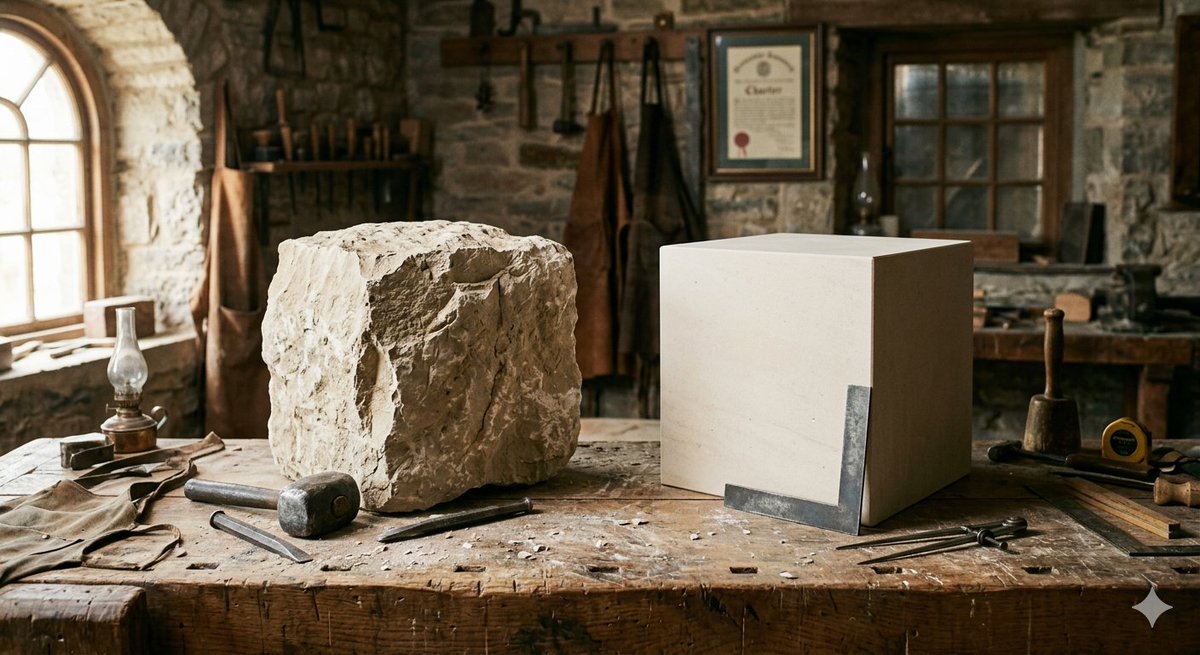
In Freemasonry, the rough and smooth ashlars represent one of the most fundamental allegories for personal development and self-improvement. They serve as a visual metaphor for a man's journey through life and his moral education.
5
5
14
318
Jun 15
Masons use the concept of the working tools to explain how one transitions from the rough to the smooth ashlar.
Ultimately, the transformation from rough to smooth is not a sudden event, but a lifelong process of continuous self-reflection and refinement.
4
39
Jun 15
The Smooth Ashlar
The Lesson: It represents the ultimate goal of a Mason: to become a better version of himself. It is important to note that the smooth ashlar is not meant to stand alone as an isolated monument; its purpose is to be fitted into a larger structure (humanity)
3
16
Jun 15
The Smooth Ashlar is a stone that has been carefully worked upon, chiseled, & squared by the tools of the stonemason until it fits perfectly in the building
The Metaphor: It represents a man who, through dedicated self-improvement has cultivated his mind & corrected his morals
3
37
Jun 15
The Rough Ashlar
The Lesson: It serves as a reminder that we all begin our journeys with imperfections, ignorance, and vices that need to be addressed.
4
38
Jun 15
The Rough Ashlar is a stone taken directly from the quarry in its rude and natural state.
The Metaphor: represents man in his infant/uncultivated state, governed by natural instincts, lacks education, and is rough around the edges socially, morally, and intellectually.
4
64
Jun 14
Great to spend time with colleagues yesterday as we sponsored Chippenham Pride 2026
5
121
Mark Fuller retweeted

Jun 12
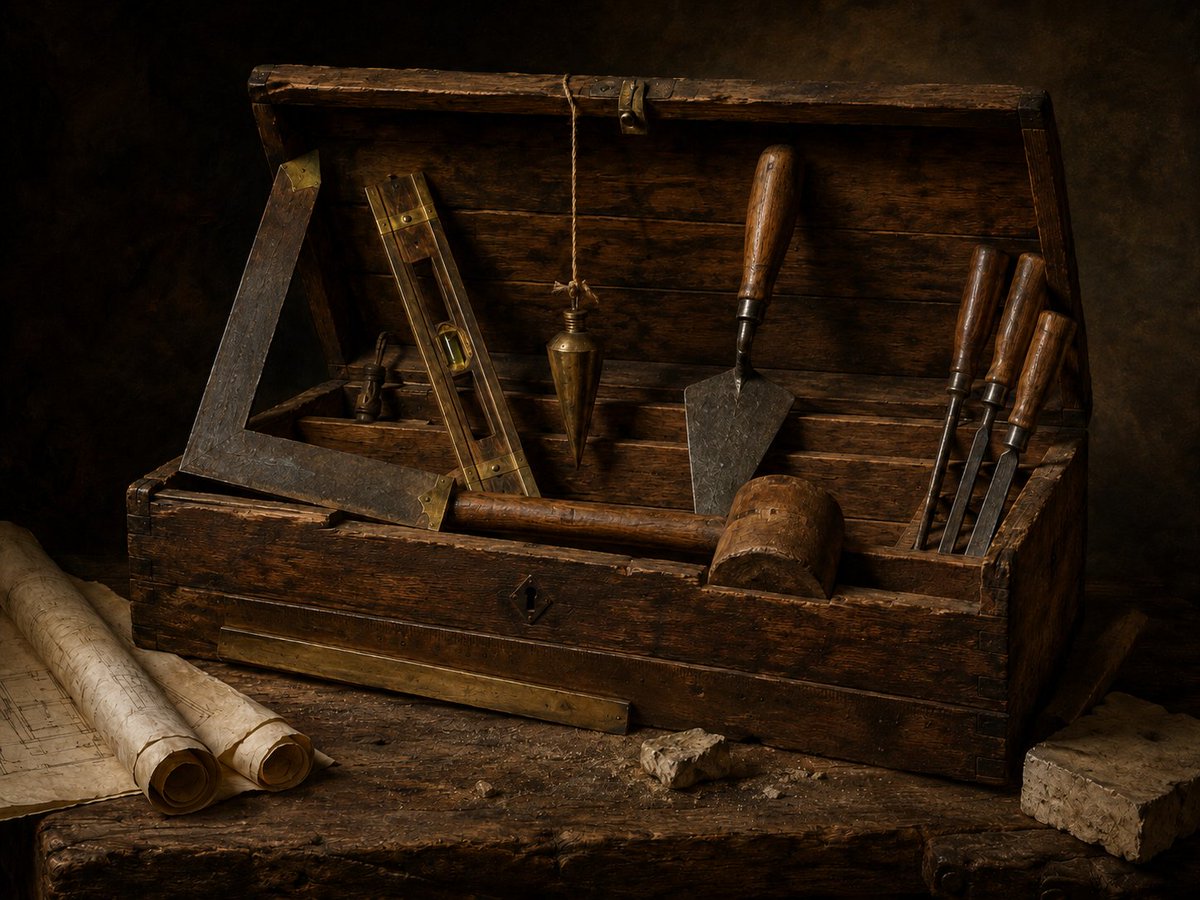
THE WORKING TOOLS
The working tools of Masonry were chosen to imprint wise and serious truths upon the memory.
A square, a compass, a level, a plumb line, and an ashlar are plain things. Their dignity lies in use. They teach by form, weight, proportion, and silence. They show that moral instruction becomes firm when it is embodied in visible law, when the hand can touch what the mind must learn.
The Lodge instructs by symbol because man is formed by repeated contact with order. Stone answers to character. Measure answers to conscience. Architecture answers to the soul.
2
20
84
1,599
Mark Fuller retweeted

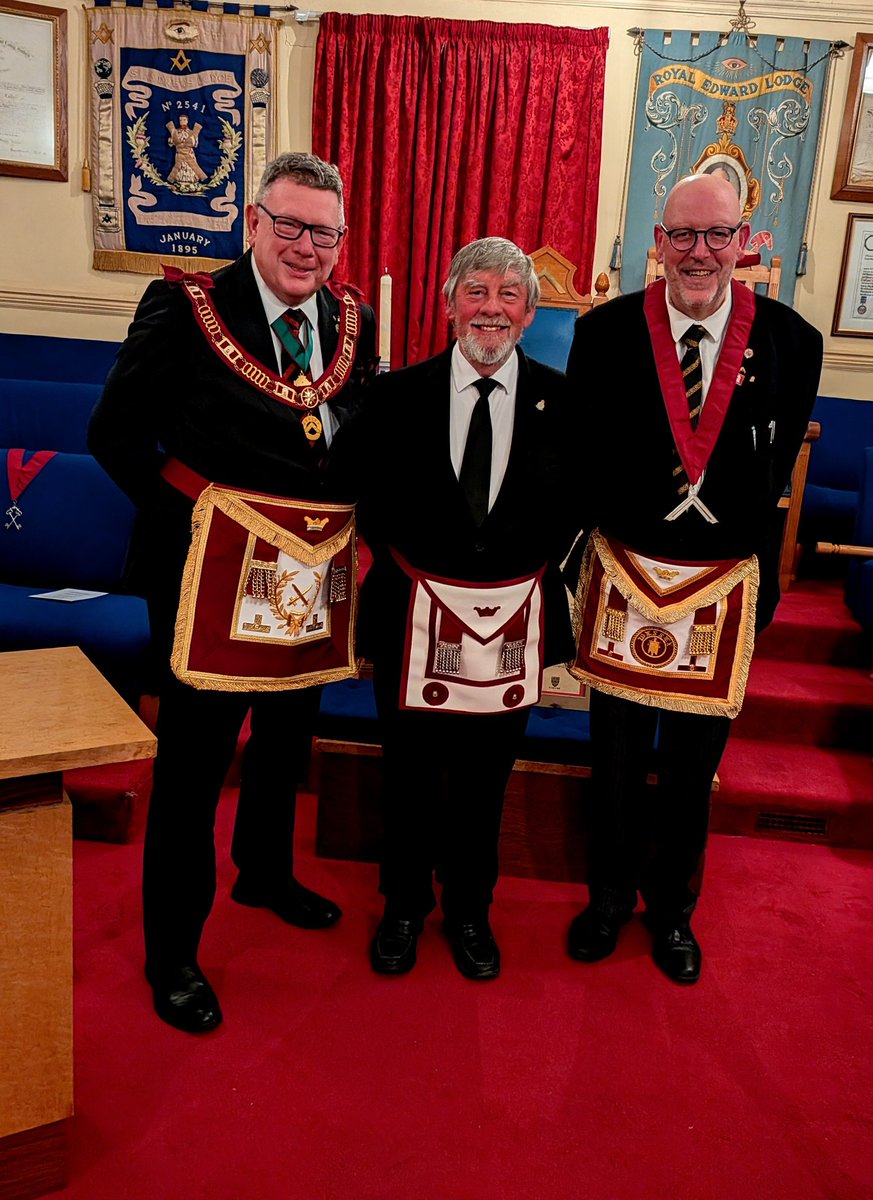
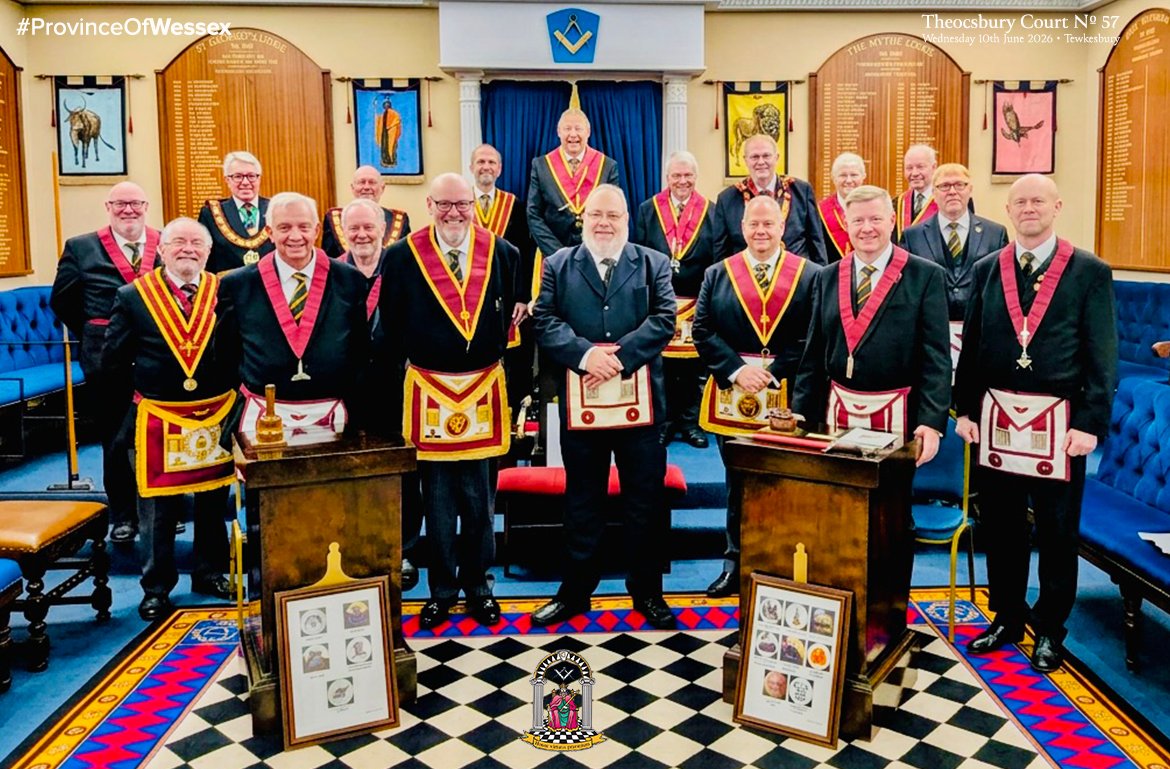
#ProvinceOfWessex Theocsbury Court Nº 57 • Wednesday 10th of June 2026 • Tewkesbury • Welcome Bro Stephen - may you enjoy many happy years @ Theocsbury Court. #MOA @WessexAthelstan @OfAthelstan @MOAthelstan
1
14
209
Jun 11
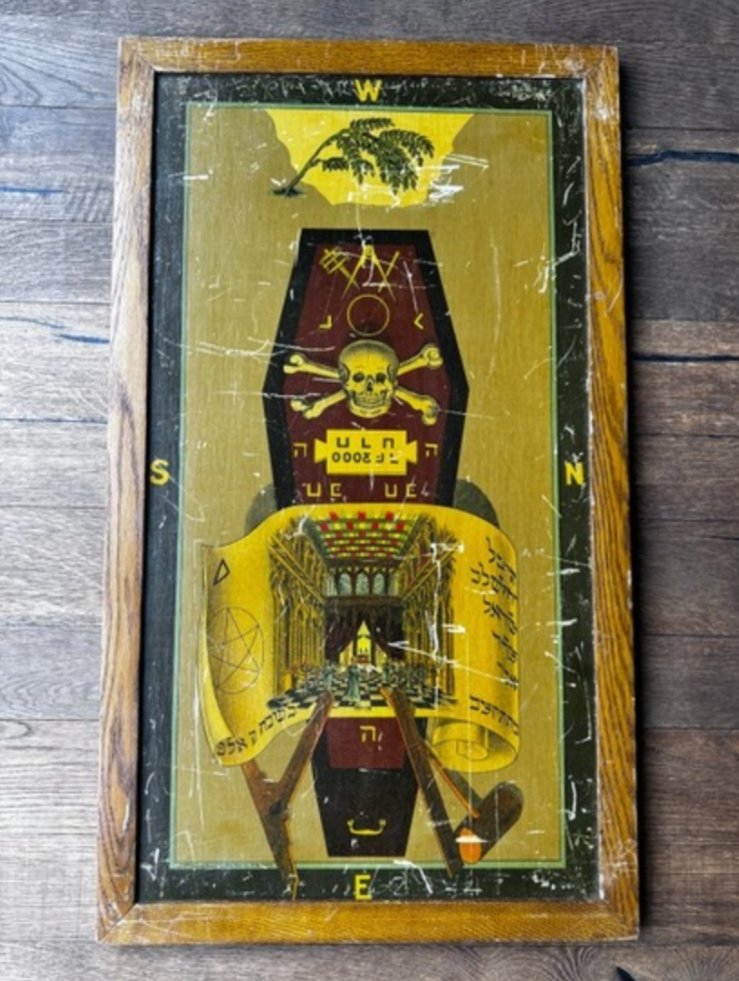
In the Craft, confronting death isn't about fear; it's a call to action. It inspires us to live uprightly, use our time wisely, and remember that while the body decays, the spirit is immortal. 🌿✨
#Freemasonry #History #Philosophy #MementoMori
4
6
37
677
Jun 11
When a candidate encounters these symbols collectively, they are meant to inspire a specific philosophical shift. The lesson is not meant to induce fear, but rather to teach how to live.
1
72
Jun 11
3. The coffin is the vessel of our final resting place on earth - It symbolises the confinement of physical shell and it marks the boundary line between the temporal world (the lodge on earth) and the eternal world (the Grand Lodge Above)
2
55
Jun 11
2. The marrow bones or crossbones typically represent what remains long after the flesh has gone. In speculative Freemasonry, they underscore the decay of the material form. When placed in a crossed position they symbolize the final, enduring scaffolding of the human temple.
2
44
Jun 11
The skull represents the inevitable demise of the physical body. In the Masonic context, it acts as a great equalizer. It reminds the Mason that regardless of worldly wealth, rank, status, or intellectual attainment, all are equal in the eyes of the Grand Architect
1
36
Mark Fuller retweeted

5
72
309
2,577
Jun 9
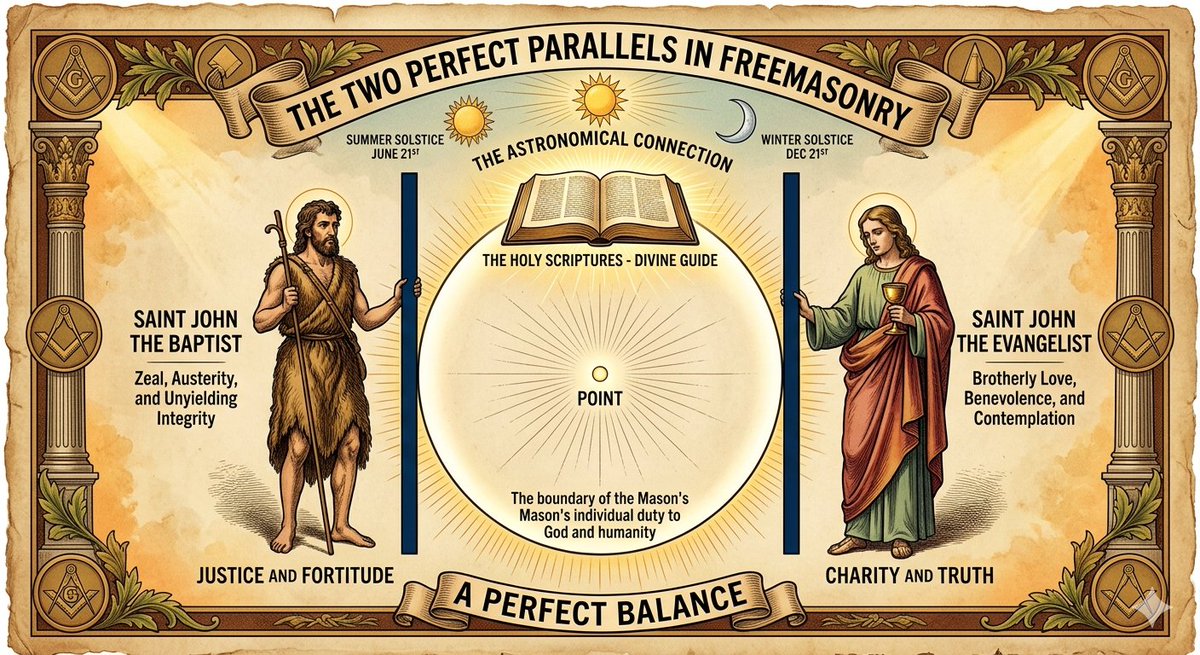
In Freemasonry, when people talk about the "two perfect parallels," they are referring to Saint John the Baptist and Saint John the Evangelist. They are represented as two parallel vertical lines touching the opposite sides of a circle.
2
6
23
409