
Joined December 2015
- Tweets 5,647
- Following 985
- Followers 129
- Likes 41,348
413 Photos and videos














MD92 retweeted

Feb 12
Go to Luton. Go to Rochdale. Go to Bradford. Go to Tower Hamlets.
Jim Ratcliffe is right - it has been colonised by immigrants. That’s just a fact. No point pussyfooting around it. Streets and streets of entire families unable to speak in English, not working, not contributing - living under parallel legal systems.
It’s not even multiculturalism in some of these areas. There is one culture - Islam.
They do not want to live by the same rules as the rest of us. They choose not to be policed as the rest of us. So they’re not. What has that led to? We all know.
Britain increasingly resembles the third world. And with demographic changes, birthrates and immigration transforming our country as they are? That is a process which will only accelerate unless drastic action is taken.
I speak to MPs, plenty agree with me in private. They are, however, unwilling to say so publicly.
That needs to change, urgently.
The backlash for stating these obvious facts is aggressive, so MPs don’t do it. The intimidation works, it’s effective. But I don’t need the job, I don’t need the money. I’m just going to carry on telling the truth.
Let's continue to kick the shit out of the Overton window - that is step one.
Ratcliffe is right. And I respect him for having the balls to say it.
1,603
13,093
69,763
1,210,072
MD92 retweeted
Feb 3
Please let me be very clear here.
Thousands and thousands and thousands of white girls were allowed to be gang-raped by Muslim men EXACTLY because these men were Muslim.
We are seeing it over and over in our inquiry hearings.
Police even deliberately left these girls with their abusers against the desperate pleading from parents.
They did not want to be called racist. They did not want to upset community relations.
It was EVERYWHERE.
The police leadership responsible shouldn’t just lose their jobs. They should be prosecuted and thrown in prison, along with any public official who knew about these crimes and deliberately concealed them.
I would rather be called a racist than enable or allow rape. Every single time.
I know that the vast majority of decent British people agree, so how has this been allowed to fester away for so very long?
It must change. It is now changing.
1,977
17,964
69,019
820,345
MD92 retweeted

So the Met Police have banned a 'Walk For Jesus' in OUR capital city.
Yet this is fine?
Westminster bridge.
1,335
5,700
21,577
227,380



Jan 18
Merc Guehi

🎖️| @_pauljoyce: Liverpool hoped that Marc Guehi would recognise the efforts they had made to sign him before the plug was pulled on deadline day and, in turn, waited for them until the summer.

153
14 Oct 2025
As long as you’re not thinking anything wrong, you shouldn’t worry about Digital ID
14 Oct 2025

“As long as you’re not doing anything wrong, you shouldn’t worry about Digital ID.”
No, I’d prefer the government didn’t monitor my every move.
2
1,022
MD92 retweeted

9 Oct 2025
🚨KEIR STARMER JUST ADMITTED DIGITAL I.D WILL BE USED TO MAKE PAYMENTS AND ACCESS MONEY
We are turning into a communist state
He's just said the quiet bit out loud
THIS MUST BE STOPPED
2,817
15,260
56,325
2,803,475
MD92 retweeted

8 Oct 2025
🚨: SIGN THE PETITION AGAINST DIGITAL IDs FOR COMPANY DIRECTORS!
From November, up to 8 million company directors will be forced to verify themselves through the Government’s new One Login system - the same flawed platform already being compared to Horizon.
This is a dangerous step toward a national Digital ID, risking data breaches, identity theft, and mass surveillance. Business owners already have safe, proven ways to confirm who they are. There is no need for a centralised government ID system.
Sign & share the petition as a first step - and stay tuned for more grassroots work, lobbying, contacting MPs, and raising awareness.
✍️ Sign and share now: togetherdeclaration.org/dire…
Don’t forget to tick the box to stay updated on our campaigns.
#DigitalID
34
627
1,264
21,628
MD92 retweeted

6 Oct 2025
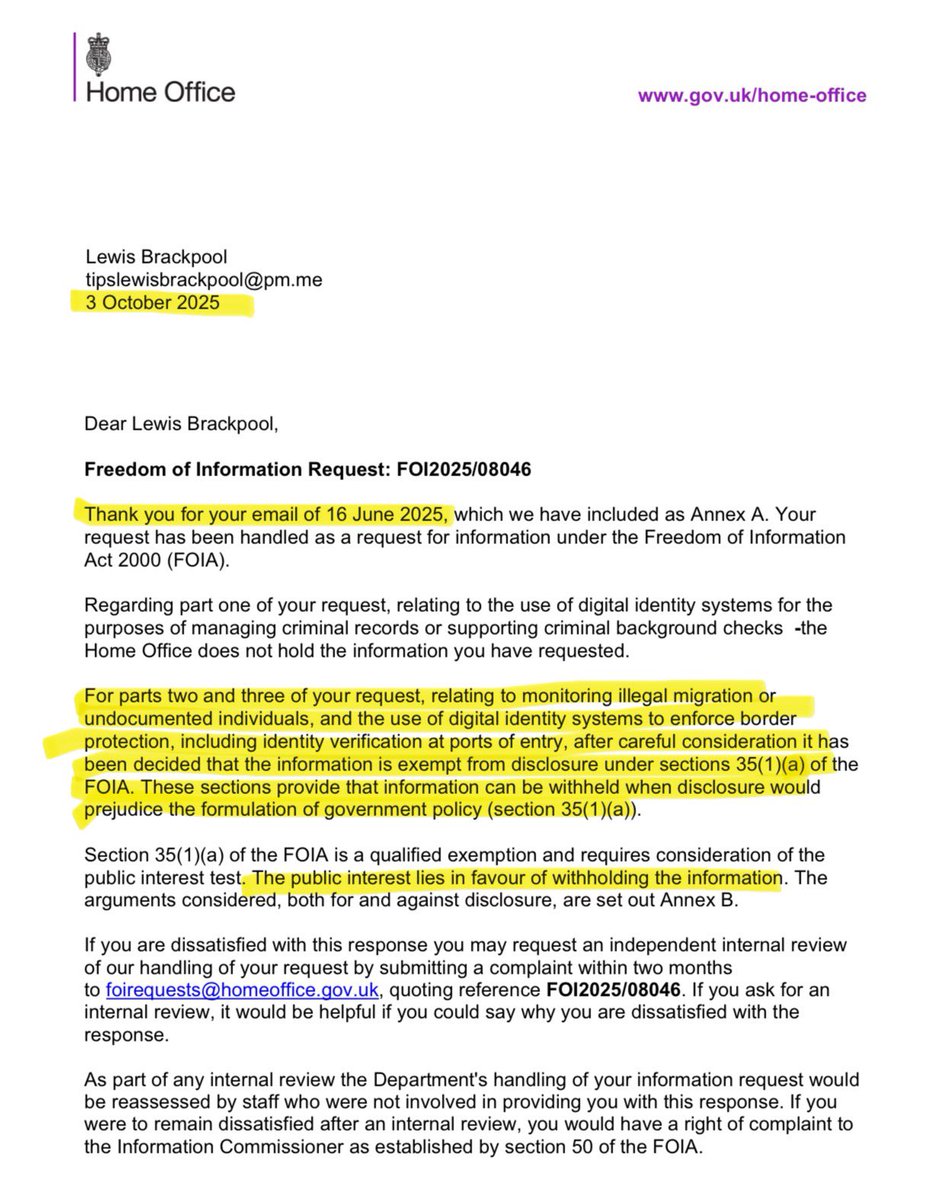
NOW — After months of battling with the Home Office through the Freedom of Information Act, we can now confirm what we already long suspected, that officials have been developing digital identity systems for use in immigration enforcement long before the Government publicly announced its new Digital ID plans.
The Home Office refused to release the documents, citing Section 35 (formulation of government policy), effectively admitting that digital ID for border control and migration tracking has been a live policy area.
The timing is striking. They withheld this until after Keir Starmer’s announcement that Digital ID would be used to combat illegal immigration, despite the policy work already being well underway behind closed doors.
190
2,438
5,660
228,208
7 Oct 2025
This guy said this and then turned off comments
6 Oct 2025

Another classic example of the right only wanting freedom of speech until it’s something they disagree with. This population is being played like a fiddle by these grifting scumbags
2
272
MD92 retweeted

3 Oct 2025
Sir David Davis MP dismantles the case for Digital ID-
❌ It won’t stop any illegal migrants.
That’s a total lie.
⚠️ It centralises your personal data, making it the perfect target for hackers.
🚨 It hands government the power to use, or misuse, YOUR data as they choose.
Digital ID is not about your safety. It’s about government control.
@DavidDavisMP
137
2,857
9,379
130,998
MD92 retweeted

3 Oct 2025
Email template to your local MP opposing Digital ID. Copy paste and share please:
Subject: Formal Objection to the Introduction of a UK Digital ID System
Dear [MP’s Full Name],
I am writing to you as a concerned constituent to formally register my opposition to the proposed introduction of a Digital ID system in the United Kingdom.
While I recognise the government’s desire to modernise identification systems and improve service delivery, the introduction of a Digital ID carries serious legal, ethical, and constitutional implications which cannot be ignored.
1. Threat to Civil Liberties
Digital ID systems centralise personal data and identity verification under state or corporate control. This creates a framework that can easily be expanded into surveillance, movement tracking, and behavioural monitoring, directly undermining Article 8 of the Human Rights Act 1998, the right to privacy and family life.
2. Data Security and Breach Risk
No digital system is immune to cyberattacks. A centralised ID database would be a single point of failure, exposing citizens to identity theft, fraud, and unauthorised profiling. Even under GDPR and the Data Protection Act 2018, the scale and sensitivity of such data heighten the risk of irreversible harm.
3. Consent and Function Creep
There is a clear danger of “function creep”, where a system introduced for limited purposes expands over time. Without absolute legal guarantees, there is a risk that Digital ID could become mandatory for banking, employment, travel, healthcare, or voting, effectively coercing participation and eroding informed consent.
4. Discrimination and Exclusion
Digital ID systems risk excluding citizens who lack digital access or technical literacy, violating principles of equality and non-discrimination. This disproportionately impacts elderly individuals, low-income groups, and rural communities, undermining the Equality Act 2010.
5. Legal Precedent and Proportionality
Under UK common law and international conventions, any measure that restricts fundamental rights must be necessary, proportionate, and prescribed by law.
There has been no transparent demonstration that a nationwide Digital ID scheme meets these tests, nor any evidence that existing mechanisms (such as passports, driving licences, or GOV.UK Verify) are inadequate.
Given these concerns, I urge you to:
1.Oppose any bill or policy introducing a mandatory or coercive Digital ID system.
2.Seek a full parliamentary debate and public consultation before any legislative steps are taken.
3.Request a legal and privacy impact assessment from the Cabinet Office or DCMS before further progress.
This matter cuts to the core of individual freedom, autonomy, and democratic accountability.
I therefore ask for your formal written response outlining your position on Digital ID and how you intend to represent your constituents’ rights in Parliament.
Yours sincerely,
[your name]
83
380
741
26,709
MD92 retweeted

2 Oct 2025
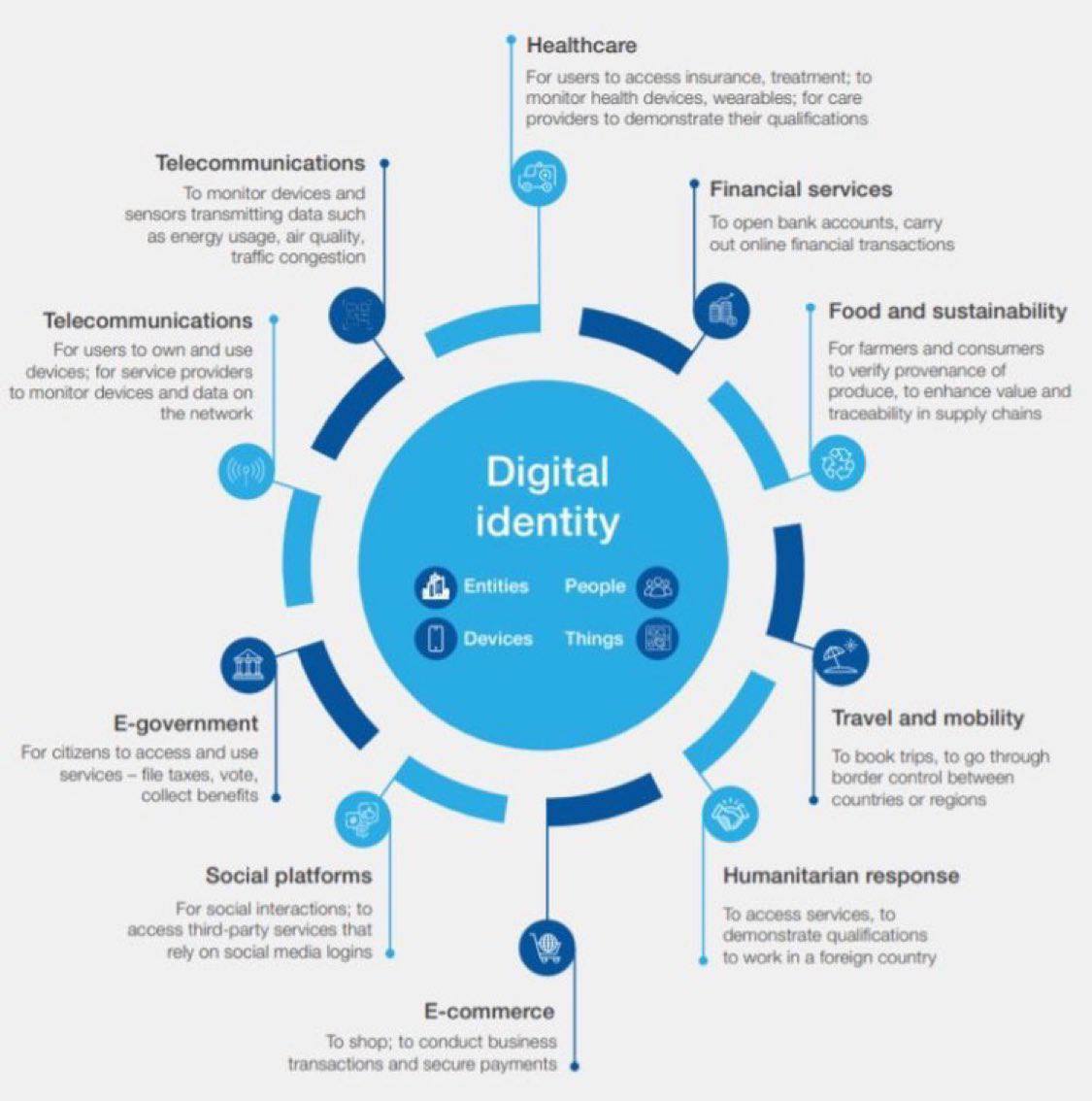
Digital ID: This is the WEF's plan for you, straight from their website.
The goal is to bring about a situation where every aspect of daily life—healthcare, banking, food, travel, internet, social media, communications, energy usage, etc—requires a valid digital ID, without which you are locked out.
Once that situation is in place, the conditions of validity can be set to whatever they want.
Didn't take the latest experimental mRNA vaccine? Digital ID invalid.
Posted "misinformation" on social media? Digital ID invalid.
Social credit score too low? Digital ID invalid.
Exceeded your carbon allowance this month? Digital ID invalid.
Voiced criticism of your new technocratic overlords? Digital ID invalid.
If we ever allow our governments to succeed in rolling out digital ID, we will end up living in a giant open-air digital prison, from which it will be virtually impossible to ever escape.
236
3,148
5,542
177,893
MD92 retweeted
2 Oct 2025
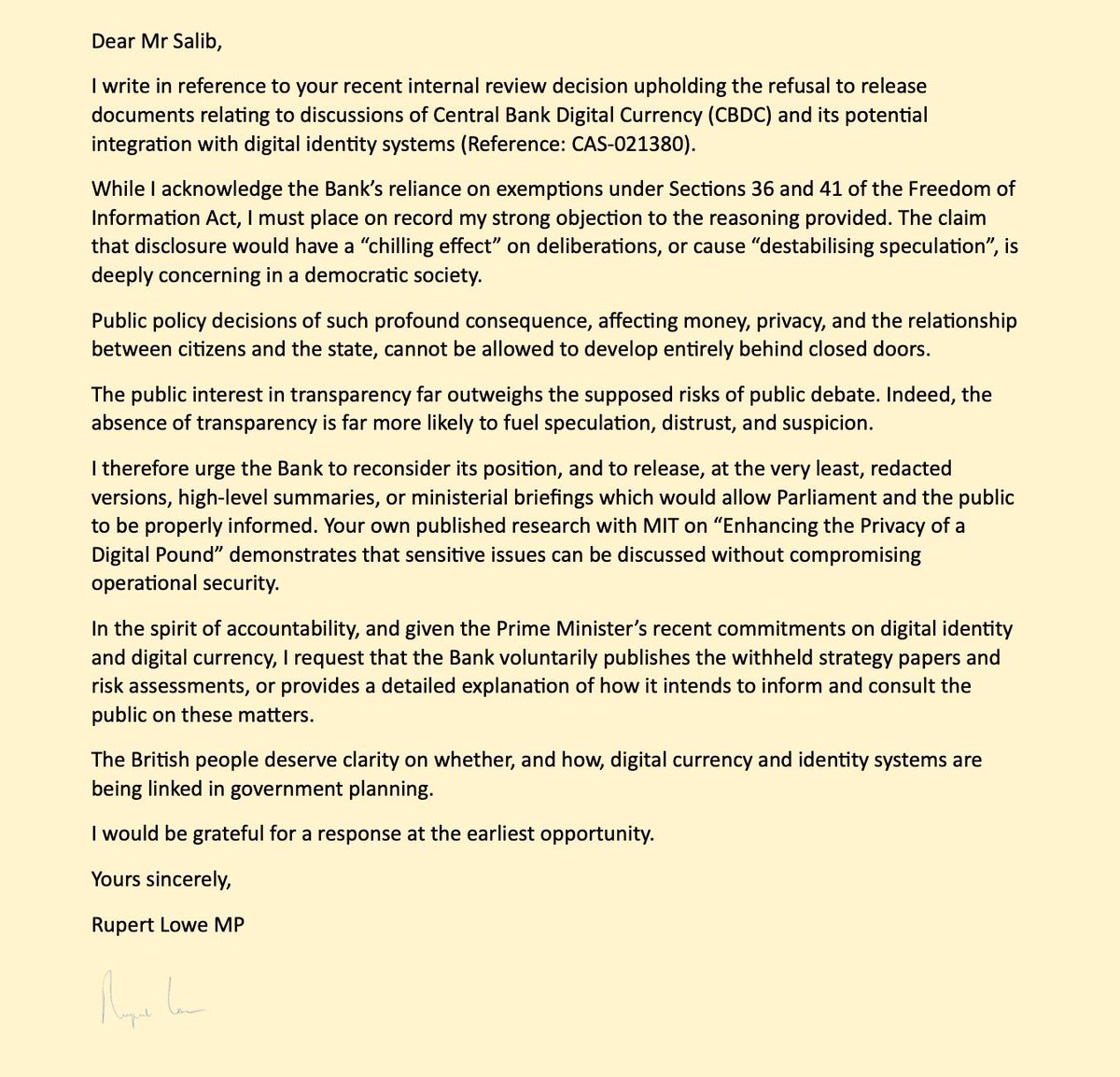
NOW — Rupert Lowe MP has written directly to the Bank of England’s Deputy Secretary demanding the release of strategy papers and risk assessments on the links between Central Bank Digital Currency (CBDC) and Digital ID systems.
The Bank recently refused our FOI request, citing a “chilling effect” on deliberations and the risk of “destabilising speculation.”
In his letter, Rupert Lowe makes clear:
- The public interest in transparency on money, privacy and the relationship between citizens and the state far outweighs the supposed risks of public debate.
- Sensitive issues can be published in redacted or summary form, as demonstrated by the Bank’s own research with MIT.
- Parliament and the public deserve clarity on whether digital identity is being linked to programmable currency in government planning.
I am grateful for Rupert’s support in pressing this matter. The British people deserve answers, and @RestoreBritain_ will continue to pursue them.
187
3,468
11,966
234,036
MD92 retweeted
2 Oct 2025
For the sake of Freedom,
We must reject Digital ID.
Do not comply.

23
371
1,329
11,284
MD92 retweeted
2 Oct 2025
🚨 A mission started by Sir Tony Blair 25 years ago, ends now.
We will not let this pass.
Retweet if you agree 👍

89
1,133
3,589
33,073
MD92 retweeted

2 Oct 2025
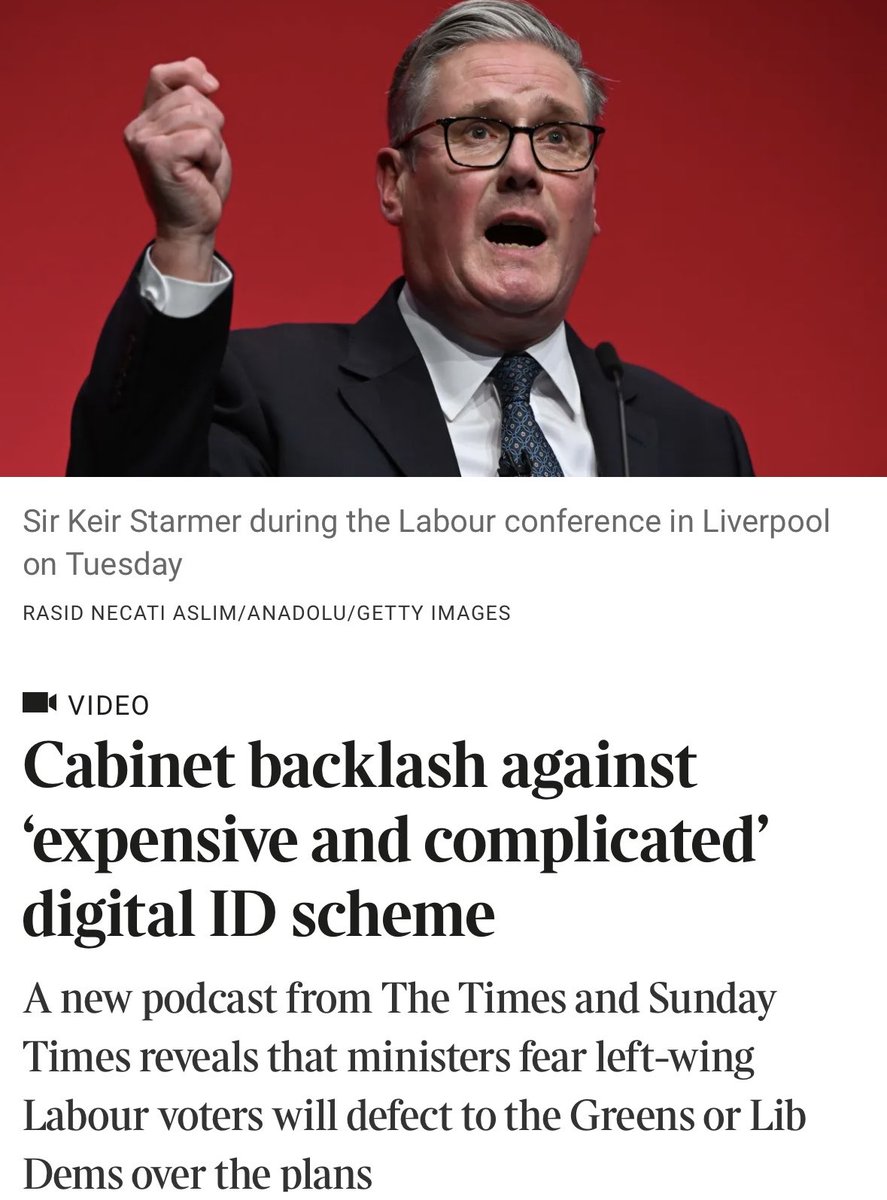
Keir Starmer’s mandatory digital ID is turning into a disaster for him. Public support has collapsed and many within his own party are concerned about it. Keep the pressure up. Just say no to digital ID.
453
3,967
13,982
133,296
MD92 retweeted

1 Oct 2025
“We’ve set out a roadmap for farming which has been welcomed by farmers.”
~ Keir Starmer
This is a lie. The Labour government’s roadmap {inheritance tax} for farming hasn’t been welcomed by farmers. It’s been wholeheartedly condemned.
561
3,871
16,760
211,305
MD92 retweeted
1 Oct 2025
Support for Digital ID is plummeting according to the latest polling.
We are winning. We can, and we will, stop Digital ID.
669
5,367
40,130
885,534
MD92 retweeted
29 Sep 2025
Keep pushing. We can stop this.
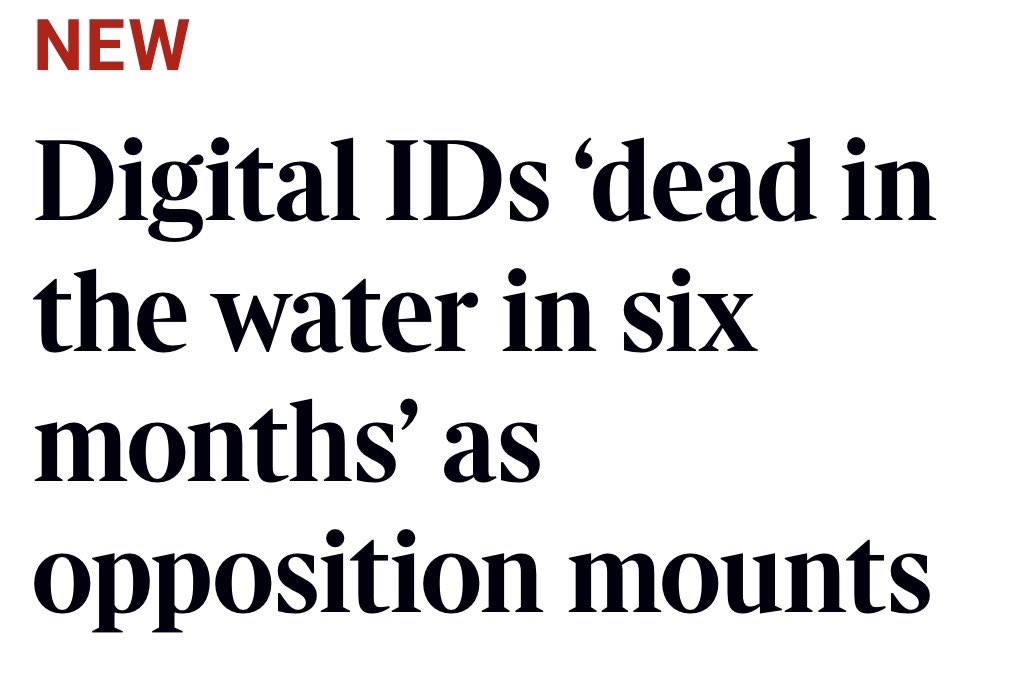
1,114
16,952
94,472
1,293,649