
Joined March 2007
- Tweets 3,164
- Following 448
- Followers 6,546
- Likes 760
95 Photos and videos





Matt Freels retweeted

3 Dec 2024
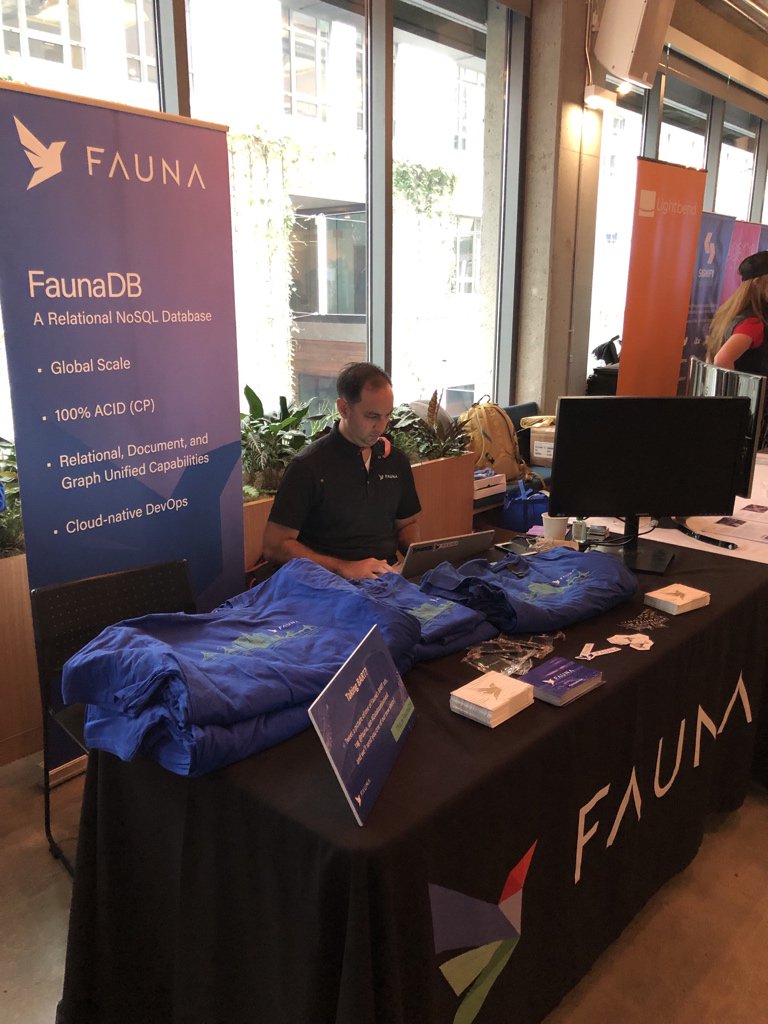
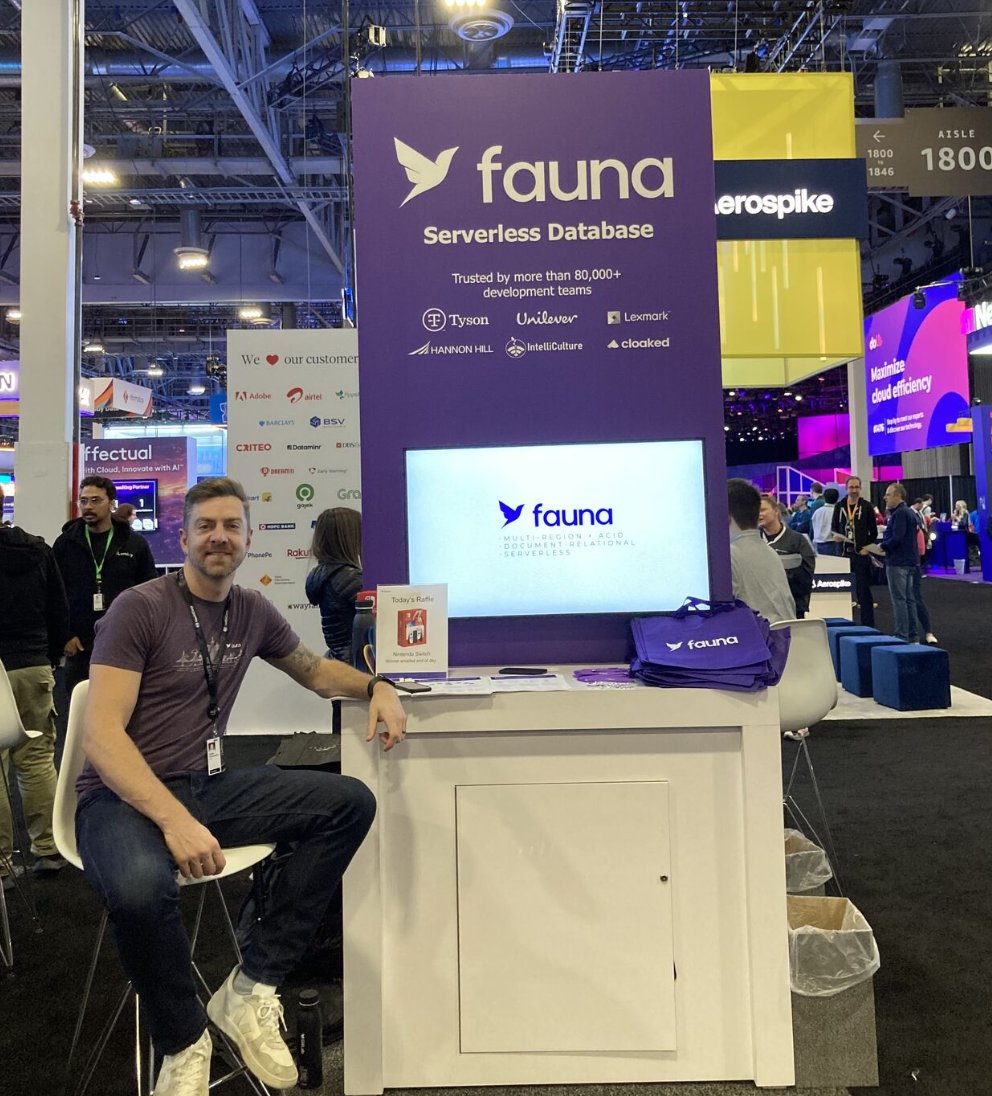
Always fun talking to developers about what databases they're using, what is/isn't working, and how we can solve real pain and help them move faster. Be sure to drop by the @fauna booth in the expo if you're at @AWSreInvent !
1
1
2
1,735
Matt Freels retweeted

24 Jan 2024
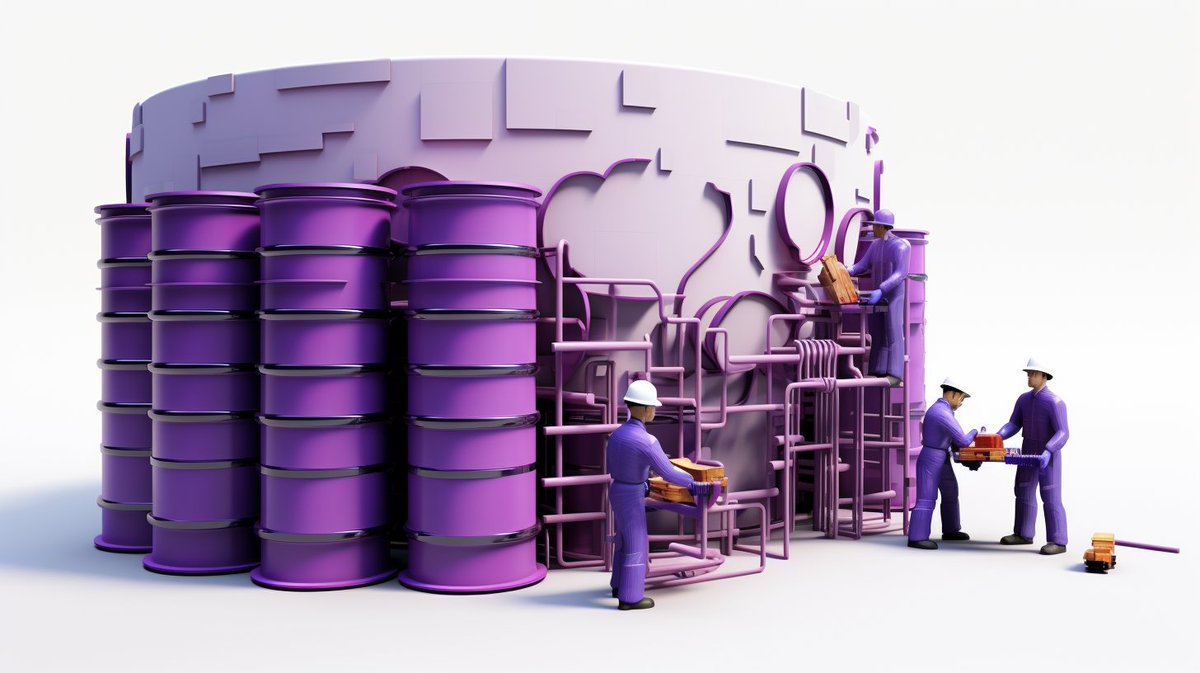
A thread about #NoSQL and serverside-functions.
The move from traditional #RDBMS to NoSQL #databases brought many advantages but also led to the loss of some critical features; one example is stored procedures. Cloud services like #AWS Lambda and #Azure Functions have attempted to fill this gap but often fall short in proximity to data, consistency, and regional constraints. @fauna's document-relational database model addresses these challenges by reintegrating stored procedure-like functionality directly within the database, negating the need for external services and their associated complexities for some use cases. It's not a replacement for all use cases!!!
1
3
4
3,532
Matt Freels retweeted
15 Dec 2023
There's an interesting disconnect between the religious fervor for SQL that has emerged over the last few years and the views of engineering leaders in my network that have experienced the pain of configuring/managing/scaling current SQL offerings, debugging complex/opaque performance issues stemming from ORM translation/query planner choices, etc. in the real world.
The SQL (re-)hype seems driven by the realization that relational features such as transactions, strong consistency, schema/enforcement, and first-class relationships are critical and are missing (or half-baked) in many NoSQL databases, which is very valid. But those features aren't intrinsically bound to SQL as a DQL/DML and they are front and center in modern NoSQL databases like @Fauna.
SQL was developed in the 1970s for humans writing analytical queries; it wasn't designed for operational databases that are primarily consumed by applications and the object–relational impedance mismatch is a real problem. The biggest benefit today is that it is a widely adopted standard, with many practitioners and a lot of tooling built around it. But languages and standards change over time, and the state of the art in operational databases has advanced to the point where that benefit typically isn't worth the cost.
15 Dec 2023

There's been a trend back to SQL databases in the latest set of database-y startups (@neondatabase, @supabase, @tursodatabase, @PlanetScale, et. al).
Is the era of alternative NoSQL architectures (like DynamoDB, MongoDB or FaunaDB) over?
3
3
2,705


17 Nov 2022
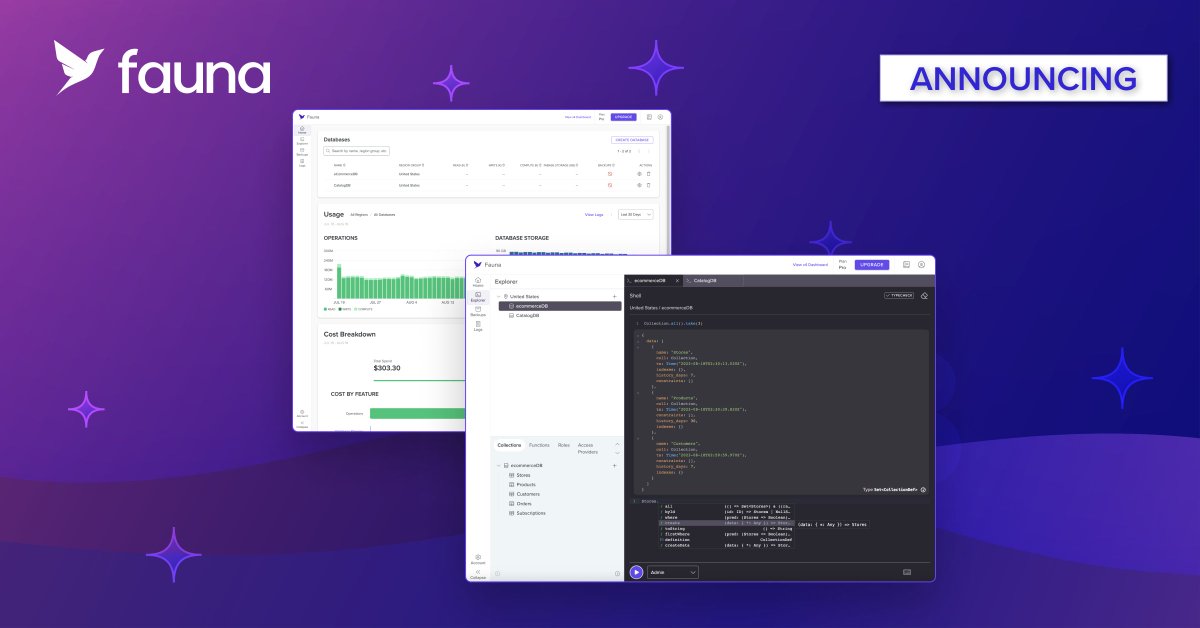
Very excited about this! Lots of work by the team went into this launch. VPF gives you precise control over your Fauna deployment, including choice of cloud provider.

Today’s an exciting day for us at Fauna! 🎊 We’re thrilled to announce the launch of…
1️⃣ Intelligent Routing
2️⃣ Virtual Private Fauna
Both make it easier for developers to build performant and compliant apps with Fauna’s native serverless architecture…
2
8
9

snippet from our recent video with @fauna - why the future of serverless databases is distributed document-relational youtube.com/watch?v=7AHUt8xI…. check out the whole conversation on youtube
2
6
9 Mar 2022
Really excited streaming is out! Some powerful guarantees that didn't make it to the announcement post: Events are delivered in transaction order, and you can be guaranteed to never miss an event. Can't wait to see what folks build with this. fauna.com/blog/event-streami…
1
1
9
Matt Freels retweeted

3 Feb 2022
Sooo... I've always loved conlangs, but they're suuuuper difficult to model
So naturally I wrote this article in partnership with @fauna about how modelling conlangs gets much easier in NoSQL databases
hashnode.com/post/conlanging…
1
4
8
Today, we're so excited to announce the Fauna @vercel console-level integration. Now it's easier than ever to associate a Fauna database with your Vercel applications - try it out! ow.ly/7AFe50FdEDh
#serverless #nextjs #fullstack #frontend
1
21
139
Matt Freels retweeted

16 Apr 2021
Announcing Cloudflare’s Database Partners. cfl.re/3dlYWmY #DeveloperWeek💻
3
31
96
Matt Freels retweeted

25 Feb 2021
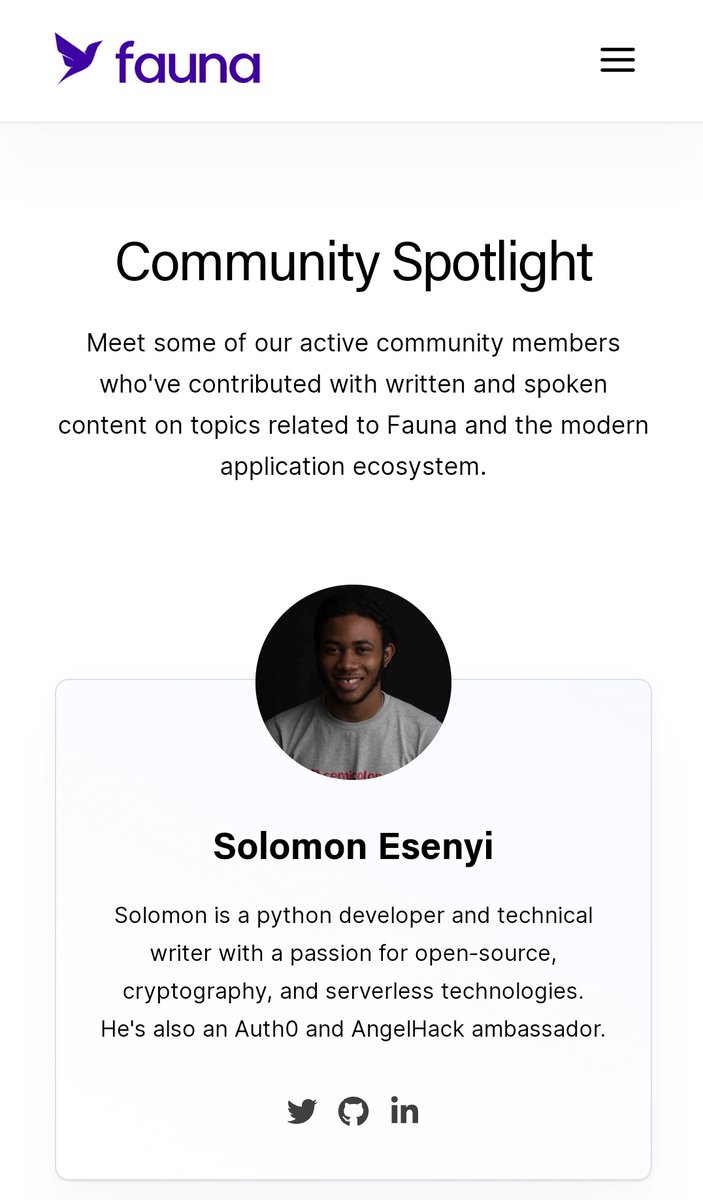
So I got featured on @fauna community spotlight because of tutorial articles I've written 🥺🥺🥺
fauna.com/community
11
37
125
Matt Freels retweeted

27 Jan 2021
Reminder: @CMUDB's Zoom DB Talks starts again next Monday Feb 2 @ 4:30pm ET. Our first speaker will be the stately @Daniel_Abadi to present the SLOG system (successor to Calvin). db.cs.cmu.edu/events/vaccina…
1
9
38
Matt Freels retweeted
30 Nov 2020
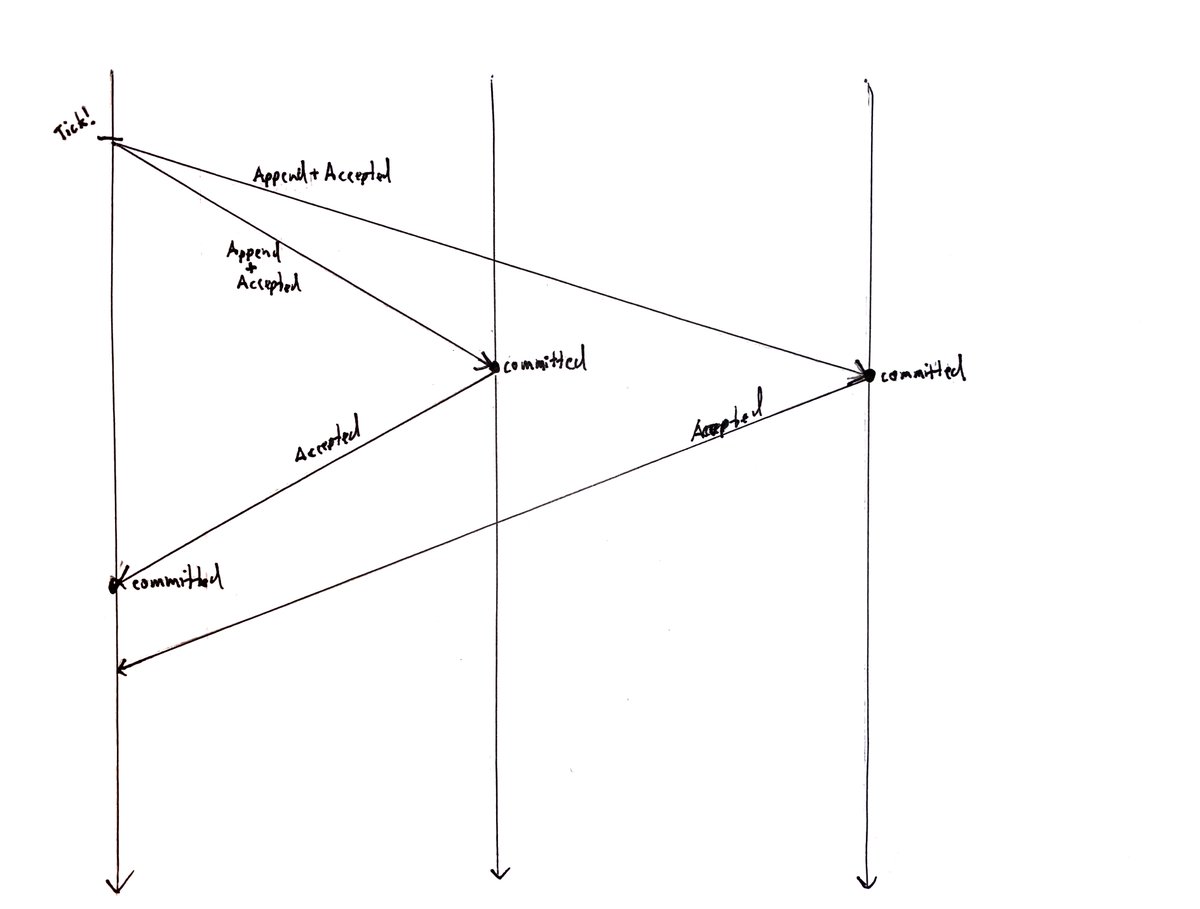
Here is Matt Freels' (@mf) Quarantine DB talk on @Fauna: youtube.com/watch?v=mxQMum5R…
Matt goes deep into Fauna's txn protocol starting at 14:13. Then Matt's dogs start barking at 53:21 🐶
1
4
31
6 Sep 2020
Had to cut our Shuteye climbing trip short today due to the Creek Fire. We ended up going the long way around after fire cut off Mammoth Pool road.
62
364
884
6 Sep 2020
You may use this under the terms of the CC license: creativecommons.org/licenses… please stop calling though
2
1
31
Matt Freels retweeted

1 Jul 2020
I’m excited to be an investor in @Fauna’s latest round!
We need a distributed serverless DB for the future of webapps (e.g. those made with @RedwoodJS) and Fauna is making it happen.
Looking forward to @Prisma support for it, too. :)
Fauna raises $27M and welcomes former Okta and Snowflake executives @ericberg and @Bob_Muglia join Fauna as CEO and Chairman of the Board. fauna.com/blog/funding-to-sc…
#Serverless #Jamstack #Javascript #GraphQL #FaunaDB
5
6
73
Fauna raises $27M and welcomes former Okta and Snowflake executives @ericberg and @Bob_Muglia join Fauna as CEO and Chairman of the Board. fauna.com/blog/funding-to-sc…
#Serverless #Jamstack #Javascript #GraphQL #FaunaDB
22
35
164
Matt Freels retweeted

19 Jun 2020
Control theory for fun and profit
fauna.com/blog/control-theor…
21
51
Matt Freels retweeted

6 Jan 2020
Today I made a very small react app that keeps score of our heads up fifa20 competition at work. angry-agnesi-1f2d48.netlify.… (yes, you may use those buttons)
I used react, netlify and @fauna for data storage. This is a very cool #serverless option to store a lot of data for free.
2
4
7