
Politics Junkie 🗳️ Radical Centrist ⚖️ Pragmatist 🔧 Secular Monarchist 👑 British Millennial 🇬🇧 #MMATwitter 🤼 Pupil of Schopenhauer 🧠
Joined November 2012
- Tweets 7,227
- Following 822
- Followers 599
- Likes 81,748
503 Photos and videos










Pinned Tweet

1 Dec 2025
So he’s not allowed to play sport because he’s disabled? He must sit alone, confided to a room watching endless repeats of tipping point as he slurps the remnants from his pot noodle? I hope there’s more to this story, because if this is true, this is an utter disgrace.
8
86
5,352
64,533

MMA Schopenhauer retweeted

UK and Japan agree £18bn investment deal bbc.in/4utFvNj
75
333
1,587
156,576

MMA Schopenhauer retweeted
🚨 NEW: Under-16s in the UK will be banned from the following 10 social media apps
TikTok
YouTube
Snapchat
Instagram
X
Reddit
Facebook
Twitch
Kick
Threads
2,115
1,386
16,774
8,773,896
MMA Schopenhauer retweeted

Jun 13
I’ve warned for months that America would soon restrict access to state of the art frontier AI models for national security reasons.
THIS HAS NOW HAPPENED.
Thanks to the catastrophic energy policies pursued by the Tories and Labour, Britain has virtually ZERO sovereign AI capability.
Now we will be cut off from the most powerful AI models, and will soon end up being TOTALLY AT THE MERCY of China America and others who will be able bring to bear intelligence capable of defeating all our security systems in short order.
WE MUST CHANGE COURSE NOW
Jun 13

The US government, citing national security authorities, has issued an export control directive to suspend all access to Fable 5 and Mythos 5 by any foreign national, whether inside or outside the United States, including foreign national Anthropic employees.
The net effect of this order is that we must abruptly disable Fable 5 and Mythos 5 for all our customers to ensure compliance.
Access to all other Claude models is not affected.
We apologize for this disruption to our customers. We believe this is a misunderstanding and are working to restore access as soon as possible.
Read our full statement: anthropic.com/news/fable-myt…
330
644
4,948
608,716
MMA Schopenhauer retweeted

Jun 12
🚨 NEW: Under-16s in the UK will be banned from using disappearing messages, romantic AI chatbots and livestreaming as part of Keir Starmer's social media ban
426
290
5,539
1,108,512
MMA Schopenhauer retweeted
x.com/mmaschopenhauer/status…
Agreed, Conor.
Ireland, the United Kingdom, France and Belgium should look at a join collaboration deal that bypasses the ECHR (like Denmark have done) and uses a third nation like Rwanda or Djibouti (which already has Western military bases) to effectively act as a processing center for asylum seekers and migrants from FLAGGED nations.

Last night’s brutal attack in Belfast, and the arrest of a Sudanese migrant on suspicion of attempted murder, has shocked the nation. But while politicians express "sickness" at the violence, they refuse to address the systemic issue: the breakdown of our asylum system regarding arrivals from highly unstable regions.
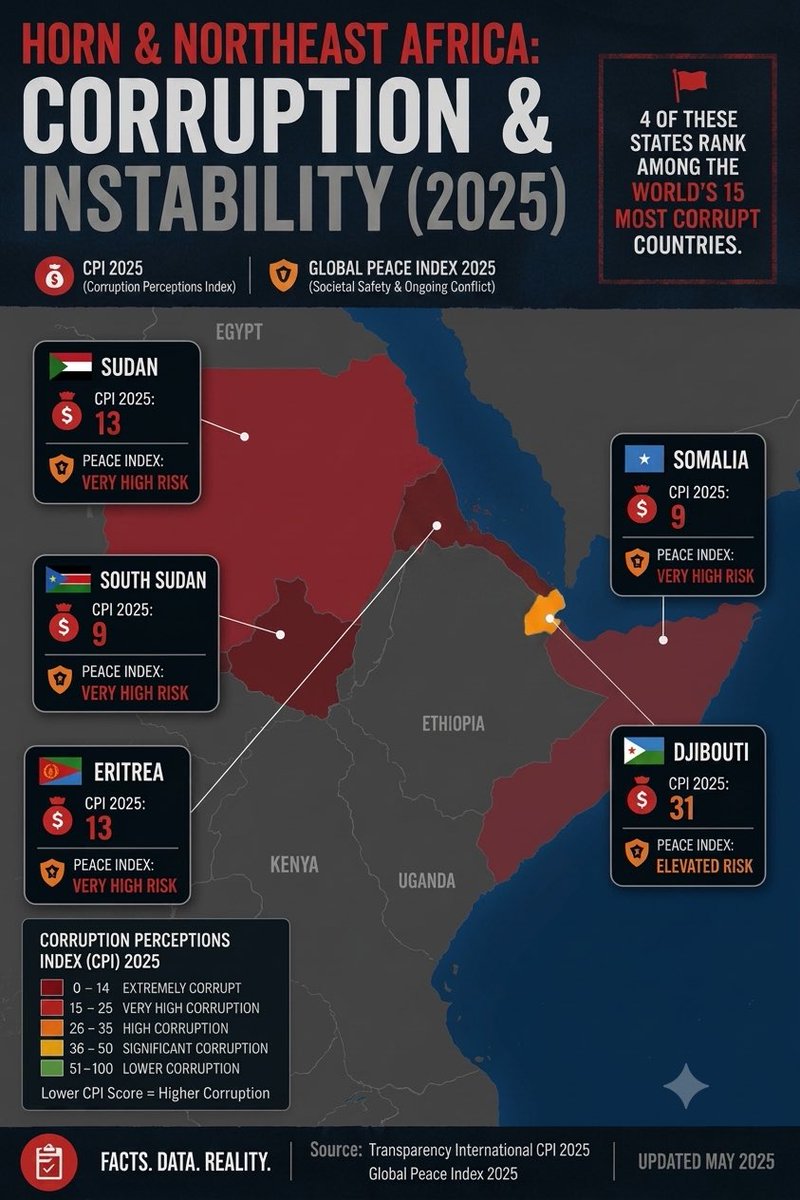
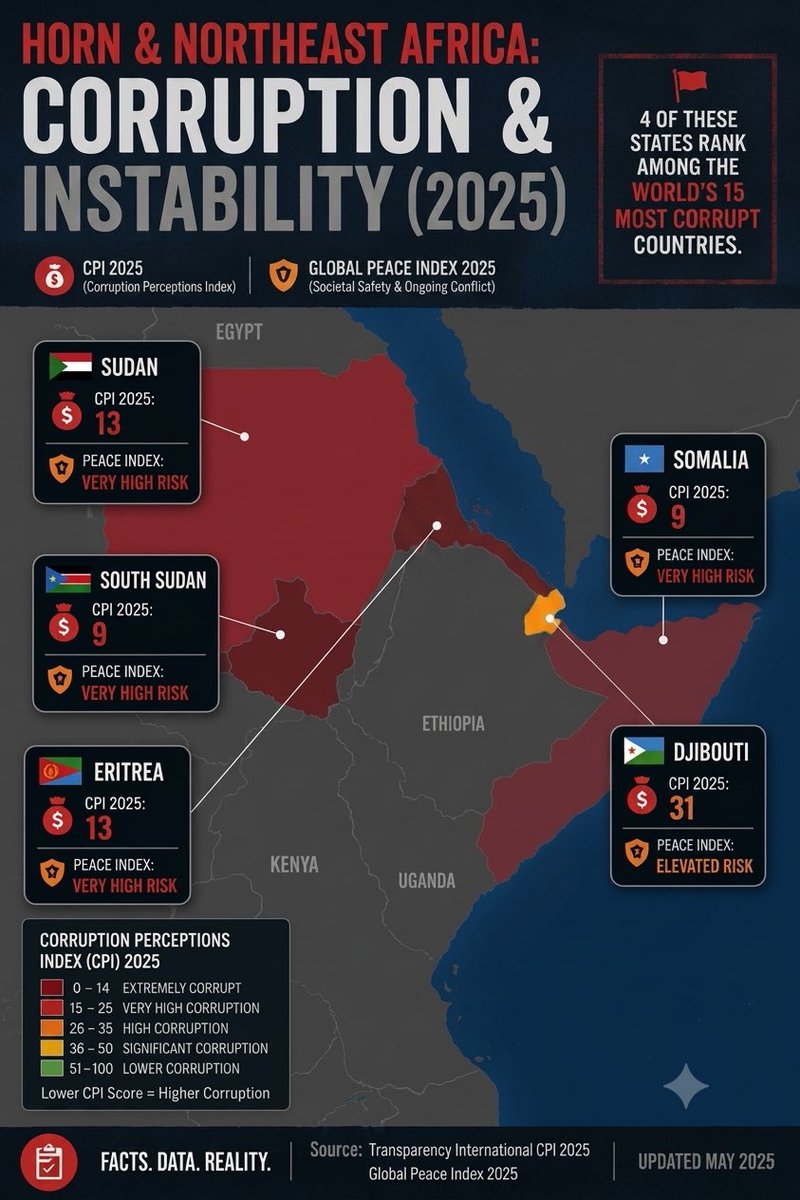
North East African nations such as Sudan, South Sudan, Somalia, Eritrea and Djibouti rank among the most corrupt and dangerous places on Earth.
This isn’t the Africa you saw in The Lion King — many of these nations struggle with child marriage, extremely low living standards, weak institutions, poor literacy rates, ongoing conflict and some of the highest levels of corruption in the world.
The shocking reality is that a large proportion of people arriving from countries like these are ultimately allowed to remain in Britain through the asylum system. An estimated 90-95% get granted visas, according to Home Office Immigration Statistics (Year Ending December 2025)
South Sudan is one of the poorest countries on Earth, with much of its population still dependent on subsistence agriculture and cattle herding. You cannot take people from environments shaped by decades of war, instability and poverty and simply assume immediate assimilation into British culture. That expectation is unrealistic.
Rwanda, particularly Kigali, was a far more sensible destination. Rwanda has spent decades improving education, public order and governance, and the contrast with many of its regional neighbours is obvious.
The 2024 Conservative Rwanda policy may have been controversial, but at least it attempted to address a system that is clearly under strain.
Until asylum policy is fundamentally reformed — including the wider use of safe third countries and stricter criteria for protection claims — Britain will continue to face the same problems, the same debates and the same headlines.
From Transparency International’s CPI 2025 report:
“Sub-Saharan Africa faces the highest corruption levels globally… The lowest scorers include Sudan (13), Eritrea (13), Somalia (9) and South Sudan (9).”
The Global Peace Index likewise ranks several of these countries among the least peaceful nations on Earth due to conflict, militarisation and failures in public safety.
The question is simple: how many more warnings do policymakers need before they accept that the current asylum system is not working as intended?
Sources;
📰 The Belfast Incident: PSNI official updates / Reuters / AP News
📊 Global Indexes: Transparency International CPI & Vision of Humanity Global Peace Index
@ShabanaMahmood @Keir_Starmer @Nigel_Farage @ZiaYusufUK @RupertLowe10 @GRobinsonDUP @ukhomeoffice @GBNEWS @PatrickChristys @Alexarmstrong
2
8
41
9,939
MMA Schopenhauer retweeted

I see we have now reached the beheadings in the street phase of cultural enrichment
472
8,143
74,405
801,600
MMA Schopenhauer retweeted

Call me old fashioned but I preferred our country before Somalians started trying to behead people in the street.
677
5,061
59,114
1,243,119
Last night’s brutal attack in Belfast, and the arrest of a Sudanese migrant on suspicion of attempted murder, has shocked the nation. But while politicians express "sickness" at the violence, they refuse to address the systemic issue: the breakdown of our asylum system regarding arrivals from highly unstable regions.
North East African nations such as Sudan, South Sudan, Somalia, Eritrea and Djibouti rank among the most corrupt and dangerous places on Earth.
This isn’t the Africa you saw in The Lion King — many of these nations struggle with child marriage, extremely low living standards, weak institutions, poor literacy rates, ongoing conflict and some of the highest levels of corruption in the world.
The shocking reality is that a large proportion of people arriving from countries like these are ultimately allowed to remain in Britain through the asylum system. An estimated 90-95% get granted visas, according to Home Office Immigration Statistics (Year Ending December 2025)
South Sudan is one of the poorest countries on Earth, with much of its population still dependent on subsistence agriculture and cattle herding. You cannot take people from environments shaped by decades of war, instability and poverty and simply assume immediate assimilation into British culture. That expectation is unrealistic.
Rwanda, particularly Kigali, was a far more sensible destination. Rwanda has spent decades improving education, public order and governance, and the contrast with many of its regional neighbours is obvious.
The 2024 Conservative Rwanda policy may have been controversial, but at least it attempted to address a system that is clearly under strain.
Until asylum policy is fundamentally reformed — including the wider use of safe third countries and stricter criteria for protection claims — Britain will continue to face the same problems, the same debates and the same headlines.
From Transparency International’s CPI 2025 report:
“Sub-Saharan Africa faces the highest corruption levels globally… The lowest scorers include Sudan (13), Eritrea (13), Somalia (9) and South Sudan (9).”
The Global Peace Index likewise ranks several of these countries among the least peaceful nations on Earth due to conflict, militarisation and failures in public safety.
The question is simple: how many more warnings do policymakers need before they accept that the current asylum system is not working as intended?
Sources;
📰 The Belfast Incident: PSNI official updates / Reuters / AP News
📊 Global Indexes: Transparency International CPI & Vision of Humanity Global Peace Index
@ShabanaMahmood @Keir_Starmer @Nigel_Farage @ZiaYusufUK @RupertLowe10 @GRobinsonDUP @ukhomeoffice @GBNEWS @PatrickChristys @Alexarmstrong
1
7
24
53,876
MMA Schopenhauer retweeted

The American mind cannot comprehend this European bromance.
25
130
1,961
77,677
MMA Schopenhauer retweeted

Jun 8
The FCAS is dead. Long live the GCAP!
🇫🇷 France and 🇩🇪 Germany have reportedly decided to halt development of the Future Combat Air System after years of delays and industrial disputes.
Counterintuitively, this may not be bad news for European strategic autonomy.
With FCAS effectively shelved, Berlin is now more likely to join the 🇮🇹 Italy–🇬🇧 United Kingdom–🇯🇵 Japan Global Combat Air Programme (GCAP), a project in which Germany has already expressed interest.
If that happens, Europe could finally concentrate its resources, industrial expertise and political capital on a single next-generation fighter platform.
For decades, Europe's defence industry has been weakened by duplication, fragmentation and competing national programmes.
One common solution would be a major step towards a stronger and more integrated European defence industrial base.
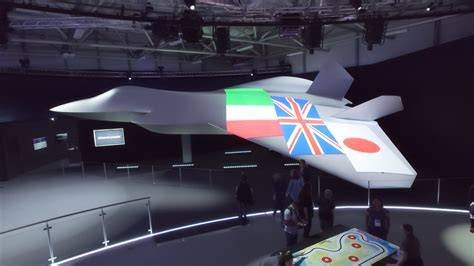

The German government said it agreed with France to halt a €100 billion ($115 billion) joint fighter-jet project after persistent disputes and delays since it began nearly a decade ago bloomberg.com/news/articles/…
79
170
984
239,228
MMA Schopenhauer retweeted

Jun 8
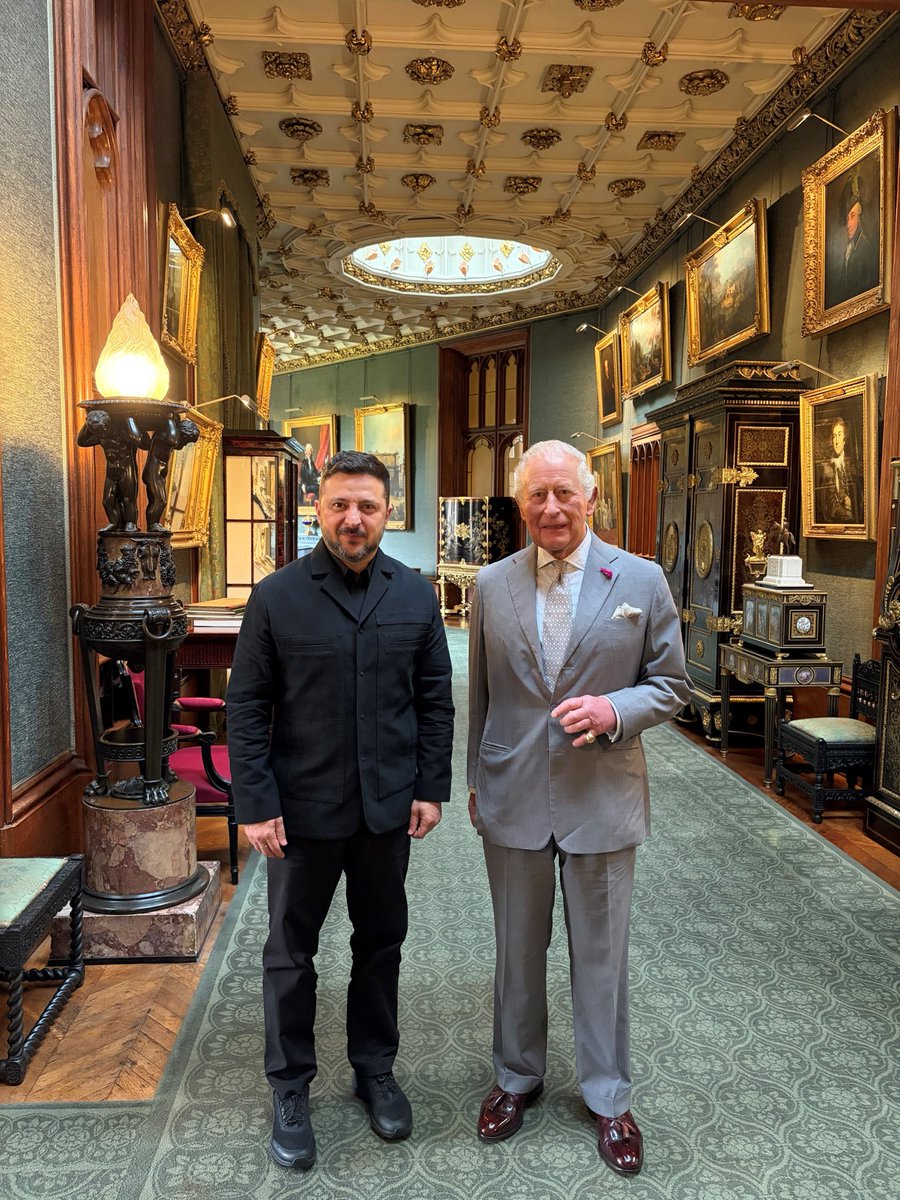
🇺🇦 The President of Ukraine visited The King this afternoon at Windsor Castle
3,331
4,066
35,535
1,132,520
MMA Schopenhauer retweeted

Jun 8
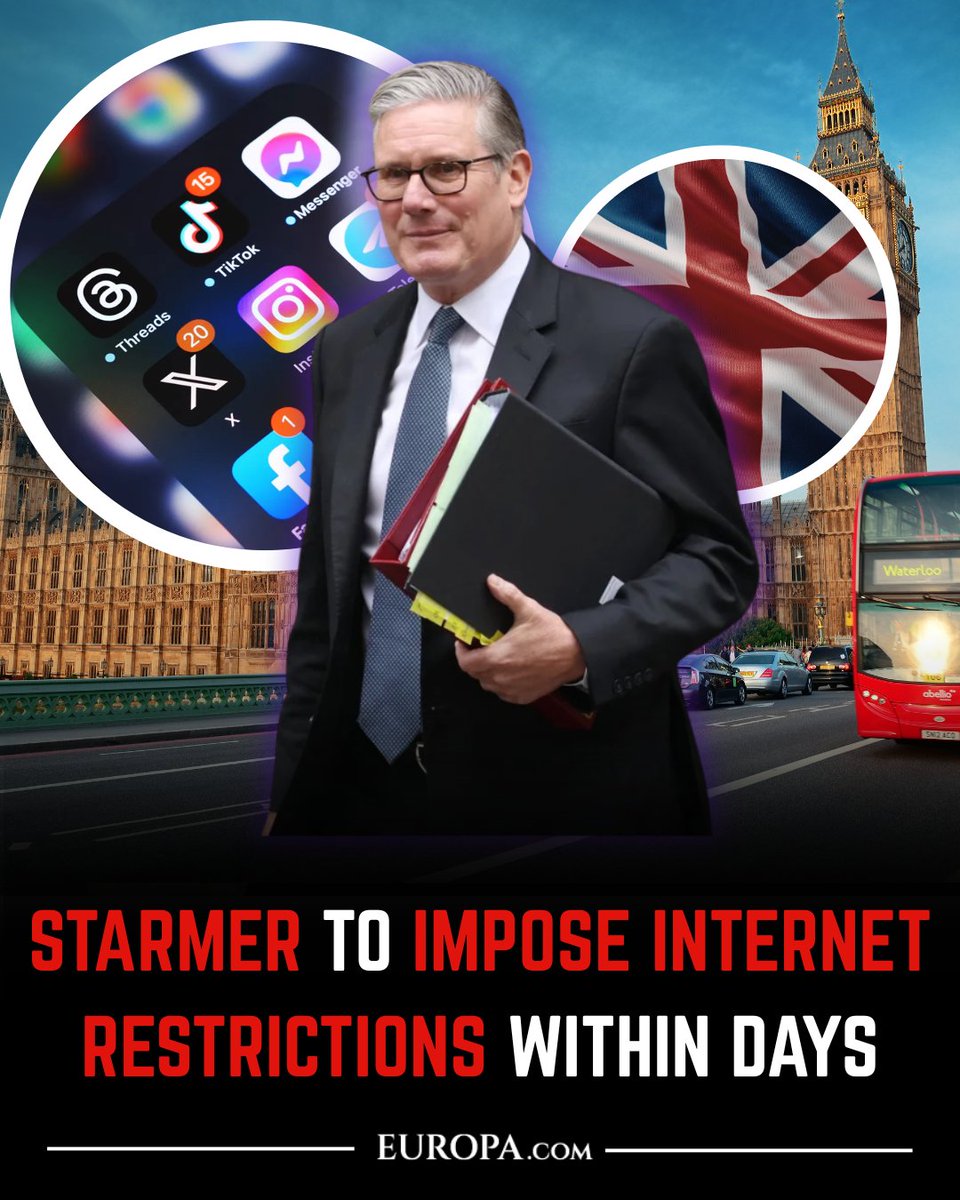
🇬🇧 Keir Starmer is set to unveil new internet restrictions within days.
The measures, inspired by Australia’s social media ban, would restrict under-16s from accessing “high-risk” platforms and introduce tougher age-verification checks.
Ministers are also considering curbs on features such as autoplay, infinite scrolling, “like” buttons, location sharing and livestreaming.
Follow: @europa
83
26
109
94,195
MMA Schopenhauer retweeted

Jun 8
ONE WEEK AWAY. 🔥🥊
@UFC X WHITE HOUSE.
Buckle up. It’s about to go DOWN.
2,169
3,645
17,439
836,799
MMA Schopenhauer retweeted

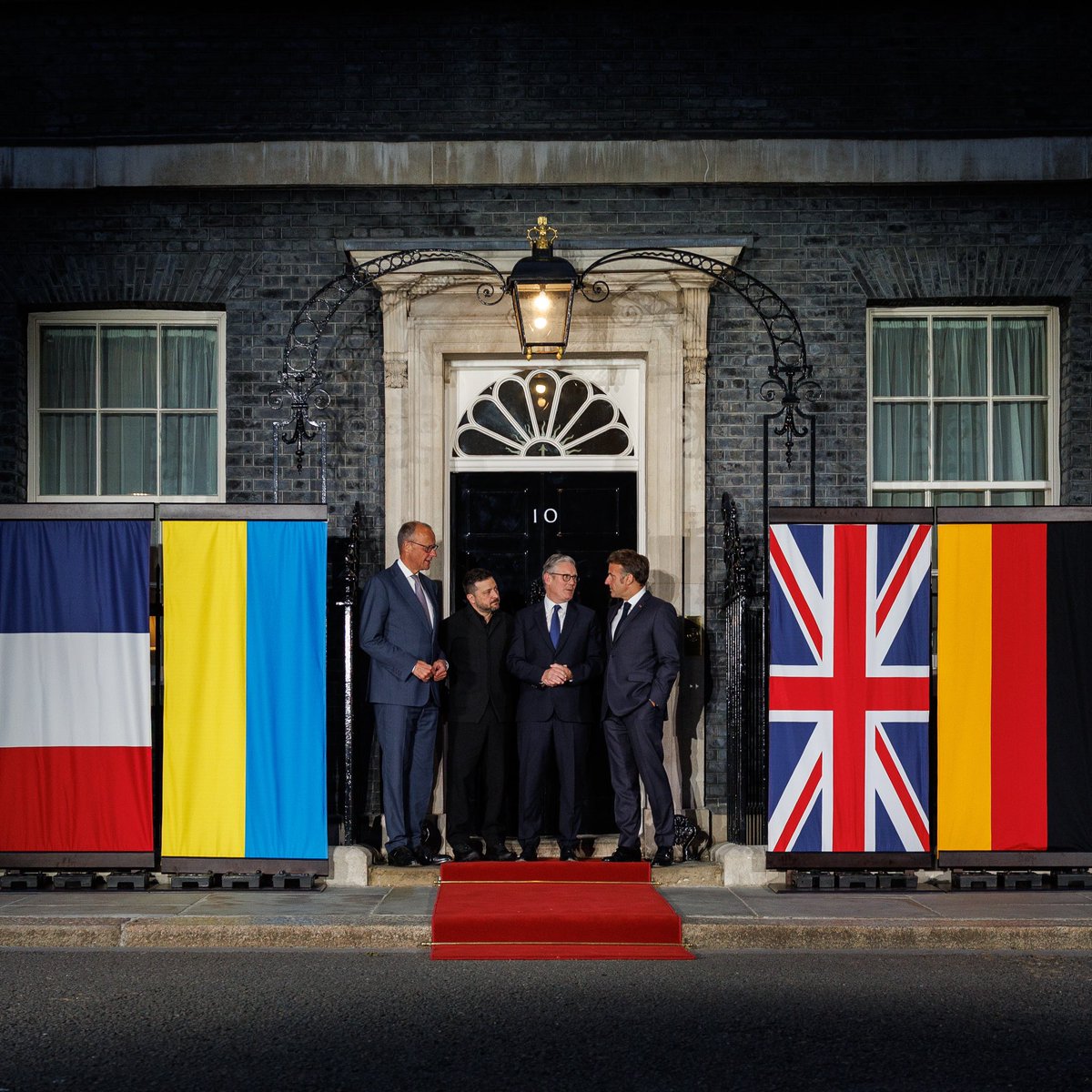
Unis pour l’Ukraine.
3,708
3,261
27,388
705,487

MMA Schopenhauer retweeted

Jun 6
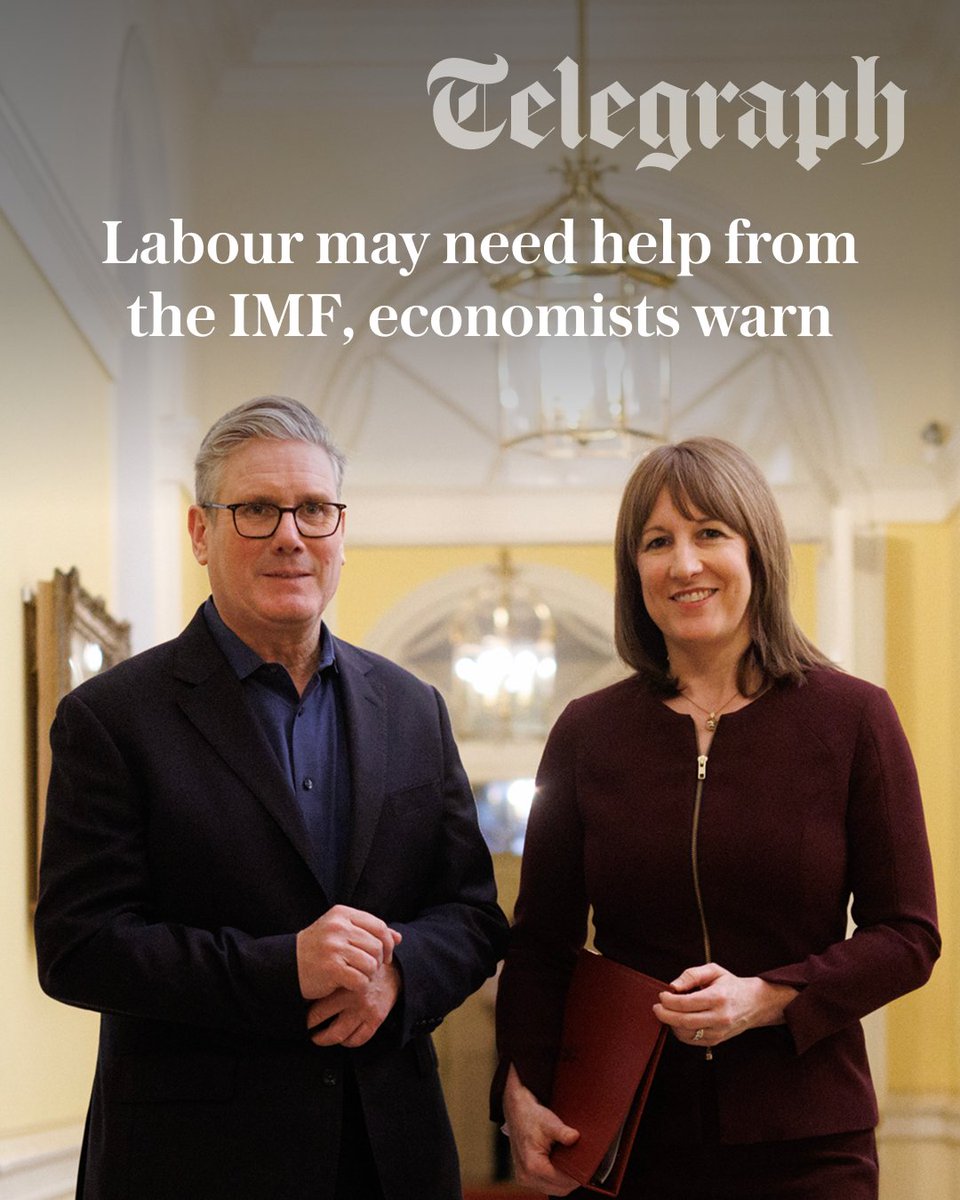
Labour risks being forced to seek emergency help from the International Monetary Fund as Britain lurches toward a debt crisis, leading economists have warned.
🔗: telegraph.co.uk/business/202…
154
294
456
126,015
MMA Schopenhauer retweeted
Jun 6
🚨 NEW: Keir Starmer has told allies that he is "hellbent" on fighting Andy Burnham in a leadership election
[@kateferguson4]
175
97
1,207
151,956