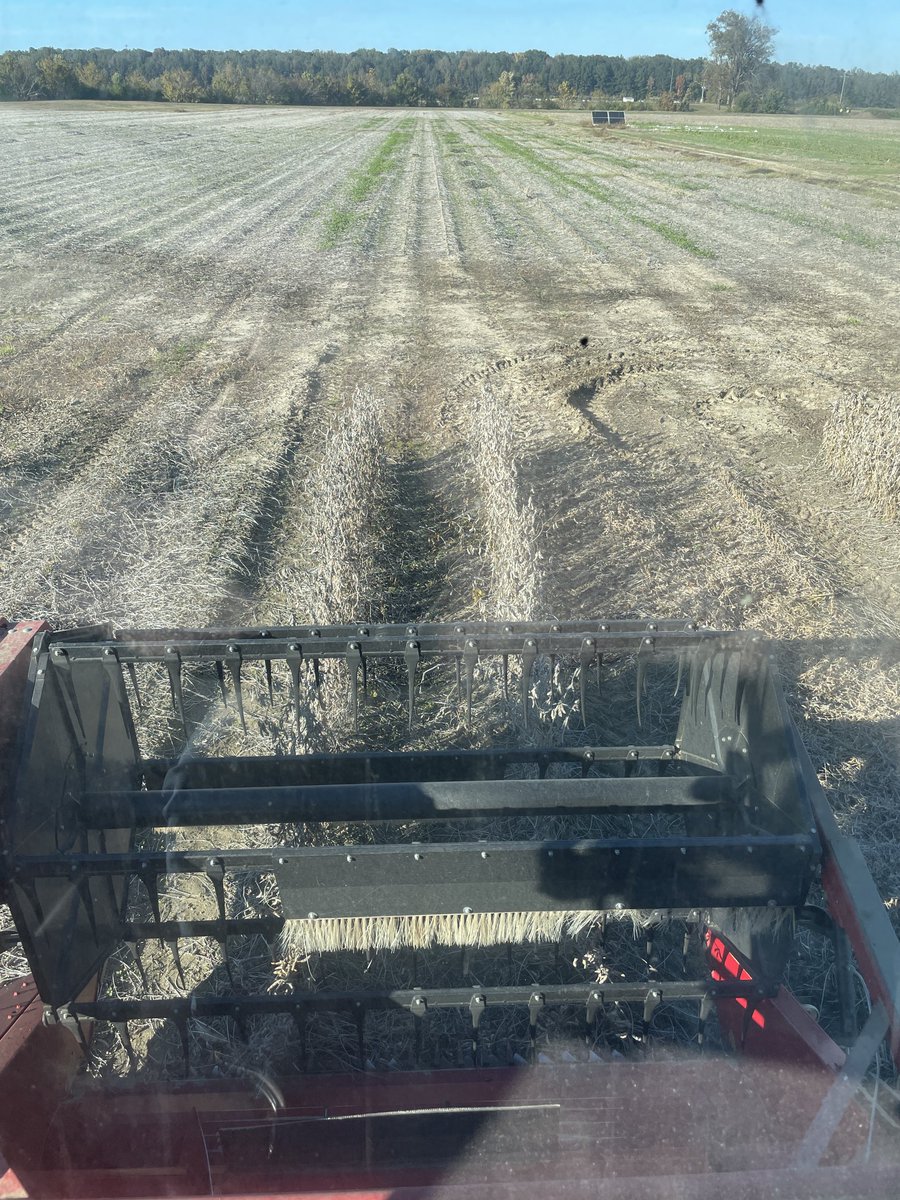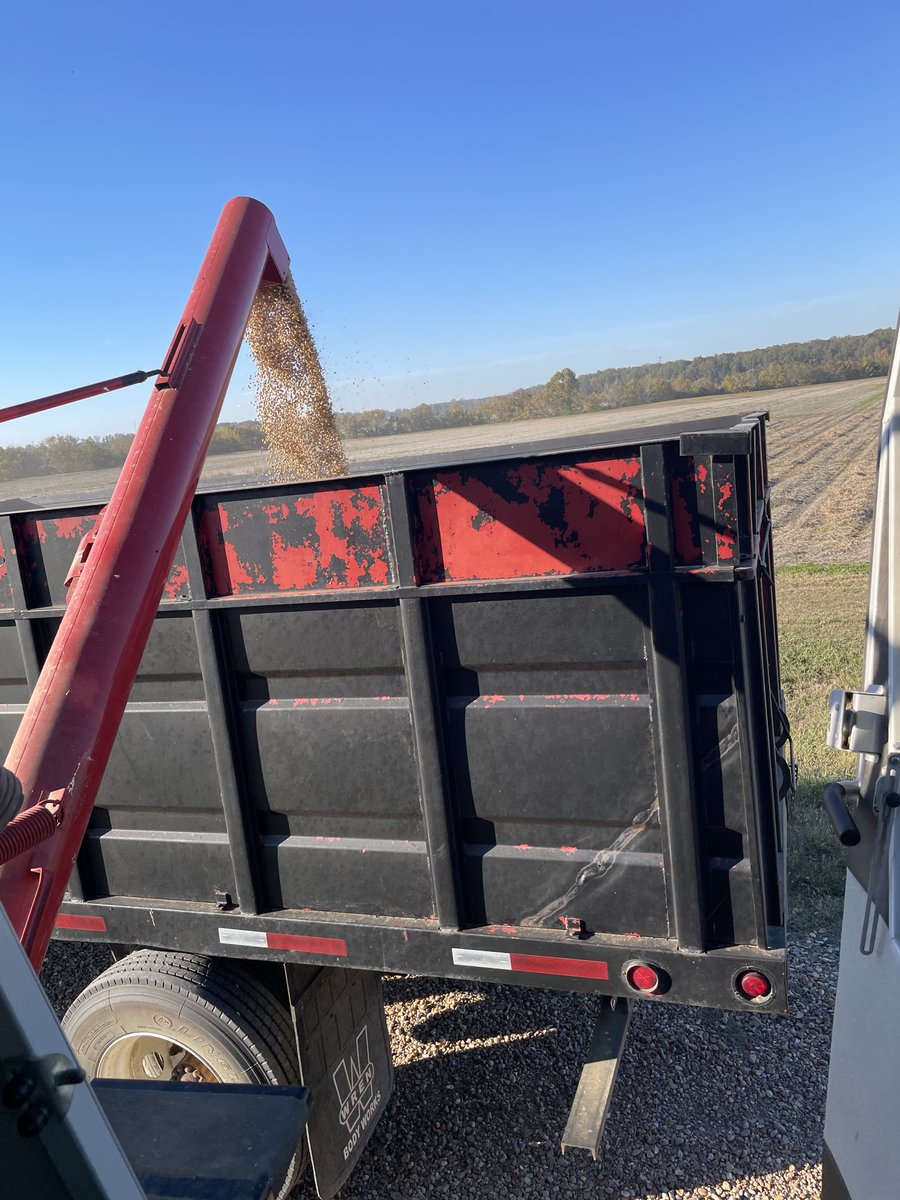
We couldn’t be prouder of our very own @MSSOY Board Member and @UnitedSoy Chair, Philip Good! Thank you for your continued leadership, vision, and dedication to the #SoyCheckoff 🫛
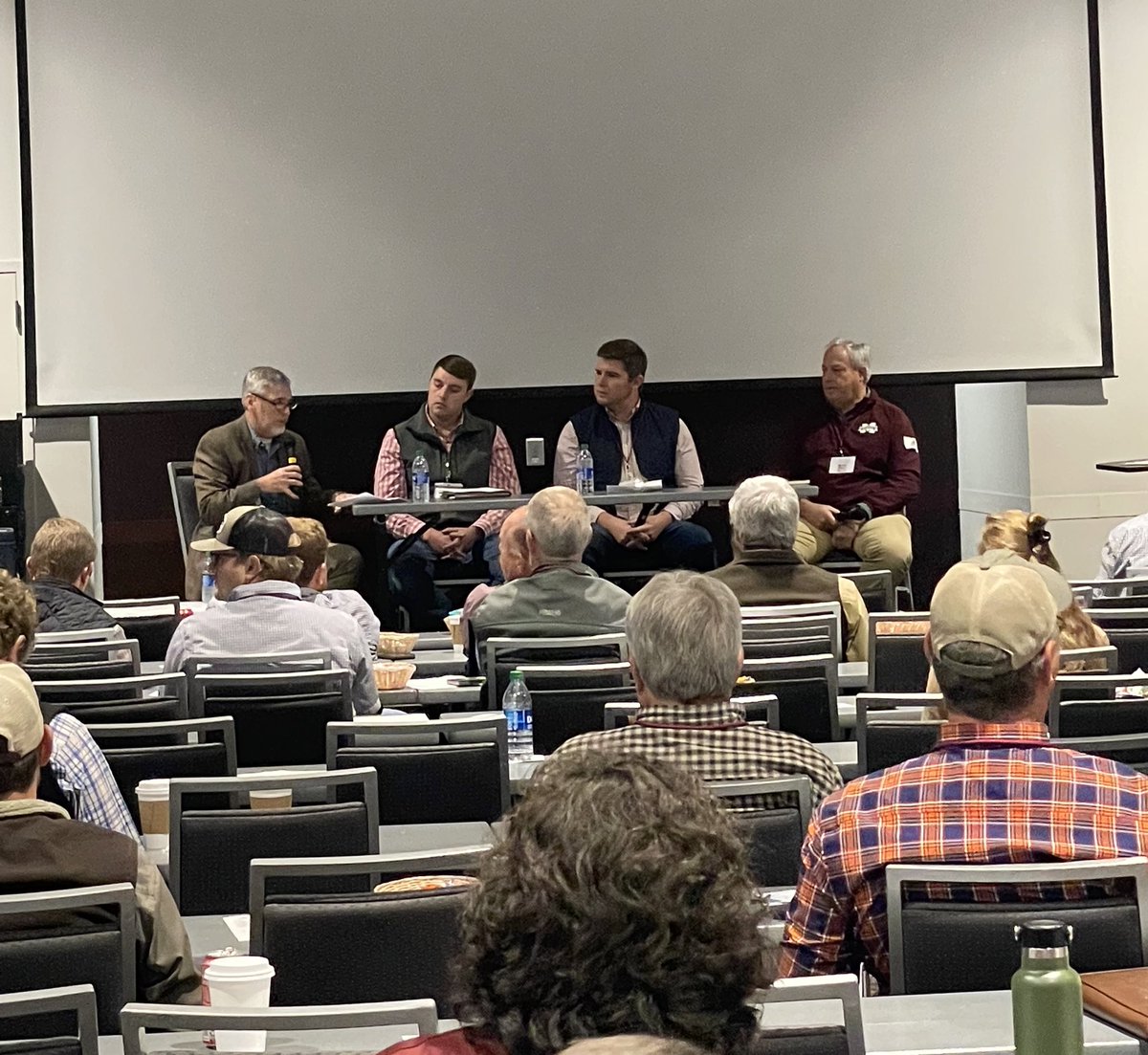
Philip Good, @UnitedSoy Chair, @msstate alum and MS farmer, shared a compelling perspective on the vital role U.S. ag plays in global food security at the Food & Agriculture as National Security Conference held at MSU this spring.
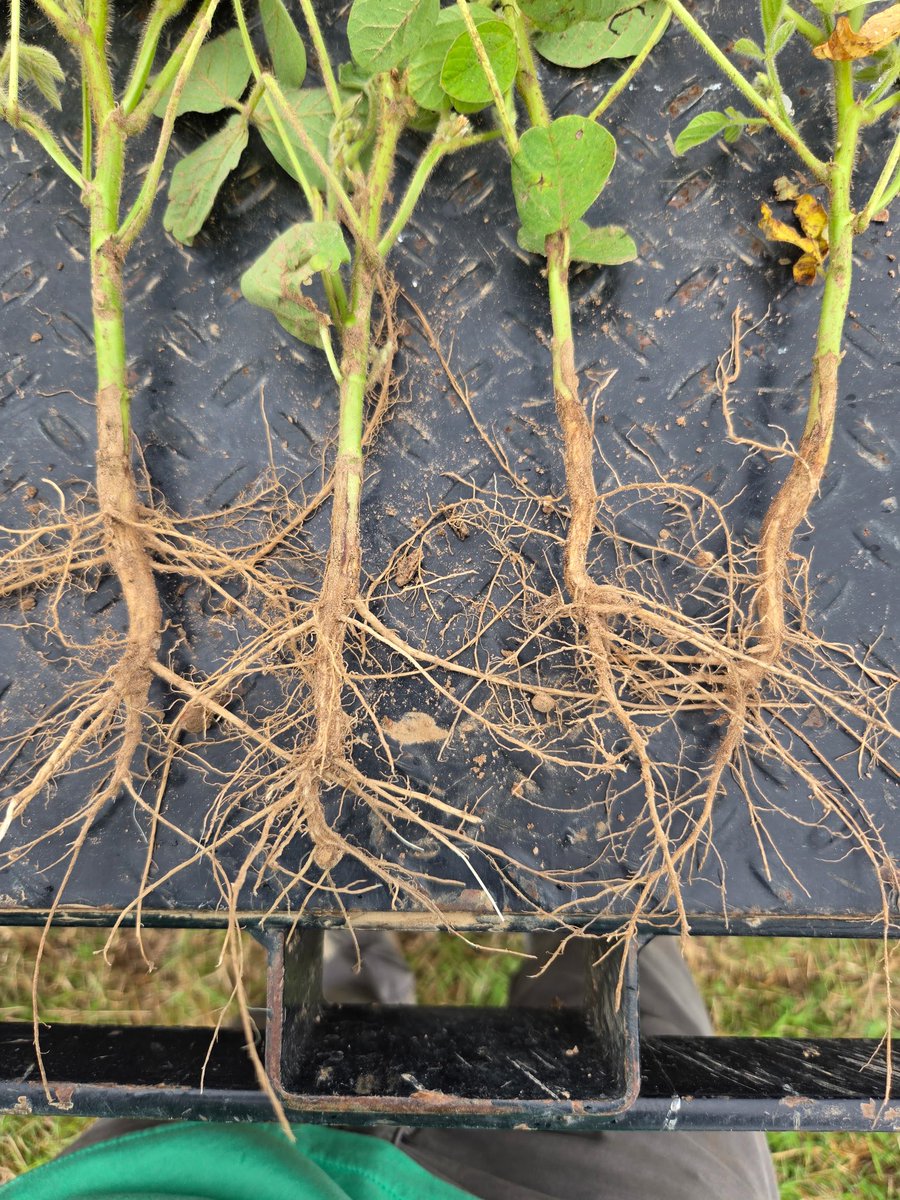
Several calls about poor soybean nodulation this week, mostly on fields new to #soybeans or out of beans for 3–5 years. Inoculants are living organisms—storage, treatment combinations, and time to planting matter. No nodules by V4–V5? Apply 60 lb N now and another 60 lb at R1–R2.
🎥 Check out these soybean varieties that are being tested in variety trials across the state for their yield potential in areas with high white tailed deer pressure. #mscrops#MSUext
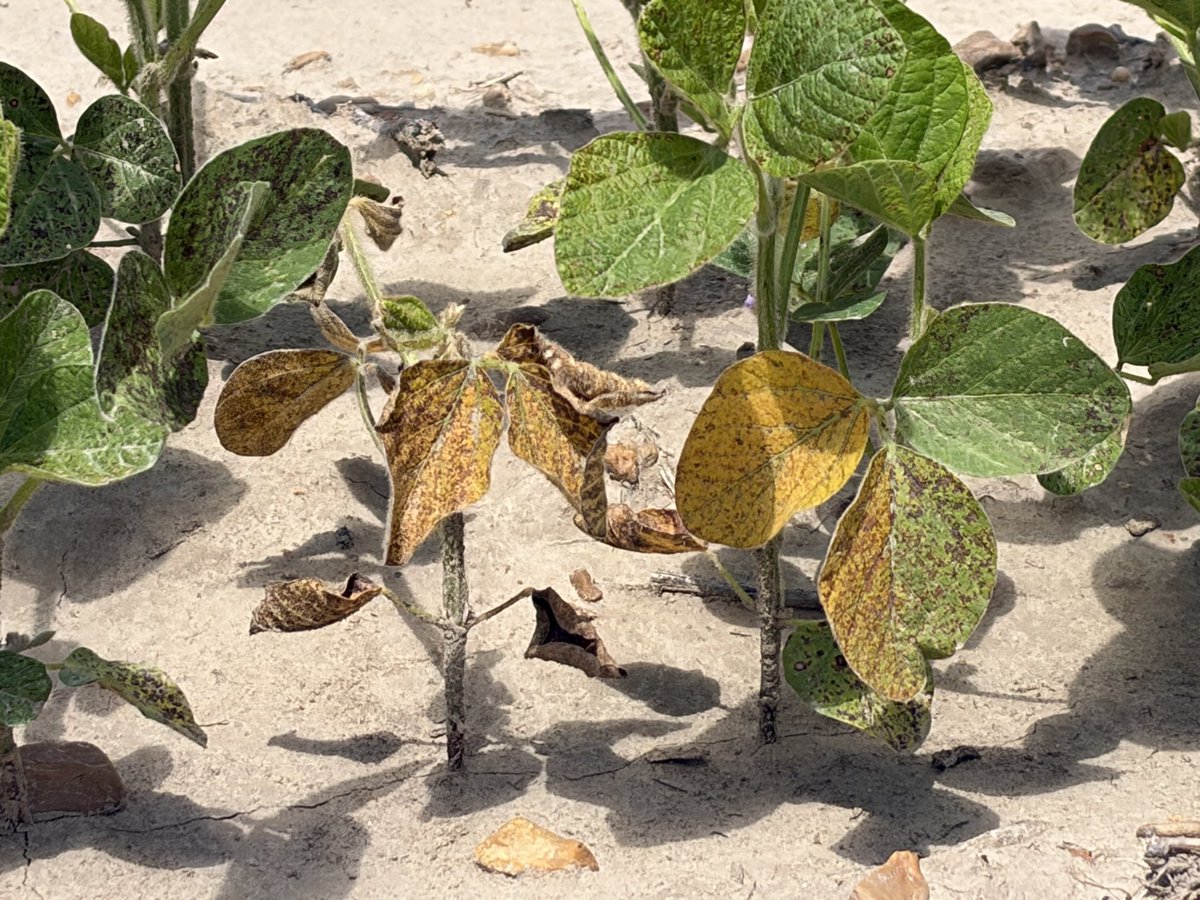
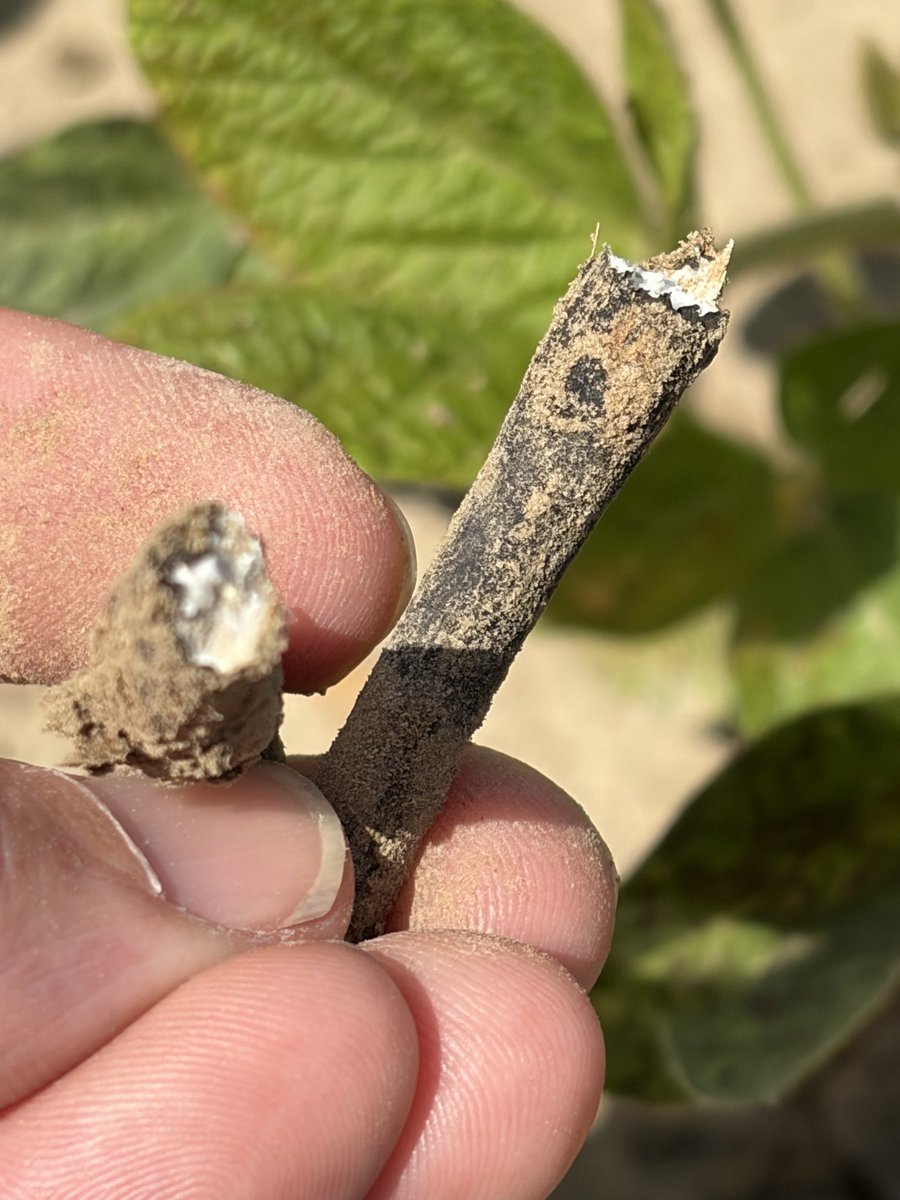
Taproot decline of soybean has a common denominator. Dig around long enough and you’ll likely find blackened residue from the previous season that harbors the fungus. Roots of developing soybean plants come into contact with the residue and you get taproot decline #mscrops@MSSOY
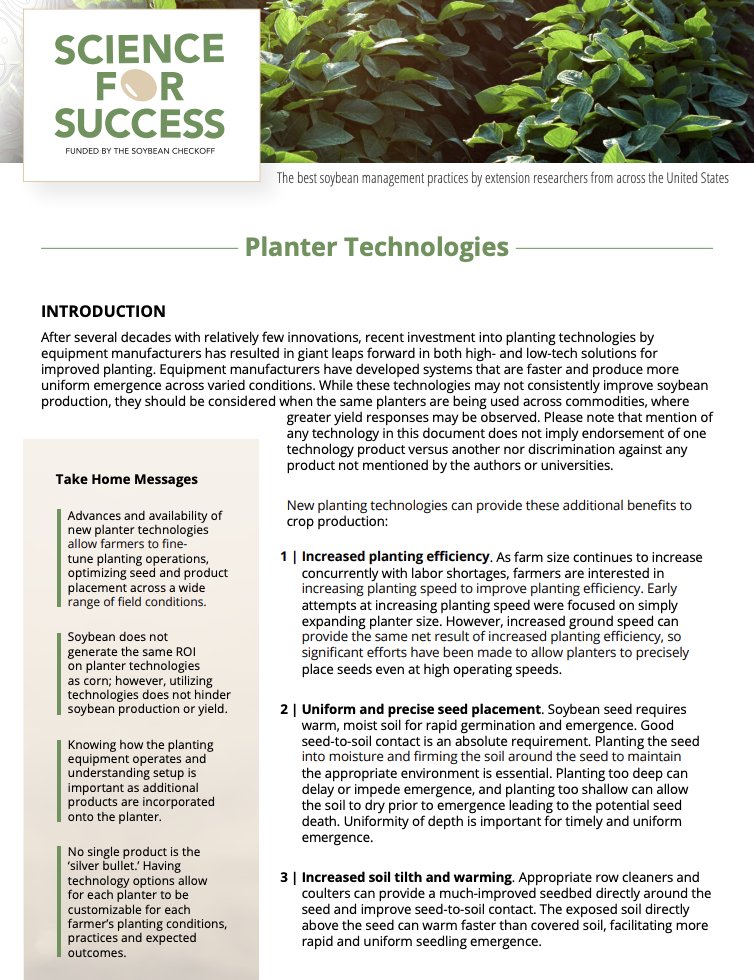
Choosing the right planter technology and settings are crucial to a successful soybean crop! This factsheet walks through some of the current planter technologies and their benefits. Check it out at: resources.ipmcenters.org/res…#SoyCheckoff#ScienceForSuccess
ALT A screenshot of a factsheet on planter technologies. The photo is meant to be decorative and the text is too small to be read.
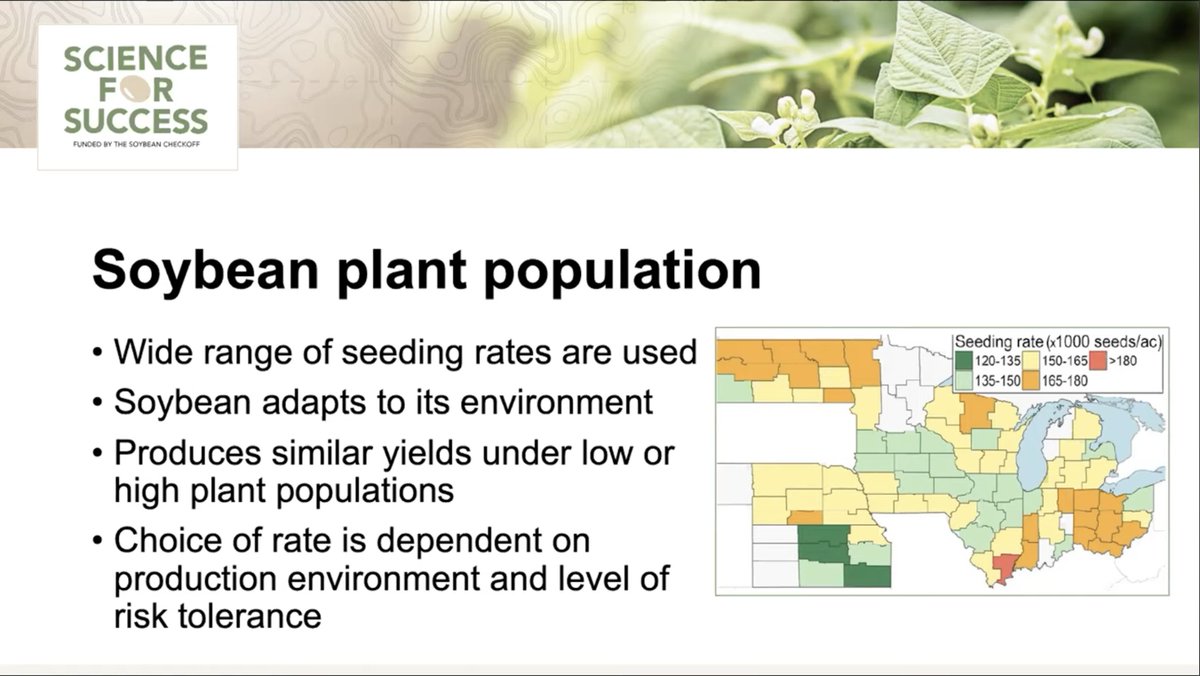
Soybean planting comes with many decisions. Our team covered several of those decisions, like planting date, row spacing, and seeding rate, in an early spring webinar. Check it out to learn more at: resources.ipmcenters.org/res…#SoyCheckoff#ScienceForSuccess
ALT Image of a powerpoint slide covering soybean plant population. Text reads “Soybean plant population” with bullet points of “wide range of seeding rates are used”, “soybean adapts to its environment”, “produces similar yields under low or high plant populations”, and “choice of rate is dependent on production environment and level of risk tolerance”. There is a decorative strip at the top with a logo and a map with shades of green and orange to depict seeding rates on the right side.
The new Dietary Guidelines for Americans recognize the important role of animal and plant protein as part of a healthy, balanced diet. When all proteins work collaboratively to nourish Americans and the global population, everyone wins. bit.ly/45GDsvS
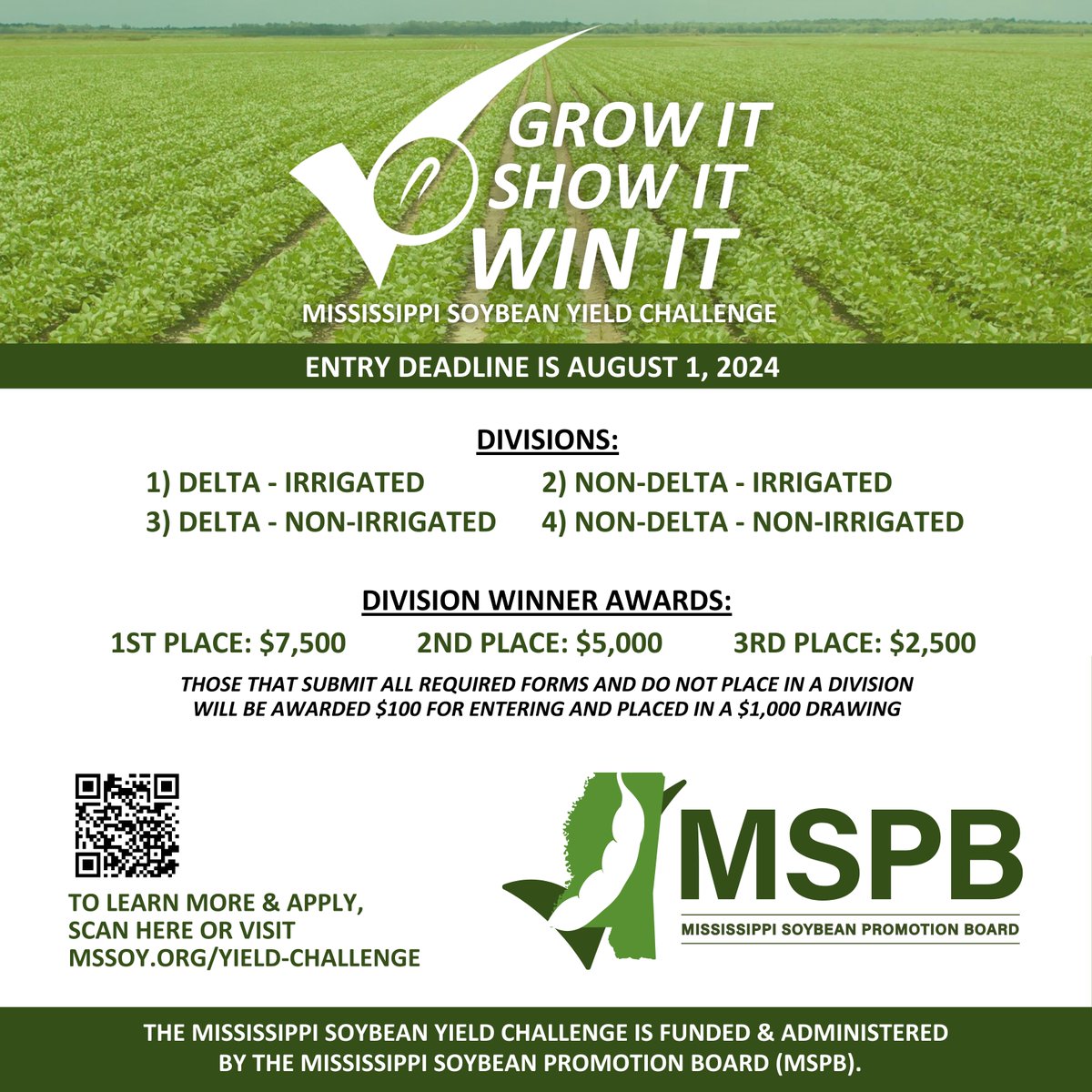
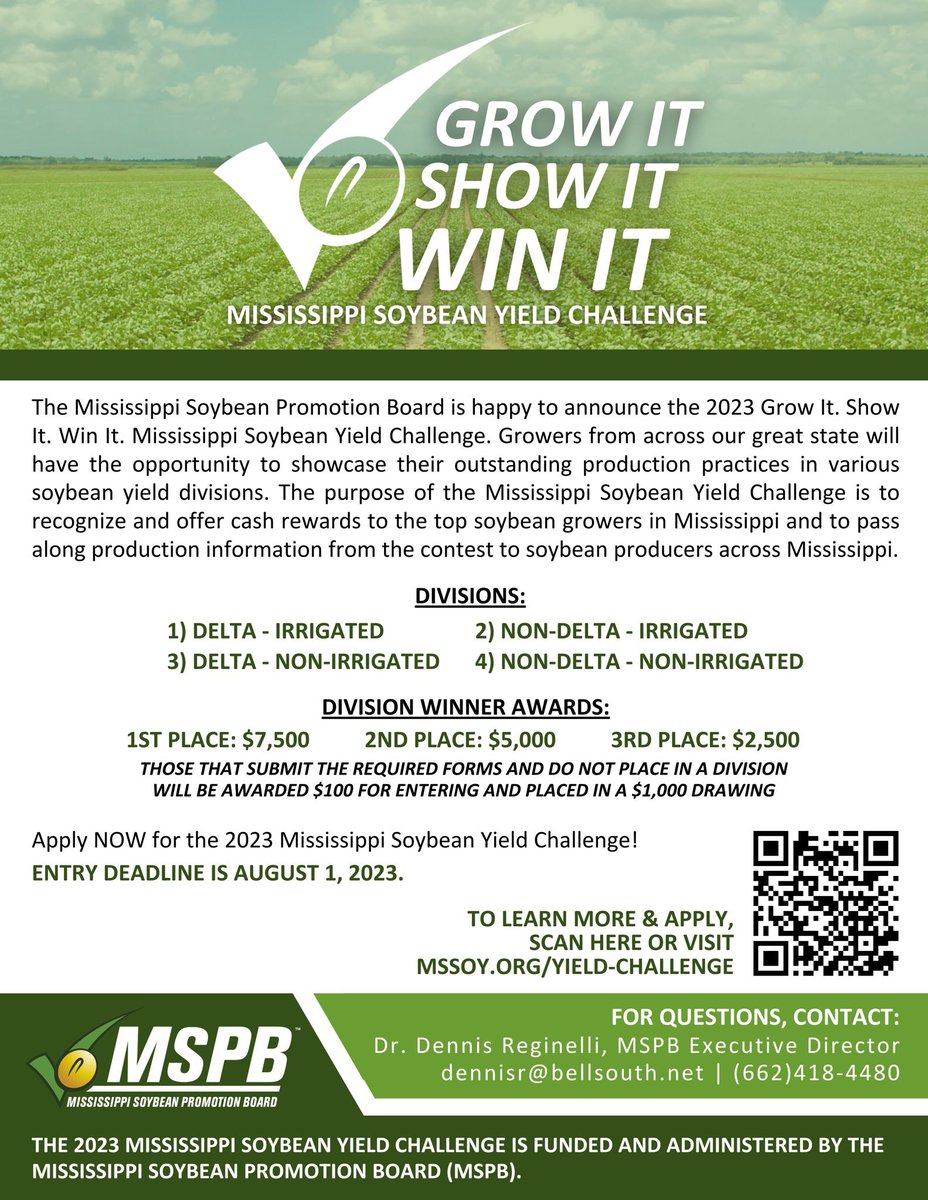
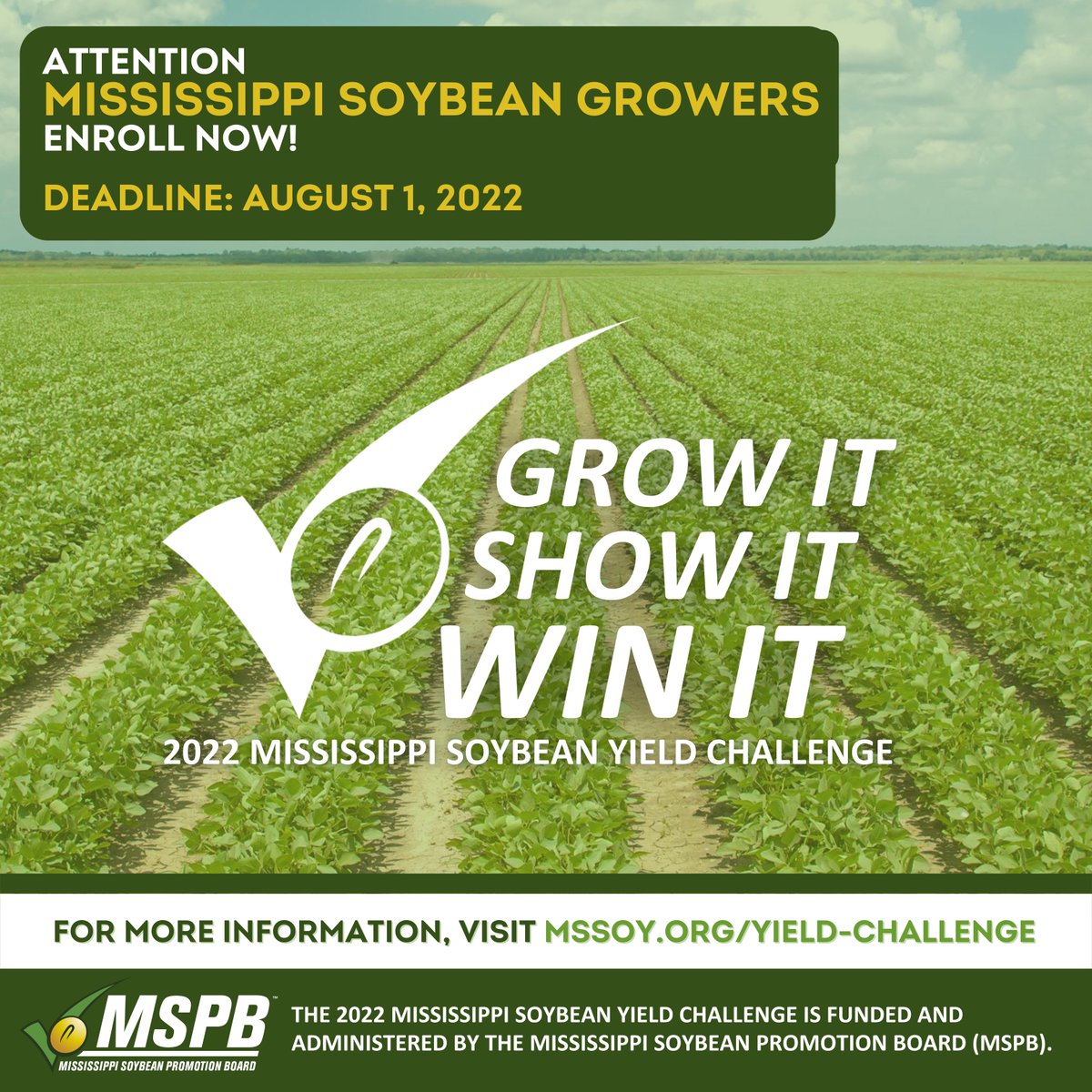
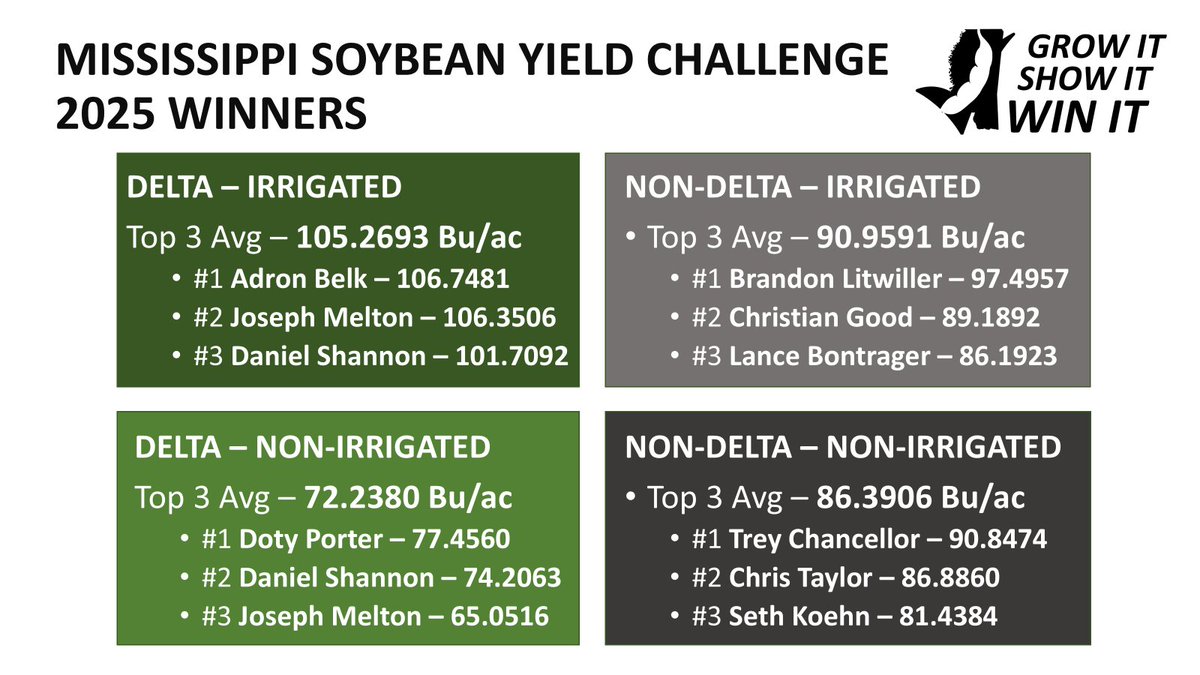
2025 MSPB Soybean Yield Challenge is in the books & we appreciate all of the yield challenges entries across MS. Top winners for MS utilized April planting dates and Group IV maturity. Look for the 2026 program! Thanks to all who made the 2025 yield challenge so successful.
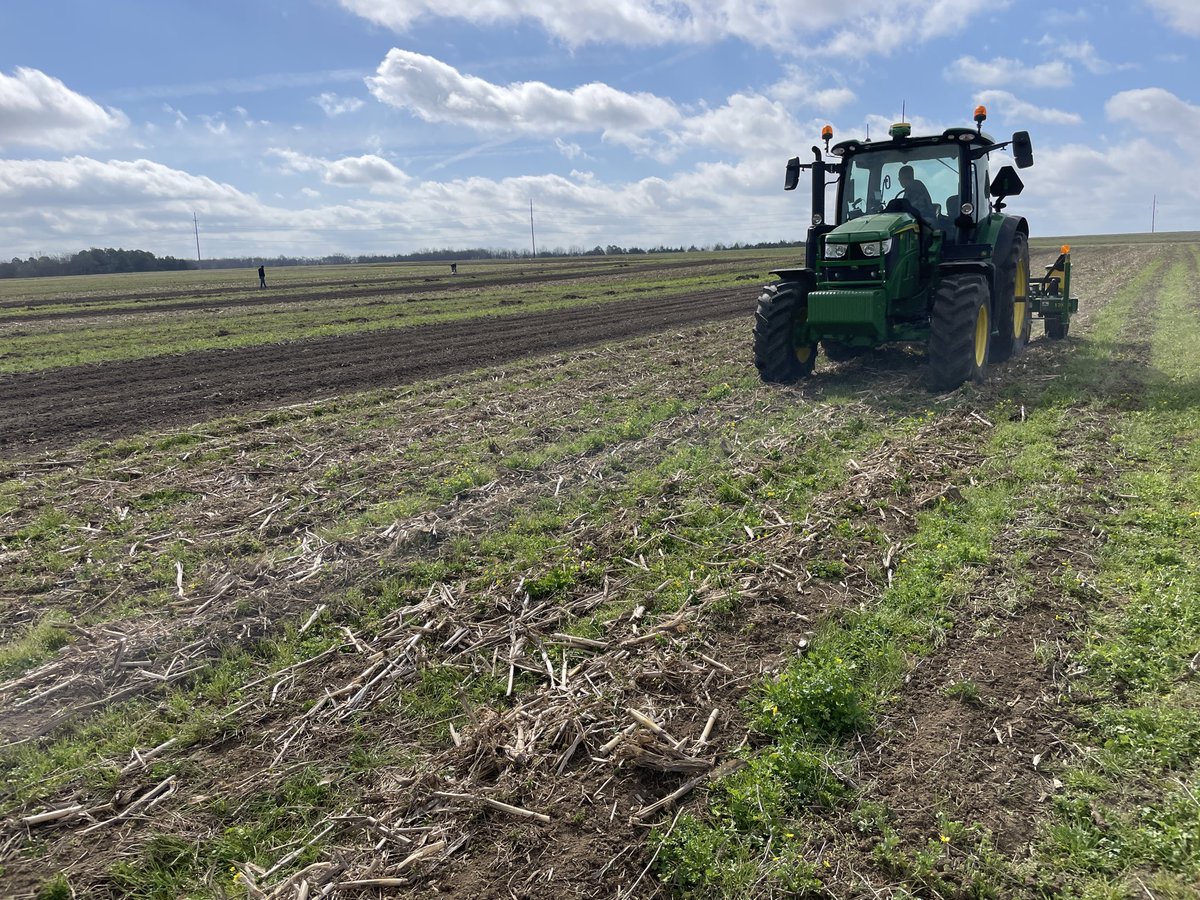
The team of @thedirtdude is investigating why soybean stand loss is common when planting at higher speeds. These two videos showcase the inside of a seed meter when planting 140k soybeans at 3 vs 13 mph. Notice the difference in feed quality? This might explain SOME, but not all of the stand loss. #SoyCheckoff#ScienceForSuccess#SoybeanResearch
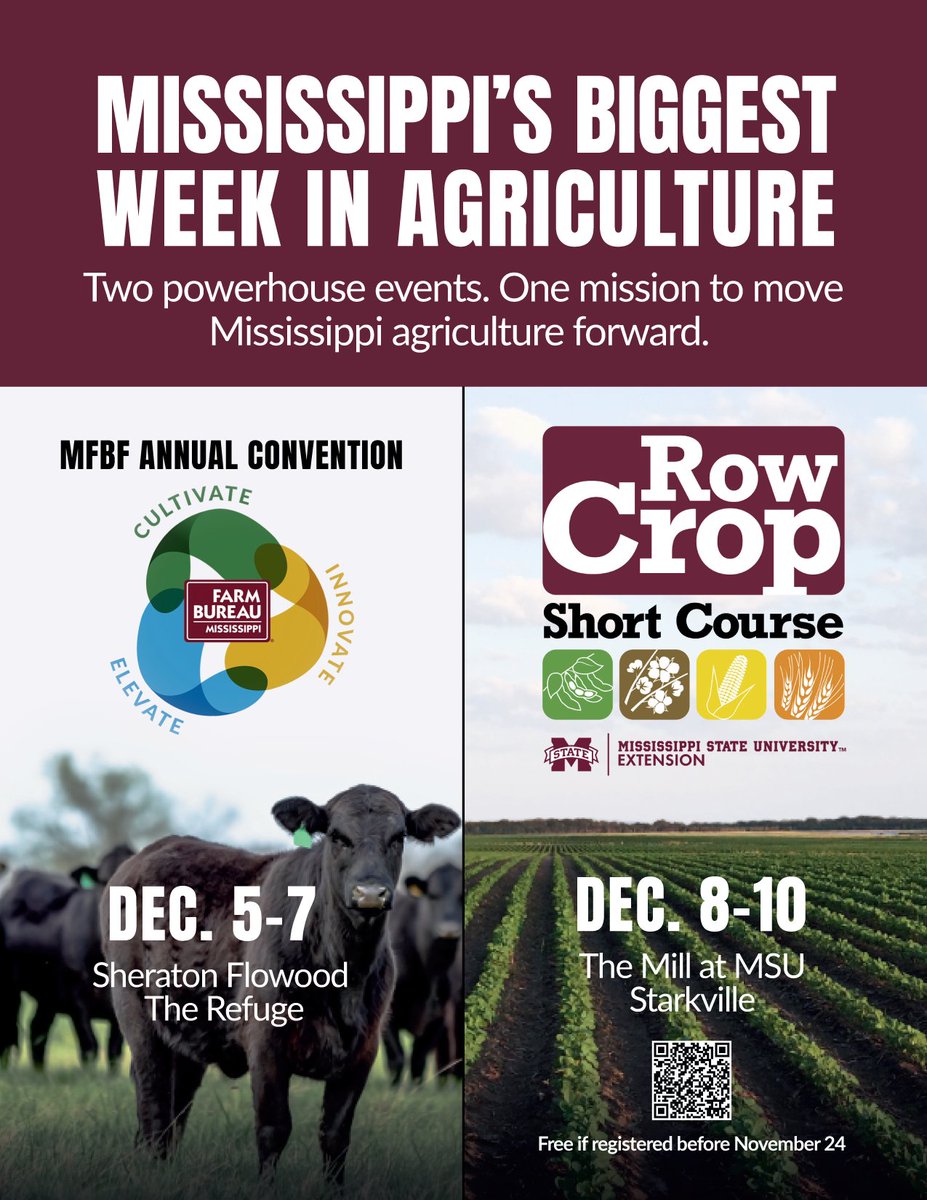
Two cities. One mission. Mississippi’s Biggest Week in Ag!
These back-to-back events bring together farmers, researchers, policymakers, and industry leaders — all working toward a stronger future.
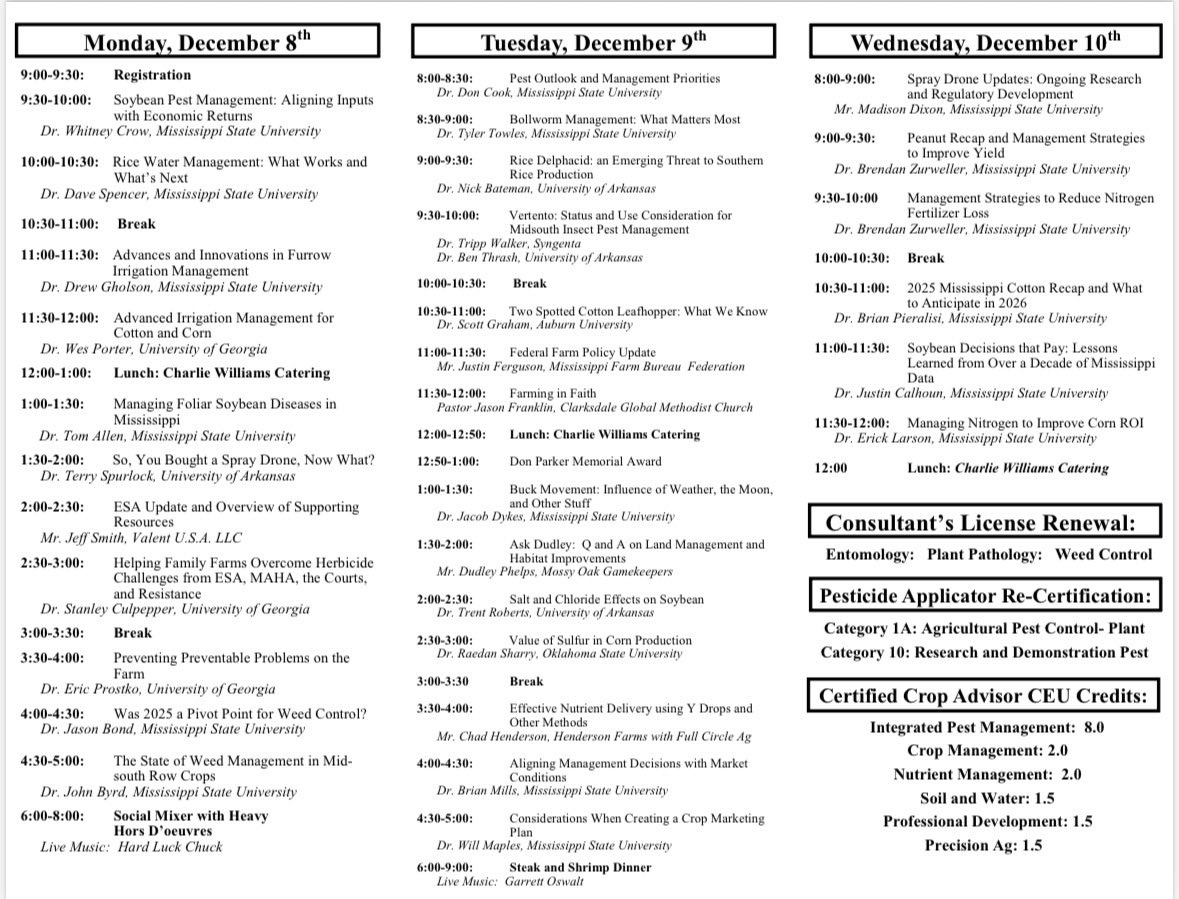
RCSC registration can be found here: ow.ly/GtI050XuXh2#mscrops#MSUext
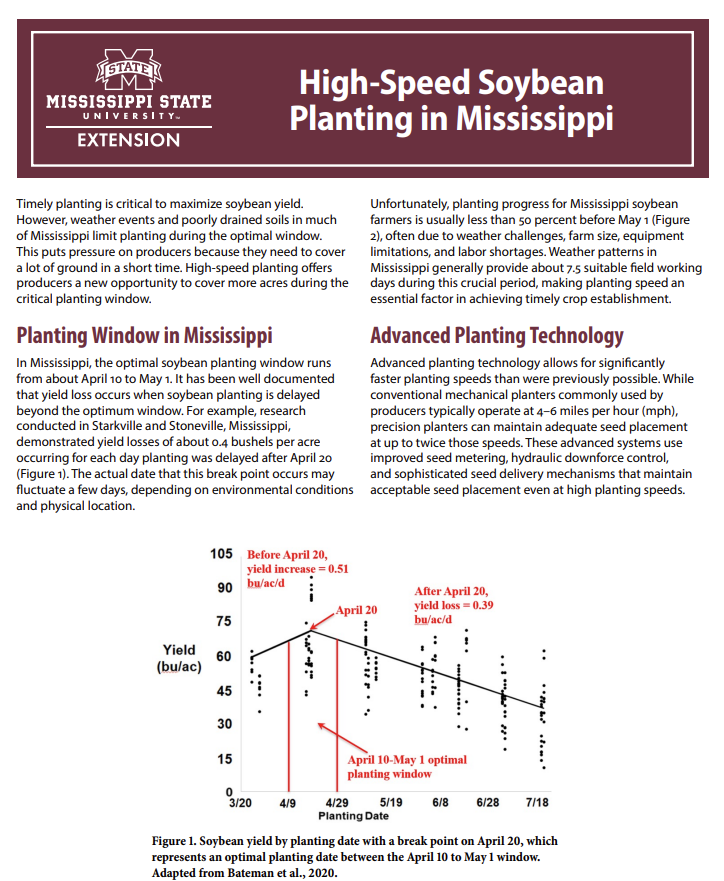
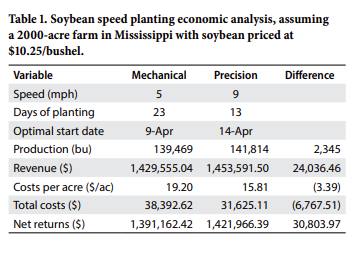
New Extension publication on high-speed soybean planting in Mississippi! Get the real data on what speed planting can do for your operation.
extension.msstate.edu/public…
Funded by @MSSOY
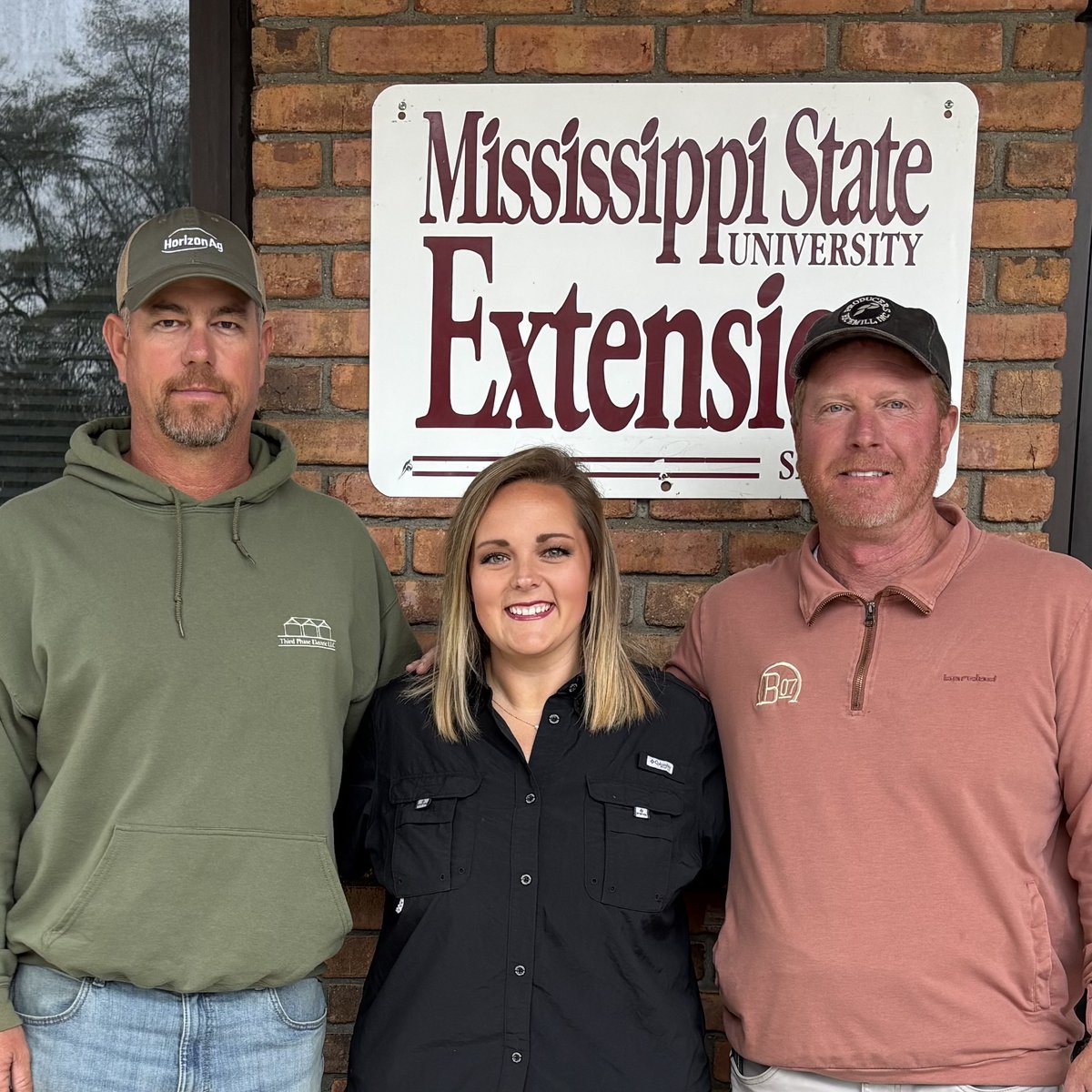
2025 MSPB Soybean Yield Challenge winners from Tunica County. Daniel Shannon 2nd place Delta Non-Irrigated and 3rd place Delta Irrigated. From Left, Grower Daniel Shannon, MSU Extension Agent Tunica County Samantha Floyd, Farm Manager Len Harrison. @MSSOY@MSUExtService
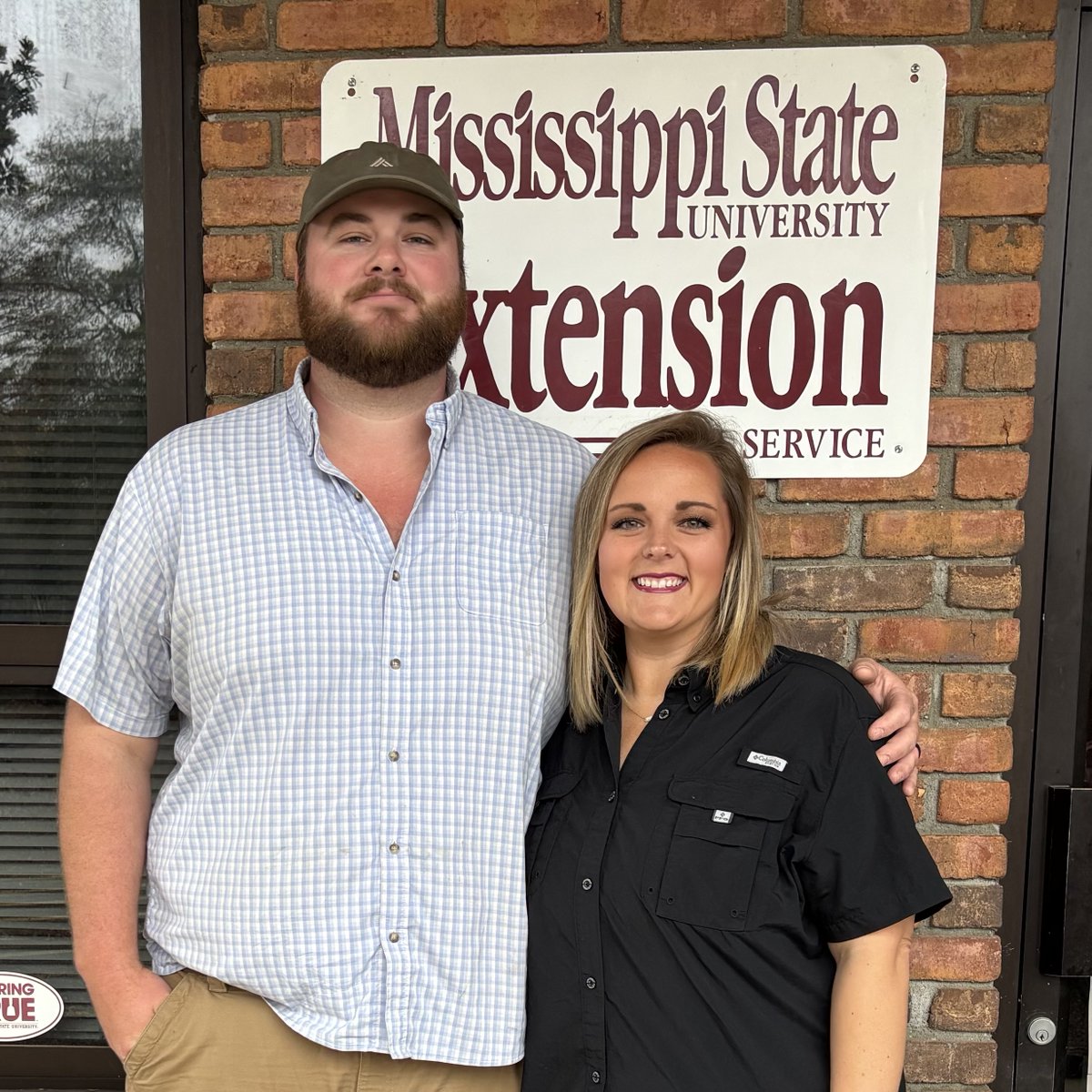
2025 MSPB Soybean Yield Challenge winner from Tunica County. Joseph Melton 2nd place Delta Irrigated and 3rd place Delta Non-Irrigated. From Left, Grower Joseph Melton and MSU Extension Agent Tunica County Samantha Floyd.
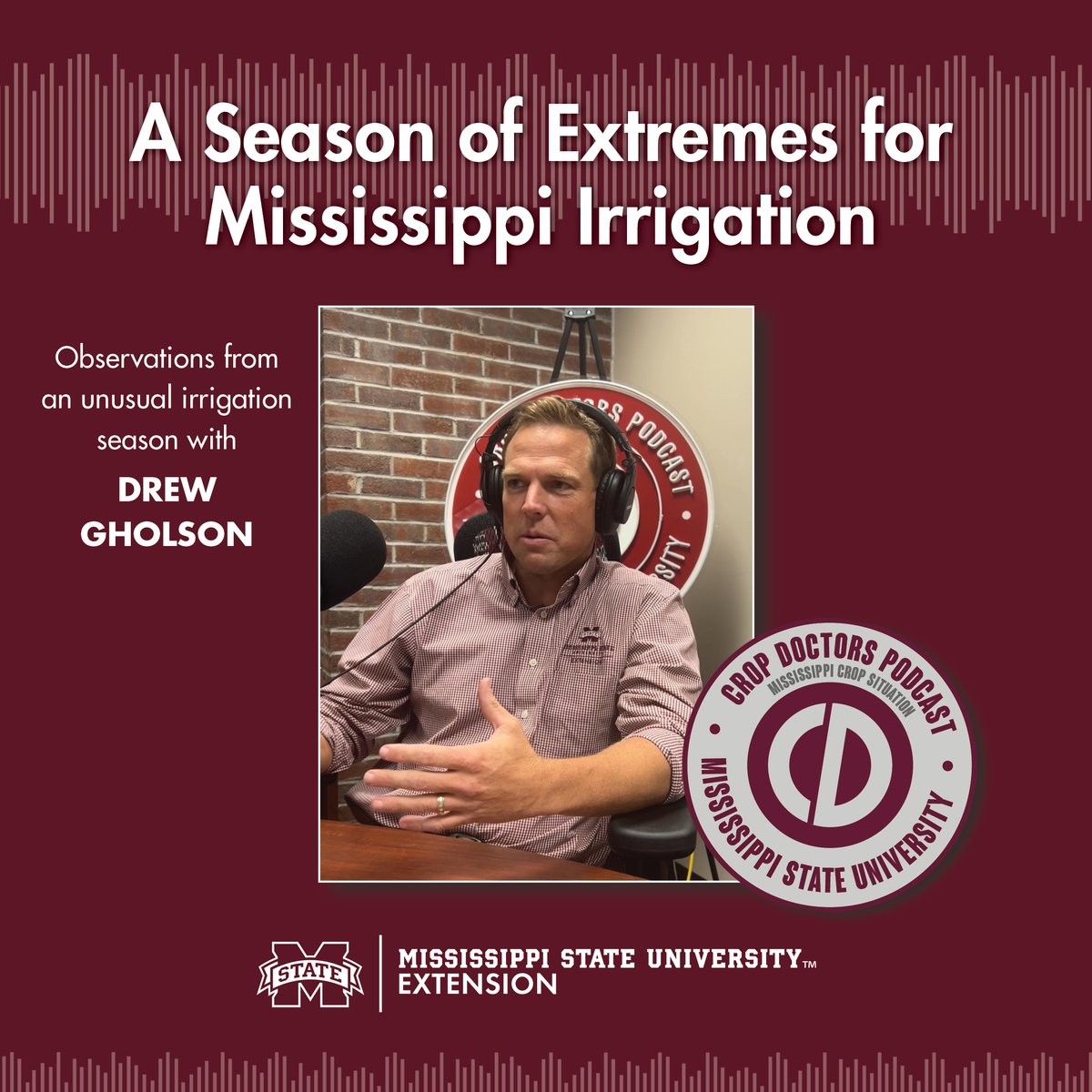
From historic spring rains to a challenging mid-summer dry spell, Drew shares his observations on how growers navigated a season of extremes.
For more episodes from the Crop Doctors, visit our website at extension.msstate.edu/shows/…