Structural biologist and biochemist. CNRS researcher at CBM Orléans. Interested in protein modifications & interactions. Also husband, dad of 3, friend, ☧.
Joined August 2020
- Tweets 1,334
- Following 4,151
- Followers 1,182
- Likes 4,341
26 Photos and videos


Pinned Tweet

15 Oct 2024
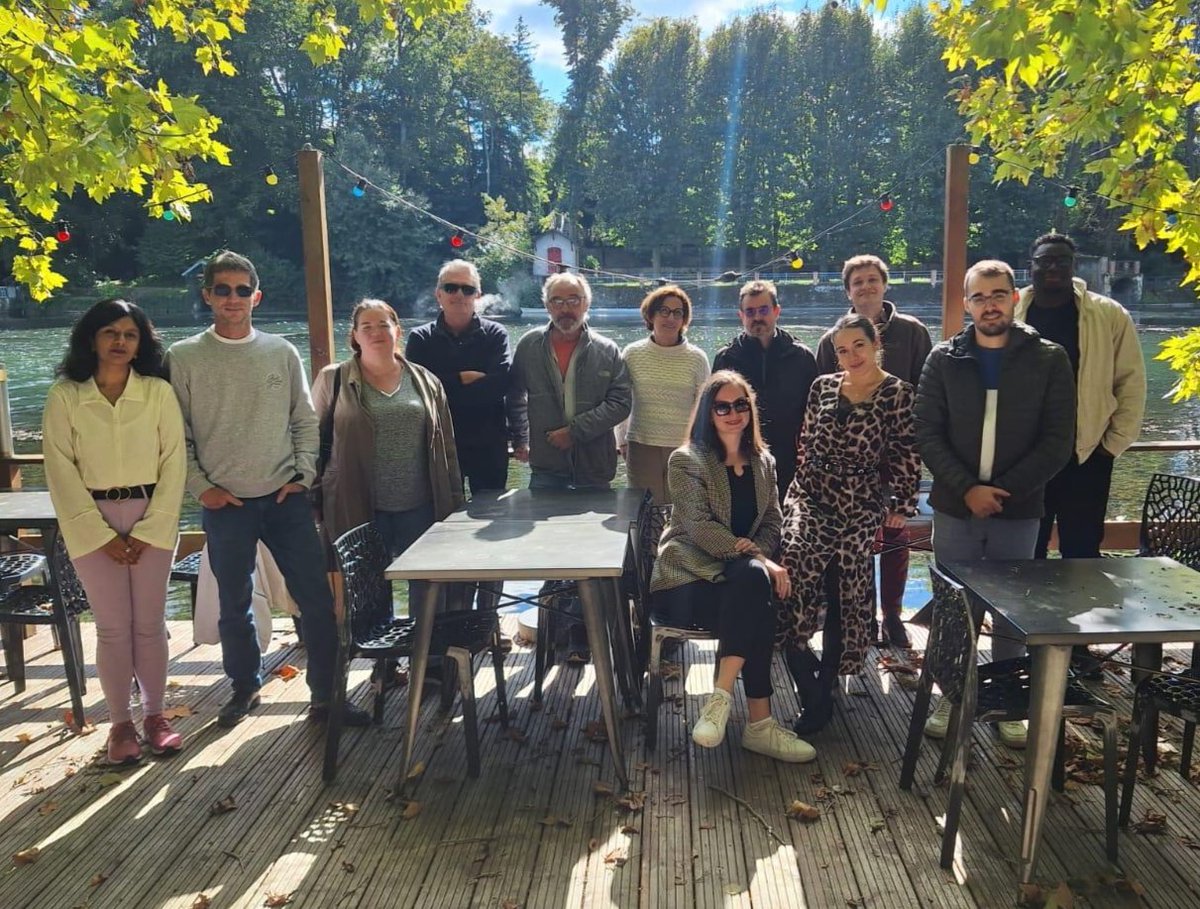
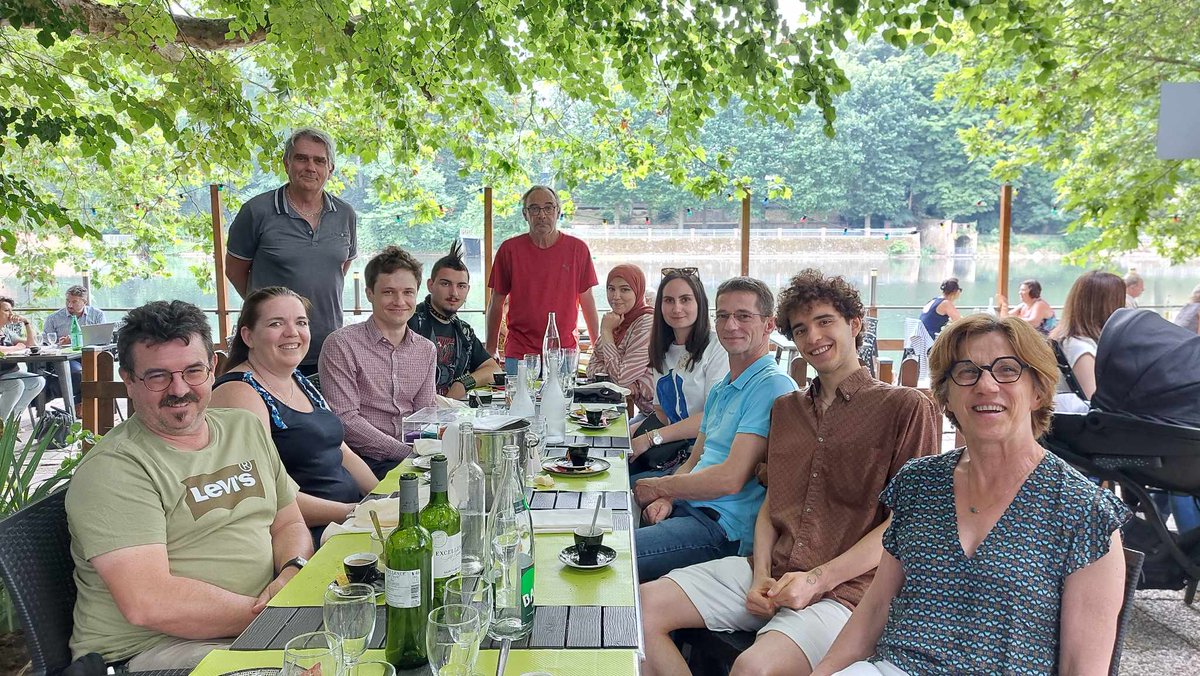
A new group photo on the banks of Loiret ☀️
1
21
1,908
Marcin J. Suskiewicz retweeted

Jun 12
My prediction from last summer was that the number of frontier AI models getting a gold medal at this summer’s IMO will be… zero! The reason is that they won’t bother to compete, it’ll simply be beneath them. If anyone can now push a button on Codex / Claude Code and get a perfect score, what’s the point? No, they’ll just leave the 17 year olds to take the test on their own. (The open source models will still compete for another year or so. That’s my guess!)
Similarly, I think the labs pushing “research math” is also a fad that will expire soon enough. Think about it. GPT solved a major problem (Erdos unit distance); what they’re not reporting is the 1000 other problems they attacked and failed to make progress. [That’s not exactly deception; I also don’t report the dozens of things I tried to prove and failed…] They’re also not reporting the millions of dollars all of this cost them, and for what? Right now the “for what” is advertising: they’re signaling that they’re the best model for math, so you should use them for whatever your reasoning task is. Math departments also spend millions of dollars and produce theorems, but that is their actual end goal. A tech company is happy with a million-dollar theorem only if it predicts a billion-dollar application somewhere else. Once the bubble bursts, investors will want “real” applications from AI, new drugs, self driving / flying cars, etc etc. Nobody will care that the systems are also useful at proving theorems. Nobody but us mathematicians. So like the IMO, I think the frontier labs will get bored of theorems, and will leave us humans alone to keep doing math (and they’ll give us an amazing tool with which to do it!).
Does that make sense? What do you think?
45
29
404
49,889
Read this thoughtful, interesting, but also somewhat 'annoying' essay yesterday, and had some thoughts, which I wrote down here msuskiewicz.github.io/blog/
5 Aug 2025

I wrote about automation and the meaning of life, as a guest post on Scott Aaronson's Shtetl-Optimized.
scottaaronson.blog/?p=9030
168
Marcin J. Suskiewicz retweeted

Feb 14
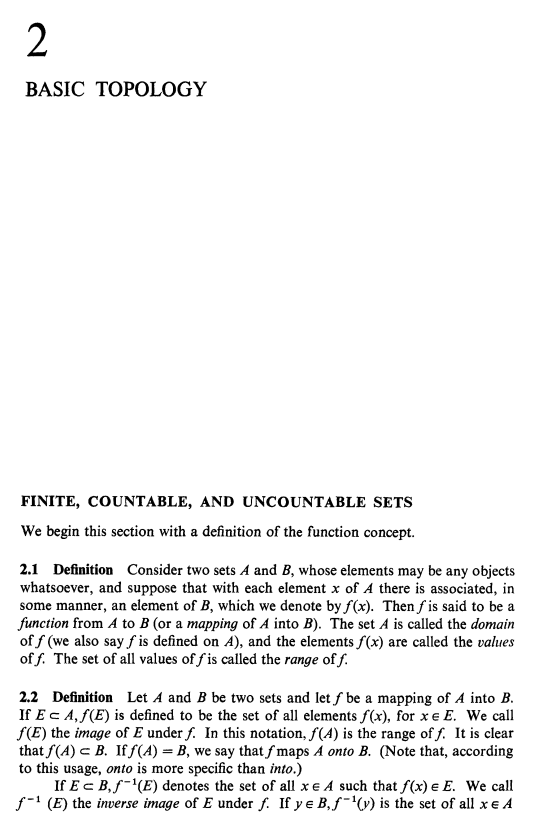
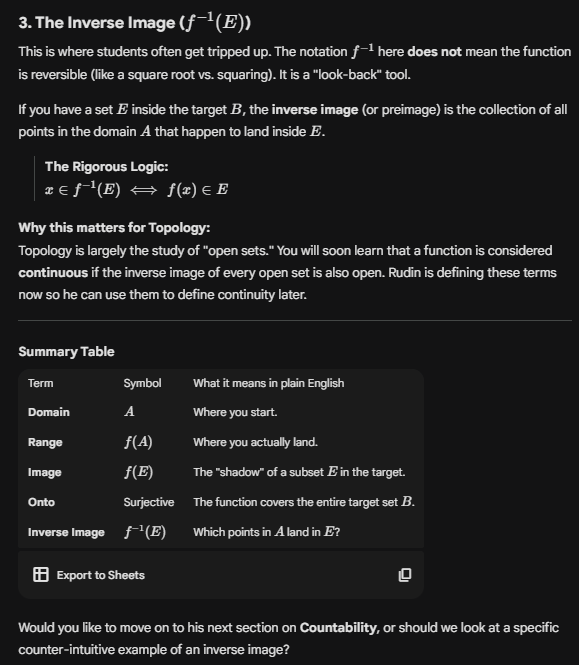
This thread highlights what I fear will be the degradation of human knowledge due to AI. If I were being charitable, I would say that here Gemini is playing a hybrid role of textbook and tutor, where your tutor has a photographic memory and world class speed reading abilities, but might not be smart enough to get that PhD. So sure, access to that type of tutor is infinitely better than reading baby Rudin in a vacuum. But there is no way AI here is replacing Rudin. Unfortunately though, to a lot of people, it gives the illusion of being better while actually being worse. And thus people will think they are learning more when they are actually learning less.

Math textbooks are written in a pointlessly obtuse way. Gemini does an incomparably better job. My professional opinion is that all undergrads learning real analysis should give up reading baby Rudin, and simply learn analysis from Gemini instead

11
8
80
11,521
19 Nov 2025
Very happy to share our collaborative project with Ahel and Huet labs et al on FAM118 proteins - noncanonical sirtuins that form filaments and process NAD in human and other vertebrate cells. nature.com/articles/s41594-0…
1
2
164
19 Nov 2025
FAM118s have long interested Ivan (my postdoc PI), who, like in many other cases, had a good intuition about their importance. They have been a difficult biochemical target, though. We brought in the observation that they form filaments, an insight explored collaboratively here.
1
113
19 Nov 2025
I'd also like to highlight a recent publication by Bernheim and Porier groups et al showing FAM118B, which they call "SIRal", is essential for innate immunity in cellular models; they also have great phylogenetic analysis and insights into biochemistry. science.org/doi/10.1126/scie…
105
Marcin J. Suskiewicz retweeted

19 Aug 2025
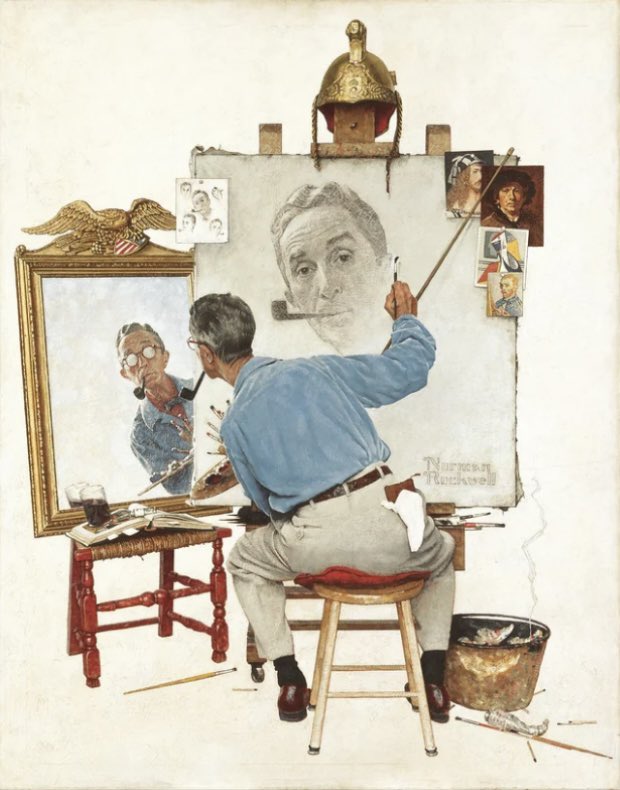
Triple Self-Portrait. 1960. Norman Rockwell.
8
36
202
7,163
Marcin J. Suskiewicz retweeted

27 Jun 2025
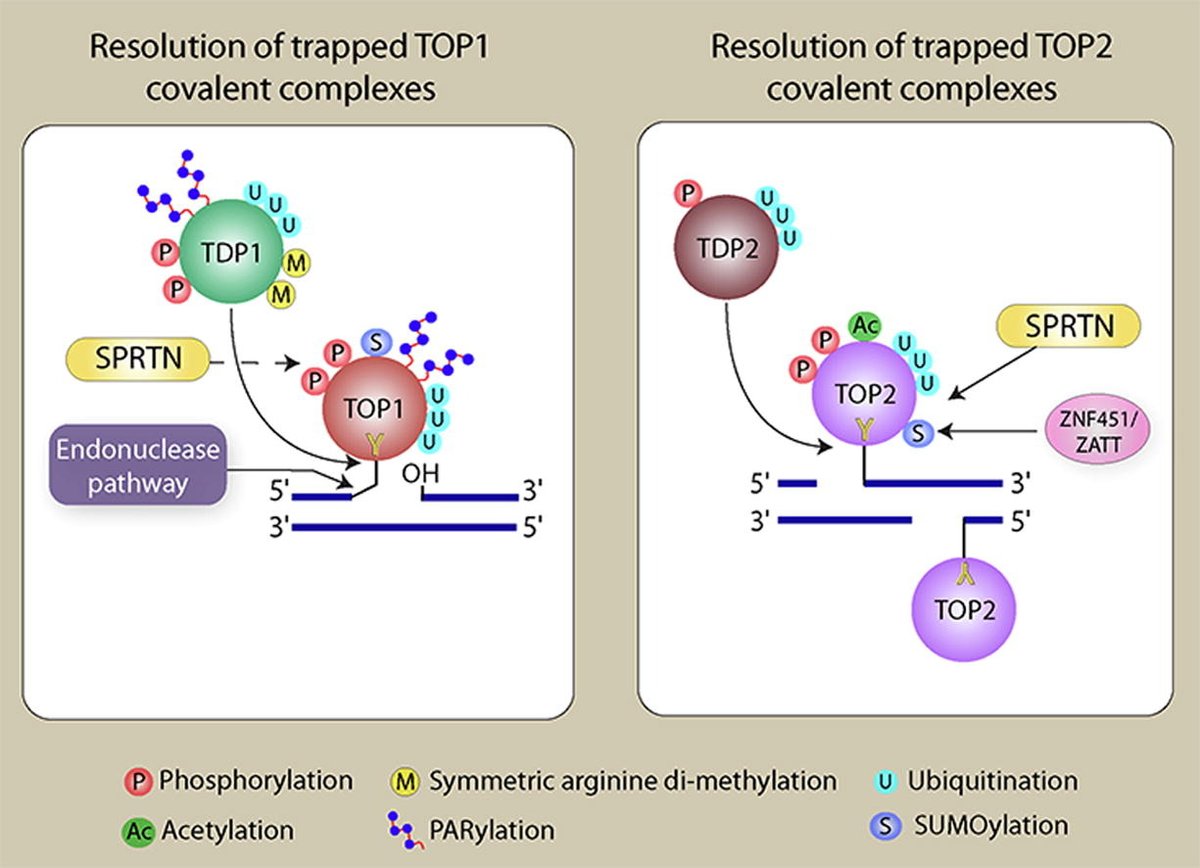
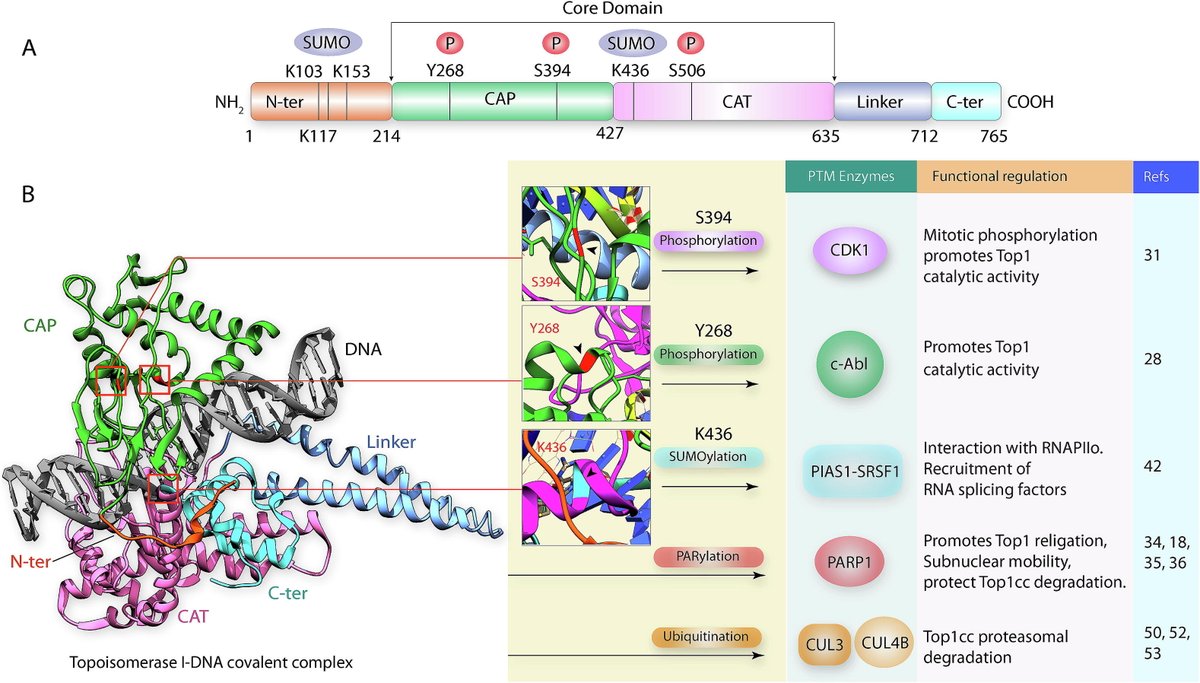
Our recent article in Journal of Molecular Biology explores how Post-Translational Modifications (PTMs) orchestrate the repair of trapped Topoisomerase-induced DNA breaks via TDP1 and TDP2.
sciencedirect.com/.../pii/S0…
@iacskolkata @IndiaDST @ICMRDELHI @DBTIndia
10
10
75
3,501
28 Apr 2025
My brilliant friend @MartinLukacisin started his own systems biology lab and is looking for a PhD student or postdoc. Highly recommended!
25 Apr 2025

In my recently found Systems Biology lab I have an opening for a PhD student/Postdoc to study the genetic basis of drug interactions in yeast. For more information & application info: lukacisinlab.github.io/vacan…
2
379
Marcin J. Suskiewicz retweeted

15 Apr 2025
I’m happy to share our recent manuscript in which we are structurally and biochemically investigating 3'-5' tRNA splicing ligases, including a #cryoEM structure of the five-subunit D. rerio tRNA ligase complex.
jbc.org/article/S0021-9258(2…
3
15
89
6,841
28 Mar 2025
PhD position with our neighbours - a friendly team working on mRNA: abg.asso.fr/fr/candidatOffre…
3
341
Marcin J. Suskiewicz retweeted

23 Mar 2025
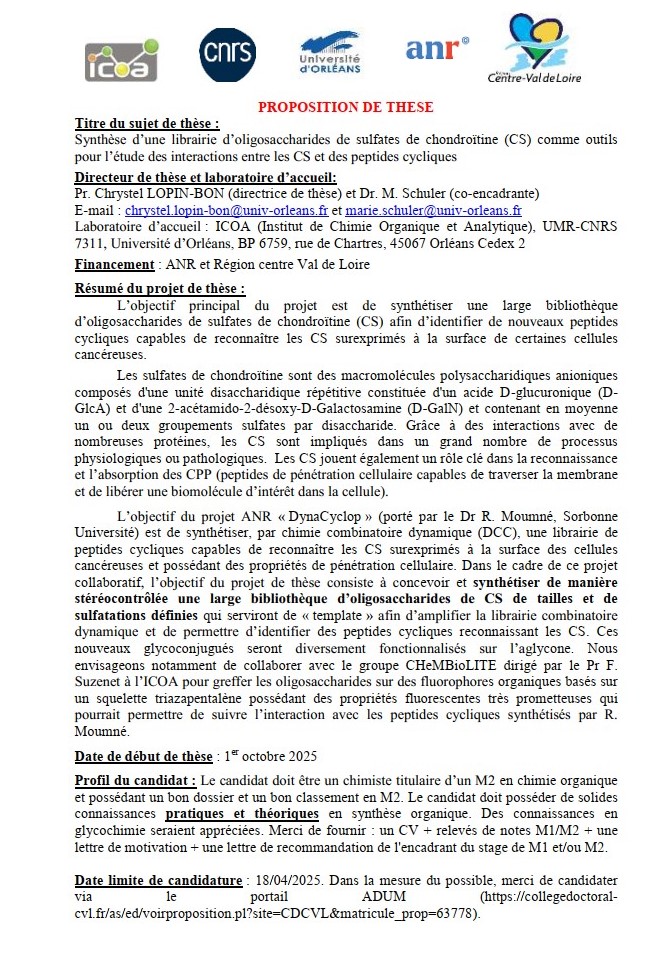
Thèse en glycochimie disponible dans notre équipe
@ICOA_UMR7311
@Univ_Orleans
@CNRSchimie @AgenceRecherche
Si vous êtes intéressés, merci de postuler via le portail ADUM à cette adresse : collegedoctoral-cvl.fr/as/ed…
5
7
886
Marcin J. Suskiewicz retweeted

24 Feb 2025
Excited to share our latest on RNA polymerase I termination.
Fantastic collaboration with @EPetfalski @MarieWinz @DTollervey online today in @CellReports
cell.com/cell-reports/fullte…
#DNA #RNA @IBBPAS
Read next tweets to check out our key findings
1
7
18
1,113
6 Feb 2025
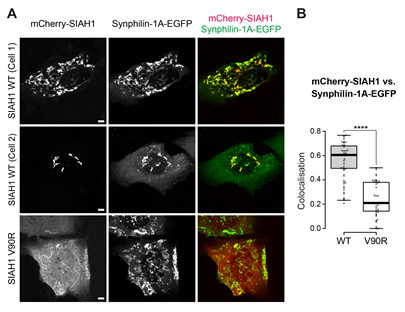
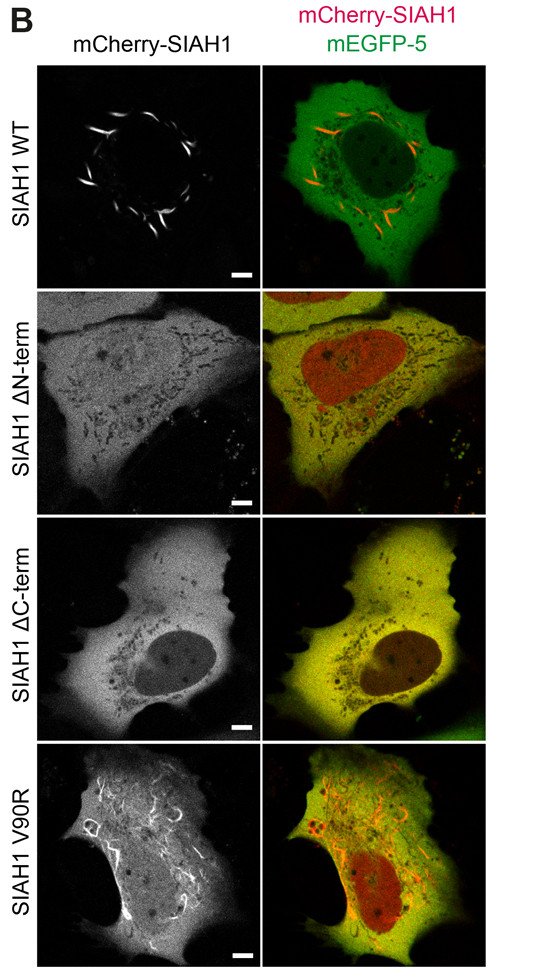
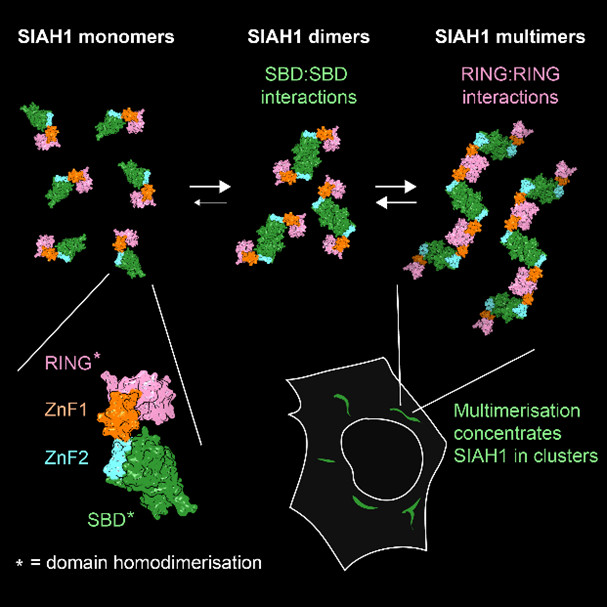
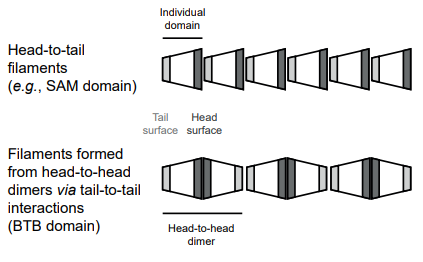
Happy to share our study showing that the Ub E3 ligase SIAH1, known to dimerise via its C-term SBD, also dimerises via its N-term RING. When these tendencies combine, fl SIAH1 forms multimers, which might explain its clustering in cells & preference for multimeric substrates.
1
4
28
2,101
6 Feb 2025
Overall, this side project is related to our ongoing interest in how multimerisation of substrates and ligases - particularly filament formation - affects SUMOylation and ubiquitylation processes. I thank colleagues and collaborators❤️ and You for your attention😉
1
2
248
6 Feb 2025
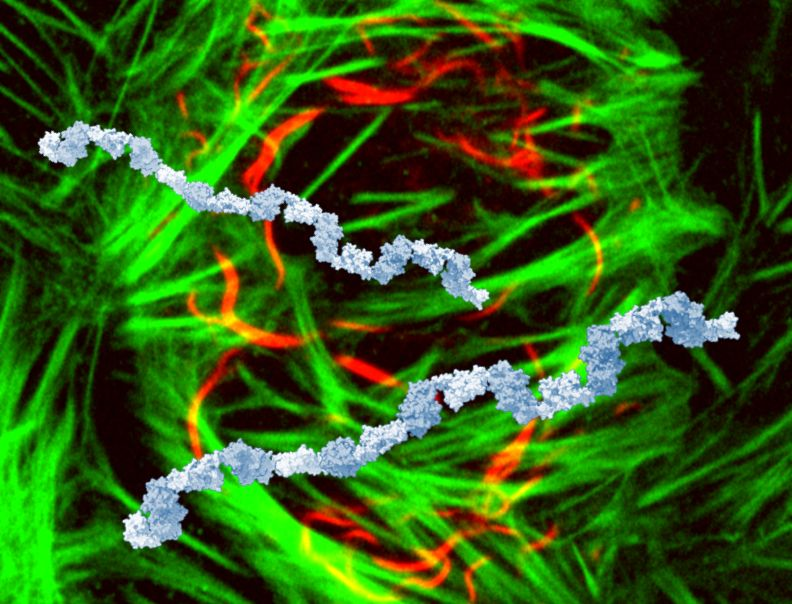
This is a cover that wasn't accepted: SIAH1 multimers on top of cells (SIAH1 red, actin green). We weren't able to visualise SIAH1 chains in vitro, as we could only purify N- or C-term halves of SIAH1 separately: the blue chains are made from combined structures of each half.
5
265