
Neuroscientist | Founder of MJB Consulting | Careers driven by curiosity & experimentation
Joined August 2009
- Tweets 3,867
- Following 524
- Followers 2,632
- Likes 2,622
206 Photos and videos



Pinned Tweet

11 Apr 2023
PhDs have a range of transferable skills but are not taught how to market them.
Here are 10 high-value transferable skills:
5
137
537
143,261
Matthew Betts, Ph.D. retweeted

6 Sep 2025
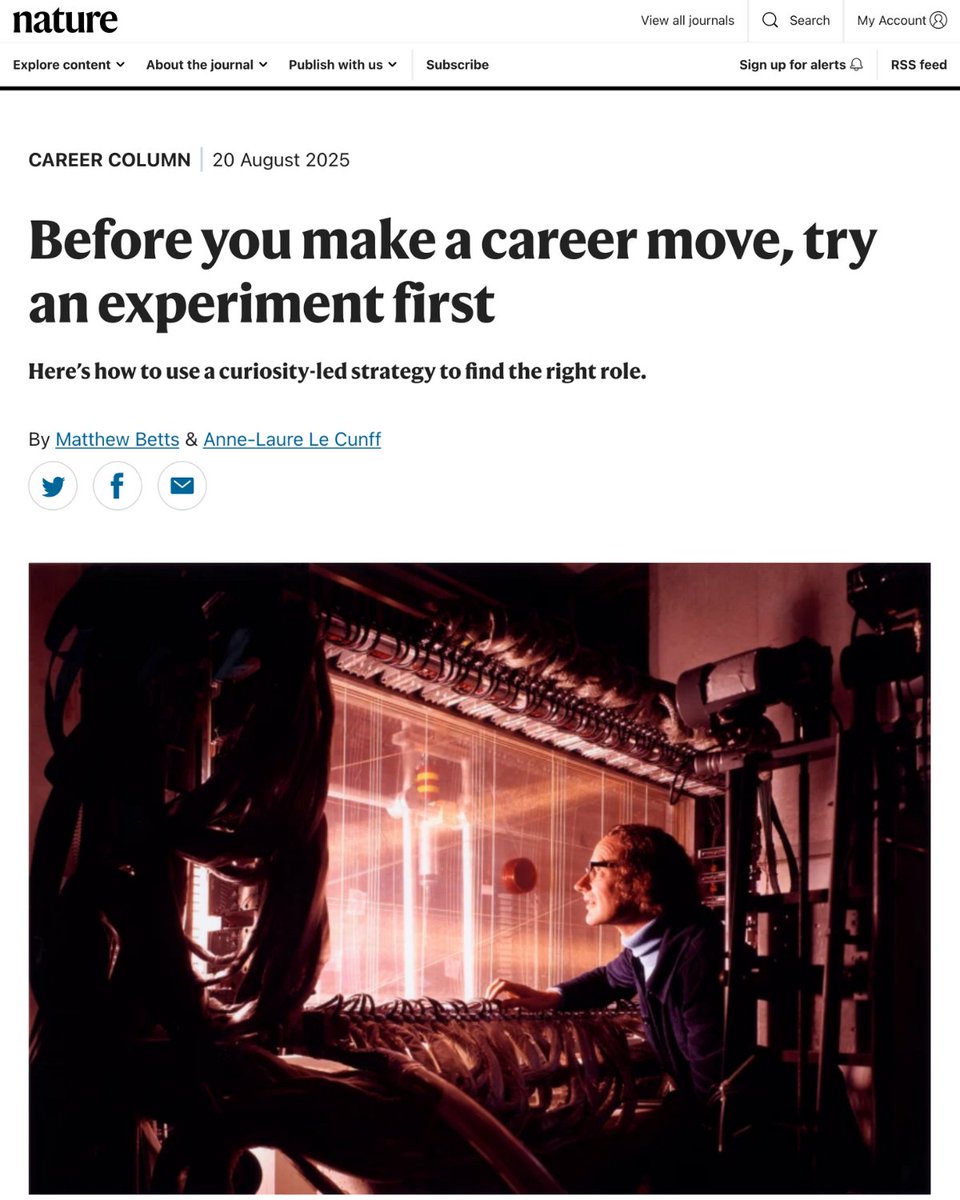
How to use a curiosity-led strategy to find the right role. go.nature.com/4oYc6JB
2
1
553
Matthew Betts, Ph.D. retweeted

6 Sep 2025
During career exploration, small, intentional experiments can turn uncertainty into insight and shrink the psychological distance between the current situation and what comes next.
Find out how a curiosity-led strategy can help you find the right role:
spklr.io/6014BHvxQ
1
2
919
21 Aug 2025
We approach careers backwards.
We're expected to know what we want before we even start.
In a new Nature Careers piece, @neuranne, and I share how small, curiosity-led experiments can be a powerful tool for career exploration.
1
168
21 Aug 2025
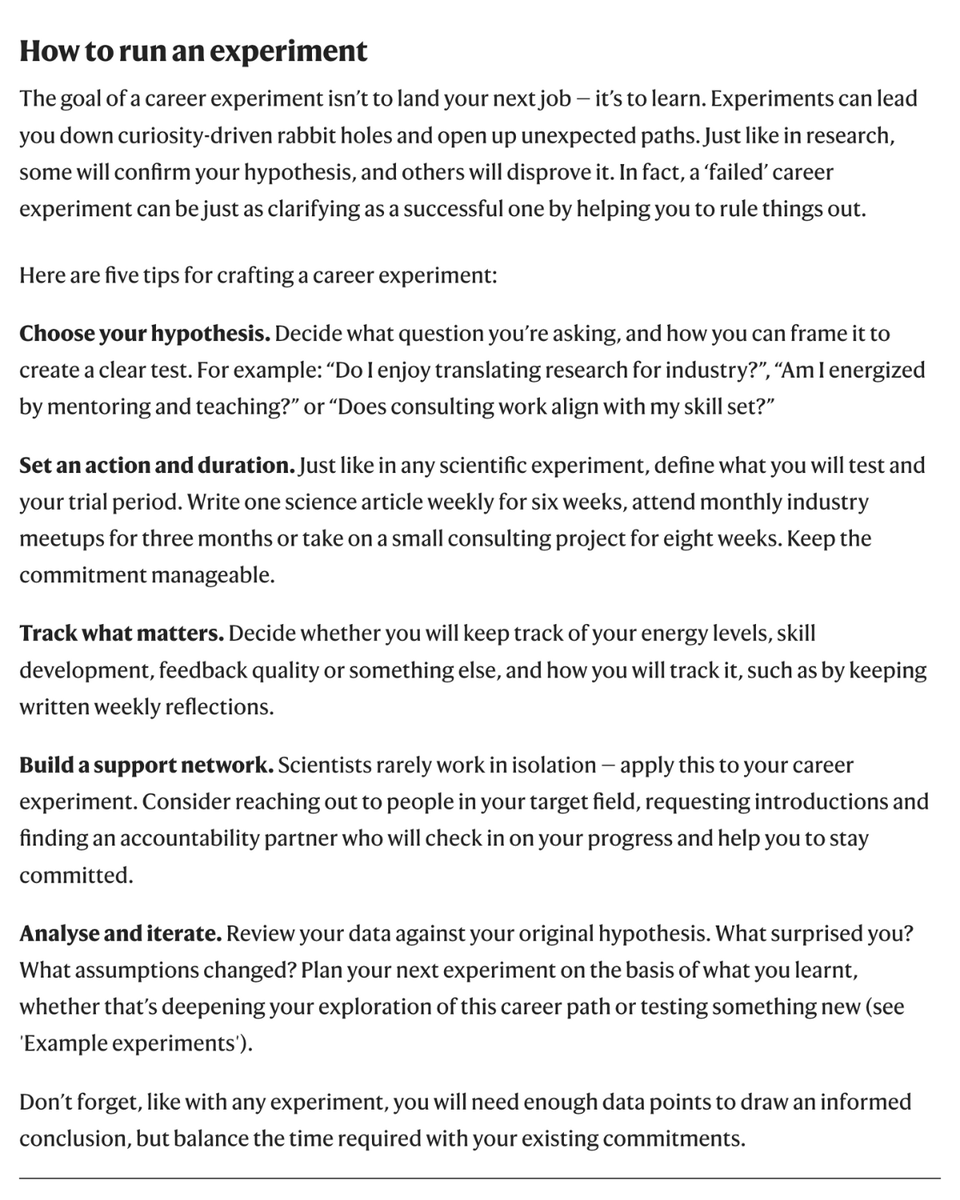
Generate data points: You’re moving beyond speculation and collecting evidence.
Just like in research, some experiments will confirm your hypothesis while others will disprove it.
A “failed” experiment can be just as clarifying by ruling things out.
1
117
21 Aug 2025
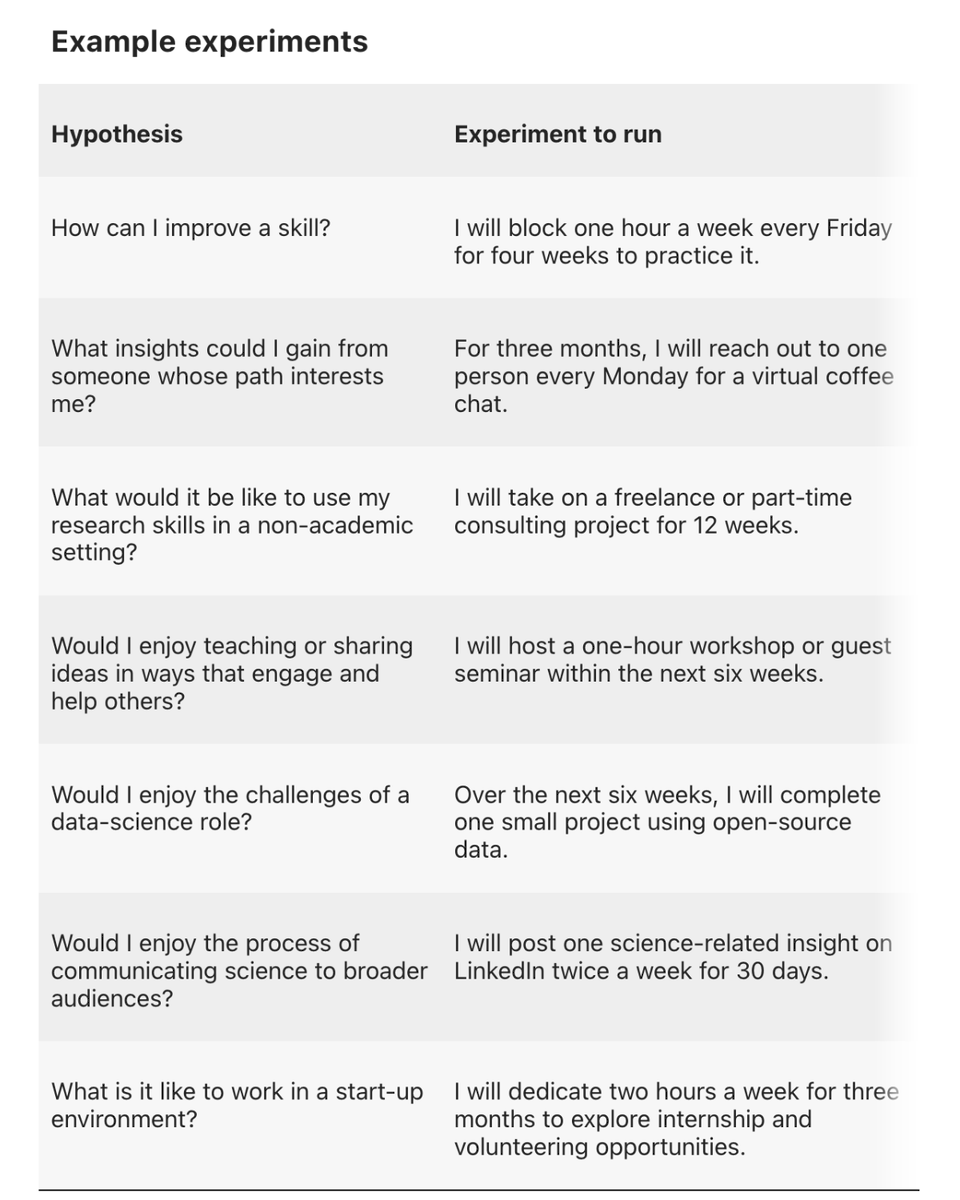
We share a few tips to help you design your own career experiments so your next step is based on evidence, not a leap into the unknown.
What’s one career experiment you’ve tried or would like to try?
Link to article:
nature.com/articles/d41586-0…
@Nature @NaturePortfolio
76
18 Sep 2023
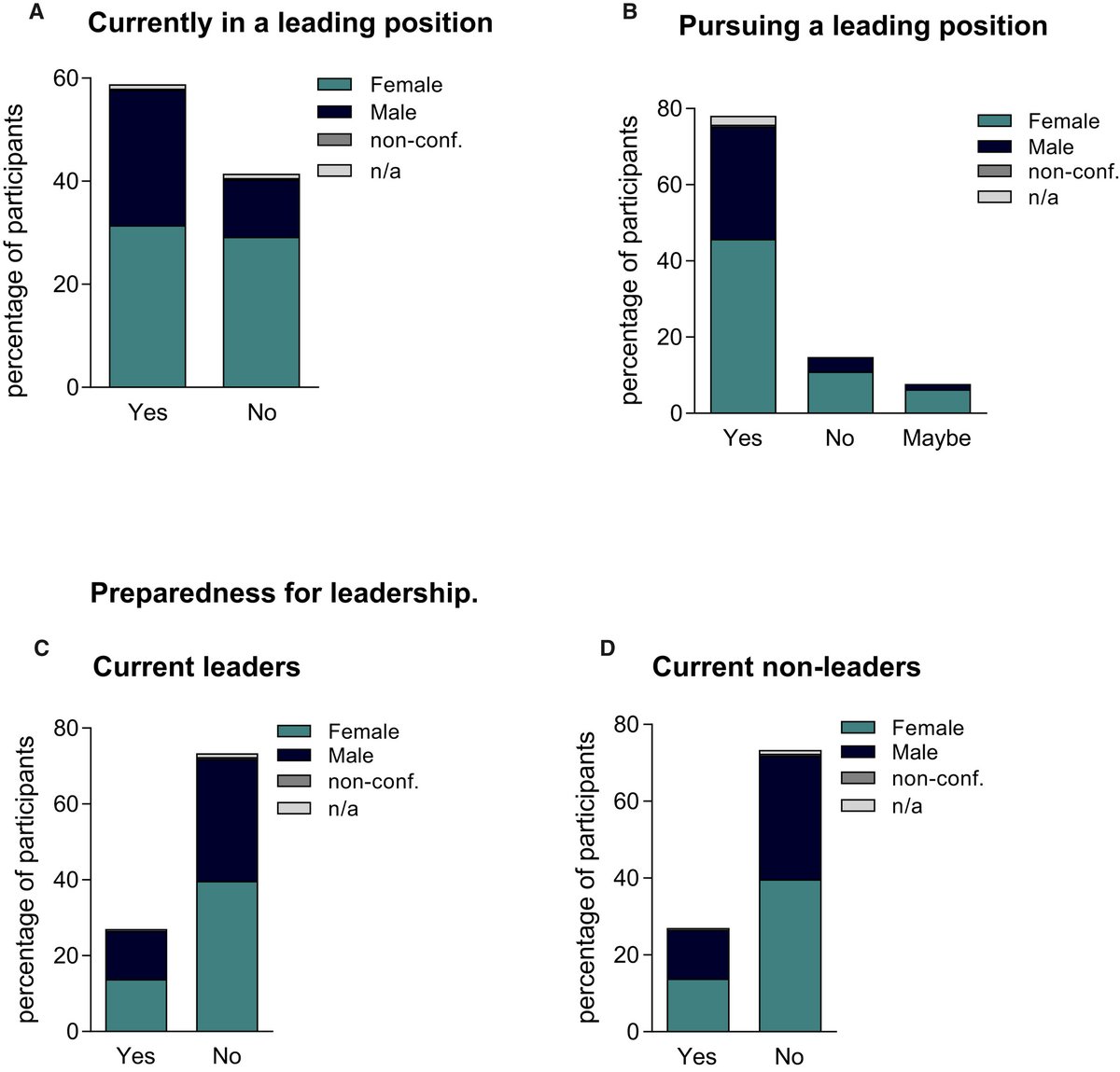
The unmet need for leadership training in academia:
Success in academia is determined by your publication record and ability to obtain grant funding.
Acquiring leadership skills is neglected as they don't contribute to the evaluation of scientific success.
1
4
1,288
18 Sep 2023
Institutions should make leadership training mandatory for all researchers taking on a supervisory role.
Effective leadership benefits research at the individual level but also improves efficacy and productivity at the organisational level.
1
1
2
748
18 Sep 2023
Strong leadership has powerful ripple effects throughout an organisation.
If you enjoyed this thread:
1. Follow me @MTJBetts for similar content
2. Repost to share with your audience
@PhDVoice @OpenAcademics @AcademicChatter
@PostdocVoice @ThePhDPlace @MasterAcademia_
1
528
14 Sep 2023
The most dangerous lie we tell ourselves in academia:
“When I become a professor I'll be happy”.
Pinning your happiness on an external milestone is setting yourself up for disappointment.
Real happiness comes from within and finding joy in the process.
2
818
9 Sep 2023
Sometimes all you need is someone to be in your corner.
A partner, a friend or mentor that believes in you and is there to lift you up when you stumble.
With that support, you feel like you can take on the world.
9
1,525
6 Sep 2023
Writing online is a great way for gaining clarity on what you know and don't know.
It can feel cringe and uncomfortable sharing your thoughts with the world.
But every time you do, it helps identify gaps in your understanding.
2
635
6 Sep 2023
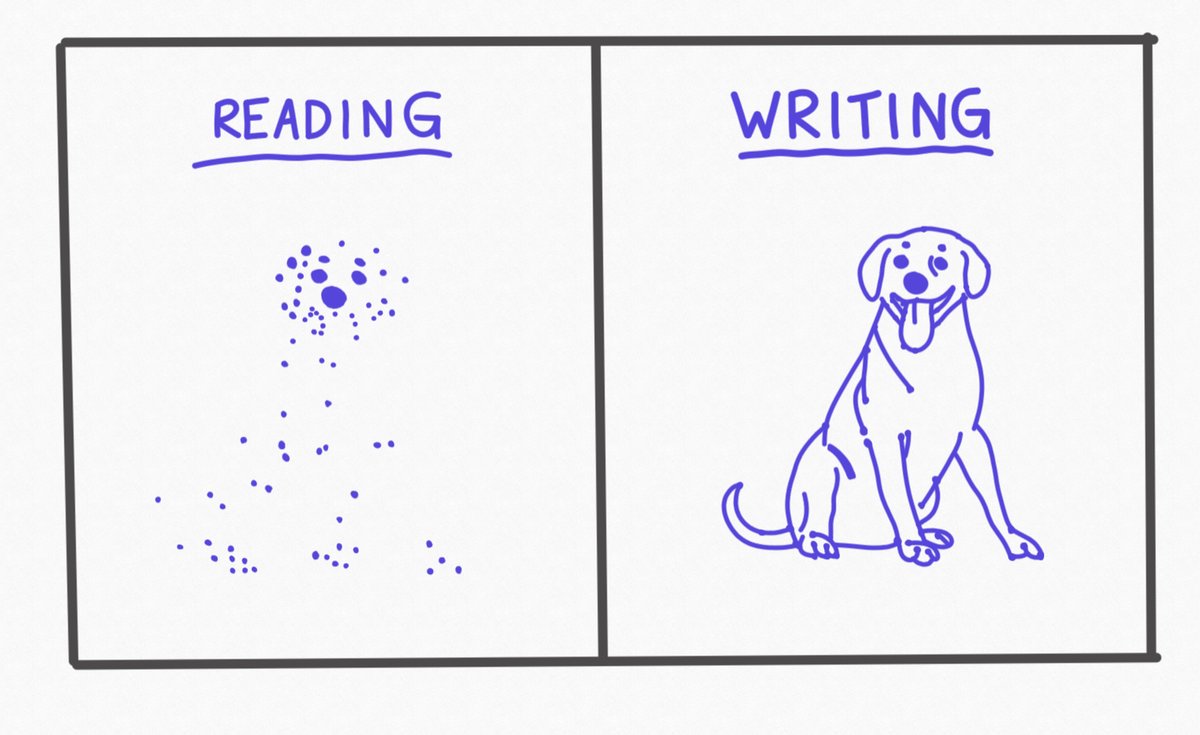
It's amazing how often you read something and think you understand it, only to find out you can't write about it clearly.
This framework from @david_perell is one of my favourites:
"Read to collect the dots, write to connect them."
1
348