Medellín Urban Innovation: A knowledge exchange project about harnessing innovation in city development for social equity and well-being #MUI
Joined August 2015
- Tweets 296
- Following 432
- Followers 181
- Likes 73
66 Photos and videos

7 Sep 2019
1/5 Our project in Medellín has been shortlisted in The Times Higher Education, as best International Collaboration of the Year : the-awards.co.uk/2019/en/pag… We are delighted and honoured to have this important project & collaboration recognised @thetimes @HWU_TUI @NERCscience
1
1
7 Sep 2019
4/5 This research would not have been possible without the Resilience Foundation Awards made by @NERCscience through the Global Challenges Research Fund (GCRF)
1
7 Sep 2019
5/5 fortunately this project has been followed up with #Upscaling Resilience and expanded into Sao Paulo. This is funded through the Global Challenges Research Fund (GCRF) made available by the British Academy’s Cities and Infrastructure programme ( britac.ac.uk/co-production-l… )
MUI retweeted

24 May 2019
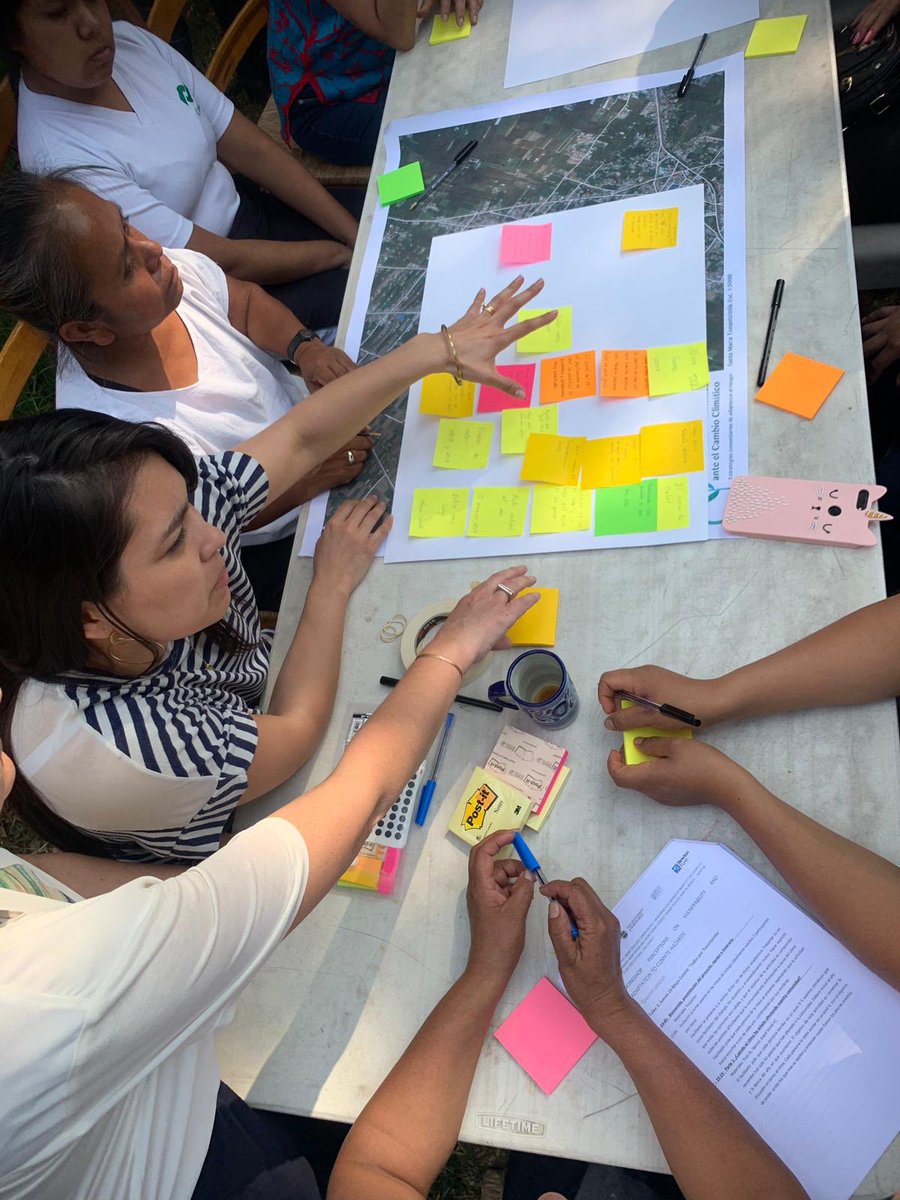
Today we had a great experience knowing more about Tonantzintla at the Cimate-smart Community workshops in Puebla. We are learning so much about Mexican people 🌎 #ClimateChange #ClimateSmart #Communities #Mexico #UK @NewtonFund @MUI_research #ClimateSmartResilienceCommunity
4
5
MUI retweeted

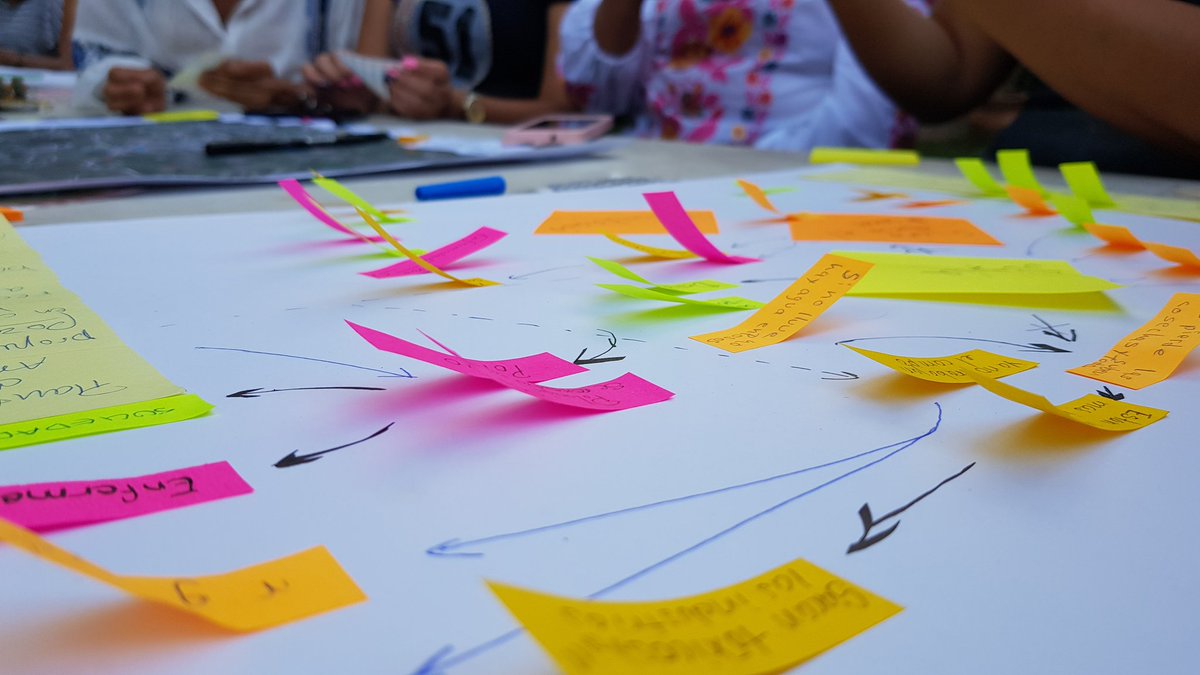
Finding bottom-up strategies for community-based adaptation at workshop in Tonantzintla Puebla with Cities and environment group Follow up our upcoming news #citiesandenvironment_uoe #climatesmartresilientcommunity @sgferrar @NewtonFund @MUI_research @Meluisa_Paz @kathi_kaesehage
3
2

MUI retweeted

25 May 2019
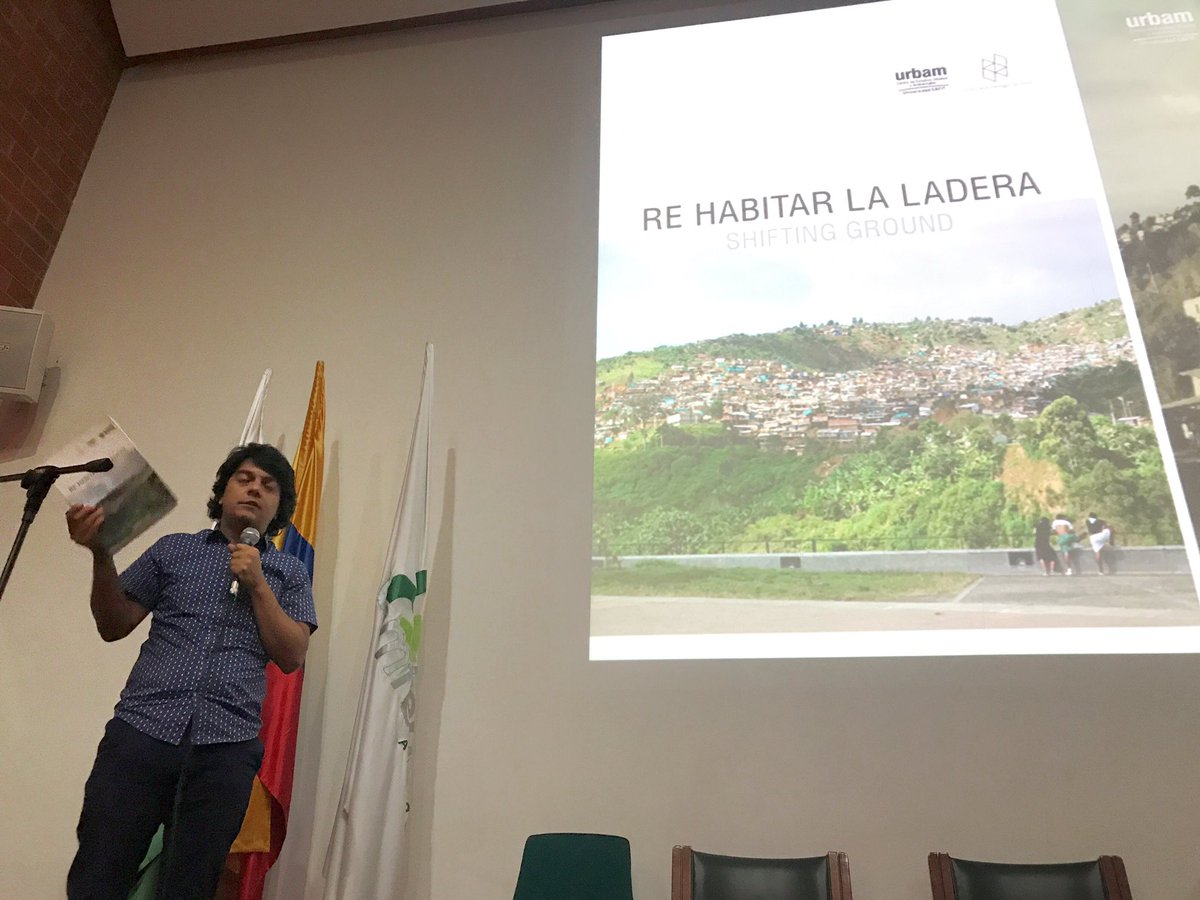
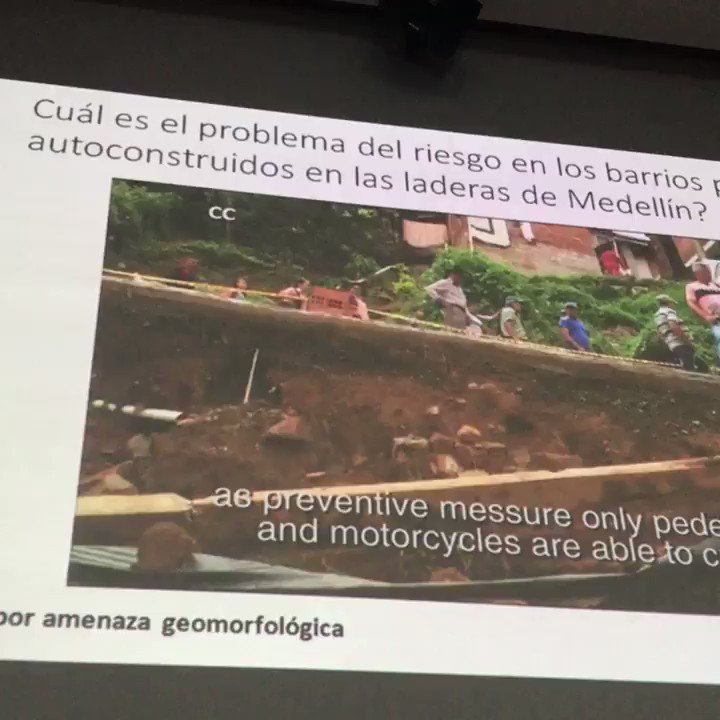
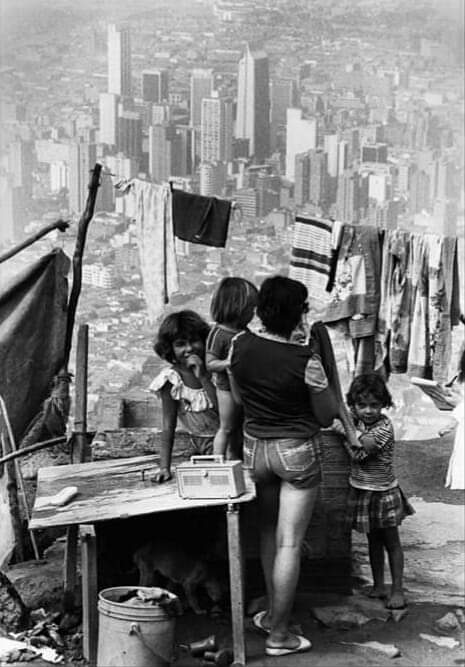
Medellín ciudad de vertientes, con crecimiento ladera arriba; construcción de metro-cables debe complementarse con un amplio programa de mejoramiento de barrios con enfoque de prevención de deslizamientos y generación de oferta de viviendas económicas. Fotografía de Henry Agudelo
1
1

MUI retweeted

27 May 2019
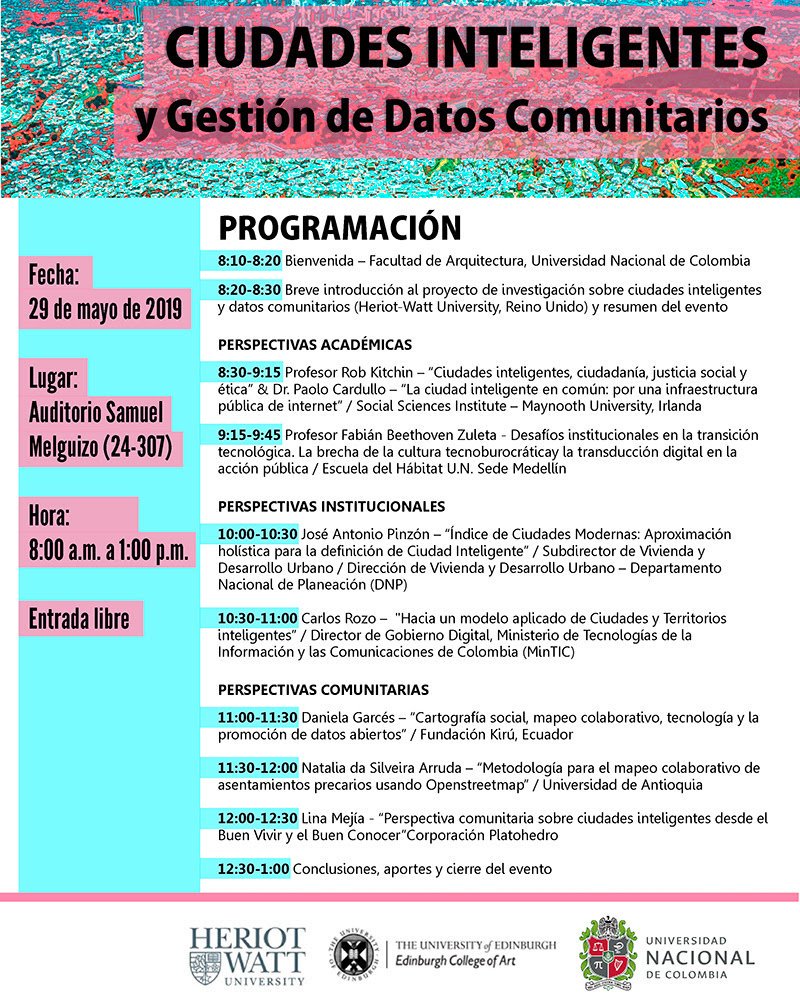
Jornada académica: Ciudades inteligentes y gestión de datos comunitarios - Mayo 29 - Facultad de Arquitectura - Auditorio Samuel Melguizo (24-307)
1
8
18
27 Mar 2019
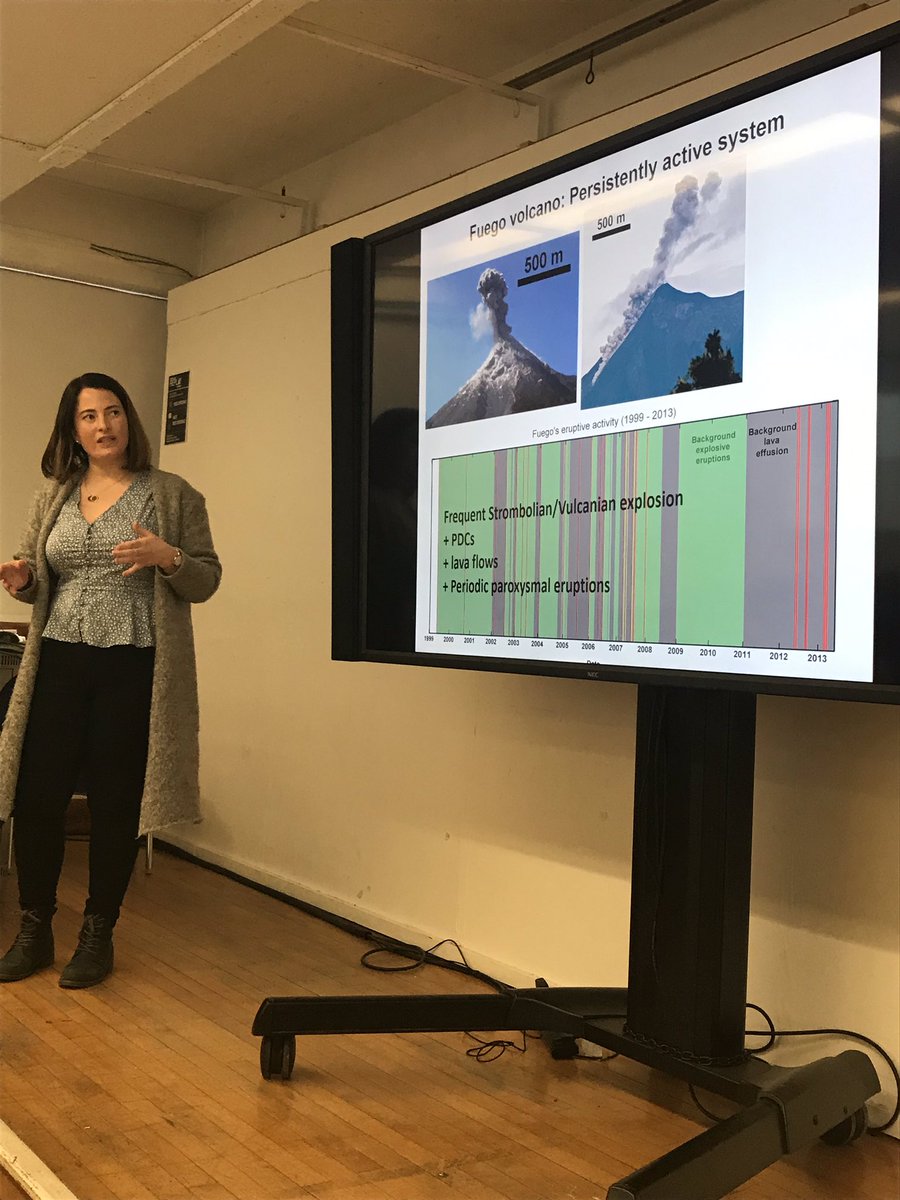
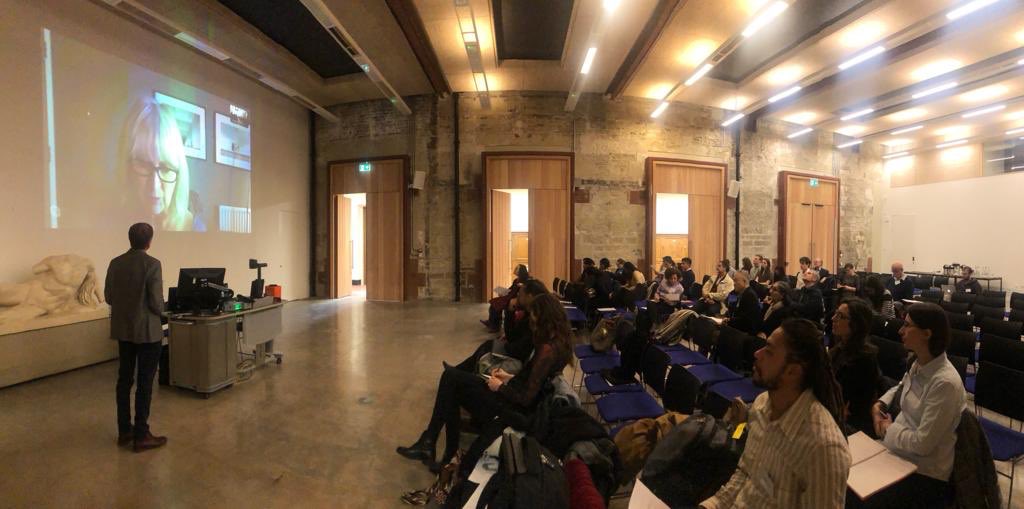
Community Hazard mapping in Central America and the eruption of Fuego Volcano in Guatemala with @michigantech and @EdinburghUni presented by @ameliabain
1
7
27 Mar 2019
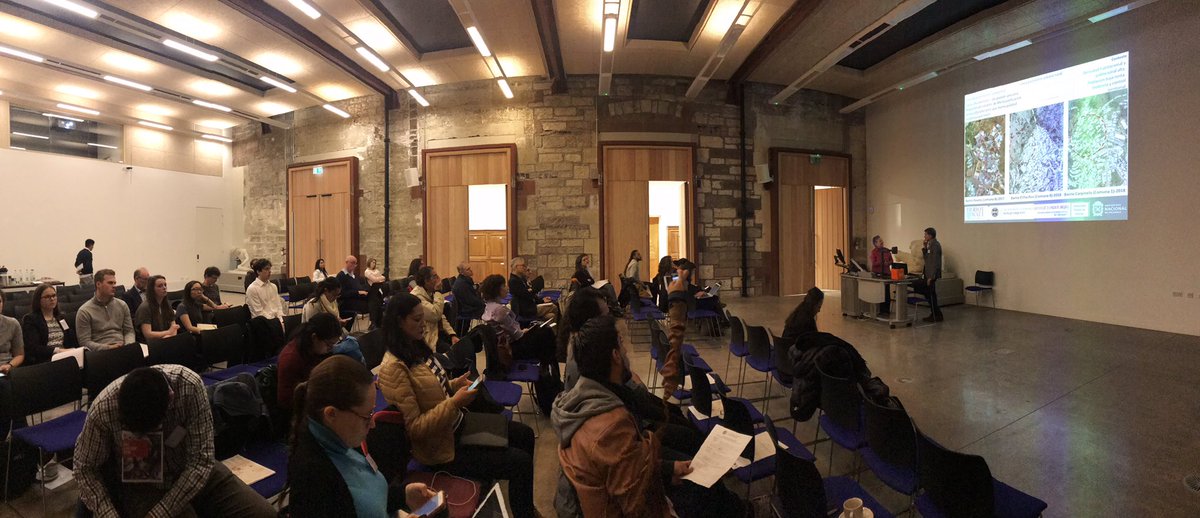
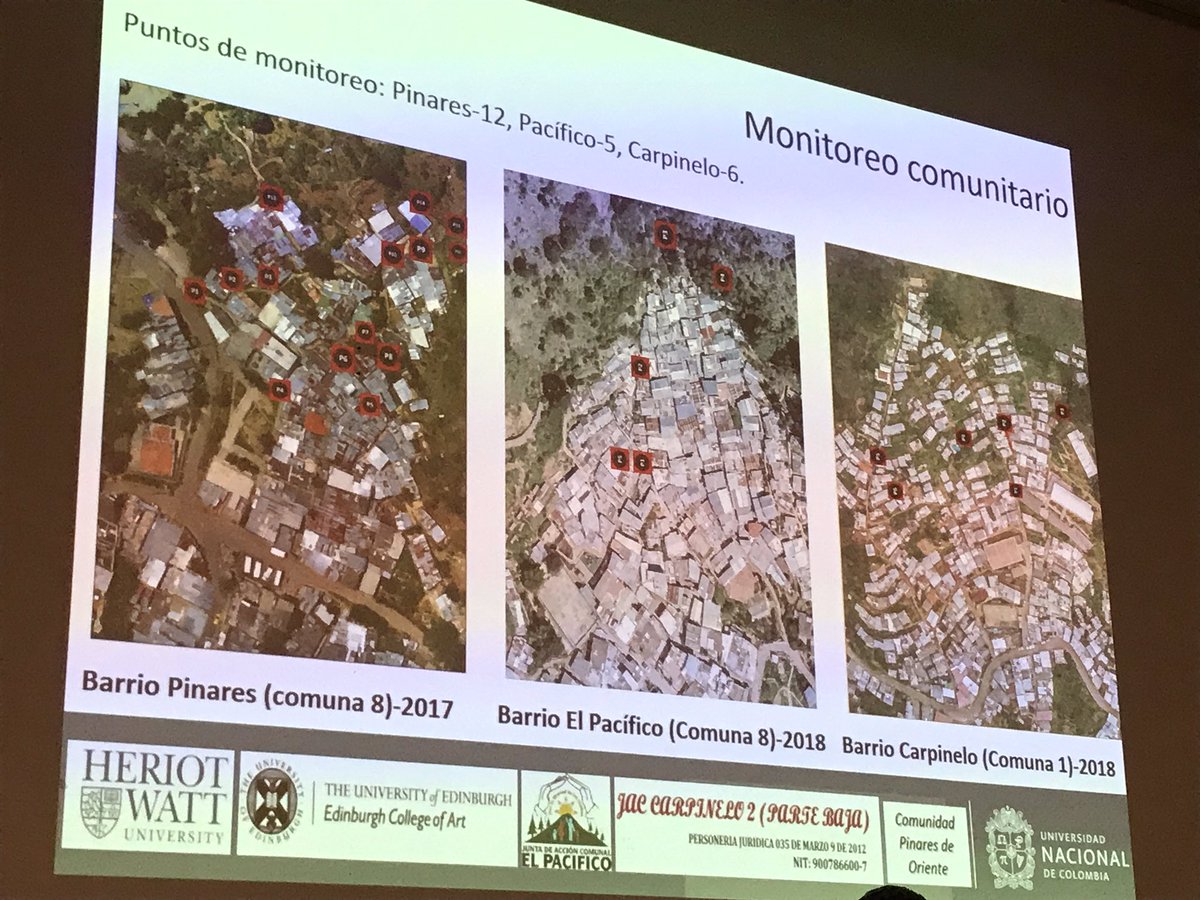
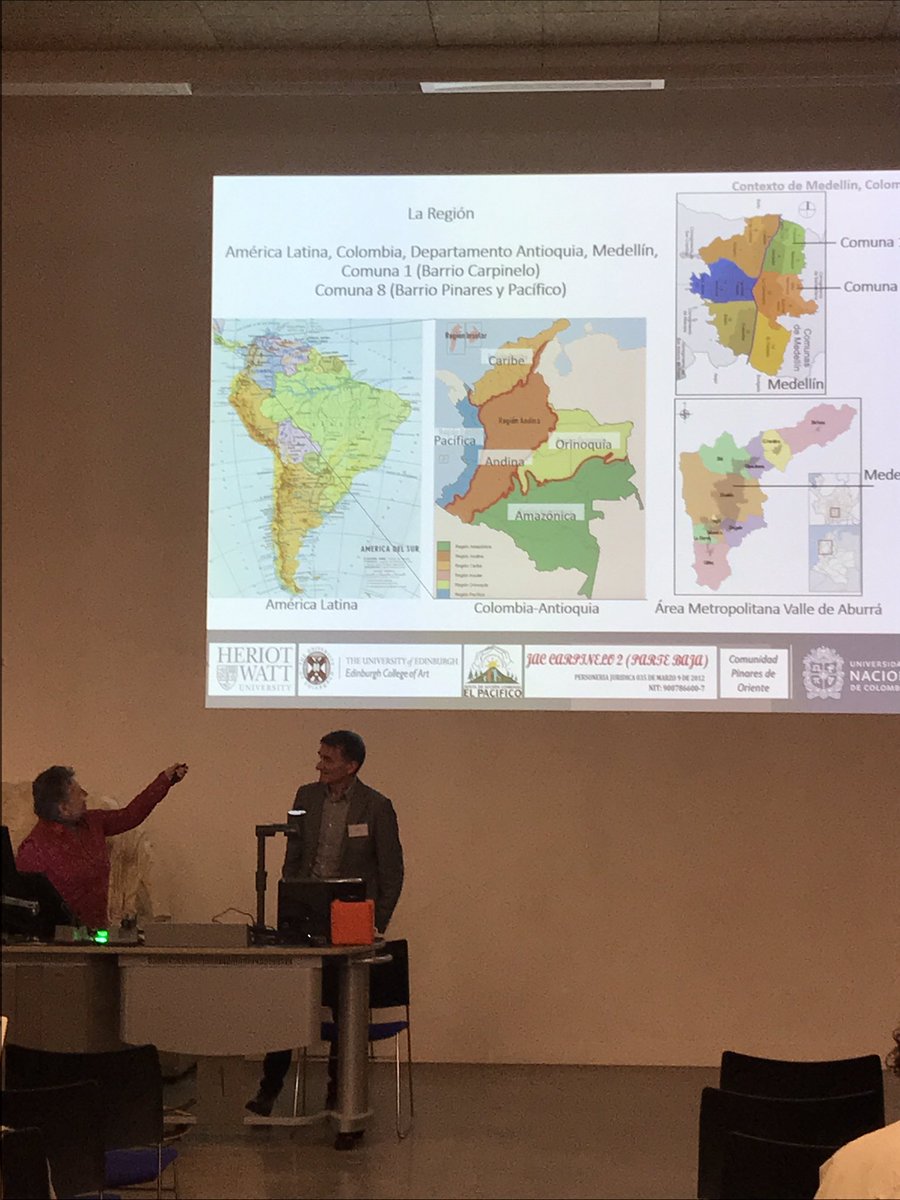
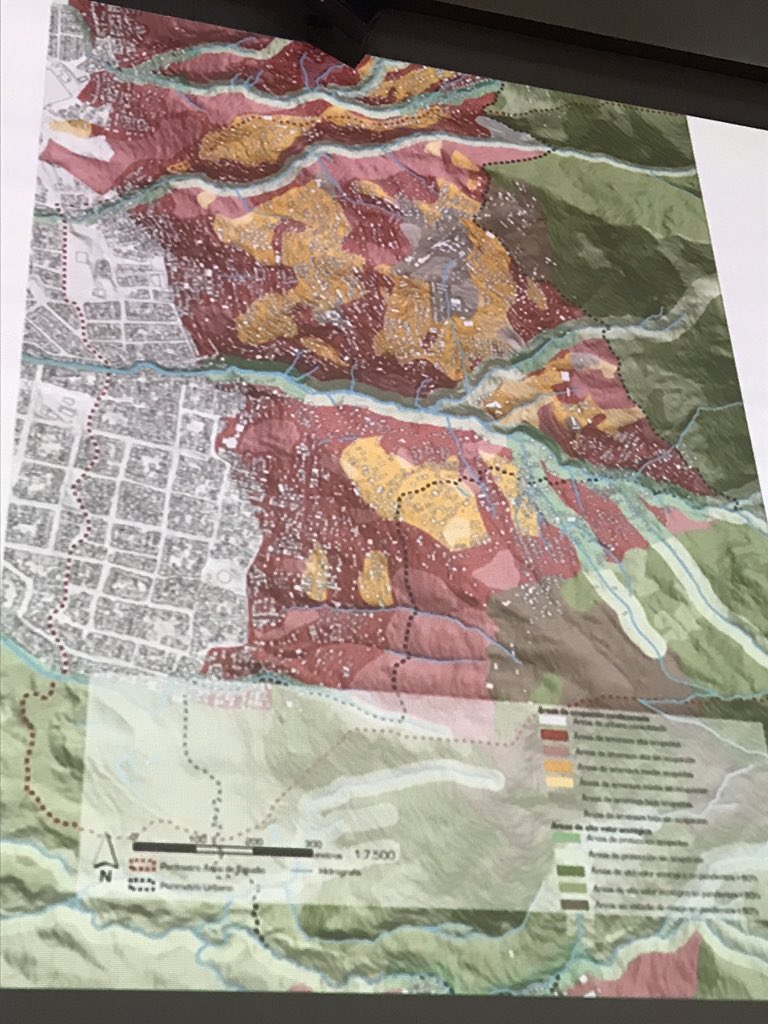
The three neighbourhoods we worked with are all located within the perimeter of urban and rural land. These are informal settlements where self-building is the norm and exposure to risk from landslides is very high
2
2
27 Mar 2019
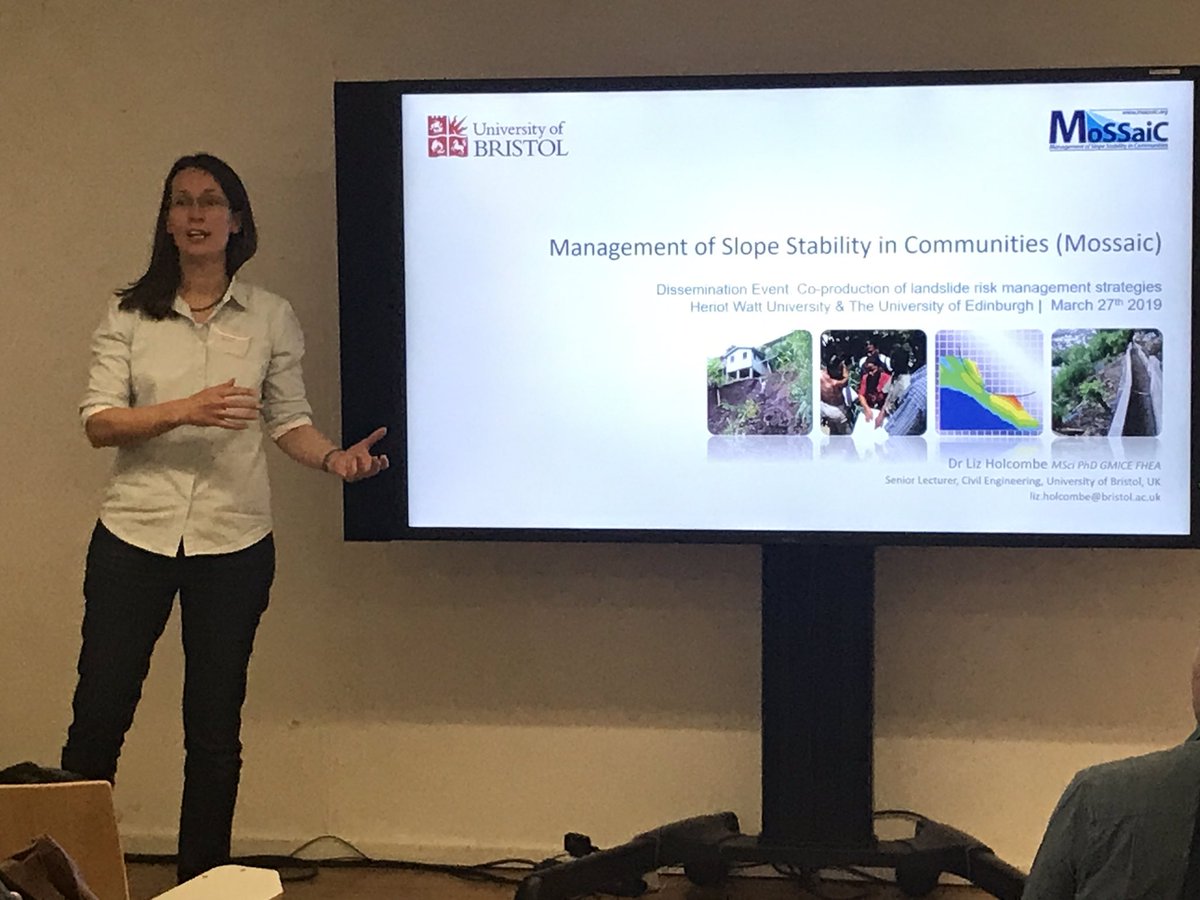
The afternoon continues with Liz Holcombe from @BristolUni who discusses her legendary project called MOSSAIC which sers an important precedent in how to manage slope stability in communities.
2
1
27 Mar 2019
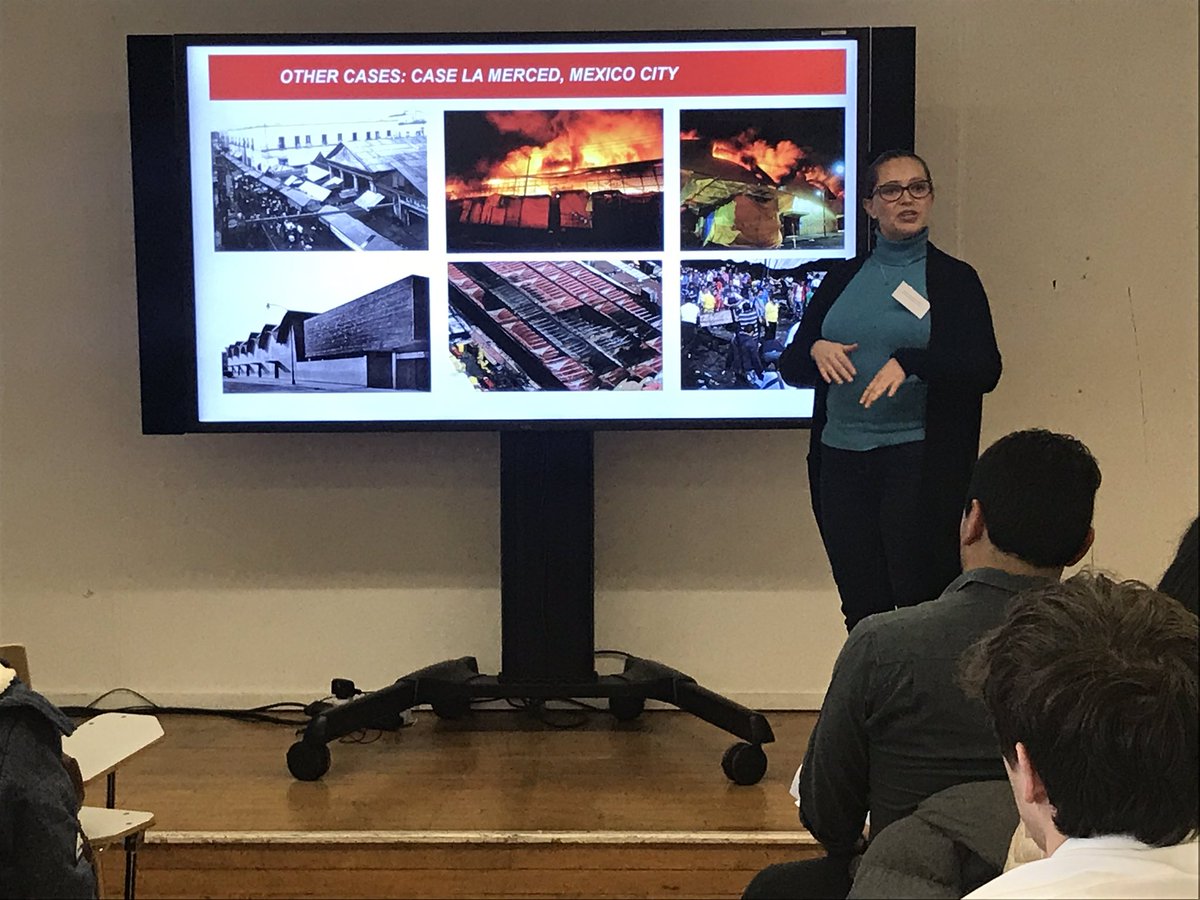
Emma Morales from Universidad Iberoamericana Puebla in Mexico presents the limitations and Challenges Local Government are facing to plan for Risk and Adaptation funded by @NewtonFund
2
1
27 Mar 2019
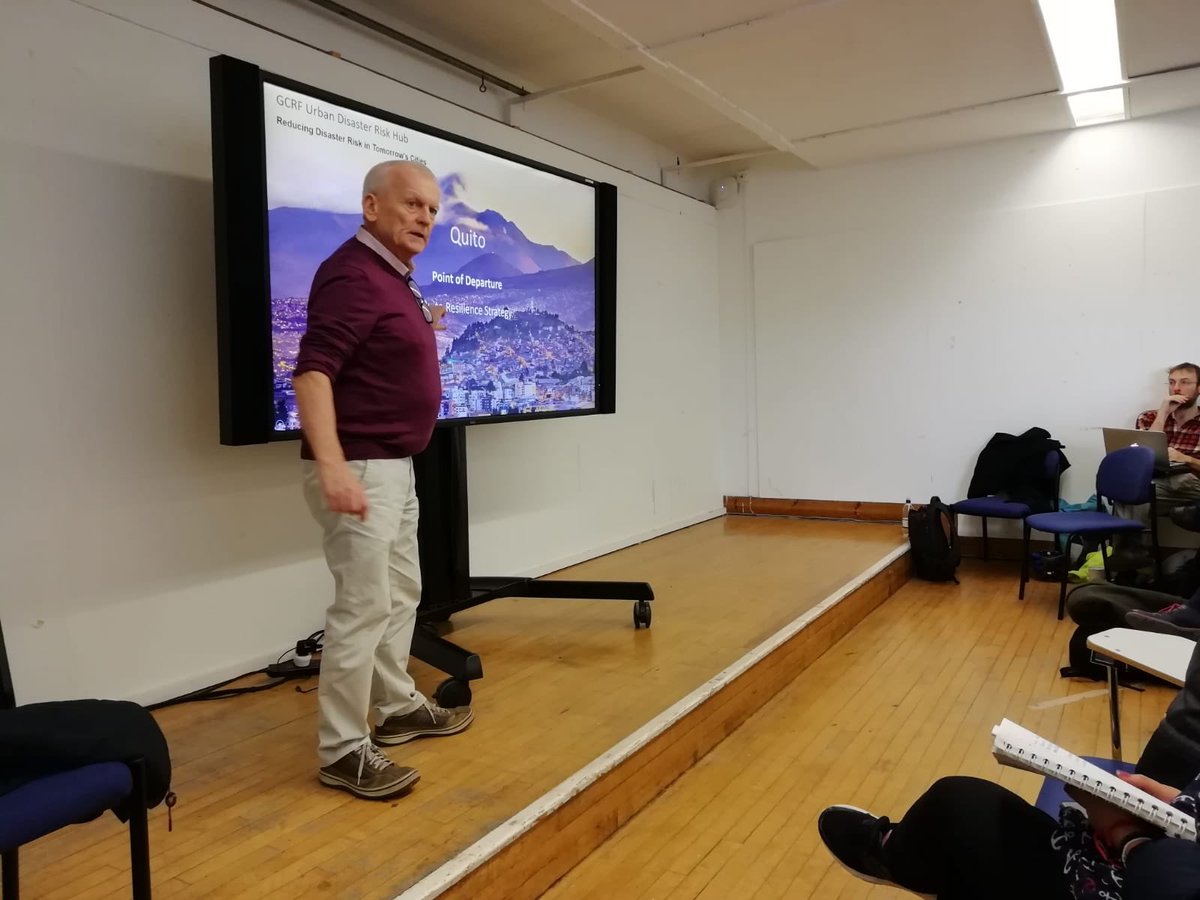
A new hub in University of Edinburgh called “Multi-Hazard Urban Disaster Risk Transition Hub” is working in a community of learning across & within Nairibo-Istanbul-Khatmandu-Quito to co-produce ways of reducing risks for poor people in urban areas @EdinburghUni #resilience
2
2
MUI retweeted
27 Mar 2019
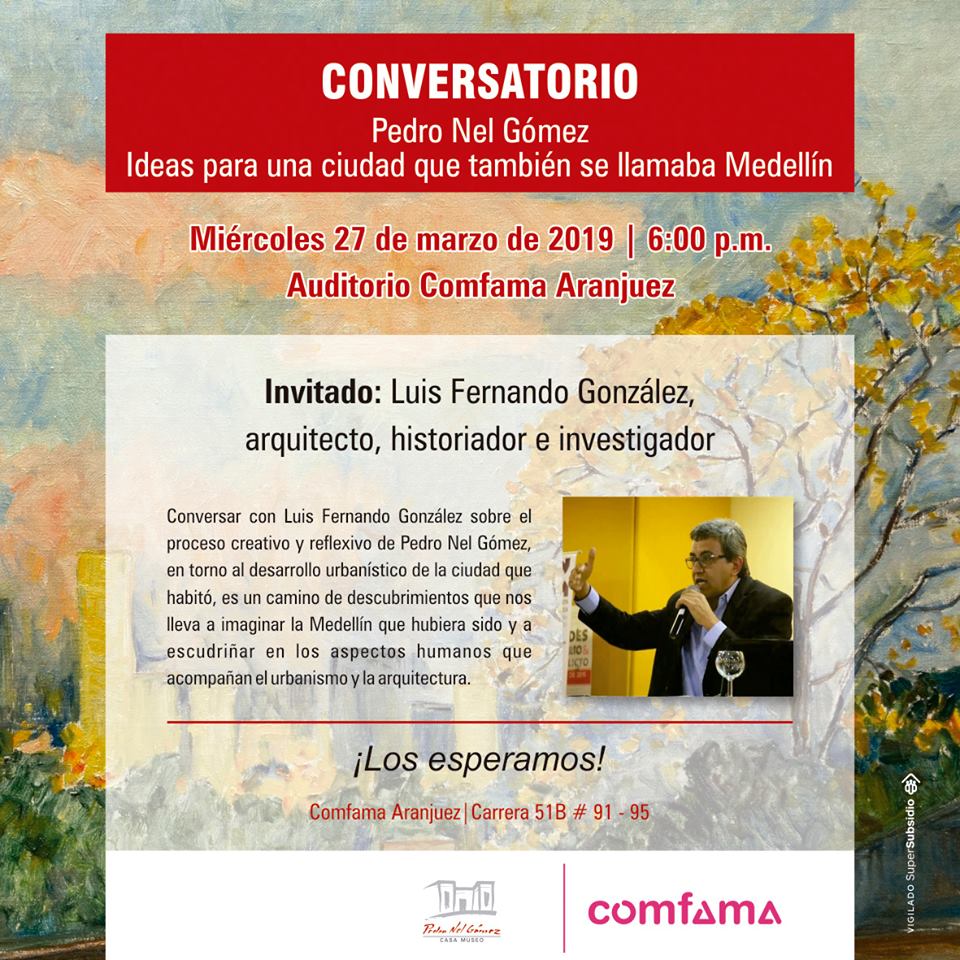
Conversatorio con el Profesor Luis Fernando González. "Pedro Nel Gómez Ideas para una ciudad que también se llamaba Medellín" 27 marzo - 6 pm.
4
9
27 Mar 2019
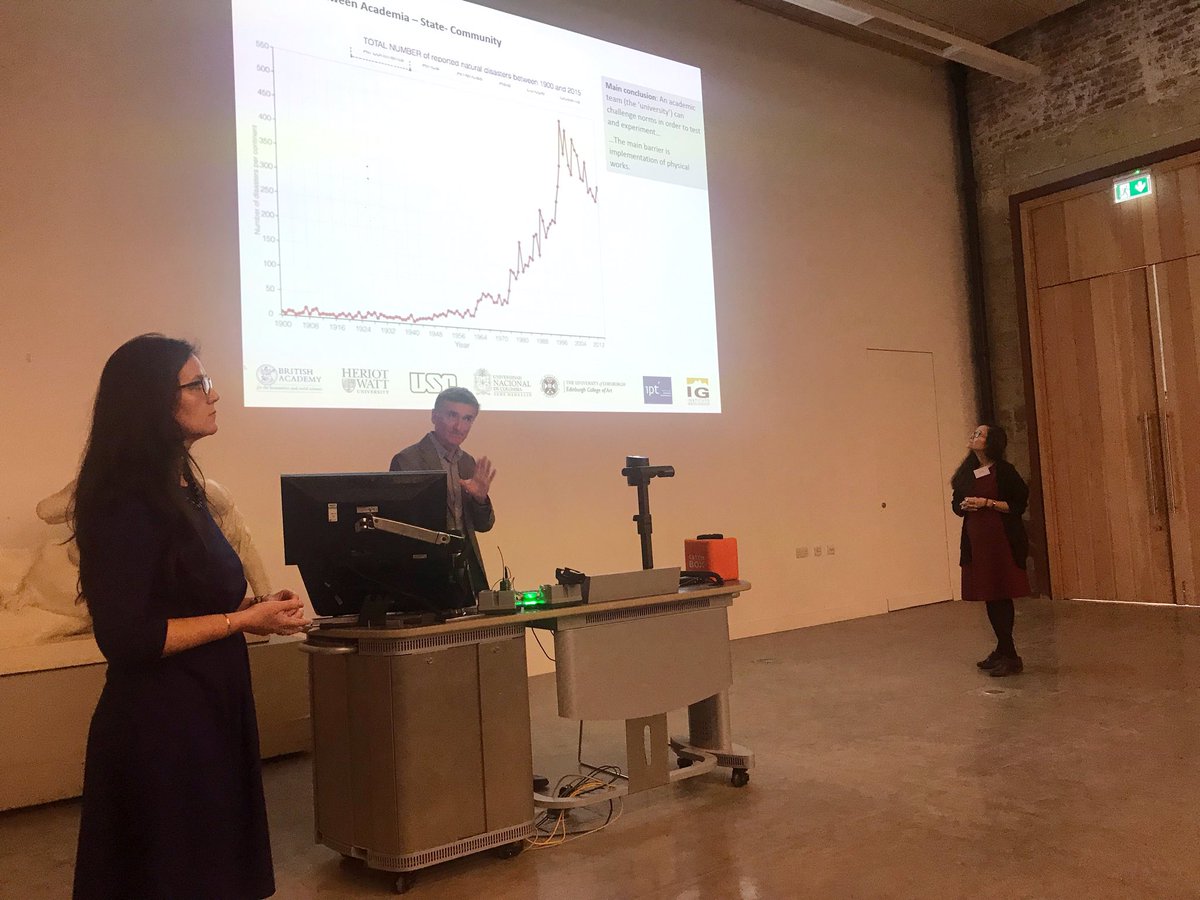
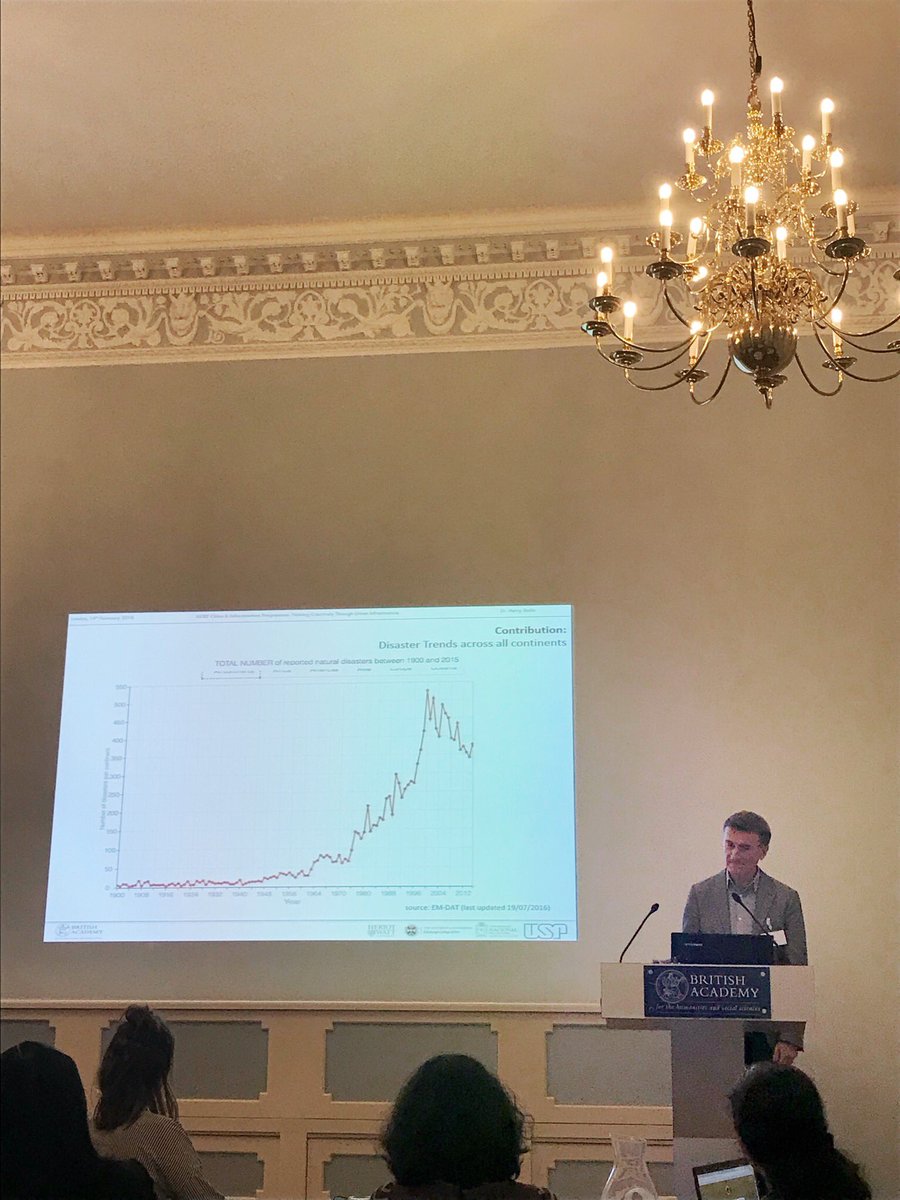
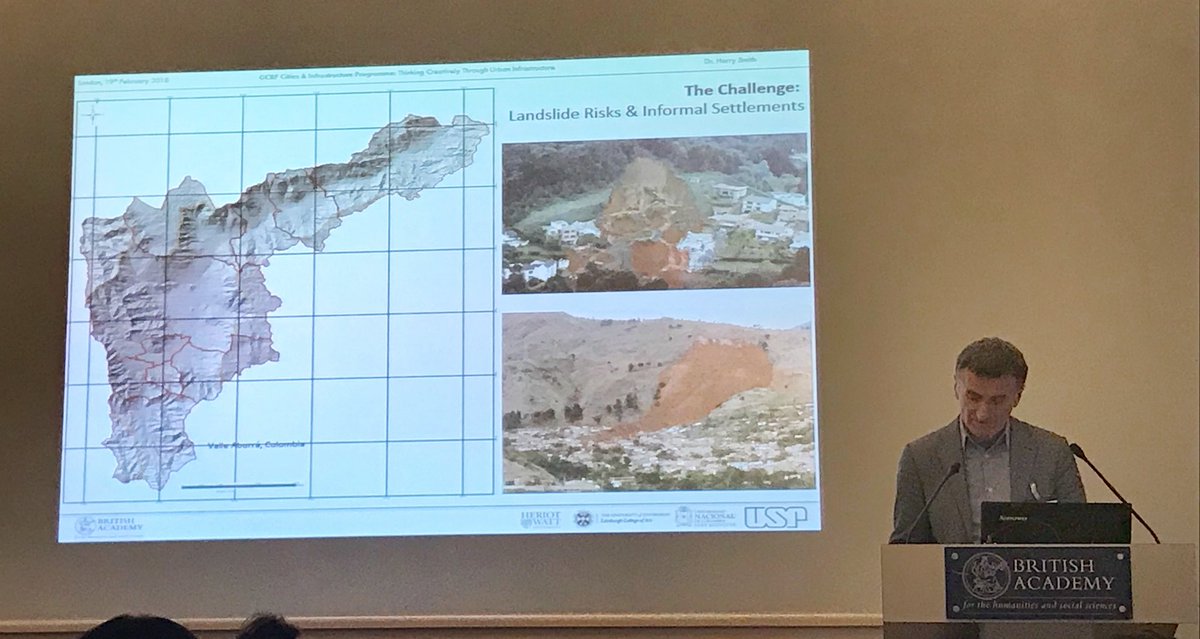
Climate change is leading to a greater number of landslides posing risks for informal settlements living on hazardous terrain. Here investigators @harrycsmith1 Gabriela Medero and @sgferrar present the Lessons Learned in this project funded by @BritishAcademy_
2
2
27 Mar 2019
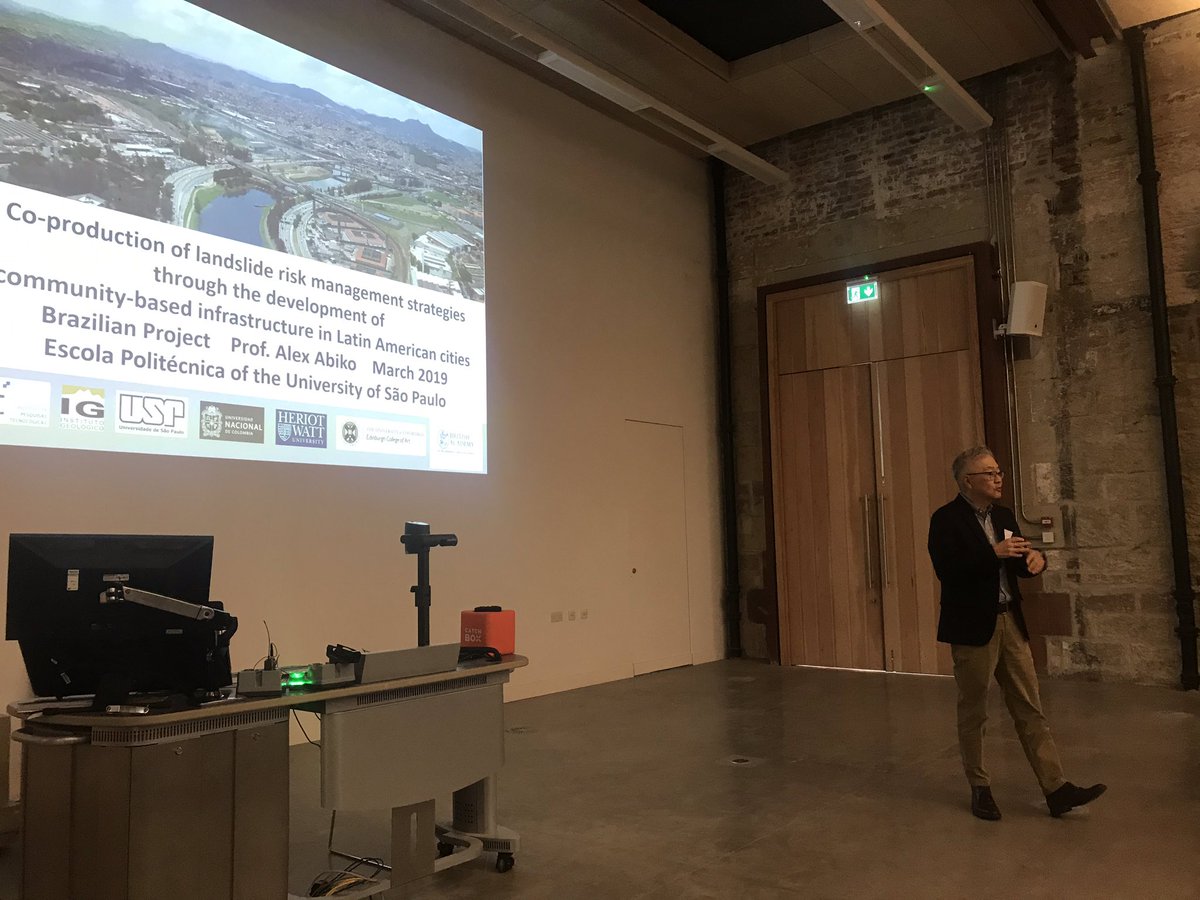
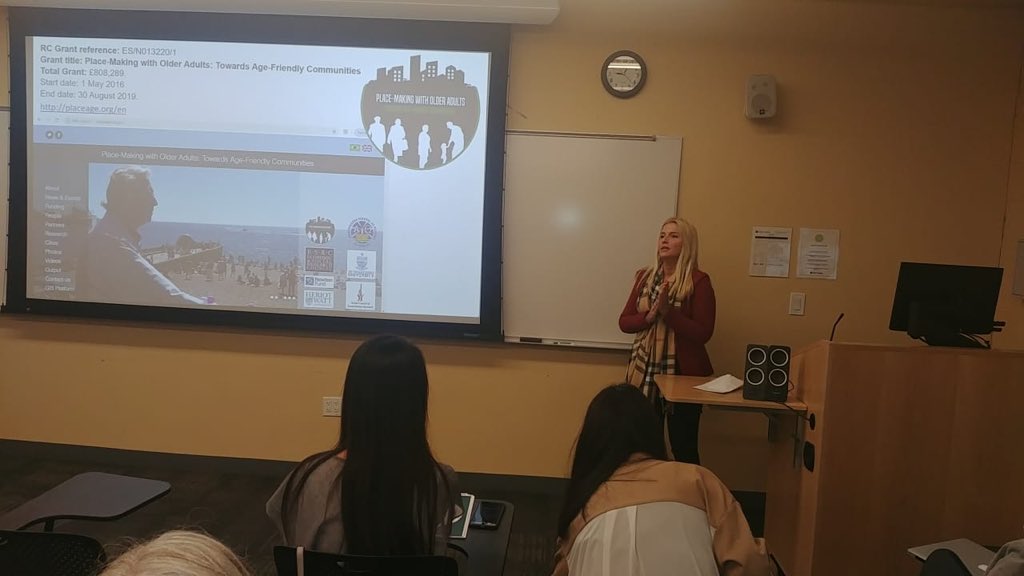
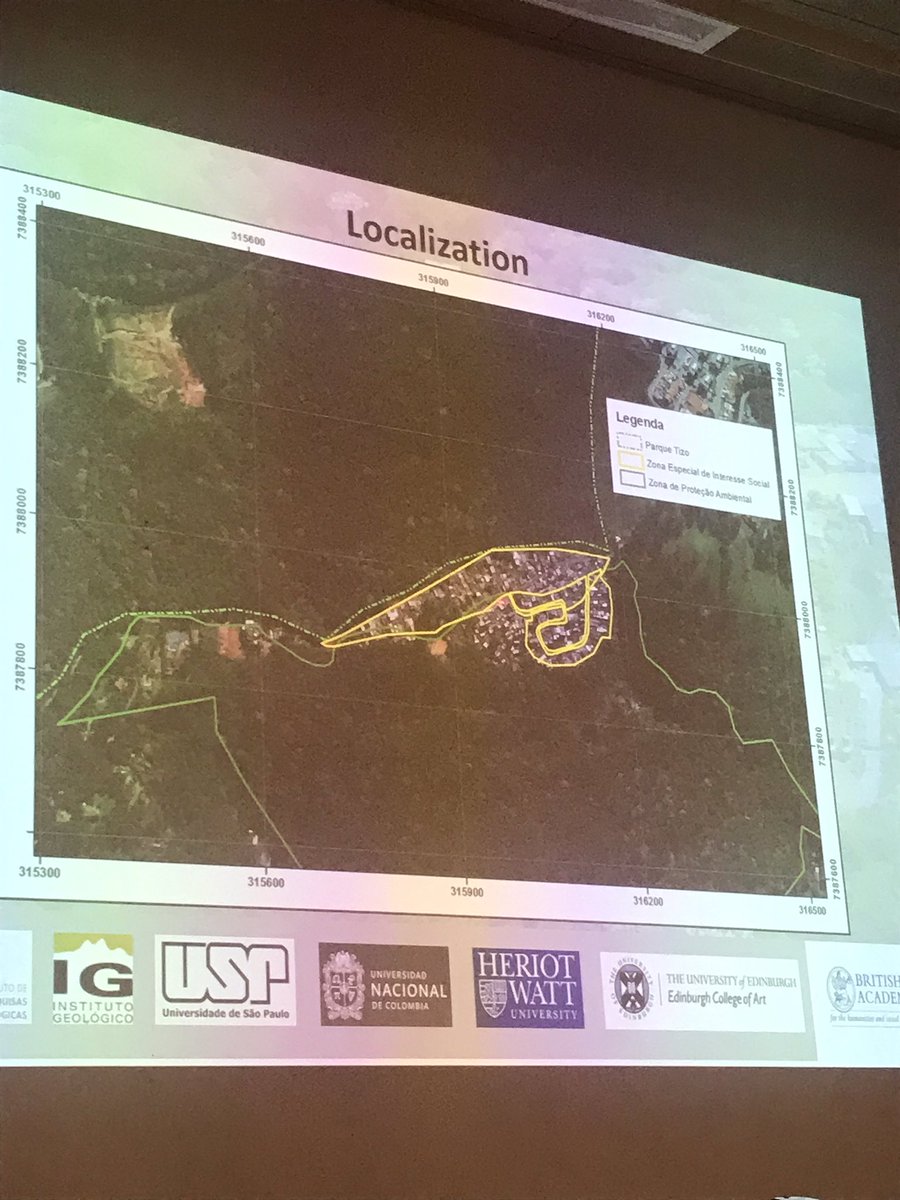
Alex Abiko from @usponline presents the internationalisation of our project which took place in vila Nova Esperança in São Paulo. We have been testing to what extent our pilot project in Medellín can be applied in a different (international) context.
2
1
27 Mar 2019
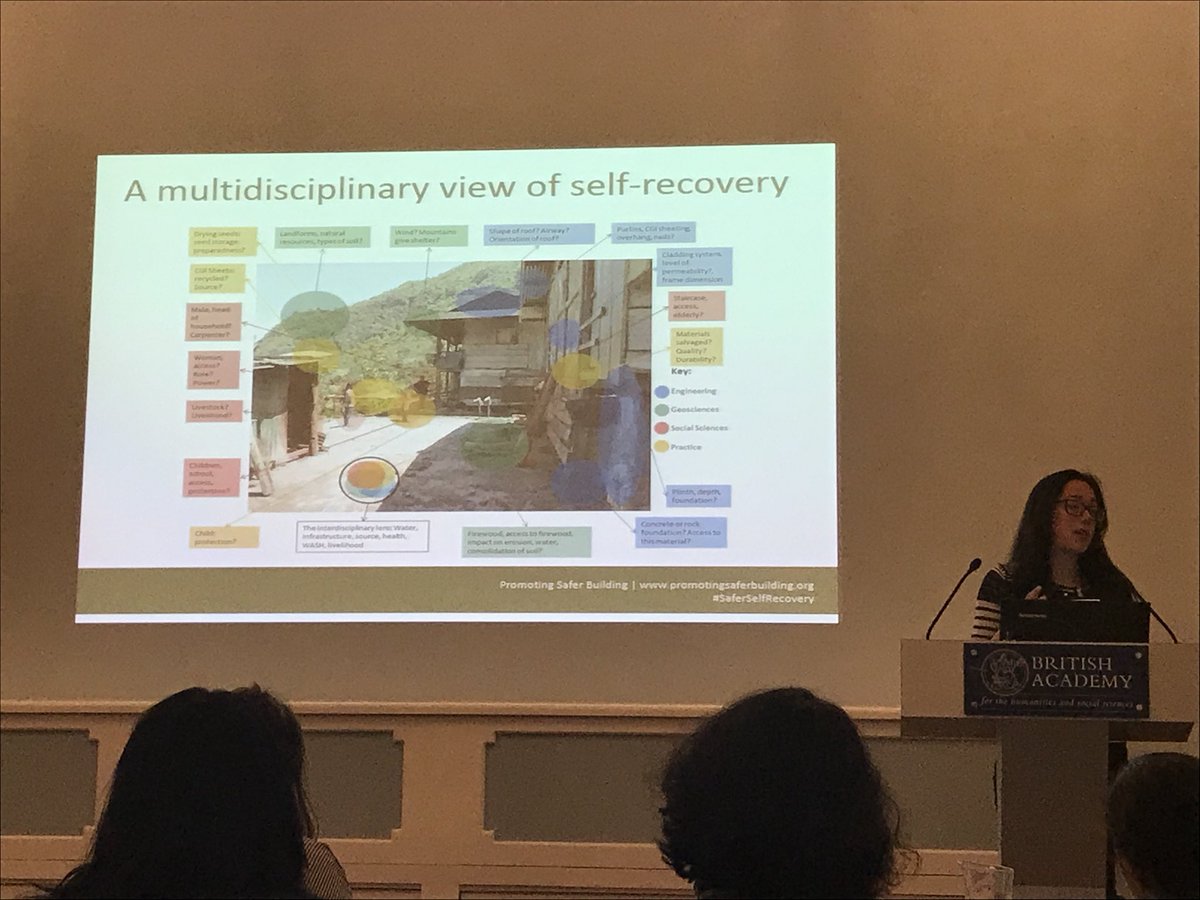
A key lesson of working w/ vulnerable communities is that any risk monitoring needs to be a participatory excercise so residents learn to ‘read’ their terrain. By comparing this with the way they read boiling milk in a pot, they understand the nuances of landslide-risk signals.
3
2