
TomorrowLab | not another guru
Joined May 2024
- Tweets 920
- Following 708
- Followers 262
- Likes 1,850
83 Photos and videos






Pinned Tweet

7 Oct 2025
HIRING - Native German-Speaking Apt Setter
for a PPC agency
🔹 Native-level German
🔹 B2B sales or apt setter experience is a big plus
🔹 No selling, just qualify & book
🔹 Script, training & support provided
🔹 Flexible pay (hourly or per meeting)
DM me if interested 🔥
2
1
2
301
18 Jul 2025
This is the look I get when I explain that we’re an outsourced pre-sales agency: instant fear of change, followed by the classic price objection.
Then they realize they’re getting an entire team for 1/3 of the cost of an SDR - without months of training.
I will try to fix you..
1
2
134
Matt | TomorrowLab retweeted

9 Jul 2025
we're looking for a social media marketing manager for TomorrowLab
hit me up if you're interested and have experience in outbound
5
1
12
895
Matt | TomorrowLab retweeted
20 Feb 2025
some people flex living the laptop lifestyle
i flex having my own parking spot at my own office
2
1
10
315
14 Feb 2025
RT @AronTomorrowLab: Looking for Appointment Setters 💻
Experience is a plus but not required
We'll teach you everything
Can work on mult…
1
7
3 Feb 2025
RT @AronTomorrowLab: in early 2024, i quit my job to go all-in on my agency.
i had no certainty. just the belief that if i kept pushing, i…
1
5
22 Oct 2024
Wanna know the secret of getting consistent leads?
There is none - you gotta make it happen 🚀
22 Oct 2024

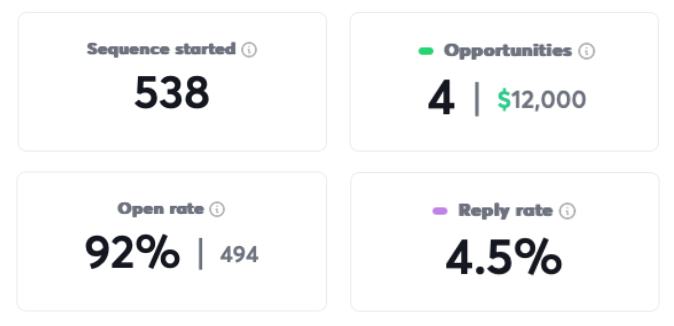
Here’s how we got 4 leads for a B2B agency in less than a week:
We hyper-targeted client's ICP
- we went further than regular firmographics
- looked at company profiles, lookalikes, “vibe” of company, etc
- also looked at buying signals (part of group, types of posts)
We perfected the lead list
- segmented leads, cleaned data
- enriched companies with industry pain points, solutions, etc
- categorized leads on a 10-point scale using GPT
- laser-focused campaign: less is more
We drafted the email sequences
- fine-tuned the outreach copy to maximize open & reply rates
- drafted 5 sequences and 3 variations for each
We diligently categorized incoming replies to maximize conversion
- out-of-office sequence
- interested sequence
Not rocket science, is it?
ps: we measured open-rate on purpose, due to being a small campaign (gained more insight on email variations & didn't lose much edge on deliverability)
2
130
19 Oct 2024
the only outbound cold email Q&A you need👇
19 Oct 2024
Something crazy happened: after 6 months of learning, testing & running cold email campaigns full-time I started posting about it on X, LinkedIn, YT & Reddit
The amount of inbound I get asking questions / for help is insane
In pursuit of karma points, I try to give helpful replies
Now I have lots of random replies so I just picked out 10 to share
Here we go:
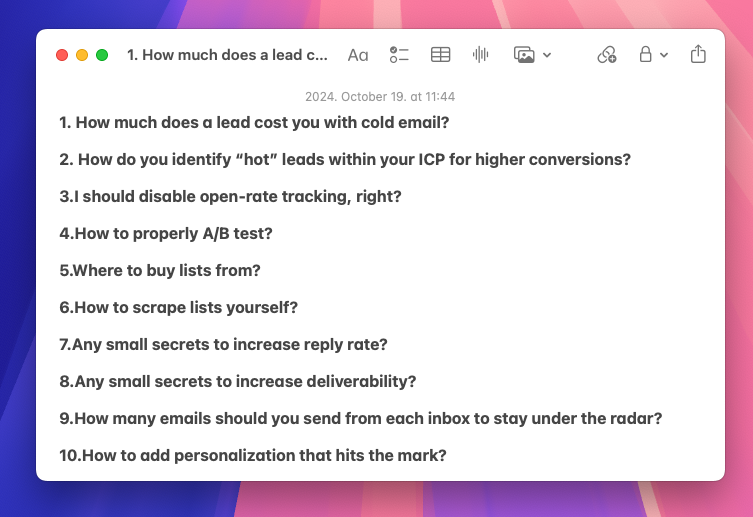
1. How much does a lead cost you with cold email?
Depends on the cold email infrastructure. Let’s take a real example:
You have 3 inboxes from 10 domains each. Each domain costs $12/y and each inbox costs $24/y. That’s $840. Say, you also pay for Instantly’s hyper growth package $97/m and around $15/m for email verification.
Provided you’re already at peak inbox capacity, you send out 900 emails per day. Counting with 6 days per week, that’s 5400 emails per week and around 23000 / m (not exact due to change in number of days in a month). If you’re sending a 5-sequence email, each month you can target 4600 leads.
Suppose you nail your lead list, with highly relevant emails: 70% open-rate, 4% reply rate, and 25% opportunity rate: you got yourself 46 warm leads. Factor in call booking rate (25%), show up rate (50%) and close rate (33%), and you’re at 2 new customers.
So, each month you pay $92 per new customer (ridiculously low).
2. How do you identify “hot” leads within your ICP for higher conversions?
Look for activity signals when scraping your leads:
- activity on LinkedIn
- activity on X
- being part of certain groups, communities
- relevant job postings
- relevant news
- YoY growth
- YoY decline
3. I should disable open-rate tracking, right?
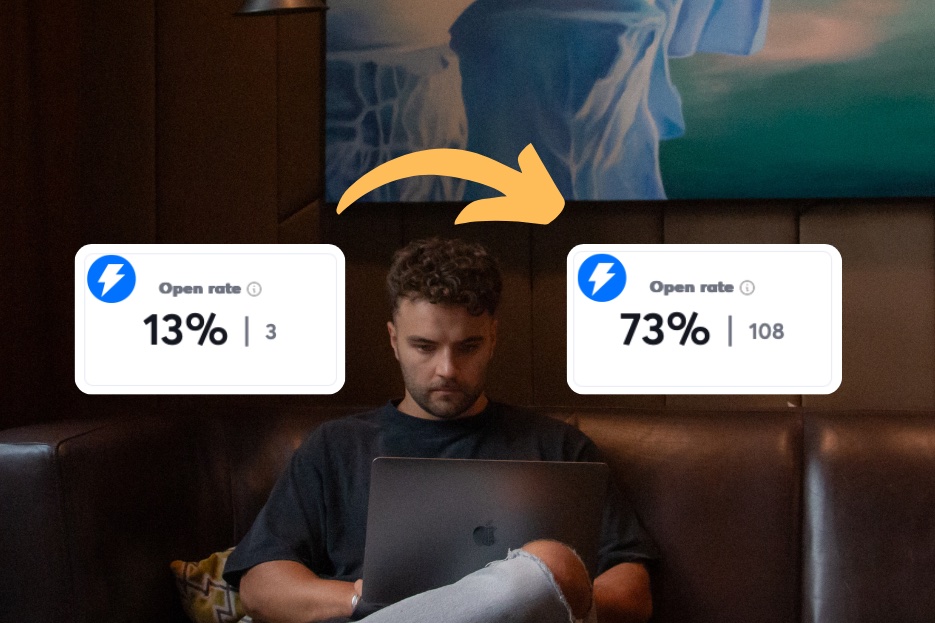
Majority of cold email gurus tell you to disable open-rate tracking, since it might cause a drop in deliverability. I haven’t experienced any major effects in deliverability, but even if it did cause a slight drop, you should use open-rate tracking (in the beginning of your campaign). Here’s why:
If you set up a new campaign with new email copy, you don’t know what’ll work and what won’t. I’ve seen many accounts of people that thought they were blacklisted (because they didn’t get any replies). Turns out, their open-rate was like 30-35% due to shitty promotional first lines. Also, when you send emails to hyper-targeted small lists, you may only get a couple of replies per email variation. At that rate, differences in reply rate may not even be statistically significant to decide which works best.
One last thought for open-rate tracking: another reason why I think open-rate tracking is doable: many corporates do use open-rate tracking internally, meaning it’s not unheard of for ESP algos.
4. How to properly A/B test?
To measure what works and what doesn’t, you need to be strategic. People forget that email copy is not the only thing you can test. But first, let’s talk about copy:
I’ve seen many cases where people A/B test 2-3 completely different email bodies with different subject lines.
Sure, you’ll know which one works best, and you can continue your campaign with the winning message, but will you really know why it performed better? No. When you have a new subject line, a new first line, a new email body, and a new CTA, you don’t know what change you can attribute your success to.
Change one thing at a time: subject line, first line, email body, social proof, ps line, etc. This way you’ll know exactly how small changes affect human behavior. And don’t stop here.
You should also A/B test sending times, lead source, geography, and so on. All the little details you can set when prospecting, you can also test.
Also, if you overuse spintaxes, it’s nearly impossible to A/B test with statistically significant results.
5. Where to buy lists from?
Generally, never buy lists from anyone. Sure, you might have a trusty guy who you can buy a list from, but the majority of Fiverr and Upwork dudes are trash. They sell lists multiple times that become overused and outdated. Maybe you buy a list of 5k prospects in the ecom space in the US. Probably one of the hottest niches in cold email. Everyone is looking for those lists. Now, imagine you’re the 3rd person blasting emails to that list. Especially if your emails are not 10/10, you’re NGMI. What also matters is that data churns fast. People go out of business, change jobs, or even, businesses might rebrand. 10 out of every 100 email addresses you have now, won’t work next months. Think about that.
6. How to scrape lists yourself?
Cheapest and easiest way you can use if you’re on a budget:
- Free Apollo account (from custom domain)
- Create search in Apollo
- Go to Apify for Apollo scraper
- Scrape unlimited leads from your Apollo list with Apify scraper for free
- Enrich your list with another Apify scraper (Linkedin decription, posts, news, etc)
- Clean your list in Google Sheet
- Using GPT Google Sheet integration, categorize leads according to whatever criteria you have, based on LinkedIn company description
- Verify list with MillionVerifier
7. Any small secrets to increase reply rate?
Define “small secrets”. Some people may think these are obvious, some never heard of them:
- start a conversation instead of instant pitching
- use a PS line
- pitch in the PS line
- don’t fake compliment
- use hyper relevant offers
- use hyper relevant copy
- think from their perspective: what would make them think “wow” this dude actually took the time to write an email to me
- when creating your offer, make it specific to recipient’s position
- when creating your offer, take marketing sophistication levels into consideration
8. Any small secrets to increase deliverability?
- experiment with everything
- don’t overdo spintaxes
- keep your domains fresh
- use mostly MS365 & Workspace inboxes
- rotate inboxes monthly
- check health regularly
- check your IP regularly
- create yourself a deliverability troubleshooting SOP
- randomize # of emails sent out each day (withing 10% range)
9. How many emails should you send from each inbox to stay under the radar?
Max 30/inbox. Ramp up slowly. Don’t stop sending emails when you run out of leads. Prepare your next batch of leads for when you run out.
Also, I’ve been thinking about randomizing the number of emails sent out each days. Probably a good thing if you wanna stay under the radar.
10. How to add personalization that hits the mark?
Look for any datapoints that you can use to answer the following question in your head: “why did you email me with your offer?”
- because I saw you’ve been promoted to SDR
- because your growth has been stagnating
- because you’re part of the “lead gen” LinkedIn group
- because I really resonate with your mission
etc
you get the point
1
2
120
Matt | TomorrowLab retweeted
17 Oct 2024
Cold email is dead
Real estate is dead
NFTs are dead
Crypto is dead
The internet is dead
Gold is dead
See? People are quick to judge things they cannot understand or cannot make work
1
1
3
177
14 Oct 2024
time to rethink client acquisition👇
14 Oct 2024
My biggest eye-opener recently?
Even giants like Hormozi, Genflow & HubSpot rely on automated outbound to fuel their growth.
I was naive enough to think millions of views & impressions coupled with strong (personal) brands was enough.
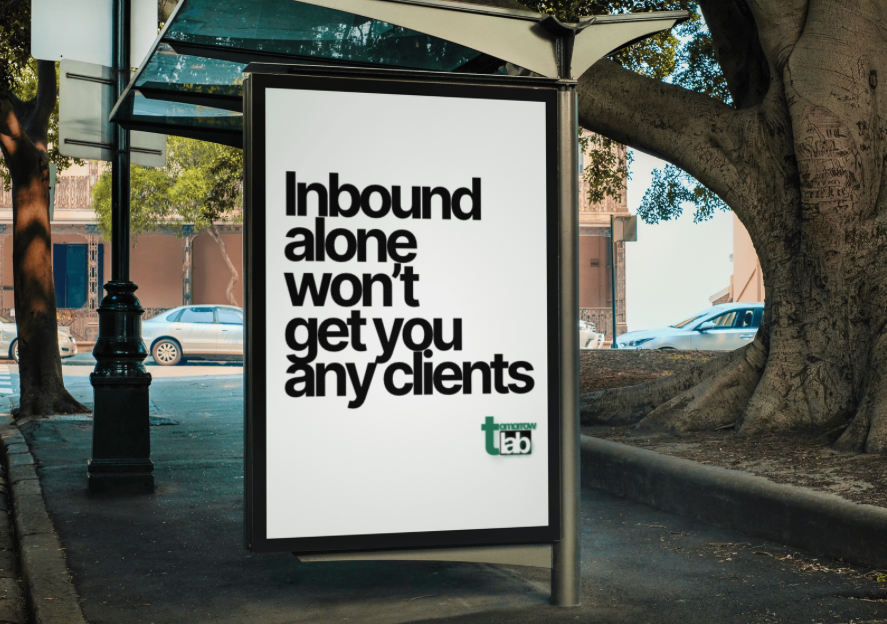
If you’re still waiting for your content to magically convert, it’s time to rethink your strategy.
Inbound marketing is great for building credibility, trust and nurturing long-term relationships. But in B2B, it is slow and unpredictable. You spend time:
- creating content
- optimizing SEO
- waiting for leads to come to you.
If you’re not getting enough clients to hit your goals, it is time to rethink your approach.
So what else is there to speed up client acquisition?
By adding outbound to the mix, you can directly target clients who need your services right now, instead of waiting for them to discover you.
And even if they do discover you: inbound is slow. Potential leads need 7-9 touchpoints before they are ready to reach out. And 7-9 touchpoints, given the unpredictability of algorithms, may only be reached after posting 40 times.
Our automated outbound system complements your inbound efforts by bringing in qualified leads consistently, ensuring you never have to rely on one strategy alone.
Ready to take your client acquisition to the next level? Book a call today on our website and let’s talk about how outbound can work with inbound to fuel your growth.
1
75
11 Oct 2024
Inbound vs outbound?
Is one better than the other? 👇🏻
11 Oct 2024
The age-old debate among marketers: inbound or outbound - which is better?
It’s almost like choosing sides in a political debate: left or right?
But the truth is, neither is the right answer.
Here’s why:
Using inbound without outbound is like opening a shop but not telling anyone - it’s there, but no one knows about it.
Using outbound without inbound is like knocking on doors with nothing to offer - people might answer, but you’re not giving them a reason to buy anything from you.
See, the point of these two channels is to be complementary to each other. When a synergy is formed between the two channels, you win:
- Inbound builds trust, outbound accelerates results
- Outbound brings them in, inbound keeps them interested
- Inbound nurtures, outbound closes the deal
- Outbound targets, inbound attracts
- Inbound plants the seed, outbound harvests it

1
89
9 Oct 2024
spoiler: nope, but the game has changed
check out the sauce of the cold email maestro 👇
8 Oct 2024
Cold email twitter declared a deliverability crisis in 2024
- So is cold email dead?
- Is it worth it to get into cold email today?
- Can you still get leads through cold email?
My take (based on operating 90-120 inboxes):
In short:
Nothing to worry about. What worked in 2023 might not work in 2024, but cold email isn’t dead.
The entry barrier is higher, but you can still avoid the spam folder, relatively easily.
ESPs are getting more and more sophisticated at catching sus activities (cold emailing), but luckily, cold email tools are able to keep up with the pace.
Here’s a non-exhaustive checklist with my time-tested insights to avoid the spam folder:
Build your lead list from reputable sources. Data churns at a 9% monthly rate. 9 out of a 100 emails that worked in September, might not work in October. People change jobs, go out of business, etc. Buying already scraped databases means you're buying static info that doesn’t get updated.
Sniper target your ICP. Don’t just filter to industry, revenue, and size, etc. Be more nuanced and granular. Activity on LinkedIn in the past 90 days, being part of lead gen groups, YoY business growth, and so on.
Use reputable cold email tools. You can’t go wrong with Instantly or Smartleads. You can get great lifetime sub deals on AppSumo, but those tools are usually full of bugs (buy them and leave them on the shelf until they become reputable enough).
Stick to .com domains. IO and AI can also work, but they’re pricier. On the other side of the spectrum, cheaper domains don’t perform nearly as well. Buy lots of lookalike domains, even if you’re not planning to use them in the near future. It’s always great to have aged domains on the shelf.
For ESPs, use a mix of MS365 and Google Workspace. Targeting corporates? Lean toward MS365. Targeting influencers on Insta? Go with Workspace. Essentially, match your ESP to your ICP. Cheap ESPs won’t work, you get what you pay for.
Buy 2-3 inboxes per domain, don’t send over 30 emails per inbox, and rotate your inboxes in use.
Your DNS settings (MX, SPF, DKIM, DMARC) are non-negotiable. Also, set profile pics, forward emails to your original domain, and use custom tracking domains.
Email warmup with a reputable tool is essetial, two weeks is the minimum, but four weeks is ideal (especially if you just bought your domains). Avoid sending emails from domains younger than four weeks - it’s an instant red flag in ESP’s algos.
Use spintaxes, but don’t overdo them, otherwise you won’t be able A/B test properly.
Personal variables are essential as well, but again, don’t overdo them. A few will cut to the chase.
Make your emails short and relevant, with subjects & first lines similar as if you were requesting a proposol for service from your prospect. Run your email copy through a spam tester & avoid spammy, overly promisy or shady copy.
Verify your email addresses, ideally with more than 1 reputable tool. Bad emails are to be deleted, catch all emails are sometimes worth a shot with dedicated burnder domains in a separate campaign.
Monitor your email DNS settings and email health regularly.
Test, test, test. Never stop testing. Your campaign metrics are not in a zero-sum relation with each other. One campaign may have a higher open rate with lower reply rate, while another may have a lower open rate with a higher reply rate. Which one would you choose?
Example: maybe including your landing page link in your signature will harm your deliverability, but at the same time it might improve your reply rate. You never know.
Follow cold email moguls every day. Set up a list for them on twitter and linkedin. ESPs are getting more and more sophisticated every day, so you have to know the ins and outs of the game to keep up.
Any other tips to add?
6
326
Matt | TomorrowLab retweeted
15 Aug 2024
making these mistakes costs you real money
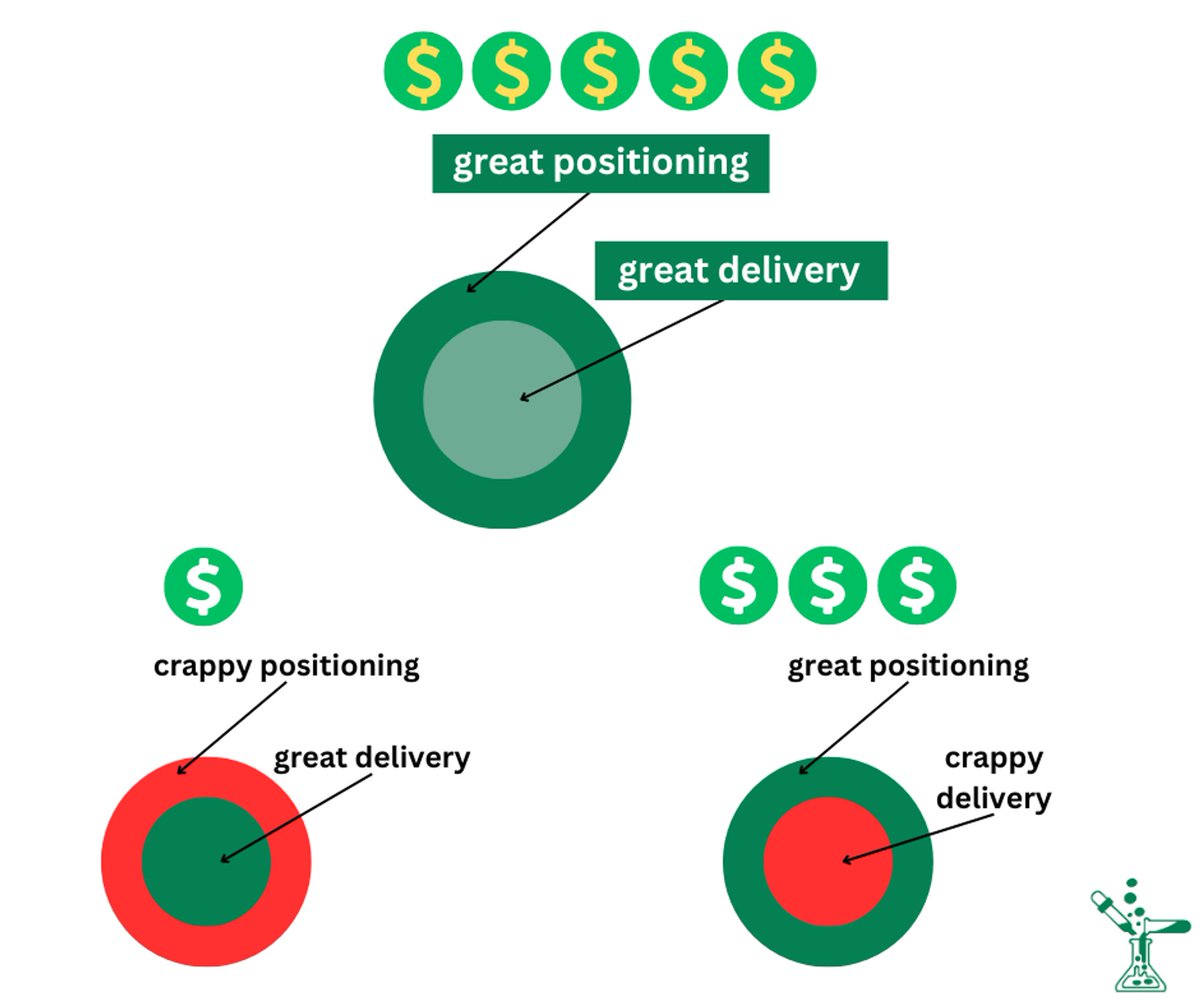
not focusing on both delivery and positioning of your offer -> costs you money
it's like not wrapping up a Christmas present
let me show you how to have a winning offer:
1. focus on results
customers don't want your product, they want the RESULTS that your product does
marketing should be result/outcome oriented
2. show understanding
make your sales prospects feel understood, make a connection
imagine you've got a problem, don’t have the answers, so you just wanna talk about it with someone, need a listening ear - you're gonna choose your best friend, who may not have the answers, but is a good listener
3. simply the offer
don't add more stuff (it can lead to a bad offer)
the bigger the product, the bigger the distance to the results!
4. client journey
it should be clear and easy to follow
5. simple to understand
"a confused mind never buys"
don't give too much during a 1:1
6. premium pricing (high-ticket)
higher prices mean more commitment and better & quicker results
it's easier to find 1 person to invest 5000$, than 10 to invest 500$
remember:
delivery - what they're getting
positioning - it sales the delivery (wraps around delivery)
delivery positioning = $$$
3
2
8
359
Matt | TomorrowLab retweeted
23 Aug 2024
Gymshark offered her millions for her app & brands
she turned them down
now, her companies earned $10M last year
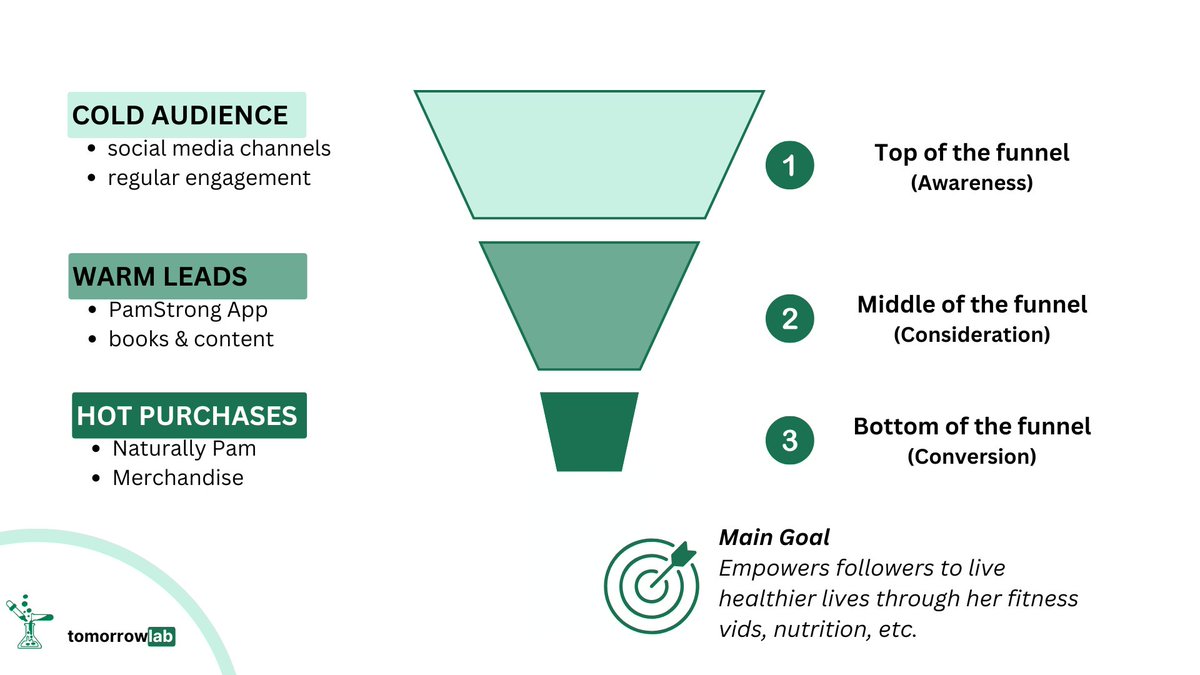
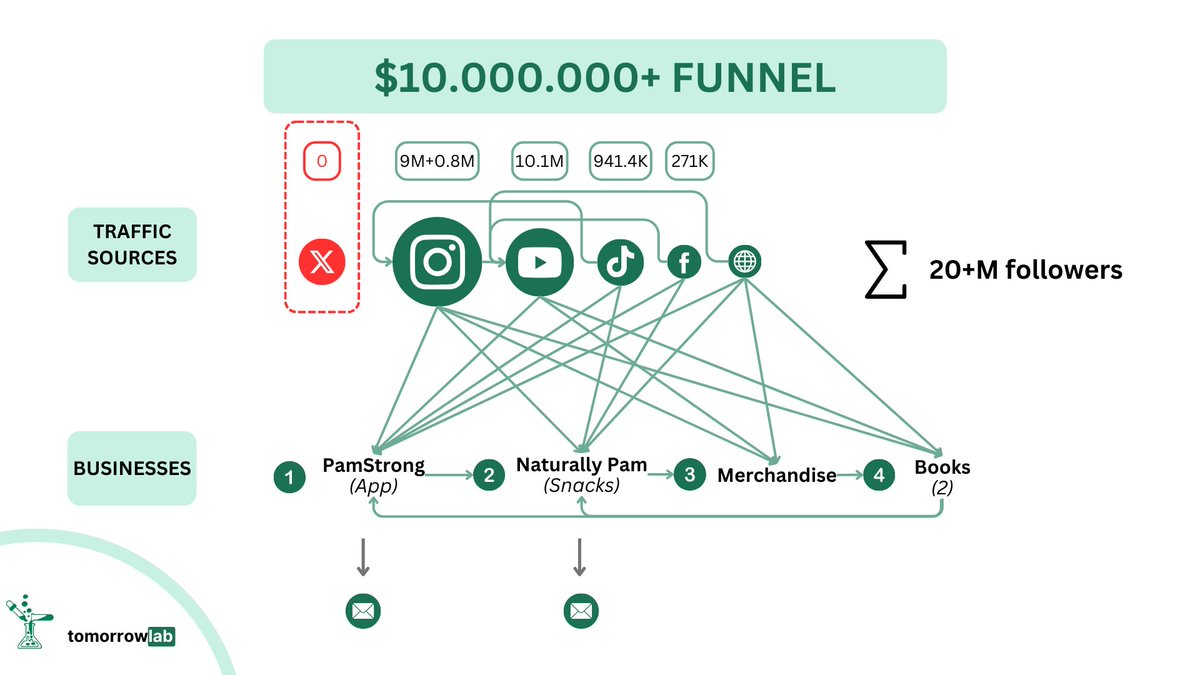
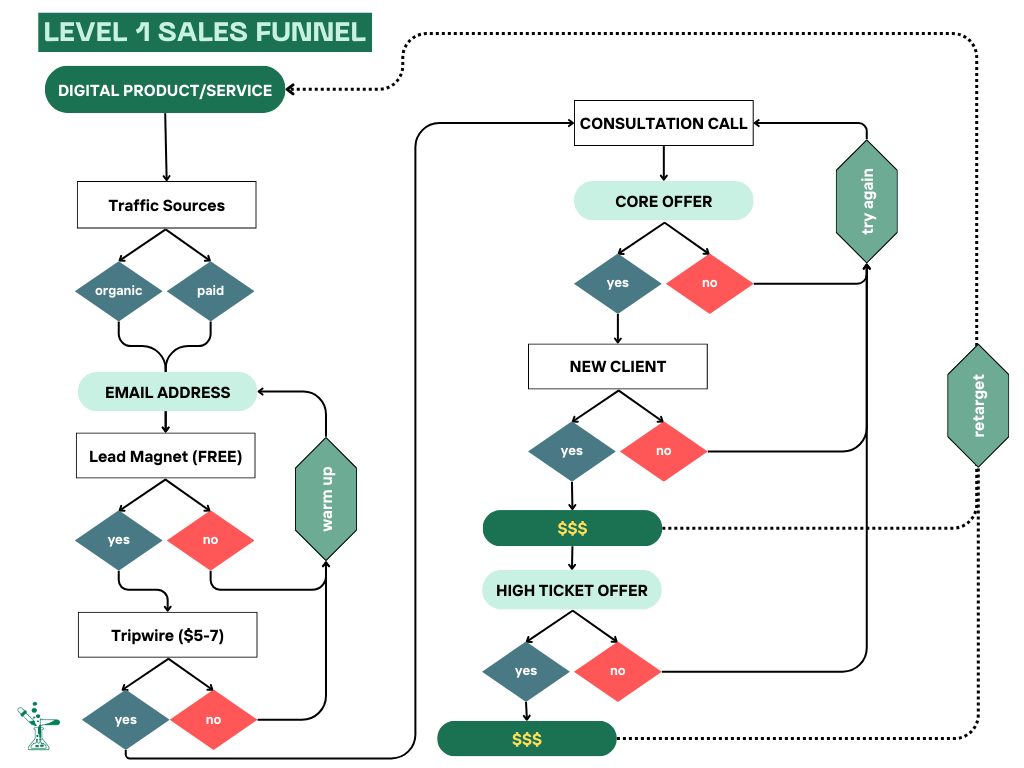
Here's Pamela Reif's million dollar sales funnel:
5 lessons about her strategy:

4
1
6
1,410
23 Aug 2024
Gymshark offered her millions for her app & brands
she turned them down
now, her companies earned $10M last year
Here's Pamela Reif's million dollar sales funnel:
5 lessons about her strategy:
4
1
6
1,410
23 Aug 2024
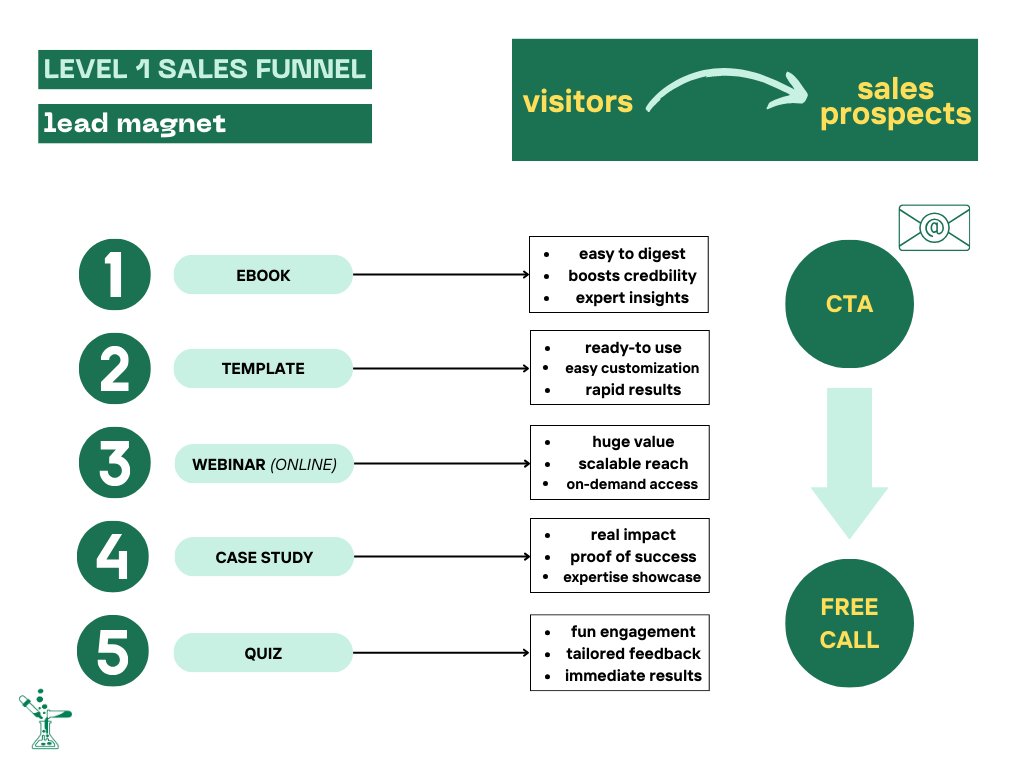
5. upselling options
introduce lower-cost products first, then gradually offer high-ticket items to increase customer investment.
1
2
117
23 Aug 2024
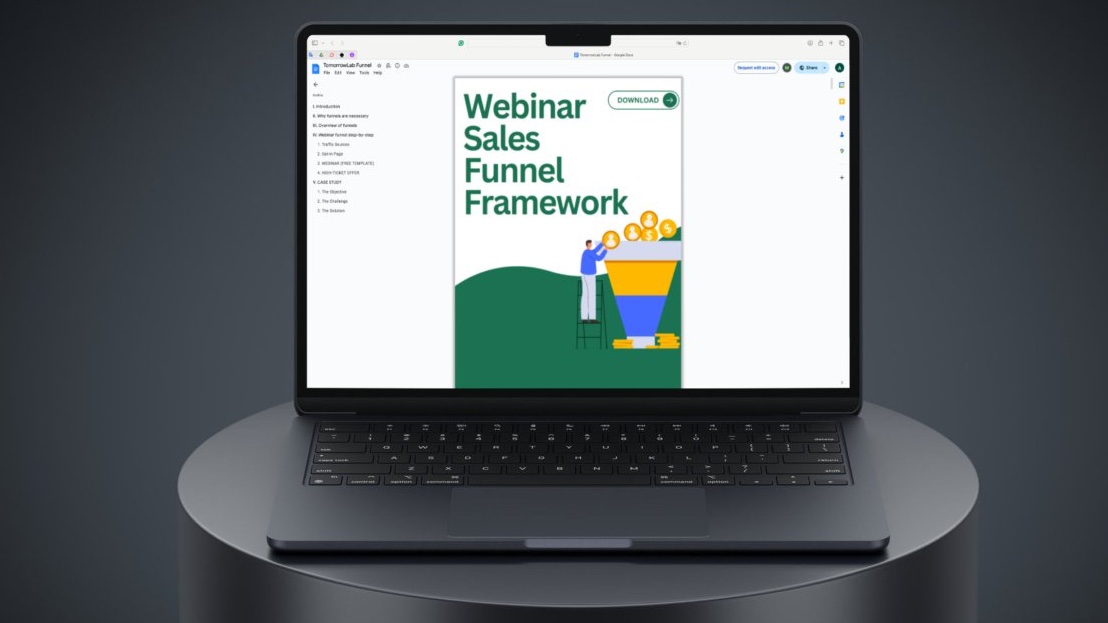
1 wanna know more about sales funnels?
Check my framework⤵️
17 Aug 2024

My 3 clients made $100,000
in only 30 days
the secret? growth hacking with webinar sales funnels
now, I'm sharing the framework for FREE
do you want it?
1. like this post
2. comment what your business is
3. follow me so I can DM you the SAUCE
Huge bonuses are included!
don't miss it - It's available for a limited time only
1
125