
Investor in emerging market real estate, equities & bonds. On the ground in CEE since 2015. Also work with clients to access superior opportunities abroad.
Joined March 2012
- Tweets 5,558
- Following 131
- Followers 9,872
- Likes 22,614
2,319 Photos and videos



Pinned Tweet

Thank you for the new (and existing) follows 🫡 Sharing a bit about me.
Background
- No formal background in finance. Worked in tech startups (2015-2021). Quit during the 2021 crypto bull market to focus more on private investing.
- Was in crypto 2019-2025. Did OK and learnt a lot on how finance works in the DeFi world. x.com/MacroJason/status/2019…
- Early 30s. Lived across 3 parts of the world. A multilingual and multi citizenship 'globalist' who ironically distrusts globalism and buys into a good amount of associated conspiracies.
What I invest in now:
I'm a top down macro investor. I identify themes and countries I believe in, then select the most assymetrical investment instrument to express that view.
1. Romanian and Polish real estate: my primary position. 20%> AAR since 2018. x.com/MacroJason/status/1887…
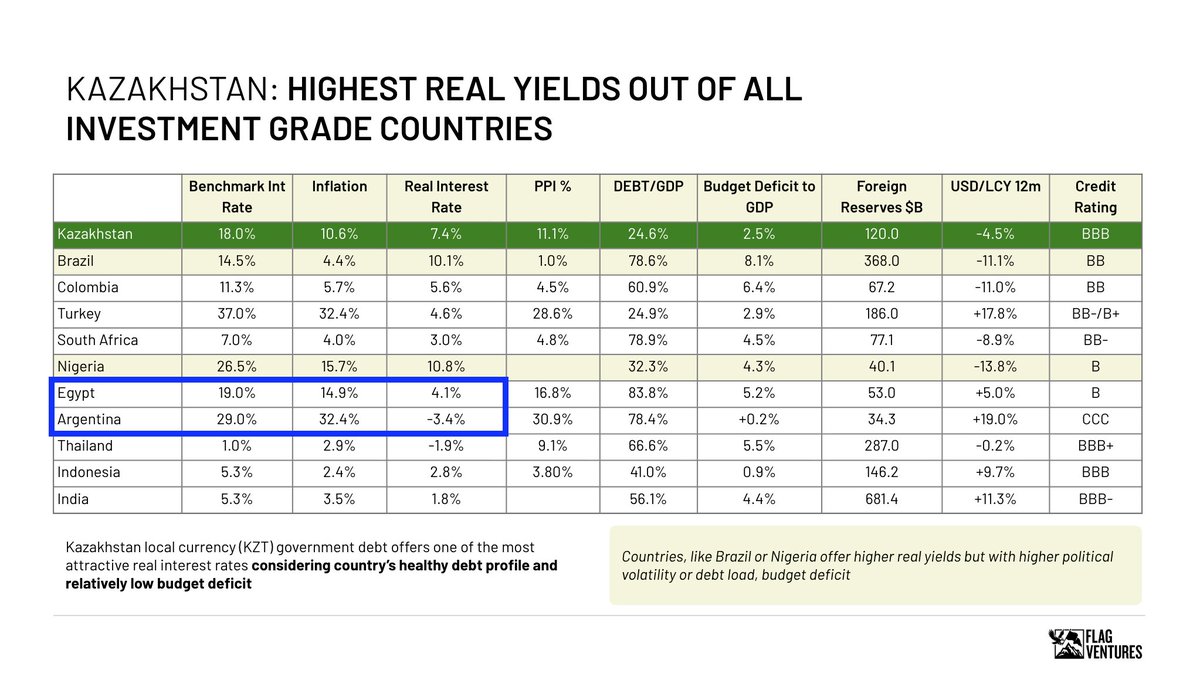
2. High yield fixed income: began investing after the Ukraine war started in 2022 and yields spiked especially in Eastern Europe. From Hungarian, Romanian and Kazakh sovereign debt to Uzbekistan corp bonds at 29% YTM
flagventures.com/blog/xycf30…
3. Global equities: concentrated portfolio on energy, shipping and Kazakhstan banking. I attribute a good amount of my high returns to date to beginners luck. Will be happy if my returns averages out at ~20% AAR overtime. x.com/MacroJason/status/2039…
📩 I have a private newsletter which you can subscribe to for free. I do the opposite of spamming. I'm lazy with newsletters and sent out around 4 last year. flagventures.com/

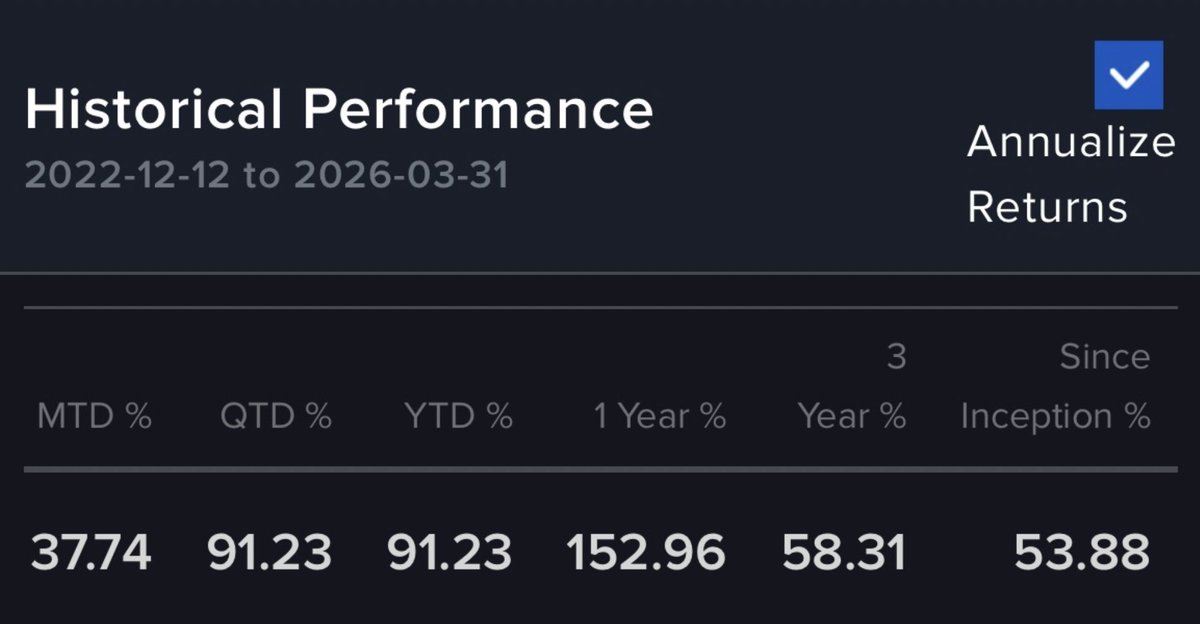
Wrapped up first quarter 2026 with 91.23% YTD returns on my equities portfolio.
Current holdings (not much changes since start of year):
Oil & Gas: $PBR, $VAR, $ARX.TO
x.com/MacroJason/status/2029…
Coal: $TGA.L, $YAL.AX
x.com/MacroJason/status/2031…
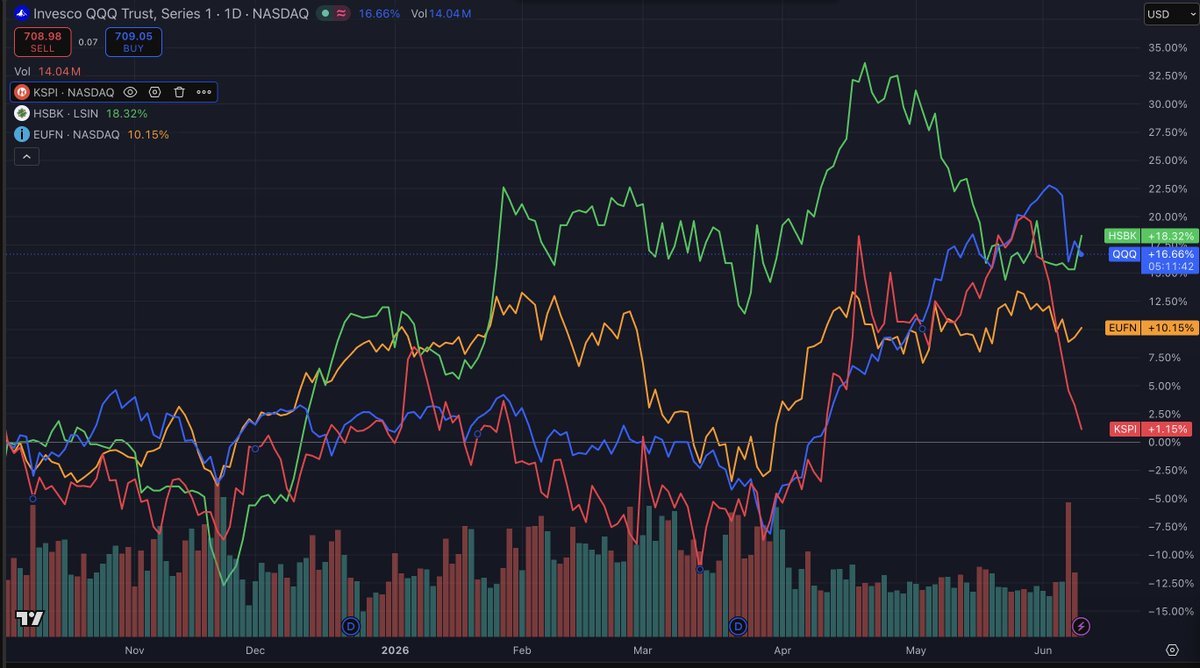
Kazakhstan banking & fintech: $HSBK and $KSPI
x.com/MacroJason/status/2028…
Shipping (RoRo): $HAUTO, $WAWI
x.com/MacroJason/status/2018…
Chinese shipping ports: 1199.HK, 144.HK, 6198.HK
x.com/MacroJason/status/2038…
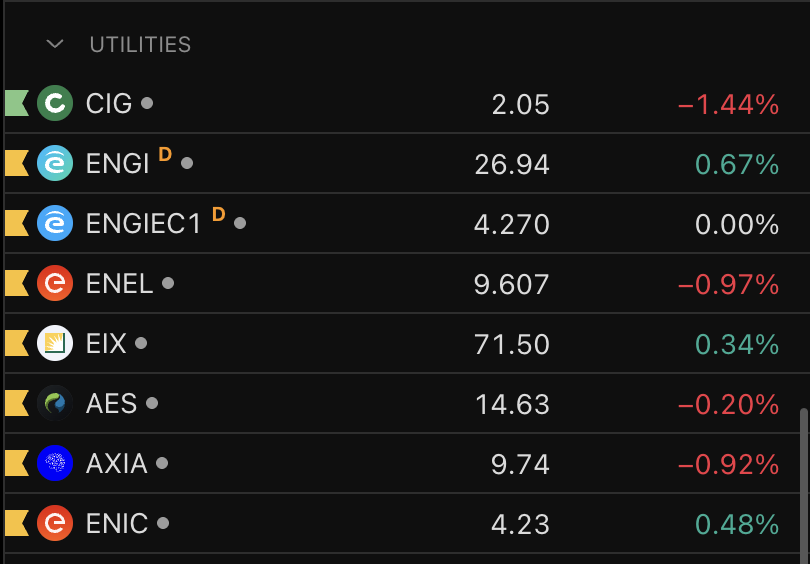
Got rid of small positions in $CIG and $NVO.
1
7
153
157,802
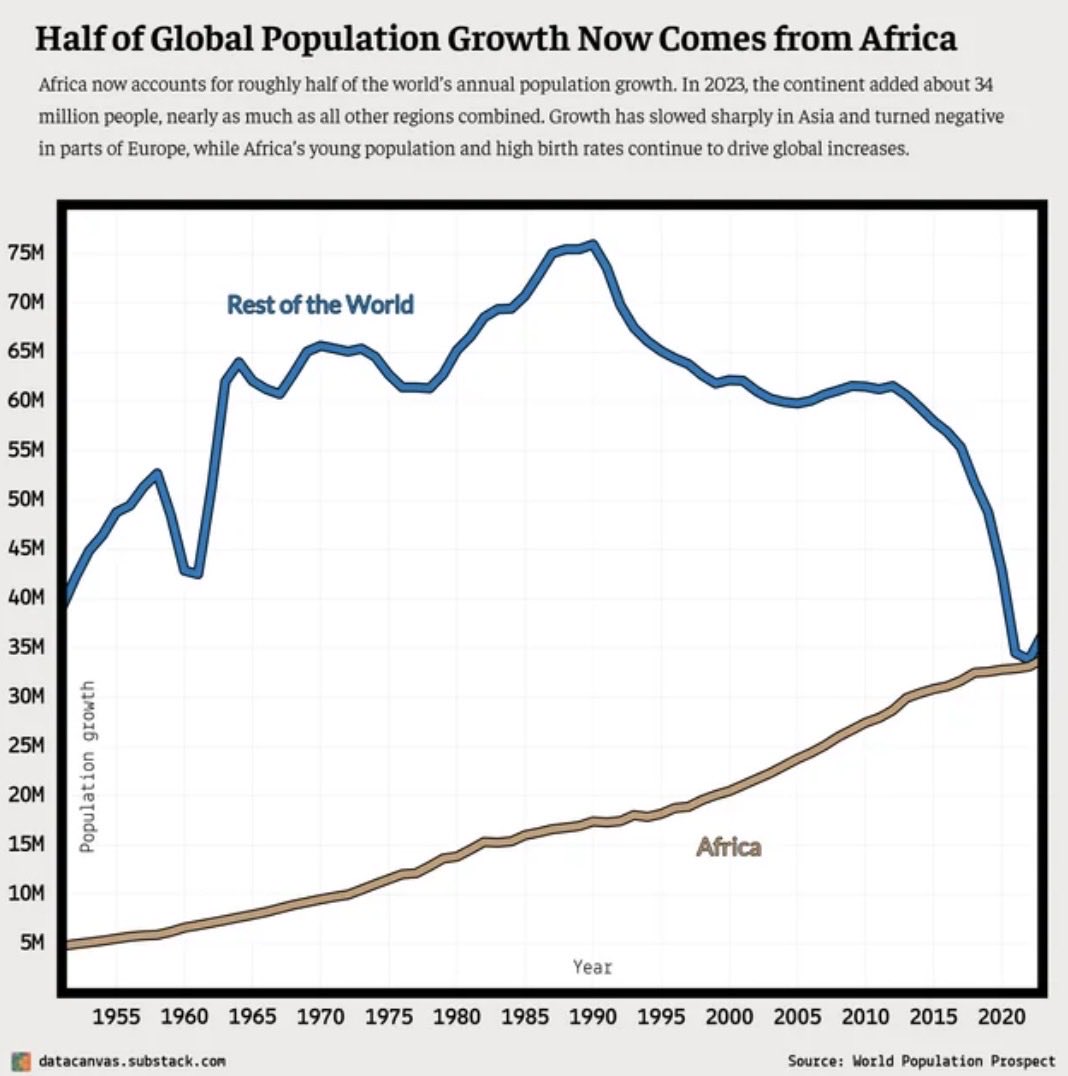
Just learnt that Nigeria's population is 11x the size of Kazakhstan. Nigeria's proven oil reserves is 20% higher than Kazakhstan's.
Yet - the nominal GDP of both countries is nearly the same. I.e. on a per capita basis, Kazakhstan is 11x higher 🤯
#Kazakhstan's foreign reserves are also 3x higher. Both debt and deficit lower than Nigeria's. But Nigeria's 10 year local currency government bonds trade at nearly the same yield as Kazakhstan's 🤔
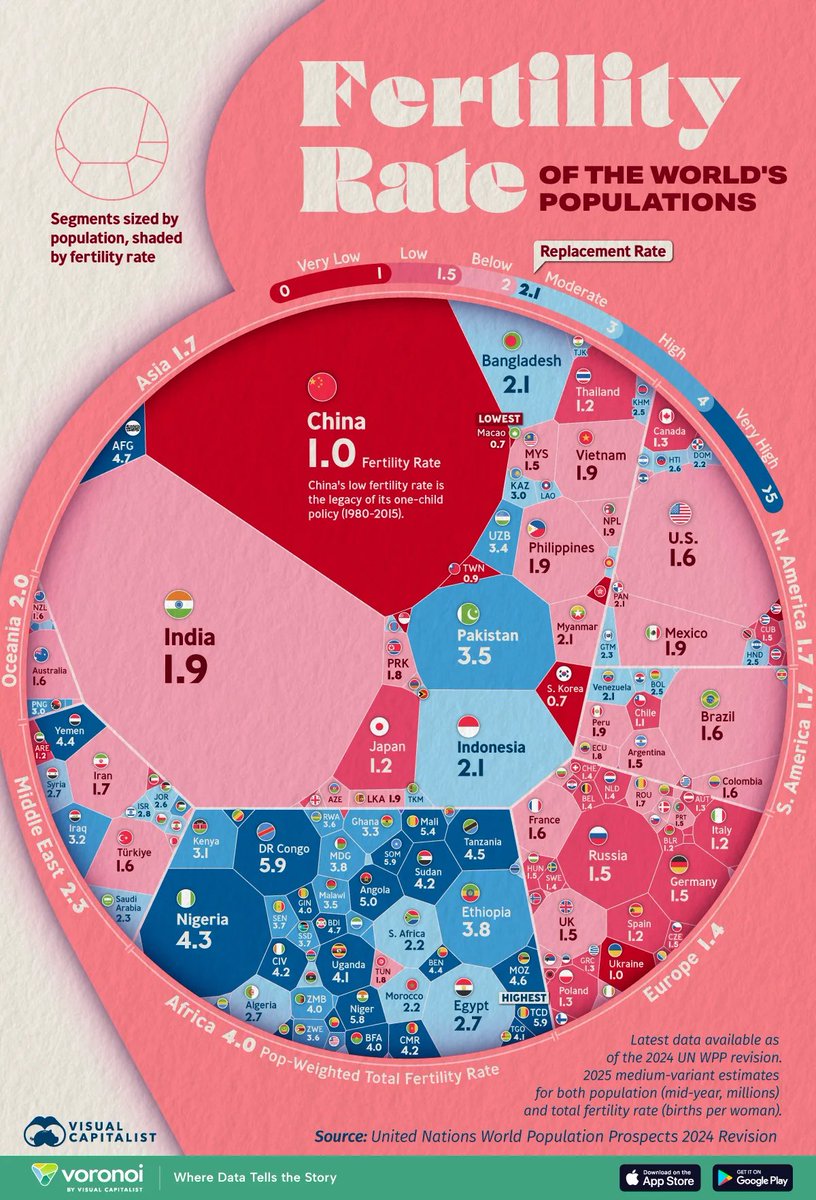
On IQ, fertility rates and emerging markets (and what makes Kazakhstan & Uzbekistan unique) 🇰🇿🇺🇿👇
It is shocking to me that so many economists and investors simply say 'high fertility rate = good', with zero regard for median IQ. I hope they are just being politically correct but I fear a good % of them genuinely do not understand.
Median IQ represents the human potential of a country, which is genetically capped. As the East Asia and Eastern Europe growth stories show us - human potential is even more important than natural resource wealth. Many resource rich but IQ poor LatAm and African countries end up being poor and dysfunctional.
If you have a highly fertile country that is low IQ and especially with the development of robotics & AI - it is a net negative. Your country has an increasing amount of economically unproductive people to take care of.
As a foreign investor, you should be careful parking your wealth in such countries as you become the easy target in desperate times.
Looking at the entire world - there is currently only one country with a high population replacement rate (TFR 3>) that has a median IQ of 90 - that being #Kazakhstan. Clinically speaking (using the Pearson Wechsler scale) - 90 is the minimum to qualify for 'moderate' IQ.
#Uzbekistan's TFR is higher at 3.4 with a median IQ of ~86 which is 'low average' on the Wechsler scale.
No exaggeration - ALL other high fertility countries are in the 70-79 range (borderline intellectual functioning), 60-69 range (extremely low) or 50-59 range (mild intellectual disability).
Whilst IQ is mostly determined by genetics, there is an environmental factor too (likely 5-10 points). Considering the ethnic make up of Kazakhs and Uzbeks, IMO it is reasonable to assume that with better education, diet and healthcare - they can reach low 90s median IQ (near Balkans and Southern Europe).
Reasons:
- Estimated genetic composition of Uzbekistan: Iranic (50%), Turkic Steppe (35%) and East Asian / Mongol (15%)
- Estimated genetic composition of Kazakhstan: Iranic (20%), Turkic Steppe (45%) and East Asian / Mongol (35%)
- Thus the genetics are not bad: Iranic countries have a median IQ of 85, Turkic Steppe at 89 and East Asian / Mongol at 98. The Kazakh and Uzbek diets are also much more protein rich than other frontier markets. The Soviets left behind a healthcare and education system that is decent.
Additional notes:
- Kazakhstan's current median IQ (Richard Lynn, 2019) is skewed upwards due to ethnic Russians (~100 IQ) making up 15% of the country. However KZ's current fertility growth is mainly driven by ethnic Kazakhs. But with a ~5% annual GDP growth and ~10% annual average salary growth, IMO they can make up for it with environmental factor improvements.
- Uzbekistan is much more ethnically homogeneous with under 4% ethnic Russians. Thus their existing median IQ figure is more accurate than Kazakhstan's.
- Unlike Southern Europe & Balkans, these two 'stan' countries do not operate on liberal democracy - which is more optimal for governing a low to mid 90s IQ society. As we see in Southern Europe, low to mid 90s IQ population combined with liberal democracy leads to socialism, high debt and demographic replacement to fund pension ponzis.
Summarizing the combination of fundamental factors that makes Kazakhstan and Uzbekistan one of a kind:
- Moderate median IQ
- High fertility rate
- Natural resource wealth
- Geopolitical neutrality
- Healthy level of spirituality via Islam but without radical elements
- A mode of governance that works for them
- Moderate Islam as a spiritual and cultural anchor, with a government deeply committed to secularism
I am not aware of any other emerging markets that offer this combination. I will explore the key risks and limitations of 'stan countries' in future posts.
🇺🇸 Related: my thesis on why the US demographic future is even worse than Europe and China 👉 x.com/i/grok/share/d4ede18e2…
3
2
16
3,564
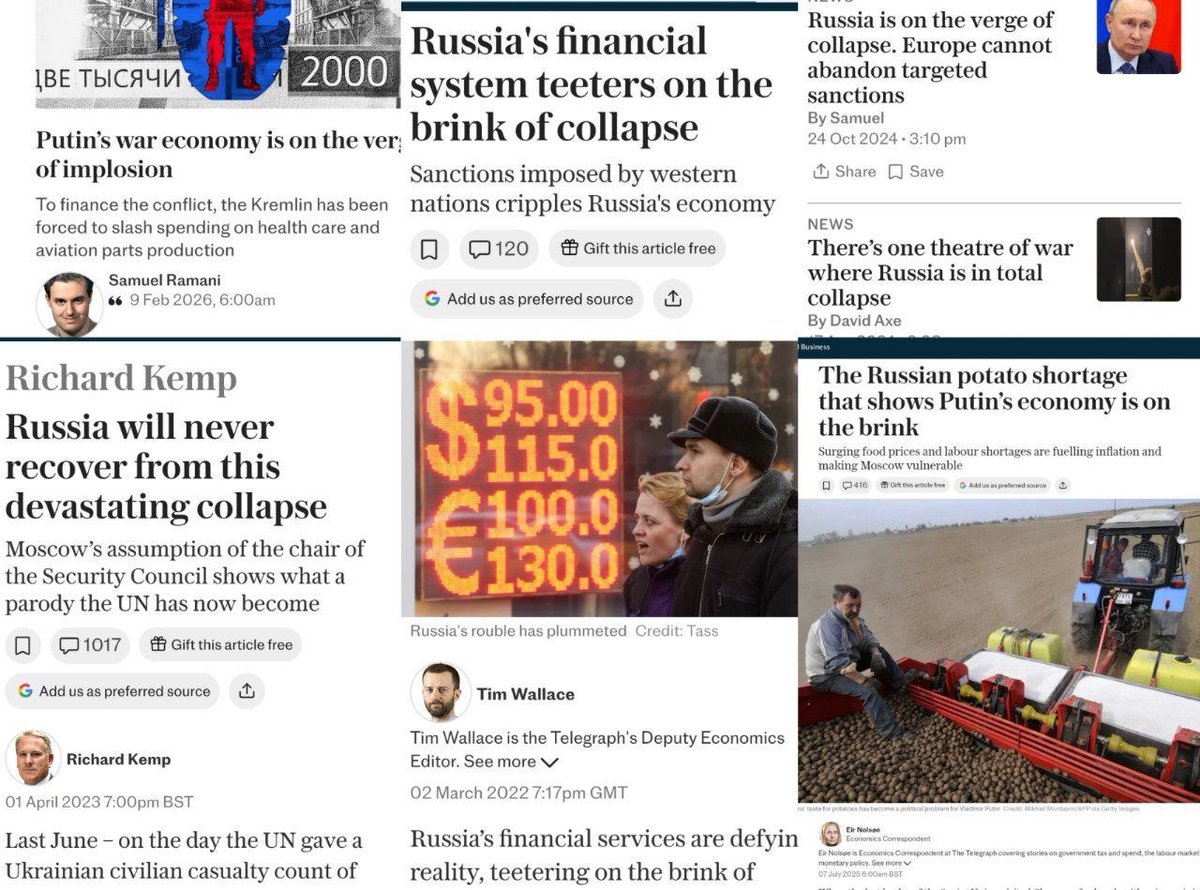
One reason certain CIS assets trade at a discount to other EMs is that many have been mislead about Russia's economic situation. They also over-estimate the 'Russia risk' in places like Kazakhstan and Uzbekistan.
Financial media like Telegraph and WSJ still have meaningful sway - not just in the West but even neutral places like HK, Singapore, UAE.
Ironically these Central Asian countries may well have on net benefited from the war: re-directed trade flows, re-structuring of entities to avoid sanctions, high quality migration (RU IT workers), huge increase in remittances and increased geopolitical importance on the global stage.
x.com/BrianMcDonaldIE/status…

Few institutions believe in Russia’s imminent collapse more passionately than London’s Telegraph newspaper.
1
363
I wonder if God wanted us to sit by and let Africans starve and die of basic diseases that they could not themselves find a solution to (natural selection) OR to intervene as we did.
Jun 12

Sending infinite food and money to Africa was the greatest evil of my lifetime. The amount of human suffering is 100 times more now that it would have been by allowing Africans to undergo evolutionary selection. Playing God always ends badly.
3
1
12
1,462
RT @MacroJason: If you are reading this post - your IQ is likely above 95. This means you have greater intellectual abilities than 80% of t…
13
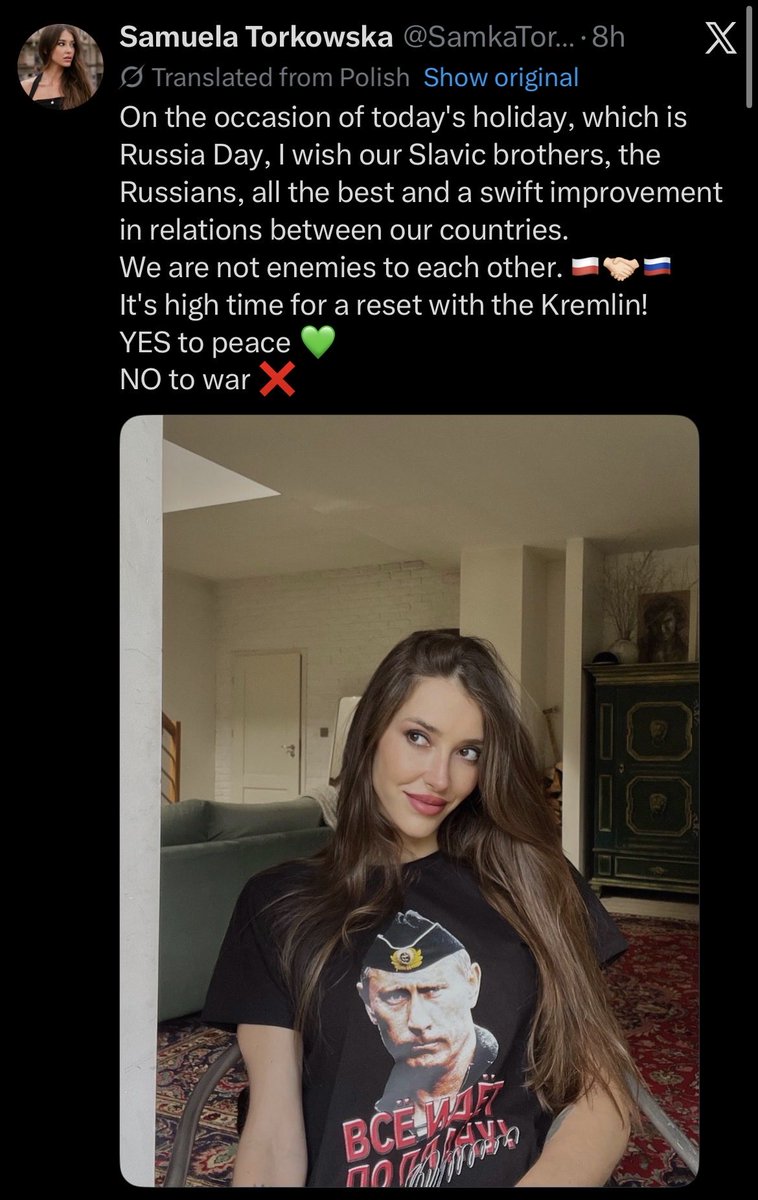
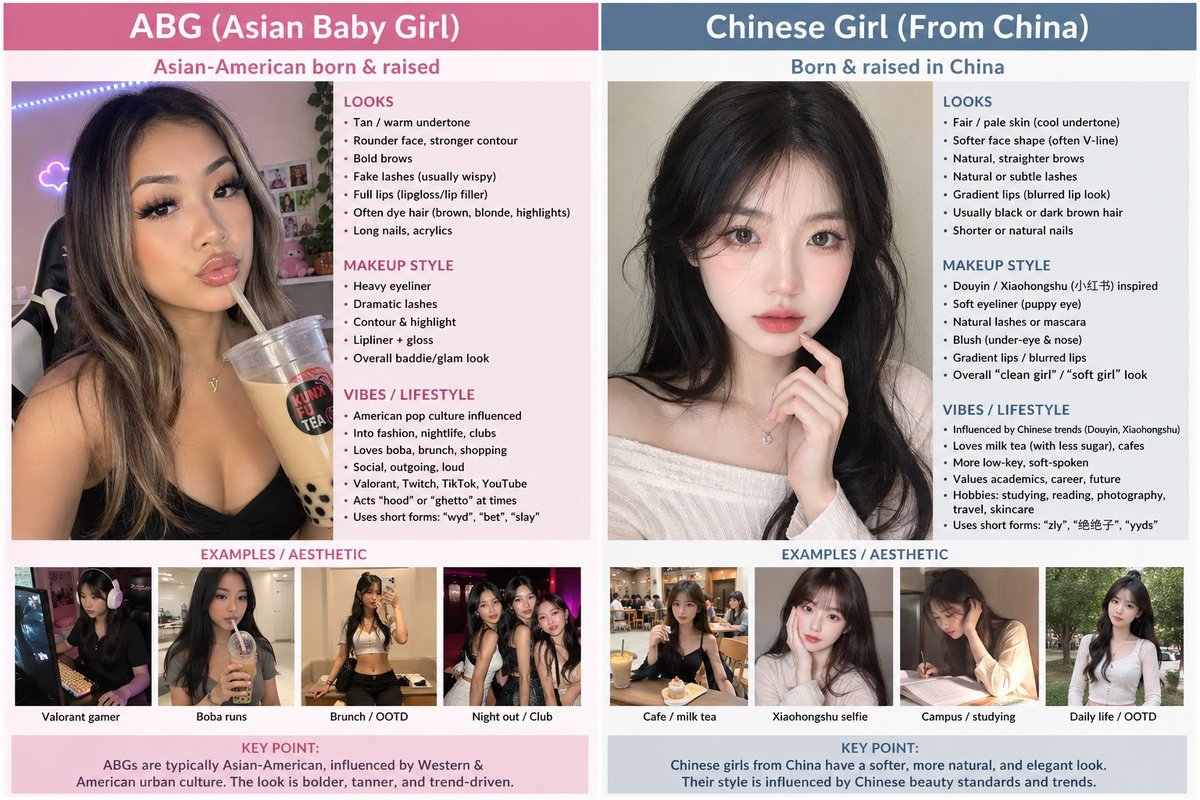
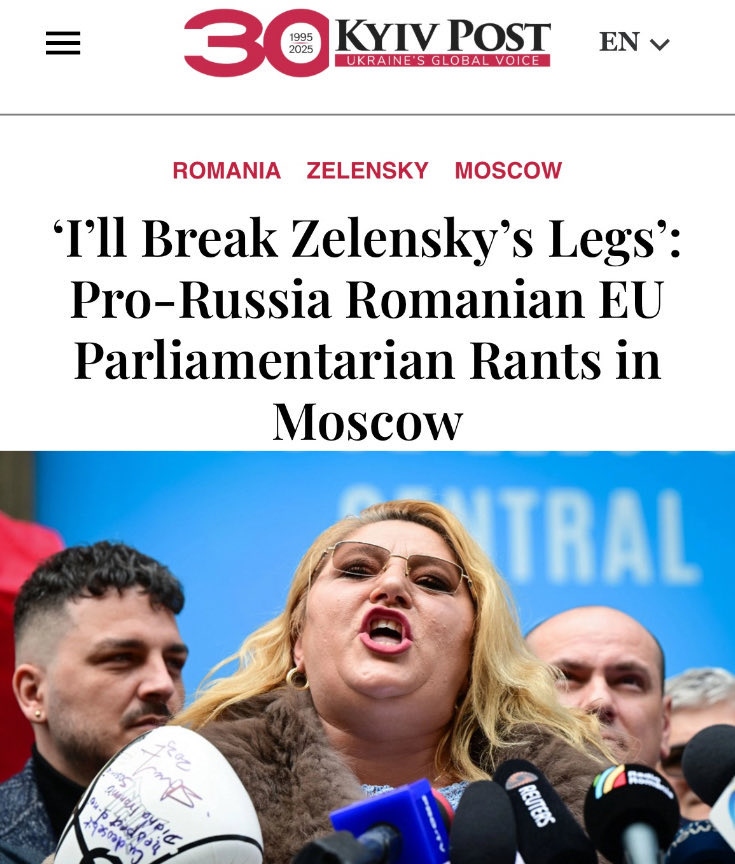
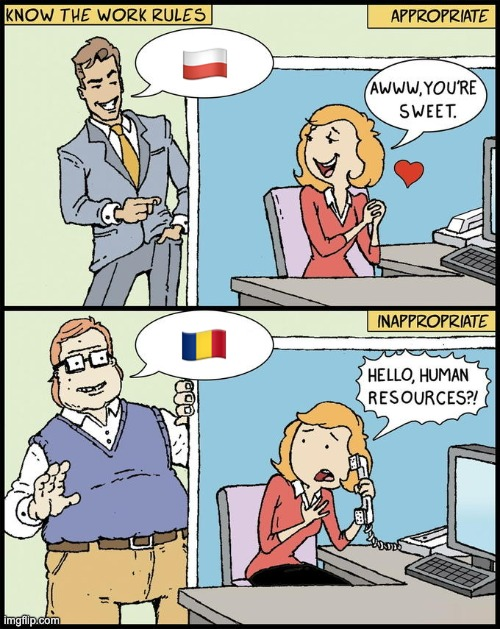
Poland’s ‘far right pro Russia’ e-girl vs Romania’s. Yet another example of Romania’s ‘bad optics’ problem.
In so many of these metrics where Poland is ranked 1st - Romania is often right behind (or ahead). But you rarely hear about it. Examples 👇
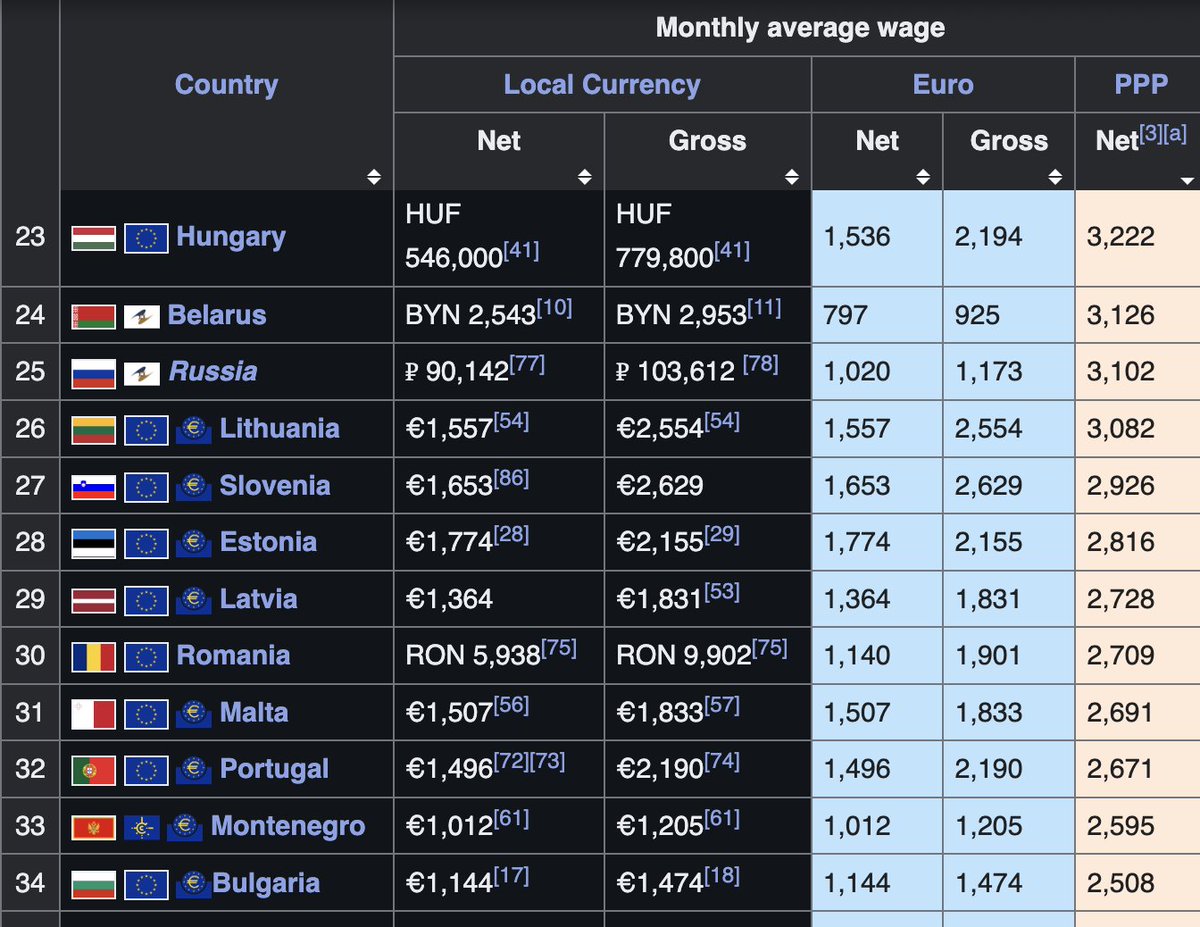
- Polish average salaries grew 2x in last 10 years. But it grew 3x in Romania.
- Adjusted for inflation, Poland's income per capita is up 90% since 2004. Romania is up near 140% (top in EU). x.com/EU_Eurostat/status/199…
- Polish equities index $EPOL had an amazing last 12 months up 30%. But Romanian equities index #BET is up 88%.
- Most international financial headlines on Romania talks about it's deficit situation. Poland's deficit is no better but we rarely hear about it. x.com/MacroJason/status/2047…
- Romania hasn't defaulted or restructured a sovereign bond in 93 years. Poland did so 44 years ago. linkedin.com/feed/update/urn…
- Poland's English proficiency is impressively ranked 15th place globally. But Romanian is ranked 11th. (Similar on IT talent per capita).
- Poland is one of the more energy independent countries in the EU. But Romania is the largest nat gas producer in the EU. x.com/MacroJason/status/2036…
I'm still developing my thesis on why Romania is so over looked relative to Poland by international investors. Some existing ideas 👇
- Lower quality governance and institutions (though the reality is that over a long enough timeline, the quality of the government reflects the quality of the people)
- Polish cities and infrastructure is shiny and modern. Romanian infra seems at least 30% behind. You sense it from the moment your land in the airport.
- Gypsies really caused a lot of damage to Romania's reputation abroad.
- Overall lower sense of civic duty, discipline and reliability across the society. More 'leaving things till the last moment' and corner cutting mindset. (Maybe Poles are better with these things as they traded with Germans more historically).
Despite the above, I still see deep value in certain Romanian assets vs Poland. If you followed my account for a while you know what I'm doing with my own portfolio (gradual rotation from Poland to Romania since 2022 👉 x.com/MacroJason/status/2043…)
On top of above, there is a crucial area that I think Romania (and Balkans) has a higher potential of leading Poland in over the coming decades: geopolitical flexibility in a multipolar world. Will leave it to a future post.
4
4
46
8,651
I think a 'real' Iran peace deal and a Ukraine/ Russia truce is both much more likely to happen than Ukraine joining the EU.
Even liberal / pro EU CEE politicians (Tusk, Magyar, whoever is the Romanian PM of the month) behind the scenes does not support Ukraine joining the EU - for the simple reason that it will divert EU funds away from their countries and lead to more competition on agricultural goods.
Jun 12

Today, the European Union took a major step forward.
All Member States agreed to open the first accession negotiations cluster with Ukraine and Moldova.
At the first Intergovernmental Conference on Monday, we will open the cluster on fundamentals; the backbone of the accession process.
It covers the core values and principles on which the EU is built, from the rule of law to strong democratic institutions.
This is a recognition of the determination, courage and hard work shown by both countries in advancing reforms, even in the face of immense challenges.
And a signal that the EU’s offer of peace, stability and opportunity is unmatchable.
Enlargement is a strategic choice.
By bringing our nations closer together, we strengthen peace, security and prosperity across our continent.
In a world marked by growing uncertainty, a larger European Union is in our common interest.
Enlargement remains one of the EU’s greatest success stories and our best investment in our shared future.

2
1
15
2,051
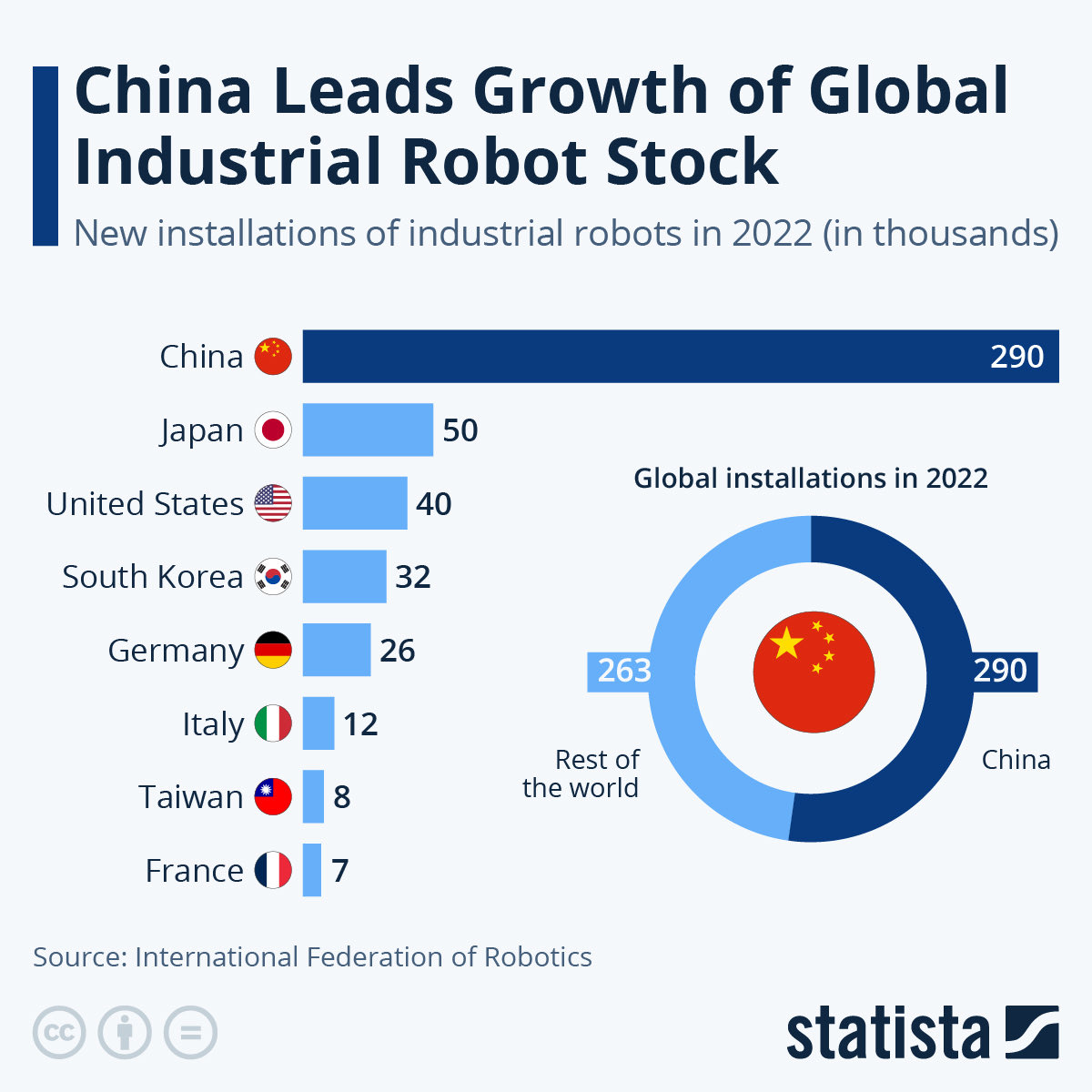
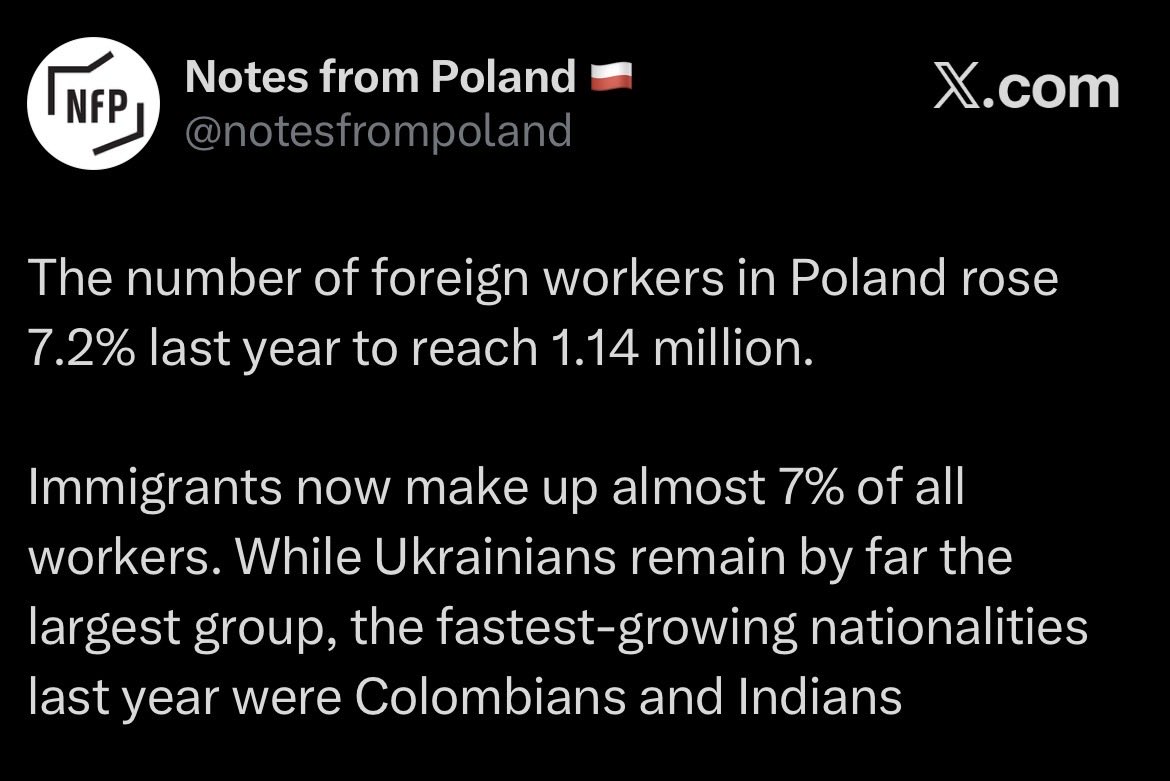
‘Developed countries with shrinking populations AND xenophobic immigration policies will be the real winners' - Larry Fink
Blackrock's Larry Fink also made an incredibly interesting point in late 2024 that I think did not get the attention it deserves.
Fink said developed countries with shrinking populations AND xenophobic immigration policies will be the 'real winners'. As they will rapidly develop robotics.
Indeed seems the case with East Asia (especially China) and Russia (where Yandex robots are increasingly used to deliver food).
Rest of Eastern Europe is an interesting one - probably 'xenophobic' by Fink's definition but not developing robotics either.
2
25
2,041
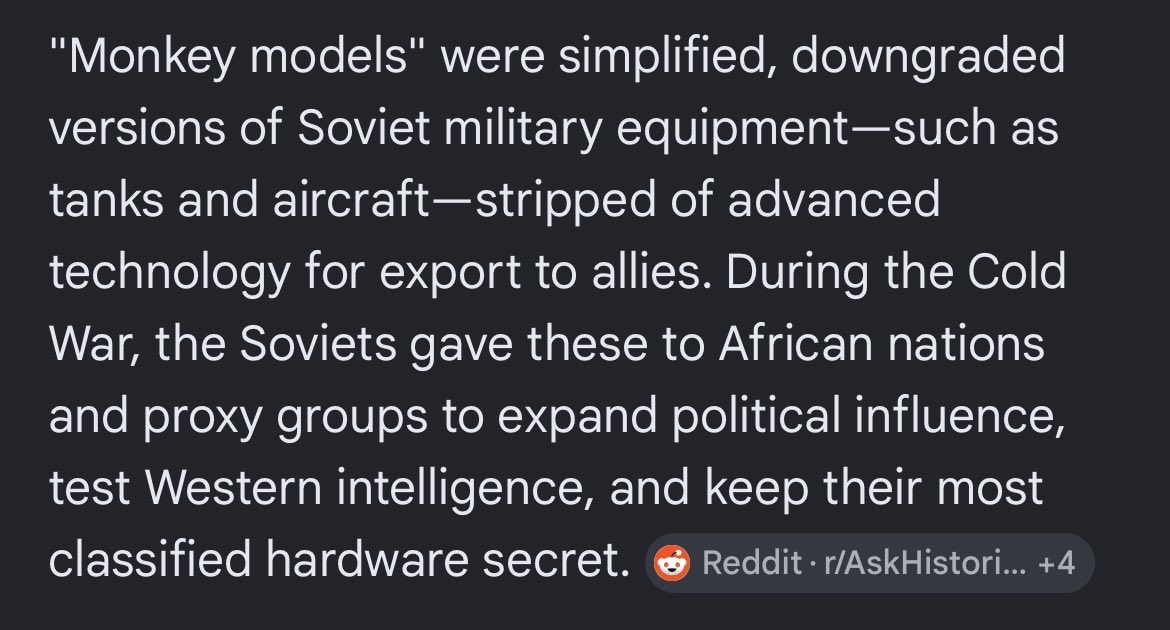
Russians probably gave Andrew Tate some ‘monkey model’ guns to play with. That’s typically what they give to Africans.

1
11
1,551
Always good to know the country you’re invested in values law and order

10
1,906
RT @MacroJason: All stocks I currently own with dividend yield and P/E (forward vs TTM).
Cheapest name I own is $PBR at 4.39 forward P/E a…
3
The general rule with Chinese exports (such as EVs) is that the best models are only avaliable for domestic consumption. Exports are of lower quality with an inflated price tag.
13
47
841
78,500
Suspiciously high bookmarks to likes ratio btw
12
1,559
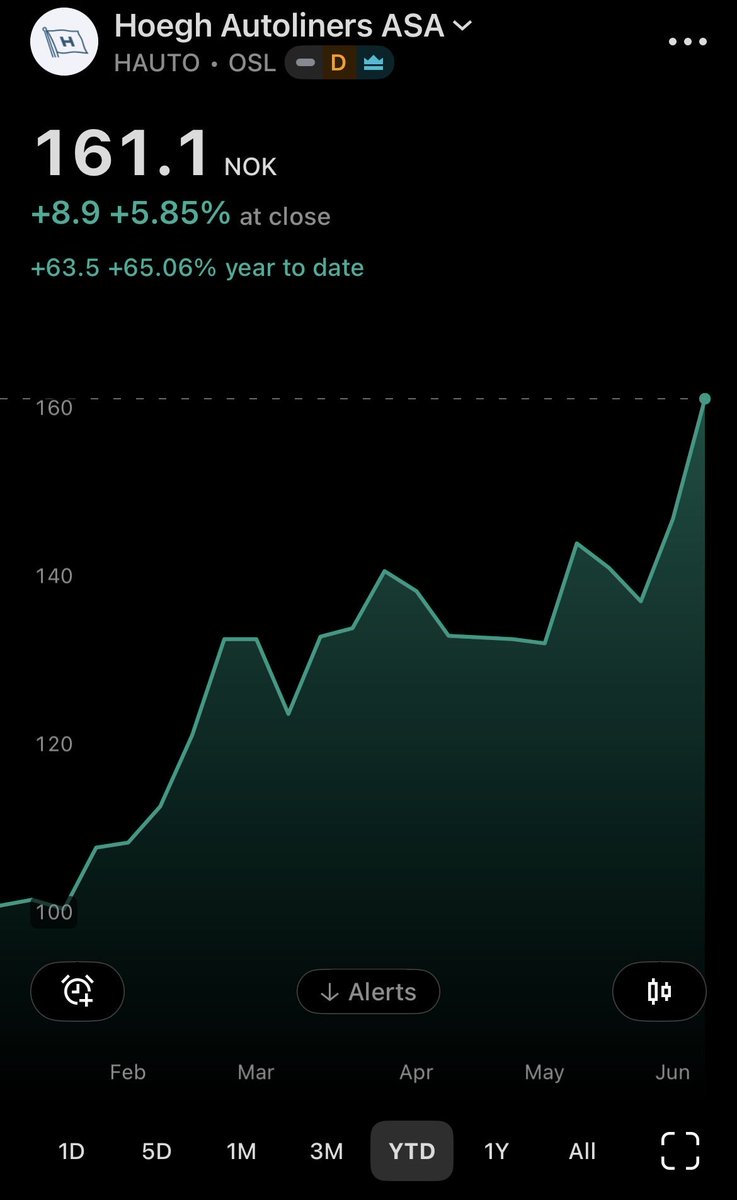
One of my best performers YTD is a Norwegian shipping company trading at P/E of 6. $HAUTO ships cars from East Asia to rest of world and captures Chinese EV exports growth. RoRo shipping is highly specialised and few companies do this.
Add on 12% dividends and 5% currency appreciation. An example of how buying value does not have to be slow and boring.
Keep an open mind and explore assets outside your existing niche! In my case, I did not own any value stocks until 18 months ago when I started exiting crypto.
Smart move. Continue to be bullish Chinese EV exports. The stars are aligned:
- ESG agenda still prevalent
- Fuel price remains expensive
- EU killed off their own car industry but their consumers are getting poorer and need affordable cars
- EU trying to be friendlier with China to hedge Trump so unlikely to be too confrontational
Just remember the ticket for BYD is actually $HAUTO and $WAWI. Have explained the thesis before - can Grok it.
27
1,811
Germany before the Islamic revolution
Jun 10

A women having breakfast in her apartment, East Berlin, 1980s.

4
44
2,522
RT @MacroJason: The general rule with Chinese exports (such as EVs) is that the best models are only avaliable for domestic consumption. Ex…
47
Acute observation. I believe the Slavs follow a similar principle with regards to their exports.
x.com/AsceticVirtues/status/…

ah sort of like the Soviet "monkey model" weapons
1
24
8,731
Just learnt that there's an Uber competitor in Brazil that offers rides with bullet proof windows 💀 I predict some version of this in the US within the decade
18 Jul 2025
A symptom of the Latin Americanization of the US is the increase in private security firms.
2
2
13
2,393
Exact opposite in Russia - retail bank deposits and retail purchase of government bonds (OFZ) reached all time high in 2025. This is mostly due to high real yields and currency stability. Very high military salaries also lead to wage increases across sectors. Economic stimulation using massive reserves the country saved up in prior decade.
Capital control played some role but I'm not sure by much - since capital control only affected those who want to move $1M> per month out of Russia and even that has now been completely lifted.
Russian banks also came up with creative ways to pay yield on USD via AED bank deposits. Whilst government and corporations offered 'replacement bonds' paying 7% on USD. All this means there were many ways to invest lucratively within Russia in Ruble or foreign currency. x.com/MacroJason/status/2055…
The great paradox of the war - not that impressive performance militarily but rather impressive results economically.

Investors in Ukraine are practically an endangered species. Not only investments — a fresh survey shows that 62% of Ukrainians made zero savings over the past two years. Only 13% save from every salary, while 25% try but do it irregularly. The share of people managing to save at all has dropped from 44% in 2024 to 38% in 2026. Among those who do save, a shocking 46% keep everything as cash at home. #UkraineEconomy

1
2
6
1,172
Smart move. Continue to be bullish Chinese EV exports. The stars are aligned:
- ESG agenda still prevalent
- Fuel price remains expensive
- EU killed off their own car industry but their consumers are getting poorer and need affordable cars
- EU trying to be friendlier with China to hedge Trump so unlikely to be too confrontational
Just remember the ticket for BYD is actually $HAUTO and $WAWI. Have explained the thesis before - can Grok it.
Jun 10

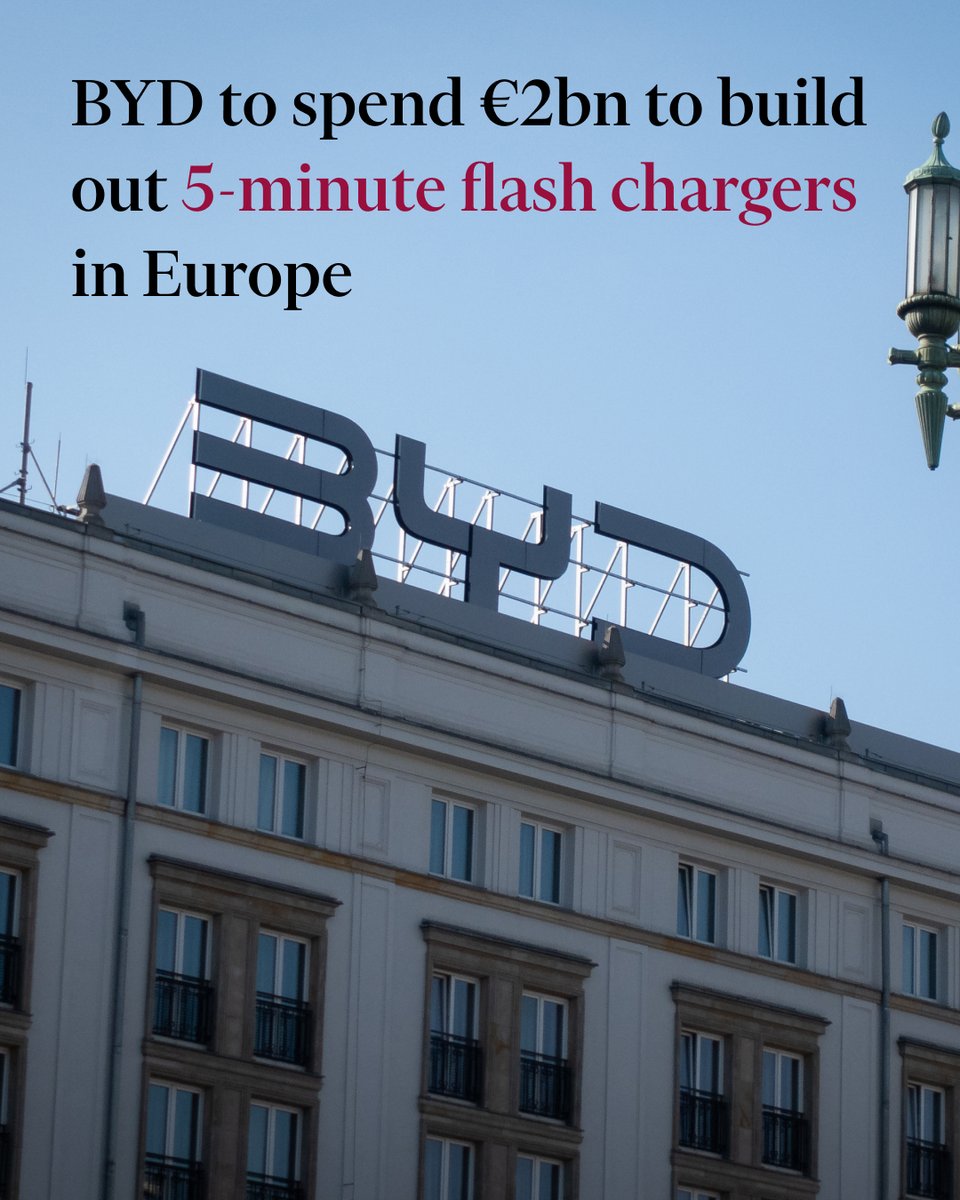
BYD plans to spend nearly €2bn to develop infrastructure in Europe needed to bring its five-minute 'flash-charging' technology to all of its mainstream models over the next few years. ft.trib.al/69EewLI
2
16
4,442
Local real estate and bonds in certain emerging markets offer uncorrelated returns precisely because they are not super easy for the outside world to access.
Though not particularly hard either for those who see the value in dealing with some headache to own it. But the work involved filters out 99%> of capital. The average investor only wants to buy stuff available on Robinhood or IBKR.
If you don’t yet appreciate the value of owning assets less correlated to the US / global markets at current valuations, I believe it is more likely than not that you will see a real world illustration of it by Mr Market in the coming years.
Indeed. If there is a global sell off, then Kazakh & Uzbek equities like $HSBK, $KSPI and #UzNIF will sell off too - as they are largely owned by foreigners.
I was discussing Kazakh and Uzbek real estate (as well as Polish and Romanian) with a CIS portfolio manager this weekend - experienced guy but very bearish (he's nearly all in cash).
Even he considers a significant price decrease in USD terms for these real estate markets as unlikely - in the event of a global market crash.
It is very hard to crash a real estate market (say sustained 15%> in USD terms) where 95%> of households own their real estate without any debt and ownership of local real estate is likely below 0.1% and in the case of UZ & KZ.
Thus the fact that it is slightly difficult for foreigners to buy can also be seen as a feature not a bug. In the case of #Uzbekistan and #Kazakhstan - you get upside of a country with:
- 6-7% GDP growth
- TFR 3> and 85-90 median IQ (very rare combo)
- Some of the lowest price to income ratio globally, even before factoring in local salaries growing at 10% per year in KZ and near 20% per year in UZ
All the whilst with significant downside protection and collecting around 7% net USD rental yield.
Very unique combination of strong upside with limited downside - whilst being paid a decent yield as you wait for the thesis to play out.
I estimate the minimum investment for it to be worth considering local real estate as follows:
🇷🇴 Romania: $300K
🇺🇿 Uzbekistan: $400k
🇰🇿 Kazakhstan: $500k
In all three cases, I can assist you with remote purchase: flagventures.com/realestate
1
10
1,457