
Studying monetary theory, self-insurance, and mechanism design.
Joined February 2020
- Tweets 3,862
- Following 645
- Followers 2,400
- Likes 30,485
108 Photos and videos


Sid Gundapaneni retweeted

We are happy to announce the MFS Virtual Summer School 2026, taking place online August 25–31. This year’s distinguished speakers are Stavros Panageas, Dimitri Vayanos, John Cochrane, and Pierre-Olivier Weill. Program and registration information:
macrofinancesociety.org/mfs-…
9
30
3,971
Sid Gundapaneni retweeted

Jun 11
It is hard to take this at face value.
Regulatory compliance is easier for incumbents. Compliance is a fixed cost, and is reduced by existing political connections.
Dario is asking governments to protect the current AI oligopoly from entrants.
Jun 10

Today I'm publishing a new essay, Policy on the AI Exponential. AI is progressing extremely fast—much faster than the policy process was built to handle. The essay lays out where I think the technology is now, and the action needed to close the gap: darioamodei.com/post/policy-…
3
13
51
9,272
Sid Gundapaneni retweeted

Jun 14
John Cochrane has posted a Substack titled; "Shock Accounting". Here is a sentence from his piece; "“Cause” refers to all the counterfactuals along the way, not just to the initial spark." A thread about my new paper on the same topic.
grumpy-economist.com/p/shock…
1
1
8
1,078
Sid Gundapaneni retweeted

Jun 12
It would be hard to dream up a system better designed to inhibit child bearing than today’s academia. Endless grad school, pre and postdoc, no location stability, quantity not quality evaluation, etc. yet they wonder why so few women do it

Yeah, I definitely would have had more time & mental energy to write more papers if I didn’t have kids. It’s brutal. Now I’m “penalized” forever with a shorter CV and three amazing human beings I love with all my heart.
9
51
570
70,850
Sid Gundapaneni retweeted

Jun 11
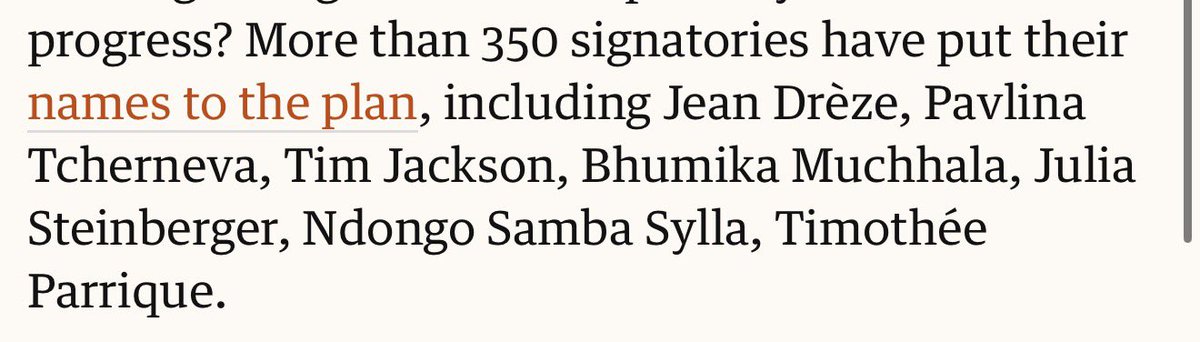
Let’s be clear. Stiglitz is of course a foundational figure in information economics. Piketty is well known for noting r<g until it wasn’t. Beyond them, the signatories are not even well known figures in much of economics.
Jun 11

I don't know what Piketty, Stiglitz, and co. are smoking. Global poverty rates have never been lower. Progress on basic global health and wellbeing measures has been amazing over the past few decades. "End of the road"?!? Come again!?!
theguardian.com/commentisfre…
17
12
251
41,022
Sid Gundapaneni retweeted

Jun 11
I don't know what Piketty, Stiglitz, and co. are smoking. Global poverty rates have never been lower. Progress on basic global health and wellbeing measures has been amazing over the past few decades. "End of the road"?!? Come again!?!
theguardian.com/commentisfre…
119
458
2,537
815,579

My pessimistic view is the government will just reach into general revenues so they can use national debt to cover the shortfall. Benefit cuts seem very unlikely.

Social Security benefits are going to be cut. The question is by how much.
1
160
Sid Gundapaneni retweeted

Jun 4
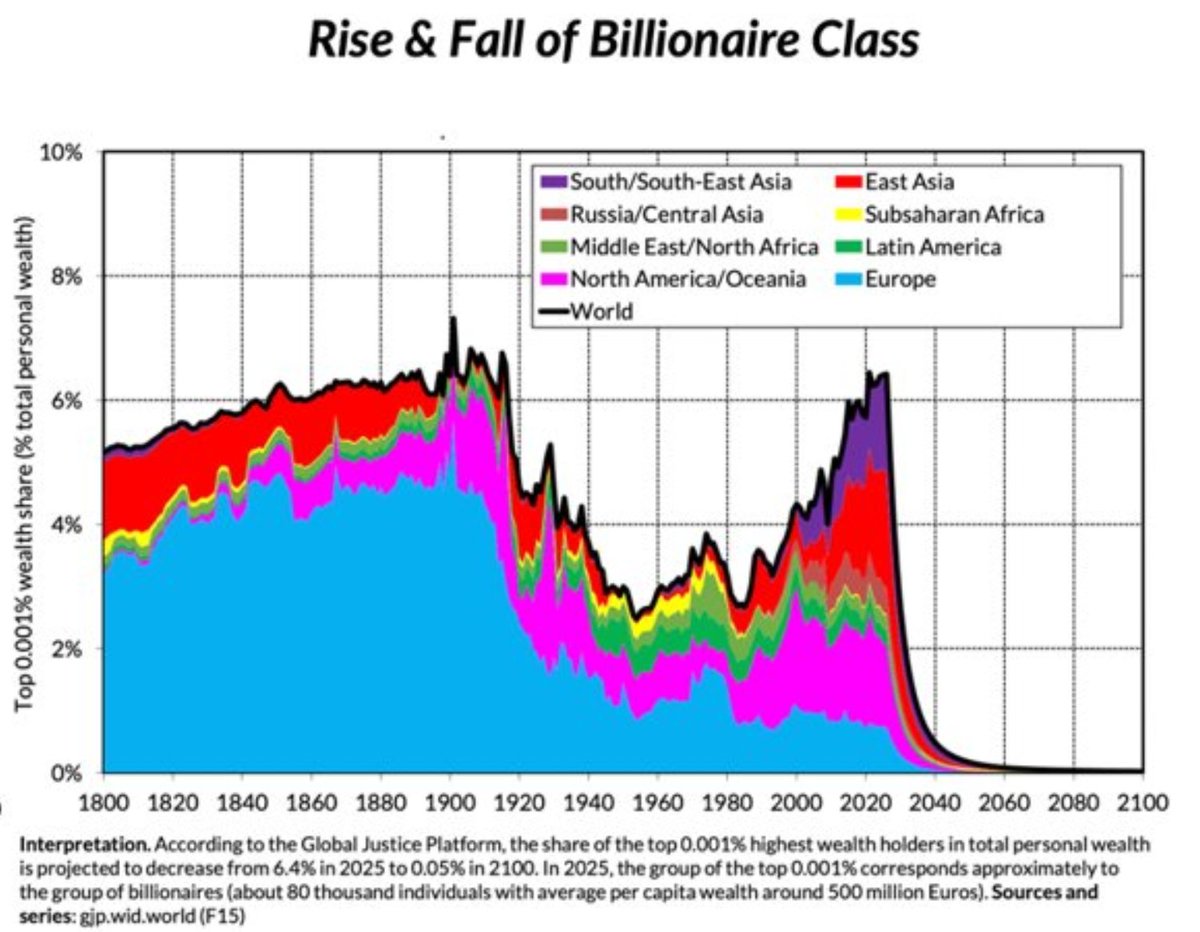
I do not know if it is just me, but what I see in this graph is that the “rise of the billionaire class” coincides with entire regions of the world eradicating poverty.
There was a negligible amount of billionaire wealth in South/Southeast Asia or East Asia in the 1980s. But, according to the World Bank, more than 1.5 billion people were living in extreme poverty in these regions at the end of that decade. Today, this number has been cut by 90%, despite demographic growth.
Asia is driving the rise of the billionaire class in this graph. Within the Western world, the billionaire class has merely shifted from Europe to the US.
Were the economic policy changes implemented in Asia over the past 40 years much worse for the general population than those in the Middle East and North Africa, which have contained their billionaire class?
Jun 4

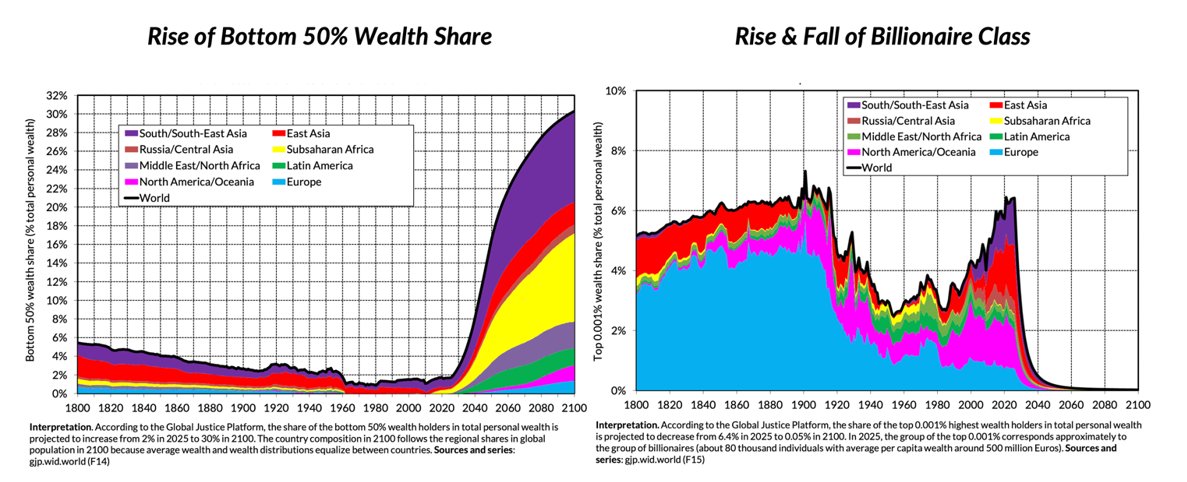
In order to raise the resources necessary to finance sustainable convergence, as well as improve the living standards of lower- and middle-income groups (both in the Global South and North), it is inevitable to drastically reduce wealth and income inequality:
⤴️World's poorest half to reach 30% in global wealth, up from 2%
⤵️Billionaires’ wealth share to drop from 6% to 0.05%
16
105
438
27,720
Sid Gundapaneni retweeted

Jun 4
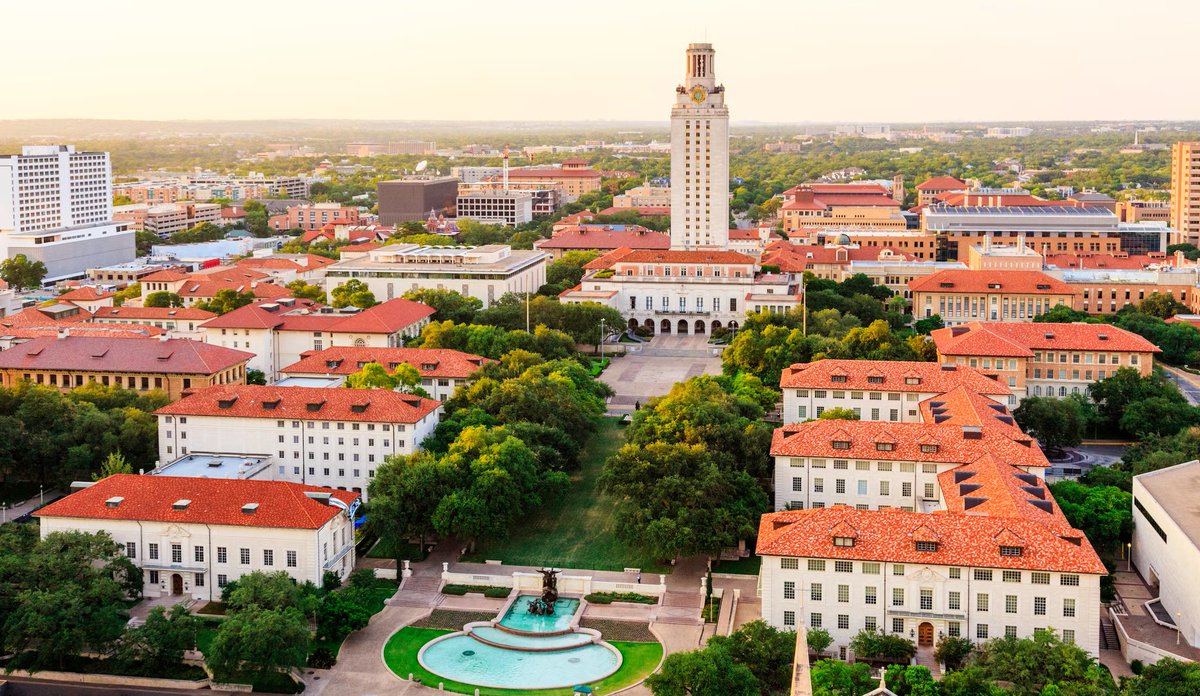
Very excited to announce I'll be starting as an Assistant Professor of Economics at @UTAustin's School of Civic Leadership this summer. An incredibly exciting academic community to be both teaching & researching in, within the increasingly exciting city of Austin. Hook 'Em!🤘
Jun 4

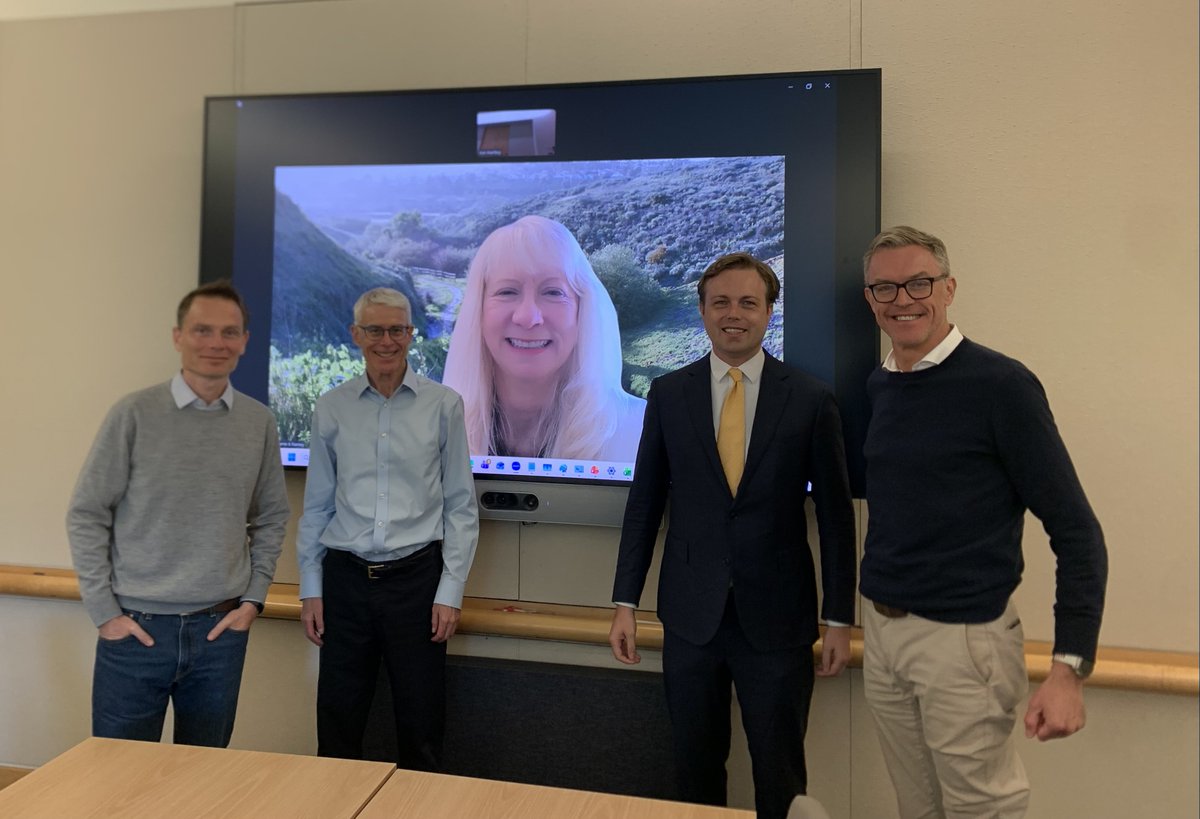
Officially defended my @StanfordEcon PhD dissertation! Hugely grateful to my amazing committee: @I_Am_NickBloom @DuffieDarrell @JohnHCochrane @HannoLustig Valerie Ramey Ran Abramitzky. I'd argue the best scholars in the world on fiscal, central banking, productivity, & history!
48
24
525
68,229
Sid Gundapaneni retweeted

But much of the quantitative analysis of fiscal stimulus in heterogeneous-agent models relies on local-linear methods.
Local-linear methods can be reliable when shocks are sufficiently small.
But how small is small?
Our answer: very small.
1
7
32
4,042
Sid Gundapaneni retweeted

Jun 1
Kalshi's first example of a small business using it as hedging tool is The Jeffrey, an NYC bar that's promising free drinks to all customers if New York Knicks wins NBA Finals Game 1 on Wednesday

118
242
4,837
1,375,893
Sid Gundapaneni retweeted

May 29
The decision of the University of California to drop standardized test requirements was not defensible ex ante and is not defensible ex post. Test scores encode information that matters for most effectively generating opportunities in college admissions. It is bizarre to either not allow such information, or to degrade its value via strategic report (as in test optional admissions.)
The sort of egalitarianism that supported the end of standardized testing in the UC system is not tenable. It treated students as means rather than ends, and a strategy to level down rather than level up It involves the same wrongs as inhibiting the teaching of certain mathematics courses in middle schools, as occurred in San Francisco. Further, egalitarianism not the only component of a just process-desert matters as well.
All of this is compatible with using test scores as imperfect signals of latent academic skills, affirmative action, and other policies that promote both equality and efficiency. I discuss these in
Retrospective Versus Prospective Meritocracy
nber.org/papers/w35151
latimes.com/california/story…
6
25
123
35,011
Sid Gundapaneni retweeted

May 29
And again, and again, and again, the market proves to be more flexible and adaptable than the engineers, extrapolating, with their calculators expect. When prices change, behaviour changes. Believe in substitution, in elasticity, in human ingenuity, that is, in the market, and you will get a closer approximation than all doom-mongers. For this of course, a market must exist (e.g., does not apply to the fertility collapse).
May 29

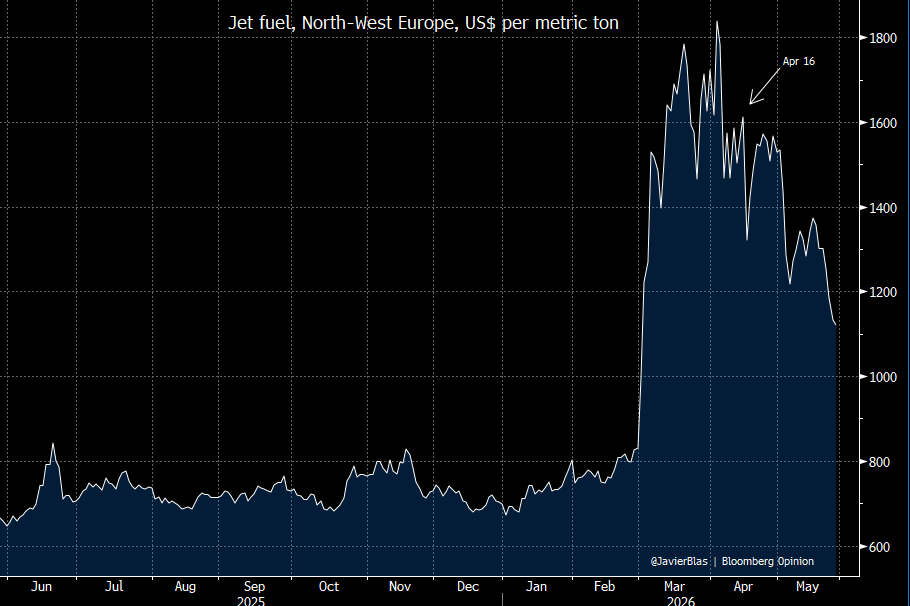
CHART OF THE DAY: On Apr 16, the IEA made a headline-grabbing warning: Europe had "maybe 6 weeks or so of jet fuel left." It's week seven; the planes are still flying. Since those headlines, European wholesale jet fuel prices have fallen ~30% to a ~3-month low.
40
231
1,299
405,801
Sid Gundapaneni retweeted

May 31
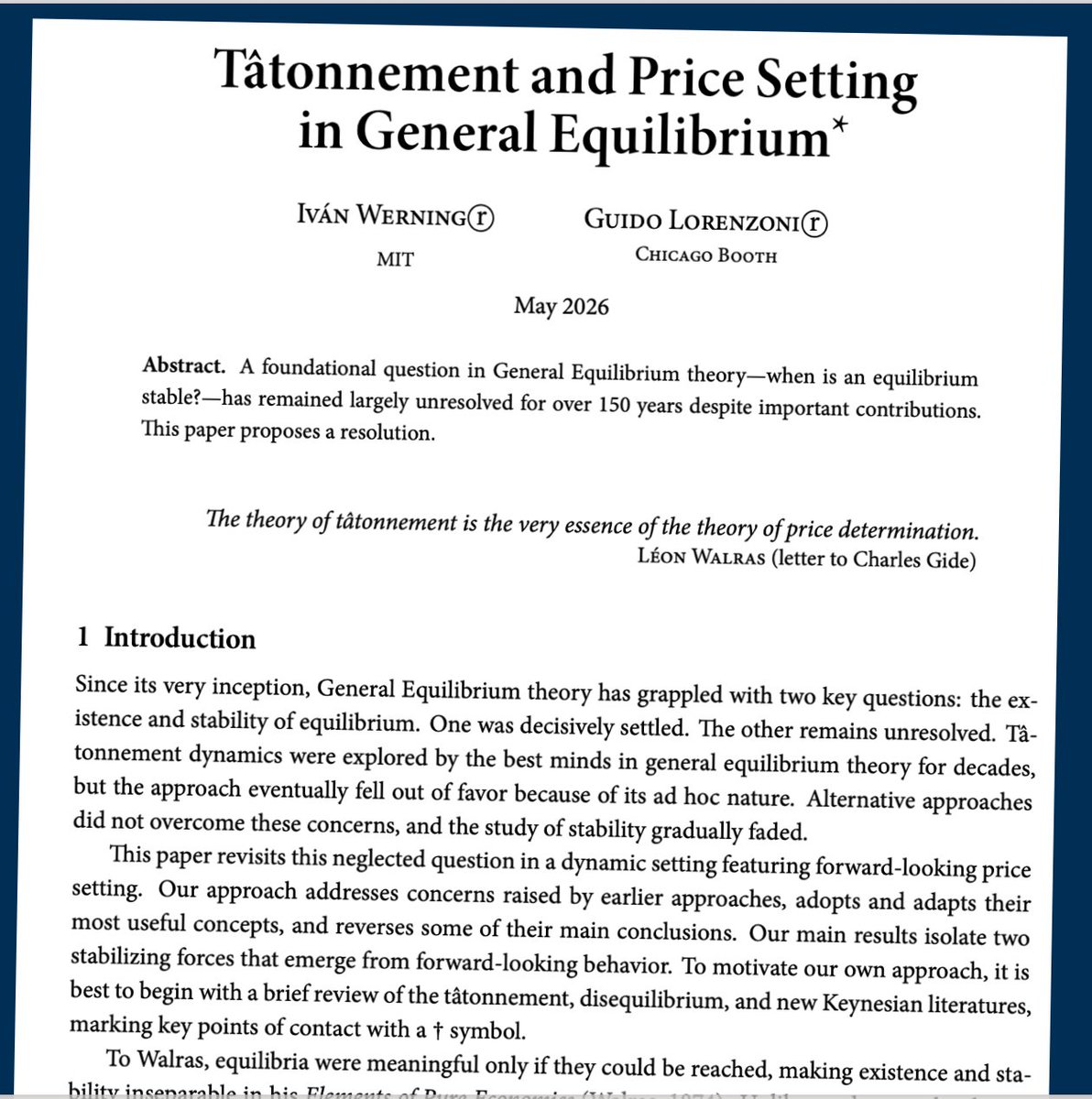
Excited to FINALLY release toughest most rewarding paper I've worked on...
….we attack a 150 year old Walras question that's gone unanswered, not for lack of trying (Hicks, Samuelson, Arrow; our chances?😱)...
Q: Is the market equilibrium stable or unstable?¯\_(ツ)_/¯
🧵
51
427
1,864
1,022,127
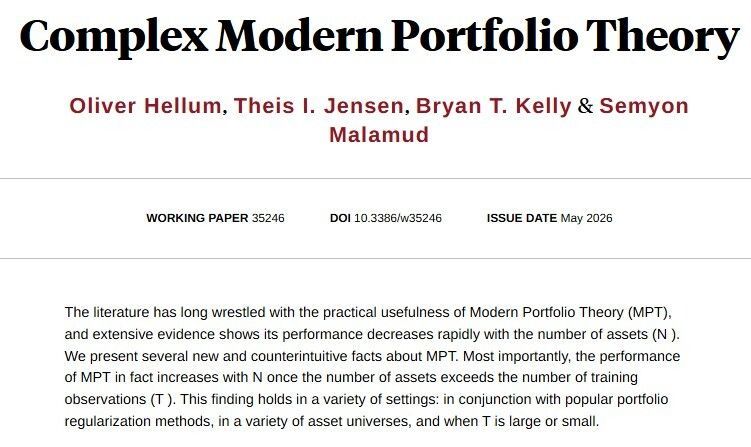
Wow, a double descent analogue in portfolio choice! ML is everywhere

Presenting several new and counterintuitive facts about Modern Portfolio Theory, from Oliver Hellum, Theis I. Jensen, Bryan T. Kelly, and Semyon Malamud nber.org/papers/w35246
1
1
34
5,659
Sid Gundapaneni retweeted

May 29
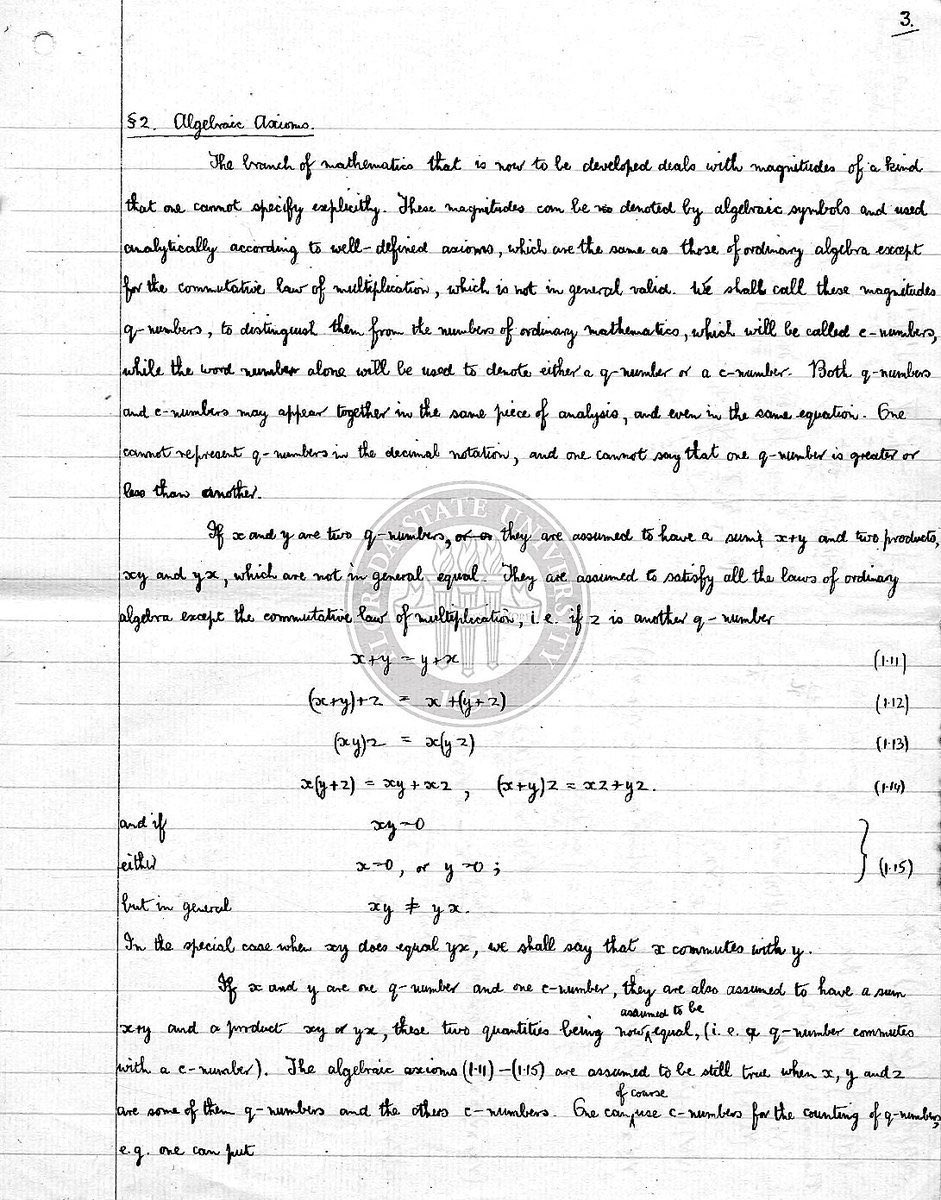
Dirac couldn't get hired as an electrical engineer. A 19-year-old with a Bristol degree in 1921, during a post-war depression that had no use for him. So he stayed at Bristol and studied math for free because there was nothing else to do.
Two years later he got a fellowship to Cambridge. His advisor, Ralph Fowler, handed him proofs of an unpublished Heisenberg paper in August 1925. Dirac read it and realized the math resembled Poisson brackets from classical mechanics. Within months he had built an entirely new mathematical framework for quantum theory.
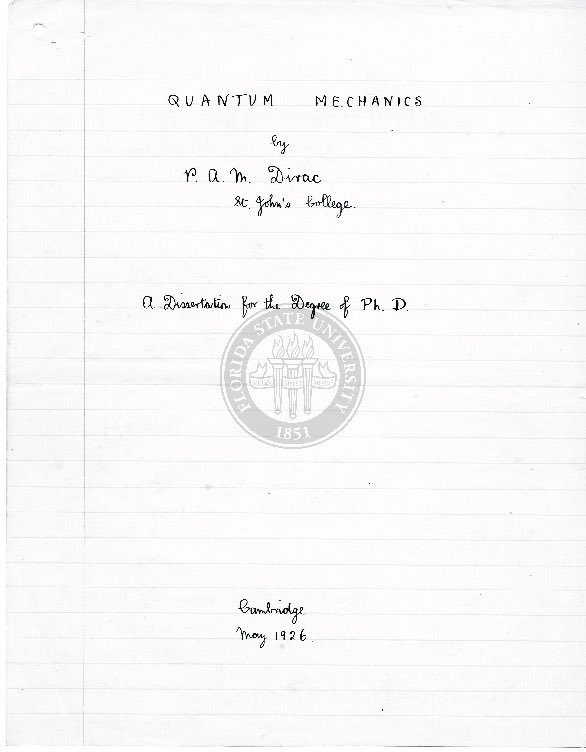
He published 11 papers before submitting his thesis. Eleven. Most PhD students struggle to publish one. Dirac had a body of work that constituted an entire theoretical foundation, and he still needed to package it into a dissertation to satisfy the degree requirements.
The thesis title tells you everything about the confidence level. When you title your PhD "Quantum Mechanics" at age 23, you are either delusional or correct. Dirac was correct. It was the first PhD thesis ever written on the subject.
Two years after that he wrote the Dirac equation, unifying special relativity with quantum mechanics and predicting antimatter before anyone had observed it. By 1932 he held the Lucasian Professorship of Mathematics at Cambridge. The same chair Isaac Newton held. He was 30.
Nobel Prize at 31. The youngest physics laureate at the time.
The entire arc from unemployable engineer to owning Newton's chair took 11 years. The field he named his thesis after is now the operating system of modern physics.
May 28

Imagine writing a PhD thesis so foundational that the title is literally just the name of the entire field of study.
Paul Dirac, 1926: "Quantum Mechanics."
22
607
2,599
146,798
Sid Gundapaneni retweeted

May 28
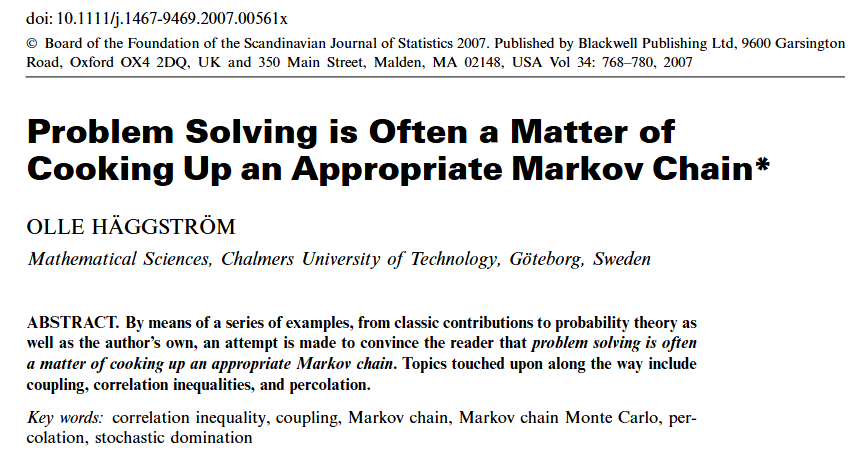
May 27

Every math student should read ______.
8
132
1,558
76,274
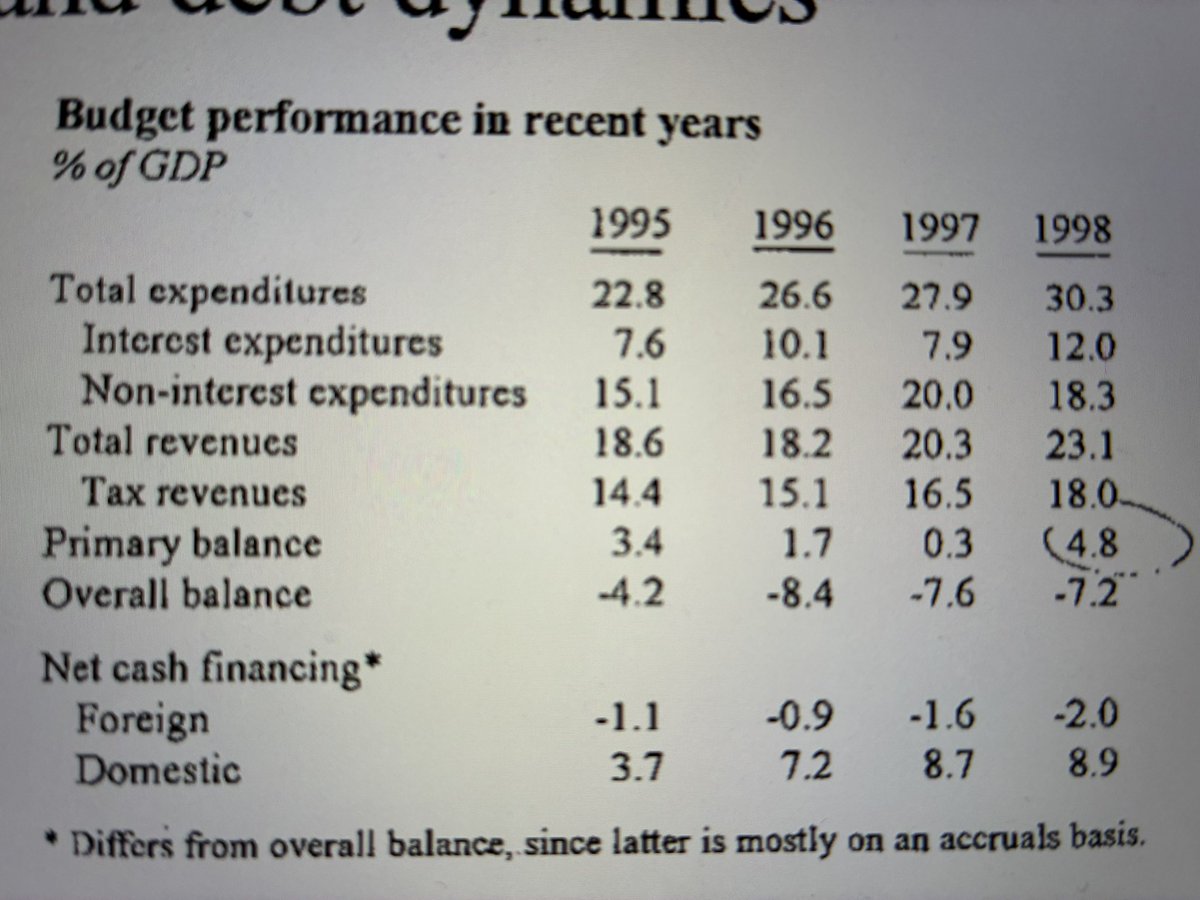
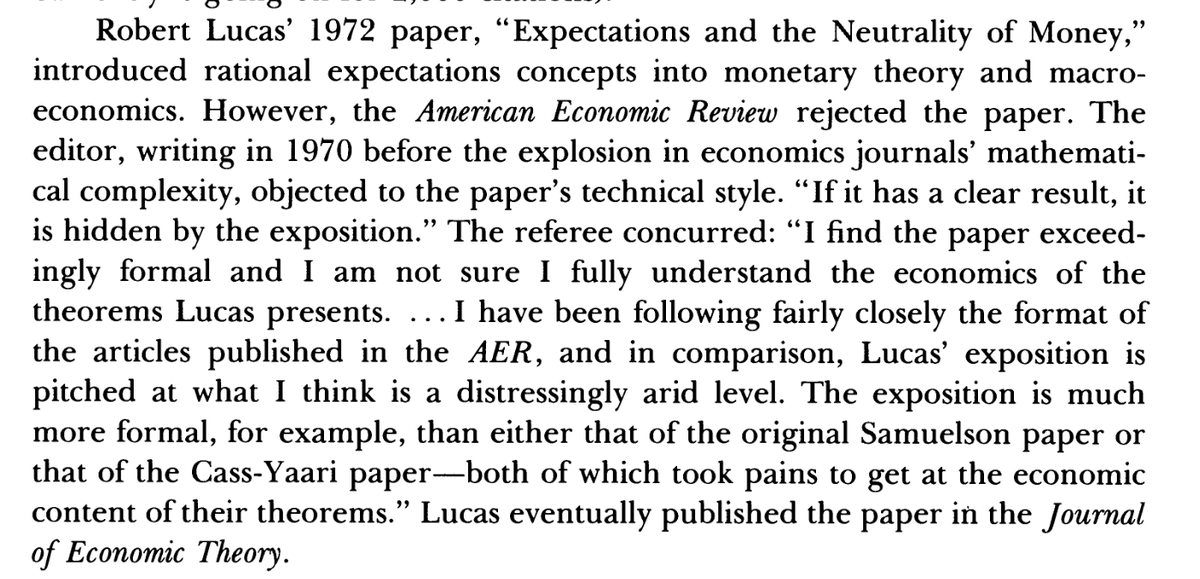
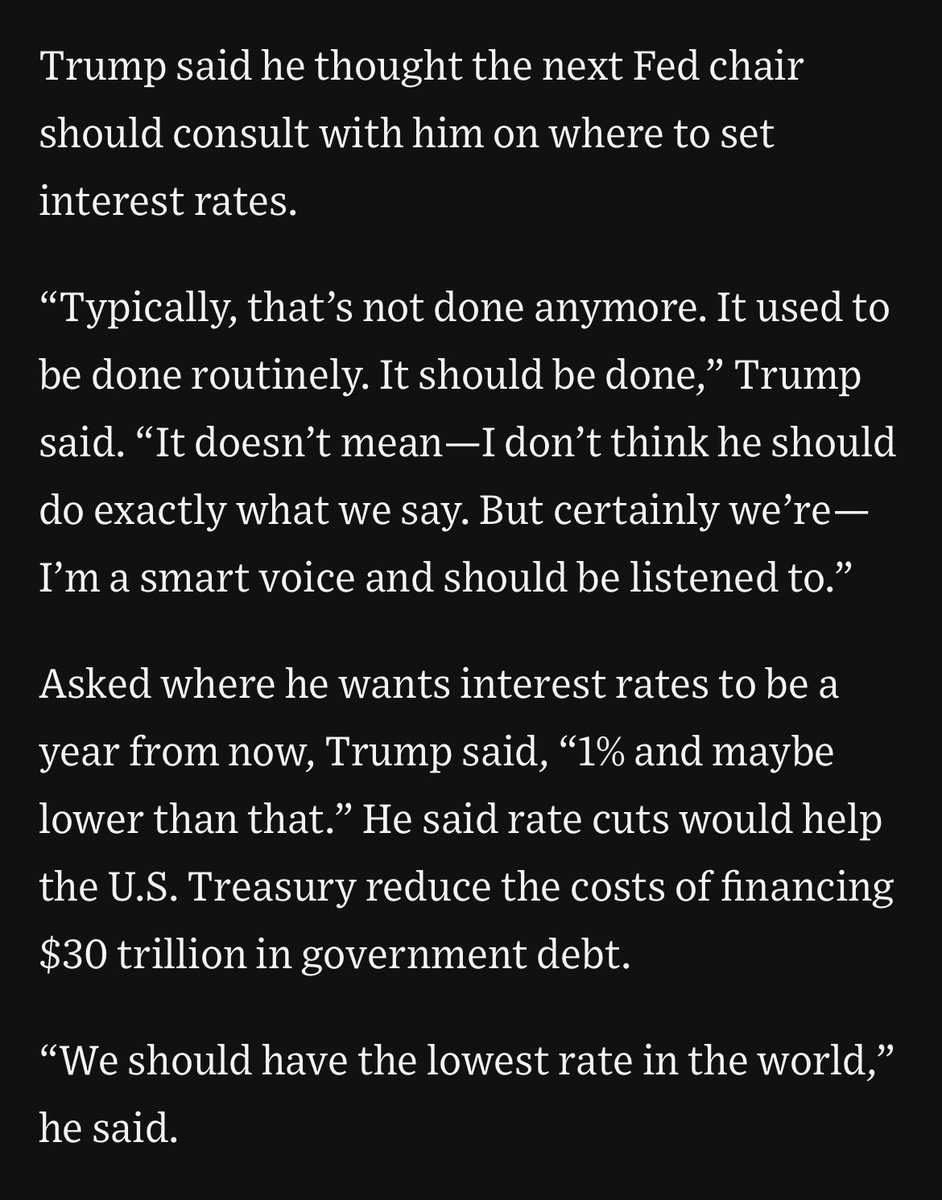
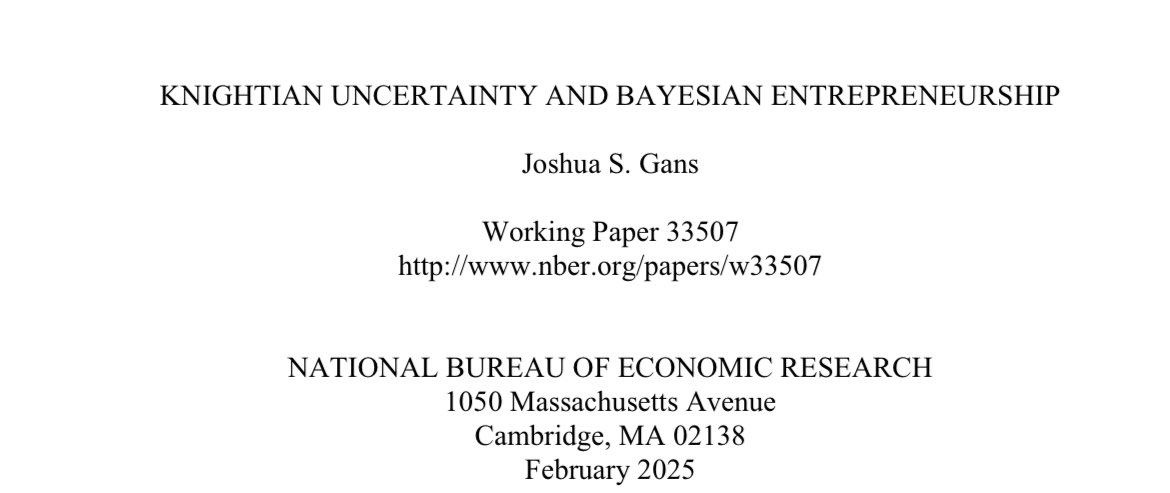
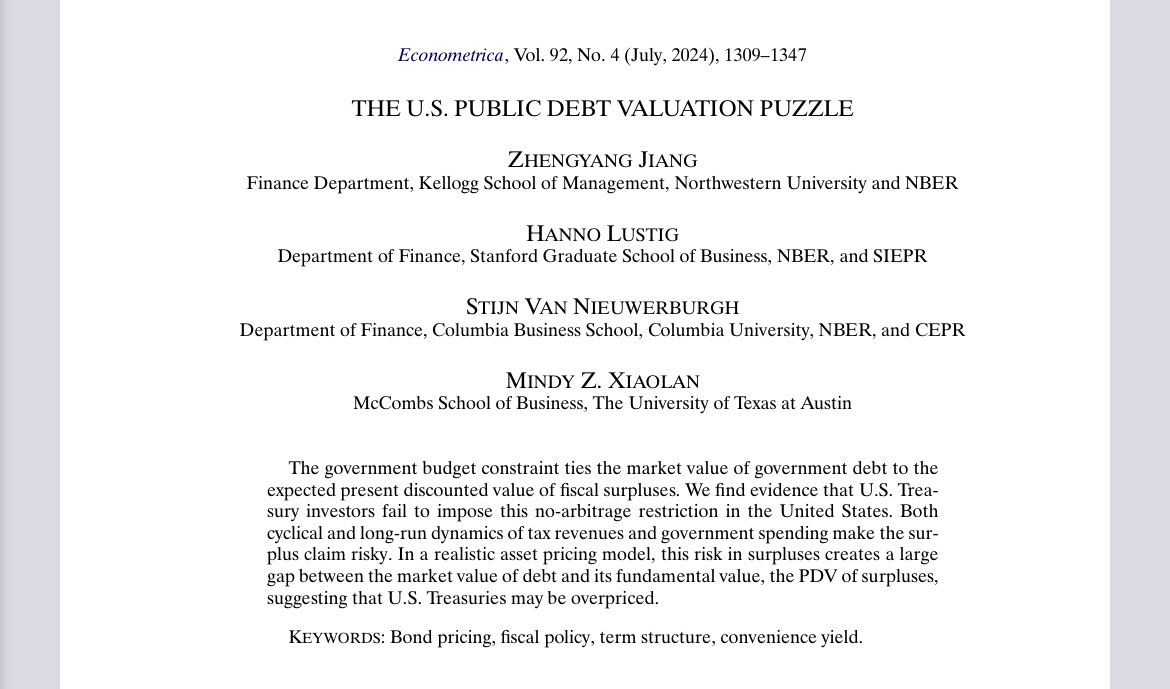
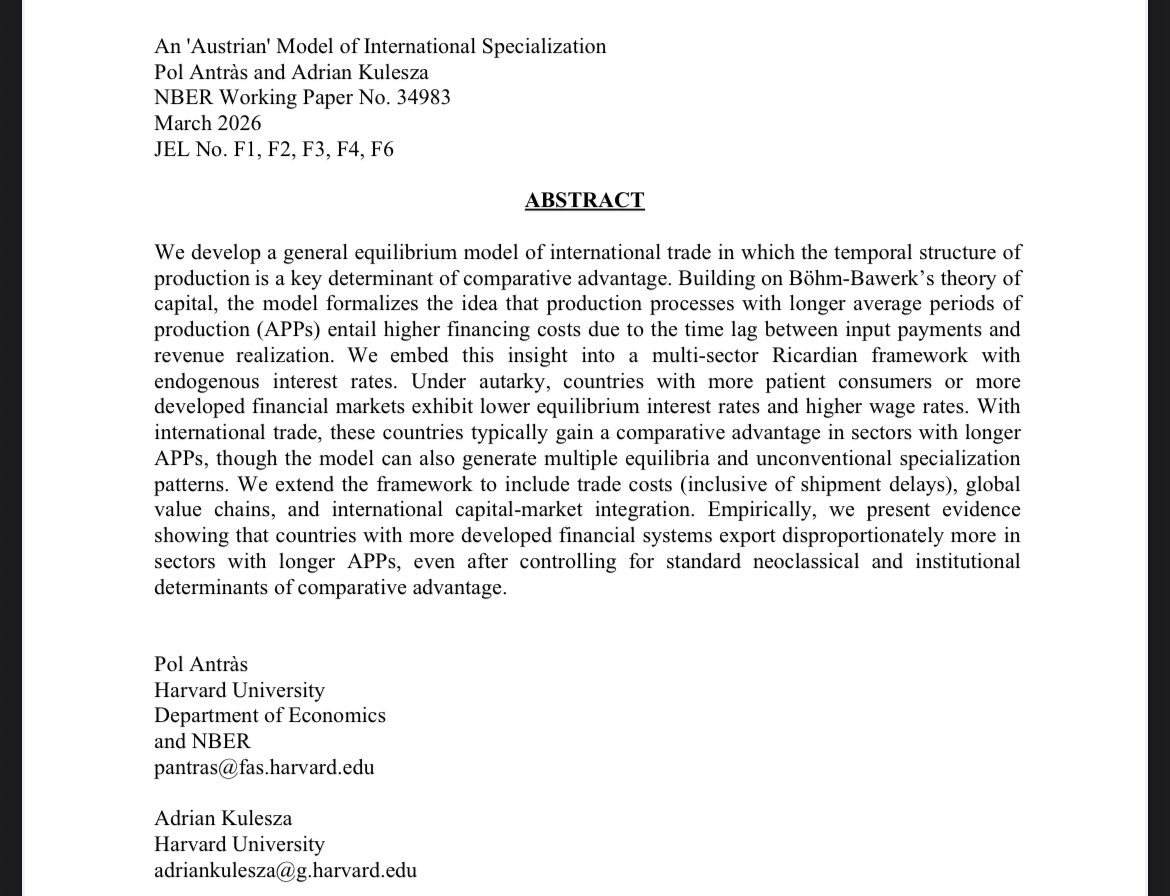
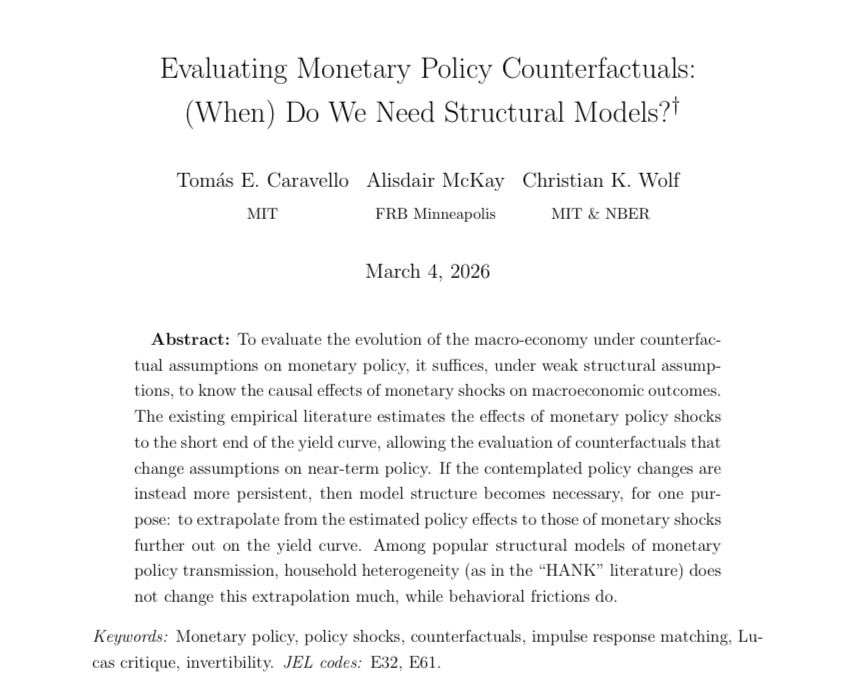
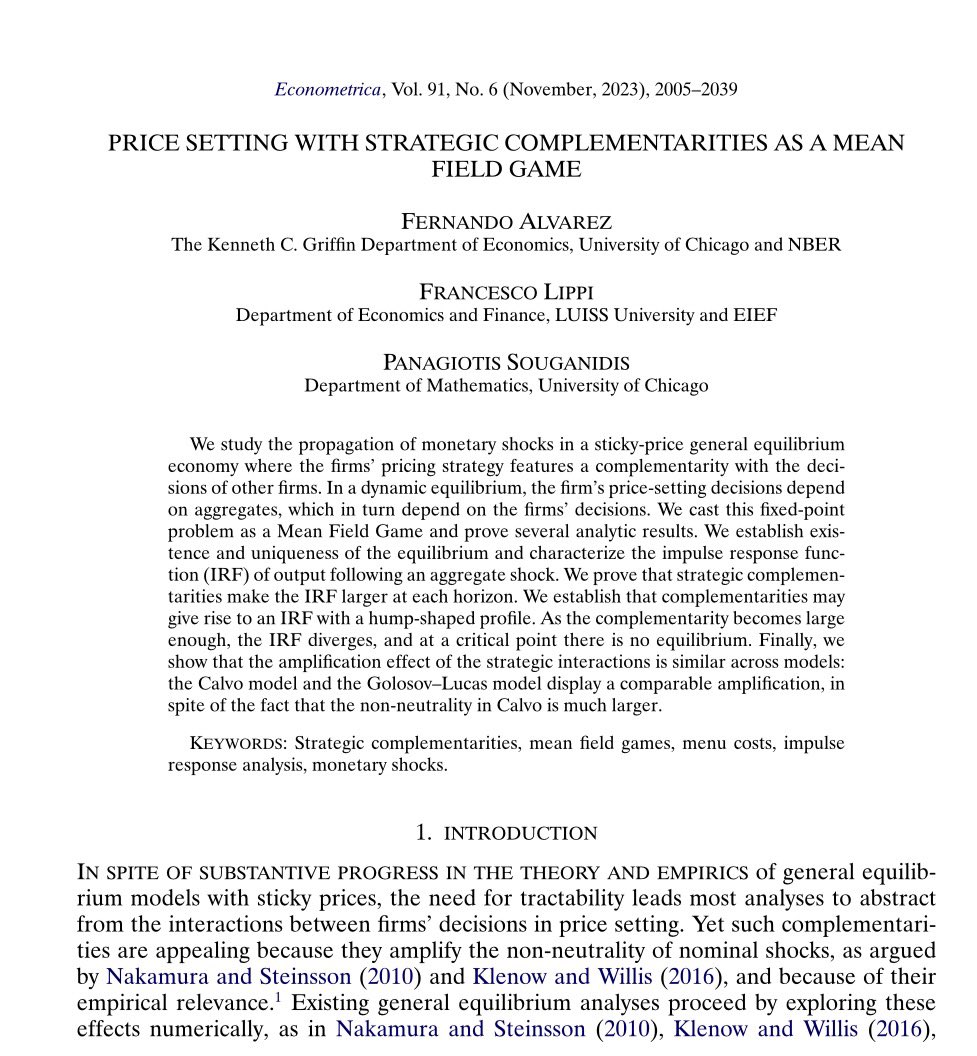
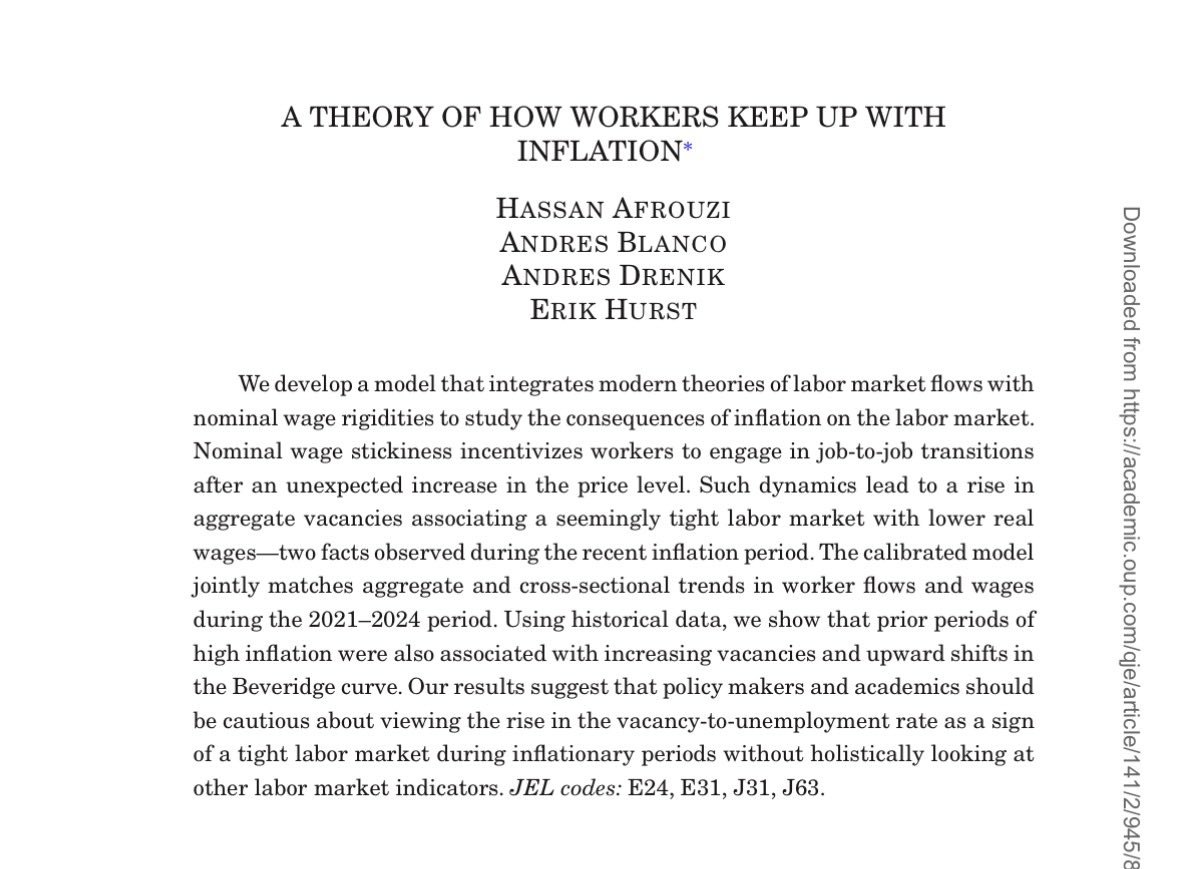
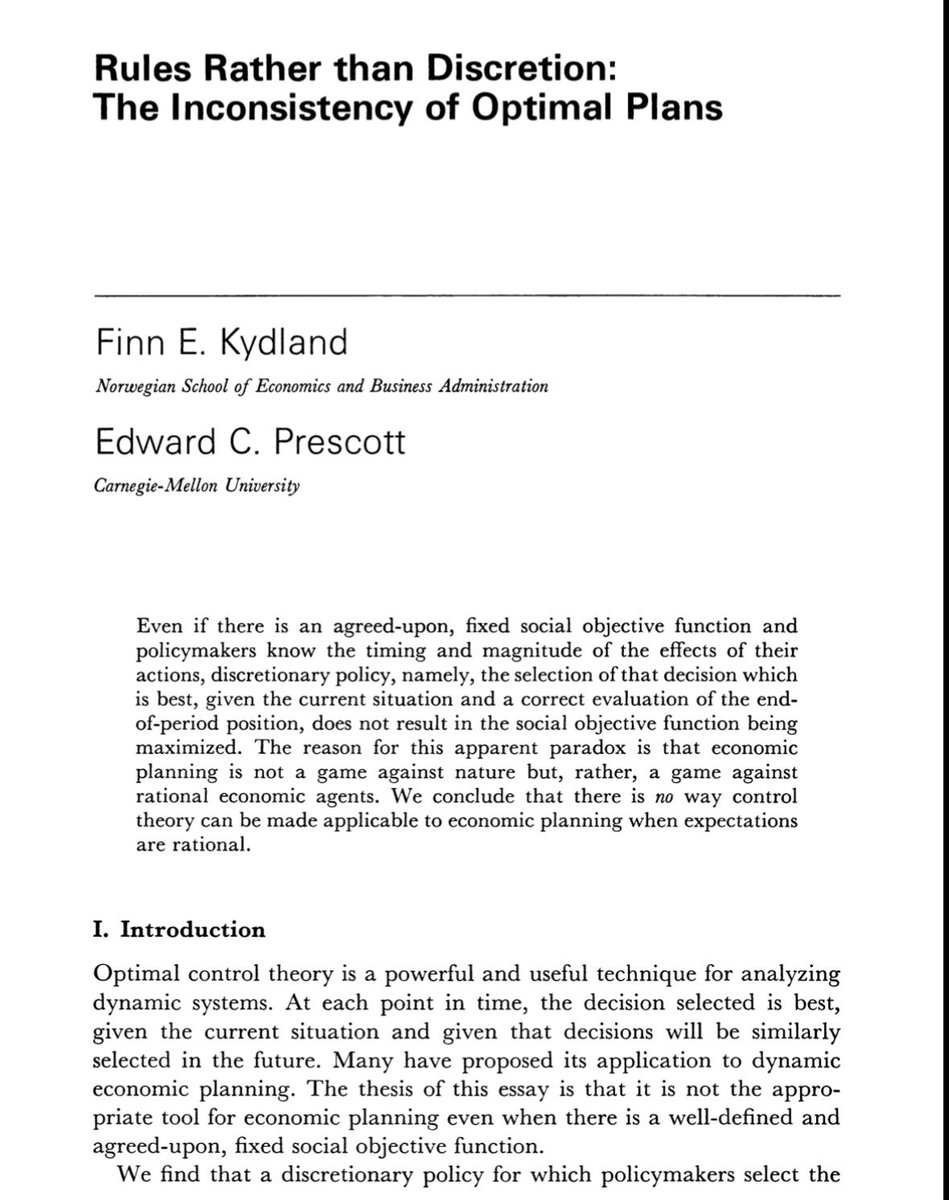
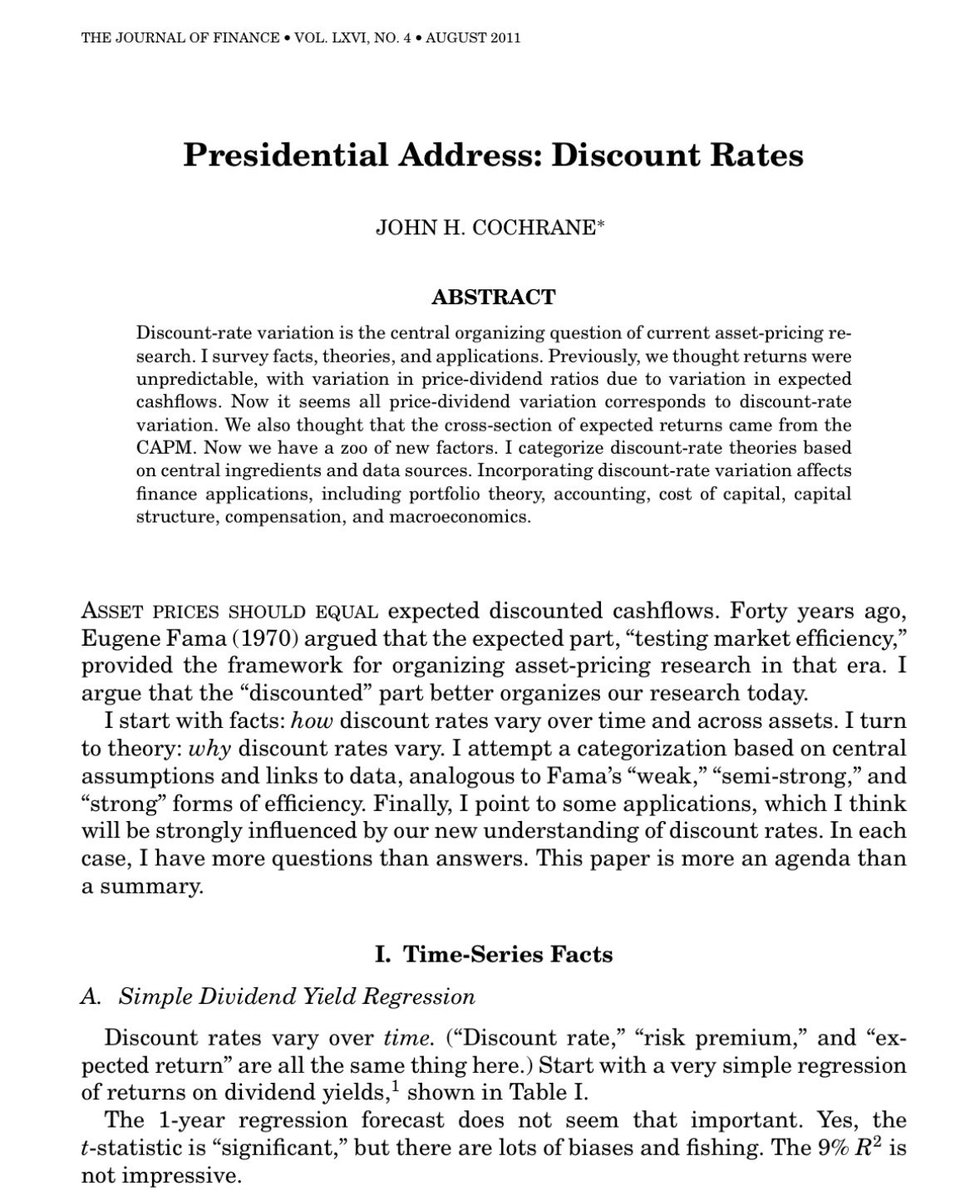
Four recent-ish papers I’ve been thinking a lot about

5
57
6,709
Sid Gundapaneni retweeted
May 21
Payroll taxes are not regressive! They are mandatory contributions to a retirement system that offers higher rates of returns at the bottom than at the top.
May 21

If you only count the progressive taxes the U.S. levies, then the U.S. system is quite progressive. But if you also count regressive taxes (payroll taxes, sales taxes, etc), it's not very progressive.
16
29
323
45,990
Sid Gundapaneni retweeted

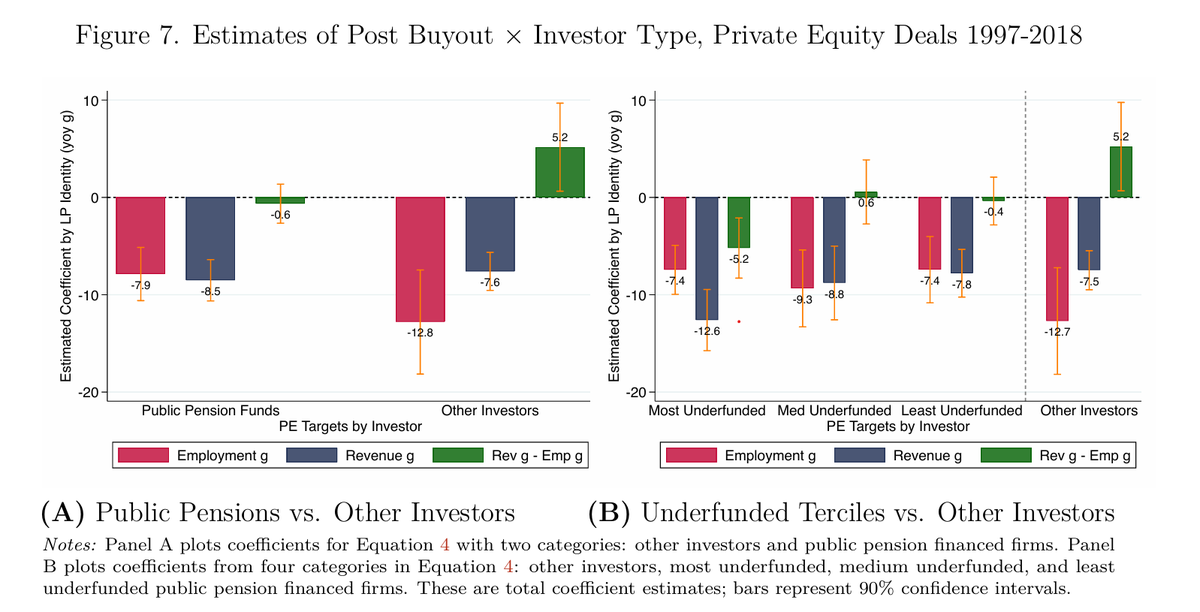
Funny result:
State pension funds seem to uniquely fund private equity buyouts that reduce employment without increasing productivity
5
4
49
1,940