
25 | I like coffe, nature and crypto!
Joined January 2024
- Tweets 131
- Following 26
- Followers 24
- Likes 421
1 Photos and videos
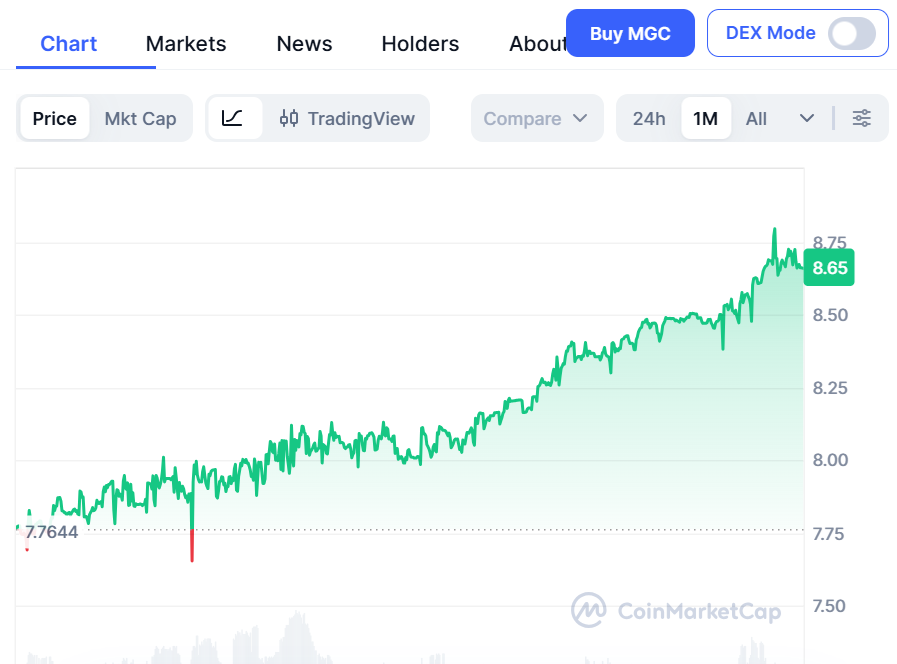
Madison retweeted

May 22
🚛 Cargo payments, simplified.
Create an invoice, generate a Transportation ID, share the payment link, and let the payer confirm from their own wallet.
SLT Cargo Pay connects smart settlement, on-chain records, $GOLDGR/ $LUSD payments, and treasury utility.
#SLTCargoPay
1
4
7
46
Madison retweeted

May 4
Most platforms don't tell you this upfront: they hold your money. Not you.
Traditional launchpads take custody of your funds the moment you participate. Their rules. Their timeline. Their risk.
RZ Prime works differently.
🔐 Funds stay in your wallet
🔐 Smart contracts handle the logic
🔐 You decide when - and whether - to proceed
We never hold your assets. Not a promise. It's how the code is written.
#RZPrime #NonCustodial #DeFi #SmartContracts #OnChain

1
4
6
188
Madison retweeted
Apr 27
You want to participate in Web3. They want your passport, your selfie, your address, and your phone number.
Let's talk about why that's a problem, and why RZ Prime does it differently.
Why KYC is a red flag in DeFi:
🔴 Your personal data sits on a centralized server
🔴 One breach = your identity exposed
🔴 It excludes millions with no access to "approved" documents
🔴 It contradicts everything Web3 stands for
How RZ Prime works:
🟢 Connect your wallet
🟢 That's it. You're in.
No name. No ID. No email.
Your wallet address is the only thing the smart contract needs, and the only thing it uses.
This isn't a loophole. It's a design choice. Non-custodial,
permissionless, and built for everyone.
#RZPrime #NoKYC #DeFi #NonCustodial

21
4
10
473
Madison retweeted
Apr 21
RZ Prime: What Comes After the DeFi Loop
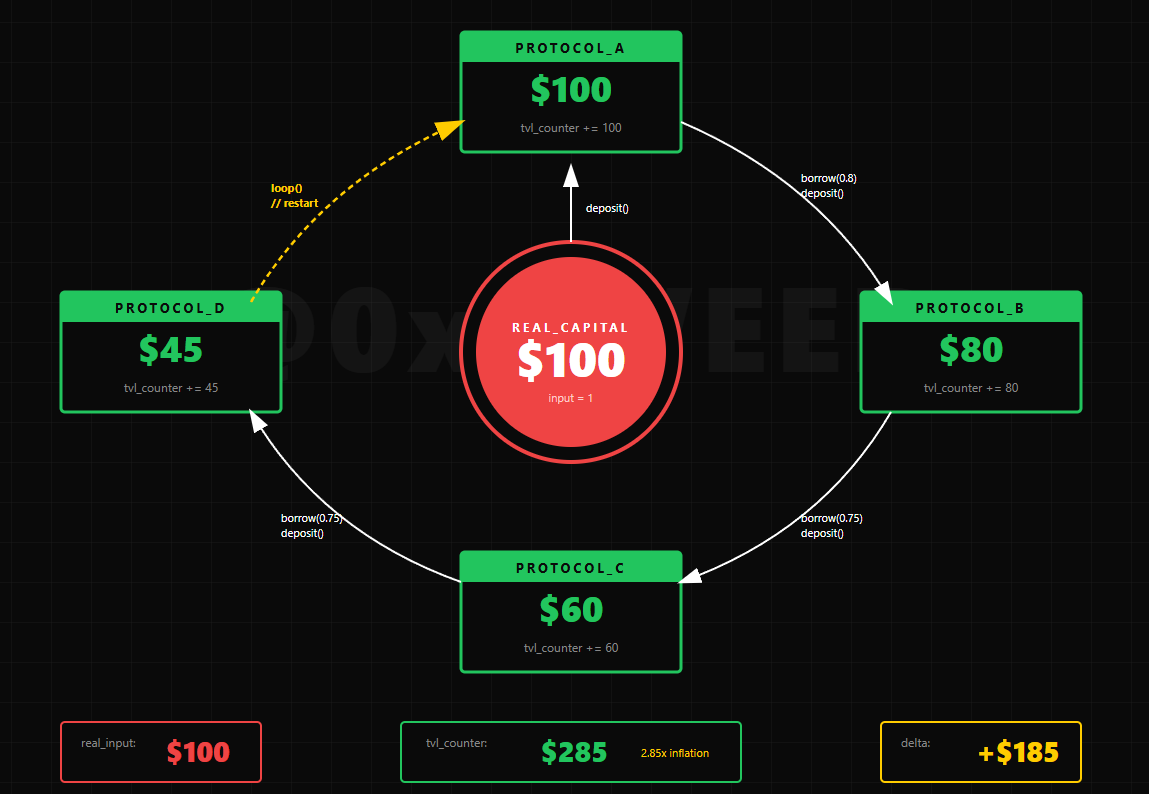
The critique is fair. Most of DeFi's last cycle wasn't moving real capital — it was counting the same deposit three times. You'd put in $100, borrow $80 against it, loop it again, and four protocols would each claim a piece of TVL that never existed as separate capital.
Yield wasn't yield. It was dilution with better branding.
Now that the loop is visible, the numbers don't hold. That's the whole thesis, and it's right.
So the question isn't whether on-chain finance was a mistake. It wasn't. The question is: what does a non-loop mechanism even look like?
RZ Prime is one answer.
It's a reservation dApp on BNB Chain. The model inverts the commit order:
→ You pick a token inside the RZ Ecosystem
→ You pick a time window
→ A smart contract locks the slot at that price
→ No payment. No deposit. No transfer of custody.
At the end of the window, you decide. Pay and receive the tokens, or drop and walk. 3% monthly service fee, charged only at payoff — not at reservation.
Here's what changes when commitment is the last step instead of the first:
There's no pool of capital to loop. The contract holds a slot, not your funds. No TVL to recycle, no collateral to rehypothecate, no receipt token to restake. The surface area that makes the loop possible just isn't there.
Yield isn't part of the pitch, because the mechanism isn't a yield mechanism. RZ Prime isn't trying to pay you to deposit. It's selling you optionality on a price, and it's being transparent about what that optionality costs.
Verifiability without the predictability trap. The rules are fully on-chain. Anyone can read them. But because your capital never enters the system until you actively choose payoff, the "public rules become tradeable edge" dynamic doesn't apply.
Non-custodial. No KYC. Only supports tokens inside the RZ Ecosystem: MGC, RZ Coin, RZUSD, Industrial, Jewelry, Car, RealEstate, Trip, CZW. Operated as a dApp; legal correspondence via Coin Factory AG, Zug, Switzerland.
DeFi's last shape was designed to multiply a number. The next shape is designed to hold a decision open.
That's a different primitive. Worth paying attention to.
rzprime.com

DeFi is dead and most of you still don’t understand what it actually was
It was never a financial system. It was a loop designed to manufacture synthetic valuations from minimal capital
Protocols didn’t grow capital, they multiplied how it was counted by turning one deposit into multiple positions
A token gets emitted, you’re paid to deposit it, and that deposit is recorded as TVL. That’s position one.
You borrow stables against that same collateral, deploy them somewhere else, and now that same base capital is supporting a second position on another protocol
Then you take the LP token from that, restake or loop it again, and it gets counted a third time
Lets simplify it with $100:
> You deposit $100 into a protocol, that’s your first position and it’s recorded as $100 TVL
> You borrow $80 against that same $100 and deposit it somewhere else, now there’s another $80 being counted
> You borrow $60 against that $80 and deploy it again, now that’s another layer
You take the receipt from that and loop it one more time
On paper you now have $280 across protocols, but in reality its still the same $100
This is the same illusion as altcoins printing billion dollar market caps on tiny float
A $2B token with 5% circulating isn’t $2B of value, it’s $100M of liquidity marked higher by thin trading
DeFi did the same thing with TVL. Instead of multiplying price across supply, it multiplied the same capital across protocols
TVL became FDV in a different format
Protocols emitted tokens to LPs, counted those tokens as TVL, then counted the incentivized volume as usage
That volume generated fees, fees justified valuation, valuation justified emissions, and the loop continued
No external demand was needed and the system kept feeding itself
Every narrative ran the same structure. Yield farming, LSDs, restaking, points. Different names for the same mechanic
You weren’t earning yield. You were being paid in dilution
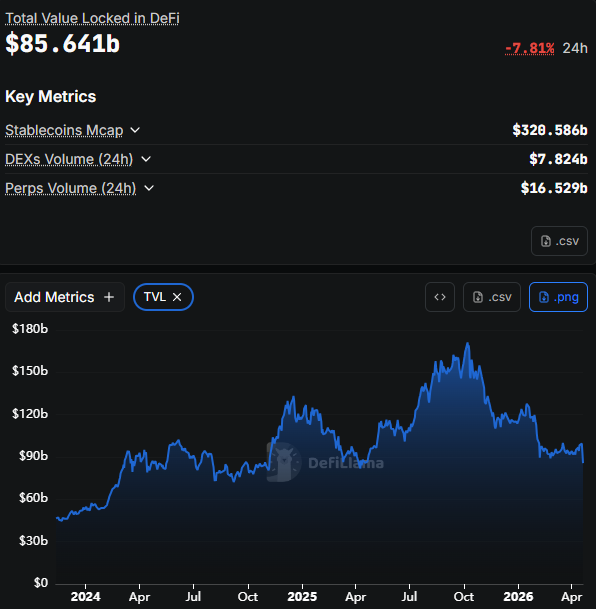
At the peak, $200B TVL implied capital that never existed. The real base was a fraction of that, looped, leveraged and counted multiple times
Each protocol reported it independently, dashboards aggregated it as if it was additive
That’s how the industry looked massive
This is why altcoin market caps and DeFi TVL broke at the same time
Both were built on internal pricing, thin liquidity, and recycled capital. One inflated valuation through float, the other through collateral loops
Neither represented real economic scale
The fragility came from this exact structure. The hacks weren’t random....
You don’t extract hundreds of millions from systems generating real external cash flow, you extract from systems where the value was already abstract
Strip out token denominated TVL, emission based yield, recycled collateral, and wash volume. What’s left is a small set of protocols actually moving capital
DeFi didn’t fail. It worked exactly as designed. It took limited capital, looped it, marked it higher, and distributed it
Now that the loop is visible, the numbers don’t hold
That’s why it doesn’t bounce. There’s nothing underneath it to support the scale it once claimed
5
17
1,111

Madison retweeted

Apr 19
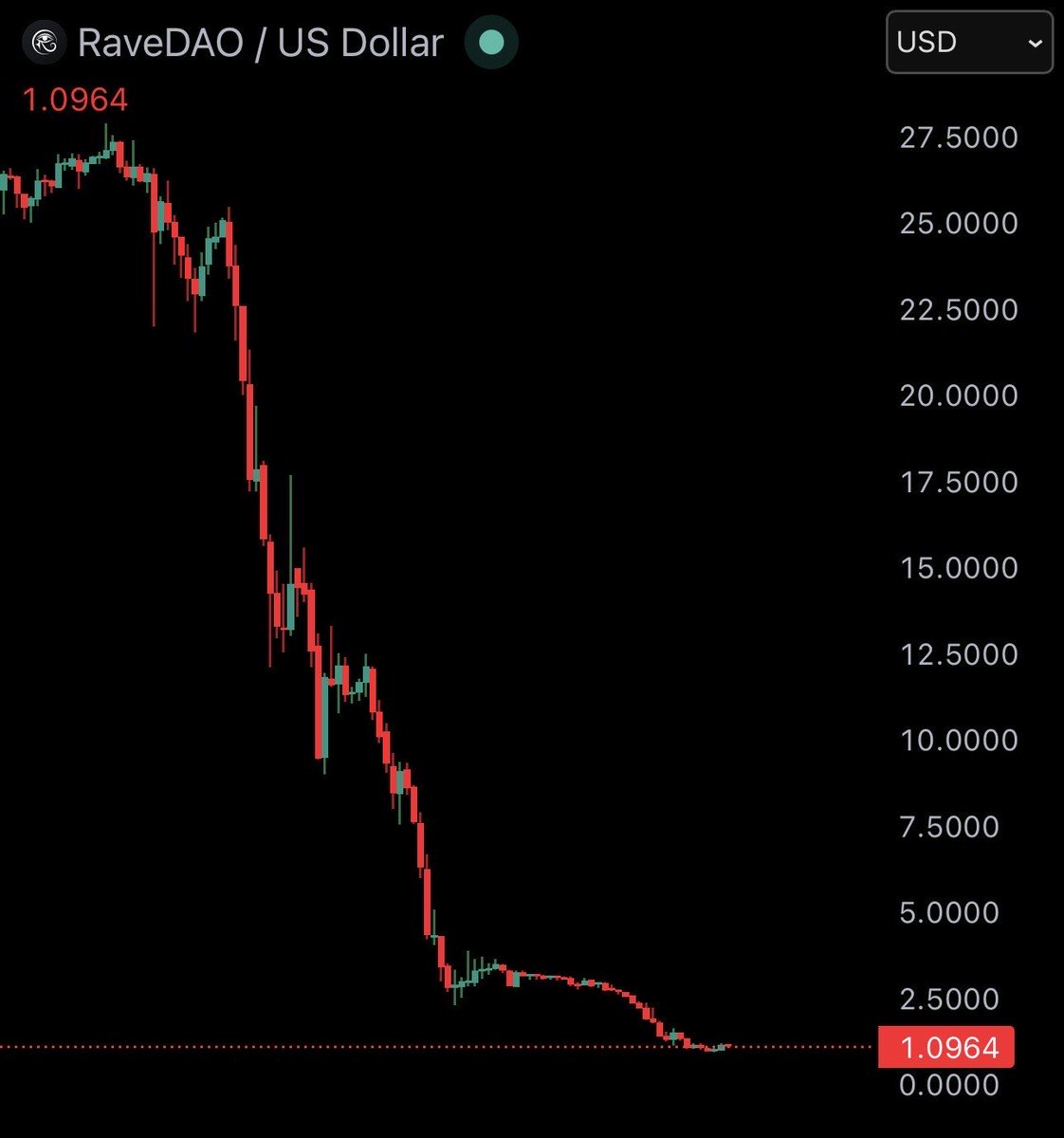
JUST IN: $RAVE cryptocurrency crashes 95%, wiping out $6.3 billion from its market cap in a single day following alleged insider manipulation.
1,651
1,821
11,616
1,515,201

Apr 20
This is so cool
Apr 20

A STATUE OF BITCOIN CREATOR SATOSHI NAKAMOTO NOW STANDS IN EL ZONTE, EL SALVADOR.
2
4
Apr 20
That’s heartbreaking for the holders
Apr 19

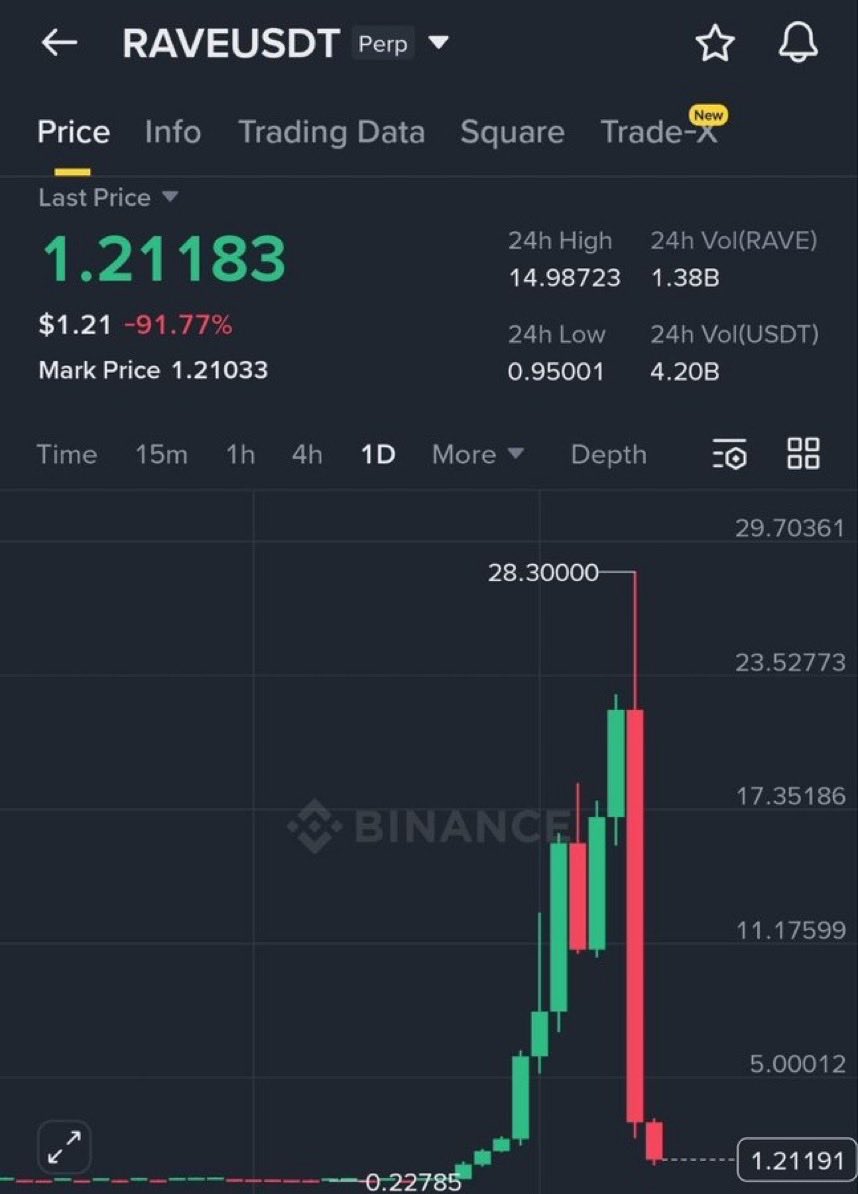
RAVE is one of the biggest rug pulls in crypto history
$6B gone in one candle.
And they say meme coins are a scam 😂
19
Apr 20
All these money injecting gonna hit the market hard someday
1
Apr 20
Polymarket is getting more stupid by minute
Apr 18

🚨 NEW POLYMARKET: Trump renames Strait of Hormuz to “Strait of Trump”? polymarket.com/event/trump-r…
1