
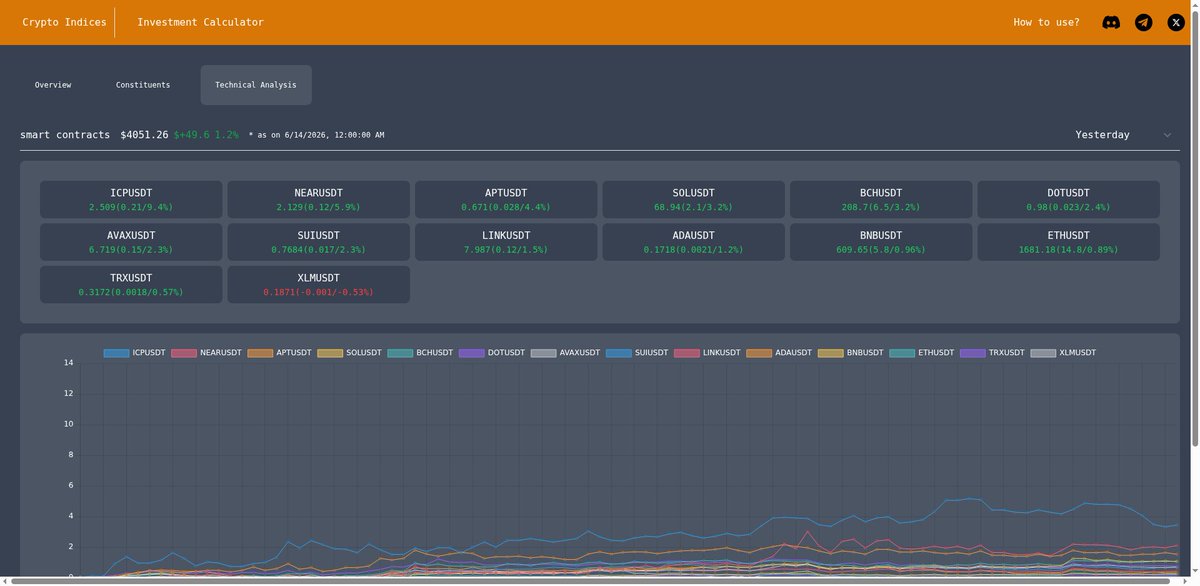
The Smart Contracts Index moved up 1.24%, continuing its upward trend. NEARUSDT led the way with a 5.87% gain, followed by BCHUSDT at 3.21%. In contrast, XLMUSDT dropped 0.53%. Overall, this aligns with the recent positive momentum over the past month. #SmartContracts #Web3
1
9

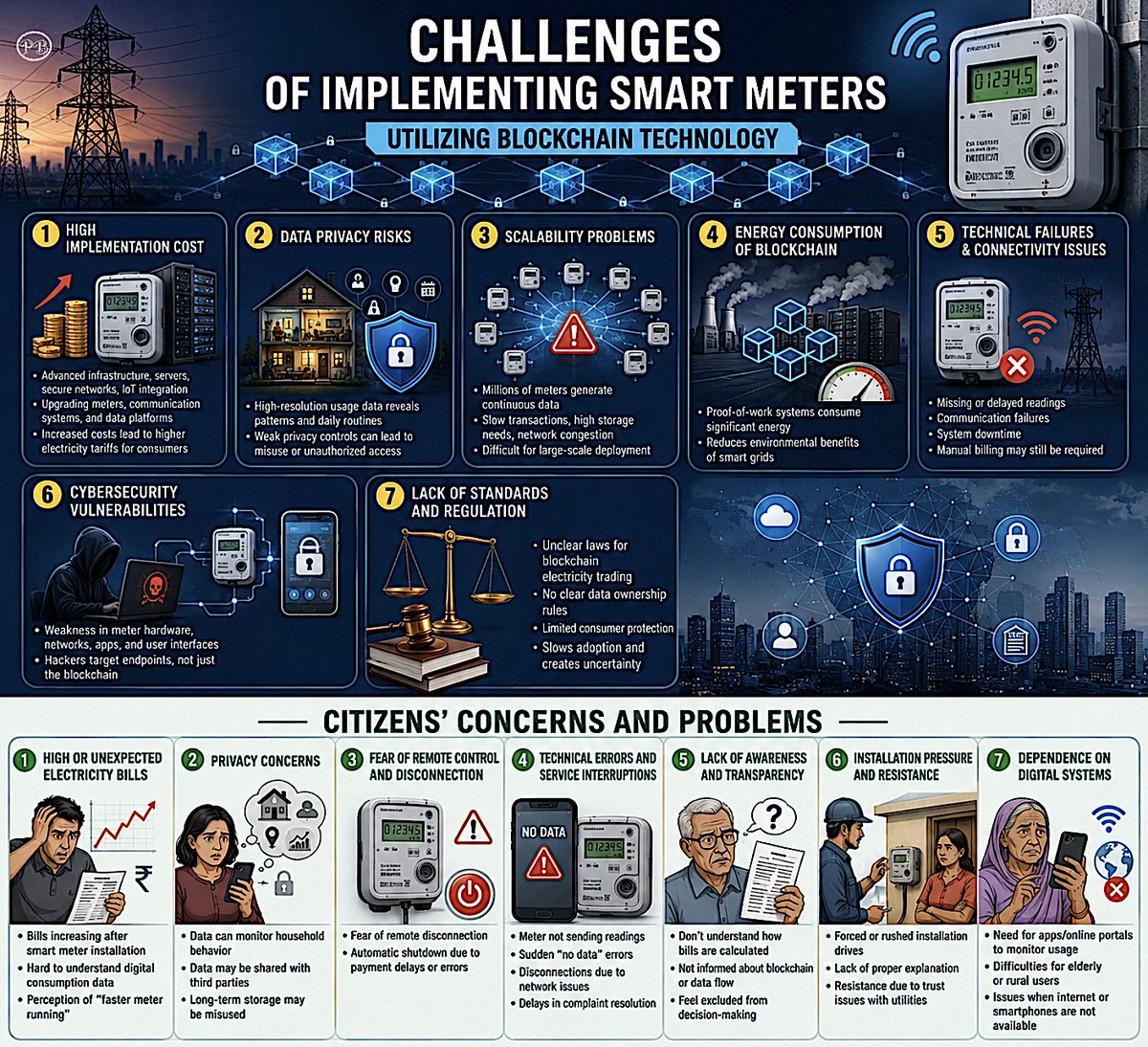
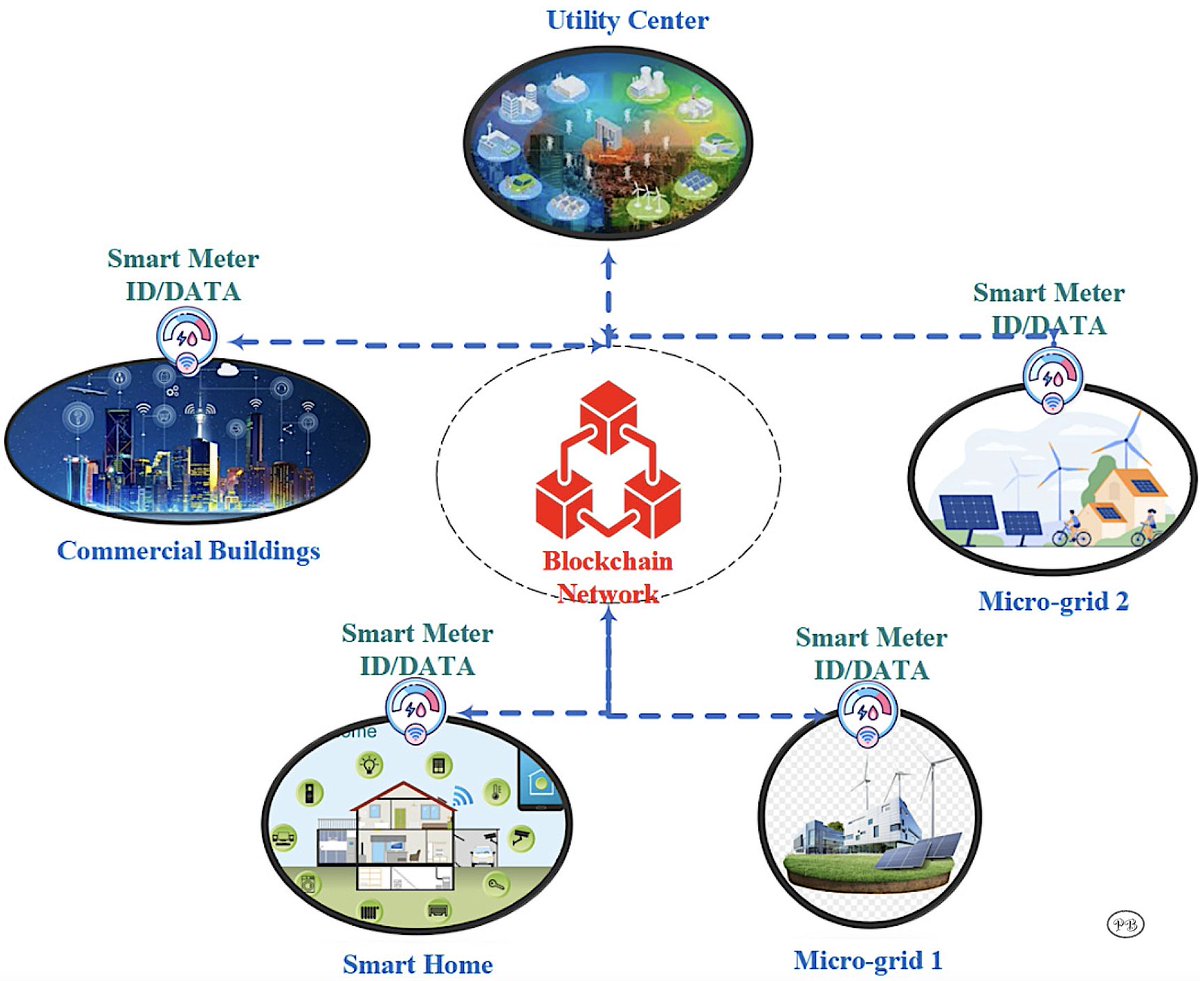
Challenges Associated with Implementing Smart Meters Utilizing Blockchain Technology
The government claims that blockchain-based smart meters enhance transparency and automation in electricity systems, but they also bring along various technical, financial, and social challenges.
1. High Implementation Cost
Blockchain systems require advanced infrastructure (servers, secure networks, IoT integration).
Utilities must upgrade smart meters, communication systems, and data platforms.
These costs often increase electricity tariffs indirectly for consumers.
2. Data Privacy Risks
Smart meters collect high-resolution electricity usage data (hourly or even minute-level).
Even with blockchain security, usage patterns can reveal:
When people are at home or away
Daily routines
Appliance usage behavior
If privacy controls are weak, this data may be misused or accessed by unauthorized parties.
3. Scalability Problems
Blockchain networks struggle when millions of smart meters continuously generate data.
Issues include:
Slow transaction processing
High storage requirements
Network congestion
This makes large-scale national deployment difficult.
4. Energy Consumption of Blockchain
Some blockchain systems (especially older “proof-of-work” models) consume significant energy.
This can partially reduce the environmental benefits of smart grids.
5. Technical Failures and Connectivity Issues
Smart meters depend on stable internet or telecom networks.
Problems include:
Missing or delayed readings
Communication failures between meter and utility
System downtime
In such cases, manual billing may still be required.
6. Cybersecurity Vulnerabilities
Even though blockchain itself is secure, weaknesses exist in:
Smart meter hardware
Communication networks
User interfaces and apps
Hackers may target endpoints rather than the blockchain system itself.
7. Lack of Standards and Regulation
Many countries do not have clear laws for:Blockchain-based electricity trading
Data ownership rules
Consumer protection in digital billing
This slows adoption and creates uncertainty.
Citizens’ Concerns and Problems
1. High or Unexpected Electricity Bills
Many consumers report:
Bills increasing after smart meter installation
Difficulty understanding digital consumption data
Perception of “faster meter running” compared to older meters
This often leads to distrust, even when readings are technically accurate.
2. Privacy Concerns
Citizens worry that:
Detailed electricity data can be used to monitor household behavior
Data may be shared with third parties (utilities, vendors, analytics companies)
Long-term storage of personal consumption patterns could be misused
3. Fear of Remote Control and Disconnection
With smart/prepaid systems:
Users fear electricity can be remotely disconnected
Concerns about automatic shutdown due to payment delays or system errors.
4. Technical Errors and Service Interruptions
Common issues reported in deployments include:
Meter not sending readings
Sudden “no data” errors
Disconnections due to network failures
Delays in complaint resolution.
5. Lack of Awareness and Transparency
Many consumers:
Do not fully understand how smart meters calculate bills
Are not informed about blockchain usage or data flow
Feel excluded from decision-making during rollout.
6. Installation Pressure and Resistance
In some regions, people report:
Forced or rushed installation drives
Lack of proper explanation before installation
Resistance due to trust issues with utilities
7. Dependence on Digital Systems
Citizens face challenges like:
Need for apps or online portals to monitor usage
Difficulties for elderly or rural users
Issues when internet or smartphones are not available
#SmartMeter #SmartGrid #DigitalEnergy #EnergyTechnology #ElectricityManagement #EnergyEfficiency #PowerSector #UtilityTechnology #FutureOfEnergy #Blockchain #BlockchainTechnology #EnergyBlockchain #DecentralizedEnergy #SmartContracts #DigitalTransformation #FinTech #IoT #Industry40 #EmergingTechnology #DigitalIndia #5G #6G
@awakenindiamvmt @Darryl_DSouza_ @DrDev7
32

6h
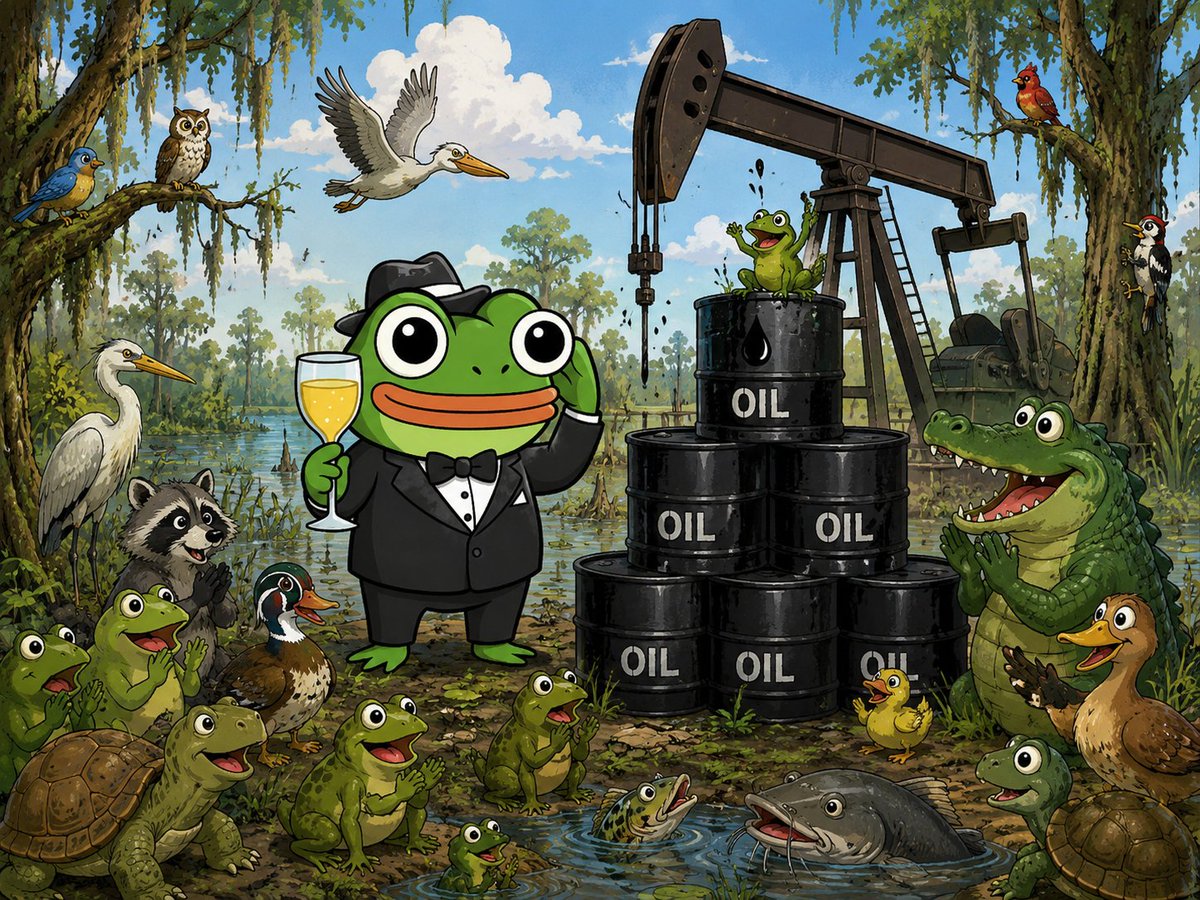
🐸 Strange times in the swamp…
First crypto, now commodities — everything seems to come into play sooner or later. 🌍⛽
And just like usual, the moment the swamp stocks up on oil, the world starts wondering if war was a poor move. Peace talks today can quickly turn into hostility tomorrow, and whether it’s our swamp or the one in the Middle East, one thing feels clear:
Diversity may be the play of the week, and confusion may be the market’s favorite game. 🐸🔥
Stay alert. Stay cautious. Keep your eyes open.
When the reset hits home, it tends to hit hard.
$SLIPPY is watching the swamp. 🐸🛢️⚠️
#Crypto #Kasfyi #Kaspa #Krc20 #Binance #Memecoin #100x #1000x #Bullrun #10bps #Gem #Trading #Viral #Ksprbot #KaspaCom #Fyp #Degen #Hibit #KasWare #DEX #CEX #Coin_Ex #MEXC #FairLaunch #Community #Smartcontracts
3
1
3
35

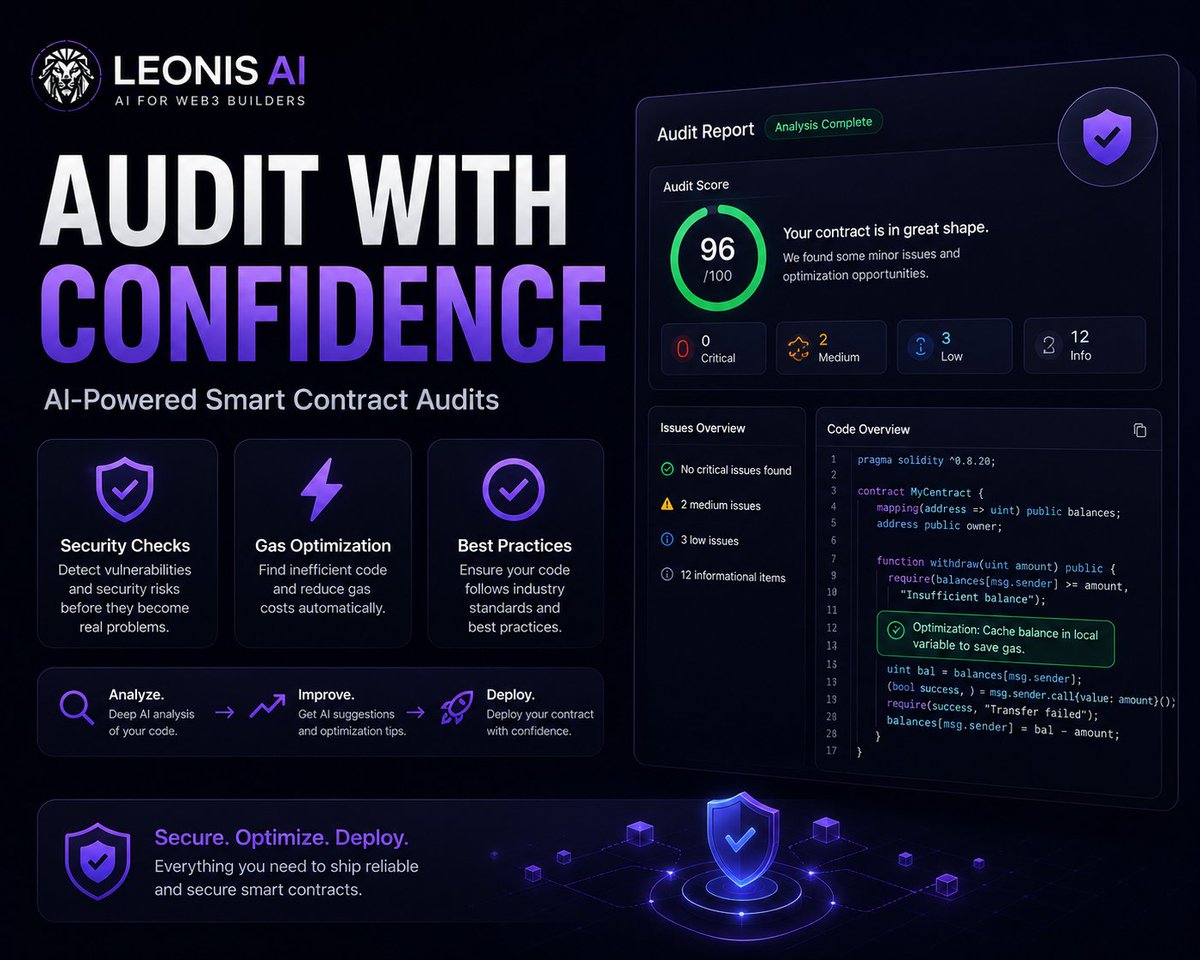
Smart contract security shouldn't be an afterthought.
Analyze vulnerabilities.
Optimize your code.
Deploy with confidence.
🛡️ AI-powered smart contract audits.
🌐 leonisai.xyz
#Web3 #SmartContracts #Blockchain
#AI
2
3

11h
Get ready for the next 1,000x Cat memecoin on $KASPA!!
From 20k to 20M marketcap, what will your entry point be?
We have a long road ahead of us, but the flood gates will open once the Kaspa ecosystem gets native smartcontracts and a new L1 DEX
kaspa:native #KaspaCom #KsprBot #Kasbtc #Krex #DefiKaspa #1000x #KaspaSmartcontracts #Silverscripts
1
1
4
78

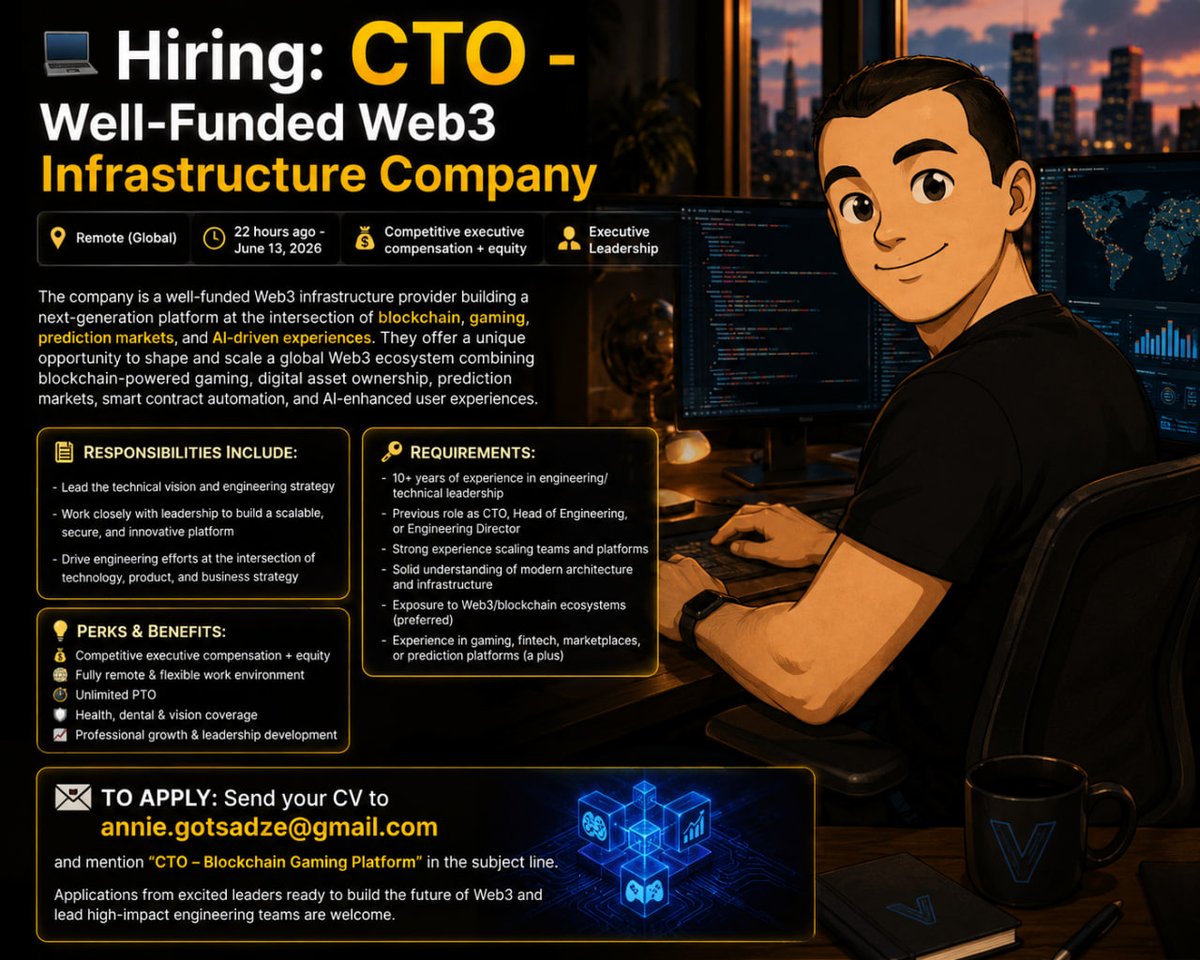
💻 Hiring: CTO - Well-Funded Web3 Infrastructure Company
📍 Remote (Global) | 💼 Executive | 🧑💻 Blockchain/Gaming/AI | 💰 Competitive exec comp equity | 🕐 22 hours ago - June 13, 2026
The company is building a next-generation Web3 platform combining blockchain, gaming, prediction markets, and AI. They seek a CTO to lead technical vision, scale engineering teams, and shape a global ecosystem with smart contracts, digital assets, and innovative experiences.
📋 Responsibilities include:
- Lead technical vision and engineering strategy
- Build scalable, secure platform with leadership
- Drive tech at tech/product/business intersection
🔑 Requirements:
- 10 years engineering/technical leadership
- Prior CTO/Head of Engineering/Director role
- Experience scaling teams & platforms
- Modern architecture & infrastructure knowledge
- Web3/blockchain exposure preferred
- Gaming/fintech/marketplaces background a plus
💡 Perks:
- Competitive executive compensation equity
- Fully remote & flexible
- Unlimited PTO
- Health/dental/vision coverage
- Growth & leadership development
📩 To apply: Send CV to annie.gotsadze@gmail.com mentioning “CTO – Blockchain Gaming Platform” in subject. Ideal for leaders passionate about Web3 innovation.
🔗 Original post: linkedin.com/posts/ani-gotsa…
⚠️ DYOR! I don’t verify every job. If someone asks to run files (even from GitHub) or ask for payment 🚩 likely a scam.
❗️ I'm not hiring myself! I just sharing fresh web3/crypto/blockchain roles DAILY for all levels!
💡 For Interns & juniors → t.me/crypto_vazima_english
💼 Mid/senior jobs → t.me/web3_jobs_crypto_vazima
#CTO #Hiring #Web3 #Blockchain #Gaming #TechLeadership #RemoteJobs #CryptoCareers #SmartContracts #AI #Crypto #DeFi #NFT #Web3Jobs #BlockchainJobs
4
75

La tecnología puede automatizar pagos y contratos, pero la verdadera confianza sigue dependiendo de la seguridad jurídica. Innovación sin respaldo legal genera incertidumbre; innovación con reglas claras genera oportunidades. #SmartContracts #DerechoFinanciero #Blockchain
1
3

KAS unterscheidet sich von Bitcoin Interpretationen, besonders durch die Nutzung von DAG statt lineare Kette, Blockzeit und die Art der Programme/SmartContracts.
1
1
24

The era of closed platforms is over. In the Salatto ecosystem, the community dictates the rules. 🌐
We are building a space where creators and users have full visibility and control. Everything is on-chain, transparent, and driven by your contribution. Let’s build the future standard together. 🤝🛠️
#Salatto #Solana #Web3 #Devnet #SmartContracts #Transparency #Crypto

9
17
457

The difference between a feature and a vulnerability is sometimes just one missing line of code.
😅
#BlockchainSecurity #SmartContracts #Web3
12

17h
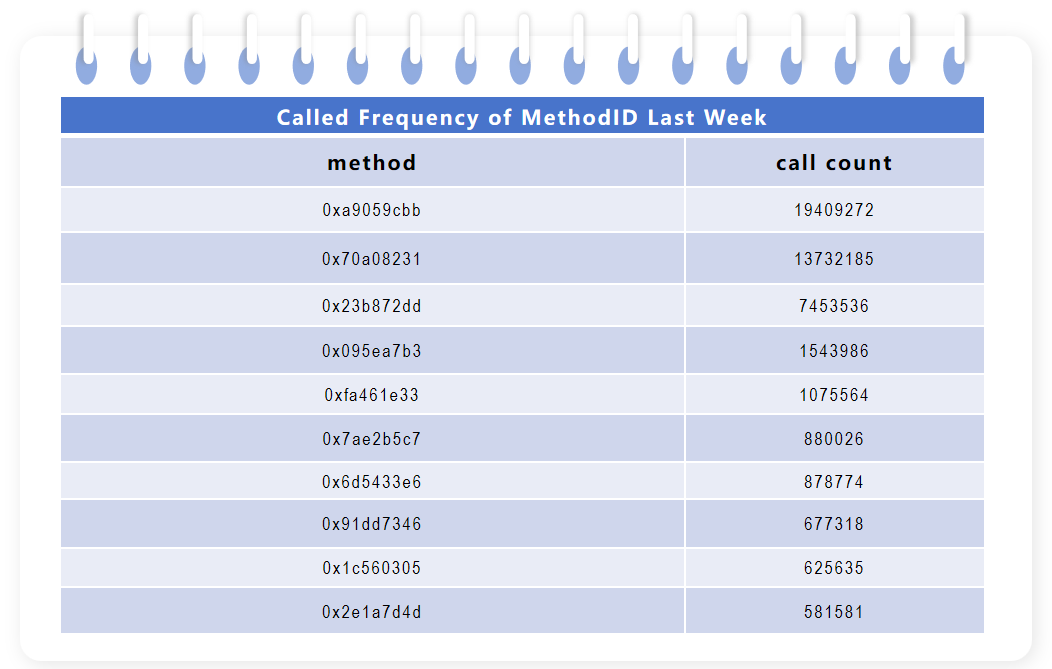
🔥 Ethereum Weekly MethodID Call Frequency Report
Core ERC20 basic functions completely dominate all smart contract interactions last week:
• 0xa9059cbb (transfer): 19,409,272 calls (1st place)
• 0x70a08231 (balanceOf): 13,732,185 calls (2nd place)
• 0x23b872dd (transferFrom): 7,453,536 calls (3rd place)
There is a huge gap between the top three ERC20 operations and the rest of the list. The 4th-ranked method only recorded 1.54M calls, far lower than the top three. The data confirms token transfers and balance checks are still Ethereum’s most frequent on-chain behaviors.
#Ethereum #ERC20 #SmartContracts #OnChainData #DeFi
6

Every developer thinks:
“Nobody would ever try that.”
Every attacker:
“Challenge accepted.”
😂
#BlockchainSecurity #SmartContracts
7
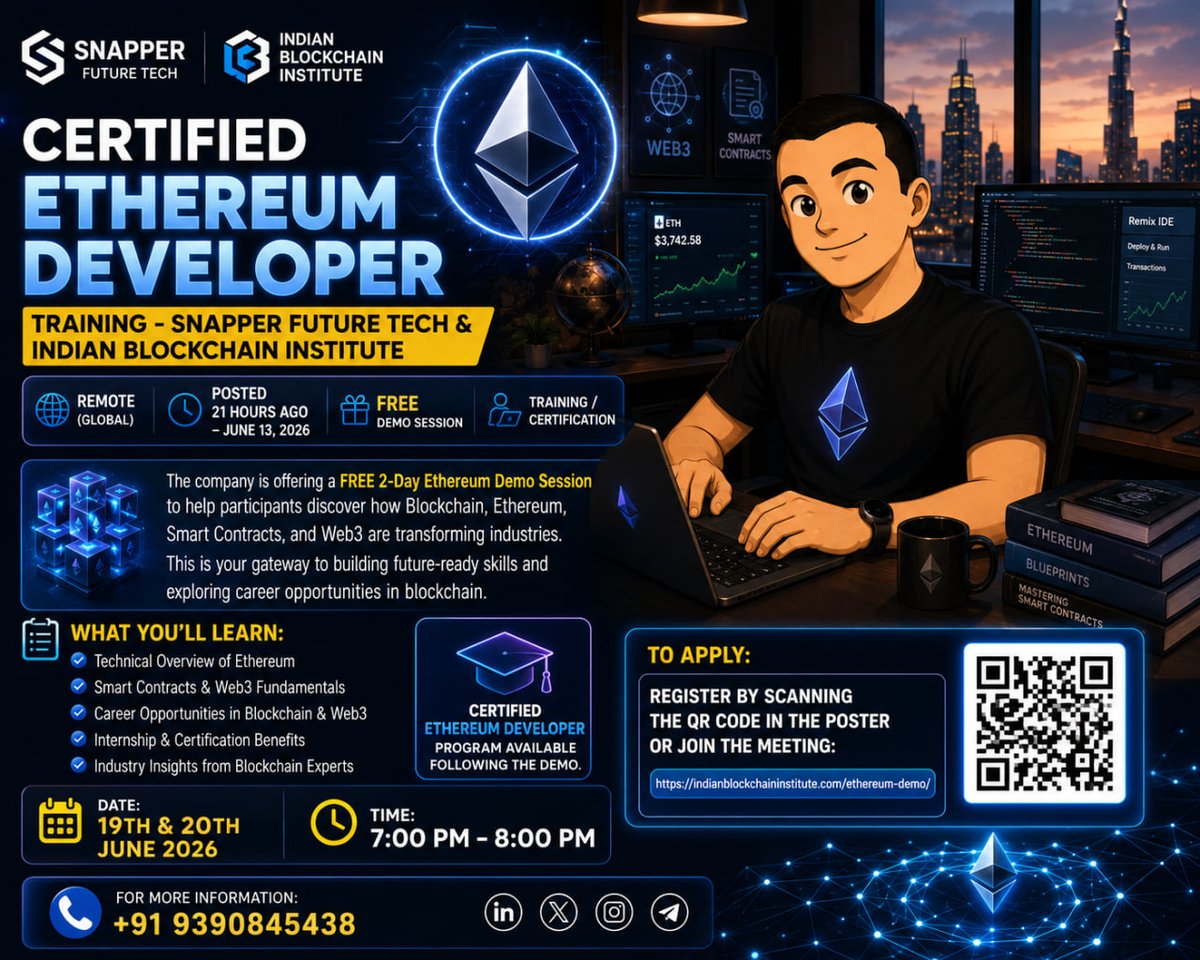
💻 Opportunity: Certified Ethereum Developer Training - Snapper Future Tech & IBI
📍 Remote (Global) | 💼 Training | 🧑💻 Ethereum / Web3 | 🕐 21h ago
The company is hosting a FREE 2-Day Ethereum Demo Session by Indian Blockchain Institute (IBI) & Snapper Future Tech. Blockchain skills are essential for future careers in tech. Discover how Ethereum and Web3 are reshaping industries like Finance, Supply Chain, and more.
📋 What You'll Learn:
- Technical Overview of Ethereum
- Smart Contracts & Web3 Fundamentals
- Career Opportunities in Blockchain & Web3
- Internship & Certification Benefits
- Industry Insights from Experts
🎓 Leads to Certified Ethereum Developer Program.
📅 19-20 June 2026 | 7-8 PM
📩 To apply: Register by scanning the QR code in the poster or join the meeting: indianblockchaininstitute.co… For more information: 91 9390845438.
🔗 Original post: linkedin.com/posts/blockchai…
⚠️ DYOR! I don’t verify every job. If someone asks to run files (even from GitHub) or ask for payment 🚩 likely a scam.
❗️ I'm not hiring myself! I just sharing fresh web3/crypto/blockchain roles DAILY for all levels!
💡 For Interns & juniors → t.me/crypto_vazima_english
💼 Mid/senior jobs → t.me/web3_jobs_crypto_vazima
#Blockchain #Ethereum #Web3 #SmartContracts #BlockchainDeveloper #CryptoEducation #TechCareers #EthereumDeveloper #Web3Jobs #BlockchainTraining #Certification #CareerGrowth #Internship #CryptoCareers #FutureSkills
1
74

Kimchi fermentation robots managing temperature, monitoring pH, and jarring products with Smart Contract Jobs ensuring traditional Korean food safety. Cultural cuisine meets automated precision and compliance. 🥬 @konnex_world #Konnex #FermentedFoods #SmartContracts
14

Build absolute transactional trust without middlemen. Our Blockchain Development Services focus on secure smart contracts, decentralized app structures, and custom crypto wallet integrations.
#Blockchain #Web3 #SmartContracts #CyberSecurity
1
25

Many blockchain projects fail for the same reason:
Teams focus on the technology before evaluating the trade-offs.
From #SmartContracts and auditability to scalability limits and regulatory concerns, understanding both sides is critical.
Read more: buff.ly/GIJRXAf
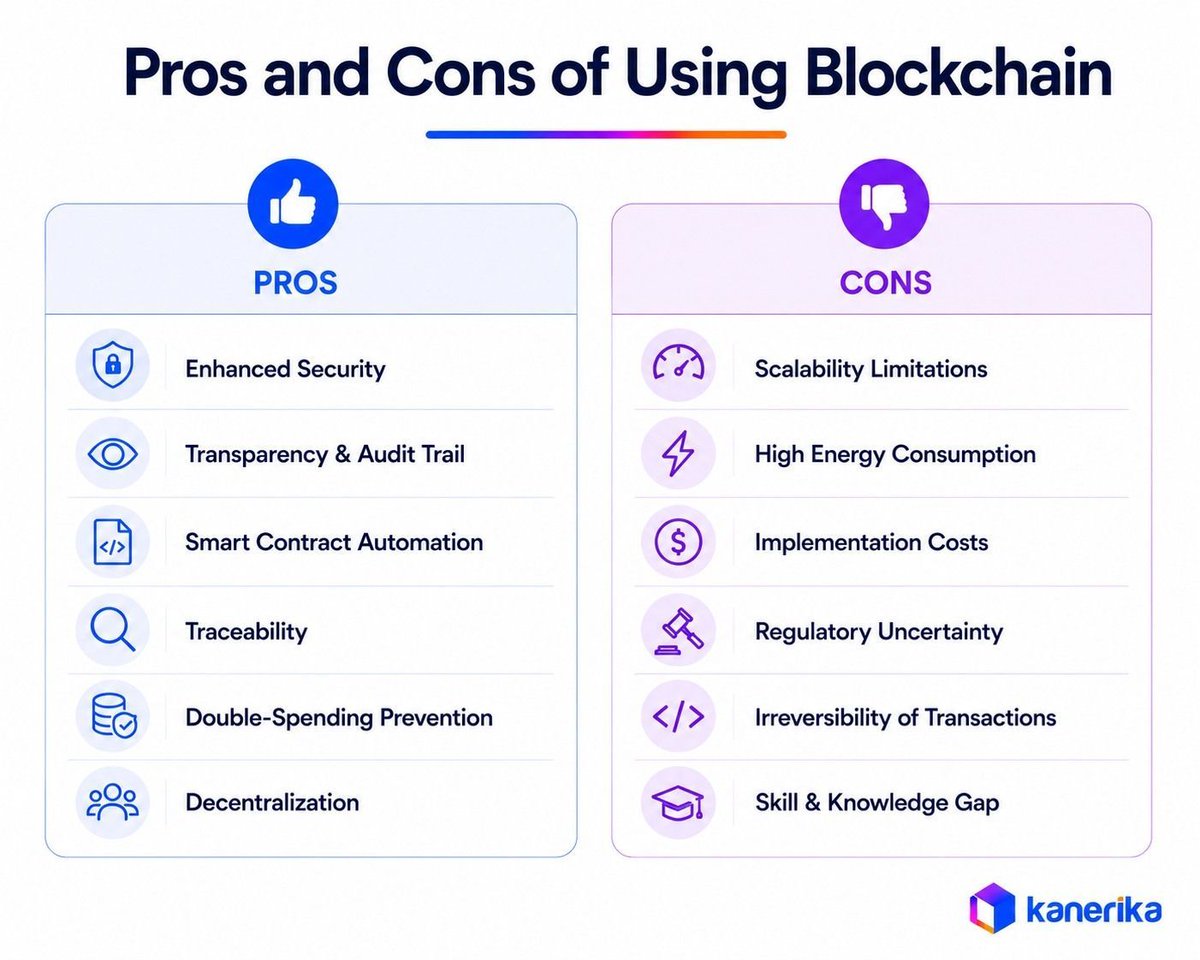
ALT Kanerika infographic comparing the pros and cons of blockchain technology. The visual highlights advantages such as enhanced security, transparency, smart contracts, traceability, and decentralization, alongside challenges including scalability limits, energy consumption, implementation costs, regulatory uncertainty, and skills gaps.
3

Imagine writing an ecosystem DApp where a supply chain delay instantly triggers a Smart Contract to hire an autonomous cleanup crew on the other side of the world. @konnex_world makes the physical world entirely composable. 🛠️⛓️ #BuildOnWeb3 #Konnex #SmartContracts #Dev
5

Imagine writing an ecosystem DApp where a supply chain delay instantly triggers a Smart Contract to hire an autonomous cleanup crew on the other side of the world. @konnex_world makes the physical world entirely composable. 🛠️⛓️ #BuildOnWeb3 #Konnex #SmartContracts #Dev
5

23h
Imagine writing an ecosystem DApp where a supply chain delay instantly triggers a Smart Contract to hire an autonomous cleanup crew on the other side of the world. @konnex_world makes the physical world entirely composable. 🛠️⛓️ #BuildOnWeb3 #Konnex #SmartContracts #Dev
7