
I was born to die rich.
Joined August 2025
- Tweets 2,419
- Following 170
- Followers 451
- Likes 3,584
41 Photos and videos





Pinned Tweet

Most tech companies are trapped in a toxic cycle: they have to steal your attention just to survive.
But Spotify recently did the exact opposite.
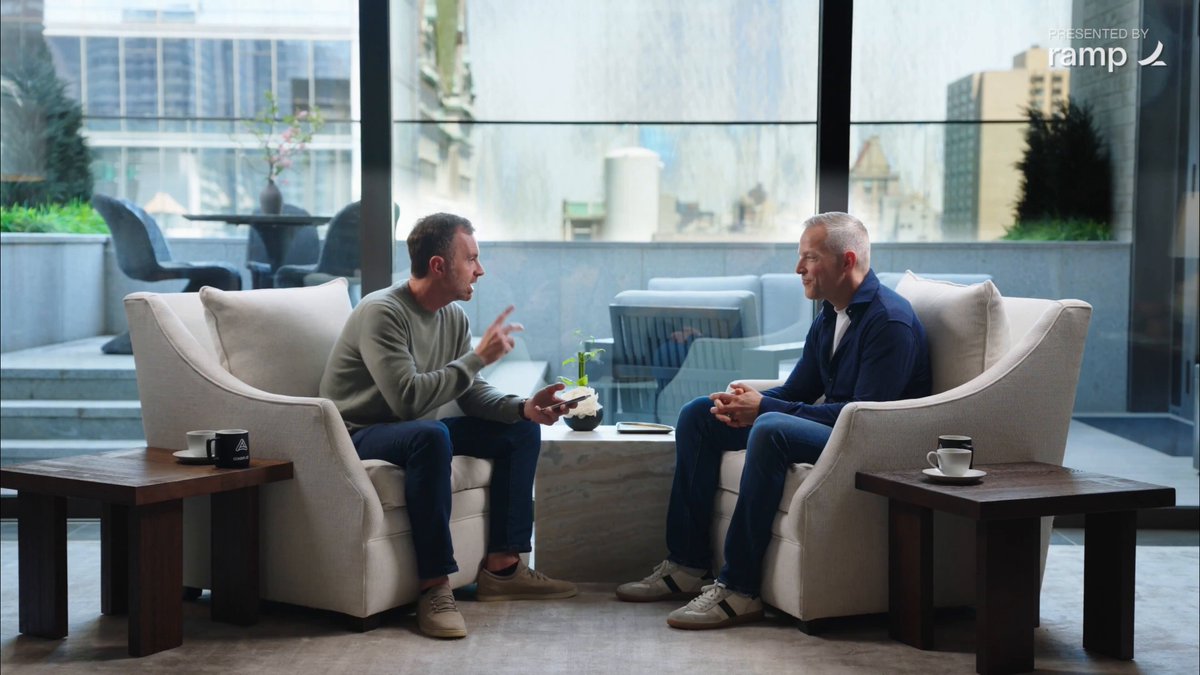
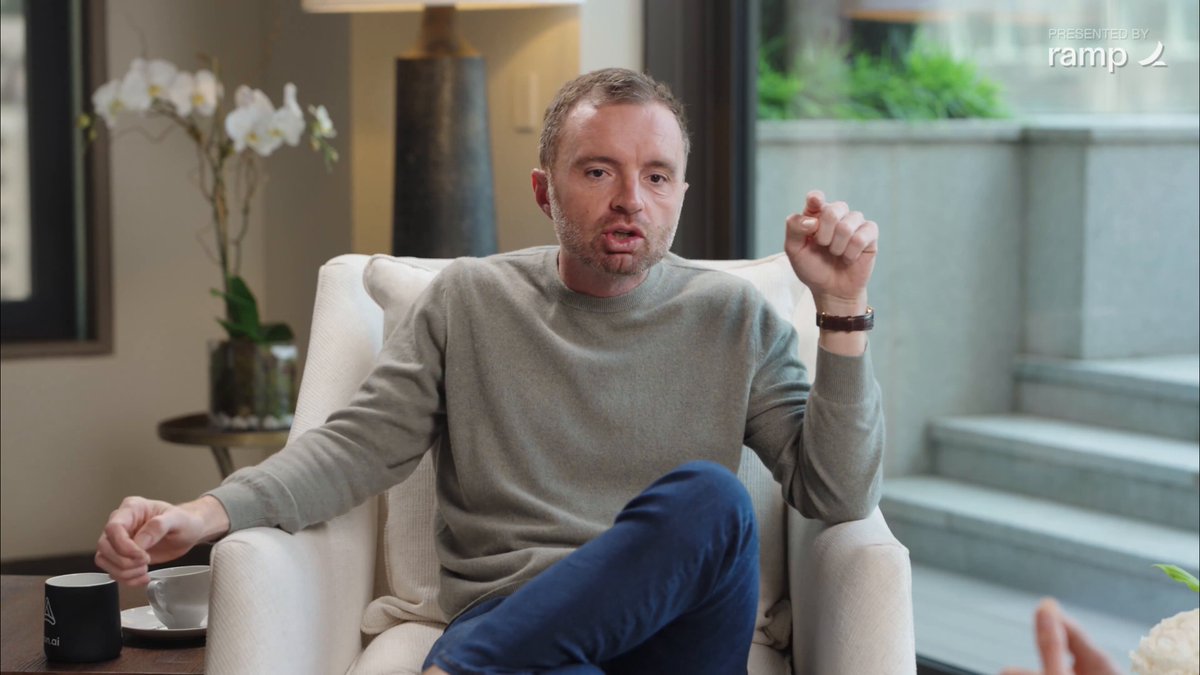
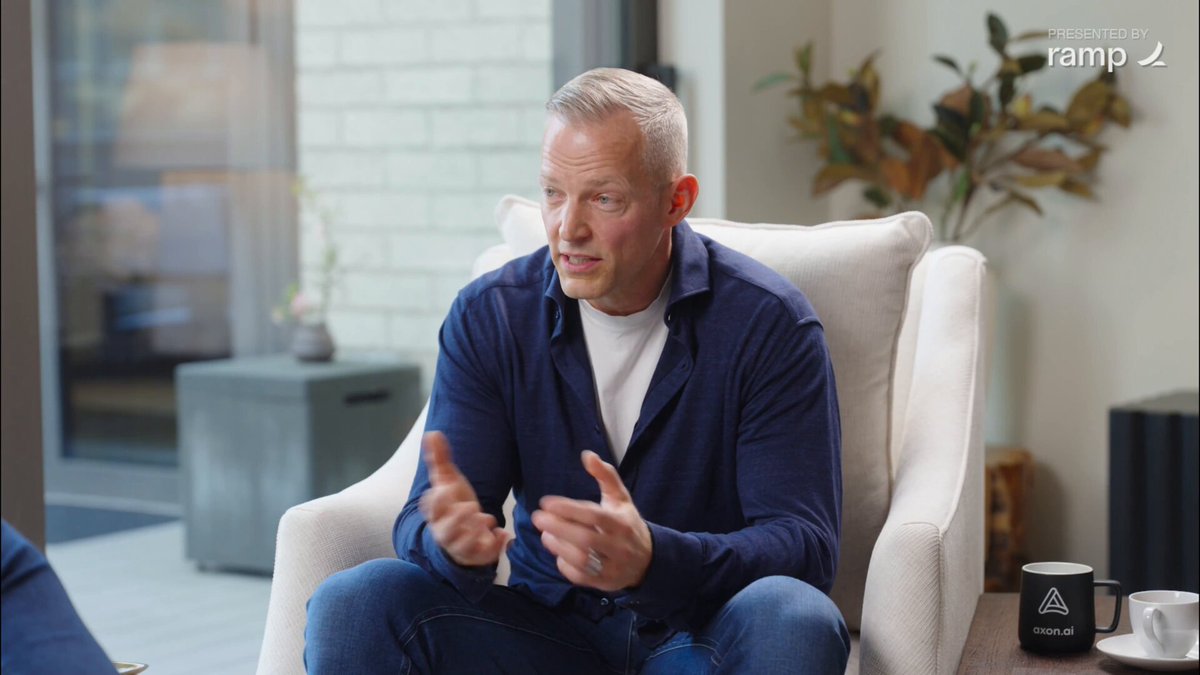
Spotify’s Co-President, Gustav Söderström, breaks down an "anti-engagement" decision they made that goes against the entire modern tech playbook.
When video podcasts started booming, Spotify naturally followed the trend. But they quickly noticed a problem.
Users, especially parents, felt like the unexpected video feeds were degrading their experience.
It felt less like high-value listening and more like mindless screen time.
A traditional social media platform would have doubled down on the video to keep eyes glued to the screen.
Instead, Spotify built a feature allowing users to turn off video completely.
They willingly took an engagement hit to protect user value.
The logic behind it is a masterclass in business models:
90% of Spotify's revenue comes from subscriptions, not ads.
If you run an ad-driven model, your only incentive is to maximize time spent at all costs.
But when users vote with their wallets every month, they don't pay for cheap engagement, they pay for long-term value.
When your business model aligns with the user’s actual well-being, you can afford to respect their time.
4
6
27
29,239
Micky | Clipur.com retweeted

Brazil is 100% winning the World Cup
Don’t ask me I how I know
4
5
15

Micky | Clipur.com retweeted

22h
The biggest breakthroughs happen when technology meets a new business model 💡
"When things really change is when you take a new technology and marry it with a new, often contrarian business model."
1
4
10
82
Micky | Clipur.com retweeted

Jun 14
Spotify Co-CEO Gustav Söderström just said something that should make everyone pause.
He thinks AI algorithms could become the most addictive technology we've ever created.
Why?
Because they'll know you better than anyone else.
The crazy part?
Spotify has been building personalized AI recommendations for years.
When the people building the machine start warning about it, it's worth paying attention.
x.com/youfadedwealth/status/…
1
5
13
95
Micky | Clipur.com retweeted

Jun 13
free card instant points?
yeah i'm farming this sprint way earlier than i should be 🔥
x.com/Predictstreet/status/2…
45
7
246
3,020
Micky | Clipur.com retweeted

Jun 14
Founders spend too much time searching for the perfect org chart 🔄
"There's not one right way to do it. There's multiple different ways."
1
3
8
167
Micky | Clipur.com retweeted
"WHAT THE F*CK IS GOING ON?!"
The slot just kept paying 🤯
3
3
58
Micky | Clipur.com retweeted

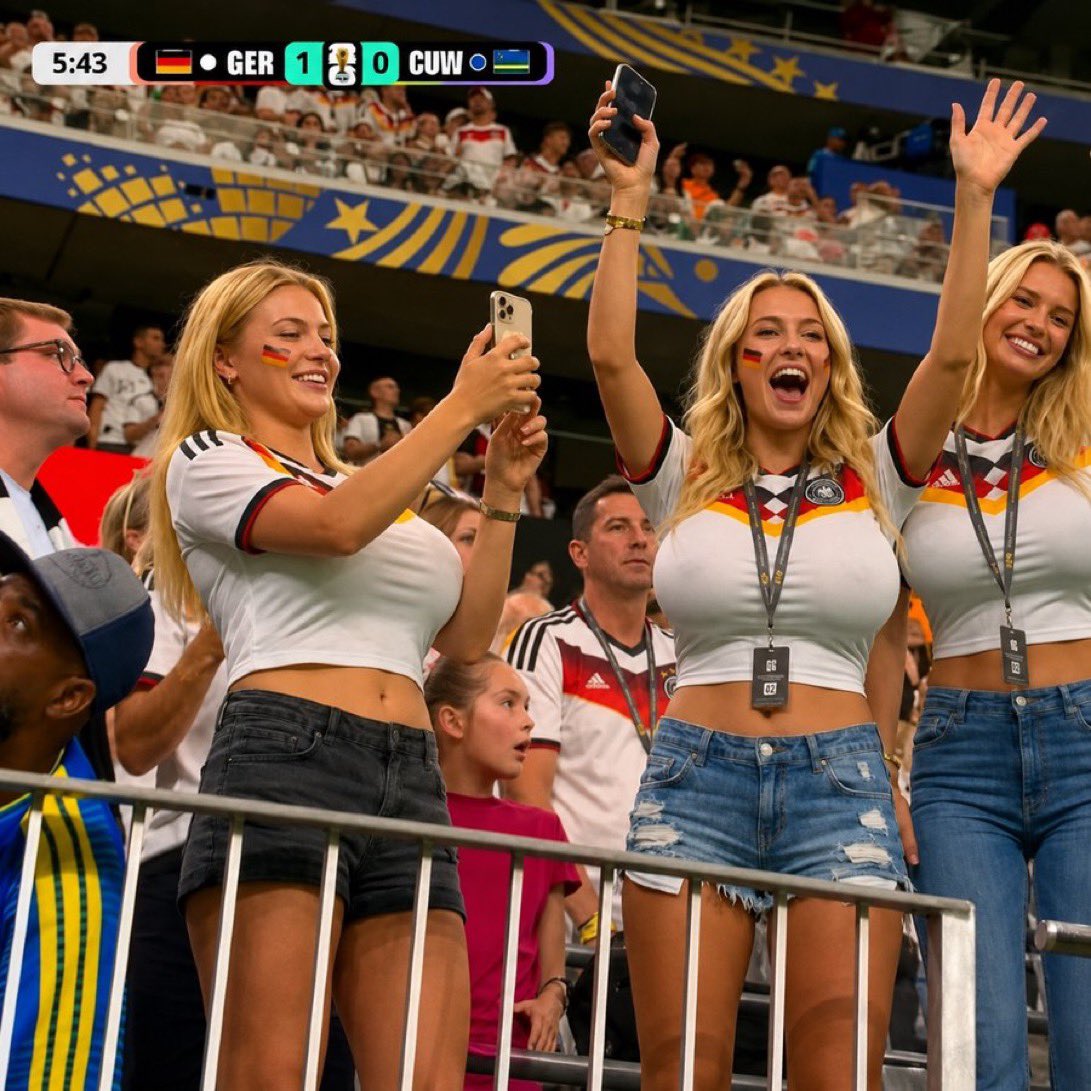
These World Cup girls are getting out of control
Somebody needs to stop this
1
4
6
117
Micky | Clipur.com retweeted
Spotify's Gustav Söderström says AI can turn 10-person user research into 761 million-person user research 🤖
"What if you could do that deep user research with every single user?"
1
3
8
91
Micky | Clipur.com retweeted

Jun 14
💡Everyone sees the CEO title. Few see the responsibility that comes with it...
🚀Spotify's Gustav Söderström reveals the leadership responsibility that only becomes real when you're the one in charge.
1
5
13
1,056
Micky | Clipur.com retweeted

Jun 14
Spotify’s Co-President just dropped a truth bomb:
"Generative AI will create the most addictive tech in history… but it’s also your ultimate weapon to reprogram your habits, attention, and future self."
What do you think?
16
16
55
1,116
Micky | Clipur.com retweeted
Jun 14
The best products don't capture attention—they protect it 🎯
"The Kindle was an antidote to short attention spans."
1
2
5
136
Micky | Clipur.com retweeted
BendaDonn and Mike Majlak break down the massive branding trap that short-form creators fall into
"Short-form stuff can only brand you so much. If you ever want to start a business, get people to buy stuff, or really believe in your brand, you have to give them more of you."
"The difference between standard content creation and live streaming is that streaming makes people feel a lot more connected to you. It makes them feel like, 'This is actually my partner, this is my friend.'"
"They feel like, 'He doesn’t know it, but I hang out with this guy every day.' Whether it's the live stream, the VODs, or the clips, the connection is just deeper."
1
5
7
50
MrBeast reveals the last content creator he called, and it’s a brutal reminder of why the traditional "post every day" advice is completely dead
"A channel called Dr. Plants. He doesn't upload much, only about 4 times a year, but he gets like 30 to 50 million views a video."
1
2
4
35
Micky | Clipur.com retweeted
Jun 14
Quick question: would you trust your team enough to step back years before telling the world?
Daniel Ek did exactly that.
Gustav explaining the whole gradual handover… man, this is how legends actually leave companies stronger.
Mind blown yet?
5
16
36
1,057
Micky | Clipur.com retweeted
Jun 14
The next $100B AI giant hasn't been built yet.
Everyone thinks OpenAI and Anthropic already won. They didn’t.
In 2008, mobile didn't peak with the iPhone hardware. It peaked when Uber weaponized it.
The massive upside isn't in building infrastructure. It’s in betting on absolute user autonomy while the giants try to build monopolies. x.com/clippernet/status/2064…
34
7
76
3,874
Micky | Clipur.com retweeted

Jun 14
🧠 The goal isn't finding a perfect system—it's balancing the weaknesses of your chosen system.
"You optimize for some things, but then you have to mitigate for the out-of-sync things."
1
5
9
116
Micky | Clipur.com retweeted

If all your atoms get replaced, what actually makes you 'you'? ⚛️
"You're not your atoms, you're the structure of your atoms."
1
4
7
53