Joined January 2025
- Tweets 420
- Following 487
- Followers 225
- Likes 3,971
120 Photos and videos

Marcel retweeted

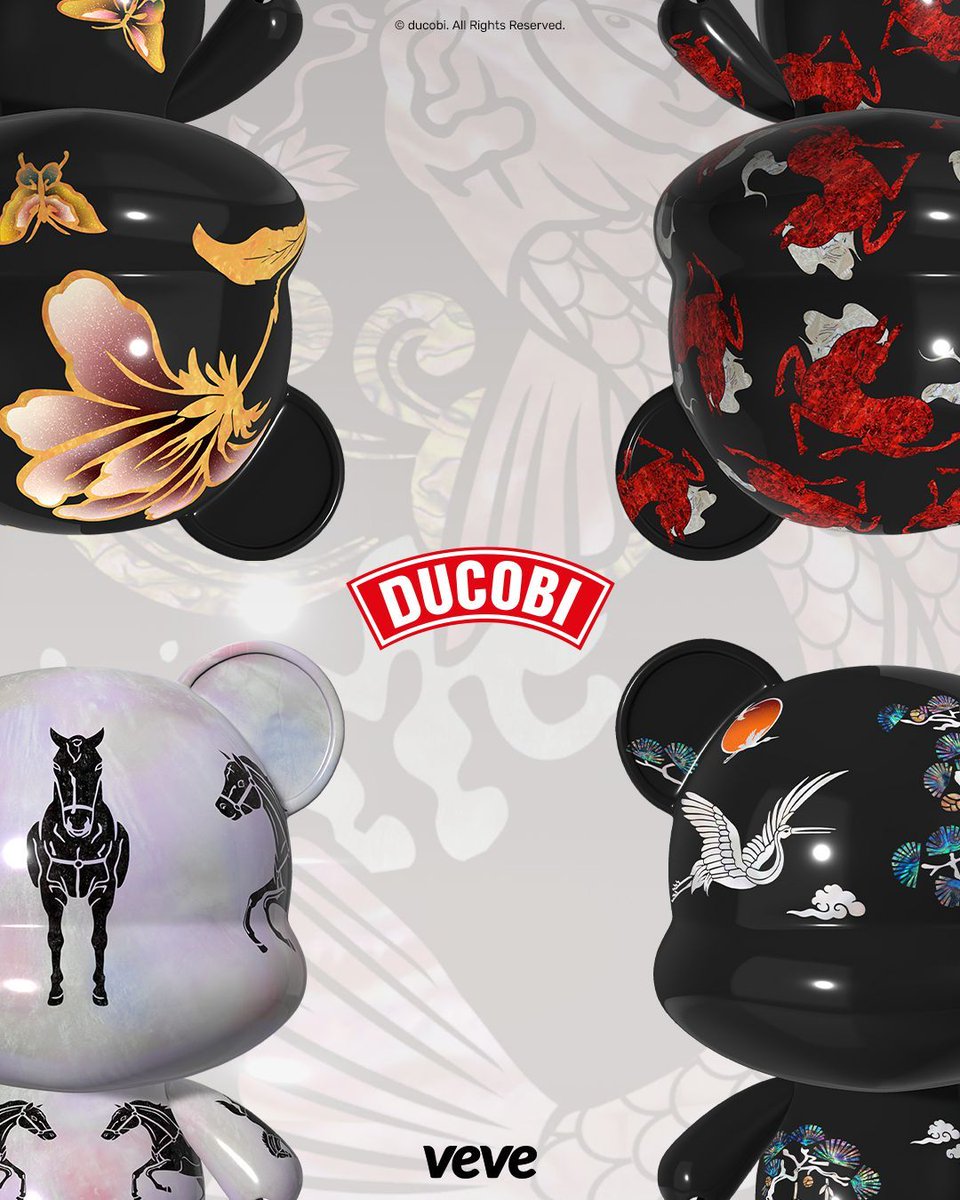
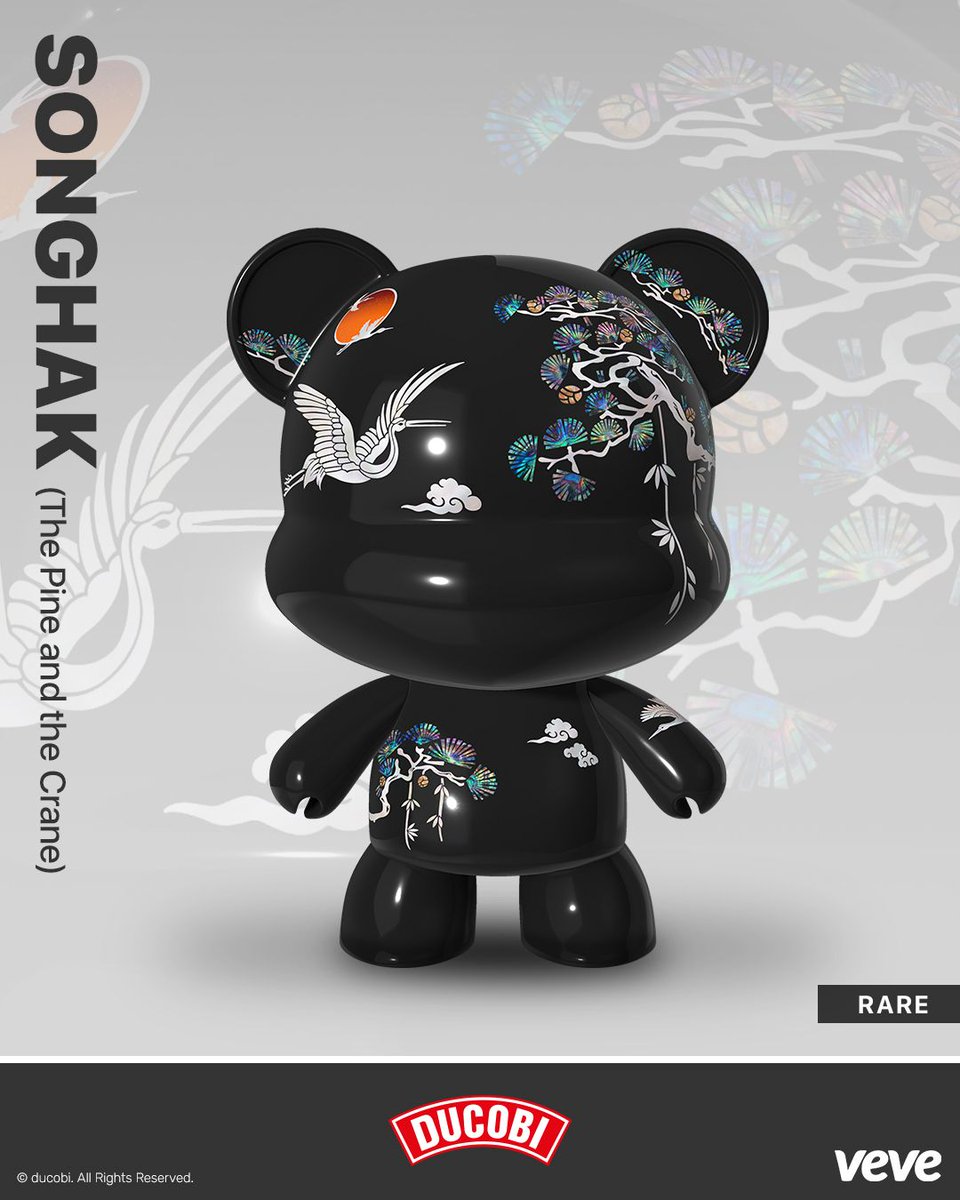
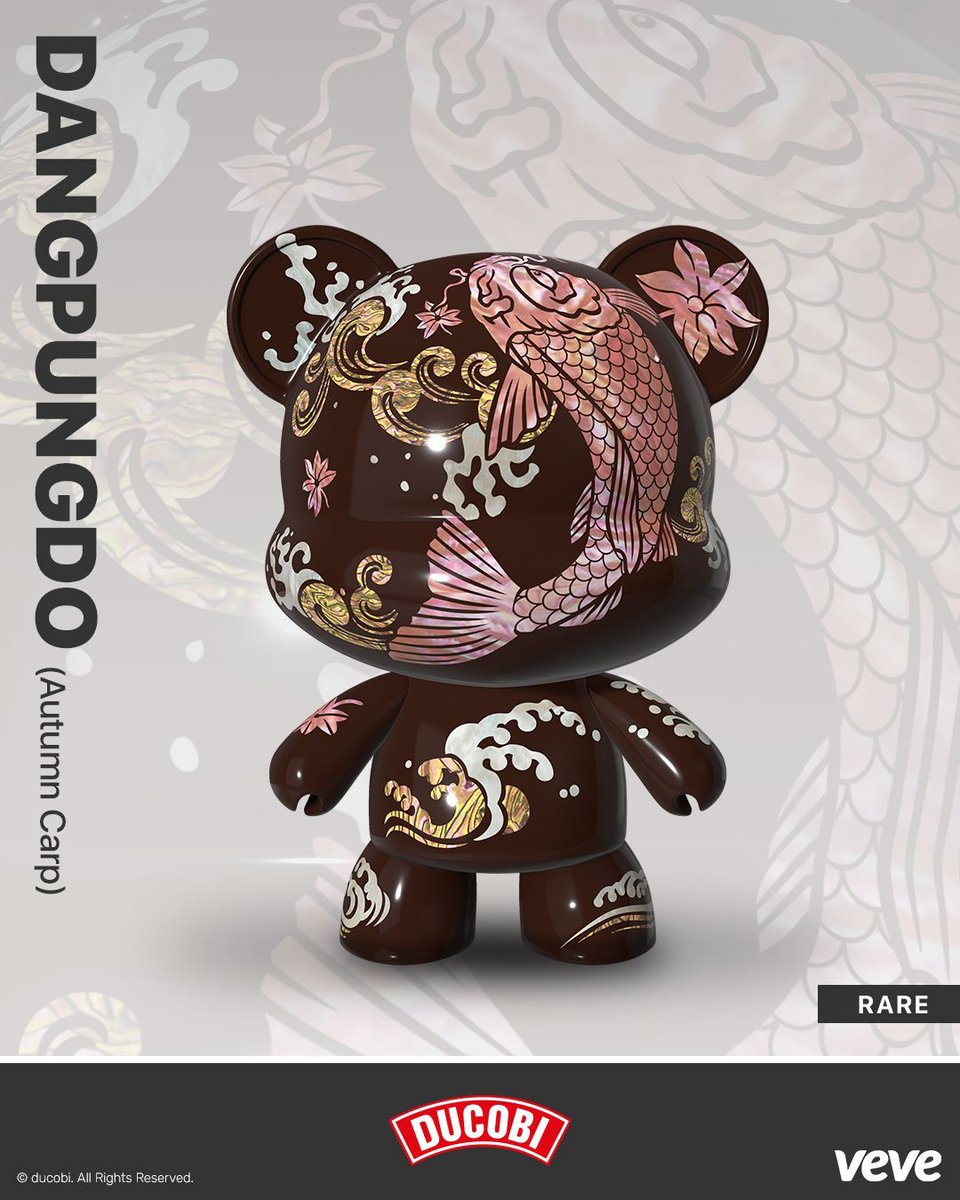
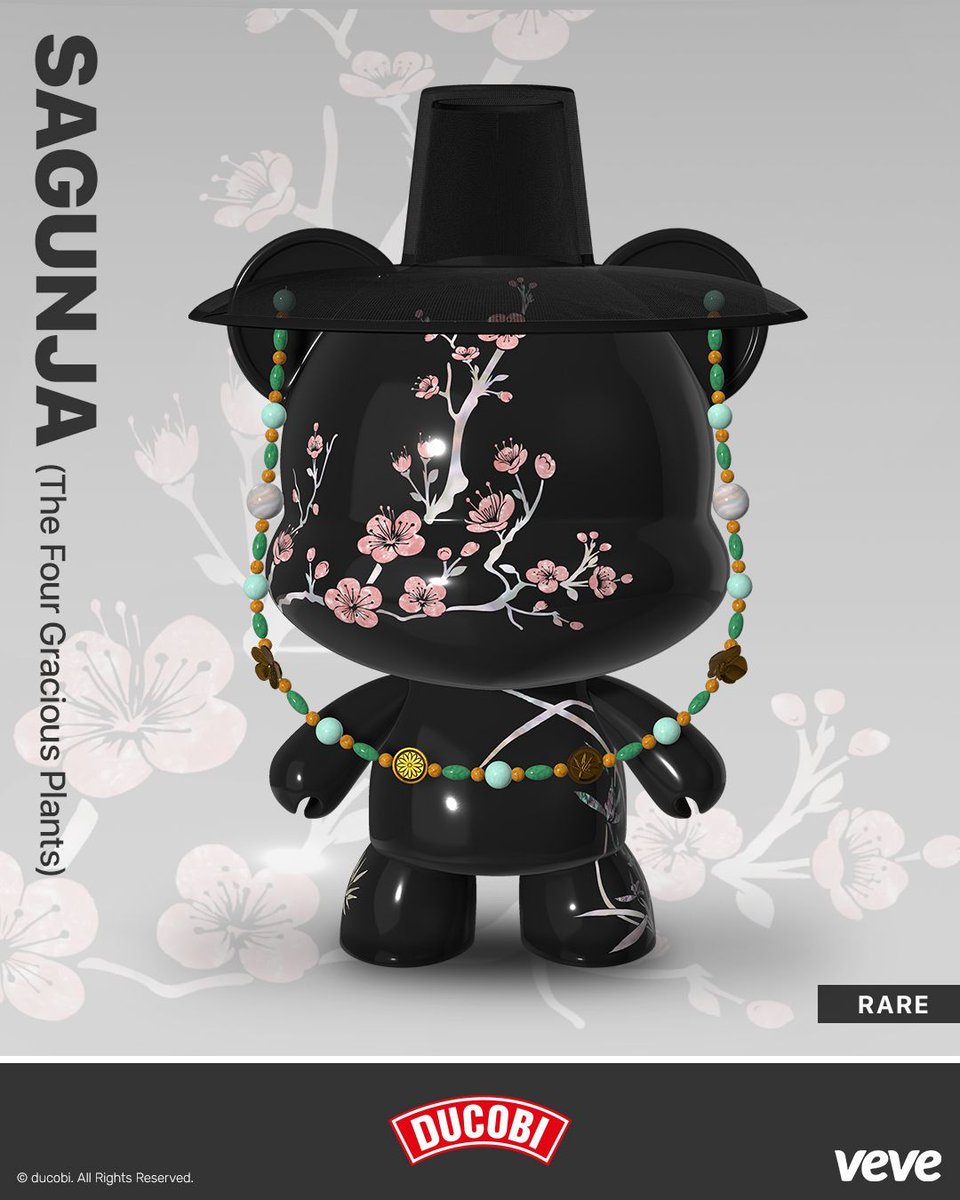
Ducobi digital collectibles arrive on VeVe with the Mother of Pearl series.
Blending traditional Korean artistic philosophy with contemporary designer toy culture, this six-piece collection features symbolic imagery, intricate detailing, and premium collectible design inspired by the essence of mother of pearl.
Every edition of the Secret Rare Special Edition Magnolia is available directly in the drop with no withheld editions.
Which piece belongs in your showroom first?
20
37
156
7,052
Marcel retweeted

Jun 11
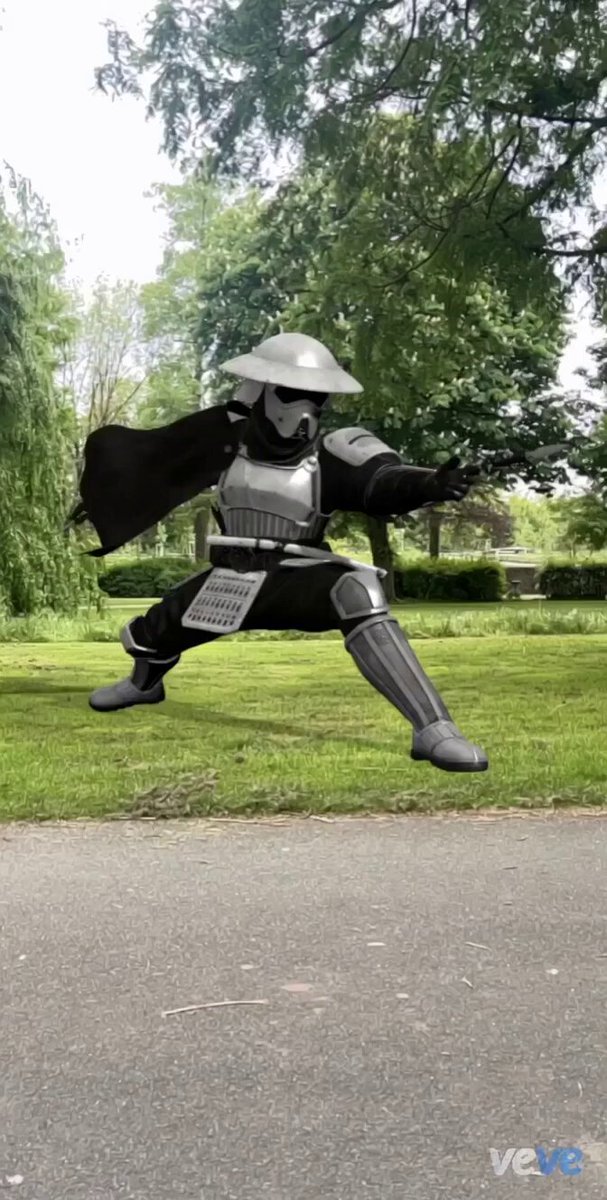
I joined forces with @HomiesOmi and @mie_janie in Lisbon to take on the Street Fighter characters!💥🤕 It could've gone better... @veve_official
21
39
151
5,372
Marcel retweeted

Jun 8
The biggest IPO in history.
Tokenized on day one.
SPCXon, coming to Ondo Global Markets.
121
635
3,124
177,624
Marcel retweeted

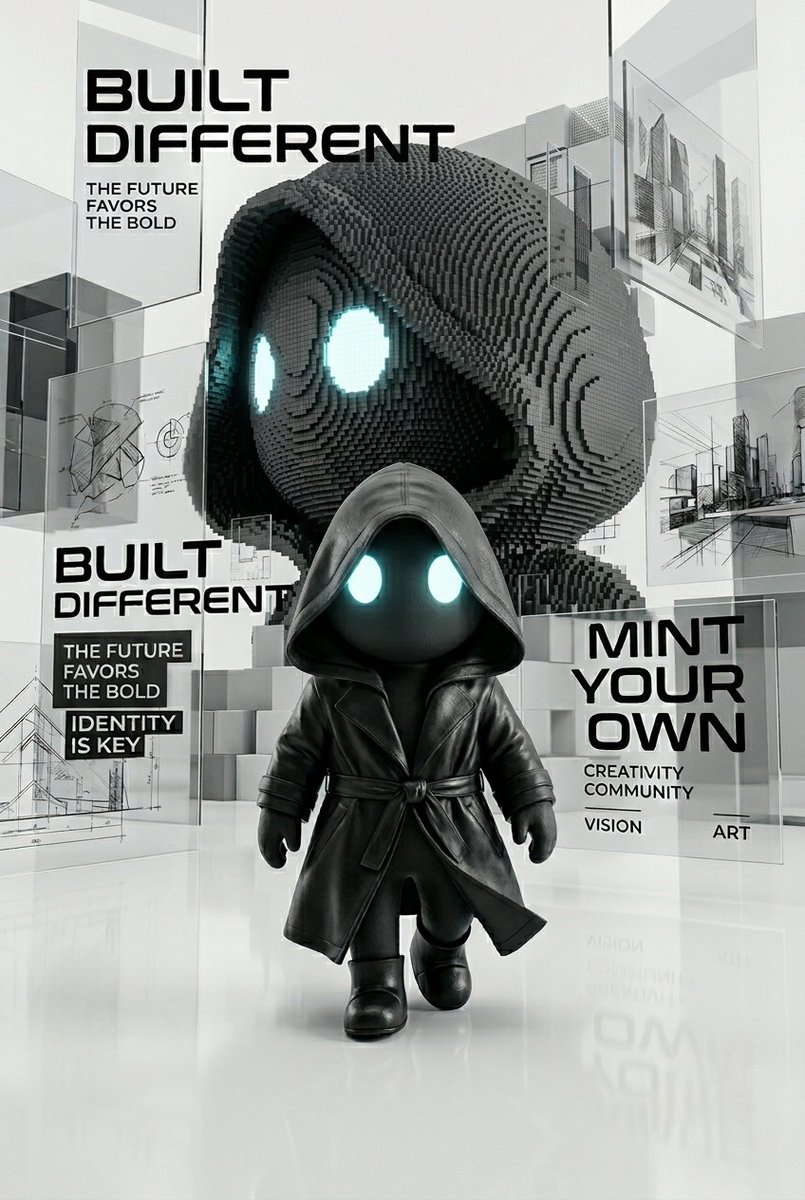
Inhabiting the Digital Frontier: Why myo.land is Built Different
The traditional boundaries of art are dissolving, and myo.land is leading the charge into uncharted territory. This is not just another digital gallery or a passive virtual landscape; it is a living, breathing ecosystem where creativity meets technology. In a world crowded with repetitive concepts and safe design, myo.land stands out because it is BUILT DIFFERENT. It rejects the ordinary, combining immersive aesthetics with digital permanence to create a space that challenges how we interact with space, community, and ownership.
True innovation requires more than just high-tech tools— it demands a fearless mindset. As we step into this new era of decentralized culture, myo.land proves that THE FUTURE FAVORS THE BOLD. It is a playground for visionaries, creators, and collectors who dare to leave the comfort zone of the physical world and claim their stake in the metaverse. The horizon is shifting, and those who join this movement aren’t just watching the future happen — they are actively designing it.
The future belongs to those who build it. Will you be one of them? The vision of myo.land is alive, and the portal is open. Step up, make your mark, and secure your digital footprint in an ecosystem that is truly built different. 🚀 Join the bold. Mint your piece today at myo.land or visit suye.co/store.
@riseofmyo @droi_suye @nigella_suye @suye_co
1
3
11
303
Marcel retweeted

Jun 9
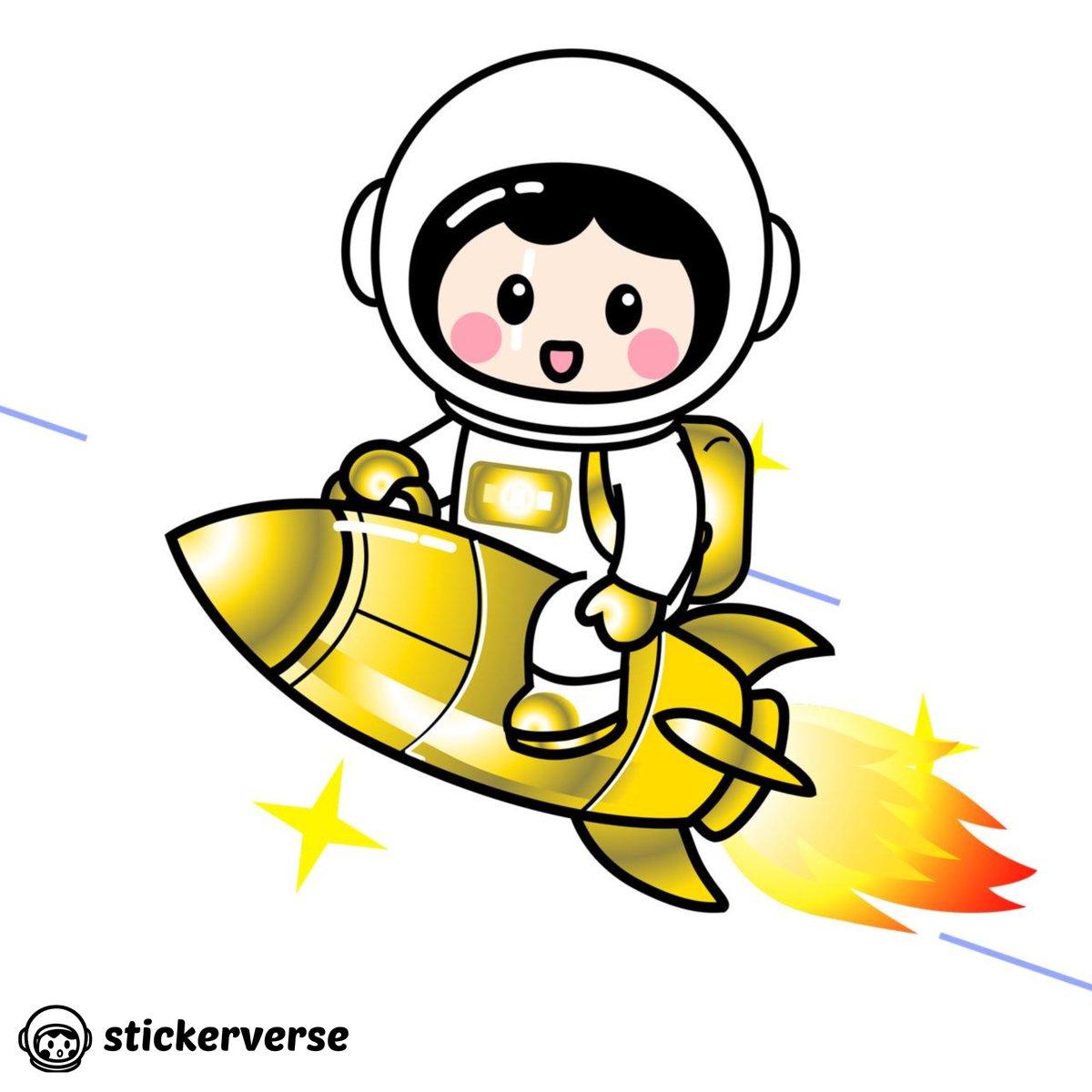
VeVenaut isn't just the first chapter of the
Stickerverse ✨
It's the foundation of a growing community built on collecting, sharing, and connecting.
What started as a genesis collection is becoming something much bigger.
Thank you for being part of this journey 💙
The adventure is just getting started 🚀
10
12
112
1,885
Marcel retweeted

Jun 10
A @veve_official Builders 🧱 Journey is Loading…… 👀⭕️💙✨
📆 - 06.13.26
⏰ - 5pm EST
@countrything420
1
10
28
616

Jun 10
all started in 2031 with something as simple as a sticker.
Lina collected her first VeVenaut Stickers in Telegram chats. She dropped them playfully — Girl-Stickers, little astronauts. Every drop was a spark. The stickers led via fast .io links (getgems.io/veve-spark) straight to her central .ton domain: vevenautsymbionts.ton. There, the Nexus was born — a decentralized landing page for merch, challenges, and first AR teasers.
From the chats, the real world grew. Lina placed stickers cleanly on walls, street lamps, bus stops, and park benches. Smart Glasses wearers saw them gently glowing. A simple air-touch gesture — and the sticker became a portal: straight to the .ton site or a fresh .io campaign. There waited patches, hoodies, new drops, or hints about nearby collectibles.
Graffiti Art NFTs flowed in seamlessly as the artistic bridge between stickers and collectibles. Lina and the community created decentralized Graffiti Art NFTs — living, animated artworks placed persistently on real walls, bridges, and legal surfaces. A VeVenaut graffiti on a Berlin house wall told nature stories through soft animations. Touching it with the Glasses gesture opened the .ton site and connected to nearby collectibles.
Parallel but clearly separate, the NFT Collectibles awakened as living guardians.
In front of the Brandenburger Tor, one of the most popular collectibles appeared: Spider-Man as a witty, dynamic city guide. Smart Glasses wearers were greeted with:
“Hey Berlin! Ready for the real city story — with extra swing?”
Spider-Man swung through AR along historic facades, telling stories of the Wall, the fall in 1989, hidden street art spots, and current secrets. He took AR selfies with visitors, explained architecture playfully, and always connected to nature: “Look right — there’s a fresh Graffiti NFT weaving city history with growing nature!” A sticker on a nearby lamp post or a glowing graffiti on the wall guided people straight to him.
In the Grunewald forest, the magic deepened. Groot Collectibles stood right in the middle of nature and explained ecosystems. Entire forest sections turned into epic time travels thanks to Dinosaur Collectibles. And everywhere, Graffiti Art NFTs enhanced the scene: glowing roots breaking through concrete, animated leaves dancing with the wind, or VeVenaut motifs changing with the time of day. The graffiti were independent, tradable NFTs — but they served as artistic waypoints and connectors.
The symbiosis was perfect.
Stickers remained the light, viral element — chat drops, clean guerrilla bombing, touch-portals on walls and lamps.
Graffiti Art NFTs formed the permanent artistic layer on real surfaces — beautiful, interactive, and connecting.
NFT Collectibles created the deep experiences: Spider-Man as guide, Groot as nature teacher, dinosaurs as time machines.
All three were linked through the .ton domain as the World Tree Nexus. Every sticker touch, every graffiti interaction, and every collectible placement was stored decentrally. An interactive map on the .ton site showed the growing art network of Berlin — from Spider-Man at the gate, to glowing graffiti on house walls, to Dino trails in the forest. .io domains ignited daily drops and attracted new people.
In 2035, Lina walked through Berlin at night. A Girl-Sticker glowed on an old street lamp. She touched it — the .ton site opened. A few meters further, a VeVenaut Graffiti pulsed on a wall and led her to the Brandenburger Tor. There Spider-Man waited with a spontaneous tour, cracked jokes in typical Berlin style, and pointed out a new Graffiti NFT that blended city history with returning nature. Later in the Grunewald, she dove into the time travel with the dinosaurs, surrounded by animated graffiti roots that seemed to dance with the real trees.
The stickers had quietly permeated the city and nature. From chat to wall to touch. From graffiti art as a living layer to Spider-Man as guide and Groot as teacher. Separate in form, united in mission
1
185
Marcel retweeted

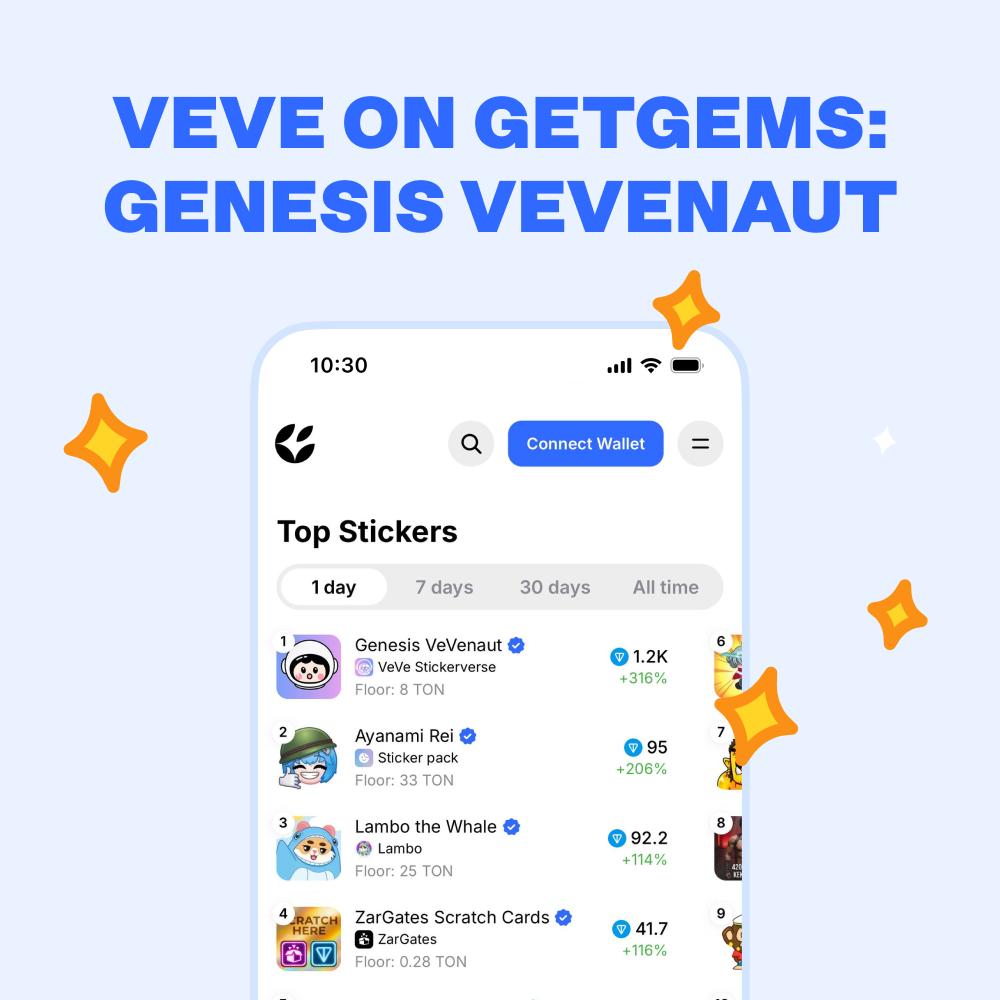
VeVe debuts on TON!🤩🧵
@VeVe_tg is one of the largest digital collectibles projects, widely known for its collaborations with Disney, Marvel, and Star Wars. Soon on TON?👀
The project has debuted beta version and their first sticker pack in TON ecosystem: Genesis VeVenaut.
31
41
177
13,833

Marcel retweeted
Mid-June Challenge Bonus: Top 10 Rewards Added. Climb the Affiliate Leaderboard & Earn an Exclusive Street Fighter Collectible!
The Top 10 affiliates on Impact starting from June 1 to June 15, 2026 at 11:59 PM PT, will each receive a BONUS random Street Fighter V collectible reward to create and share original Street Fighter augmented reality content featuring their affiliate link.
We'll then actively re-share standout Street Fighter AR content to help you build even more excitement and climb the leaderboard!
Apply to join our affiliate program today!

6
17
79
10,054
Marcel retweeted

Jun 7
The future is coming 🚀🔥

As a Co-Founder of @DGCgrading I'm pleased to announce we have today opened the first DGC store in the VeVeVerse!
We have some big reveals coming next week so stay tuned to the DGC socials.
And a huge shout-out to the visionaries at @veve_official who have created a truly special metaverse (and it's still only V1), and all of the collectors who have been early supporters of DGC. Big things coming for those that backed us from the very get-go.
@DavidYuNZ @Daniel00077 @My_Collectables @OldRhubarb @OmilliTees @RealRandyChavez @ComicsandCrypto @MrRolexes @KcBmw @VeveVideo @1963SW @SergioCollects @VeVeMeister @CharlieNFT123 @dinesh_s @badideahello @StarWarsDaily_ @starwars @Marvel
3
5
43
2,219
Marcel retweeted
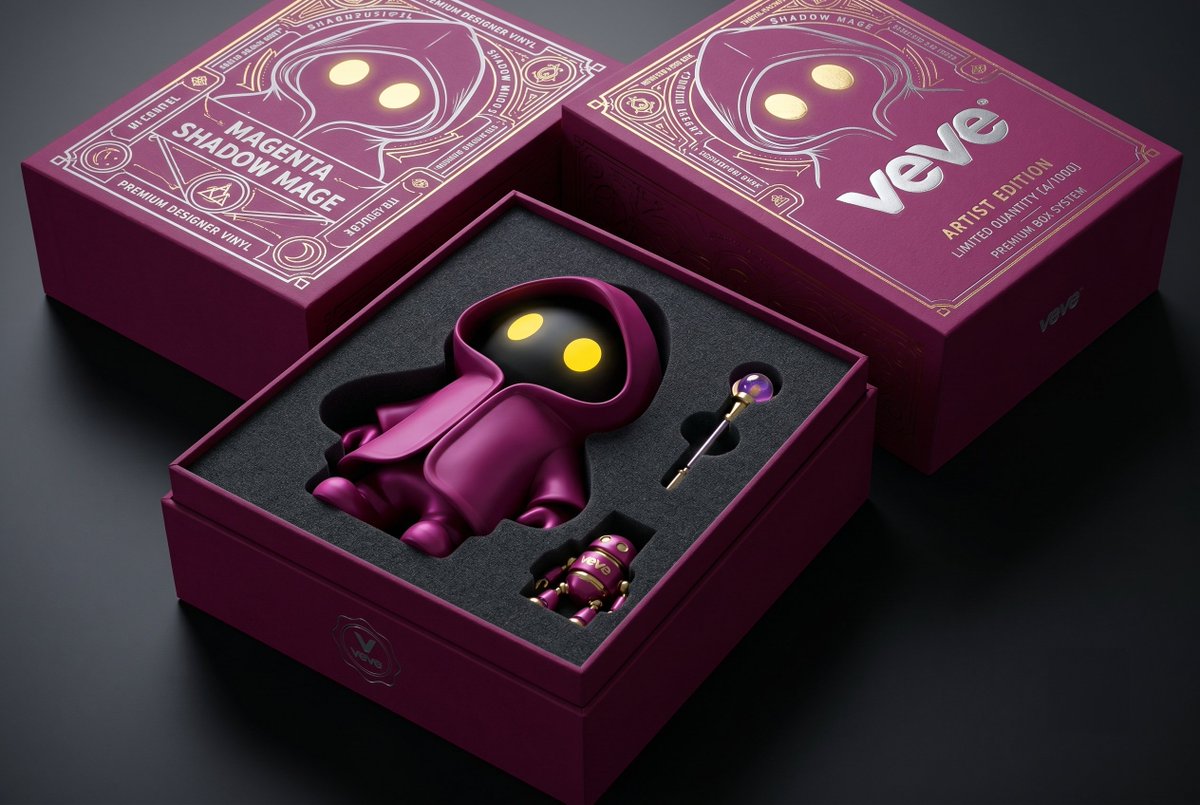
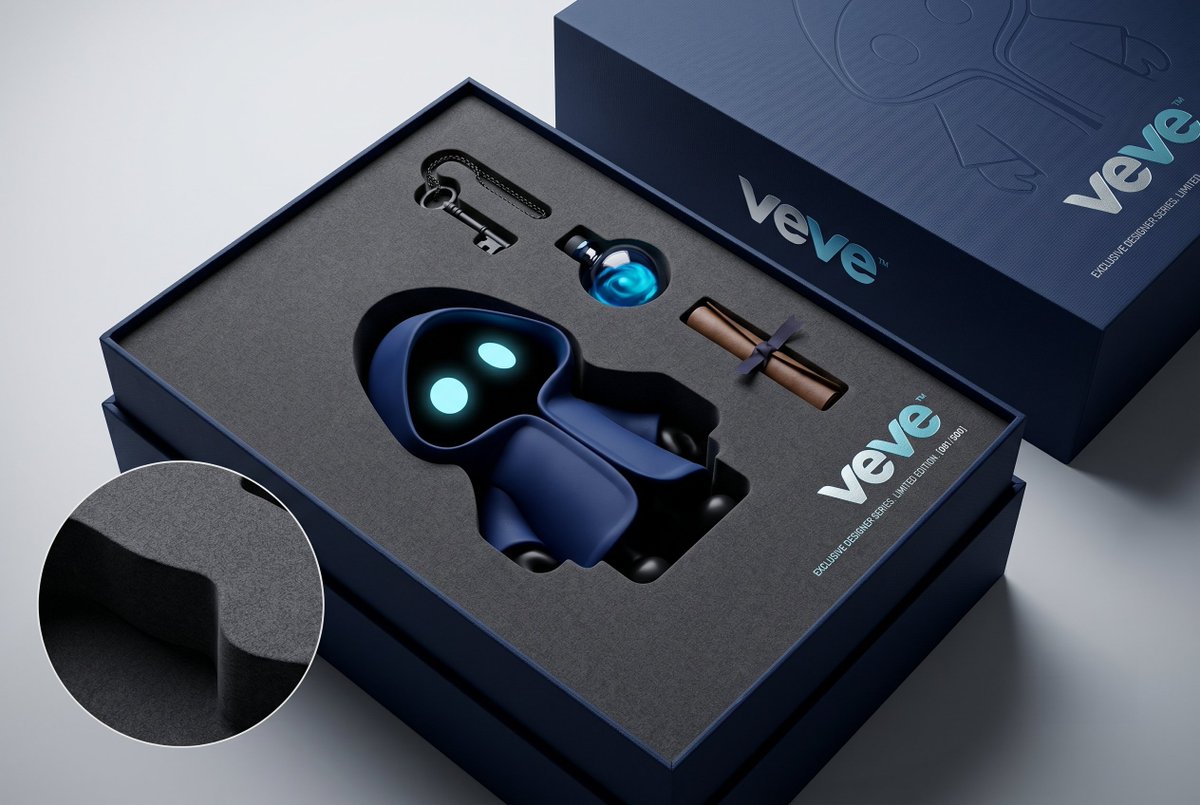
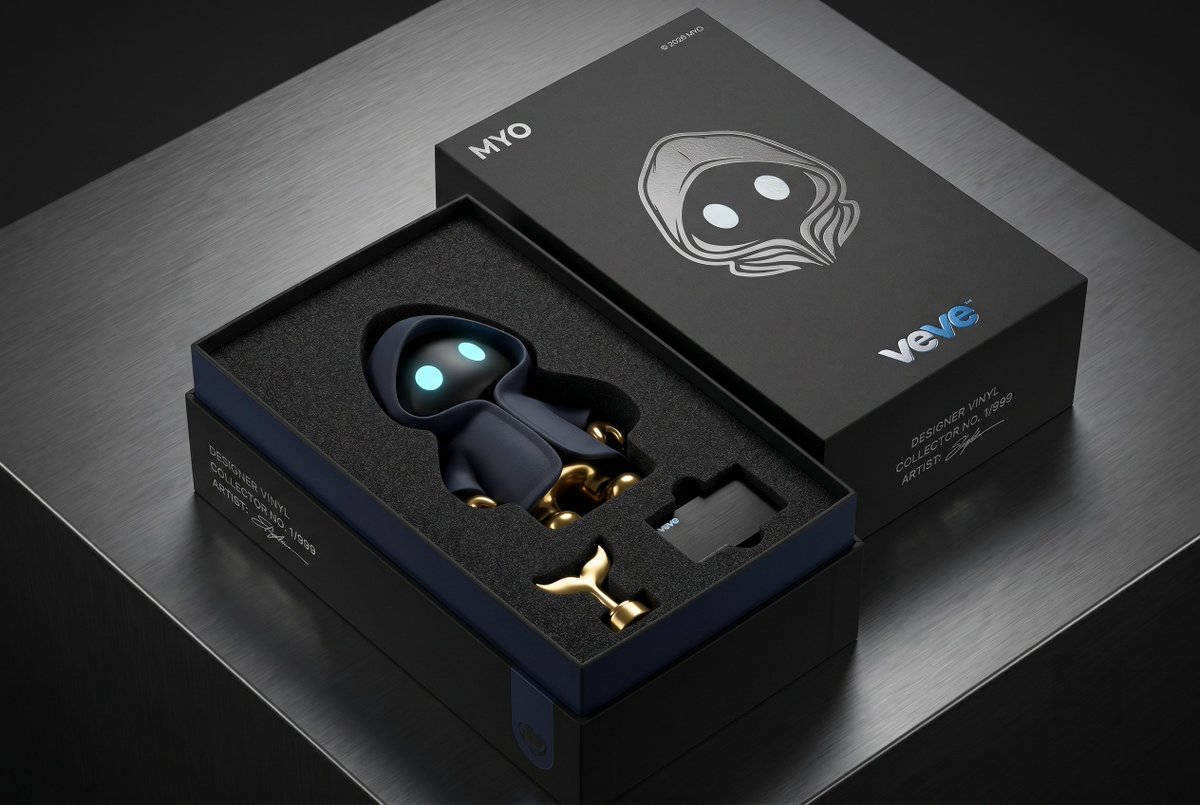
When will the physical versions be available?
Getting your VeVe collectible as 3D print files is a world first. But would you also go for these phygitals?
I certainly would… @DavidYuNZ
#vevegermany #CollectorsAtHeart #veve #VeVeFam #VeVeCommunity #VeVecollectibles #CollectTogether @veve_official @DavidYuNZ @Daniel00077 @My_Collectables @flexicollects @CollectChain @DonJuanSolo @Nexclusive86 @jtemp02 @martin1kf @Fairyman1986 @jan_collects @CaptainVEVE @OldRhubarb @riseofmyo @droi_suye @nigella_suye
9
8
43
1,190
Marcel retweeted
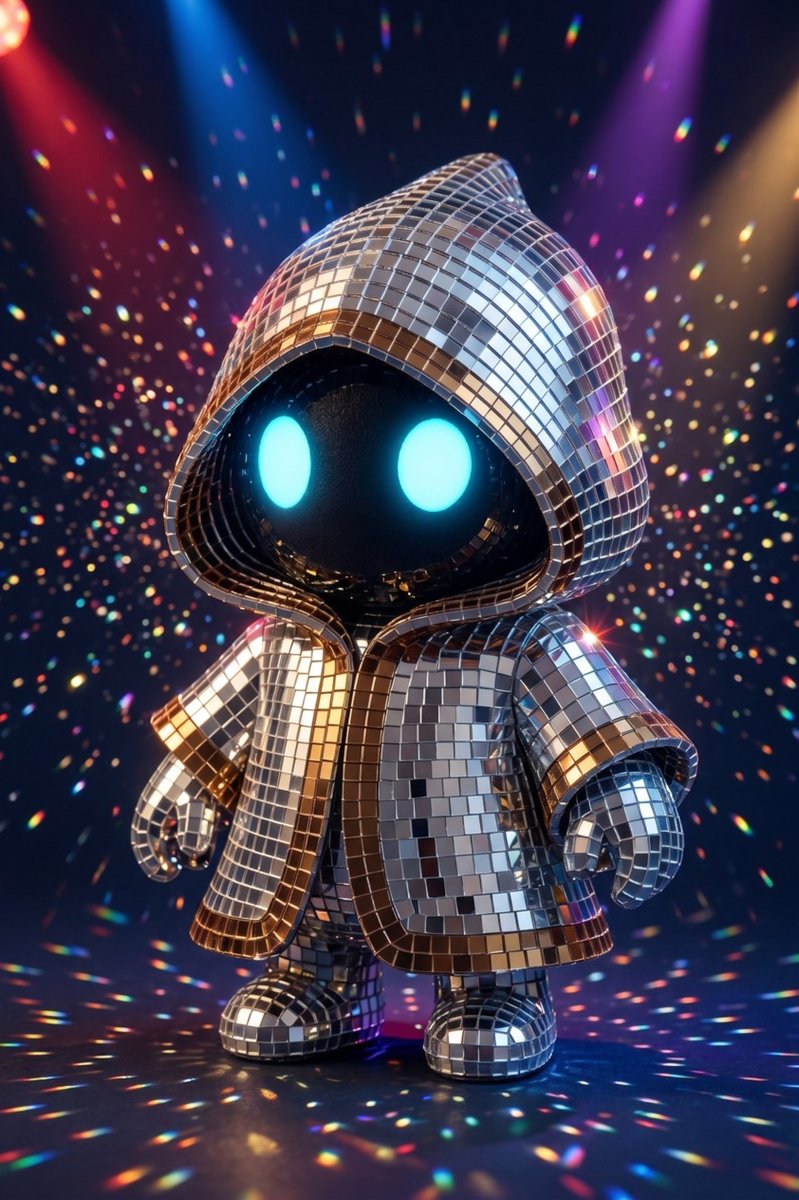
With all the excitement surrounding the MYO drop on @veve_official today - which sold out instantly (congrats to @droi_suye) - let’s not forget the original MYO.
If you didn’t get one in the drop, go grab a MYO at myo.land
#vevegermany #CollectorsAtHeart #veve #VeVeFam #VeVeCommunity #VeVecollectibles #CollectTogether @veve_official @DavidYuNZ @Daniel00077 @My_Collectables @flexicollects @CollectChain @DonJuanSolo @Nexclusive86 @jtemp02 @martin1kf @Fairyman1986 @jan_collects @CaptainVEVE @OldRhubarb @riseofmyo @droi_suye
2
1
13
492
Marcel retweeted
That's definitely going to be my next MyMYO 3D print.
Get your own MYO @ myo.land and do what ever you like with the provided 3D-Files.
#vevegermany #CollectorsAtHeart #veve #VeVeFam #VeVeCommunity #VeVecollectibles #CollectTogether @veve_official @DavidYuNZ @Daniel00077 @My_Collectables @flexicollects @CollectChain @DonJuanSolo @Nexclusive86 @jtemp02 @martin1kf @Fairyman1986 @jan_collects @CaptainVEVE @OldRhubarb @riseofmyo @droi_suye
2
3
24
664
Marcel retweeted

Jun 4
UNREAL: 🇺🇸 Goldman Sachs sees SpaceX's AI revenue soaring from $3.2B in 2025 to $322B by 2030.
That's a nearly 100x increase and a major driver behind its projected $1.78T IPO valuation.
By 2030, Goldman expects SpaceX to generate $474B in total revenue.
AI would contribute $322B, Starlink $144B, and launch services $8.3B.
The bank also forecasts EBITDA reaching $352B by 2030.
These estimates depend on aggressive AI growth assumptions.
Absolutely insane.

51
30
354
77,771
Marcel retweeted

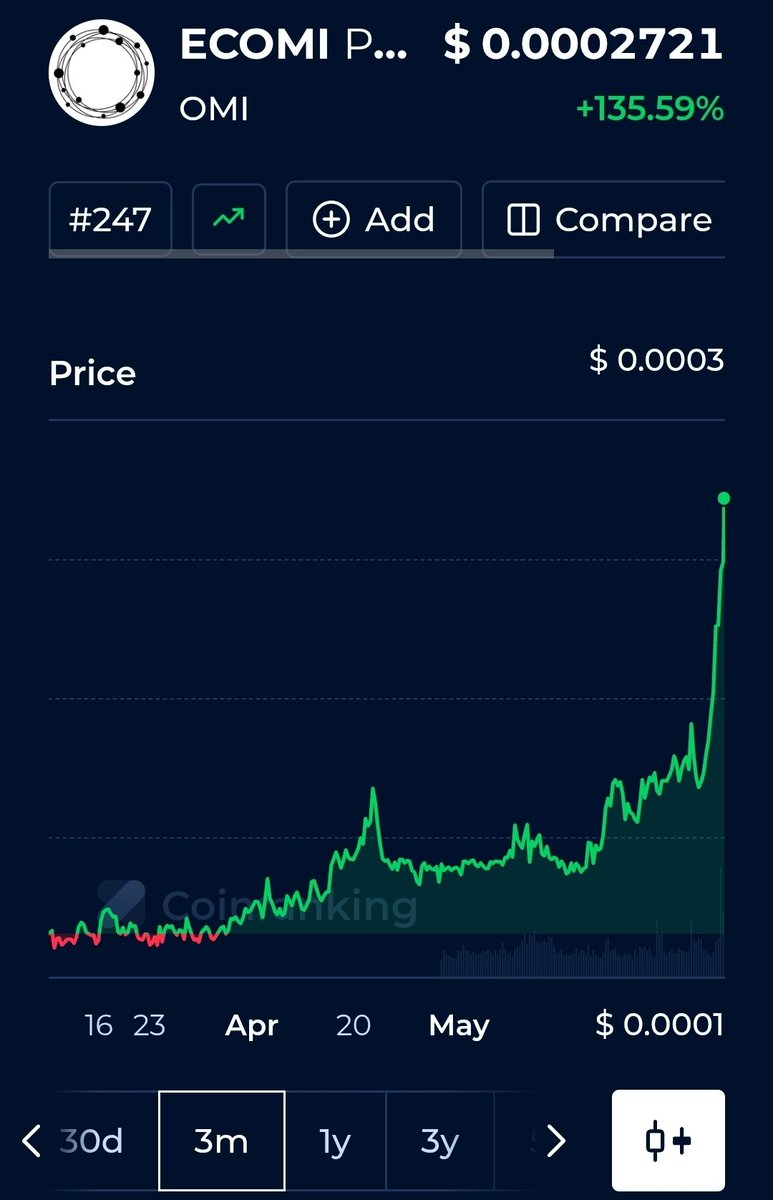
I guess people are waking up to the @veve_official x @Roblox news and are absolutely aping in!
$OMI TO THE MOON
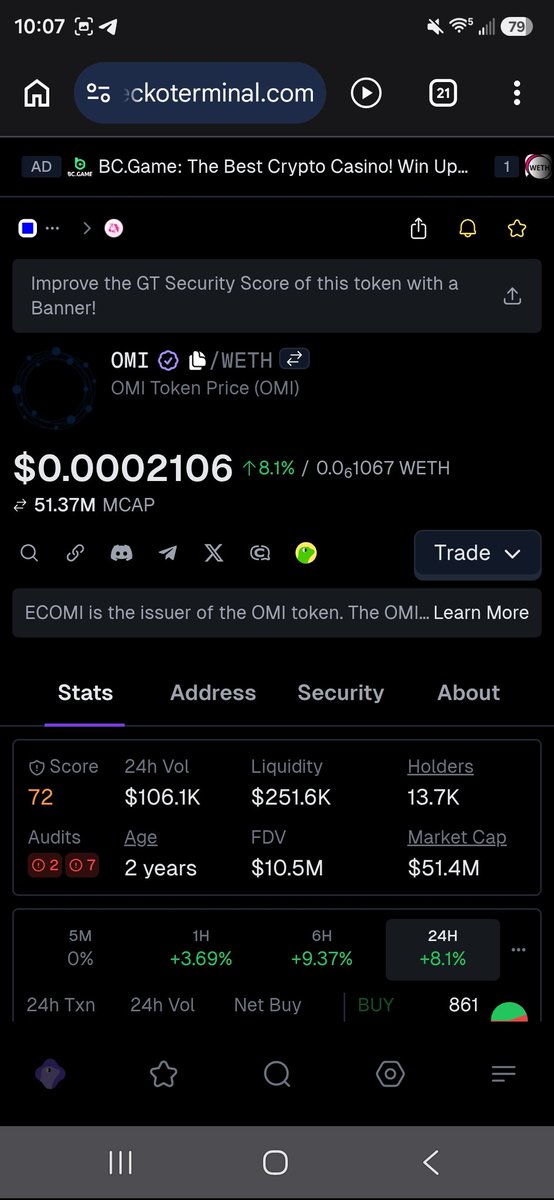
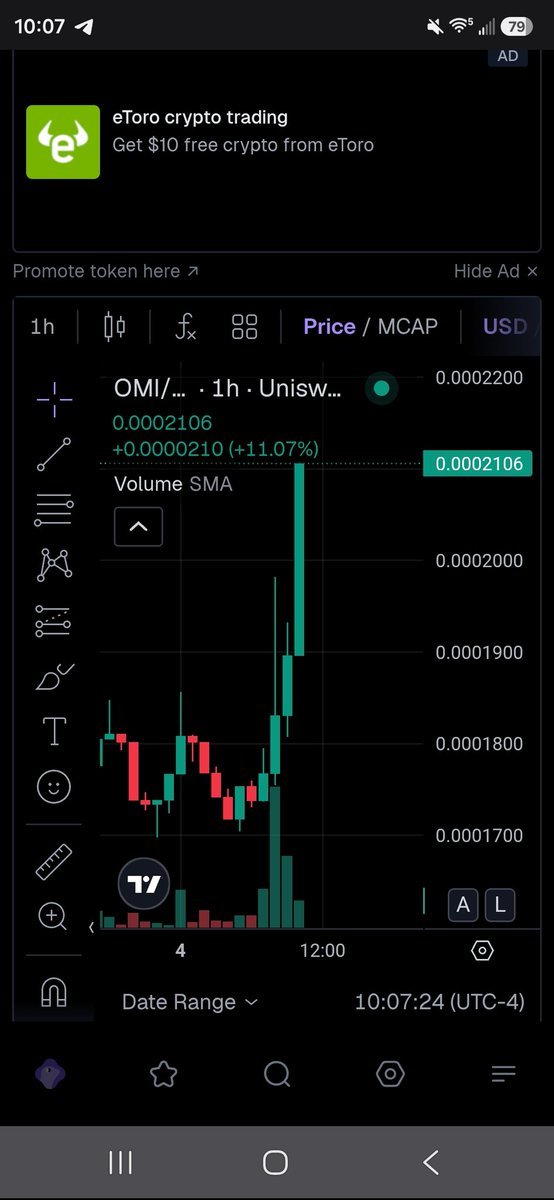

ROBLOX x VEVE! $OMI TO THE MOON!! x.com/i/broadcasts/1dxYllbPy…
4
17
94
3,481
Marcel retweeted

Jun 4
🚨Roblox Coming to Veve🚨
🚀@Roblox IP on Veve
👉Playable characters🤯
@veve_official is going places🔥
@DavidYuNZ @Daniel00077
6
28
117
2,724
Marcel retweeted

Jun 4
As we unlock the next phase of our journey together, we're reminded that the true power of the digital world isn't just technology, it's the connections we create.
Sometimes, all it takes is a sticker, an emoji, or a photo to open the door to a universe of friendship, creativity, and shared experiences.
Join us as we embark on this exciting new adventure and continue building something extraordinary together. The journey is just getting started. 💙
Jun 4

A new chapter of VeVe begins.
For years, VeVe has partnered with some of the world's most iconic brands and creators including Disney, Marvel, Star Wars, and DC.
Now, we're bringing that universe to Telegram, starting this Saturday.
Get first access: t.me/VeVeDigital
31
52
278
13,699
May 24
I just reached Level 58 on VeVe! - Check out my VeVe MCP Level - 58 #VeVe #DigitalCollectibles veve.me/en/user/nfteule
45