
Official twitter of the Manguso Lab @MGHCancerCenter @BroadInstitute @harvardmed, studying cancer immunology using functional genomics and systems immunology
Joined June 2019
- Tweets 220
- Following 1,126
- Followers 1,397
- Likes 153
93 Photos and videos

Jun 10
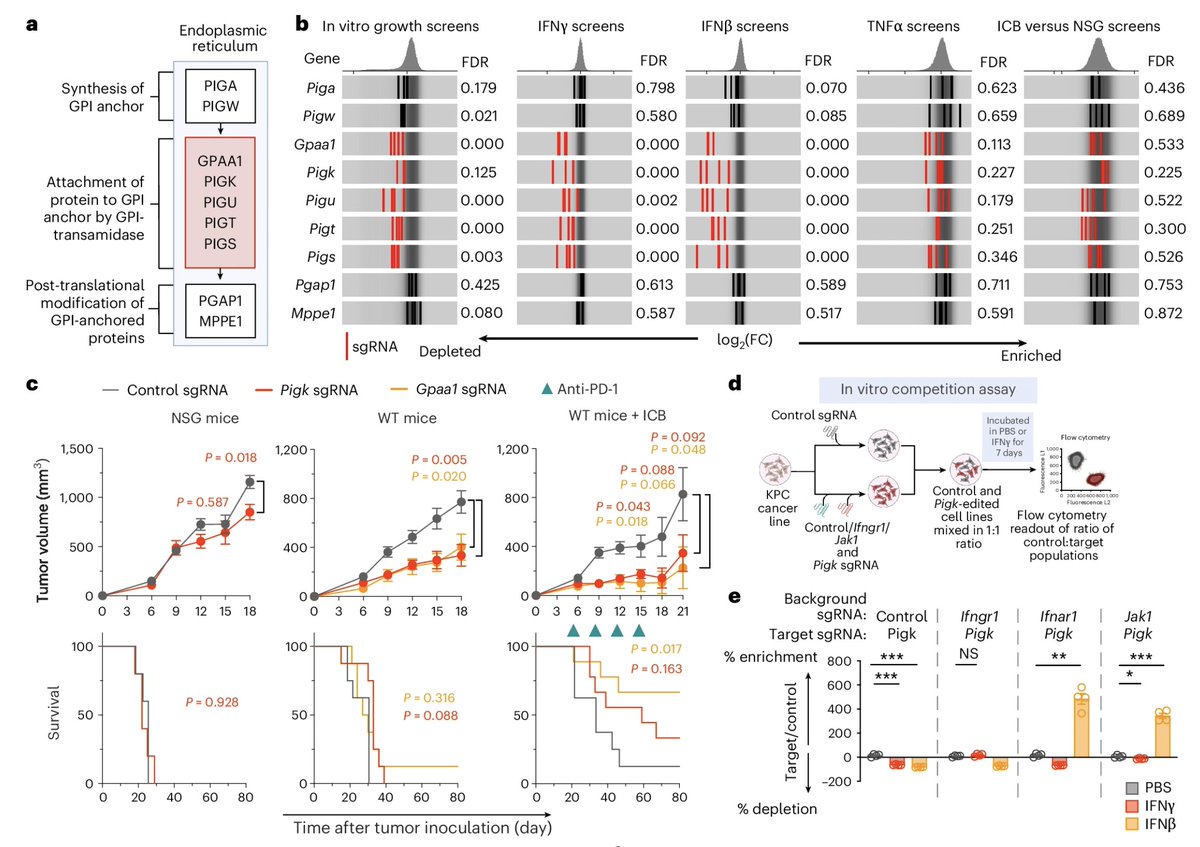
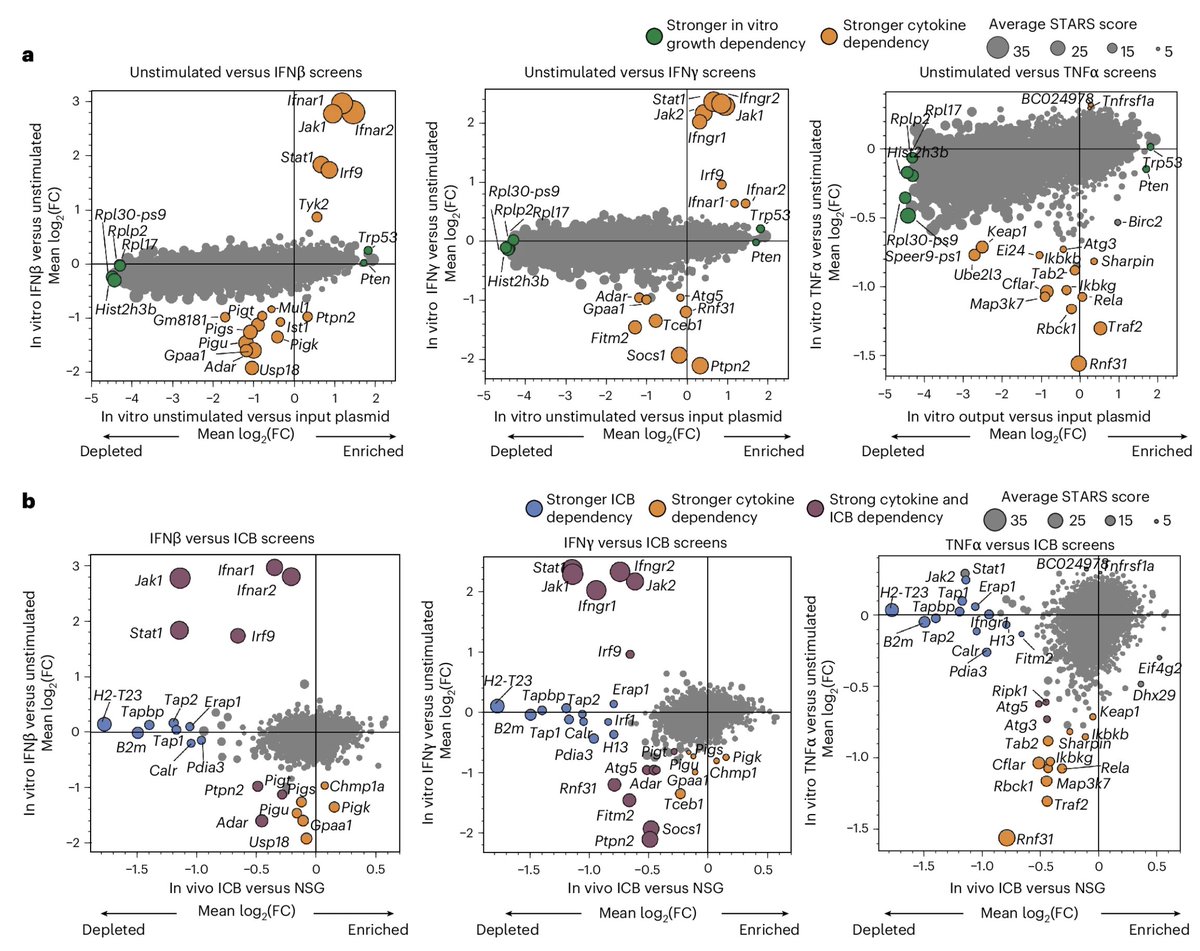
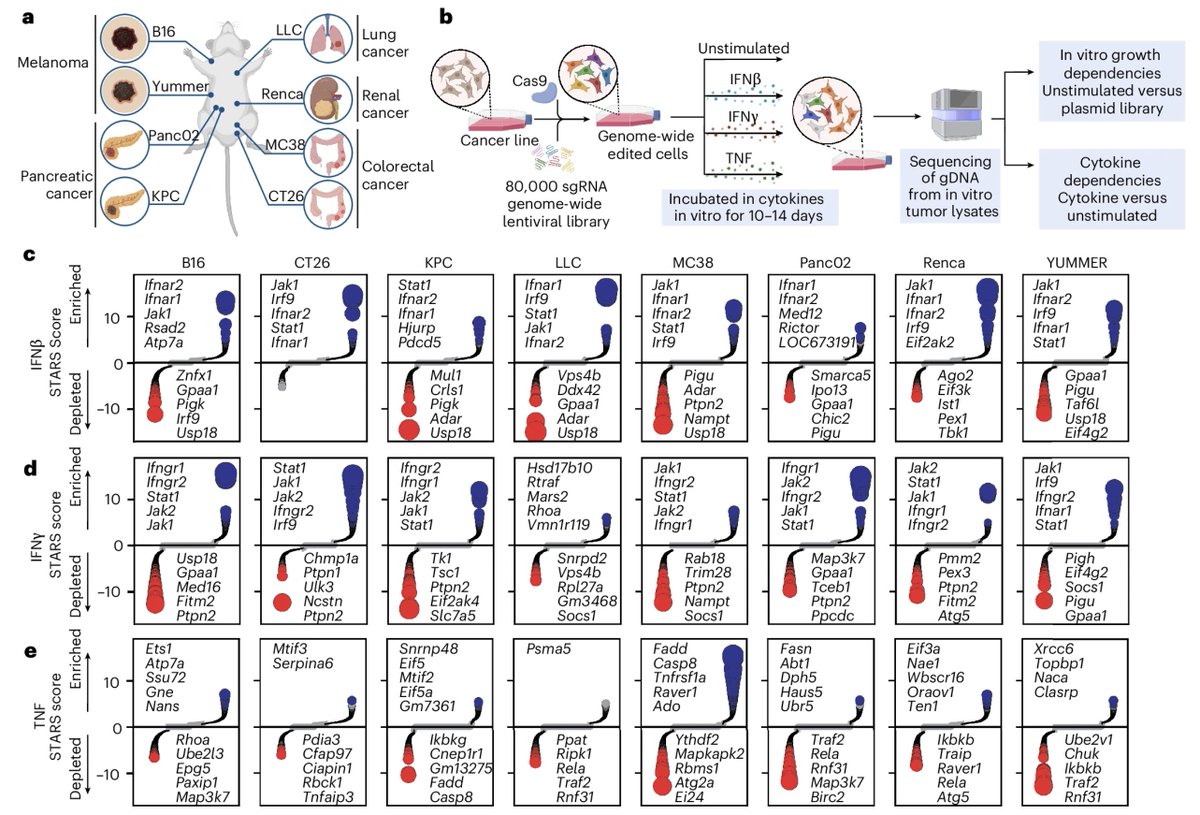
Excited to share out latest work, out this week in @NatureGenet . In this study, we using CRISPR screens to explore how sensing inflammatory cytokines exposes new tumor-intrinsic dependencies.
@broadinstitute @MGBResearchNews
nature.com/articles/s41588-0…
2
23
73
6,378
Jun 10
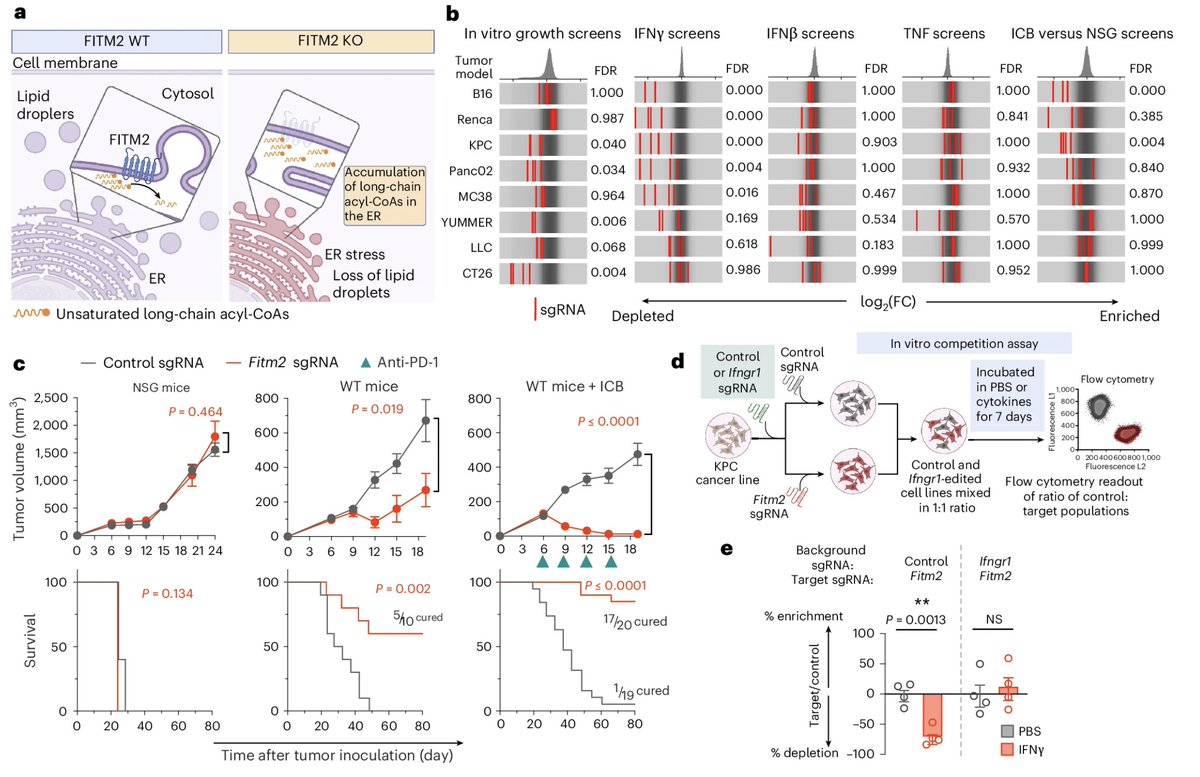
We also find an IFNg-specific dependency for loss of the lipid phosphatase FITM2, previously observed by Lawson et al (nature.com/articles/s41586-0…). We found that deletion of this gene in tumors causes a dramatic sensitivity to immunotherapy in pancreatic and renal cancer models.
1
1
153
Jun 10
Much more great screening and mechanistic work in the manuscript. A tour de force by Collins Cheruiyot, a former HMS PhD student in my lab. Congratulations to Collins, Sarah Kim, @kathleenbyates , and all our co-authors and collaborators that made this work possible!
2
126
30 Sep 2025
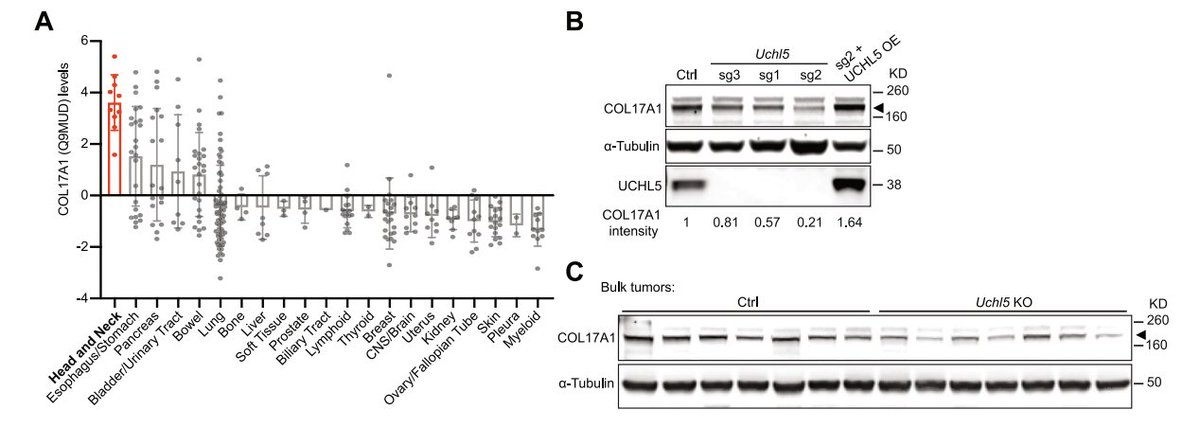
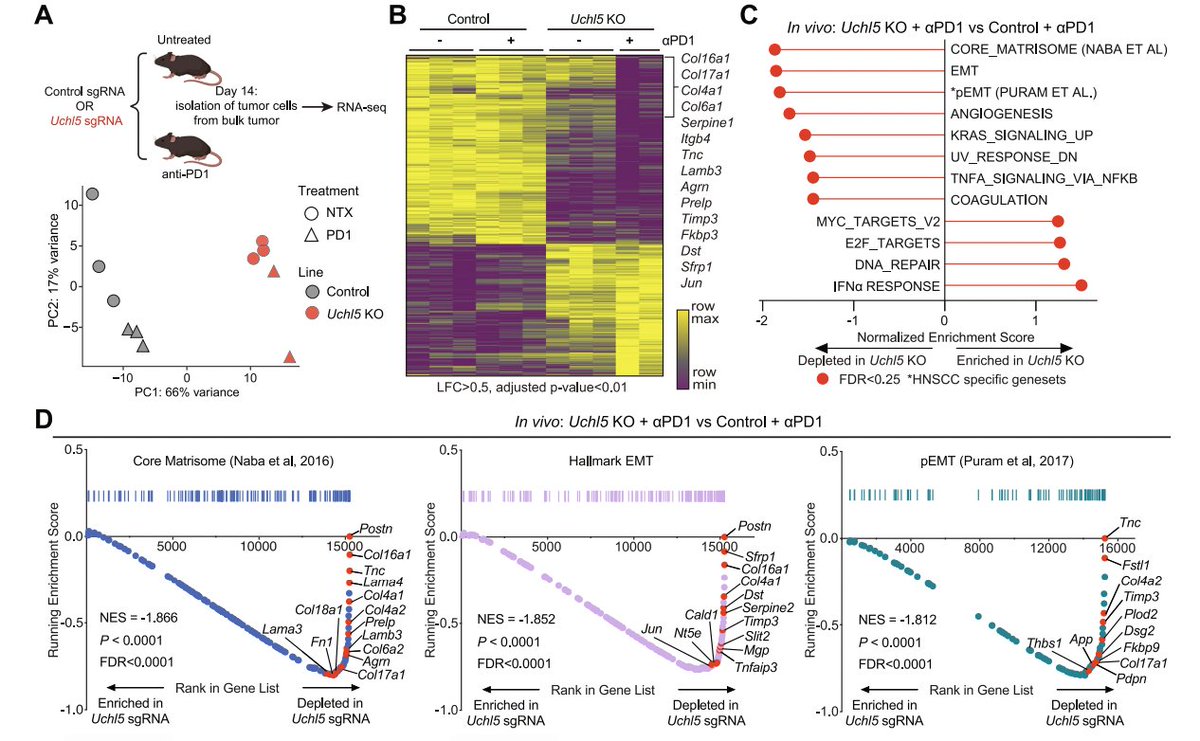
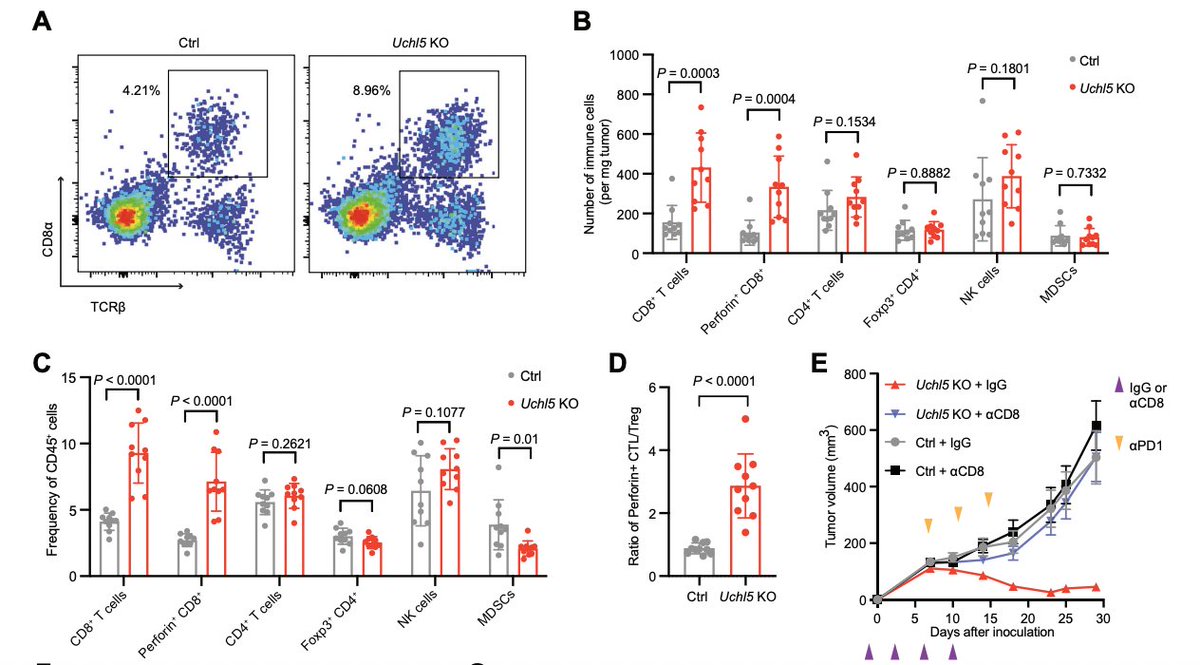
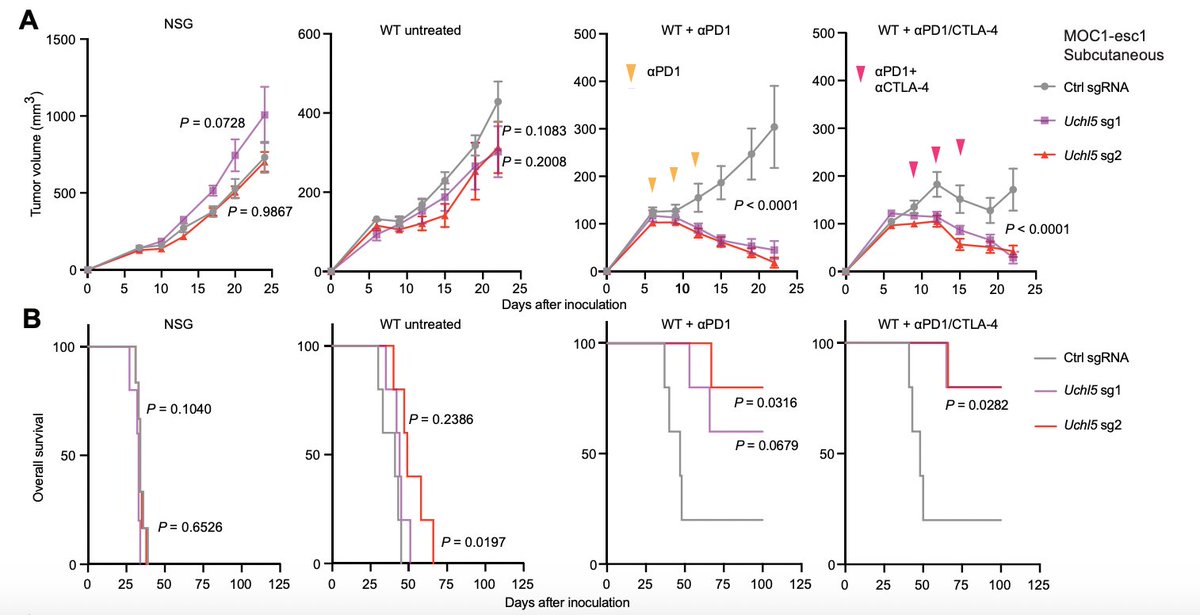
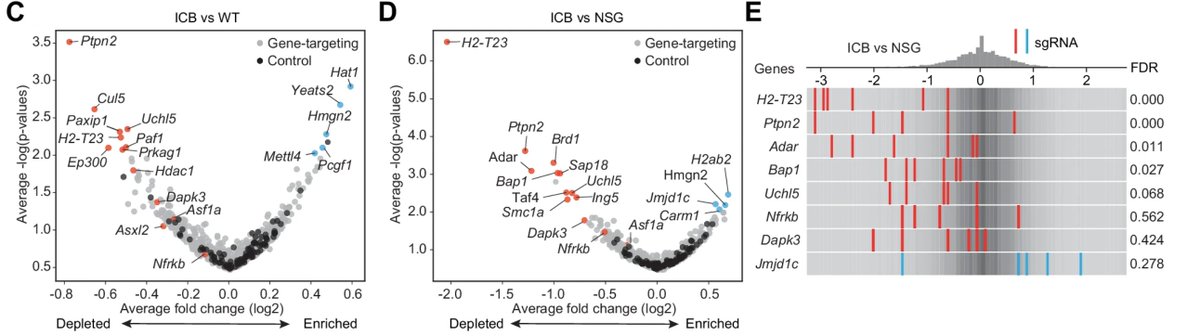
Our latest work on IO target discovery is out this week. Amazing collaboration with @DrUppaluri and led by Cong Fu. We performed in vivo CRISPR screens in #HNSCC to identify targets to enhance ICB response.
@MGHCancerCenter @broadinstitute @DanaFarber
nature.com/articles/s41467-0…
2
6
33
4,873
30 Sep 2025
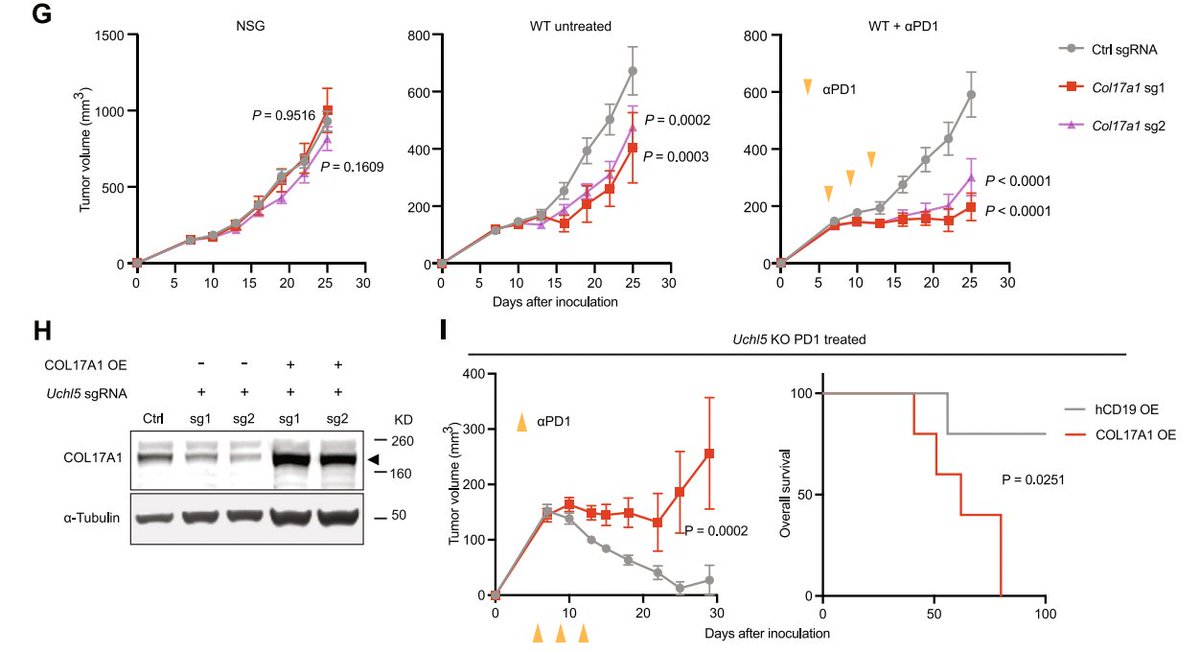
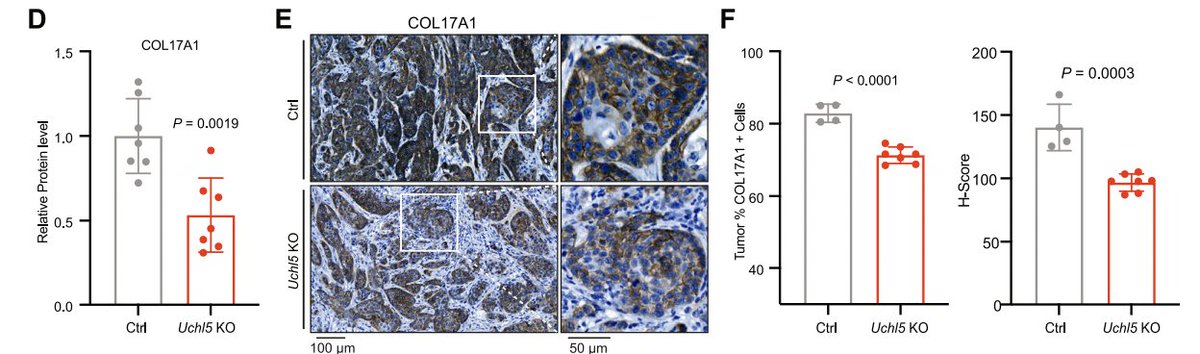
Interestingly, we find that deletion of Col17a1 alone (just 1 gene regulated by UCHL5) does enhance ICB response, although not to the same degree. Further, Col17a1 overexpression can reverse the ICB sensitivity seen in UCHL5 KO tumors.
1
223
30 Sep 2025
Overall, we help inform the development of new immune-based therapies targeting HNSCC. At the advanced stage this is a deadly cancer that is poorly responsive to current immunotherapy approaches.
189
Rob Manguso retweeted

30 Sep 2025
Congrats to DrCongFu ! Wonderful to collaborate with @MangusoLab on in vivo CRISPR of epigenetic targets study in #HNSCC models @NatureComms @kathleenbyates @IOTNmoonshot Thanks also to @SilvioGutkind @rsaddawi !! nature.com/articles/s41467-0…
11
39
2,363
26 Sep 2025
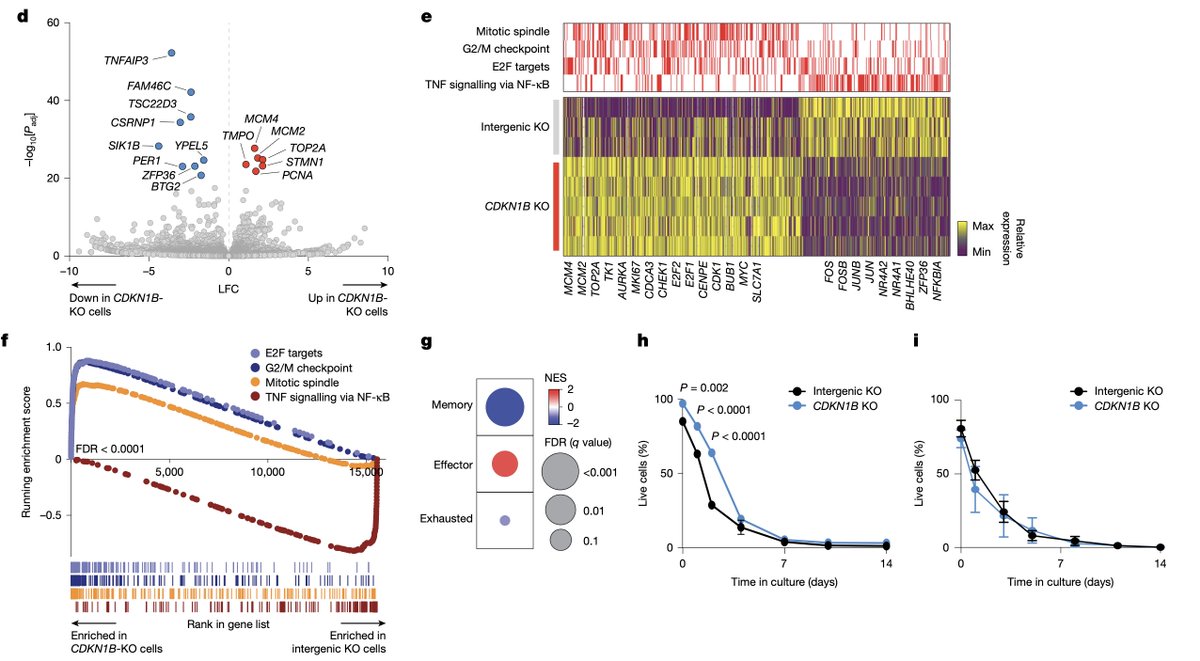
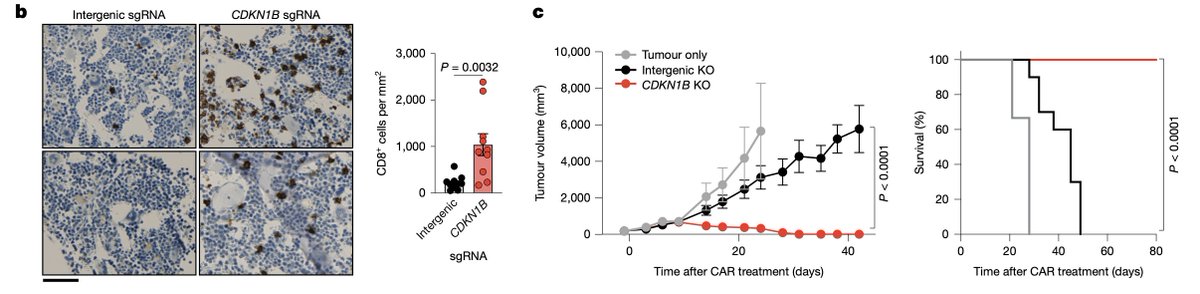
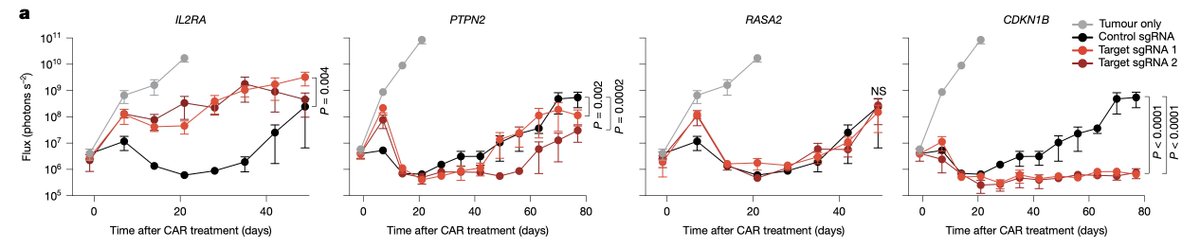
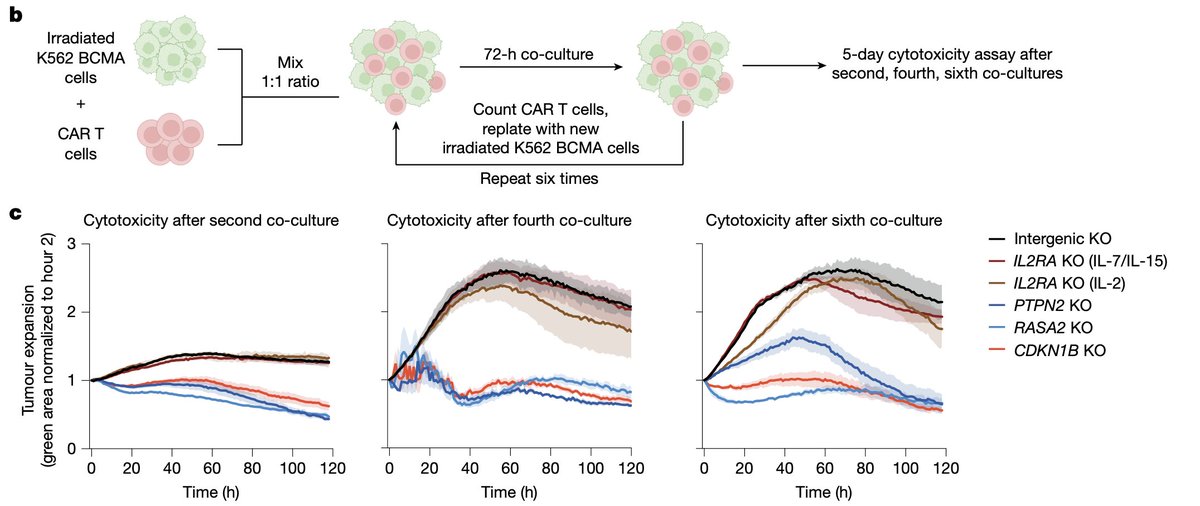
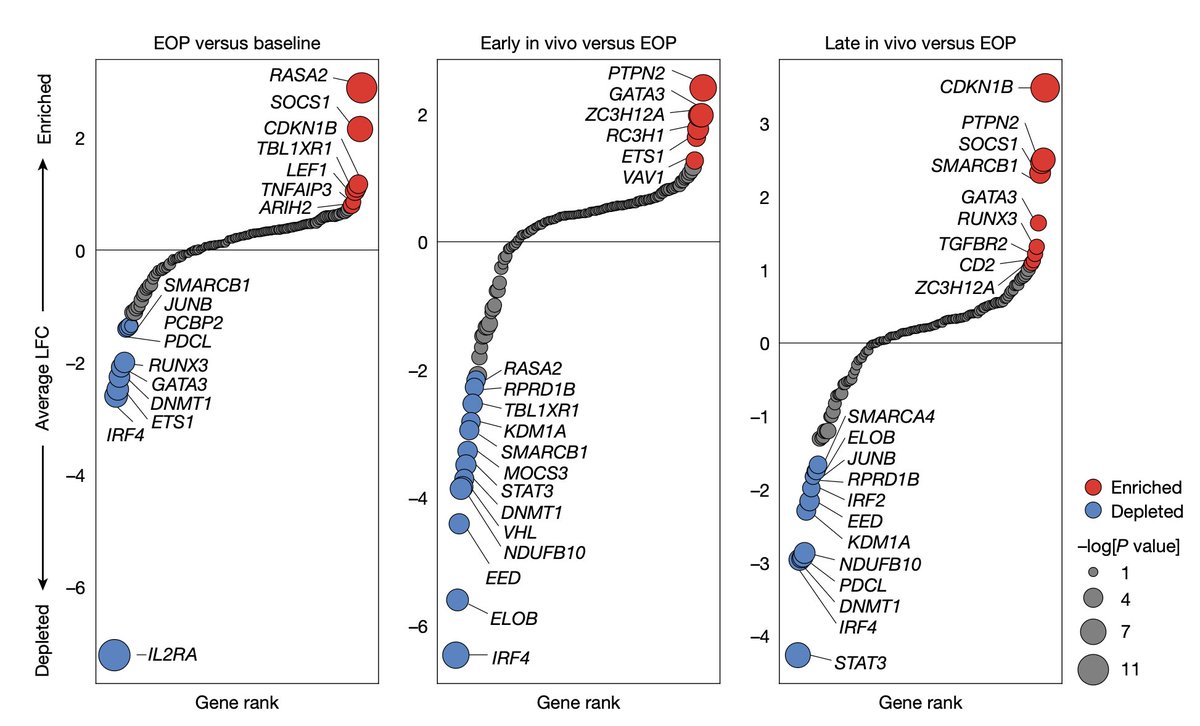
Super excited to share our latest work with @MarcelaMaus , out this week in @Nature. We show that in vivo CRISPR screens can identify genes that enhance the efficacy of CAR T cell therapy. Brief explainer below! @MGBResearchNews @broadinstitute
rdcu.be/eHZG4
6
15
88
6,681
26 Sep 2025
Obviously this is a super exciting and fast moving space with all the great work coming out this week. We're happy to be helping to advance our understanding of therapeutic T cell biology, and there will be more to come!
1
1
225
26 Sep 2025
Congrats to Nelson Knudsen, @escobar_giulia, @FpkMd, and the entire team for the publication of their amazing work! And thanks for @MGHCancerCenter and @broadinstitute for the support!
1
221