Joined June 2019
- Tweets 362
- Following 518
- Followers 875
- Likes 4,627
96 Photos and videos
Pinned Tweet

19 Jul 2024
How should animals combine information across their senses?
Prior work suggests linear fusion (sight sound).
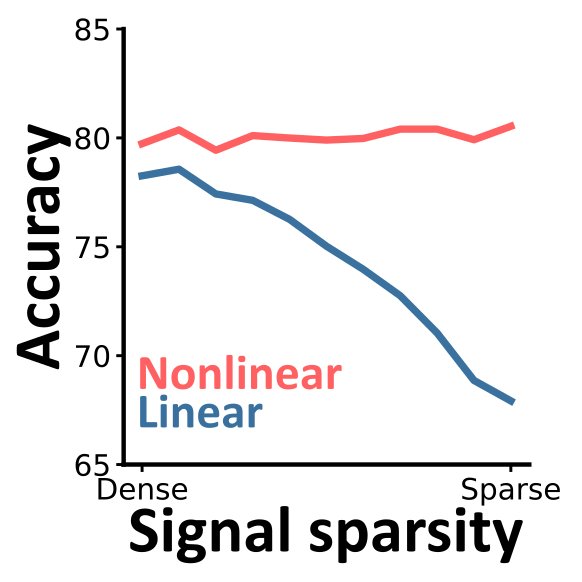
However, we show that this would be sub-optimal for many multisensory tasks,
and instead, propose a nonlinear function f(sight, sound).
doi.org/10.1371/journal.pcbi…
18 Jul 2024

Our paper on nonlinear multimodal processing now out in @PLOSCompBiol (with @MarcusGhosh, @GabrielBna1 and @BormuthVolker).
TLDR: adding a simple nonlinearity to the classic model helps a lot, but only on tasks with more realistic temporal structure.
journals.plos.org/ploscompbi…
2
6
24
3,084
25 Nov 2024
Excited to be teaching with TReND again!
Come along 🙂
22 Nov 2024

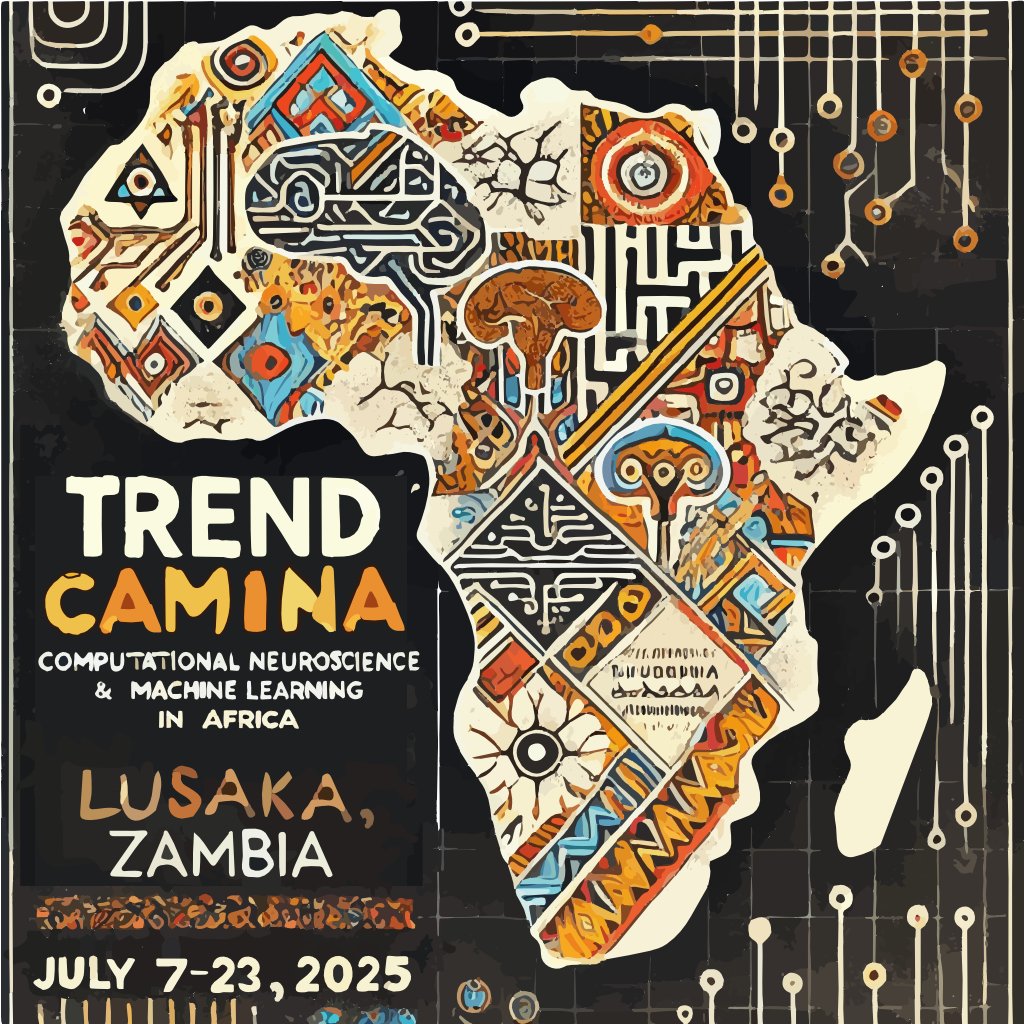
🌍Exciting news! The 2025 TReND-CaMinA Course will be held in Lusaka, Zambia 🇿🇲 from July 7th–23rd. Dive into computational neuroscience and machine learning with us!
📅 Applications open: December 15th
🔗More info: trendinafrica.org/trend-cami…
Stay tuned & spread the word! 🧠✨
1
1
13
687
11 Nov 2024
Really enjoyed presenting at both @UniKonstanz & @BernsteinNeuro recently.
And, talking with some great people inc: @Pipcoen, @SSerenaDing, @zwitscherarmin, @KatrinVogt3 and may more.
30
1,474
27 Sep 2024
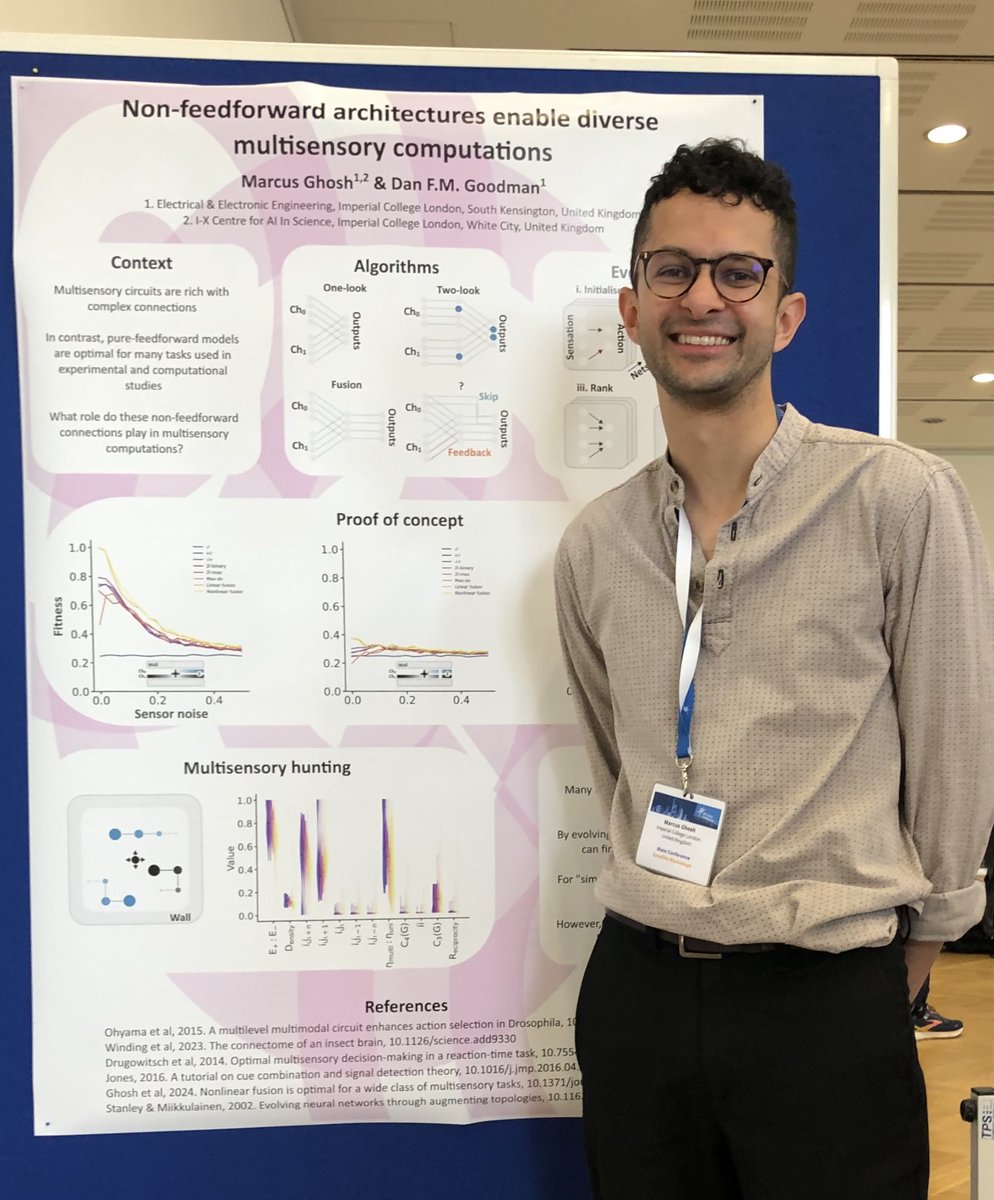
I will be at #BernsteinConference (@BernsteinNeuro) next week - with my @neuralreckoning colleagues.
Drop me a message if you'd like to meet up.
Otherwise, stop by my poster (IV 47) for some new work on multisensory integration
27 Sep 2024
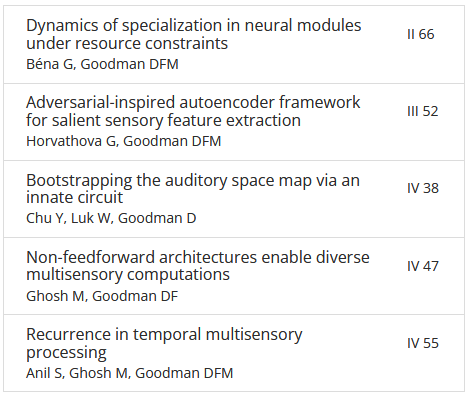
Come and meet the Neural Reckoners at @BernsteinNeuro with posters from:
⭐️@GabrielBna1: specialization/modularity
⭐️@MarcusGhosh @Swathi_Anil_: multisensory processing
⭐️Yang Chu: bootstrapping auditory learning with an innate circuit
⭐️Greta Horvathova: adversarial autoencoders
12
596
12 Sep 2024
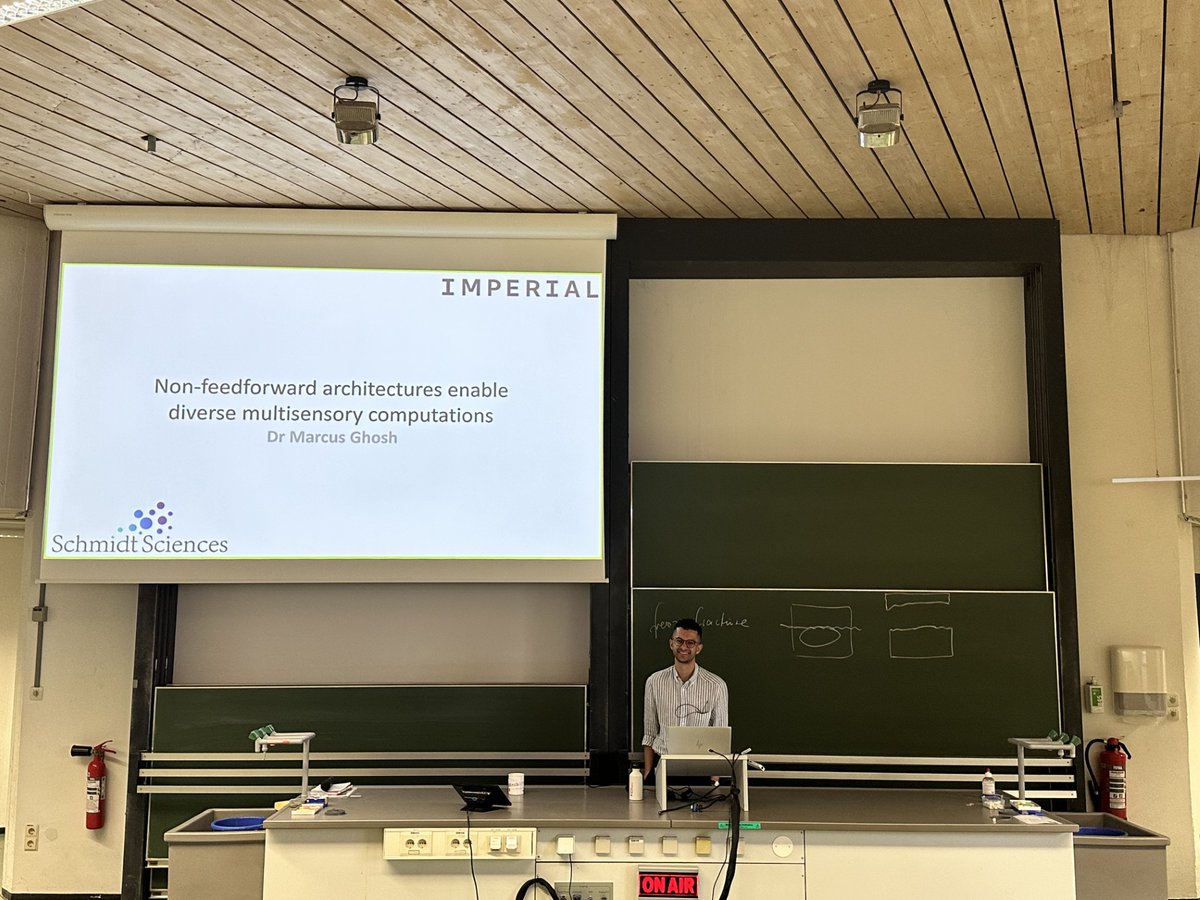
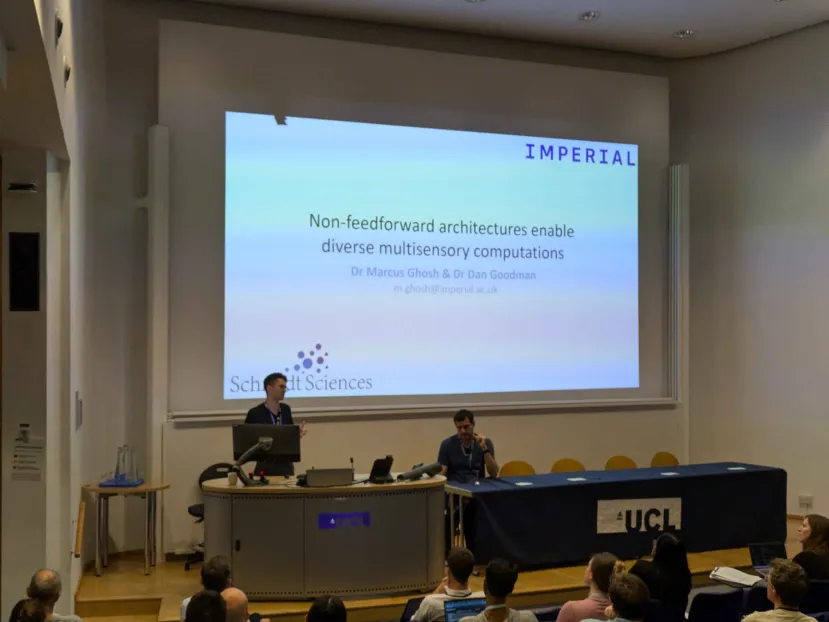
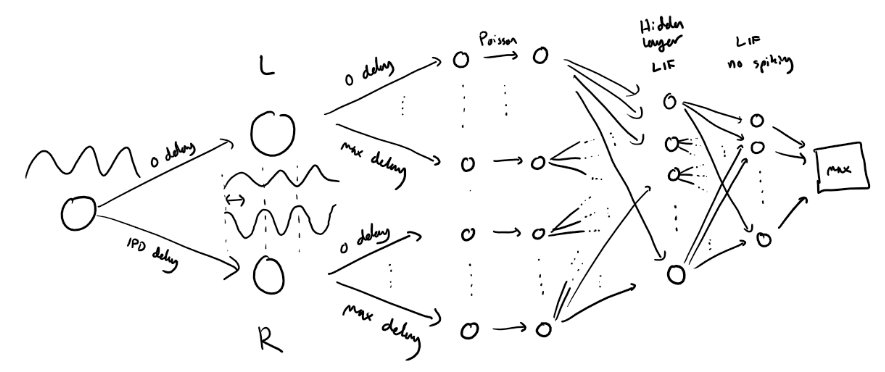
I recently gave a talk on:
Nonlinearity and network topology in multimodal circuits.
Which you can watch here:
youtube.com/watch?v=duzTIn63…
11 Sep 2024

And here's the one from @MarcusGhosh
youtube.com/watch?v=duzTIn63…
Some impressive work is being done by a very cool team, join them.
1
5
21
3,458
12 Sep 2024
It features both new and published work - which you can read here:
doi.org/10.1371/journal.pcbi…
1
3
114
12 Sep 2024
Otherwise thanks again to @Kaysonfakhar & @CCHilgetag (@ICNS_Hamburg) for hosting me and @DanAkarca.
4
311
Marcus Ghosh retweeted

9 Sep 2024
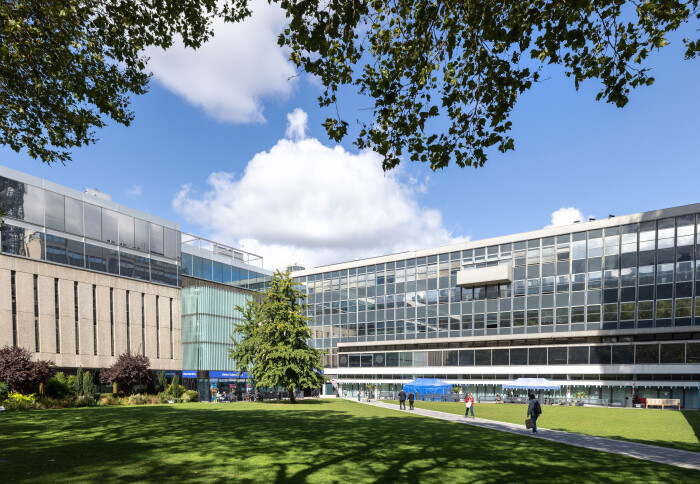
💥I’m hiring! 💥🚀
Funded by @ARIA_research, we’re massively ramping our work on spatially-embedded efficient computation in neural networks.
18m first instance, great London location, competitive postdoc salary.
Any Qs, my DMs are open! (please RT).
imperial.ac.uk/jobs/search-j…
3
34
69
23,679
27 Aug 2024
How should we support research software engineers?
One idea from @ryrobyrne!
22 Aug 2024

I think RSE teams is a good step, but not the right one in the long term.
Instead tool-makers should run autonomous "studios", analogous to "labs". This will be cheaper, more innovative, and more attractive for talented engineers.
How might this work? A dialogue 🧵
1
5
430
24 Jul 2024
How should we structure large-scale scientific projects?
Massive, open source collaborations (which anyone, anywhere can join) are one option!
We ran a project like this for 2 years.
Read about our experiences and findings here:
doi.org/10.1101/2024.07.19.6…
23 Jul 2024
New preprint on our "collaborative modelling of the brain" (COMOB) project. Over the last two years, a group of us (led by @MarcusGhosh) have been working together, openly, online, with anyone free to join, on a computational neuroscience research project
biorxiv.org/content/10.1101/…
2
6
24
2,204
24 Jul 2024
Working together like this (across labs, disciplines and countries) feels like the future.
Congratulations to everyone involved:
@TomasFiers, @dilay_ercelik, @Z_Friedenberger, @GabrielBna1, @ryrobyrne, @IdoAizenbud, @BormuthVolker, @_AAlpha, @neuralreckoning
many more!
1
8
786
Marcus Ghosh retweeted
18 Jul 2024
I hadn’t really thought about the variety of algorithms that *could* optimally underpin multi-modal processing/integration, until this awesome work by @MarcusGhosh & team.
Clear findings w/ experimentally testable predictions on nonlinear fusion in agents & organisms! 👌
18 Jul 2024
Our paper on nonlinear multimodal processing now out in @PLOSCompBiol (with @MarcusGhosh, @GabrielBna1 and @BormuthVolker).
TLDR: adding a simple nonlinearity to the classic model helps a lot, but only on tasks with more realistic temporal structure.
journals.plos.org/ploscompbi…
3
10
1,547
18 Jul 2024
Had a great time sharing some new work and meeting everyone @UCL_Neuro_AI yesterday!
6
35
2,320
16 Jul 2024
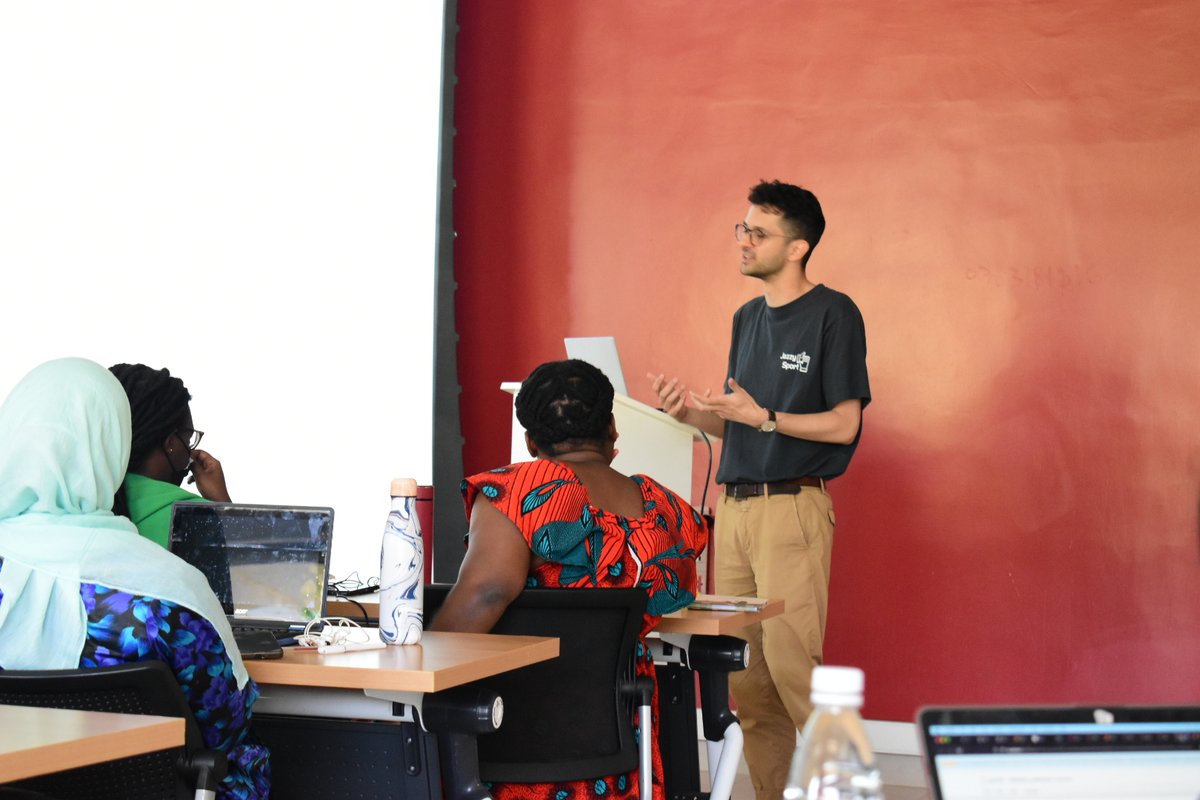
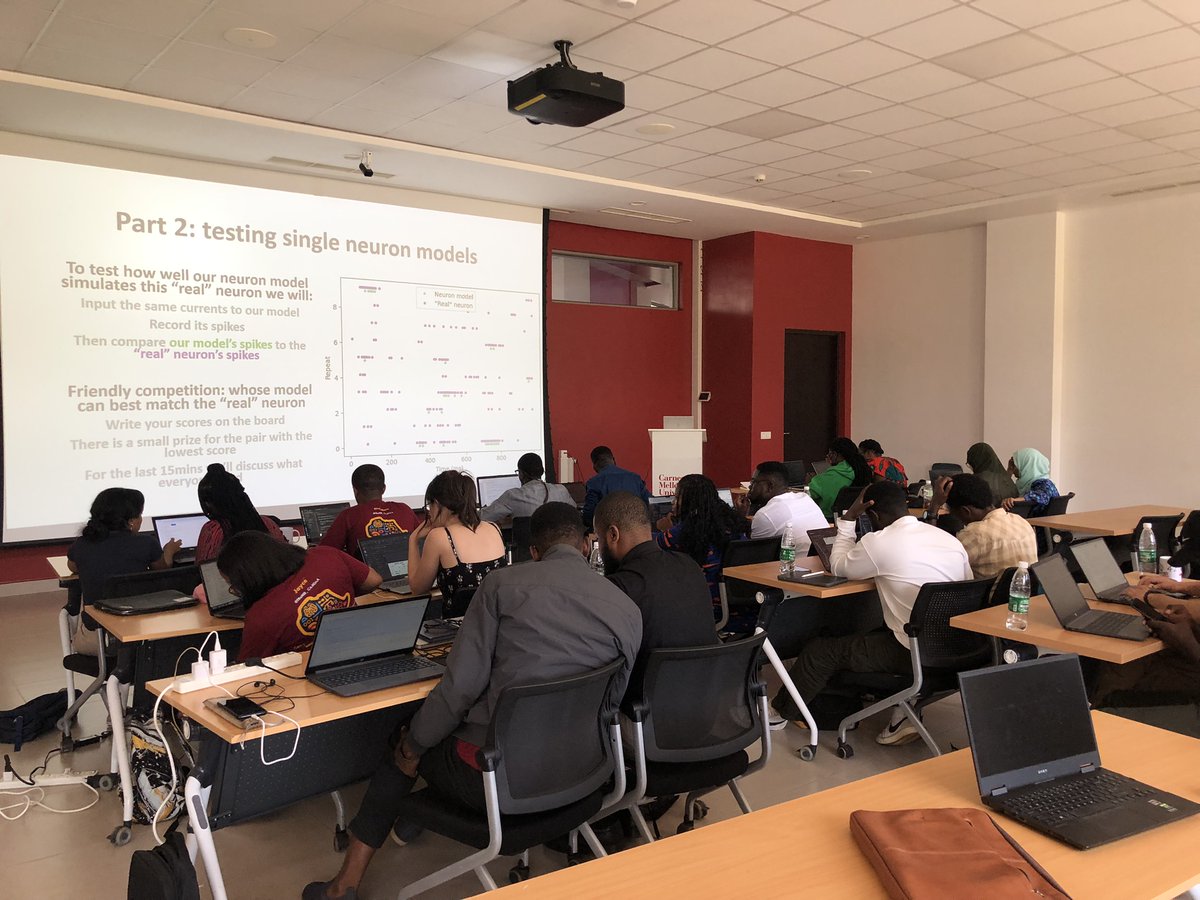
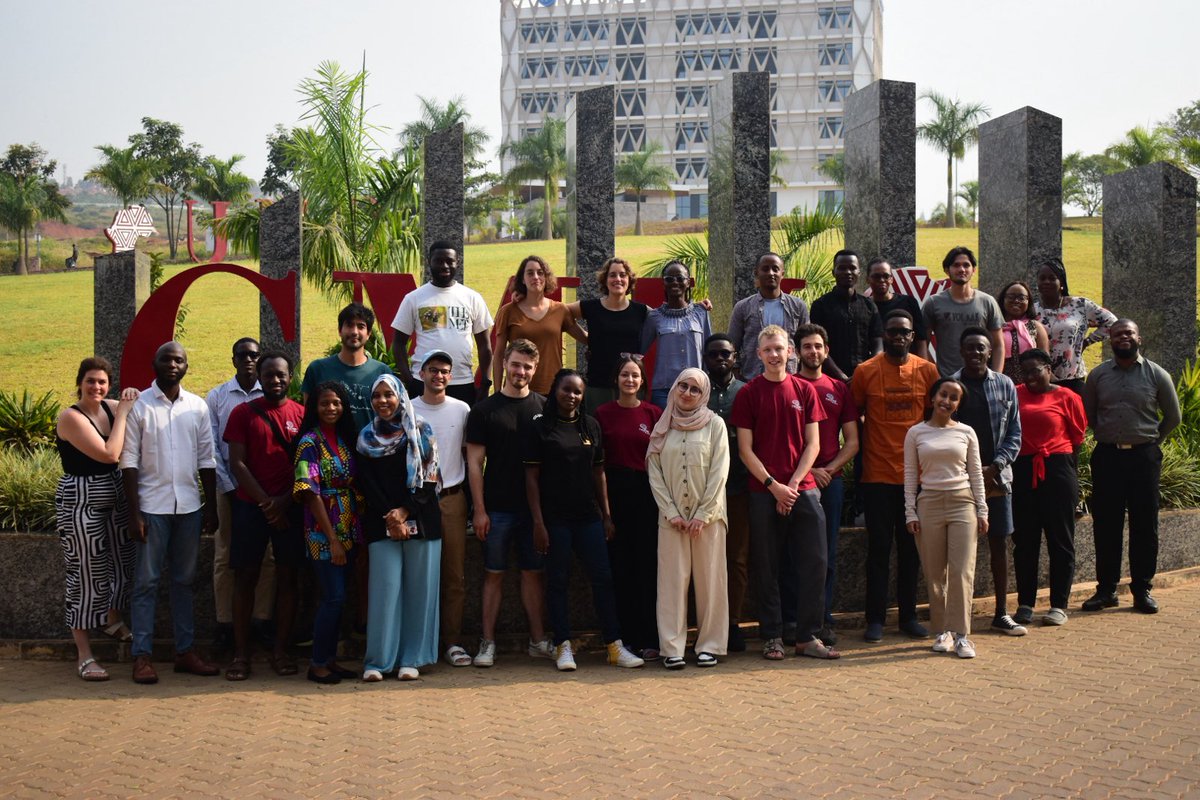
Teaching on the @trend_camina (@TReNDinAfrica) summer school (Rwanda) was an incredible experience.
Both the students and staff (below) were super inspiring!
@saraysoldado, @jsoldadomagrane, @TomNotGeorge, @artemiskoum, @burakgur_, @tmchartrand, @fredpckuo, @devonjarvi5 etc
8 Jul 2024

Excited to be in Rwanda teaching and talking science!
1
7
39
2,312
8 Jul 2024
Excited to be in Rwanda teaching and talking science!
8 Jul 2024
Our 2024 cohort is ready to start the journey.
For the next 2 1/2 weeks our students and teaching team will work together and will dive into concepts of computational neurosceince, machine learning and open science! 🧠💻🤖
Have fun everyone!
2
2
27
3,950
Marcus Ghosh retweeted

13 Jun 2024
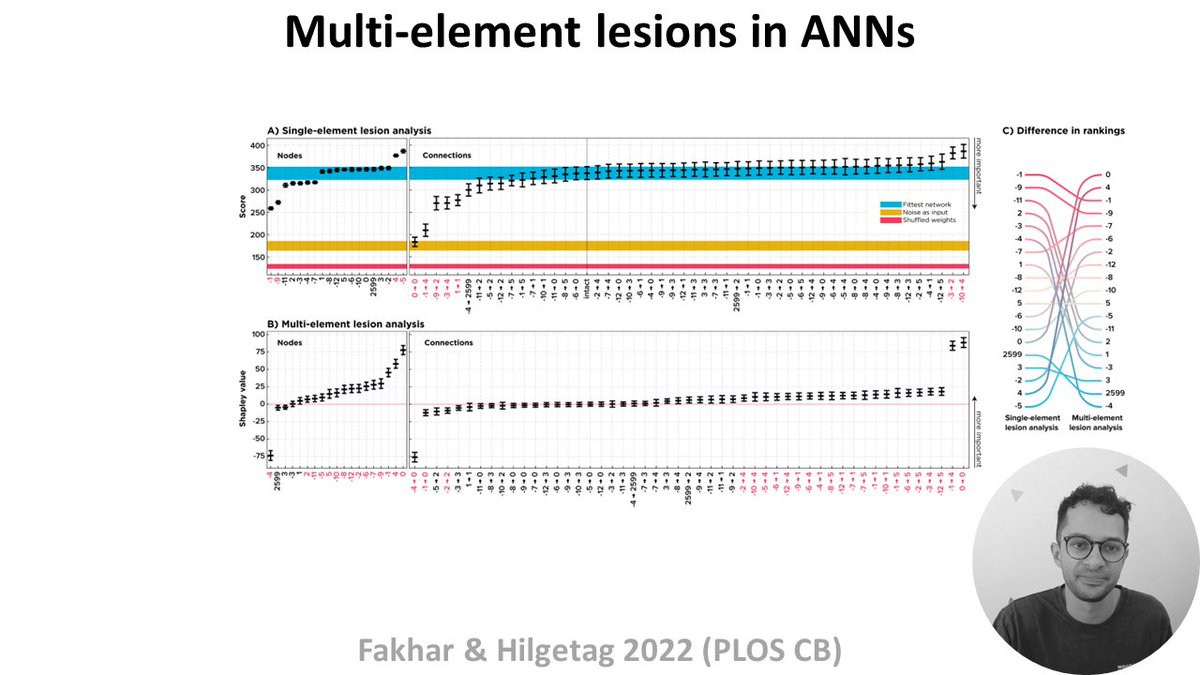
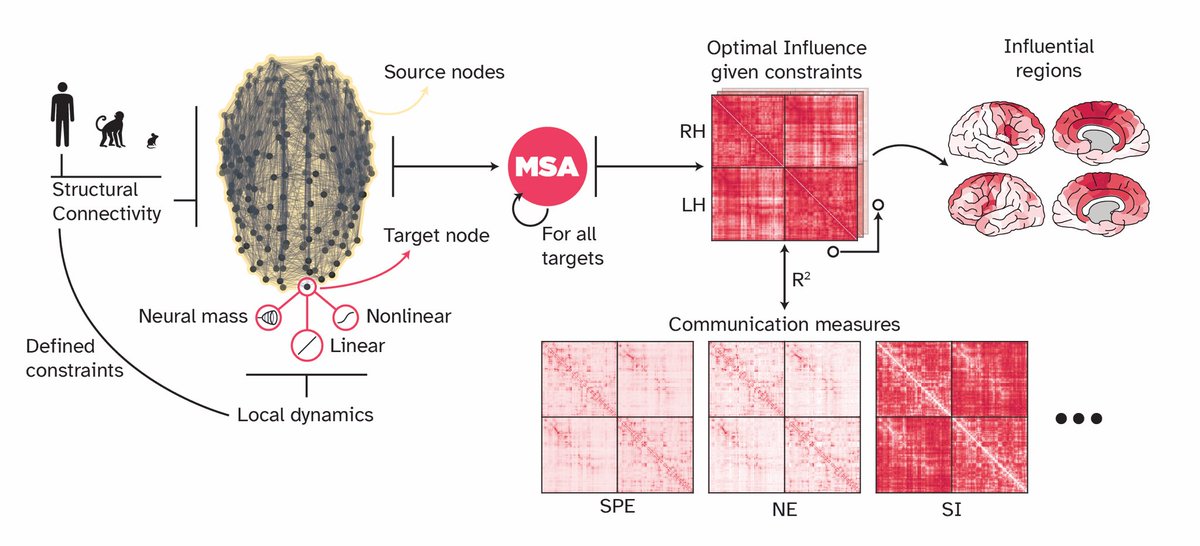
2 years into making, the last chapter of my PhD thesis, and a set of wonderful collaborators: @m00rcheh, @ShreyDixitAI, @misicbata, @caioseguin, @GZamora_Lopez, @CCHilgetag.
🧵 What can we learn about communication in brain networks from 7000 million virtual lesions:
12 Jun 2024

A General Framework for Characterizing Optimal Communication in Brain Networks biorxiv.org/cgi/content/shor… #biorxiv_neursci
4
50
169
51,890
28 May 2024
Really enjoyed this thoughtful pair of articles, from @lengyel_m & @jpillowtime, on the usefulness of Marr's three levels in #neuroscience:
❤️doi.org/10.1113/JP279549
❤️🩹doi.org/10.1113/JP279550
2
16
1,343
3 May 2024
Awesome to see two @ZebrafishRock papers out from my old colleagues @uclcdb this week (@SuppAnya, @realRihellab, @stevewilsonfish etc):
⚪️ Sleep pressure and synapses (doi.org/10.1038/s41586-024-0…)
⚪️ Neuronal asymmetry (doi.org/10.1126/science.ade6…)
3
14
1,773
2 May 2024
For all COMOB contributors!
Make sure you follow the instructions below to get your contribution recognized🙂
2 May 2024
Two years ago we started an open, collaborative computational neuroscience modelling project called COMOB. We're now writing up the paper. If you are one of the contributors, please check out the page below for instructions on getting recognised asap.
comob-project.github.io/snn-…
6
466
Marcus Ghosh retweeted

30 Apr 2024
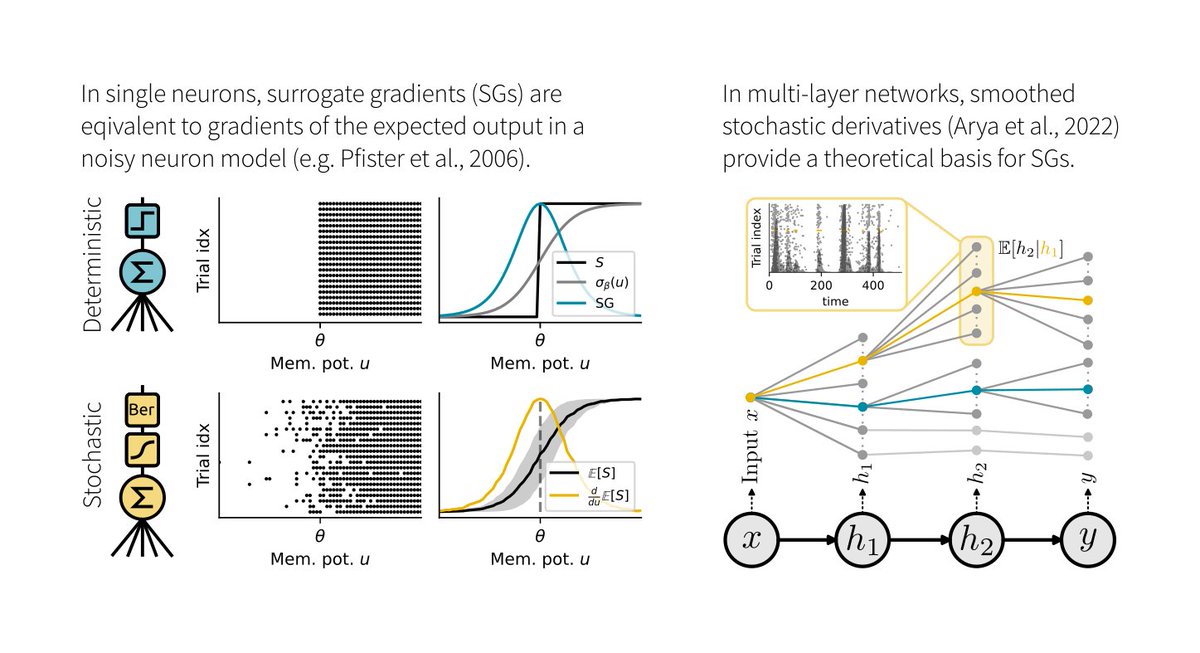
1/6 Surrogate gradients (SGs) are empirically successful at training spiking neural networks (SNNs). But why do they work so well, and what is their theoretical basis? In our new preprint led by @JuliaGygax4, we provide the answers: arxiv.org/abs/2404.14964
3
36
126
16,012