
Church School Primary Headteacher. DSL. Mum of 2. Passionate about inclusion and getting it right in class for all learners. #LFC fan. Views: my own.
Joined July 2014
- Tweets 10,506
- Following 289
- Followers 2,738
- Likes 20,871
887 Photos and videos



Pinned Tweet

20 Jul 2019
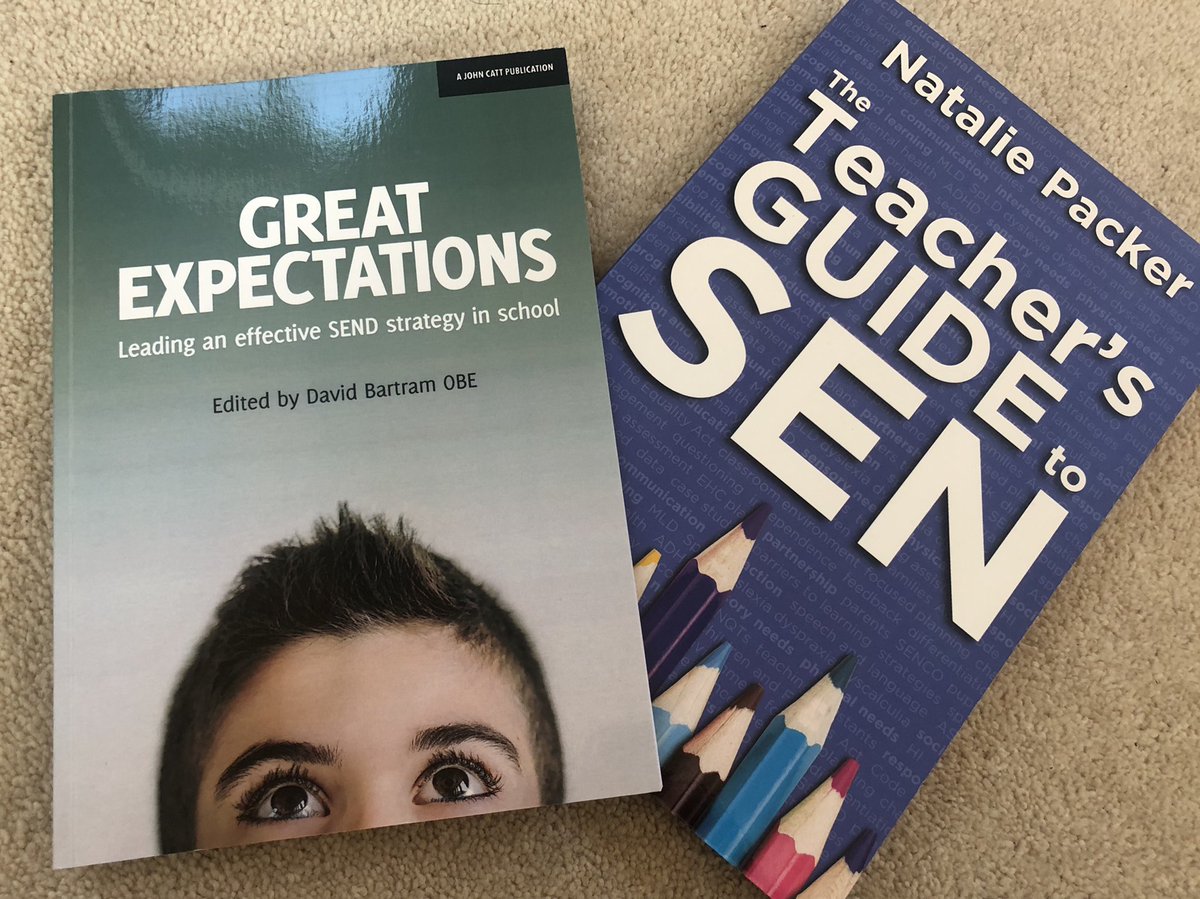
Preparing to hand over to a brilliant colleague who’ll be SENCO from September as I take the leap into headship... My top two reads for #leadership of #send by @NataliePacker and @DavidBartram_
21
22
157

The #SIAMS Inspection list for 2026/27 has now been published by @NSforEducation. These are the inspections that are likely to be carried out. A school's presence on the list is not a guarantee of inspection.
#SIAMSinspection @DrMJ93 @CofE_Education
static1.squarespace.com/stat…
7
5
688
28 Dec 2025
What a brilliant summary - parallels drawn between 2 seemingly different worlds. I’ve been referring to this book for years and teasing out what we can relate to school leadership. Thank you for sharing @LeeWoods0722
27 Dec 2025

Most school leaders are not chasing perfection.
They are chasing progress.
Quietly. Relentlessly. Under pressure.
That is why Better by Atul Gawande resonates so deeply with leadership in schools.
It is not about brilliance.
It is about systems, habits and the discipline of improvement.
In surgery, failure costs lives.
In education, it costs opportunity.
The lesson is the same in both fields:
Care is not enough. Systems matter.
That simple truth sits at the heart of Better: A Surgeon’s Notes on Performance by Atul Gawande. Although written through the lens of medicine, it may be one of the most quietly powerful leadership books a leader can read.
Because it strips performance back to its essentials.
Not vision statements. Not slogans.
But habits, systems, humility and the relentless pursuit of improvement.
In schools, as in surgery, we often celebrate individual excellence.
The outstanding teacher. The inspirational leader. The charismatic head.
Gawande dismantles this myth with precision.
He shows that even the most talented professionals fail without:
•Clear systems
•Consistent routines
•Feedback that is acted upon
•A culture that allows challenge and learning
The lesson is uncomfortable but necessary. Performance does not improve because people care more. It improves because systems make the right actions more likely and the wrong ones harder to repeat.
One of Gawande’s central arguments is that improvement rarely comes from dramatic breakthroughs. It comes from marginal gains applied consistently.
This is profoundly relevant to school leadership.
Better attendance rarely comes from one assembly.
Better behaviour rarely comes from one policy rewrite.
Better teaching rarely comes from one INSET day.
It comes from leaders who:
•Clarify expectations
•Remove ambiguity
•Build routines that survive pressure
•Accept that good intentions are not enough
In Gawande’s world, checklists save lives.
In ours, systems save learning time.
Perhaps the most striking section of Better is Gawande’s exploration of coaching. Even elite surgeons, at the top of their profession, actively seek feedback from others who can see what they cannot.
This is where leadership in schools is often tested.
Senior leaders are expected to have answers.
Yet the most effective leaders are those who remain open to scrutiny.
The parallel is clear. Schools improve fastest when leaders:
Invite challenge rather than defend practice
Use evidence to refine decisions
Model learning rather than certainty
Leadership is not diminished by coaching. It is strengthened by it.
What makes Better resonate so strongly with education is its realism.
Gawande does not argue that failure can be eliminated. He argues that it can be reduced. He does not promise excellence overnight. He commits to progress, relentlessly pursued.
This mirrors the reality of schools.
We work in complex systems, serving diverse communities, under constant pressure. Improvement is rarely neat. But it is possible.
The leaders who make the biggest difference are those who ask, repeatedly:
What worked today?
What did not?
What one thing can we do better tomorrow?
That mindset is not glamorous.
It is transformative.
Better is not a book about medicine.
It is a book about responsibility.
Responsibility to design systems that protect people.
Responsibility to reflect honestly on performance.
Responsibility to keep improving even when progress feels slow.
For school leaders, that message could not be more relevant.
Because the work is not about being flawless.
It is about being better.
Every day.

1
3
459
Maria Constantinou retweeted

27 Dec 2025
Most school leaders are not chasing perfection.
They are chasing progress.
Quietly. Relentlessly. Under pressure.
That is why Better by Atul Gawande resonates so deeply with leadership in schools.
It is not about brilliance.
It is about systems, habits and the discipline of improvement.
In surgery, failure costs lives.
In education, it costs opportunity.
The lesson is the same in both fields:
Care is not enough. Systems matter.
That simple truth sits at the heart of Better: A Surgeon’s Notes on Performance by Atul Gawande. Although written through the lens of medicine, it may be one of the most quietly powerful leadership books a leader can read.
Because it strips performance back to its essentials.
Not vision statements. Not slogans.
But habits, systems, humility and the relentless pursuit of improvement.
In schools, as in surgery, we often celebrate individual excellence.
The outstanding teacher. The inspirational leader. The charismatic head.
Gawande dismantles this myth with precision.
He shows that even the most talented professionals fail without:
•Clear systems
•Consistent routines
•Feedback that is acted upon
•A culture that allows challenge and learning
The lesson is uncomfortable but necessary. Performance does not improve because people care more. It improves because systems make the right actions more likely and the wrong ones harder to repeat.
One of Gawande’s central arguments is that improvement rarely comes from dramatic breakthroughs. It comes from marginal gains applied consistently.
This is profoundly relevant to school leadership.
Better attendance rarely comes from one assembly.
Better behaviour rarely comes from one policy rewrite.
Better teaching rarely comes from one INSET day.
It comes from leaders who:
•Clarify expectations
•Remove ambiguity
•Build routines that survive pressure
•Accept that good intentions are not enough
In Gawande’s world, checklists save lives.
In ours, systems save learning time.
Perhaps the most striking section of Better is Gawande’s exploration of coaching. Even elite surgeons, at the top of their profession, actively seek feedback from others who can see what they cannot.
This is where leadership in schools is often tested.
Senior leaders are expected to have answers.
Yet the most effective leaders are those who remain open to scrutiny.
The parallel is clear. Schools improve fastest when leaders:
Invite challenge rather than defend practice
Use evidence to refine decisions
Model learning rather than certainty
Leadership is not diminished by coaching. It is strengthened by it.
What makes Better resonate so strongly with education is its realism.
Gawande does not argue that failure can be eliminated. He argues that it can be reduced. He does not promise excellence overnight. He commits to progress, relentlessly pursued.
This mirrors the reality of schools.
We work in complex systems, serving diverse communities, under constant pressure. Improvement is rarely neat. But it is possible.
The leaders who make the biggest difference are those who ask, repeatedly:
What worked today?
What did not?
What one thing can we do better tomorrow?
That mindset is not glamorous.
It is transformative.
Better is not a book about medicine.
It is a book about responsibility.
Responsibility to design systems that protect people.
Responsibility to reflect honestly on performance.
Responsibility to keep improving even when progress feels slow.
For school leaders, that message could not be more relevant.
Because the work is not about being flawless.
It is about being better.
Every day.
11
65
269
91,923
Maria Constantinou retweeted

26 Nov 2025
Are EHCPs driving the SEND crisis or a symptom of it? Is SEND demand in 2025 any larger than it was in 2010? Will scrapping EHCPs actually achieve anything productive?
One of the best analyses of the SEND crisis I have read from @MargaretMulhol2
tes.com/magazine/analysis/ge…
4
32
44
36,449
Maria Constantinou retweeted

3 Oct 2025
Our trust is looking to appoint a headteacher at Oak Tree Primary School, West Sussex.
You’ll be joining a great, forward thinking team.
Please share
dmat.education/vacancy/headt…
2
944
2 Oct 2025
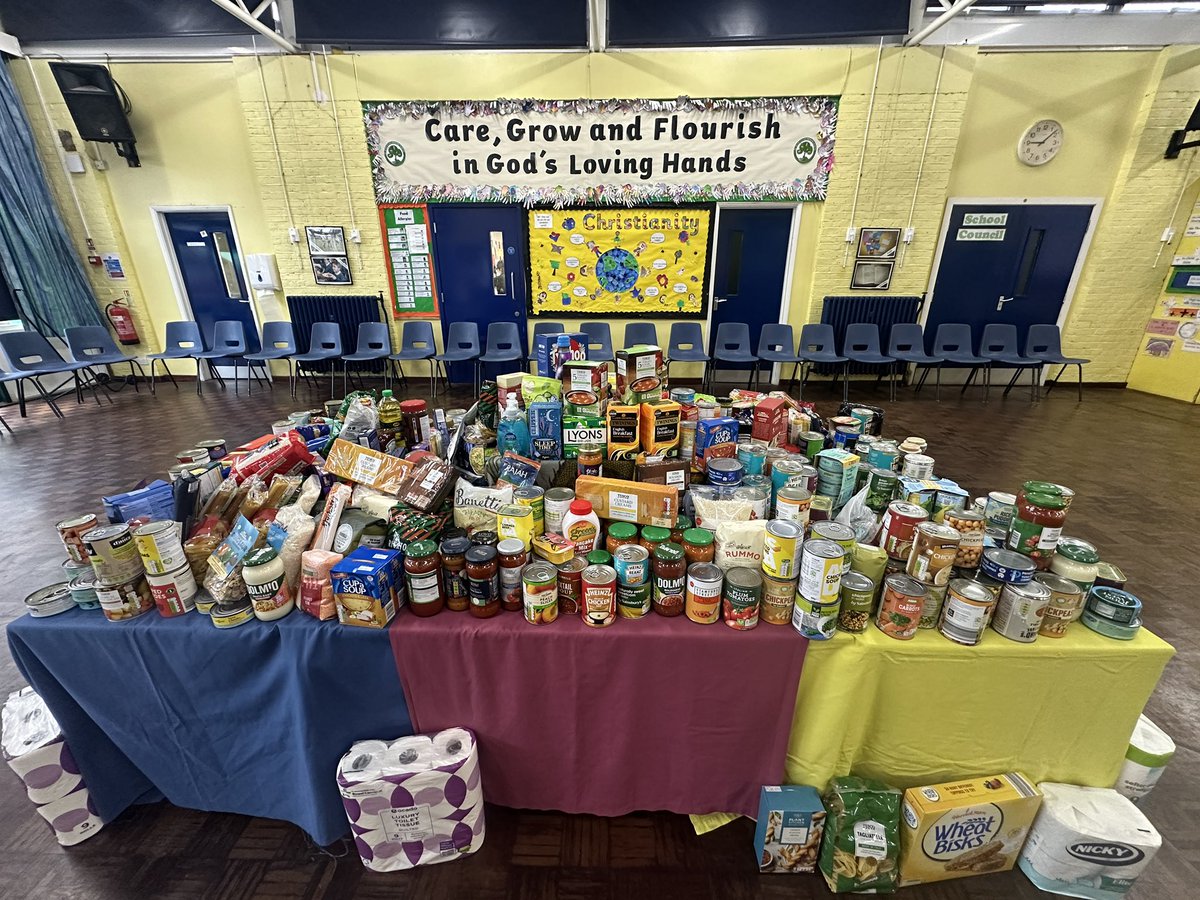
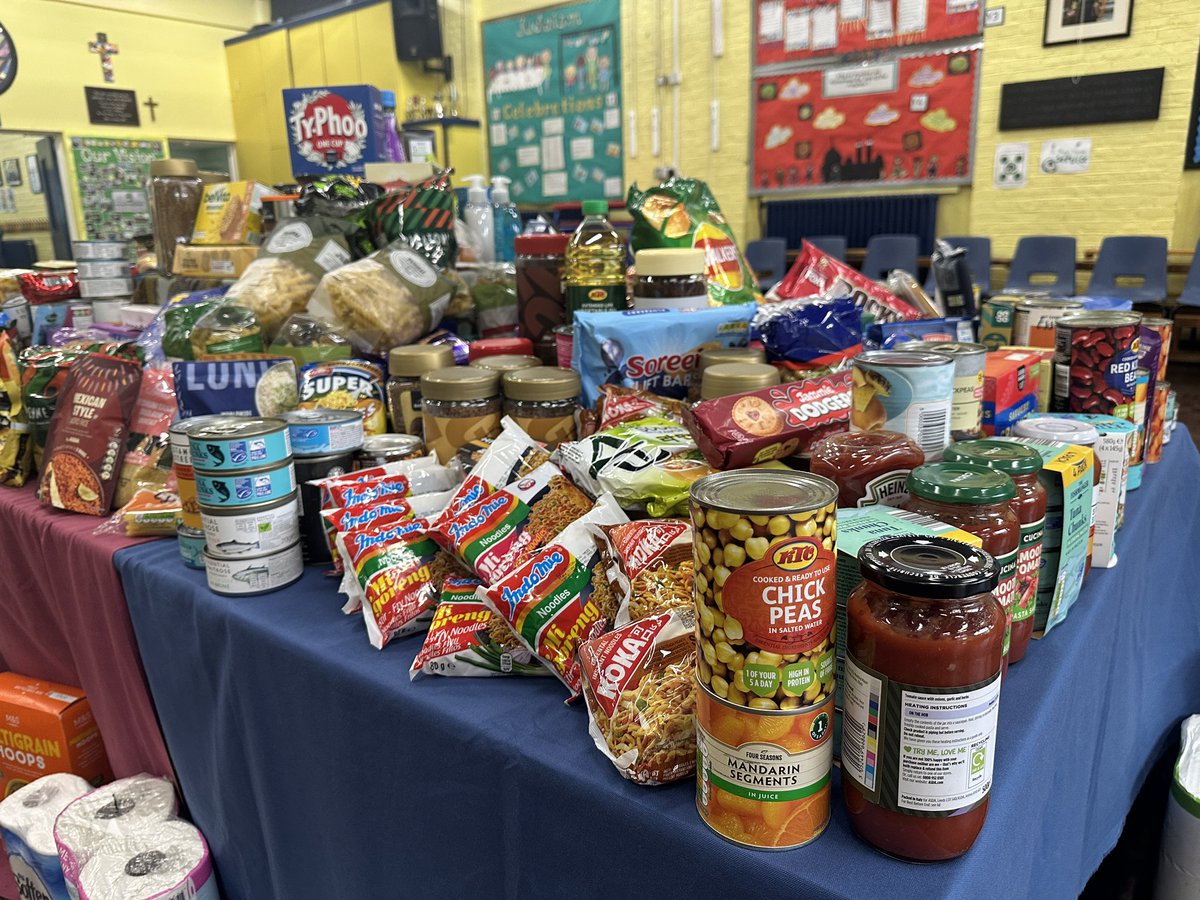
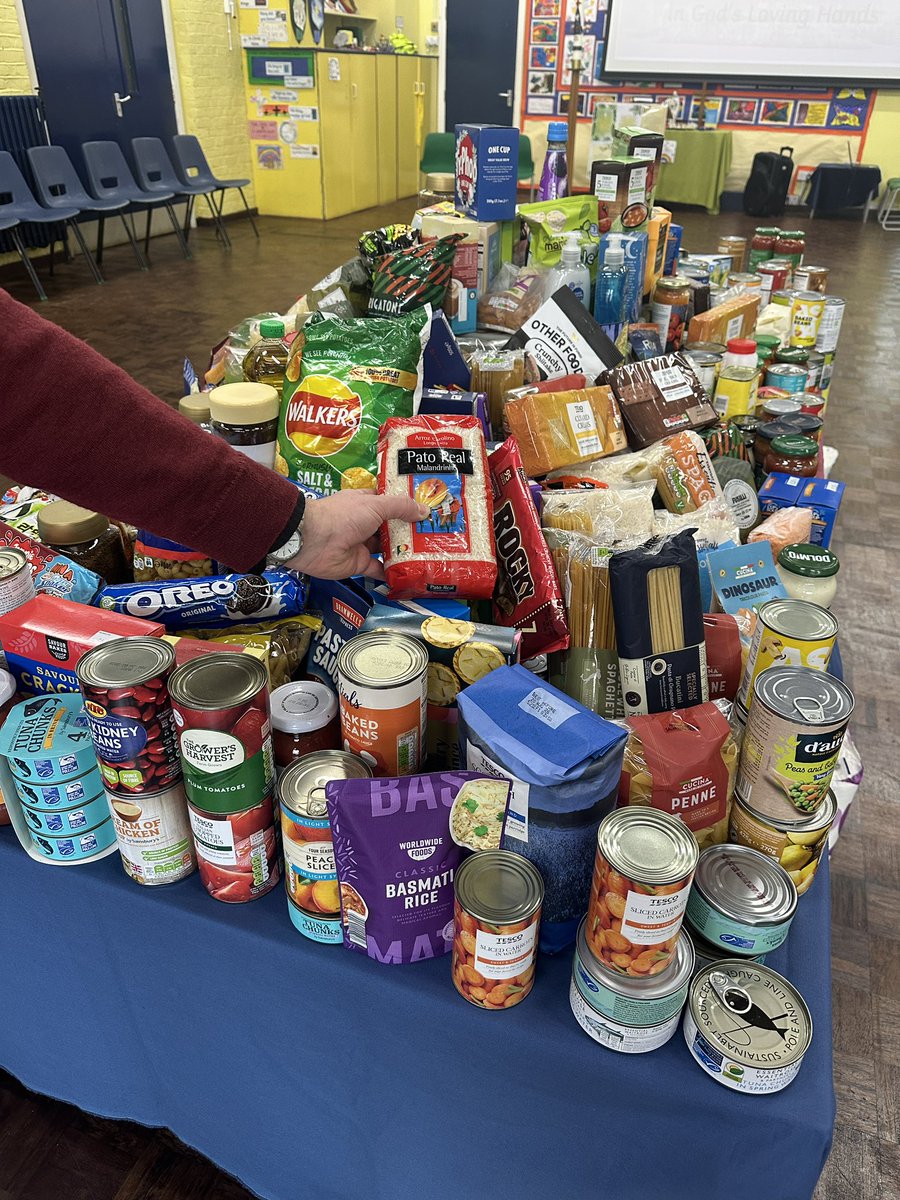
Our #harvest gifts collected for @BarnetFoodbank and @habcentre Thank you for the amazing work you do to support some of the most vulnerable people in our community 💚
2
2
6
525
28 Sep 2025
Can anyone who uses walkie talkies in school give me any recommendations please? No idea what to look for. We are one form entry, so not a huge building. TIA.
9
1
5
4,436
25 Aug 2025
The couple have been found! And what a beautiful love story they have. Really pleased. Thank you everyone who helped to share the photo 💞
24 Aug 2025

If you got married in #Bristol today, I spotted you sharing a lovely embrace as I walked behind you this evening. I hope you like the photo and that you have a lifetime of love and happiness ❤️
127
379
9,461
229,833

UPDATE!
The bride has seen the photo, she absolutely loves it! She wants to share her thanks to the person that took this photo because she loves that you were so thoughtful and kind to take such a wonderful candid photo! Shes over the moon and is just so happy! Xx
2
16
467
7,011
24 Aug 2025
If you got married in #Bristol today, I spotted you sharing a lovely embrace as I walked behind you this evening. I hope you like the photo and that you have a lifetime of love and happiness ❤️
243
1,628
21,392
809,947
17 Jul 2025
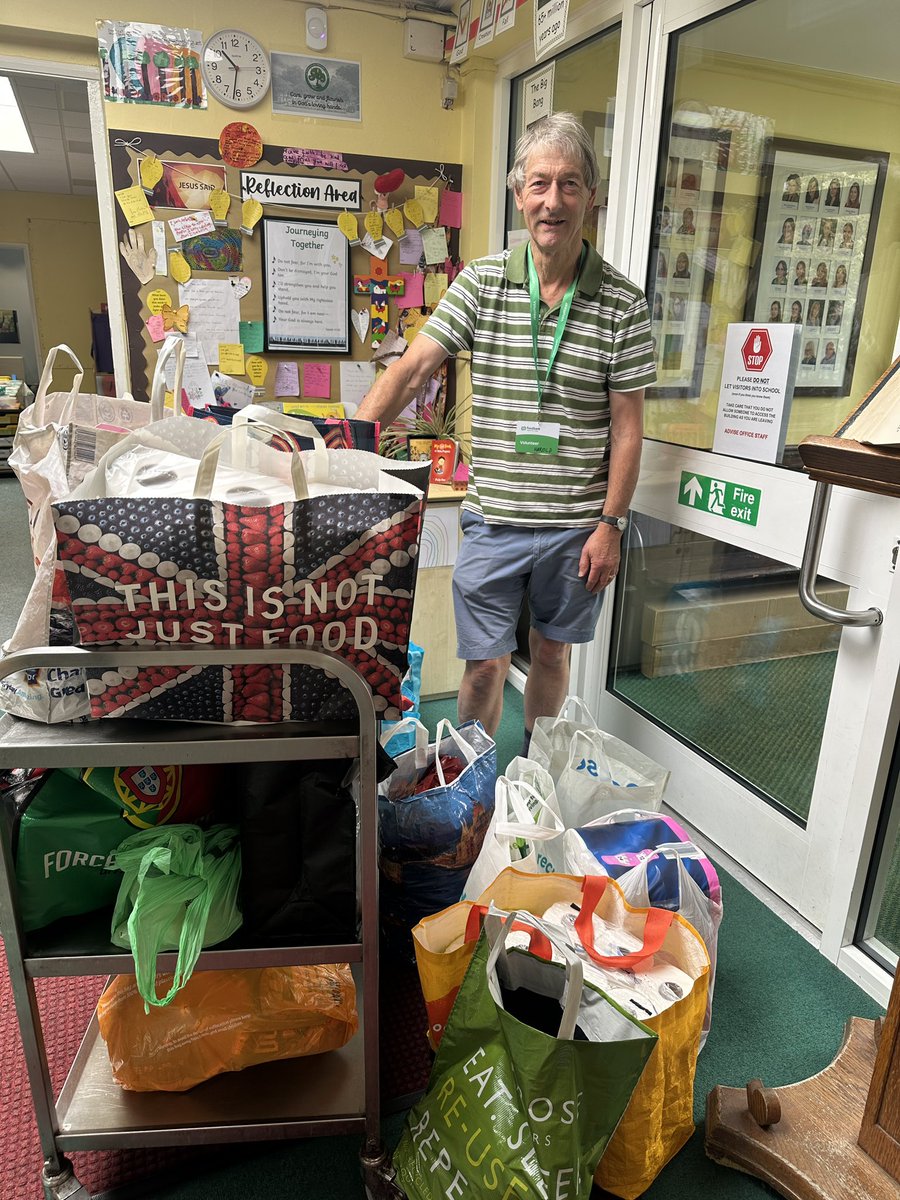
With love from St. Mary’s School in East Barnet - Thank you @BarnetFoodbank for serving some of the most vulnerable members of our community. We hope that our donations help ❤️
1
7
1,147
24 May 2025
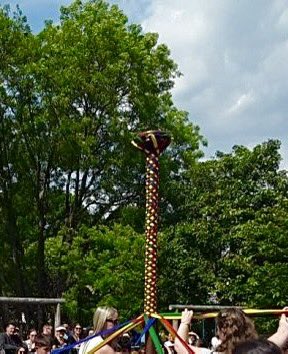
Thank you @Dan4Barnet for joining us for our annual May Day celebration yesterday. It was a wonderful example of the embodiment of our school vision!
2
6
1,322
Maria Constantinou retweeted

27 Apr 2025
🏆🏆🏆🏆🏆🏆🏆🏆🏆🏆🏆🏆🏆🏆🏆🏆🏆🏆🏆🏆

ALT Graphic showcasing Liverpool's 20 league titles.
925
26,837
152,595
8,483,615
Maria Constantinou retweeted

31 Mar 2025
Always worth a share with the holidays coming up:

3
244
266
75,470
25 Mar 2025
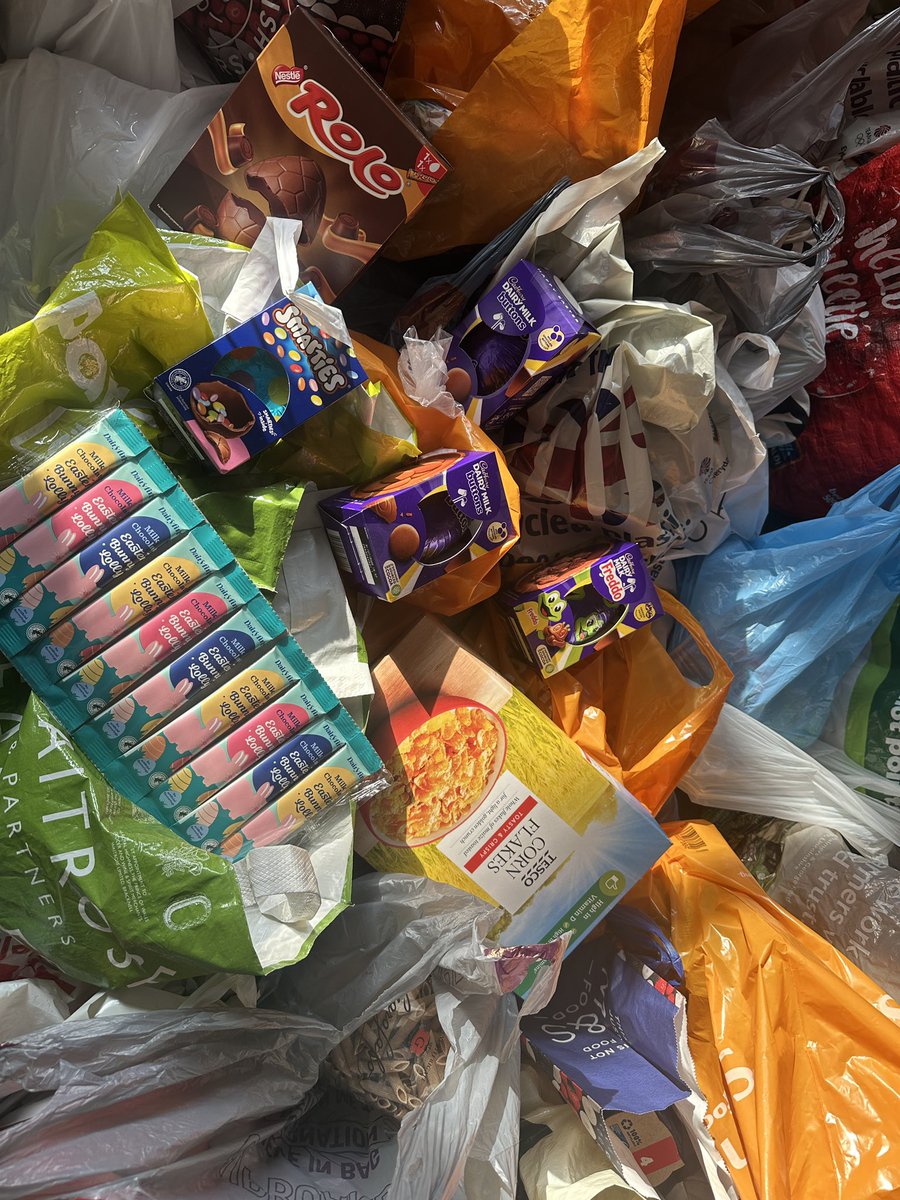
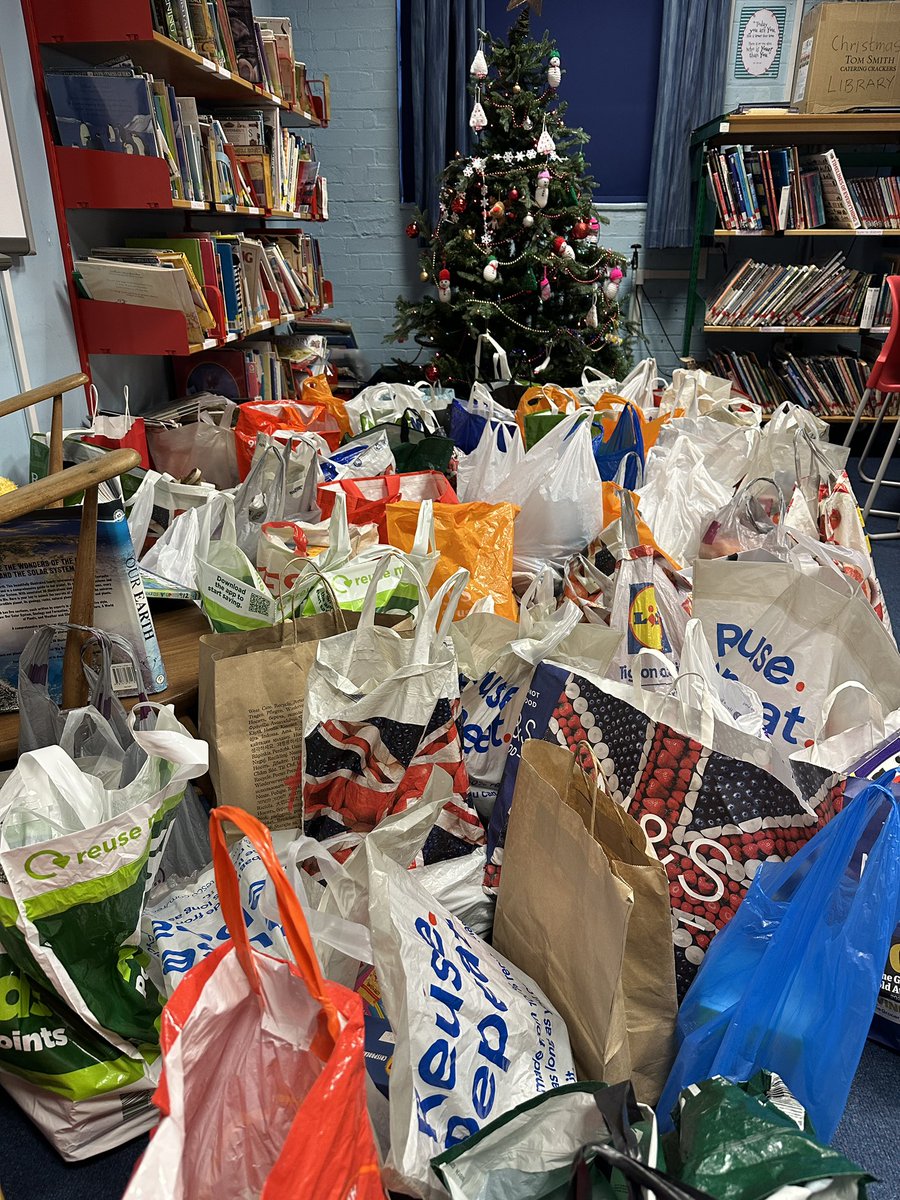
In this season of Lent, we have focused on ‘giving’ rather than ‘giving up’. Reflecting on ‘serving one another in love’ (Galatians 5.13), we have gathered a sea of donations for you @BarnetFoodbank. Thank you for your service to the most vulnerable families in our community ❤️


2
3
4
529
Maria Constantinou retweeted

23 Mar 2025
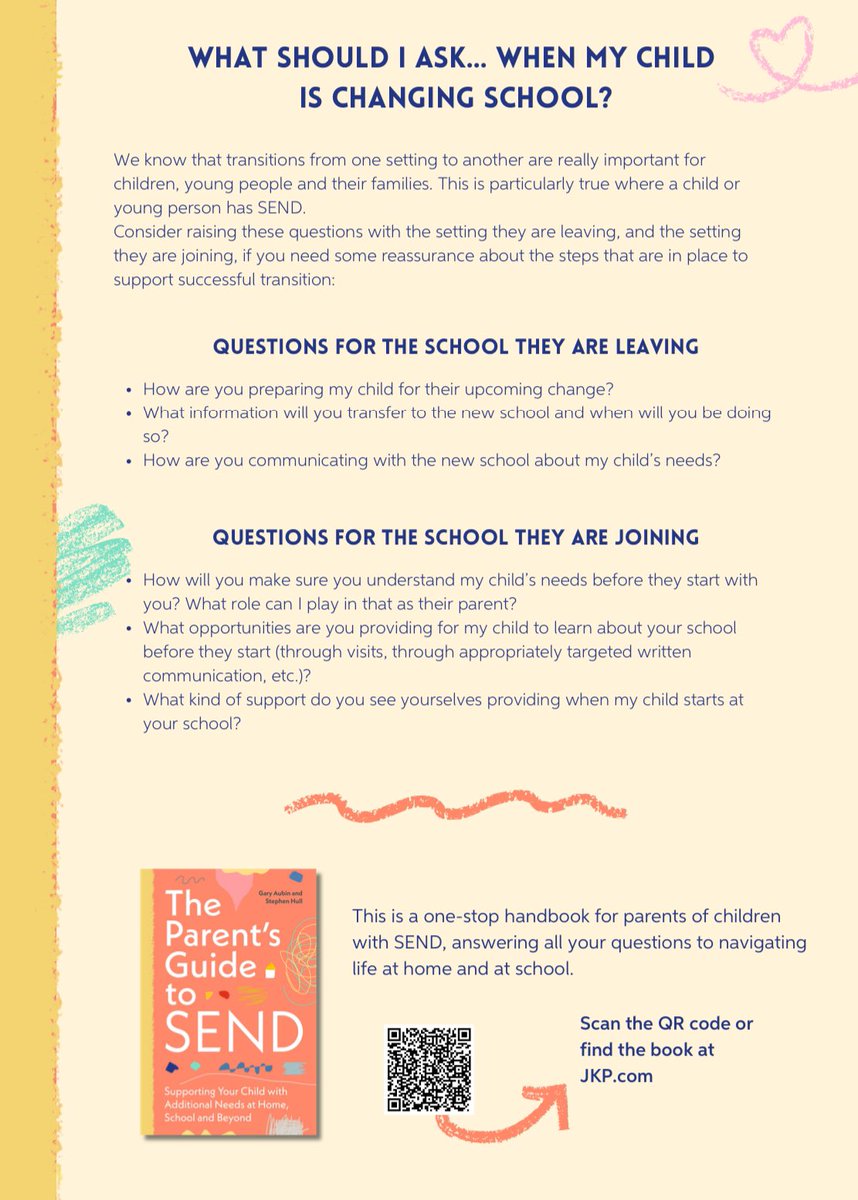
Got a child transitioning from one setting to another this September? I wonder what people think about the questions here, which I’ve taken from The Parent’s Guide to SEND. They’re designed to support positive parent-school collaboration. Reposts welcome.
amzn.to/4bU92YX
16
26
4,838
2 Feb 2025
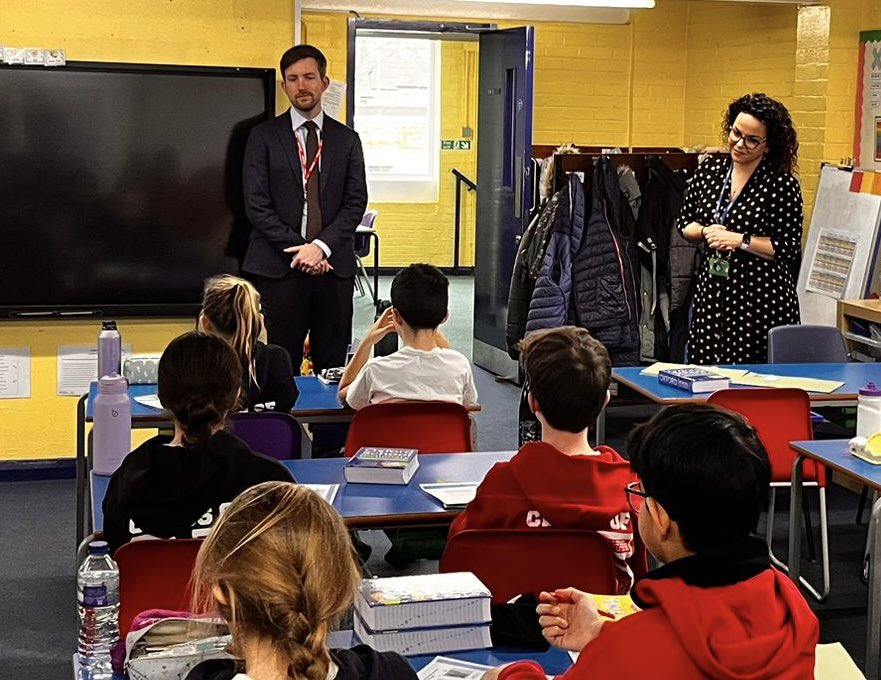
Thank you for coming to visit us at school @Dan4Barnet
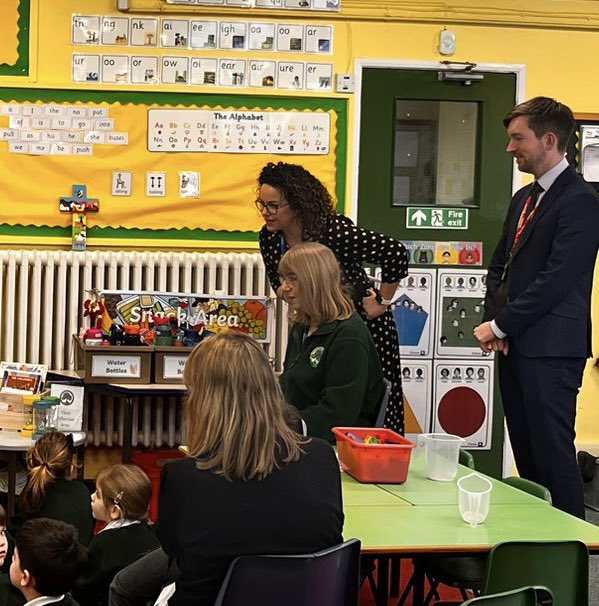
We shared lots about the reality in schools and the challenges that leaders face. The children enjoyed telling you about why we are supporting the smartphone free childhood campaign too. We look forward to your next visit!
1
301
Maria Constantinou retweeted

20 Jan 2025
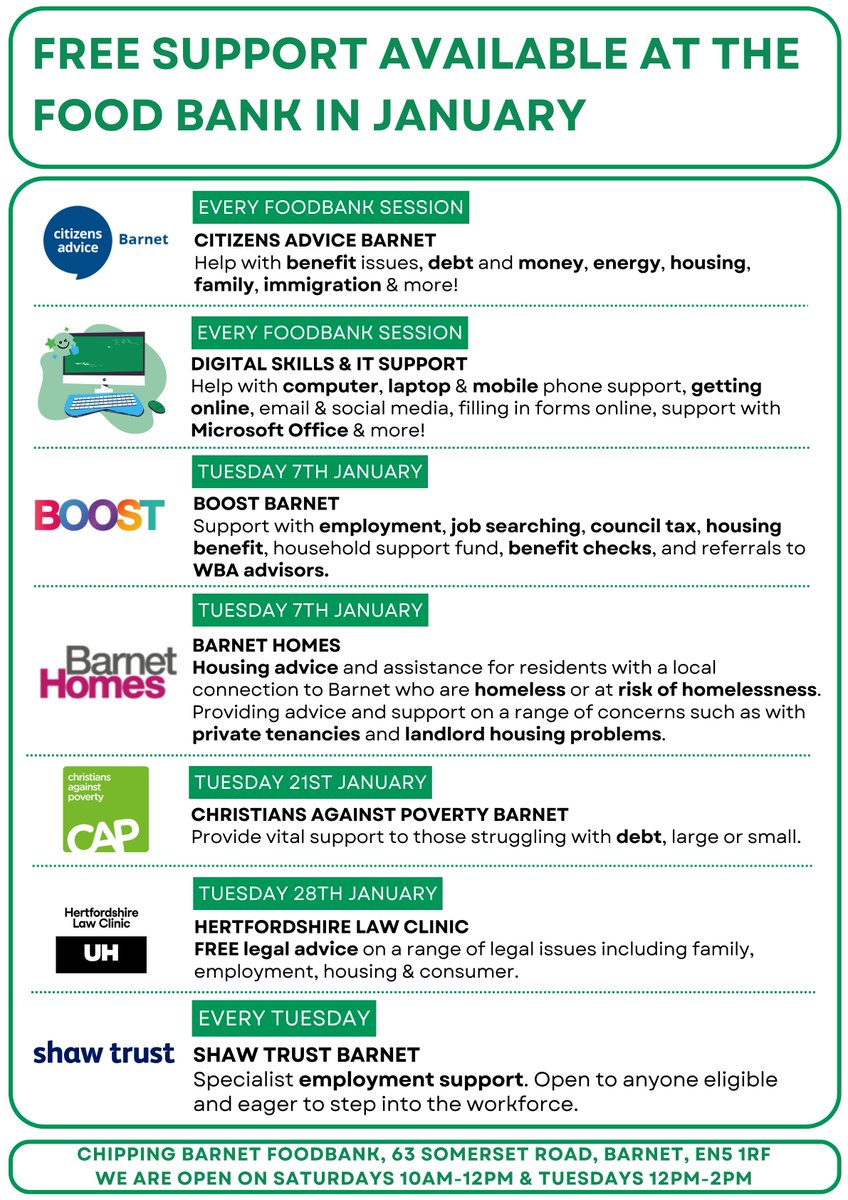
Please see below for information about the amazing range of on-site support here at the food bank in January.
We can help with things like navigating the benefits system, debt support, help with IT, legal advice, getting back into employment and much more!
4
2
328
22 Dec 2024
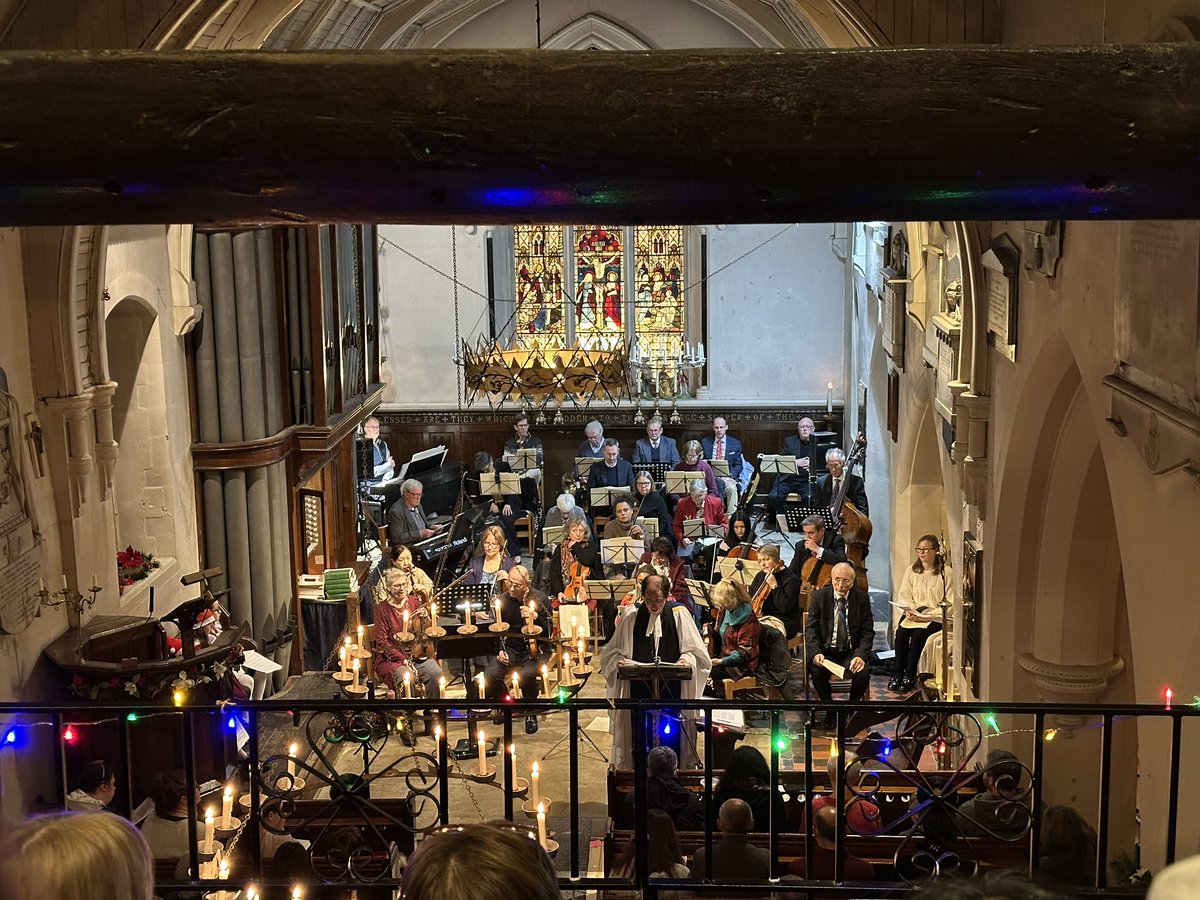
Thank you @alec_corio for leading this very beautiful candlelit carol service this evening 🕯️🤍
1
2
3
1,709