
AI Agent Developer. SaaS enthusiast, AI Mad Scientist, Startup Survivalist. Dad x2. Founding Member at RebarHQ.
Joined September 2022
- Tweets 661
- Following 421
- Followers 206
- Likes 53
73 Photos and videos













Feb 11
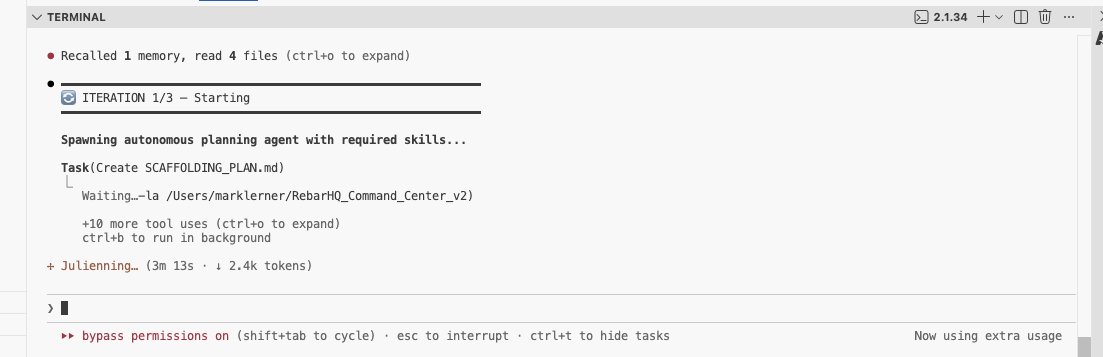
Ok, big time power up:
#Codex in the terminal.
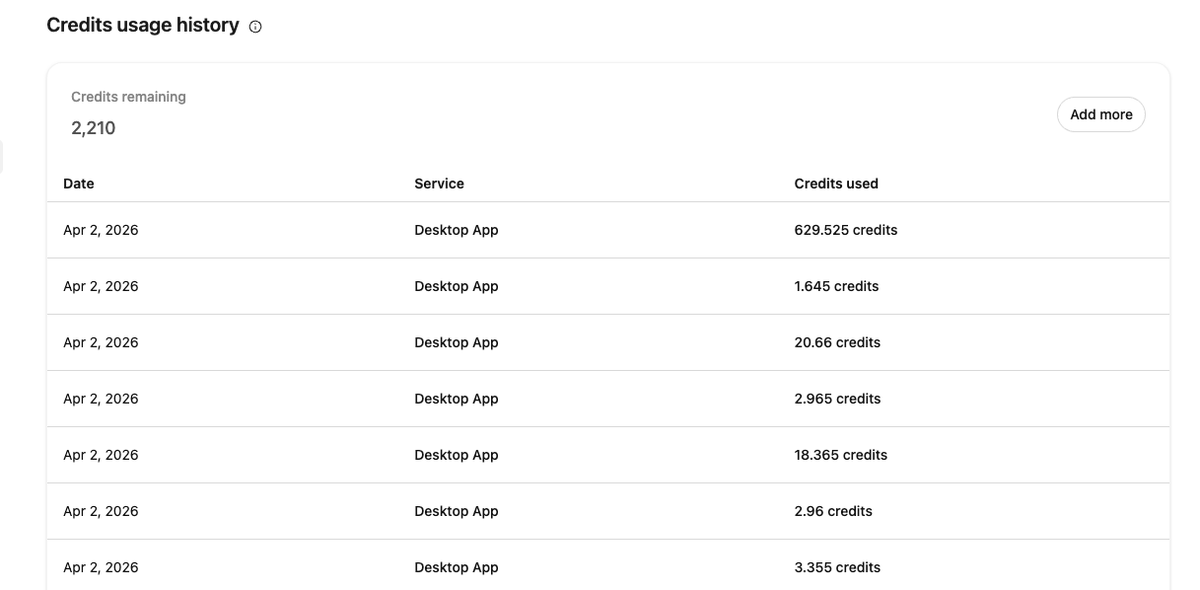
I know, "duh" - right? Well, I've been using the Codex App, the VS Code plugin, and had just become accustomed to certain "quirks" (slowness, lack of visibilty into what its thinking/doing.
Yesterday, I fired up the terminal, turned on the experimental "Parallel Agents" feature and... BAM.
I feel like I just unlocked a whole new level of cognition.
31
Feb 10
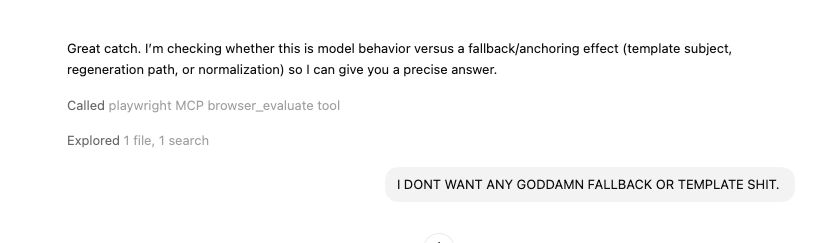
Things got a little weird with codex-5.3 earlier... anyone ever seen this kind of thing before?
59
Feb 10
Most people describe “good agents” as *smart*.
But in practice, what users experience as intelligence is usually something simpler:
**State.**
The fastest way to make an agent feel dumb is not to lower model quality —
it’s to make it forget what just happened.
When an hashtag#AIAgent:
* asks for information you already gave
* can’t tell what’s been completed vs. skipped
* loses the thread after a short detour
* restarts a task it was halfway through
…users don’t think “interesting system limitation.”
They think: *this thing doesn’t really understand what I’m doing.*
What’s actually missing isn’t reasoning — it’s **durable, inspectable state**.
Good agents track:
* what outcome they’re working toward
* what’s already been accomplished
* what information has been collected
* what decisions were made (and by whom)
* what’s pending confirmation vs. already locked in
Not so they can remember for nostalgia’s sake —
but so they can exercise **judgment**.
This is why form-like “guided” agents feel so brittle.
They only know the *current question*, not the *trajectory*.
A genuinely stateful agent can:
* fast-forward when the user provides multiple answers at once
* pause and resume without losing context
* handle off-topic questions and return gracefully
* survive handoffs without re-interrogating the user
That’s not magic.
That’s a system that treats progress, decisions, and intent as first-class data — not just chat history.
**State isn’t memory for recall.
It’s memory for orientation.**
If your agent can’t pause, resume, or survive a detour, it’s not conversational.
It’s transactional.
40
Feb 10
I said this years ago, even before the Claude Code/Codex moment we are in now.
Many enterprise systems - CRMs in particular - are glorified relational databases. The idea that they are sacrosanct and can't ever be replaced is absurd and, in fact, almost certainly they will be.
#AI
20
Feb 2
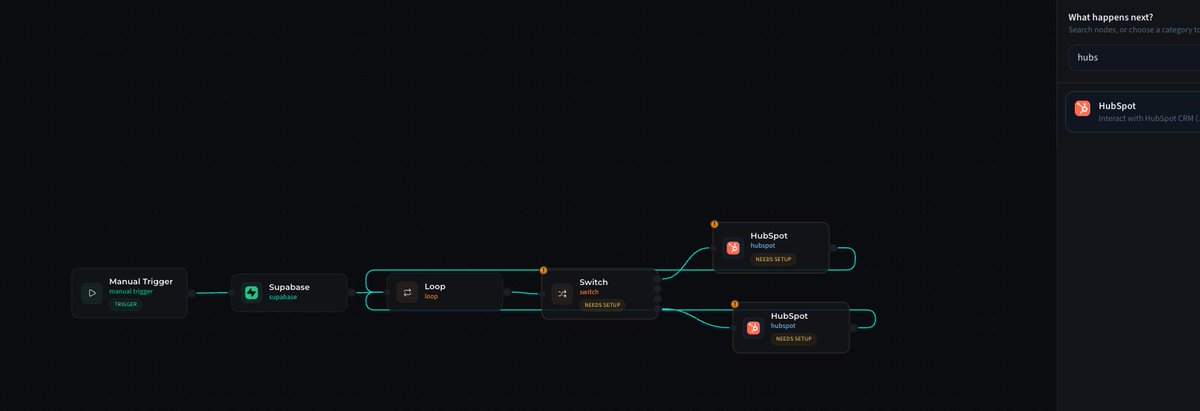
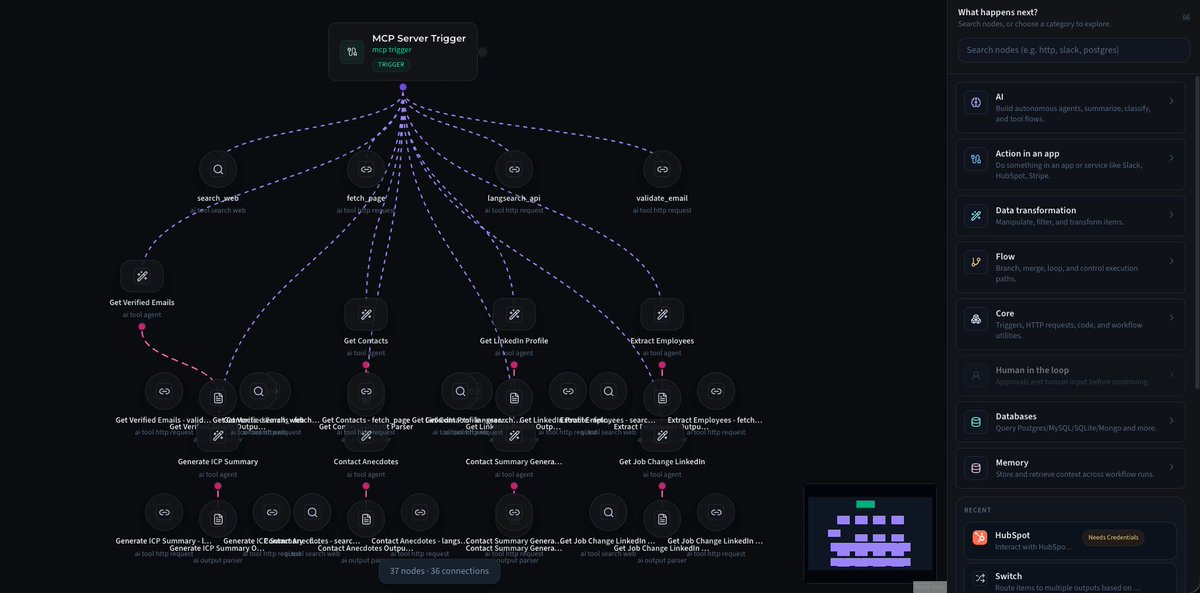
Decided that i didnt want to be reliant on someone else's software for such important processes (like Zapier and n8n).
So I built my own... in a weekend. Because you can just do stuff.
#Vibecoding
21
Jan 31
Most "personalized" #AI emails are just mail merge with extra steps.
'Hi [First Name], I noticed [Company Name] is in the [Industry] space...'
That's not personalization.
That's a template pretending to have context.
Real personalization requires a different architecture entirely.
Here's what I mean:
We built a system that doesn't just insert data. It builds narratives from context.
It knows:
* What tools they're already using
* The size and stage of their business
* Market conditions affecting them right now
* How they describe themselves on their own website
So instead of "Companies like yours often struggle with..." it writes about their situation, using their vocabulary, referencing their actual challenges.
The difference in response rates? Massive.
But here's the hard part:
You can't prompt your way to this.
You need systems that understand context, not templates that insert variables.
Personalization isn't a feature.
It's an architecture decision.
10
Jan 28
95% of #AI initiatives fail.
Not because the tech is bad.
Because companies start with the wrong goal.
They buy AI expecting automation.
Then act shocked when the output sounds like a template with a pulse.
The 5% that actually win think about it differently.
They don’t build automation systems.
They build learning systems.
Big difference:
1. Automation just does the same thing faster. Learning systems get better every time they’re used.
2. Automation needs constant prompt babysitting. Learning systems improve through real-world feedback.
3. Automation hits a wall. Learning systems compound.
I spent this week watching our AI email system improve without touching a single prompt.
Every approval.
Every edit.
Every send decision.
All of it becomes signal.
That’s not automation.
That’s intelligence.
95% are still chasing speed.
Be in the 5% building leverage.
7
Jan 9
Every time I try to go back to Claude Code Opus 4.5 (which is an absolutely amazing model) I end up right back using Codex with 5.2 - it's just... better.
1
1
73
7 May 2025
I can’t stress enough how concerning this should be to everyone.
7 May 2025

INVESTIGATION: Uncovering Chinese Academic Espionage at Stanford.
After interviewing multiple anonymous Stanford faculty, students, and China experts, the Review can confirm that the CCP is orchestrating a widespread intelligence-gathering campaign at Stanford. 1/8

3
205
7 May 2025
The singularity is the theoretical point where #AI becomes capable of improving itself without human intervention — setting off a chain reaction of exponential self-improvement.
It’s been talked about for decades, but here’s the wild part:
Many researchers believe the key to unlocking it isn’t general intelligence.
It’s AI that can code.
That’s why @OpenAI’s reported $3B acquisition of Windsurf (formerly Codeium) is such a big deal.
@Windsurf isn’t just a tool for helping developers write code faster.
It’s built to turn plain-language ideas into production-ready software.
It understands architecture, not just syntax.
If AI can build software… then it can build the next generation of AI.
Faster than any human team ever could.
So while this move might look like a productivity play, the subtext is much bigger:
OpenAI is betting that coding is the unlock — not just for better products, but for creating AIs that can improve themselves.
And that has massive implications for everyone, not just engineers.
Because the faster this loop tightens, the more important it becomes to understand how to work with these tools.
The singularity isn’t some distant sci-fi moment.
It might just start with better autocomplete.
#AI #OpenAI #Windsurf #Singularity #FutureOfWork #PromptEngineering #GrowthMarketing
29
6 May 2025
Has anyone taken the “classic” PE model of buying companies, optimizing (cutting costs) etc and applied it to AI?
Buy companies with high revenue but terrible profit -> fire everyone -> run it with agents and a skeleton crew.
I’m sure that’s a huge simplification, but it seems like it’s gotta be coming soon.
1
31