
Father, curmudgeon, full back in a beer league, Prof of Political Economy at @munkschool at U of Toronto. Here in private capacity.
Joined October 2009
- Tweets 6,275
- Following 653
- Followers 793
- Likes 26,777
Photos and videos

Jun 13
Let’s be honest, the stadiums are amazing and the close up camera work proves again that nobody does sports on TV better than the Americans.
47
Mark Manger retweeted

Jun 12
The reason Ethiopia doesn’t win the Super Bowl is because all of their best athletes are in long distance running.

The only reason why the US doesn’t win every World Cup is because our best athletes choose football, baseball, basketball, and hockey over soccer
It’s like we are sending our 5th string up against everyone else’s best
130
5,117
46,597
1,072,142
Jun 13
Whatever you think about soccer in the US, this team is playing very entertaining football
4
82
Mark Manger retweeted

Jun 11
Fucking bagged milk again because God forbid your production team hires anyway who's ever lived west of Kitchener.
Jun 11

The World Lives Here.
Canada is all together different. Truly unique. And so is our relationship to the beautiful game. This is our opening to the 2026 World Cup. Narrated by Kiefer Sutherland. #FIFAWorldCup
20
9
178
40,421
Jun 3
This should be blindingly obvious to anyone who studied WWII history. And if it’s not, just look at the uniforms.
Jun 3

Tarkin and the rest of the Imperial Army are the Wehrmacht. Vader is Himmler.
4
120
Mark Manger retweeted

May 27
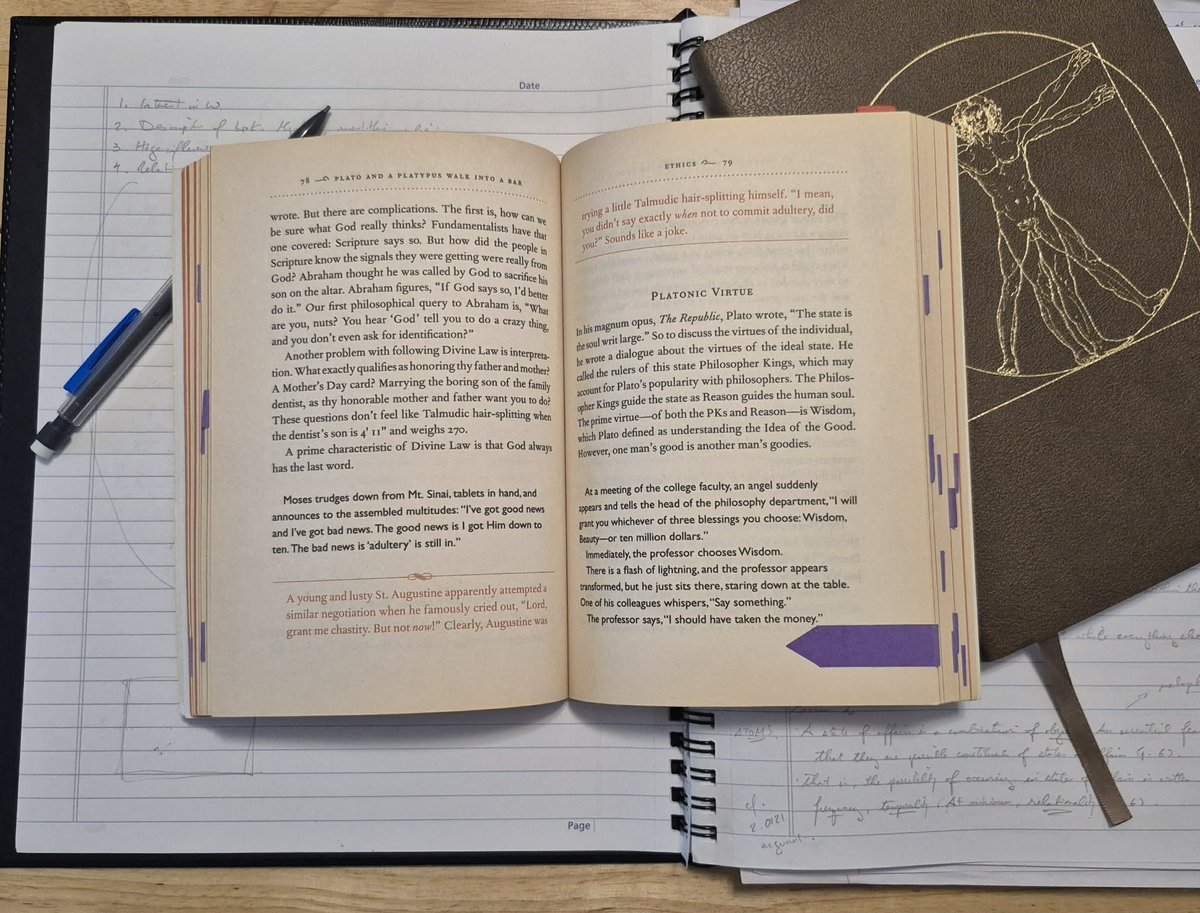
“At a meeting of the college faculty, an angel suddenly appears and tells the head of the philosophy department, ‘I will grant you whichever of three blessings you choose: Wisdom, Beauty or ten million dollars.’
Immediately, the professor chooses Wisdom. There is a flash of lightning, and the professor appears transformed, but he just sits there, staring down at the table. One of his colleagues whispers, ‘Say something.’
The professor says, ‘I should have taken the money.’”
15
41
354
17,389
May 9
Shakira has been involved in more World Cups than James Rodriguez?
2
226
May 8
Liberation for the part of Europe that didn’t end up under Soviet control…

Der 8. Mai 1945 brachte Befreiung - für Millionen von Menschen, für Deutschland, für Europa. Er mahnt, niemals zu vergessen, wozu Hass führen kann. Er verpflichtet für ein freies, demokratisches und solidarisches Deutschland in einem starken Europa einzustehen.
2
317
Mark Manger retweeted

May 6
If the EU built Claude

299
1,328
15,572
978,678
May 5
If Carney is serious about getting a trade deal, he needs to fire Joly. And if the Ontario Conservatives want to have a chance at winning the next election, they need to oust Doug Ford.
politico.com/news/2026/05/05…
1
2
77

Apr 27
Actual sovereign wealth funds are using a country's current account surplus and invest the capital in other countries to make future generations better off. We don't have a surplus but a public deficit and the projects are in Canada.
Apr 27

This is our country, this is your future, and we are building it together.
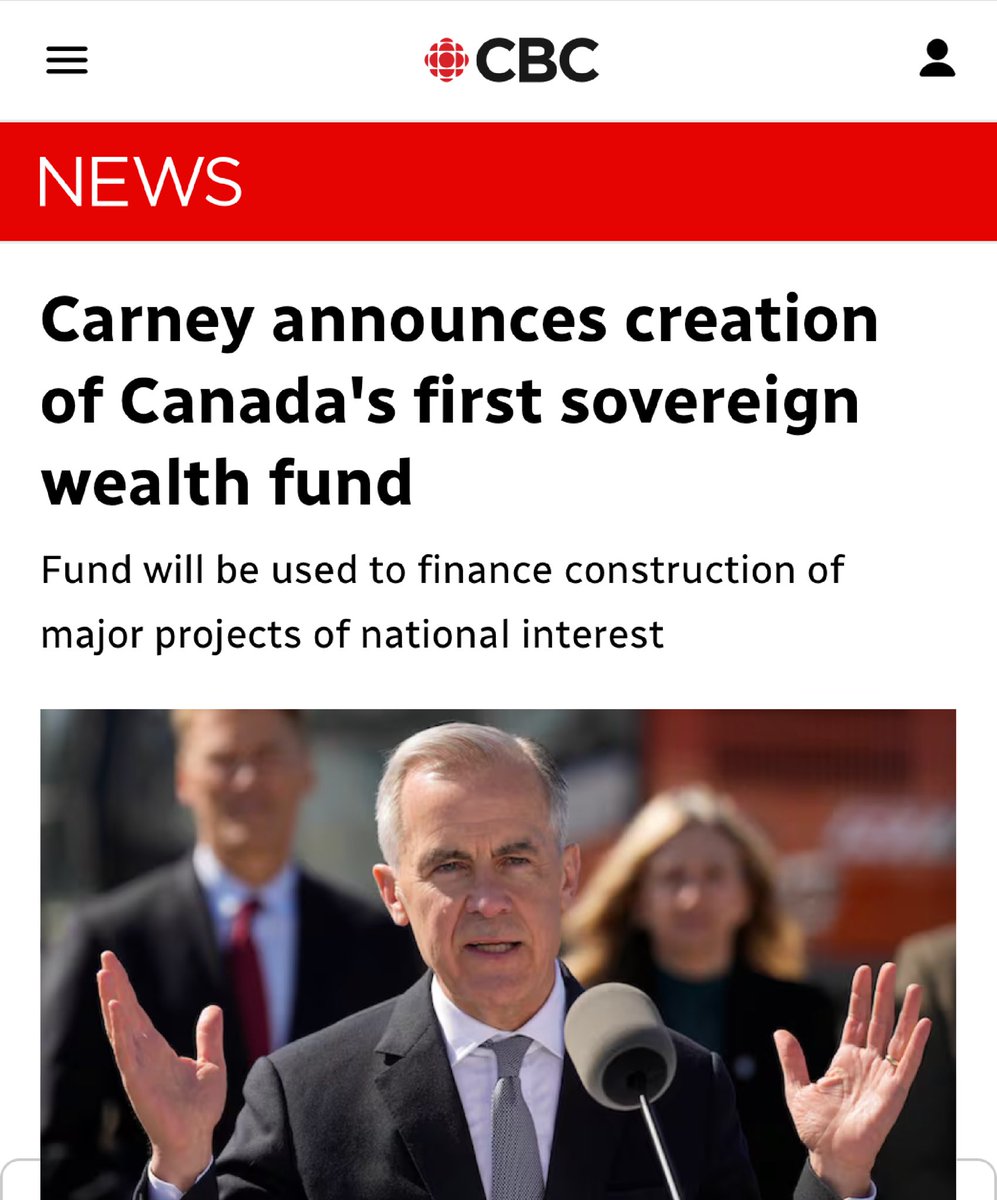
ALT Screenshot of an article from CBC News. The headline reads: Carney announces creation of Canada's first sovereign wealth fund.
1
3
220
Mark Manger retweeted

Apr 25
A smart-sounding dumb idea
The Carney government’s plan for a public AI supercomputer is the kind of idea that sounds bold and strategic until one pauses to think about it for more than a few seconds.
The premise, championed by AI Minister Evan Solomon, is that Canada needs sovereign computing power to compete in the AI race. But the proposal is less a serious economic policy than a symptom of a broader and worrying shift toward renewed economic nationalism.
Consider the scale of the industry in question. The global AI leaders—Anthropic, Google, Meta, OpenAI and others—are spending hundreds of billions of dollars annually on chips, data centres, energy infrastructure, and cloud capacity. Their yearly capital expenditures rivals or exceeds Ottawa’s total budget.
Against that backdrop, the idea that the federal government will build and operate a globally competitive AI supercomputer borders on absurdity. This is, after all, the same government that spent years failing to implement a functioning payroll system. Canadians are now supposed to believe it can successfully manage one of the most capital-intensive and technologically dynamic sectors in the world.
Yet this proposal matters beyond its own merits. Before Donald Trump’s election in November 2024, Canada’s secular stagnation seemed to be producing a healthier policy conversation. There was growing recognition that weak productivity and low investment required more competition, greater openness, and structural reform. Even previously untouchable issues, such as foreign ownership restrictions in protected sectors, were beginning to face scrutiny.
Trump’s repeated attacks on Canada have changed the mood. They have created political space for a new sovereignty economics: subsidized supercomputers, state-backed satellite launch capacity, and other industrial policies justified in the name of national independence rather than market dynamics.
That would be a costly mistake. Canada’s main economic problem isn’t that the state owns too little. It’s that the private economy invests too little, builds too slowly, and faces too many barriers to growth.
We don’t need a public AI supercomputer. We need a more competitive economy.
Apr 25

.@Sean_Speer: The big problem with the government’s AI supercomputer plan
thehub.ca/2026/04/24/the-big…
40
77
356
31,946
Mark Manger retweeted

Apr 24
Food for thought: Abrams tanks are safer for pedestrians than these things.

10
46
499
12,148
Mark Manger retweeted

Apr 16
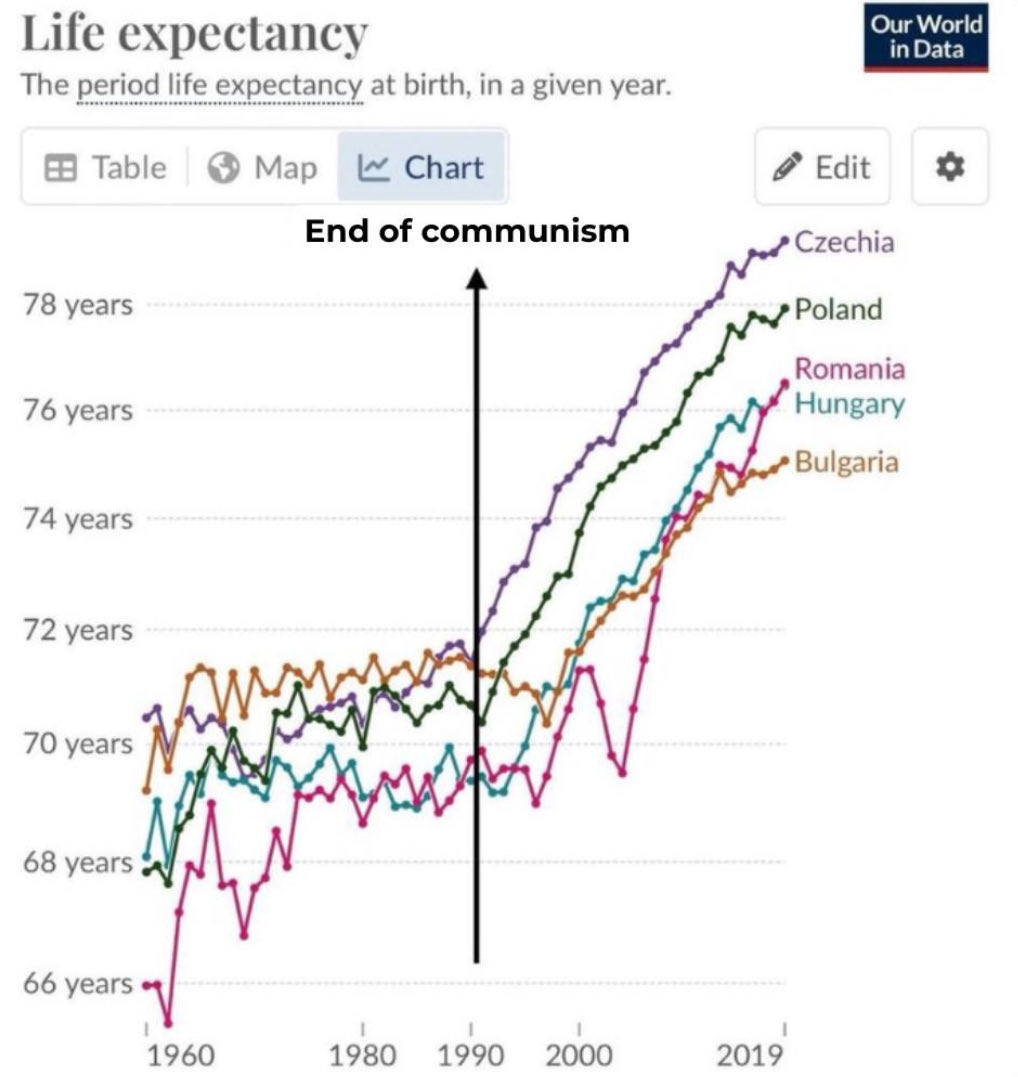
It’s amazing that this even needs to be said in 2026, but the collapse of communism was a good thing:
275
3,020
14,189
497,434
Apr 15
Worry less about AI hallucinating than about human researchers just making stuff up nationalpost.com/news/deeply…
96


Mark Manger retweeted

A hero of the global left dancing on the graves of massacred Ukrainians. They always show their real colours eventually

Guess it was always going to happen… Yanis Varoufakis dancing at a conference in Moscow to the viral techno track about himself, made by Russian DJ Sasha Melior.
39
590
3,192
98,512
Mark Manger retweeted

Apr 6
Before Sunrise is unwatchable because it's so good. It's such a beautiful encapsulation of young iPhoneless love, shot on analog film, a nineties time machine of a mysterious Europe that no longer exists, you feel like you are dying as you watch it.

190
1,014
10,400
2,001,886