Eclectic & libertarianish. Sinner, dependent upon a righteousness not my own. Likes are often bookmarks. East coast of Ulster. I don’t reply to anon accounts.
Joined July 2017
- Tweets 14,192
- Following 1,812
- Followers 1,139
- Likes 34,755
4,597 Photos and videos



Pinned Tweet

29 Jul 2018
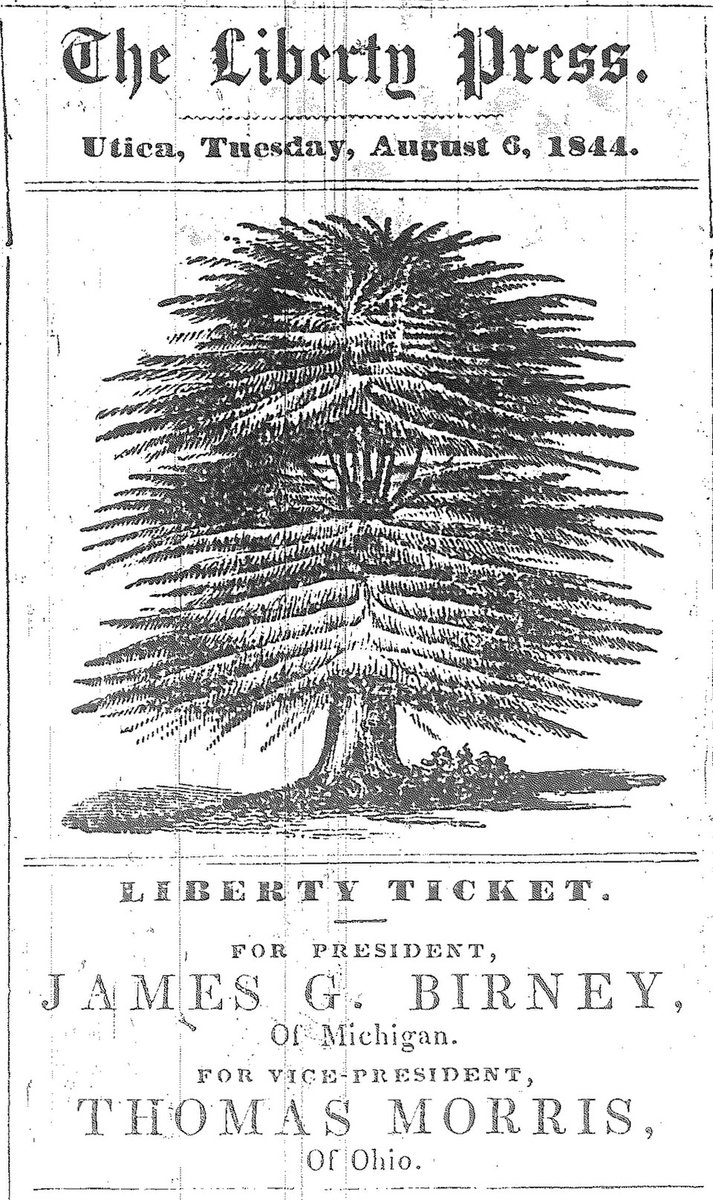
"Liberty lies in the hearts of men and women; when it dies there, no constitution, no law, no court can even do much to help it." - Billings Learned Hand, 1952, aspendrl.org/portal/browse/D…
1
4
30
Jun 14
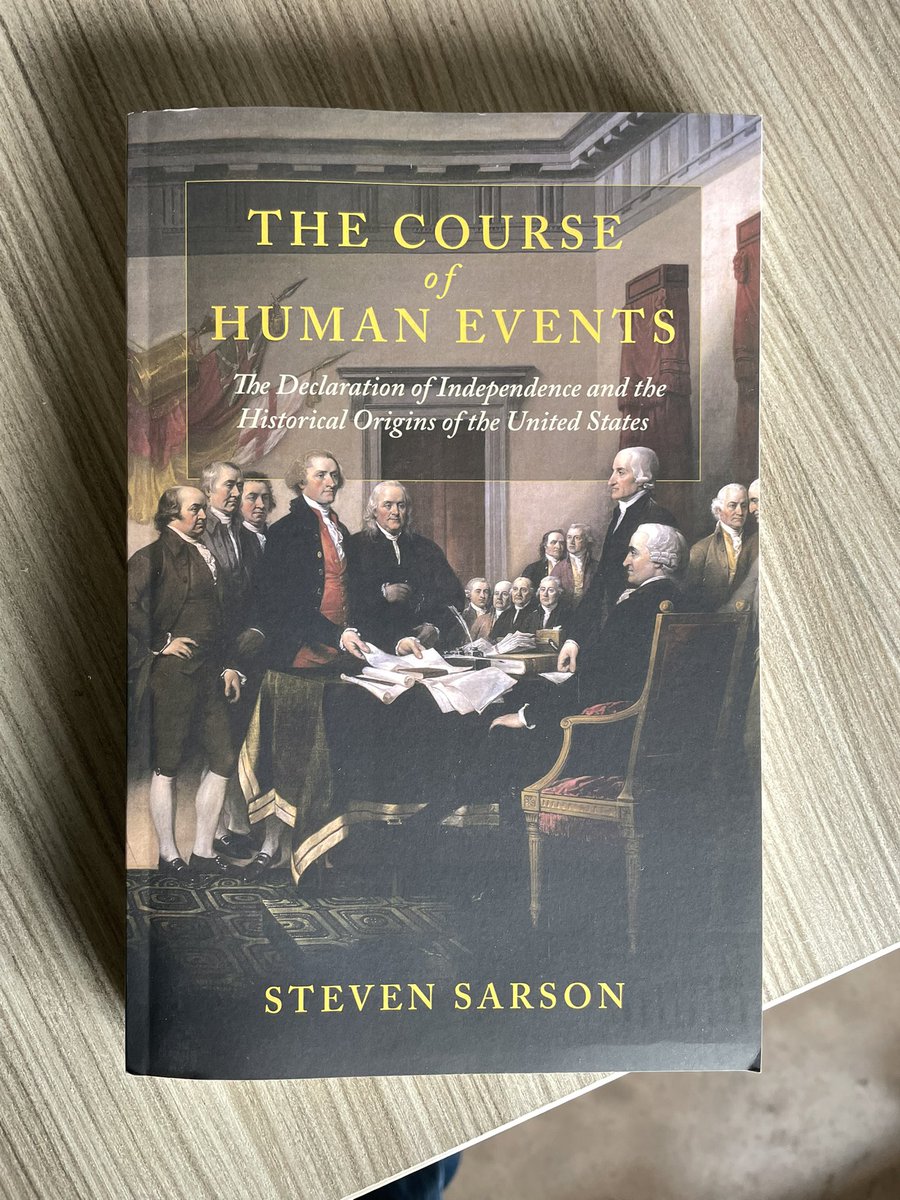
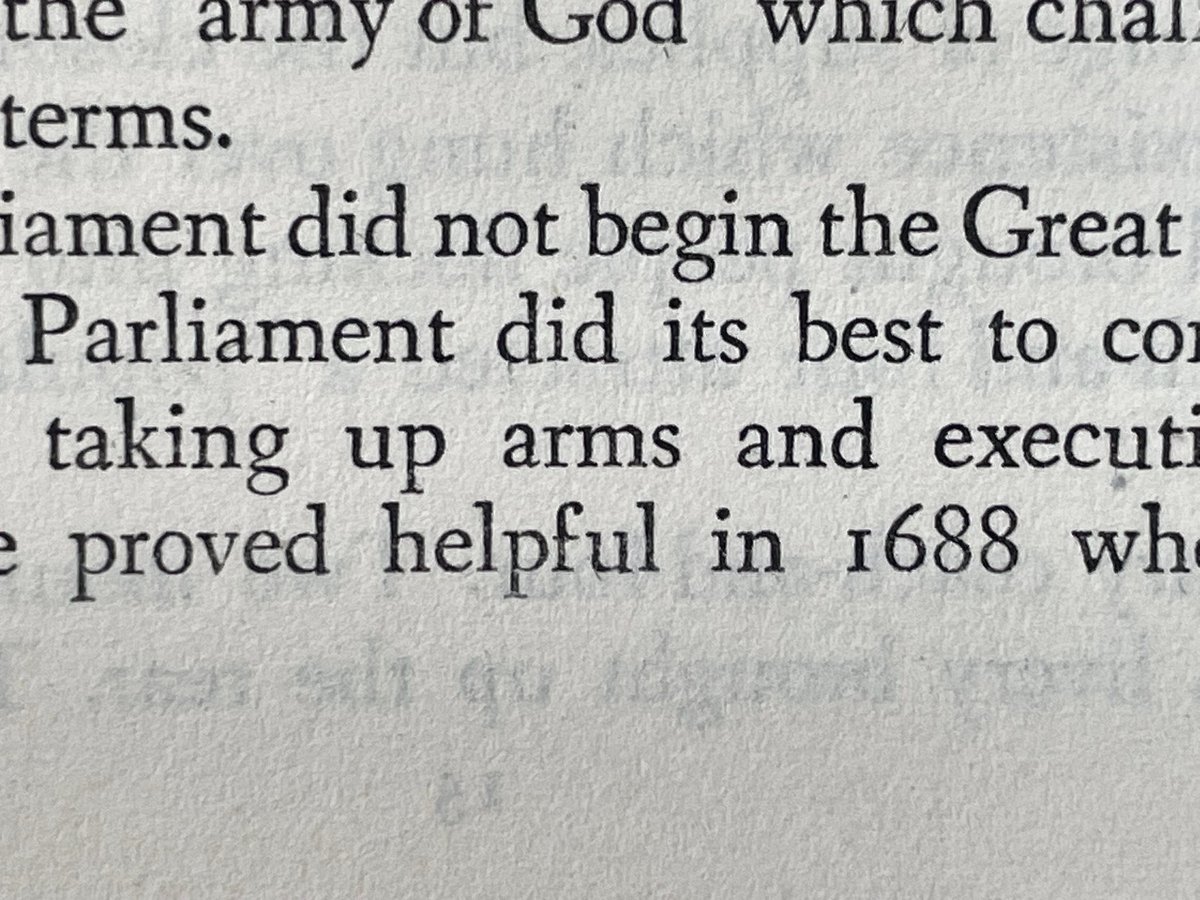
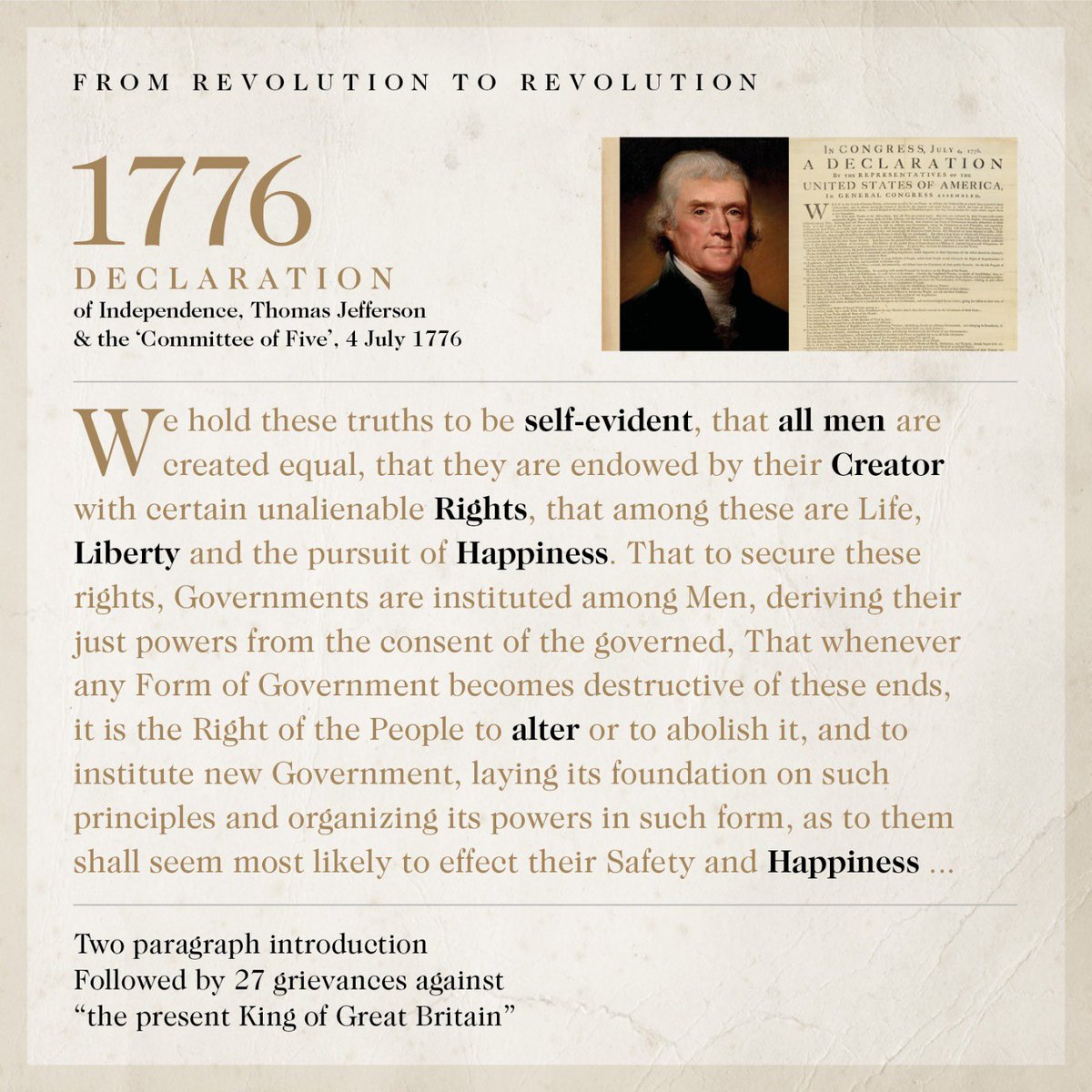
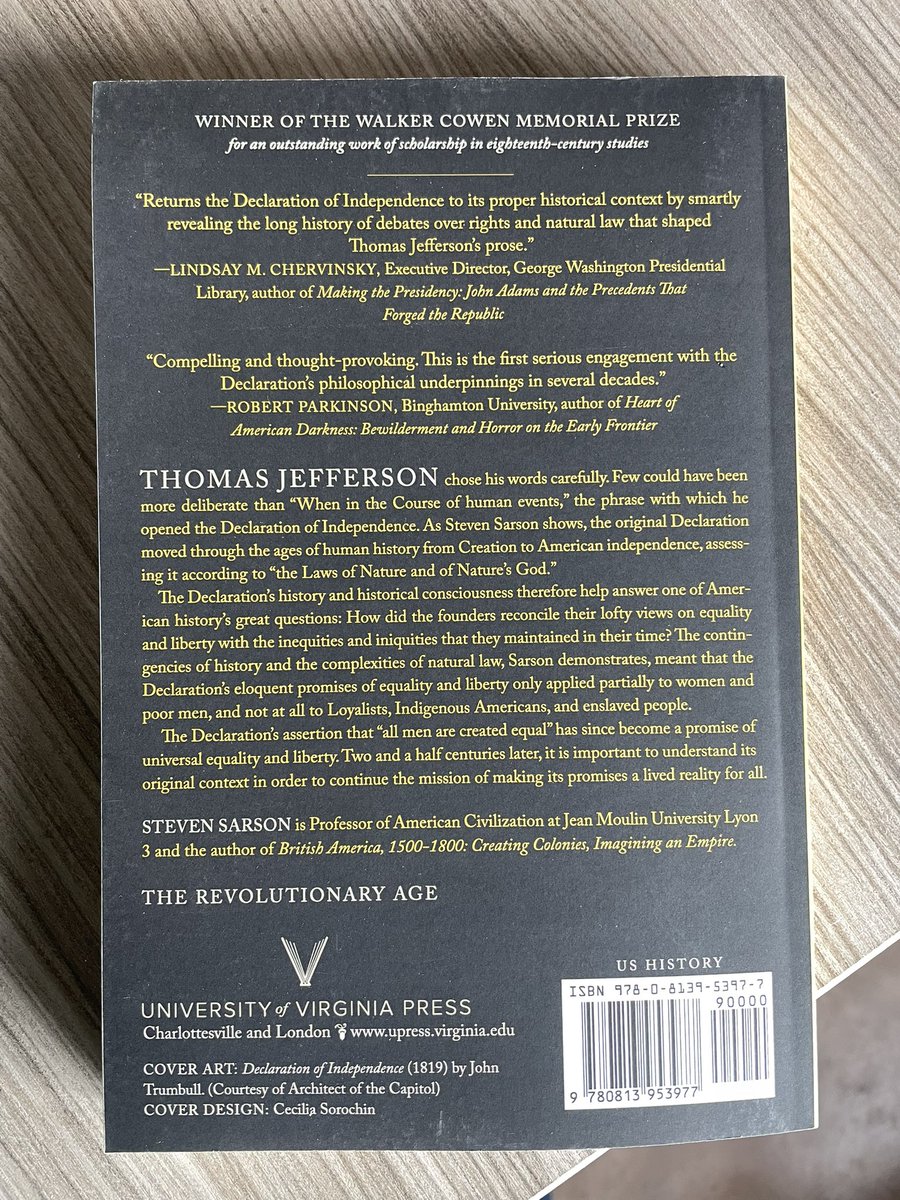
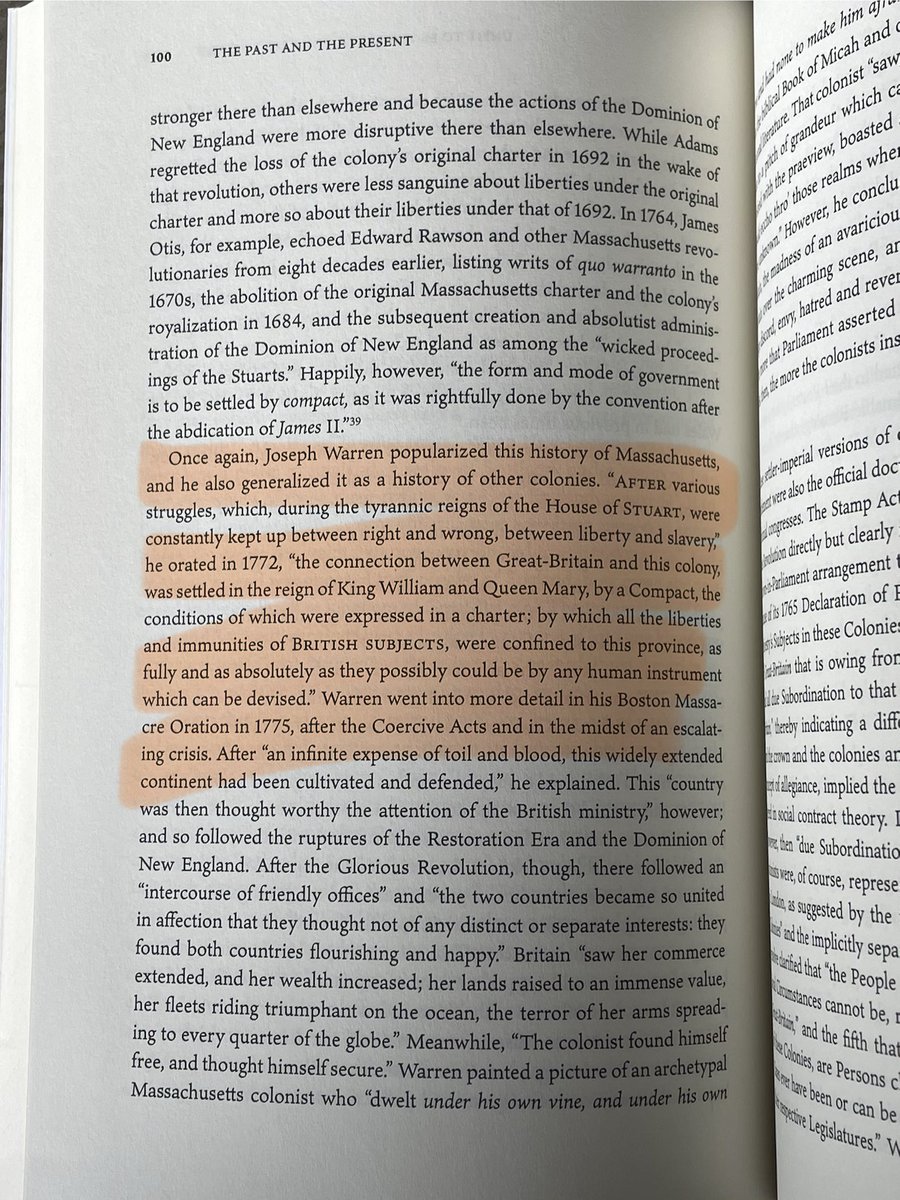
“they sincerely sought to justify independence using ideas that were already widely accepted. To its 1776 audience, and to us if we are willing, the Declaration is and was a history lesson and a reassertion of well-established Lockean ideas of natural rights and natural law”
1
2
89

Jun 11
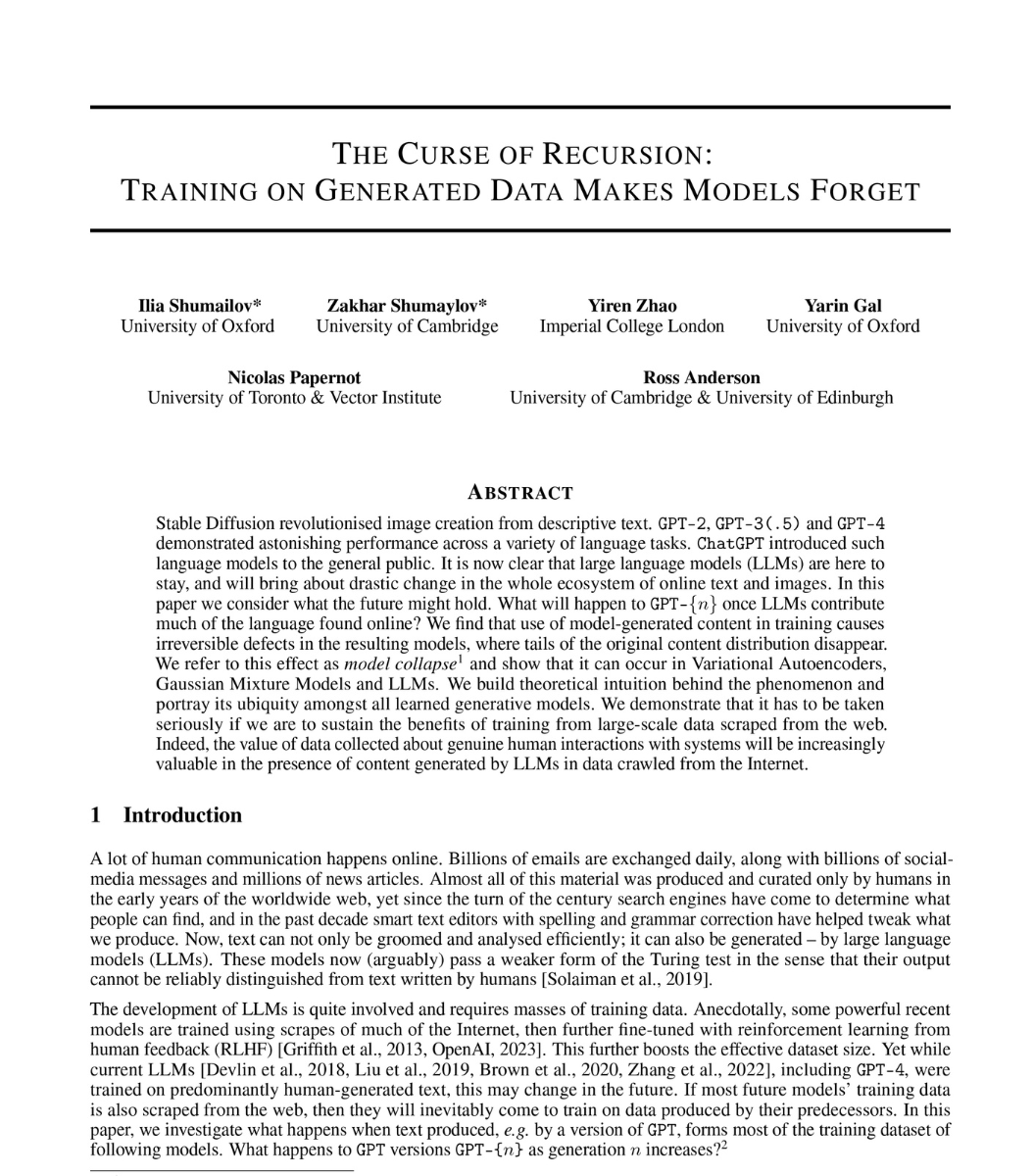
So the AI is regurgitating itself...
Jun 10

You have noticed it. ChatGPT feels dumber than it used to. Your prompts that worked six months ago produce worse results now. The writing sounds flatter. The ideas sound safer. The internet itself feels like it is shrinking. Every article reads the same. Every email sounds the same. Every answer sounds like it was written by the same voice.
You thought it was you. It is not you.
Researchers at Oxford and Cambridge published a paper in Nature proving what is happening. They call it Model Collapse.
Here is the mechanism in one sentence. AI trained on AI-generated data gets dumber every generation until it forgets what real human data looked like.
The internet is filling with AI-generated content. Blog posts. Articles. Reviews. Comments. Social media. AI companies scrape the internet to train the next generation of models. Which means the next generation of AI is being trained on the output of the current generation.
Each cycle loses information. Not randomly. It loses the rarest, most unusual, most creative parts first. The researchers call these the "tails of the distribution." The weird ideas. The unexpected perspectives. The things that made the internet feel human. Those disappear first.
What remains is the average. The safe. The expected. The bland.
Then the next generation trains on that. And loses more. And the next generation trains on that. And loses more. The researchers proved this is not a slow decline. Major degradation happens within just a few iterations. Even when some of the original human data is preserved.
They tested it on large language models. On image generators. On statistical models. The pattern was the same every time. The output converges toward a narrow, flattened version of reality that looks nothing like the original data.
The lead researcher put it plainly. "Large language models are like fire. A useful tool. But one that pollutes the environment."
The pollution is invisible. You cannot see which sentence on the internet was written by a human and which was written by AI. Neither can the AI that is about to train on it. And once the tails are gone, they do not come back. The damage is irreversible.
This is not a prediction anymore. It is a diagnosis.
The internet you grew up on was built by humans writing things no algorithm would have written. Strange, personal, imperfect, alive. That internet is being diluted. One generation of AI at a time. And the models trained on what remains are learning a smaller and smaller version of the world.
Model Collapse is not a technical problem. It is a cultural one. The thing that made the internet worth reading is the thing that disappears first.
1
2
36
Jun 5
Maryland Gazette,
4th July 1776.
"We have seen, with sorrow of heart, the king of Great Britain inexorably determined upon the ruin of our liberties. We view the parliament as lost to all sense of justice and humanity, attached to, and governed by, a corrupt and wicked ministry, who are intending the ruin of their infatuated master, or determined to make his government absolute, and erect a tyranny over his dominions, of which they expect have the direction".
1
34
Mark Thompson retweeted

Jun 2
For anyone who needs reminding that Scotland really is a fantastic, magical place, here are some singing seals I saw - and recorded 🎤!!! - on the island of Mingulay today 🦭🏴🎶
51
427
2,881
75,798
Mark Thompson retweeted

May 31
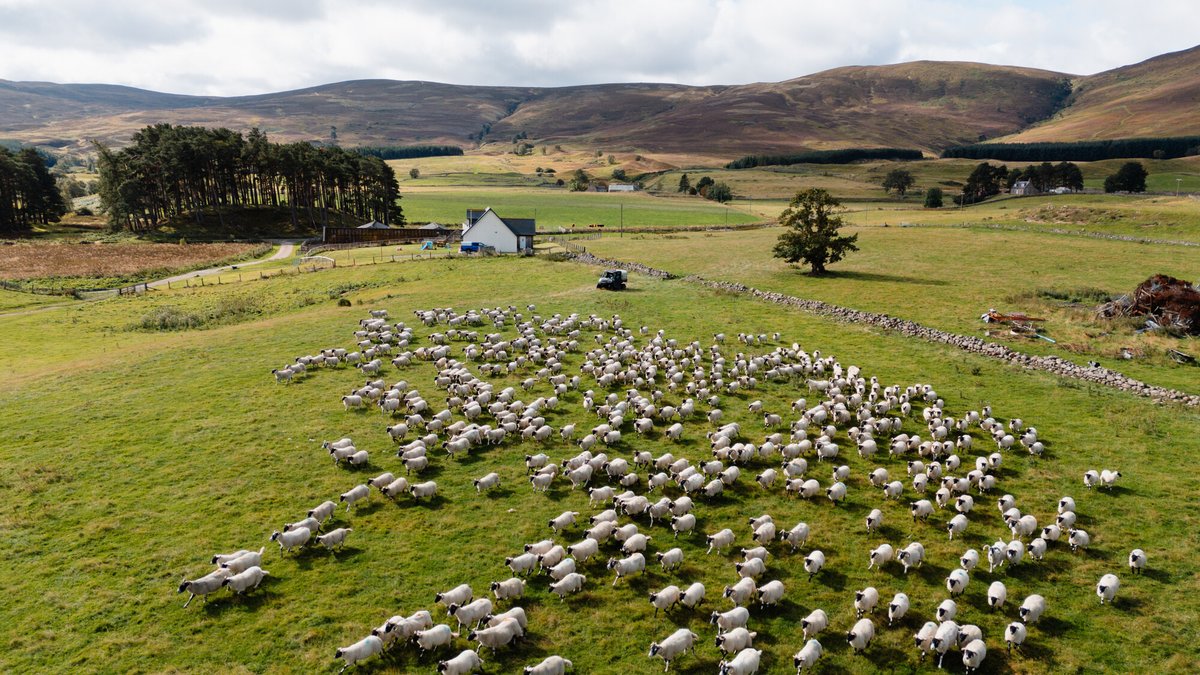
A tenant farmer in the Cairngorms says land that sold for £500 an acre a few years ago now goes for £5,000. He is being moved off ground his family has worked for generations, because he cannot outbid the people buying it. The buyers are corporations, and they have no intention of farming a single acre of it.
Here is how the trick works. A company keeps emitting carbon exactly as before. Same factories, same flights, same supply chain, same product. Then it buys a Scottish hillside, plants some trees, and announces to the world that it is now carbon neutral, or, if it is feeling brave, carbon negative. The emissions never fell. It simply bought a landscape to point at.
Take BrewDog. In 2020 it bought a 9,300-acre Highland estate, propped up with public grant money, and promised a million trees and the crown of the world's first carbon negative beer business, removing twice the carbon it emitted, forever. By 2023 roughly half of the 500,000 trees it had managed to plant were dead, killed by drought, with critics noting the planting was drying out the peat and releasing carbon of its own. The advertising regulator ruled its carbon-negative claims misleading. In 2024 it quietly dropped the badge and dismissed the entire carbon credit market as a flood of cheap schemes whose benefit was "questionable, maybe even non-existent." Then it sold the estate to a firm whose actual business is selling carbon offsets.
That is the whole model in one story. Public money in. Dead trees out. A green halo worn for four years and then dropped. The farmer who used to be on that land, gone. The hillside passed to a company that exists purely to sell other people the right to keep polluting.
This is no fringe case. In one recent year, half of every estate sold in Scotland went to investment funds, corporations and charitable trusts rather than anyone who would farm it. A third of the deals for plantable land are now done off-market, in secret, precisely so the local community never gets the chance to bid.
So this is what net zero looks like on the ground. A man who produced food is priced out of his own glen. A corporation that produced emissions buys the glen, calls itself a force for good, and sells the carbon. The land stops feeding anyone. Nobody's emissions actually went down by a gram.
The food was real. The farmer was real. The carbon saving is a line in a slide deck.
And we have somehow decided the villain in all this is the man with the sheep.
325
5,198
10,288
266,786
Mark Thompson retweeted

May 28
Mexico paid $20 million for eight minutes in this movie. Then those eight minutes forced them to invent an entire cultural tradition.
Before Spectre, Mexico City had no Day of the Dead parade. The holiday was celebrated at home, at cemeteries, with family altars. Quiet, intimate, centuries old. Sam Mendes fabricated a massive street parade for the opening sequence, shot it with 1,500 extras in skeleton costumes across the Zócalo, and audiences worldwide assumed they were watching a real annual event.
Mexico's government had negotiated hard for the placement. Leaked Sony hack emails showed officials offered up to $20 million in tax incentives for four minutes of positive portrayal. Sony was drowning in a $300 million budget. The deal included script changes: the Bond girl had to be a Mexican actress, the villain could not be Mexican, and the city's modern skyline had to appear on screen.
Then the movie opened in 182 countries and tourists started booking flights to Mexico City for the parade.
The parade that did not exist.
Tourism authorities panicked. Visitors were arriving expecting the spectacle they saw in the film and finding nothing. So in October 2016, the government spent $500,000, hired 650 volunteers, built dozens of floats and giant skeleton marionettes, and staged the first real Día de los Muertos parade in Mexico City's history. 250,000 people showed up. They openly called it a "Spectre-style parade" in press materials.
Ten years later, the parade draws millions. Anthropologists call it the "pizza effect," where a cultural element gets exported, transformed abroad, and reimported as authentic. Mexico's most famous public celebration of its most sacred holiday was invented by a British director shooting a $300 million spy movie.
That tracking shot is doing more for Mexico City's economy every November than the $20 million they paid for it.
May 27

The opening of Spectre (2015) is so good it almost tricks the brain into thinking the entire movie is about to be a masterpiece. That Día de los Muertos tracking shot through Mexico City is pure Bond flexing for five straight minutes.
330
2,703
18,730
2,450,280
May 23
24
Mark Thompson retweeted

May 18
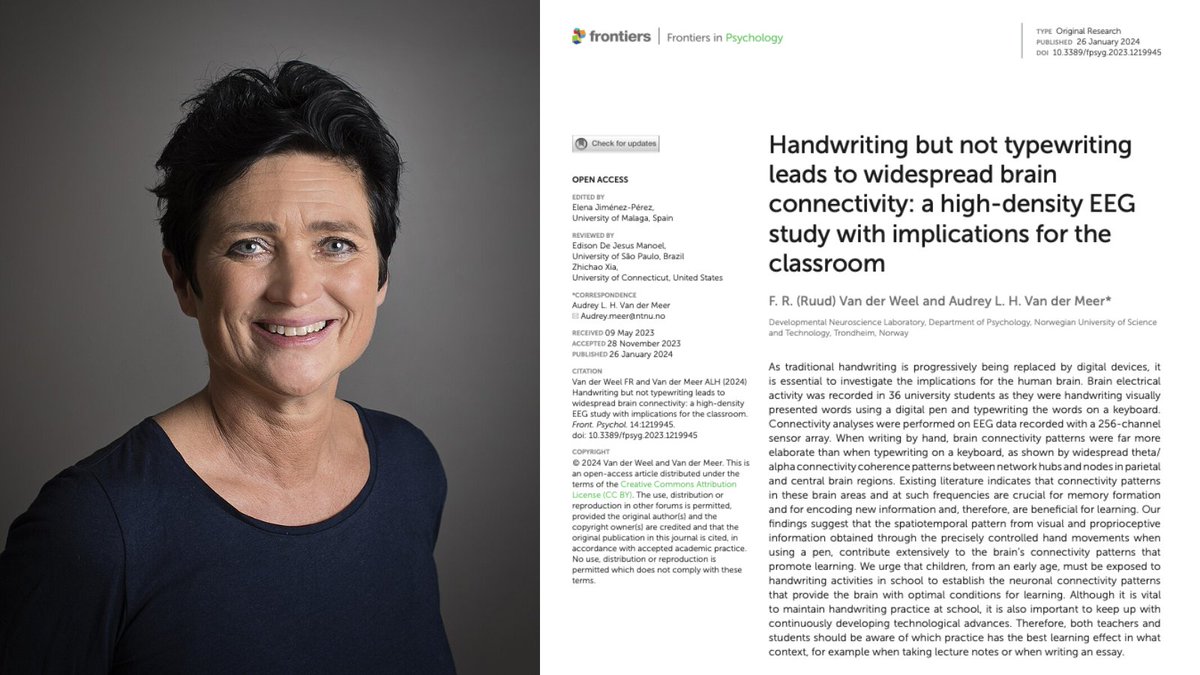
A Norwegian neuroscientist spent 20 years proving that the act of writing by hand changes the human brain in ways typing physically cannot, and almost nobody outside her field has read the paper.
Her name is Audrey van der Meer.
She runs a brain research lab in Trondheim, and the paper that closed the argument was published in 2024 in a journal called Frontiers in Psychology. The finding is brutal enough that it should have changed every classroom on Earth.
The experiment was simple. She recruited 36 university students and put each one in a cap with 256 sensors pressed against their scalp to record brain activity. Words flashed on a screen one at a time.
Sometimes the students wrote the word by hand on a touchscreen using a digital pen, and sometimes they typed the same word on a keyboard. Every neural response was recorded for the full five seconds the word stayed on screen.
Then her team looked at the part of the data most researchers had ignored for years, which is how different parts of the brain were communicating with each other during the task.
When the students wrote by hand, the brain lit up everywhere at once.
The regions responsible for memory, sensory integration, and the encoding of new information were all firing together in a coordinated pattern that spread across the entire cortex. The whole network was awake and connected.
When the same students typed the same word, that pattern collapsed almost completely.
Most of the brain went quiet, and the connections between regions that had been alive seconds earlier were nowhere to be found on the EEG.
Same word, same brain, same person, and two completely different neurological events.
The reason turned out to be something nobody had really paid attention to before her work. Writing by hand is not one motion but a sequence of thousands of tiny micro-movements coordinated with your eyes in real time, where each letter is a different shape that requires the brain to solve a slightly different spatial problem.
Your fingers, wrist, vision, and the parts of your brain that track position in space are all working together to produce one letter, then the next, then the next.
Typing throws all of that away. Every key on a keyboard requires the exact same finger motion regardless of which letter you are pressing, which means the brain has almost nothing to integrate and almost no problem to solve.
Van der Meer said it plainly in her interviews.
Pressing the same key with the same finger over and over does not stimulate the brain in any meaningful way, and she pointed out something that should scare every parent who handed their kid an iPad.
Children who learn to read and write on tablets often cannot tell letters like b and d apart, because they have never physically felt with their bodies what it takes to actually produce those letters on a page.
A decade before her, two researchers at Princeton ran the same fight using a completely different method and ended up at the same answer. Pam Mueller and Daniel Oppenheimer tested 327 students across three experiments, where half took notes on laptops with the internet disabled and half took notes by hand, before testing everyone on what they actually understood from the lectures they had watched.
The handwriting group won by a wide margin on every question that required real understanding rather than surface recall.
The reason was hiding in the transcripts of what the two groups had actually written down.
The laptop students typed almost word for word, capturing more total content but processing almost none of it as they went, while the handwriting students physically could not write fast enough to transcribe a lecture in real time, which forced them to listen carefully, decide what actually mattered, and put it in their own words on the page.
That single act of choosing what to keep was the learning itself, and the keyboard had quietly skipped the choosing and skipped the learning along with it.
Two studies. Two countries. Same answer.
Handwriting makes the brain work. Typing lets it coast.
Every note you have ever typed instead of written went into your brain through a thinner pipe. Every meeting, every book highlight, every idea you captured on your phone instead of on paper was processed at half depth.
You did not forget those things because your memory is bad. You forgot them because typing never woke the part of the brain that would have made them stick.
The fix is the thing your grandmother already knew.
Pick up a pen. Write the thing down. The slower road is the faster one.
2,473
44,648
120,853
10,371,312
May 11
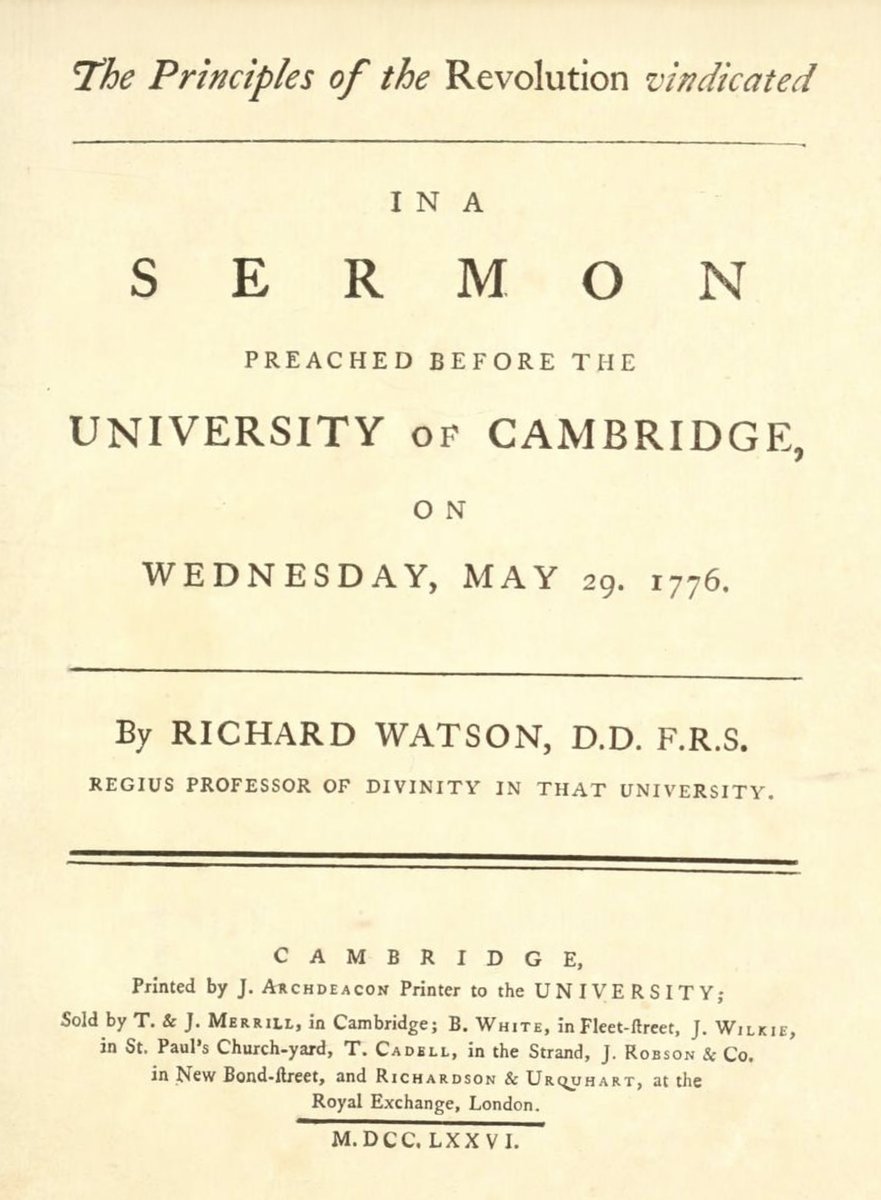
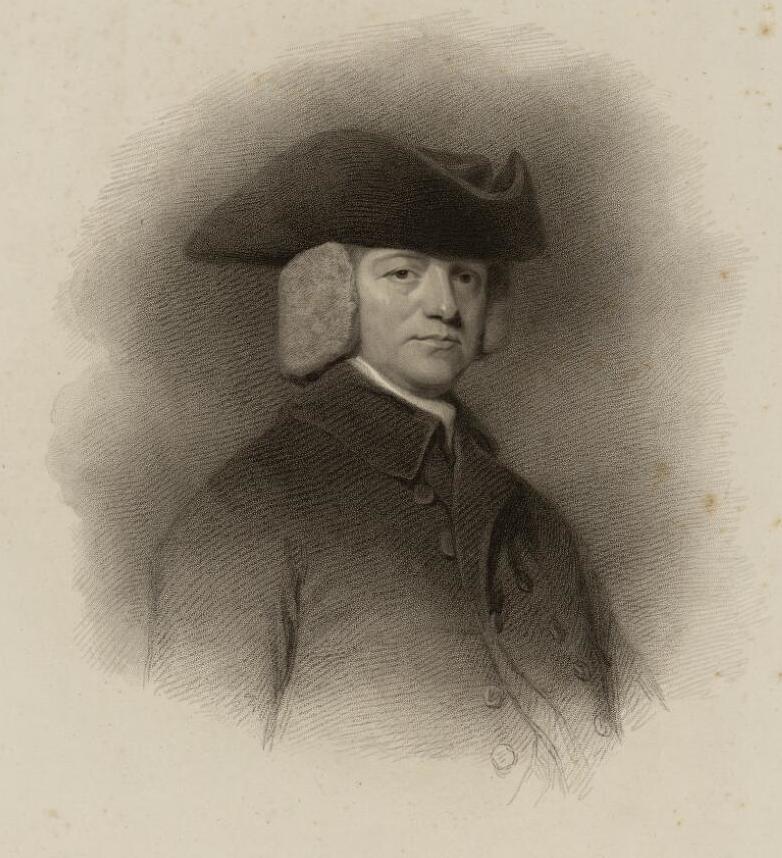
This is from a sermon that was preached just six weeks before the Declaration of Independence, from the most unlikely source – Richard Watson, who was the King's Professor of Divinity at the University of Cambridge.
The House of Lords, the House of Commons, and the King himself - Watson blasts all of them:
...................
“if the Nobility, forgetting the duty they owe the people in return for the rank and distinction they enjoy above the other members of the community, should ever abet the arbitrary designs of the Crown;
if the Commons should become so wholly selfish and corrupt, as to be ready to support any Men and any measures;
if lastly, the King should be so ignorant of his true interest, or so ill advised, as to use such degenerate Parliaments as the tools of a Tyrannic Government;
then we have no doubt in asserting, that the people will have a full right to resume the reins of Government into their own hands, to lop off the rotten gangrened members, and to purge the corruptions of the body politic in any manner they shall think”
...................
From “The Principles of the Revolution Vindicated
A Sermon preached before the University of Cambridge”
Wednesday 29 May 1776
by Richard Watson DD FRS
Regius Professor of Divinity
Archdeacon of Ely See less
2
5
366
Mark Thompson retweeted

May 8
There’s a reason people only cite the 'Enlightenment' preamble of the Declaration of Independence to back up their “creedal nation” argument.
The core of the Declaration of Independence is legal in substance, not philosophical, citing 27 violations of the colonists’ rights as Englishmen, which were rooted in the Magna Carta and the English Bill of Rights.
The reality is for however much Jefferson believed in those words, the preamble served in part as a diplomatic sales pitch to help gain French sympathy and support for the war.
It’s no coincidence that Benjamin Franklin went to Paris soon after, armed with the Declaration’s overt appeals to Enlightenment ideals.
Also worth remembering that the Declaration followed the Olive Branch Petition which argued that the colonists were being denied their rights as British subjects.
Ultimately, it is in our English heritage, and not Enlightenment universalism, that the meaning of our founding documents make the most sense.
In short, our founding documents were drafted by a distinct people, for the benefit of themselves and their posterity, not as an invitation to the world.
May 7

The creed is the Declaration of Independence.
And yes—we should test to see if they believe the creed before letting them in, and we should require proof they’ve already embodied the creed in the way they’ve lived.
We should require fluent English, we should favor Christianity and intact families, we should prohibit all welfare, and we should expect the highest level of virtue. We should require them to take the oath, and denaturalize all who break it.
This would automatically disqualify most of the 3rd world.
Since we don’t necessarily have time to screen millions of people at this level 1 on 1, we should cut off immigration from entire countries if most of the population there has shown unwillingness to assimilate. We should also put a total pause on immigration until we get the mess sorted out.
We can do all this without descending into DNA-essentialist, race-essentialist retardation, and we can do all of this without trashing the idea of a creedal nation. In fact, protecting our creed is the best argument for doing all of this.
14
146
879
86,139
Mark Thompson retweeted

May 8
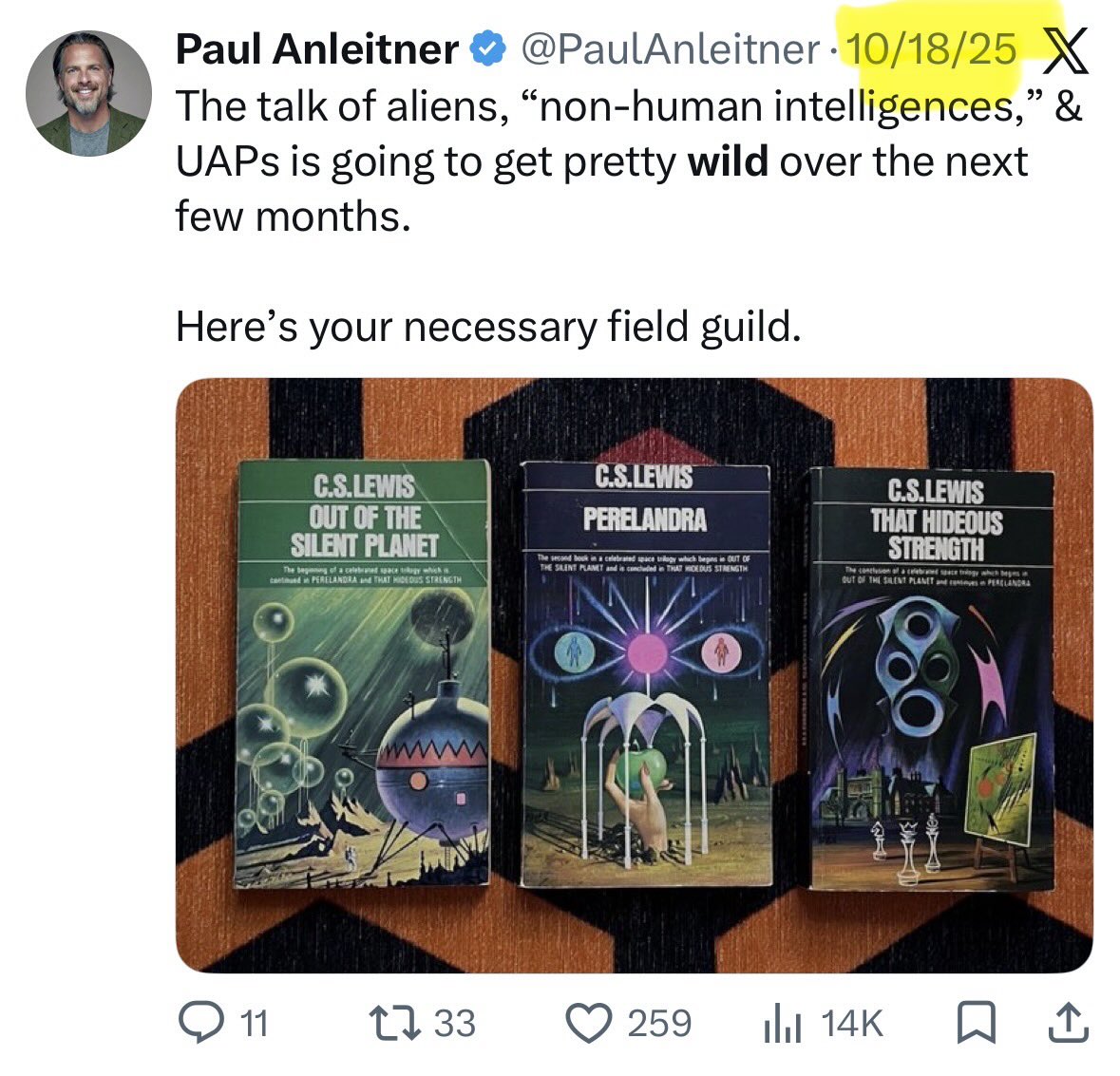
Listen, I tried to warn you—typos and all.
8
12
172
9,143
Mark Thompson retweeted

May 5
They will unfortunately forget these days, in terms of episodic memory. They will however retain how it made them feel about you.

316
5,072
111,936
2,557,196