
Productmanager @ Cebeco Agro. gevaar ≠ risico, cultuur ≠ natuur, wetenschap ≠ mening
Joined May 2017
- Tweets 1,747
- Following 171
- Followers 327
- Likes 1,848
128 Photos and videos
Mark Ermers retweeted

15 Sep 2025
Telers frezen hun percelen met sla vanwege de hoge luizendruk. Omdat afnemers de sla niet afnemen en de consument geen beestjes in het voedsel accepteert, zien telers geen andere mogelijkheid dan de frees er in te zetten.
#voedselzekerheid 🇳🇱
akkerwijzer.nl/artikel/13567…
1
15
23
1,430
Mark Ermers retweeted
13 Jun 2025
Het lukraak opblazen tot nationaal nieuws, zonder wederhoor, zonder wetenschappelijke duiding, helpt het maatschappelijke debat geen steek verder! #glyfosaat
Eens met @Hiddemhigh & @JorisLohman 👇 share.google/iZz82kujdEyET3r…
11
21
78
5,414
Mark Ermers retweeted

18 Feb 2025
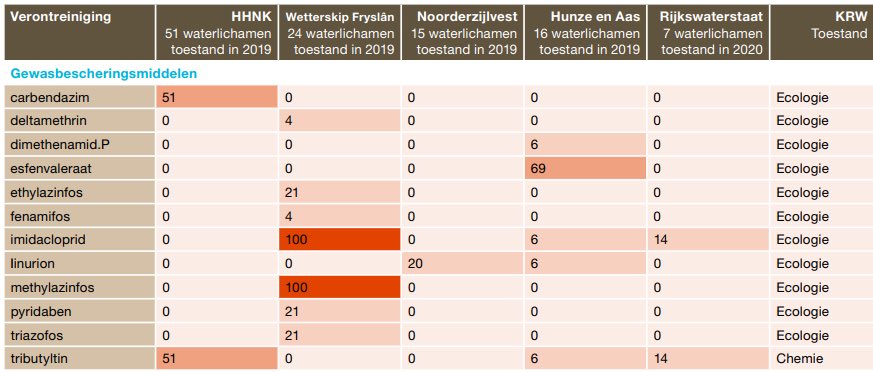
Columnist @hestermaij mist in het debat de nuance over het nut van gewasbeschermingsmiddelen.
nieuweoogst.nl/nieuws/2025/0…
2
10
15
4,148
Mark Ermers retweeted

16 Jan 2025
Eens dat we gezonder moeten eten. Maar de producten van Nederlandse boeren zijn nog nooit zo gezond en veilig geweest als nu. Maak consumenten niet bang met de suggestie dat dit niet zo is. Dat is pas ongezond.
16 Jan 2025

Maak gezond voedsel goedkoper trouw.nl/ts-b9ab47f2/
17
72
284
16,712

13 Jan 2025
Oh oh oh @pointer_kroncrv wat een verschrikkelijk gekleurde uitzending over babyvoeding en pesticiden. Mijn hemel wat een riooljournalistiek. In ALLE gevallen hebben pesticiden een factor 100 tot 1000 als veiligheidsmarge bovenop de NOAEL. Lekker eenzijdig belicht hoor!
3
6
637
Mark Ermers retweeted

30 Nov 2024
Vrijwillige opkoopregelingen zijn ook niet in het leven geroepen voor waterkwaliteit, maar om de ammoniak.Met dit als resultaat. Zeg niet dat er niet voor gewaarschuwd is, Den Haag is horende doof
Ik kan nog wel 10 beleidsterreinen opnoemen waar spijt het resultaat gaat worden.
1
4
25
763
Mark Ermers retweeted

29 Nov 2024
@VegtDoor
Lees dit artikel van Distrifood. Omdat ik abonnee ben kan ik dit artikel delen en kun jij het gratis lezen. distrifood.nl/179209/de-wond…
4
19
27
3,499
29 Nov 2024
👇
29 Nov 2024

Stukje getikt, mooier kan ik het niet maken! 😬
@lientje @ThomvCampen @estherouwehand @Eerdmans @suzanne_GL @SandraBeckerman @Joris_PvdA @Pieter_Grinwis @ElineVedder @ajflach
bloggendeboer.com/2024/11/29…
1
116
Mark Ermers retweeted

3 Nov 2024
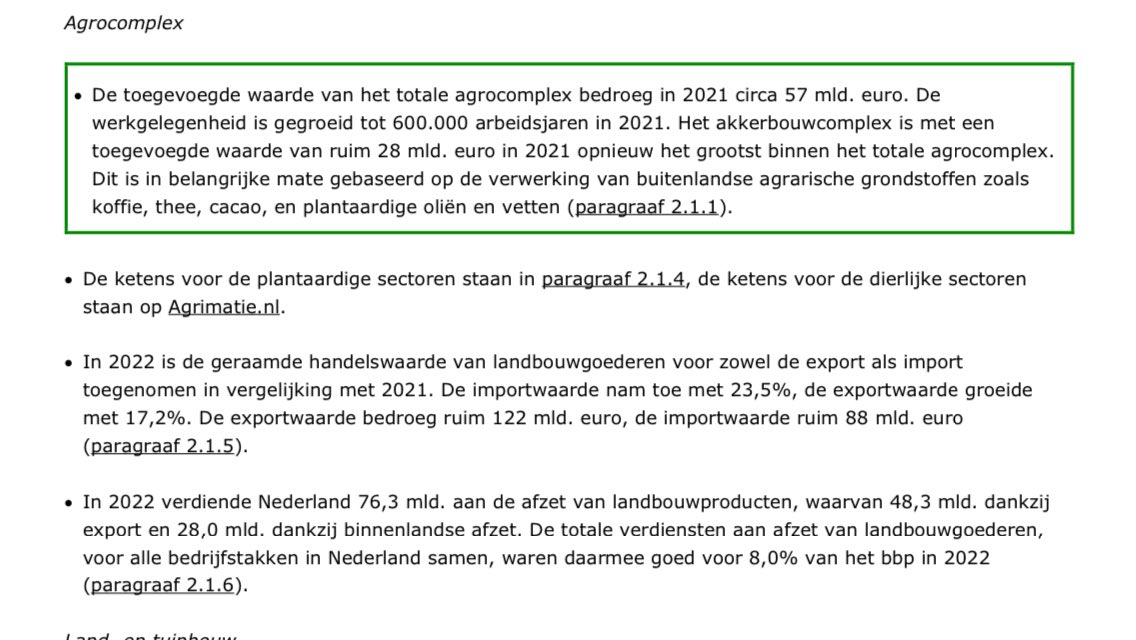
Voor feiten over totale toegevoegde waarde:
edepot.wur.nl/641747
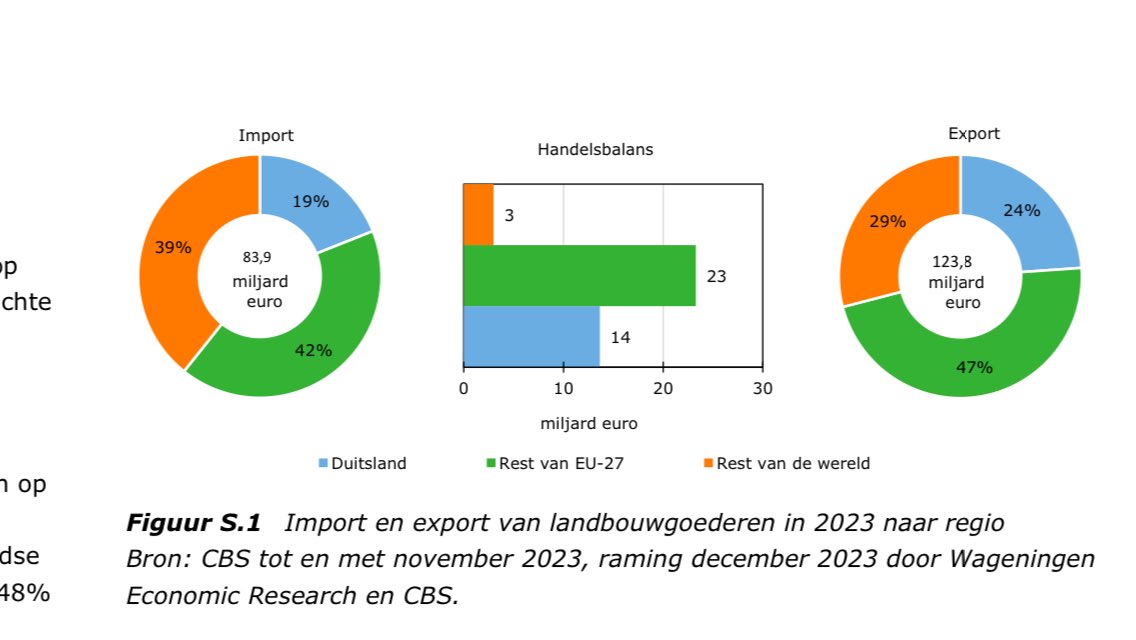
Voor feiten over handelsbalans:
edepot.wur.nl/648919
5
1
422
25 Sep 2024
Wat een bedroevende insinuatie @LauraBromet.
This tweet is unavailable
1
148
Mark Ermers retweeted

5 Sep 2024
Interessant om te lezen hoe @MeedendorpPeter, voorzitter van de Europese jonge boeren @_CEJA_, aankijkt tegen de uitkomsten van de ‘strategic dialogue’ ofwel het Europese Landbouwakkoord 👇
foodlog.nl/artikel/strategic…
13
14
2,675
Mark Ermers retweeted
3 Sep 2024
Leuke video van de akkervarkens bij @johan_emmens 👇🐽
akkerwijzer.nl/artikel/10943…
4
9
1,051
Mark Ermers retweeted

7 Aug 2024
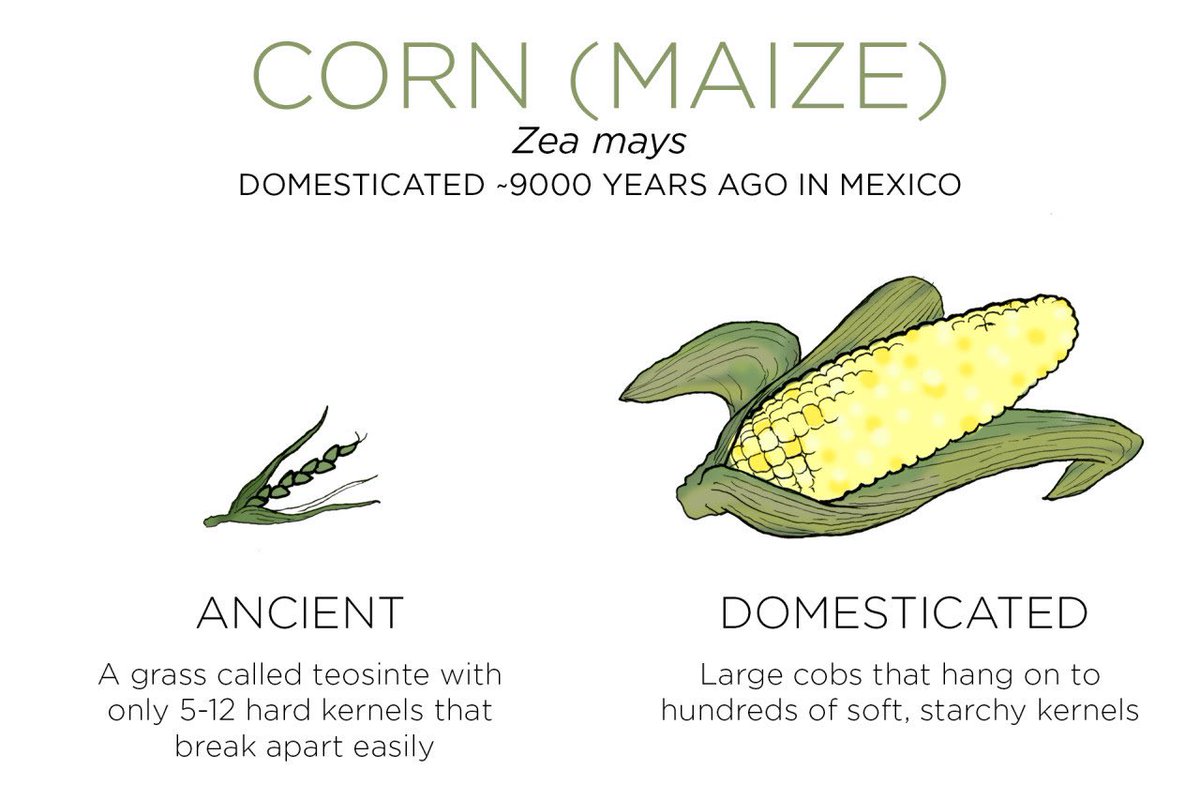
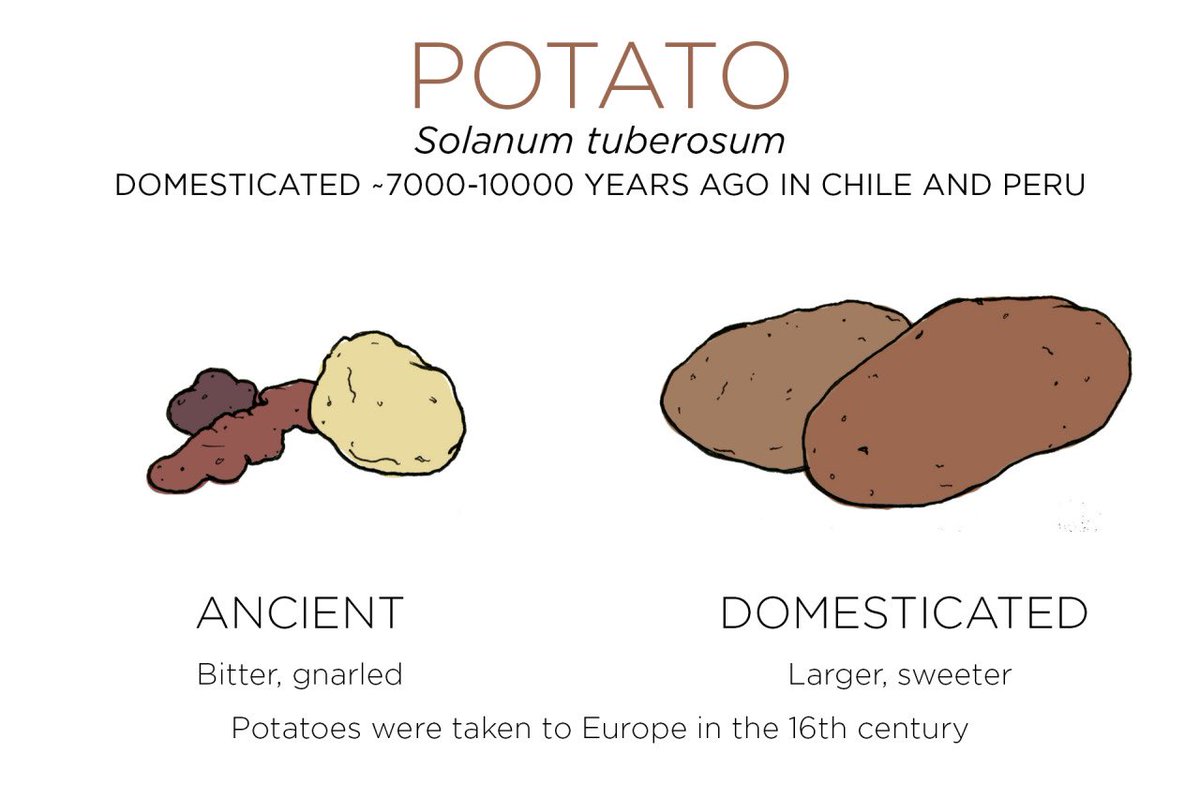
There was a time when potatoes were toxic, and ears of corn contained only a few grains enclosed in a solid shell.
Over thousands of years, humans have selectively bred mutant plants to create the varieties suited to their needs that are now cultivated.
Far from being frightening, mutations lie at the heart of biological diversity.
Scientific advances over the past thirty years have enabled us to identify many mutations that have led to the domestication of wild plants.
Today, climate change and the need for more pesticide and fertilizer efficient agriculture require us to adapt our crop varieties.
New techniques allow us to accelerate this process, making plants resistant to diseases or able to tolerate periods of drought.
The time has come to envision the plants of tomorrow, those that will feed the planet in a more sustainable way.
34
75
3,197
Mark Ermers retweeted

7 Aug 2024
Mohammed Qahtani won the Toastmasters World Championship of Public Speaking. It’s easy to see why.
Please watch his speech. Words have power. Words can be our power. Words can unite or divide. Words can spit venom or can mend a broken soul. Words matter.
403
9,337
35,034
3,021,242
Mark Ermers retweeted
26 Jul 2024
Blijkbaar kunnen veel mensen alleen maar voor of tegen zijn als zo'n verhaal in het nieuws komt. Dat tekent de #polarisatie over de toekomst van de #landbouw in Nederland. #RegenerativeFarming
Er is echter wel meer over te zeggen. 1/
24 Jul 2024

De ‘nieuwe boer’ rukt op: hoogopgeleide jonge mensen die eerst een kantoorbaan hadden, gaan aan de slag als regeneratieve boer. Oftewel: kleinschaliger en ecologischer dan de traditionele boer.
5
48
103
32,010
27 Jun 2024
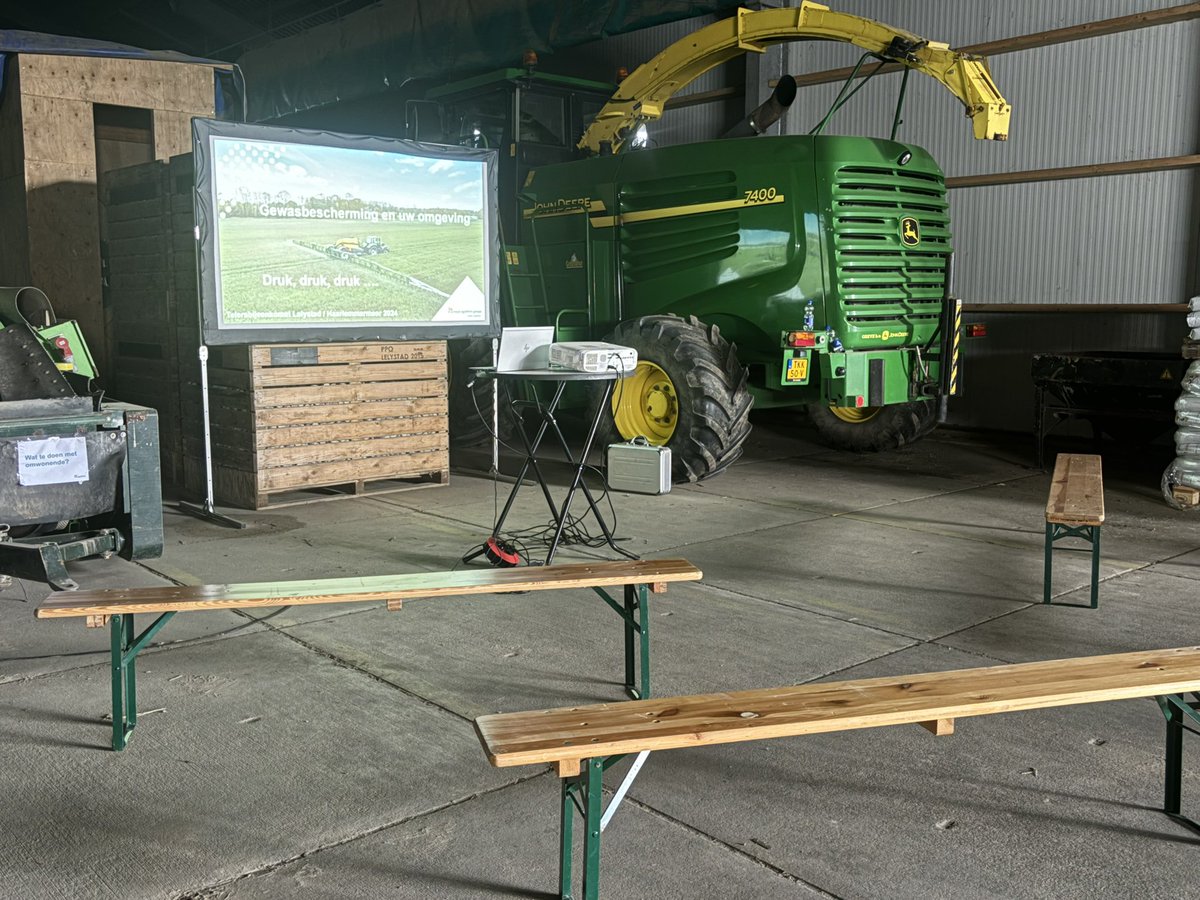
Op de @Agrifirm relatiedag met gangbare en biologische telers in discussie over ‘gewasbescherming en de omgeving’. In kleine groepjes kort maar krachtig de diepte in. Belangrijkste conclusie: telers willen wel.
Samen verder #BetterTogether
5
210
Mark Ermers retweeted

20 Jun 2024
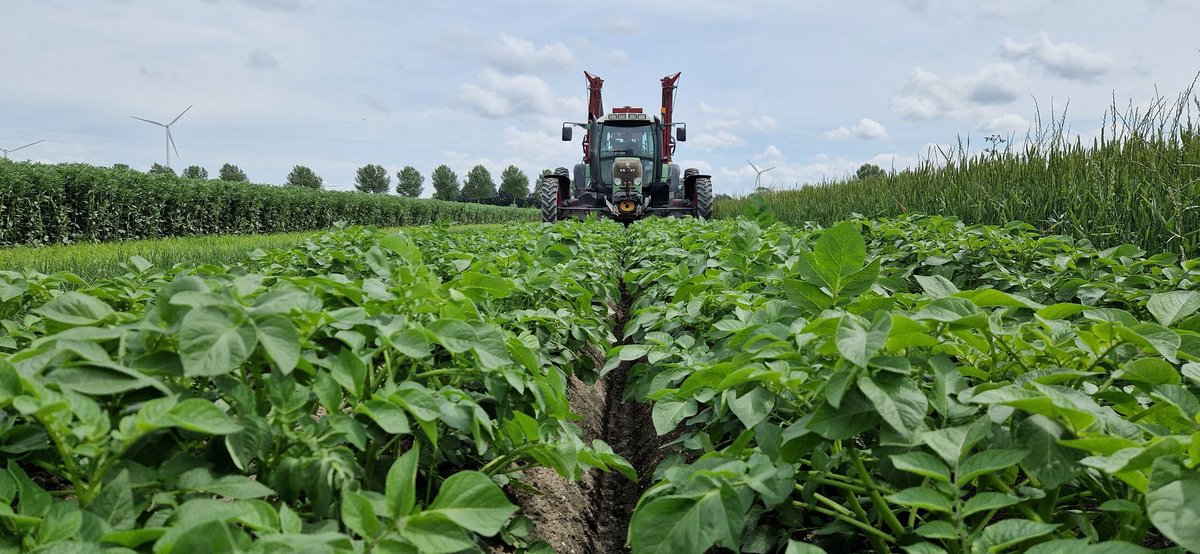
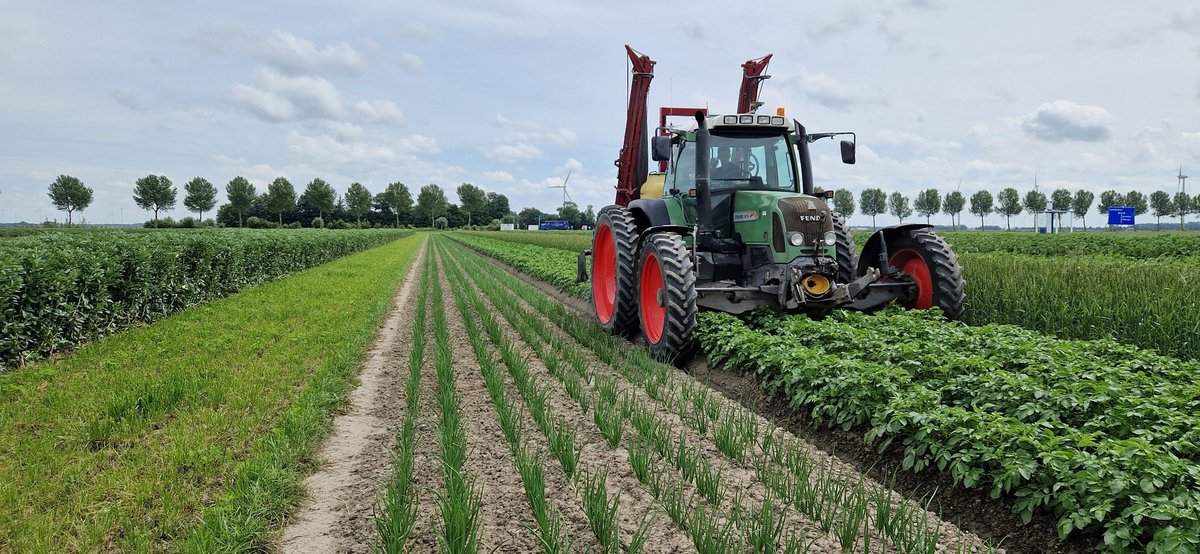
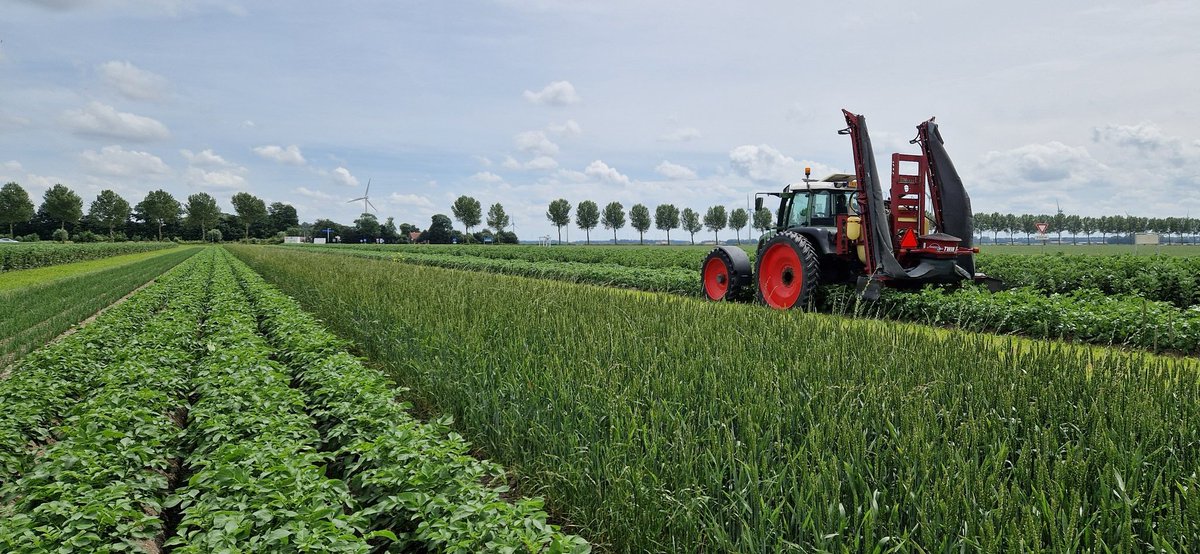
#Phythophthora blijft een veelbesproken onderwerp
Op de @BoerderijvandeT gebruiken we 'robuuste' rassen; dit wilt zeggen dat er één of soms meerdere resistentie genen in de aardappels zitten. Echter is de druk van de schimmel zó hoog, dat deze resistenties onder druk staan
1 /
10
21
76
17,331
Mark Ermers retweeted

9 Jun 2024
This should apply more generally:
The importance of distinguishing science from activism.
"We are concerned by scientists becoming activists, because scholars should not have a priori interests in the outcome of their studies."
nature.com/articles/s44168-0…
4
10
55
4,724
Mark Ermers retweeted

10 Jun 2024
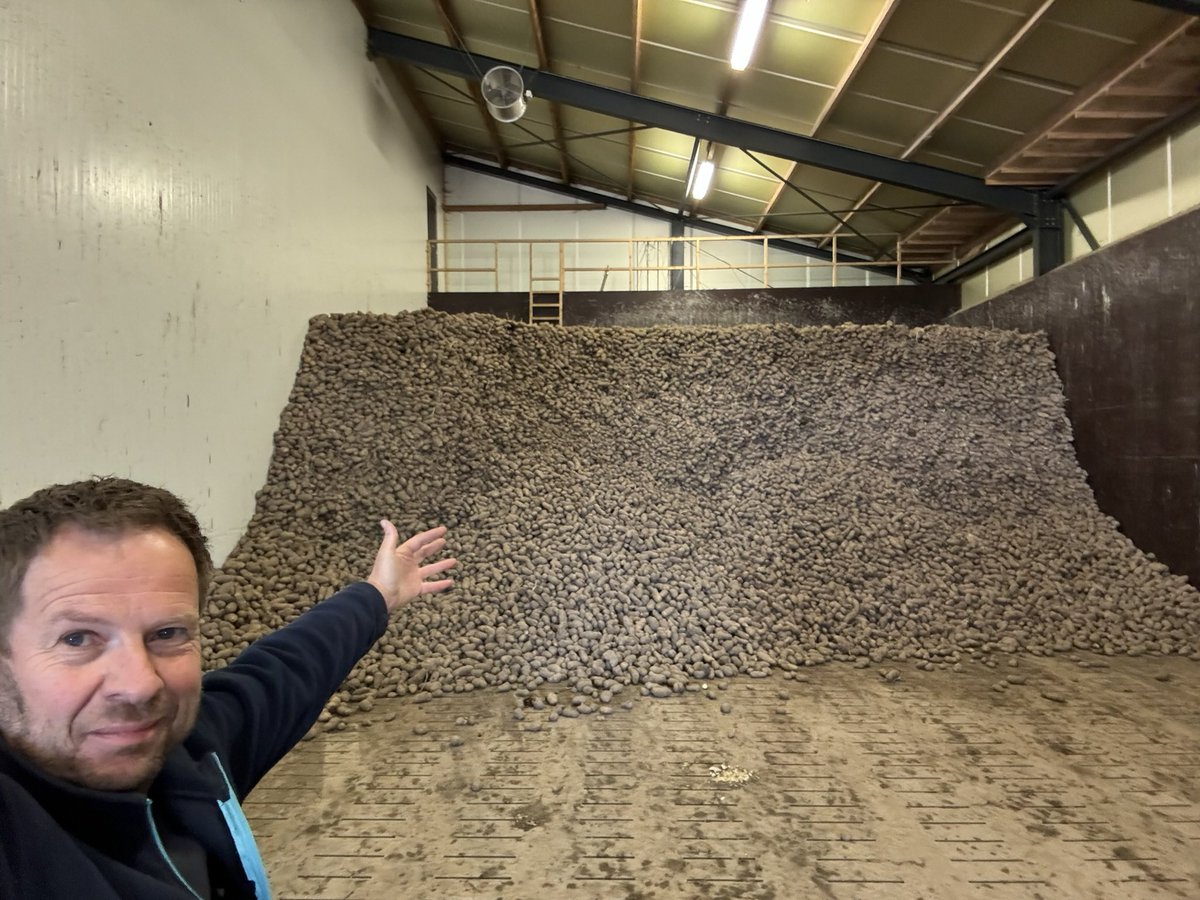
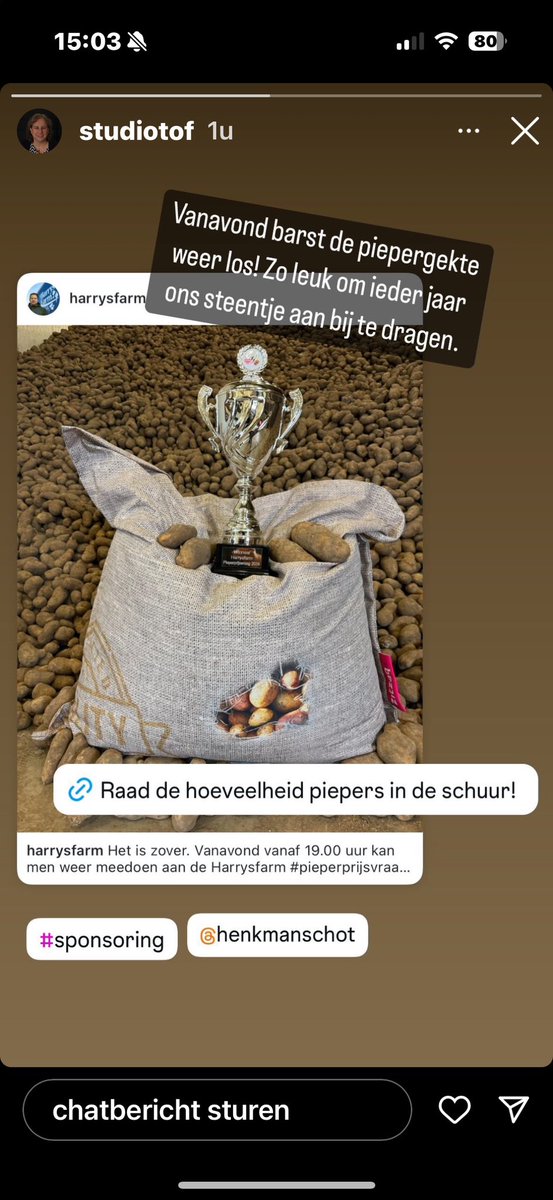
De piepergekte kan weer losbarsten. De #pieperprijsvraag is weer begonnen. De 13e editie. Hopelijk brengt voor 1 iemand het veel geluk. Doe mee via pieperprijsvraag.nl met alle info, spelregels en de foto’s. Succes allemaal 💪🥔🏆
2
10
17
4,744
Mark Ermers retweeted

22 May 2024
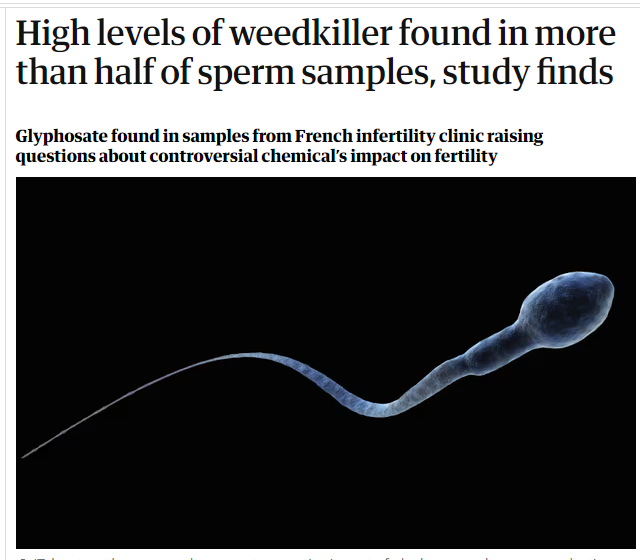
Here's how @guardian fools its readers. @dr_andrealove and I discuss the recent paper that implies tiny traces of herbicide are leading to world population decline. Just how high were "high amounts" and do they matter? #scicomm youtu.be/p1x7eB-idCc
7
29
2,615