
Lecturer @LancsUniLEC | ecology & evolution of infectious disease, climate (change), stats/models, insects, Daphnia | they/she | MartaShocket@ecoevo.social 🐘
Joined July 2012
- Tweets 3,894
- Following 2,096
- Followers 1,931
- Likes 28,581
172 Photos and videos









Pinned Tweet

2 Jun 2018
Yeah sex is cool, but have you tried facultatively switching back and forth between sex and parthenogenesis to take advantage of genetic recombination in stressful situations while not wasting your reproductive output on dead-end males when conditions are good? #daphnia
39
266
1,393
Marta Shocket 🏳️🌈 retweeted

Jun 2
🚨 New preprint: we solved the “Darién paradox.” Oropouche virus stayed quiet in Panama’s Darién corridor nearly a YEAR after Brazil’s peak. Cryptic spread, or a fresh arrival? We integrated clinical genomic climate surveillance to find out 🧵👇
1
5
12
738
Marta Shocket 🏳️🌈 retweeted

May 29
My latest article. A reminder that mosquito bites can have fatal outcomes in some parts of Australia. Stay alter in Northern Australia after heavy rains have created favourable conditions for mosquitoes in recent months 🦟
May 28

Murray Valley encephalitis can be fatal. With no vaccine, here’s how to stay safe theconversation.com/murray-v…
3
9
492
Marta Shocket 🏳️🌈 retweeted

May 10
Automatic variable selection is a powerful technique for simplifying models, reducing overfitting, and improving interpretability. It enables you to efficiently identify the most important predictors from a large set of variables.
However, it’s important to recognize that automatic variable selection involves random processes. The same algorithm may select different variables across multiple runs, and different algorithms can yield entirely different selections, even when applied to the same data set.
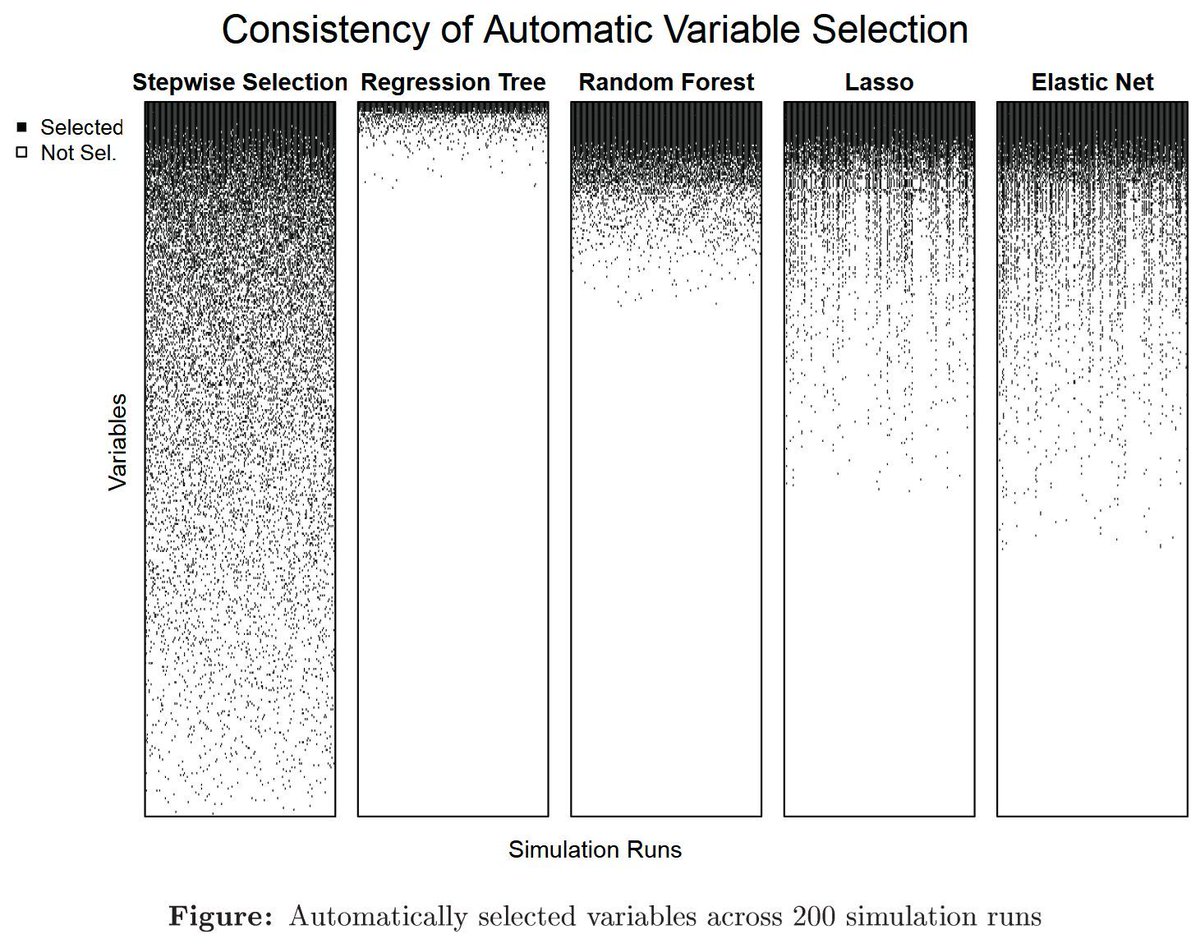
The graph below illustrates how different automatic variable selection methods perform across 200 simulation runs. Each box represents one method, with rows corresponding to variables and columns to simulation runs. Black indicates selected variables, while white indicates excluded ones.
🔹 Stepwise Selection: Highly inconsistent, with patterns that often appear random. Very few variables are consistently selected across all runs.
🔹 Regression Tree: Most variables are rarely selected, with only a small subset chosen consistently across simulations. The small median model size reflects this focused selection.
🔹 Random Forest: Demonstrates improved stability compared to regression trees, with more consistently selected variables, though variability persists for weaker predictors. This method tends to include a broader set of variables compared to regression trees.
🔹 Lasso and Elastic Net: Both methods exhibit relatively stable variable selection, with Elastic Net slightly outperforming Lasso due to its larger model size, allowing for broader inclusion of important variables.
While no method achieves perfect consistency, Random Forest, Lasso, and Elastic Net generally provide more stable and reliable variable selection results, whereas Stepwise Selection tends to be the least reliable.
I published these results in a working paper back in 2018, but they remain highly relevant today. If you're interested, you can read the full paper here: statistiques.public.lu/dam-a….
If you enjoy insights like these, subscribe to my free email newsletter for regular tips on data science, statistics, Python, and R programming. Further details: statisticsglobe.com/newslett…
#datasciencetraining #RStats #VisualAnalytics #datastructure #RStudio
1
5
35
1,880
Marta Shocket 🏳️🌈 retweeted

There are no words! Think twice about working for University of California. UCLA's Most Decorated Ecologist Just Got Fired : Here's the sequence linkedin.com/pulse/uclas-mos…
3
4
417
Marta Shocket 🏳️🌈 retweeted

Apr 20
CLOSING SOON: Postdoc (University Park, USA) NIH-NSF funded project on human health, movement, and infectious diseases.
iddjobs.org/jobs/the-bharti-…
1
3
328
Marta Shocket 🏳️🌈 retweeted

🚨Postdoc in Macroevolution🚨
Deadline April 12th
Join a team of Stuttgart botanists & myself to test drivers of Angiosperm diversification!
Submit cover letter, CV, 3 referees & publication list in a single PDF to postdoc-botany@smns-bw.de 3 key papers (if possible) as PDF
1
12
16
3,469
Marta Shocket 🏳️🌈 retweeted

Mar 16
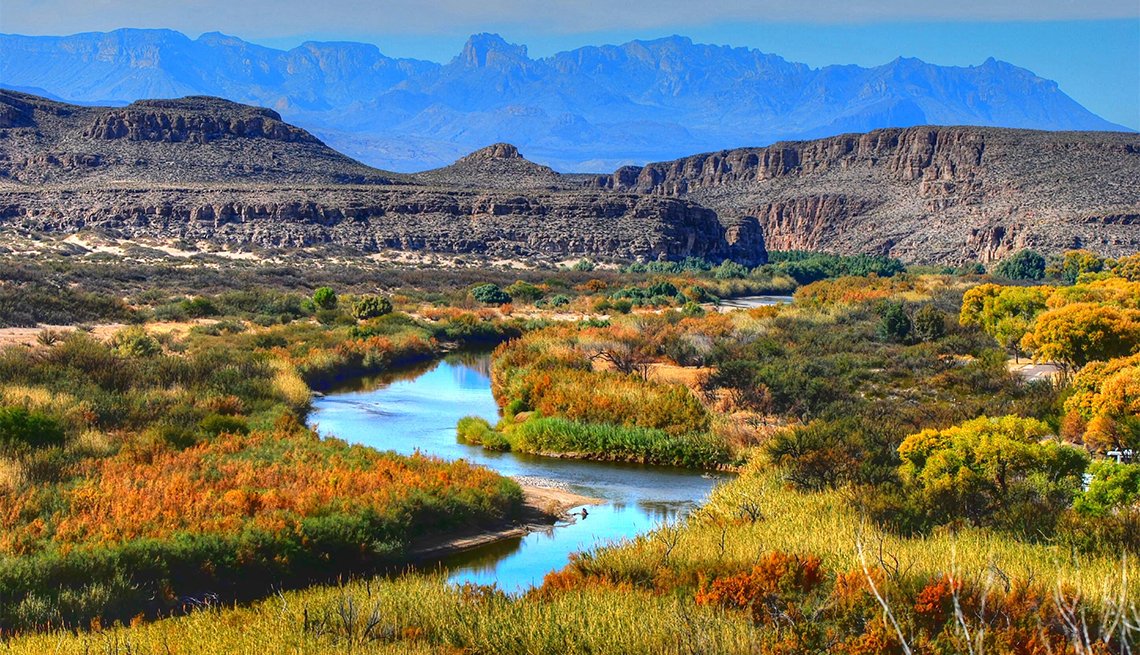
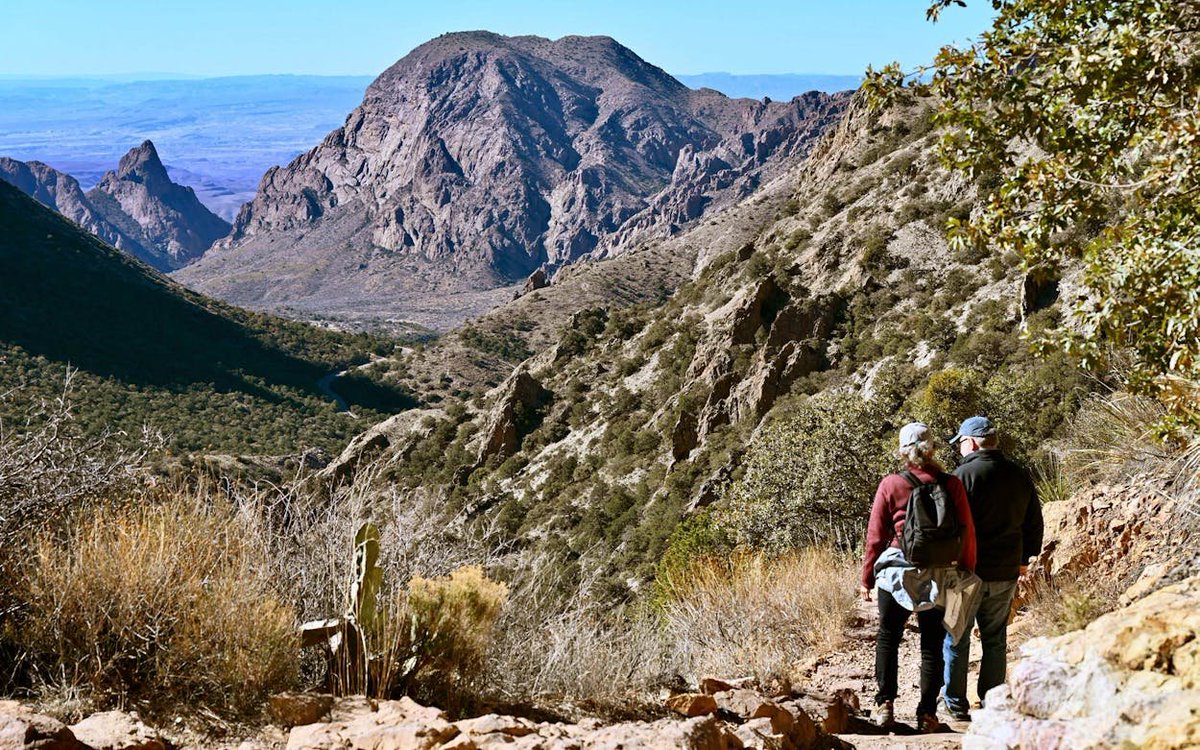
With all eyes focused on Iran, Trump and DHS are pushing forward on border wall construction through Big Bend National Park. They will hand the Rio Grande to Mexico, destroy thousands of jobs, and ruin the last remaining wild West, all for less than 1% of all border crossings:

117
2,308
4,755
265,228
Marta Shocket 🏳️🌈 retweeted

21 Jul 2025
Combining blood meal analysis and parasite detection yields a more comprehensive understanding of insect host feeding patterns dlvr.it/TM27qS Parasites&Vectors
4
14
454
Marta Shocket 🏳️🌈 retweeted

10 Jul 2025
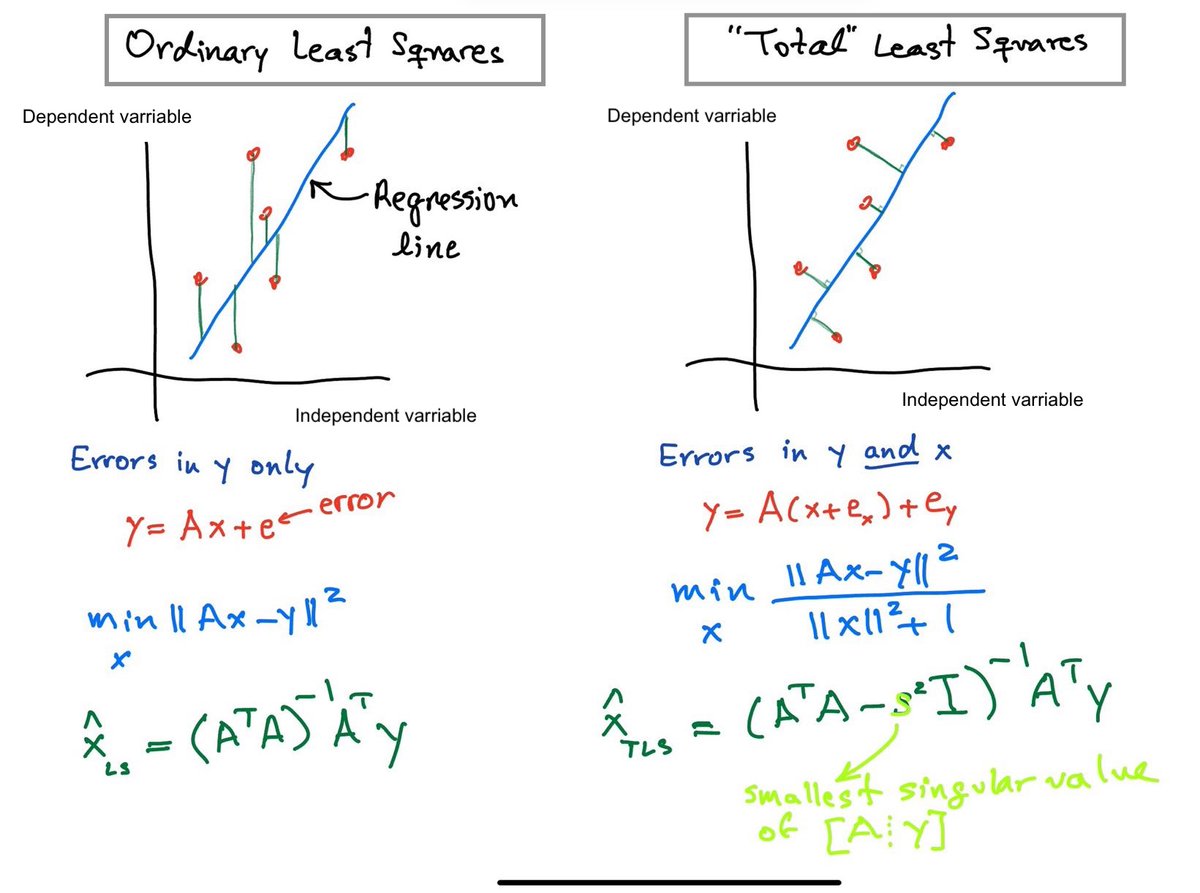
'calculus for babies' introduced TLS first, which is not the typical sequence!

1
27
1,686
Marta Shocket 🏳️🌈 retweeted

10 Jul 2025
Most tech people know about ordinary least-squares (OLS), but not so much about *total* least-squares (TLS)
They measure fit differently: OLS minimizes sum of sq. distances along dependent variable; whereas TLS minimizes sum of orthogonal distances from data to fit line
1/2
11
43
427
48,482
Marta Shocket 🏳️🌈 retweeted

PhD position (Liverpool, UK)
Developing models to help make decisions early in a major disease outbreak when availability of new tests is limited.
with @emjnixon
at University of Liverpool
More details: iddjobs.org/jobs/developing-…
3
5
955
Marta Shocket 🏳️🌈 retweeted

11 Jun 2025
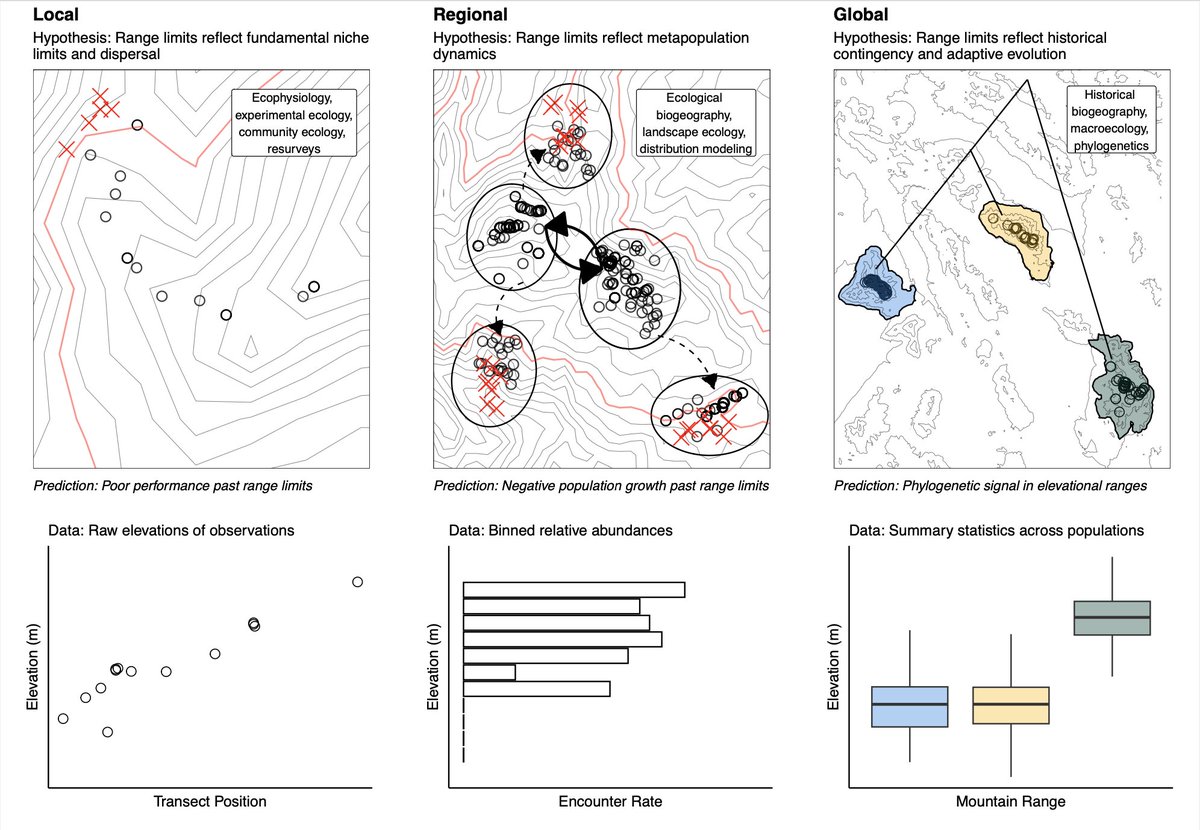
maybe my favorite paper I've written, I have a synthesis paper out today early access in The American Naturalist today that attempts to answer a simple but slippery question: what is an elevational range?
2
20
95
4,723

Looking for a job in aquatic science? Check out our job board! You don’t have to be an ASLO member to browse opportunities, from research positions to to post-docs and even industry roles. Explore now and take the next step in your career!
aslo.users.membersuite.com/c…




1
2
259

House Republicans have added a provision to their sweeping tax cut package that would authorize the sale of thousands of acres of public lands in Nevada and Utah, prompting outrage from Democrats and environmental groups who called the plan a betrayal that could lead to increased drilling, mining and logging in the West. to.pbs.org/4m5xBXD
73
338
563
26,496
Marta Shocket 🏳️🌈 retweeted

7 May 2025
Another letter of alarm against the destructive desmantling of science in the US by the Trump administration. Now signed by over 3000 scientists to save NOAA. NOAA provides invaluable data on Earth observations and science on the liveability on our planet. ucs.org/about/news/over-3300…
82
96
4,741
Marta Shocket 🏳️🌈 retweeted

28 Apr 2025
One week left to apply! Please use the University of Glasgow portal to suit your applications! (Link on the right side of findaphd post)
18 Mar 2025

Come do a PhD with me using LLMs and comparative methods to understand the emergence of companion animal viruses! 🧠☠️🕸️🐕🐈🖥️
Fully funded 3.5 year PhD based at @UofGSBOHVM
@CVRinfo supervised by myself, Margaret Hosie, and Willie Weir
findaphd.com/phds/project/co…
5
5
775
Marta Shocket 🏳️🌈 retweeted

23 Apr 2025
The NIH plans to defund the WHI, the largest clinical trial ever for women that was meant to catch up on missed research. This study has been a fountain of knowledge. The hatred of women from this administration is really from cradle to grave. science.org/content/article/…
83
1,407
3,325
191,744
Marta Shocket 🏳️🌈 retweeted

16 Apr 2025
Global Parasitology Seminar: Sebastian Lourido on Toxoplasma biology Monday 4/21 12 pm EDT. @PennMicro @BSPparasitology @TrendsParasitol @SFParasitologie @AS_Para @AmSocParasit @parasitesrule @MBLBoP

17
51
1,934
Marta Shocket 🏳️🌈 retweeted

8 Apr 2023
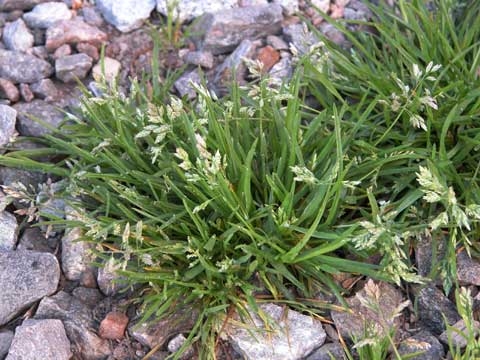
Much the most off-putting thing about learning grasses is that you need to learn a completely new language. The best plan is to go out and collect a flowering Poa annua from the pavement, then try out these important new words on it.
17
60
291
49,779