Entrepreneur | Designer | @houseofmasaba @lovechild_in
Joined April 2011
- Tweets 12,083
- Following 327
- Followers 1,211,985
- Likes 1,520
935 Photos and videos



Masaba retweeted

In 1888, Bertha Benz took the world’s first road trip and built an industry in her wake, proving that the road ahead belongs to those with the courage to claim it.
On her way to @VOGUEIndia 's Women of Excellence, @MasabaG reflects on 140 years of this relentless spirit.
Because ever since that Bertha’s first mile, women have remained at the heart of Mercedes-Benz - as the ones who build it, drive it, and demand the absolute best of it.
The Star has always followed your lead.
Happy International Women’s Day.
#HappyWomensDay #WomenOfExcellence #BeingBertha
1
3
11
2,291
Masaba retweeted

Feb 7
🔗: vogueindia.visitlink.me/qQpx…
#Throwback: Masaba Gupta tied the knot with beau Satyadeep Misra wearing a barfi pink House of Masaba lehenga
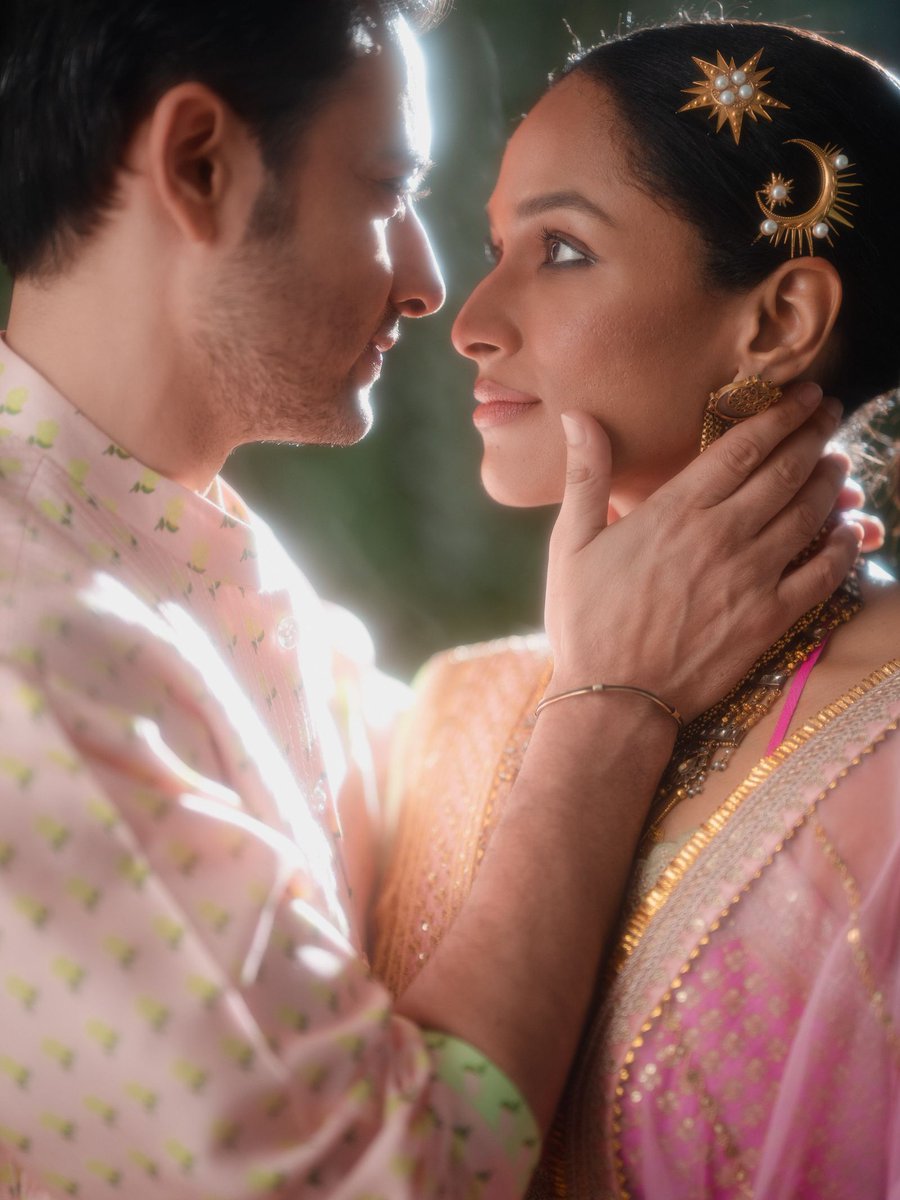
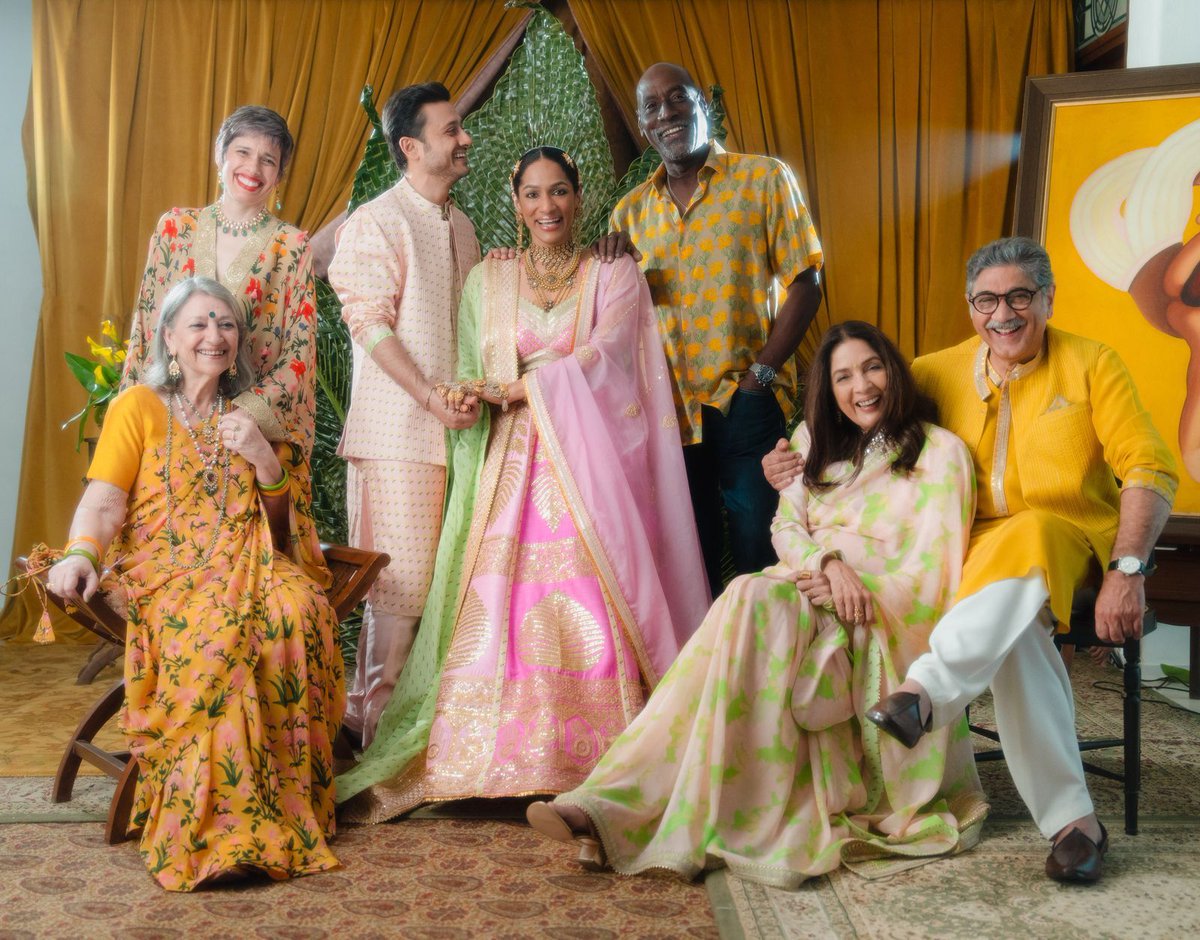
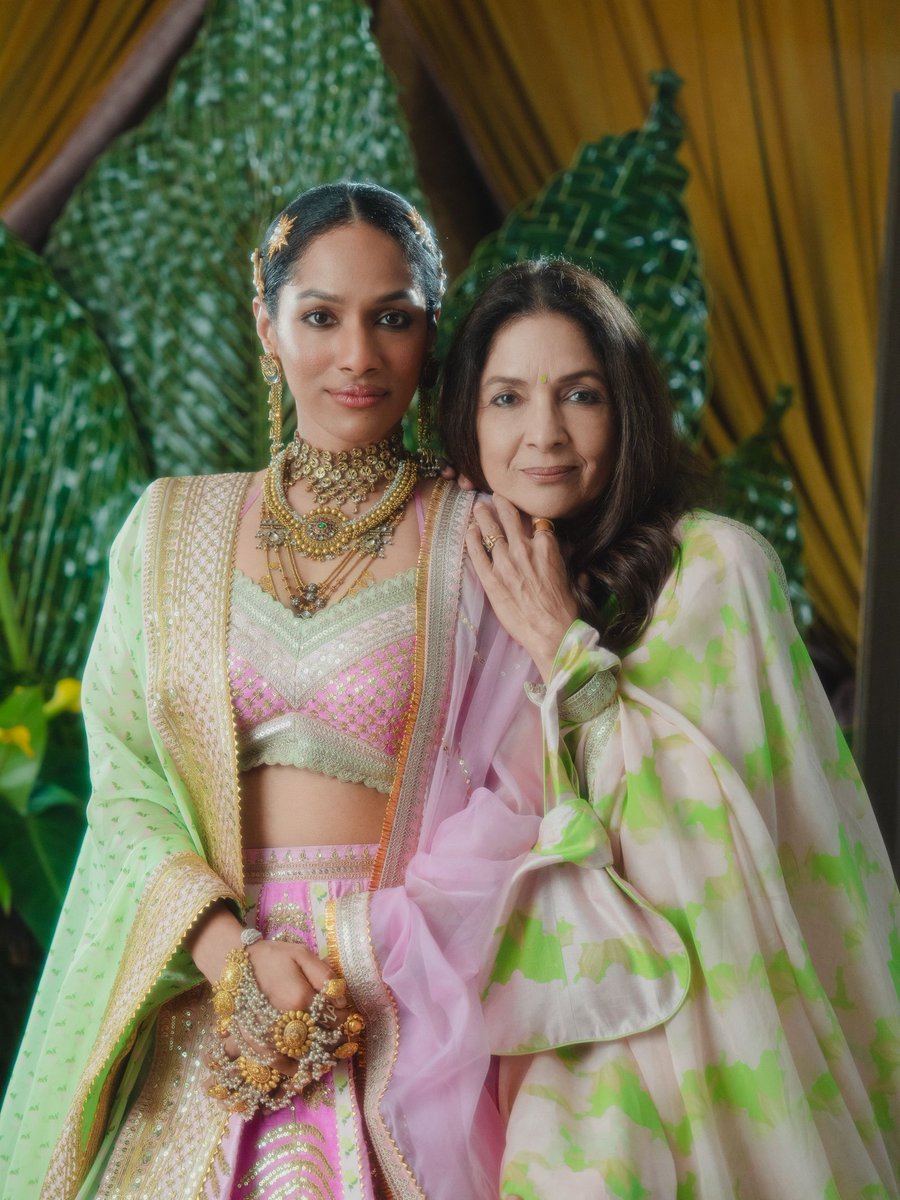
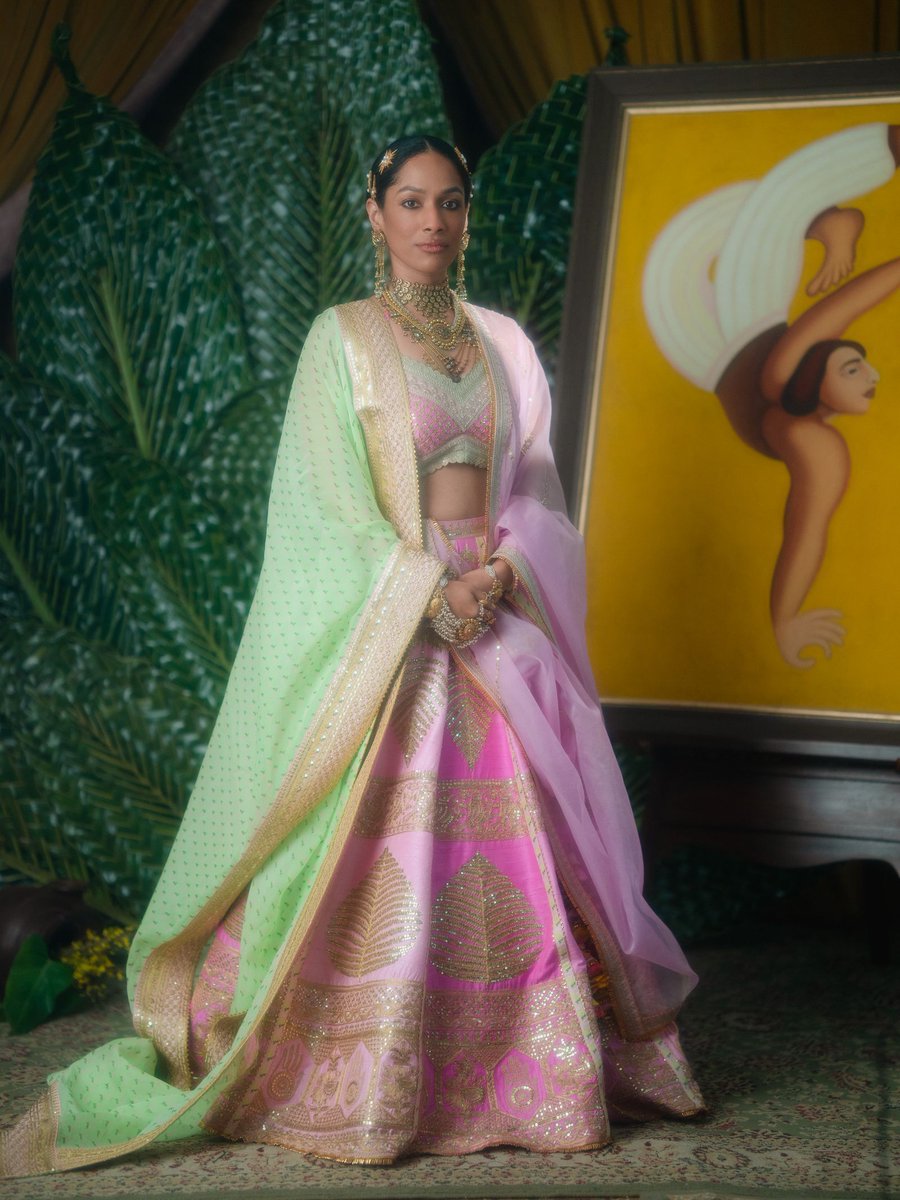
3
25
4,833

Enjoyed the @nikhilkamathcio & @elonmusk interview a lot. Felt intimate and highly engaging. And the very sweet moments of laughter - borderline felt like I’m crashing a very highly profile arranged marriage ‘get to know each other .. but try not to blush’ meet over coffee! 😊☺️ #ElonMusk #nikhilkamath
122
1
7
50,278

At Art Basel Miami, Nina Magon’s Indian Tribute With Live Poetry by Rupi Kaur, Designs by Masaba Gupta trib.al/KzBnlxl
5
1
3
45,816
Masaba retweeted

9 Nov 2025
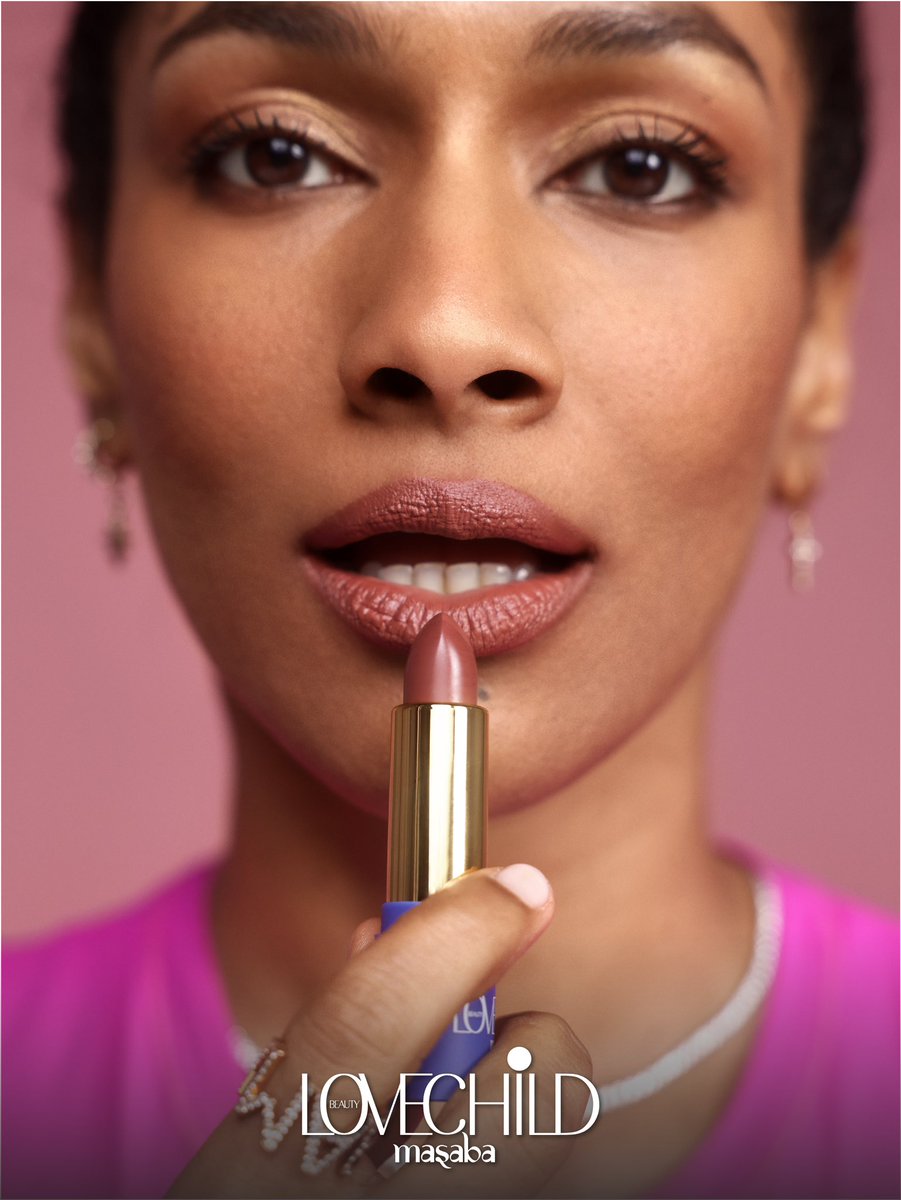
This little Batua is pure elegance in your pocket 💋
Loving the rich satin touch and luxe vibe of #LoveChildMasaba 💄✨
#LuxuryInEverySwipe #BatuaByMasaba
10
1
4
40,075
Masaba retweeted

11 Jul 2025
Throwback to when fashion icon @MasabaG smashed the racquet of the ever-stylish tennis legend, @AndreAgassi! 🫣
#Wimbledon2025 👉 Semi Finals | TODAY, 6 PM onwards, LIVE on Star Sports Network & JioHotstar!
15
4
35
28,947

Masaba Gupta (Founder, @HouseofMasaba) isn’t following trends, she’s creating them. She built a brand that’s instantly recognisable, rooted in culture & unapologetically creative.
That's the kind of bold vision we're championing with #BackingIndiasBoldest
@MasabaG
#Razorpay #MasabaGupta #HouseOfMasaba
11
4
10
20,838
Masaba retweeted

20 Apr 2025
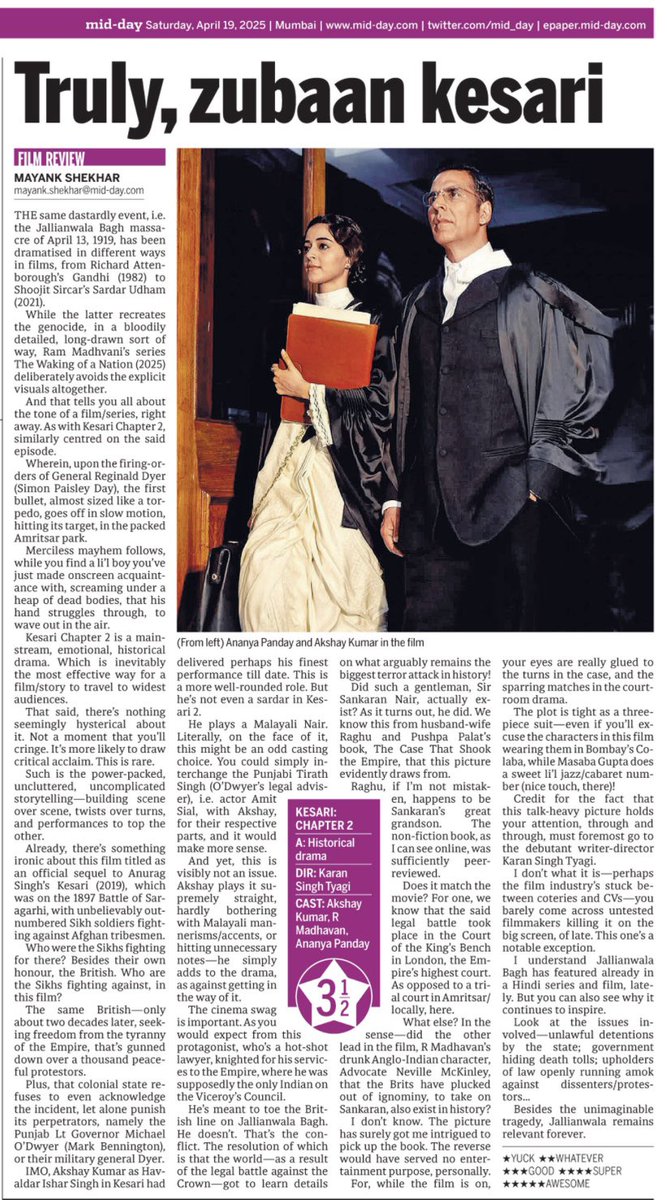
This picture’s surely got me intrigued to pick up the book, @raghupalat & @pushpapalat’s The Case That Shook the Empire. The reverse would have served no entertainment purpose, personally.
For, while the film is on, your eyes are really glued to the turns in the case, and the sparring matches in the courtroom drama.
The plot is tight as a three-piece suit—even if you’ll excuse the characters (@ActorMadhavan, @AmitSial) in this film wearing them in Bombay’s Colaba, while @MasabaG does a sweet li’ jazz/cabaret number (nice touch, there)!
Credit for the fact that this talk-heavy picture holds your attention, through and through, must foremost go to the debutant writer-director @karanstyagi.
I don’t what it is—perhaps the film industry’s stuck between coteries and CVs—you barely come across untested filmmakers killing it on the big screen, of late.
This one’s a notable exception.
I understand Jallianwala Bagh has featured already in a Hindi series (The Waking of a Nation) and film (Sardar Udham), lately. But you can also see why it continues to inspire.
Look at the issues involved—unlawful detentions by the state; government hiding death tolls; upholders of law openly running amok against dissenters/protestors…
Besides the unimaginable tragedy, Jallianwala remains relevant forever.
#KesariChapter2Review👇🏽#AkshayKumar #RMadhavan
19 Apr 2025

The same dastardly event, i.e. the Jallianwala Bagh massacre of April 13, 1919, has been dramatised in different ways in films, from Richard Attenborough’s Gandhi (1982) to Shoojit Sircar’s Sardar Udham (2021).
While the latter recreates the genocide, in a bloodily detailed, long-drawn sort of way, Ram Madhvani’s series The Waking of a Nation (2025) deliberately avoids the explicit visuals altogether.
And that tells you all about the tone of a film/series, right away. As with Kesari Chapter 2, similarly centred on the said episode.
Wherein, upon the firing-orders of General Reginald Dyer (Simon Paisley Day), the first bullet, almost sized like a torpedo, goes off in slow motion, hitting its target, in the packed Amritsar park.
Merciless mayhem follows, while you find a li’l boy you’ve just made onscreen acquaintance with, screaming under a heap of dead bodies, that his hand struggles through, to wave out in the air.
Kesari Chapter 2 is a mainstream, emotional, historical drama. Which is inevitably the most effective way for a film/story to travel to widest audiences.
That said, there’s nothing seemingly hysterical about it. Not a moment that you’ll cringe. It’s more likely to draw critical acclaim. This is rare.
Such is the power-packed, uncluttered, uncomplicated storytelling—building scene over scene, twists over turns, and performances to top the other.
Already, there’s something ironic about this film titled as an official sequel to Anurag Singh’s Kesari (2019)—why’s that?
Review link in bio👇🏽Kesari Chapter 2: ‘Truly, zubaan kesari!’
7
4
3
18,441
Masaba retweeted

8 Mar 2025
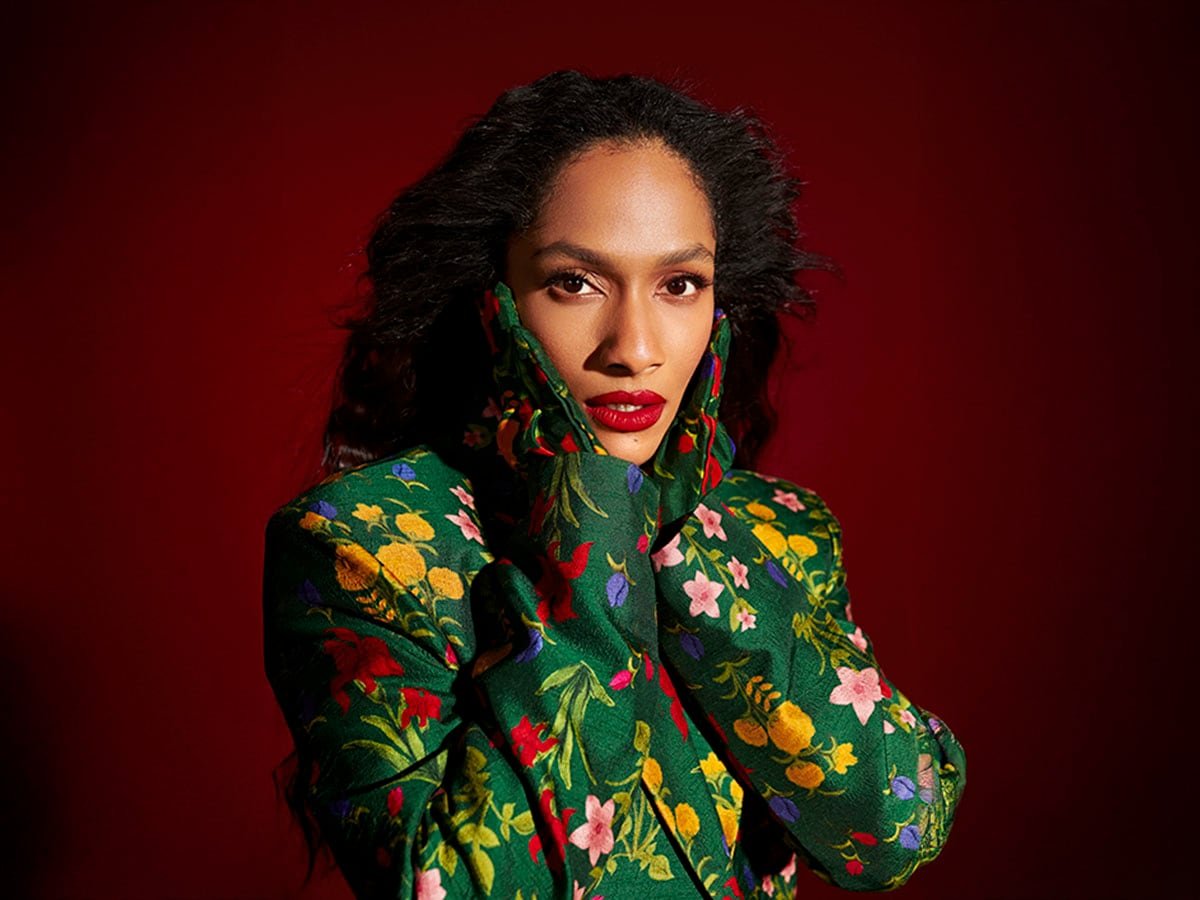
#WomensDay | Over the past fifteen years, Masaba Gupta, founder of House of Masaba, has carved a niche for herself as a fashion designer and entrepreneur. So, what keeps the fashion brand agile against a disruptive backdrop? Why did she sell a 51 percent stake to Aditya Birla Fashion and Retail? @MasabaG spills the beans in this #ForbesIndiaArchives interview: forbesindia.com/article/lead…
3
2
5
8,646
Masaba retweeted

30 Jan 2025
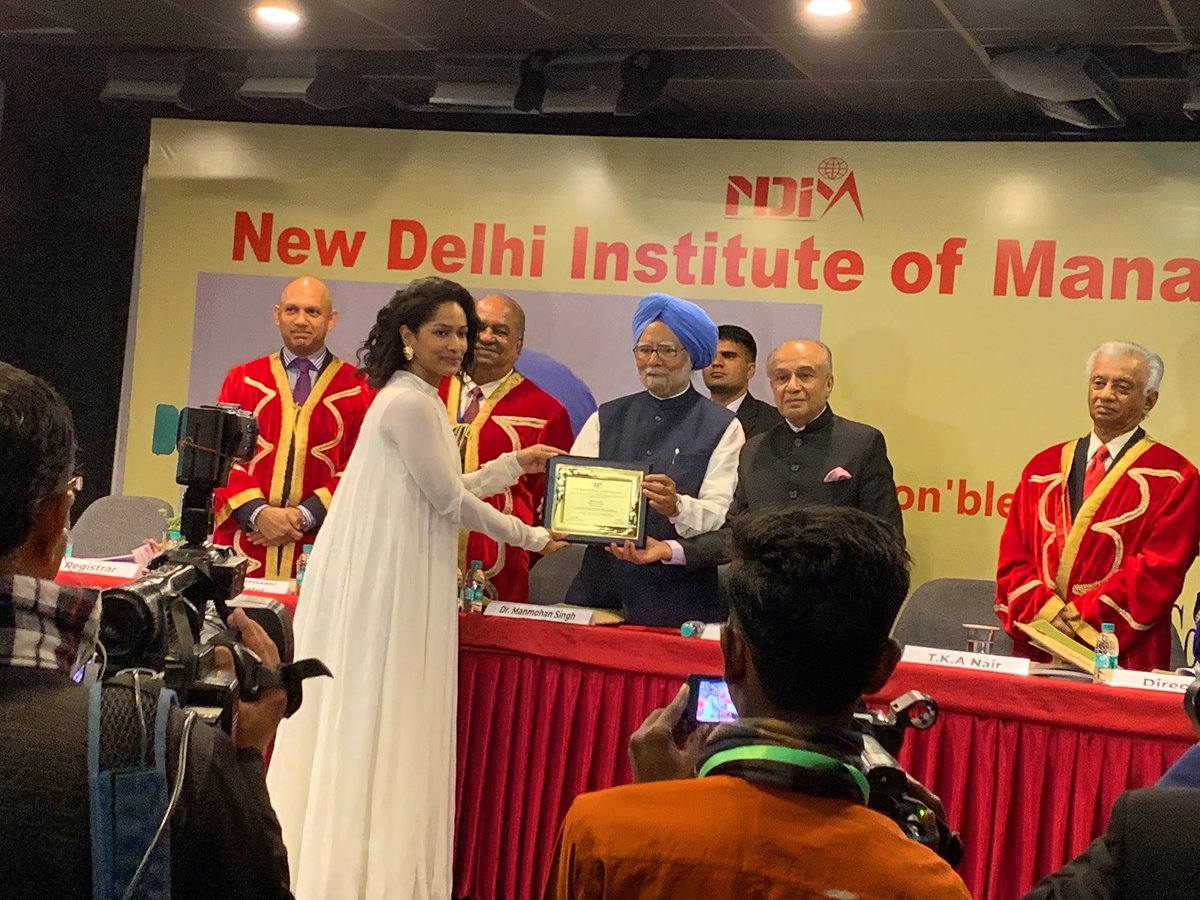
I have been protesting the cliched ad’s where models are shown fair skinned or with flawless skin - that’s now what we average are - so thanks @MasabaG for this - and kudos to the model too.. courageous to be as we are ..

1
5
12
8,455

Masaba retweeted

2 Nov 2024
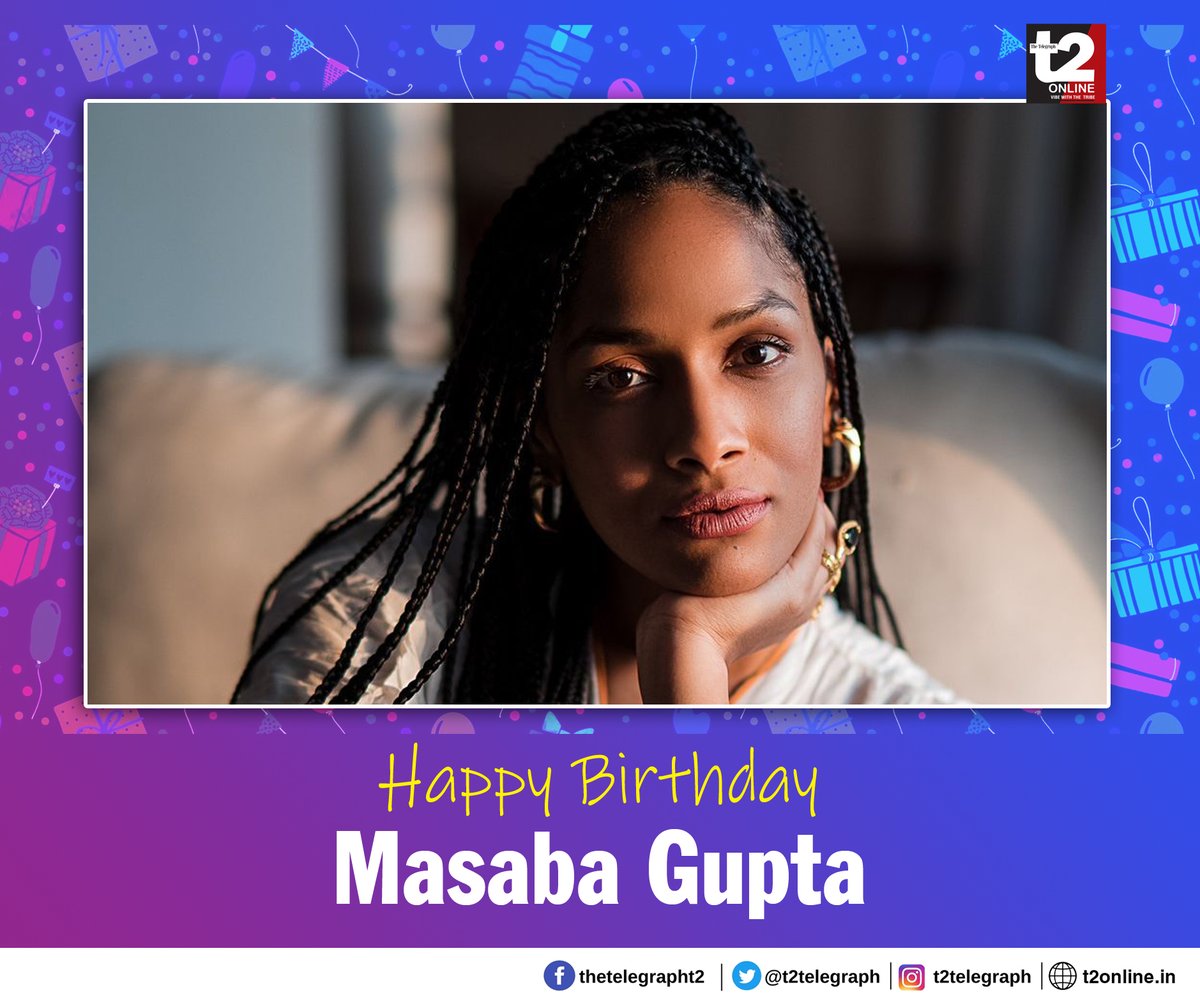
A resilient multitasker and a creative force to the core! Happy birthday, Masaba Gupta
@MasabaG
2
9
5,275
Ofcourse it’s coming back. I miss it too! Wait for it
19 Aug 2024

4
2
6
6,408
Masaba retweeted

19 Aug 2024
18 Aug 2024
The only perfume I’ve ever truly loved is one by masaba x nykaa which has been discontinued. No other perfume comes close. Not even luxury brand ones
1
1
2
12,316

#MiddayEntertainment |
Shloka Ambani wears her nani's jewellery and a saree worth Rs 60,000 for Anant-Radhika's mehendi
#ShlokaAmbani #AnantRadhikaWedding #AnantRadhikaCelebration #AnantAmbani
mid-day.com/celebrity-life/f…
1
4
5,007
Masaba retweeted

11 Jul 2024
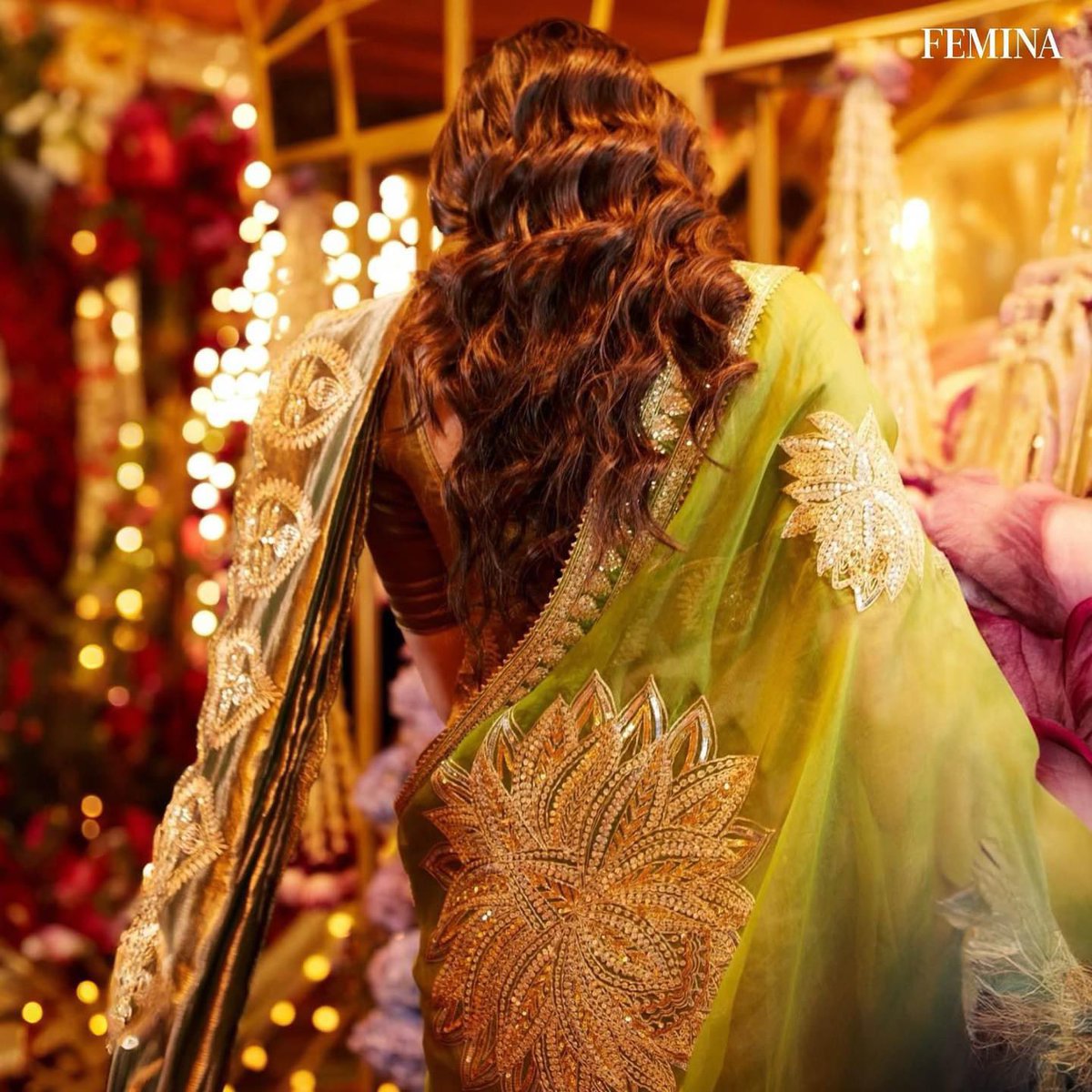
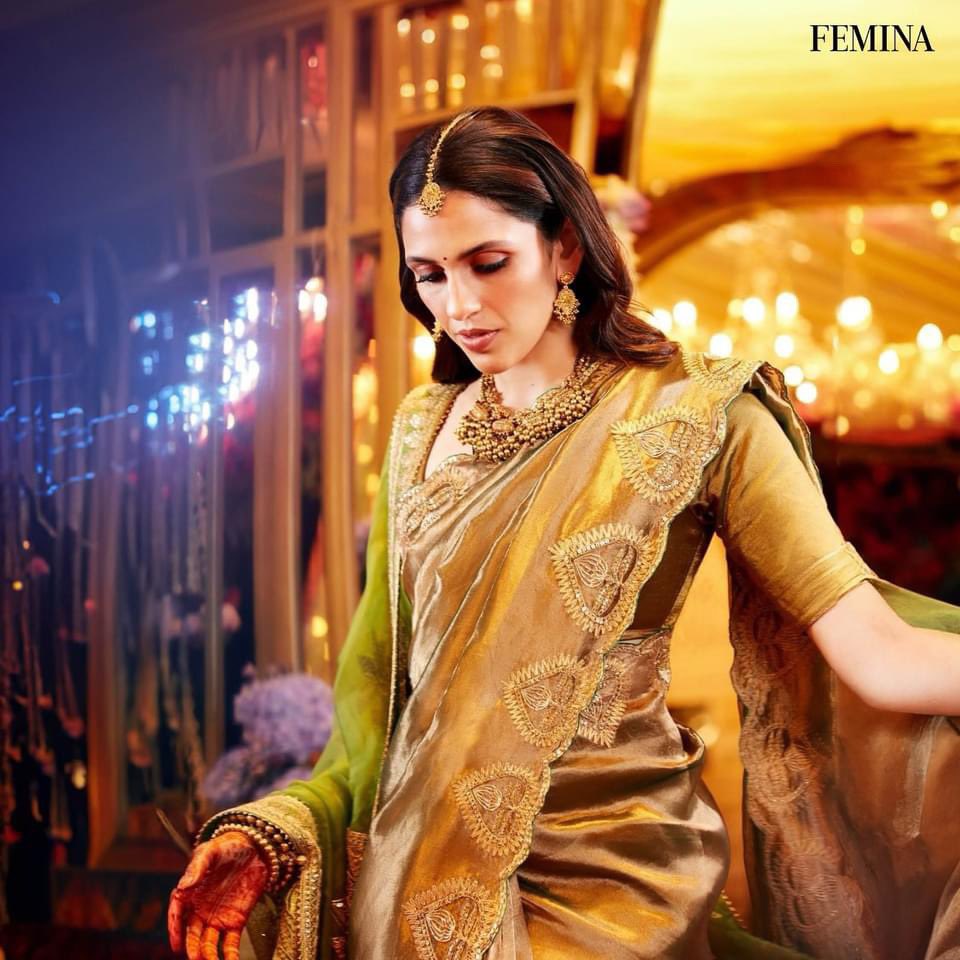
#ShlokaAmbani stuns in the House of Masaba’s ‘Paan Tissue Saree’ at Anant Ambani and Radhika Merchant’s wedding festivities. 💚
#Femina #AmbaniWedding #Trending

1
10
4,266
Masaba retweeted

7 Jul 2024
#ShehnaazGill transforms into a ‘golden girl’ for #Anant-Radhika's sangeet in stunning Masaba Gupta saree. It costs…
@htTweets
hindustantimes.com/photos/li…
10
237
375
11,913
This was last year. The same issue this year. And they have the cheek to tell me - get it fixed before every monsoon?! What a silly standard to set for a global brand @MGMotorIn
Dear @MGMotorIn - your MG gloster that is less than 3 years old is leaking from EVERYWHERE and your customer service is a huge disaster with no sense of urgency of any matter. Shameful.
2
10
4,925
Dear @MGMotorIn - your MG gloster that is less than 3 years old is leaking from EVERYWHERE and your customer service is a huge disaster with no sense of urgency of any matter. Shameful.
11
23
119
55,177