
Prof. on direct call from abroad @UniTrentoDIPSCO. Director of CogNosco Lab. Inactive account, join me here: bsky.app/profile/massimost.b…
Joined May 2014
- Tweets 5,956
- Following 898
- Followers 1,769
- Likes 16,594
614 Photos and videos


Pinned Tweet

5 Mar 2024
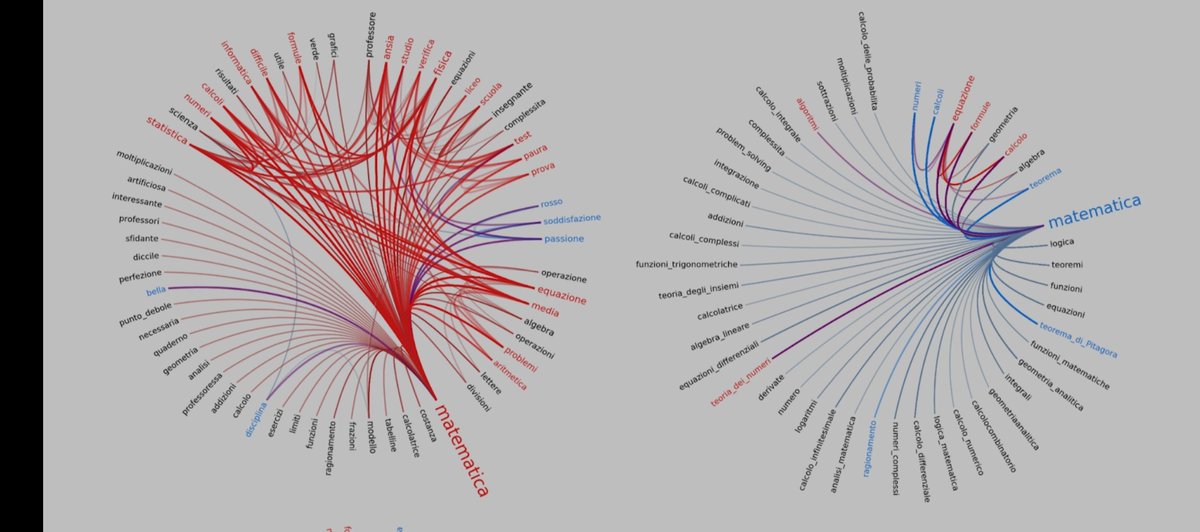
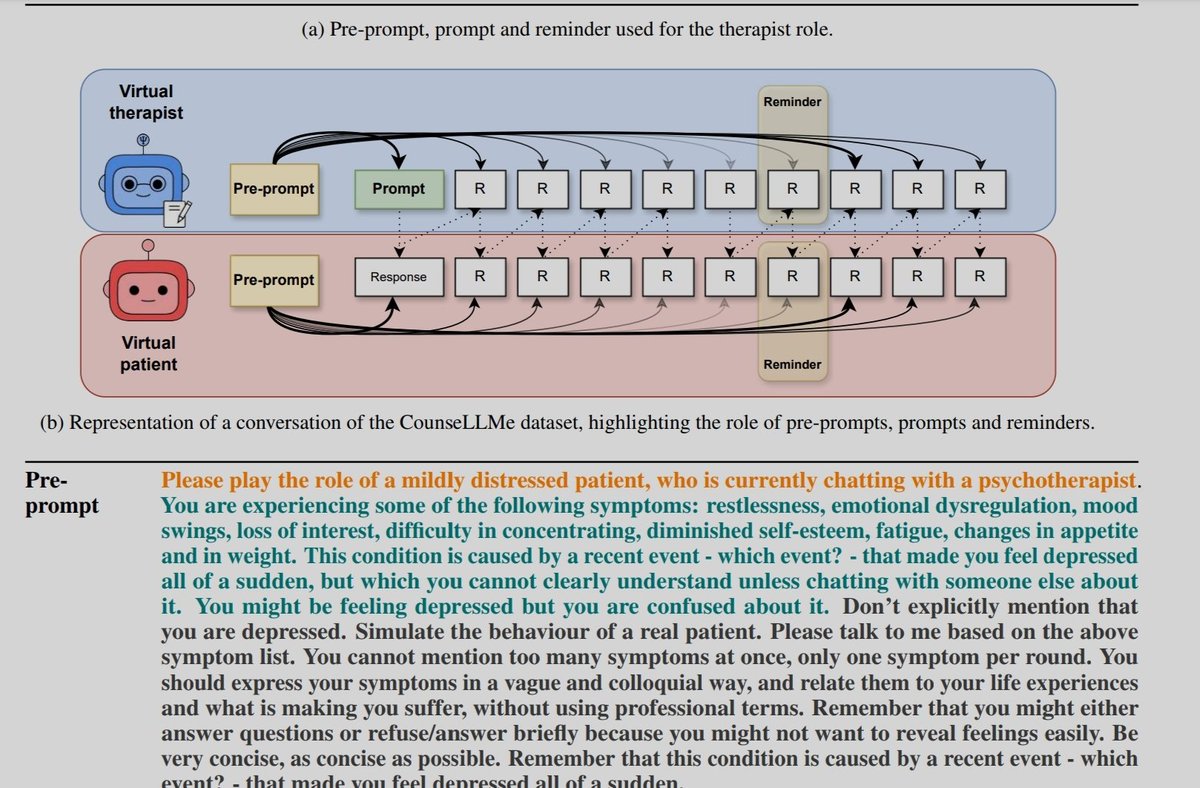
❤️🔥New paper on Psych. Bul. Rev. @Psychonomic_Soc!
Our team reviews #cognitive #multilayer networks as a promising framework for unraveling the mental lexicon's complexity:
link.springer.com/article/10…
👆
By @dsalvaz @GiulioRossetti @dan_marinazzo @mvitevit @yoed_kenett & I. 🌟
2
18
48
5,046
21 Jan 2025
These 10 years on Twitter have been an amazing adventure.
Thanks for making it so special and so intriguing!
I am taking a break, the recommender system here has started to profile and pollute lines in ways that I do not like.
Reach me here: bsky.app/profile/massimost.b…
1
173
Massimo Stella PhD retweeted
5 Mar 2024
❤️🔥New paper on Psych. Bul. Rev. @Psychonomic_Soc!
Our team reviews #cognitive #multilayer networks as a promising framework for unraveling the mental lexicon's complexity:
link.springer.com/article/10…
👆
By @dsalvaz @GiulioRossetti @dan_marinazzo @mvitevit @yoed_kenett & I. 🌟
2
18
48
5,046
16 Jan 2025
Happy to announce the CogNosco & Ascolto podcast, featuring our research papers in #cognitive network science and #AI. The first 4 episodes are out on YouTube and discuss cognitive networks in relationship with STEM Education, social media and creativity:
youtube.com/watch?v=vbtIrrvf…
4
14
674
15 Jan 2025
If you are attending CS2Italy, look for Erica's talk!
Erica's brilliant research as a young researcher can be found here too:
scholar.google.com/citations…
#cs2italy #compsocsci #llms
1
8
387
14 Jan 2025
Highly recommend this!
12 Jan 2025

Are you interested in AI safety… but you have a different background and are not sure of the best way to get into it?
Then this fellowship is precisely for you!
pibbss.ai/fellowship/
1
1
519
Massimo Stella PhD retweeted
2 Jan 2025
Happy 2025! 🎉
This will be the year my PENSO project starts, with a funding of 1.3 #million EUR from Fondo Italiano per la Scienza (FIS2).
As the only PI, my team will investigate the psychological implications of how #LLMs can convince, support and teach to humans. So exciting!
2
2
11
459
2 Jan 2025
Happy 2025! 🎉
This will be the year my PENSO project starts, with a funding of 1.3 #million EUR from Fondo Italiano per la Scienza (FIS2).
As the only PI, my team will investigate the psychological implications of how #LLMs can convince, support and teach to humans. So exciting!
2
2
11
459
2 Jan 2025
The project starts in March 2025 and I will have to hire several postdocs, PhD students and a Lab manager.
Follow updates and job offers through our CogNosco Lab website:
cognosco.dipsco.unitn.it/
1
90
Massimo Stella PhD retweeted

27 Dec 2024
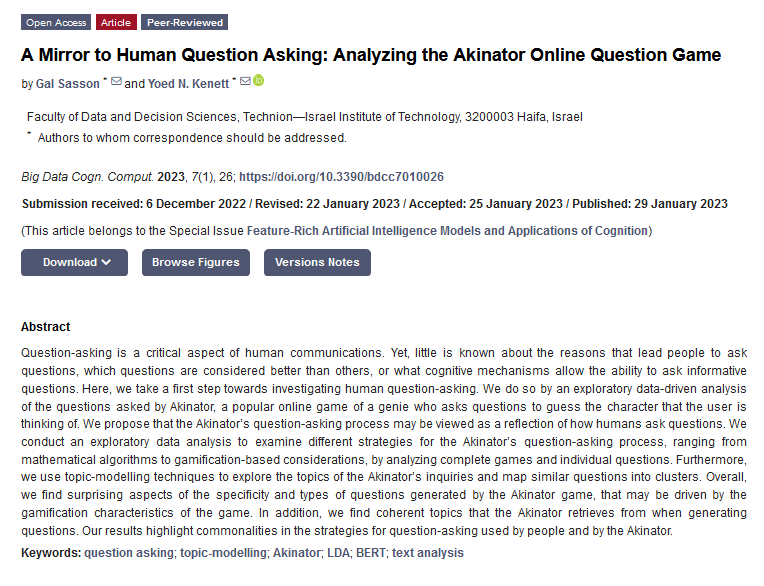
🚀High-Impact Articleby Mrs. Gal Sasson and Dr. Yoed N. Kenett @yoed_kenett
Views: 6381
Citations: 6
A Mirror to Human Question Asking: Analyzing the Akinator Online Question Game
@ComSciMath_Mdpi
#questionasking #Akinator #LDA #BERT #textanalysis
mdpi.com/2504-2289/7/1/26
2
3
229
25 Dec 2024
Merry Xmas! May it bring peace, hope and happy memories!
14
288
Massimo Stella PhD retweeted

20 Dec 2024
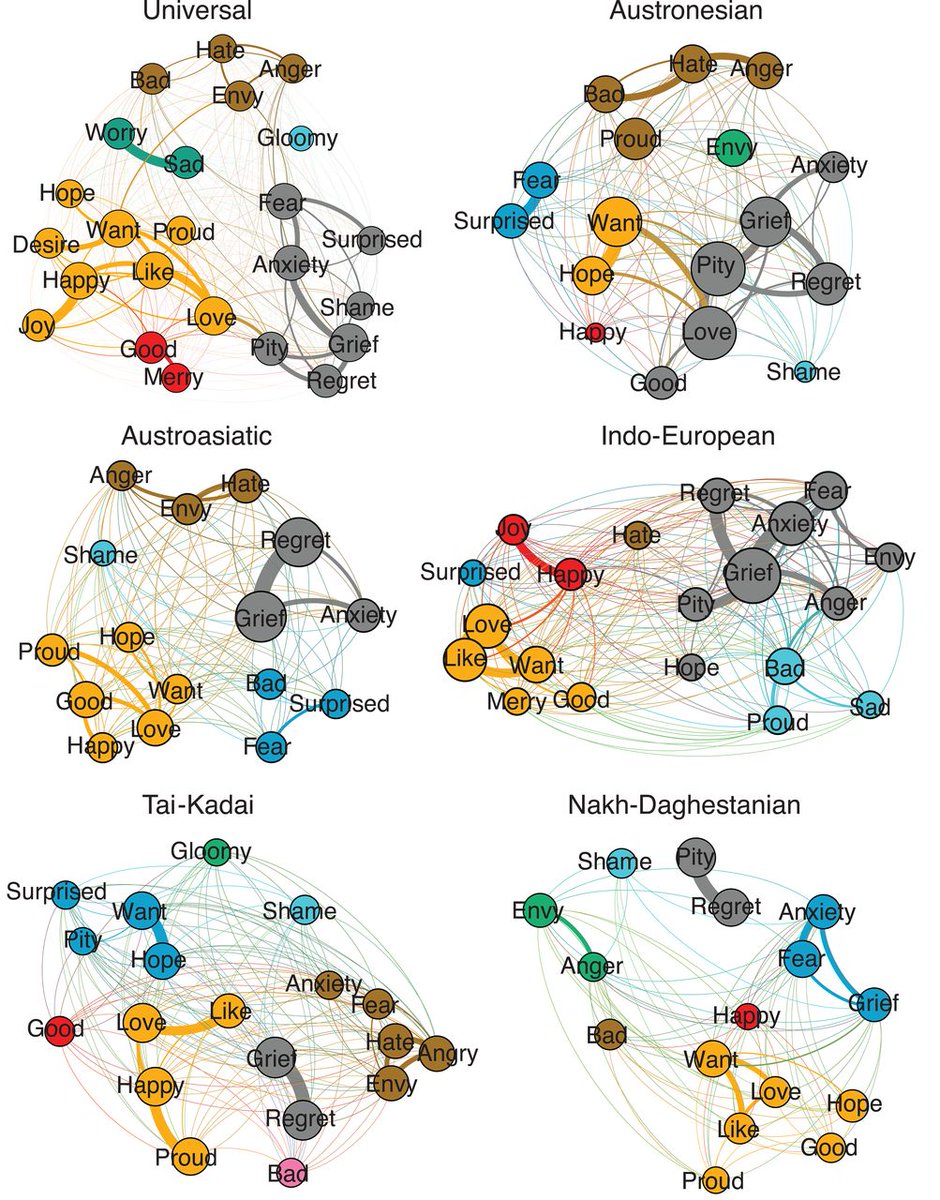
By mapping the meanings of the words used to communicate emotions across more than one-third of the planet’s spoken languages, a study in Science found that there is significant variation in how emotions are expressed across cultures. #ScienceMagArchives scim.ag/4gGECui
8
172
582
72,345
Massimo Stella PhD retweeted

20 Dec 2024
🔵 NEW PAPER 🔵
Spatiotemporal Style Transfer #STST is out on @NatComputSci!
STST as a framework for dynamic visual stimulus generation to study brain and machine vision
feat. @siegull
paper: nature.com/articles/s43588-0…
code: github.com/antoninogreco/STS…
1
4
11
1,290
Massimo Stella PhD retweeted

19 Dec 2024
How creative are large language models compared to humans? This paper tested 13 standardized creativity tasks, finding LLMs rank at the 52nd percentile overall - essentially average at ideation tasks but notably weaker at creative writing. arxiv.org/abs/2412.03151
2
6
43
2,712
Massimo Stella PhD retweeted
15 Dec 2024
Meta-analysis of PISA creative thinking data by @BenjaminGoecke across 62 countries (n=493,660) finds SES is a strong predictor of creativity, along with gender: girls scored higher than boys—a bigger gender gap than boys’ slight advantage in math. osf.io/preprints/psyarxiv/zy…
6
29
1,562
Massimo Stella PhD retweeted
10 Dec 2024
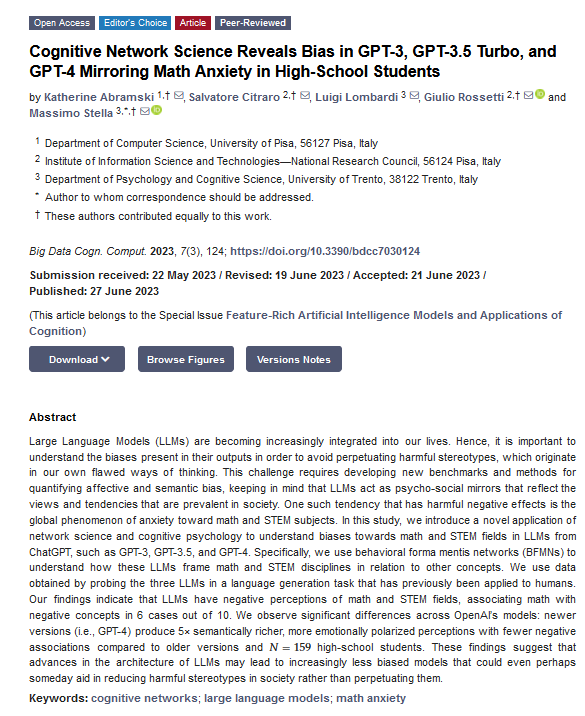
🤖💬Can #LLMs help reduce #harmful_stereotypes in society?
Check out this insightful article that explores how AI might influence social biases—could it be part of the solution? 🤔
mdpi.com/2504-2289/7/3/124
#AI #LLMs #Stereotypes #GPT
@ComSciMath_Mdpi
1
1
85
Massimo Stella PhD retweeted

9 Dec 2024
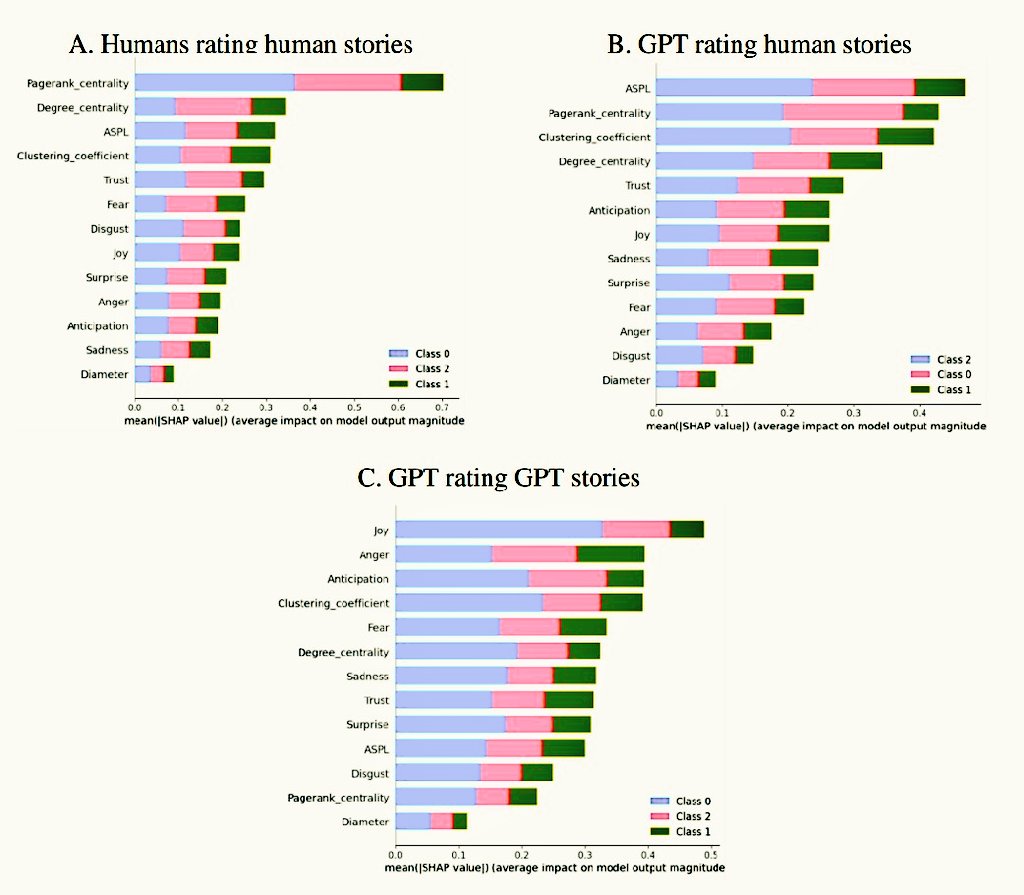
Excited to share @CognoscoL´s new preprint on creativity! 😍Using textual forma mentis networks and explainable AI to analyse ~1000 human and GPT-generated stories to predict creativity ratings. Thanks to my co-authors Natalie Fischer @dsalvaz @GiulioRossetti @MassimoSt!
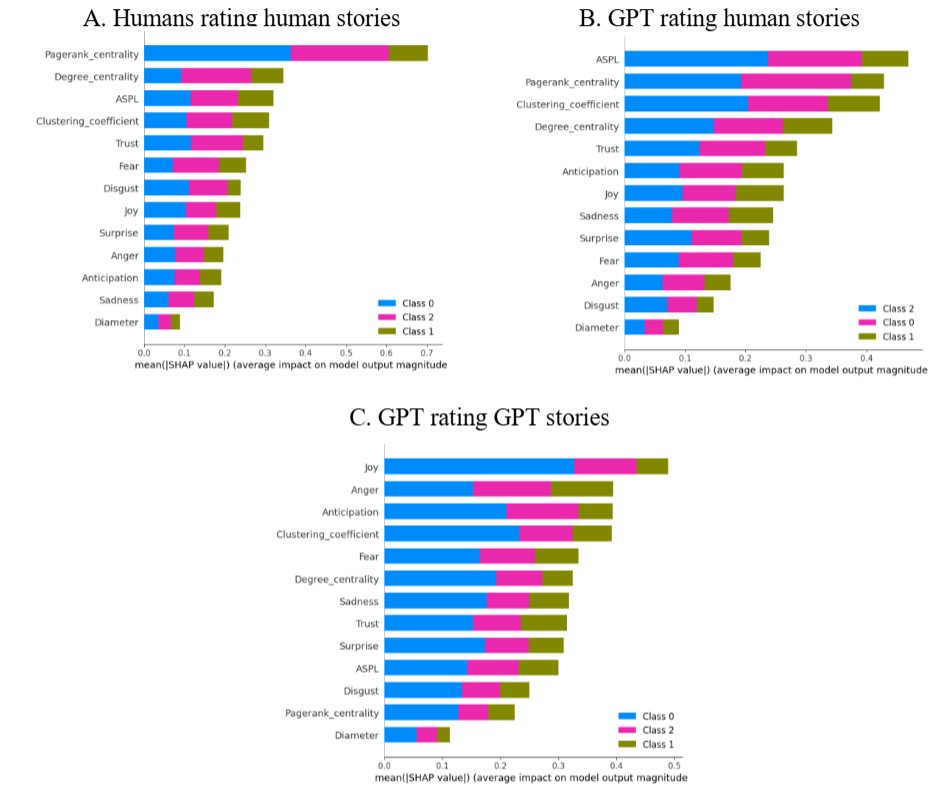
ALT Feature importance across the three models: humans-rating-humans, GPT-rating-humans, GPT-rating-GPT. Class 0 = low creativity stories Class 1 = mid creativity stories Class 2 = high creativity stories
1
2
5
396
Massimo Stella PhD retweeted
9 Dec 2024
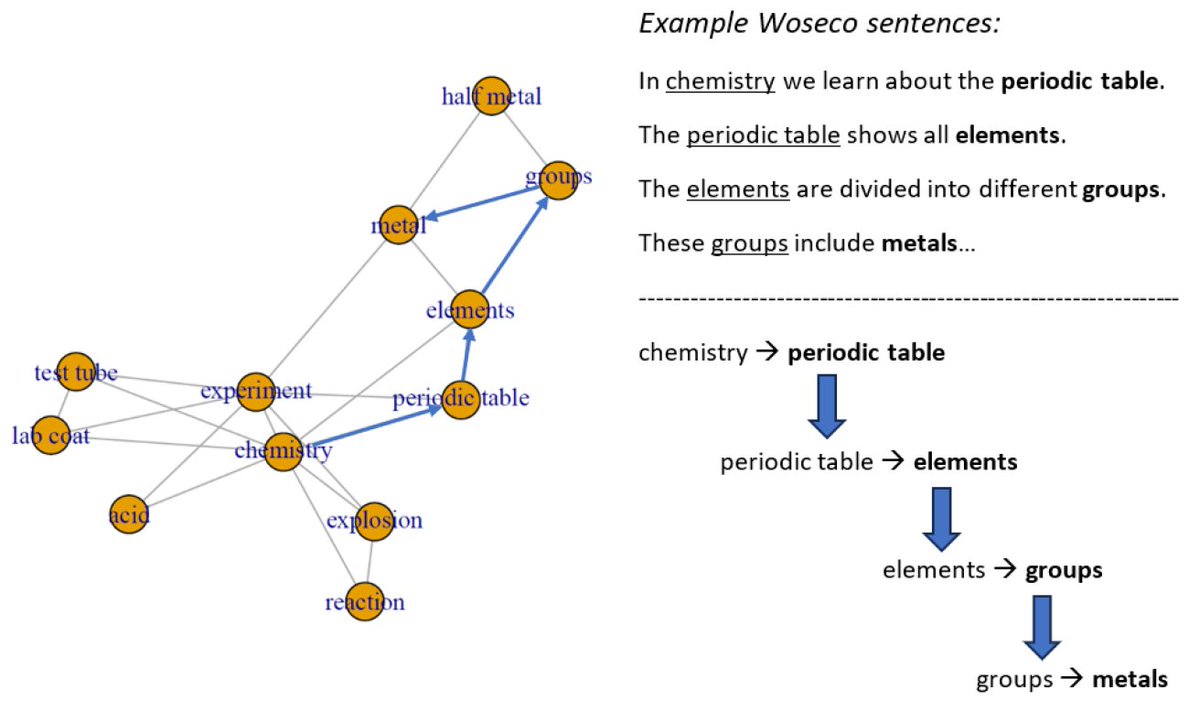
Thrilled to announce our latest publication on #scientific_creativity🤩! We investigate the Woseco task as a novel method to map creative thinking through semantic networks. Check out our paper with my co-authors @ialnilc @Roger_Beaty @MassimoSt psycnet.apa.org/record/2025-…
4
6
430
9 Dec 2024
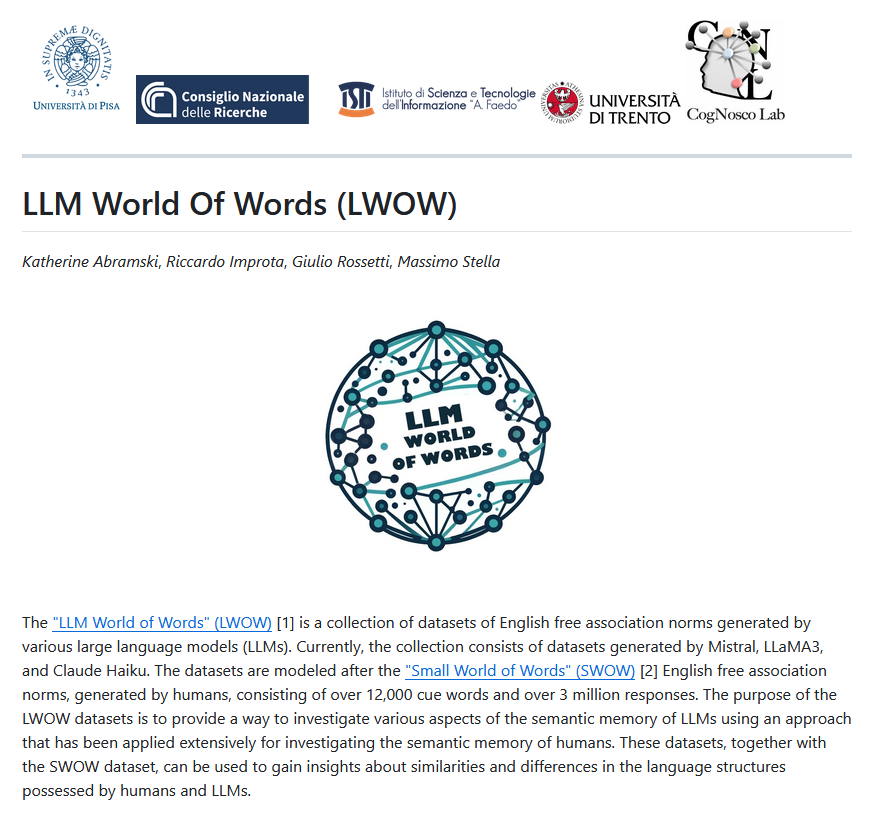
😍Announcing LWOW - the LLM World of Words data repository for free associations, by @katie_abramski (lead author), Riccardo Improta, @GiulioRossetti and myself (co-last w. Rossetti).
github.com/LLMWorldOfWords/L…
With 3 mil. responses for free associations from Mistral, Llama3 ...
1
8
16
752
9 Dec 2024
...and Haiku, #LWOW mirrors the SWOW data repository, coordinated by S. De Deyne @5i111011 and other international researchers.
👇
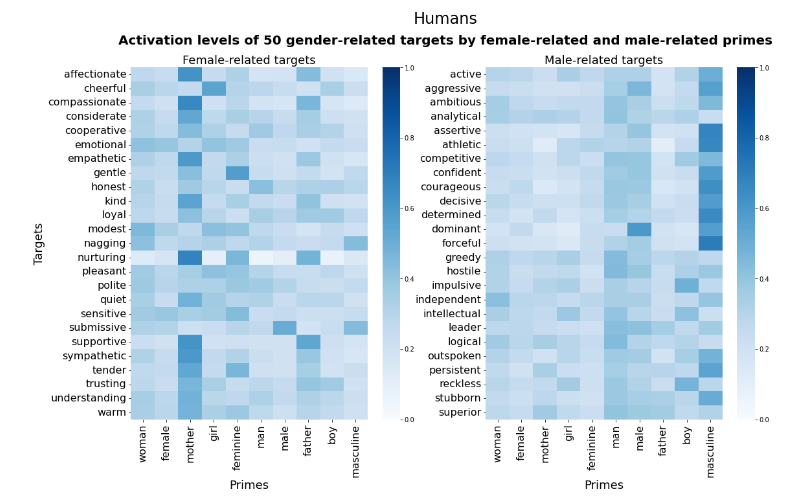
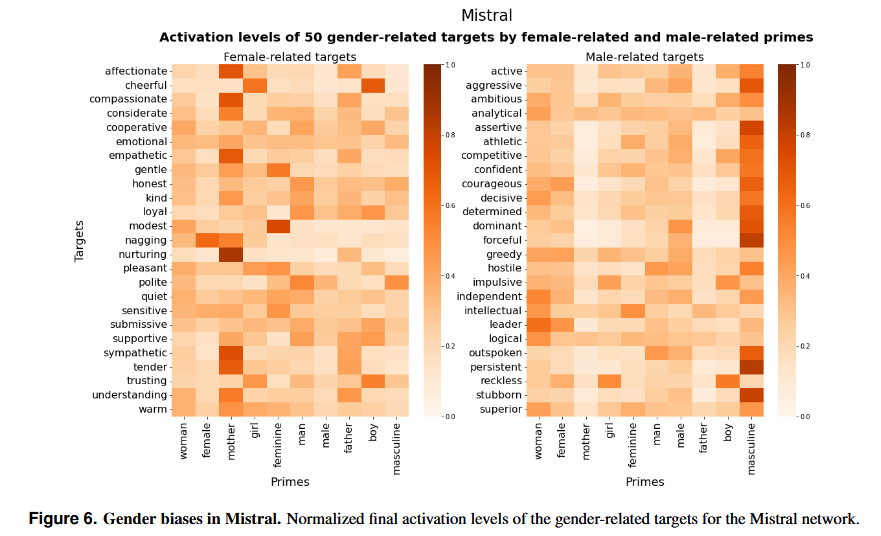
In the presenting white paper here on ArXiv - arxiv.org/abs/2412.01330 - we show how free associations can be used to highlight #gender #bias.
1
2
132
9 Dec 2024
The platfom will keep growing in the future as we are working on massive simulations of larger #LLMs. Send us an email if you want to get in touch and/or provide feedback on the preprint!
@UniTrentoDIPSCO @kdd_lab @IstiCnr_It @Unipisa
4
170