Mauri lab based @UCL. Our research interests include B cells, regulatory B cells and their roles in autoimmune disease and cancer. #lupus #arthritis #cancer

Joined March 2016
76 Photos and videos
Pinned Tweet
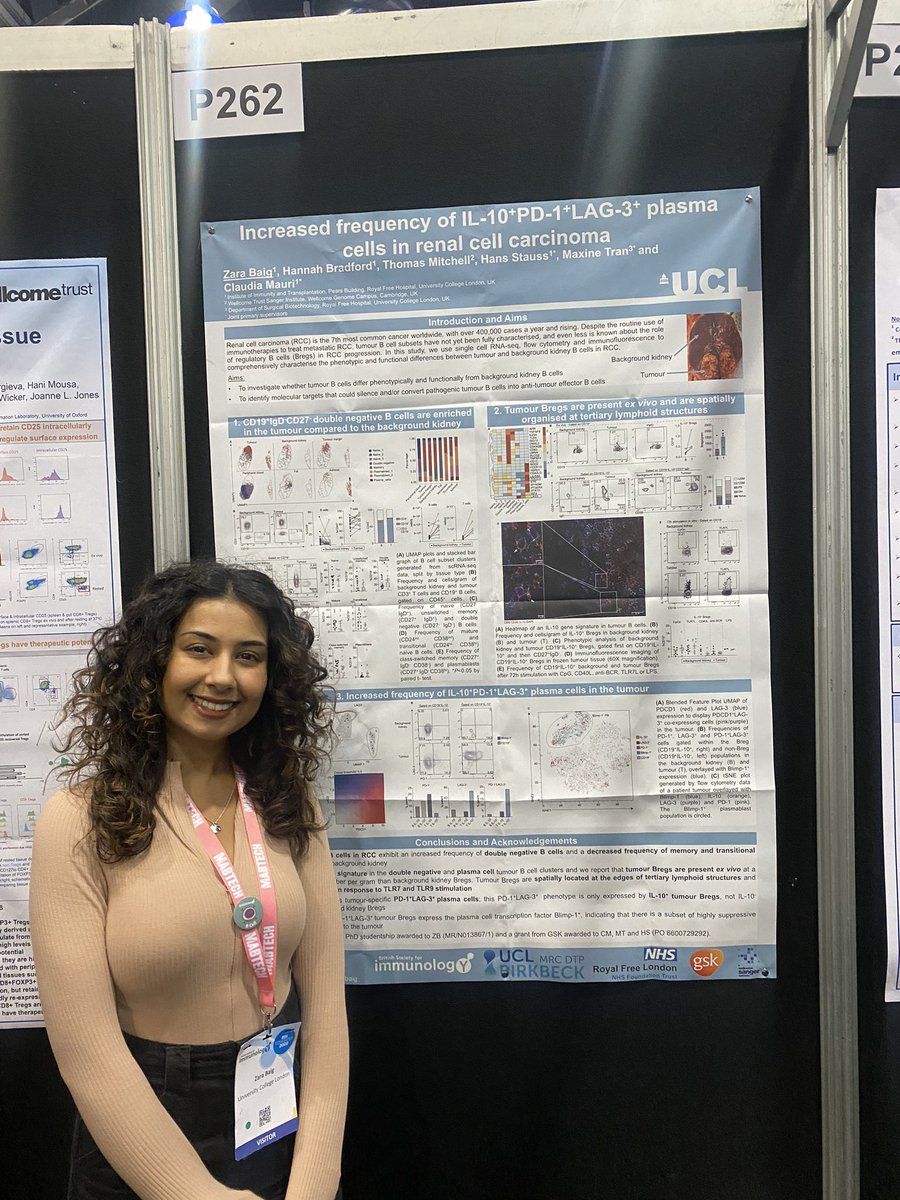
Thrilled to share our new preprint! 🎉 We uncover a novel subset of double negative (DN1) Bregs expanded in RCC, located within immature tertiary lymphoid structures, that suppress cytotoxic T cell activation. Led by @DrZaraBaig & Izzy, with support from all our collaborators.
Tumor-infiltrating CD27-IgD- regulatory B cells suppress cytotoxic CD8 T cell responses in renal cell carcinoma biorxiv.org/content/10.1101/… #biorxiv_immuno
2
3
16
969
Mauri Lab UCL retweeted
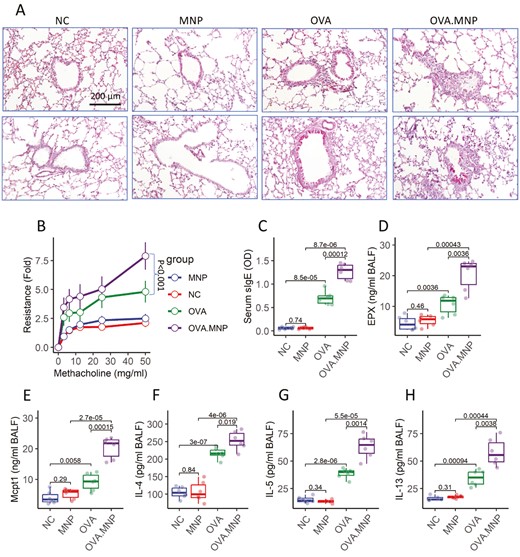
Environmental pollution may worsen asthma 🌍 This research shows that 3-methyl-4-nitrophenol (MNP) promotes ER stress in airway epithelial cells, driving oncostatin M → macrophage TNF-α → increased allergic inflammation. 🔗 doi.org/10.1093/cei/uxae078 #Immunology #Asthma
2
2
128
Mauri Lab UCL retweeted
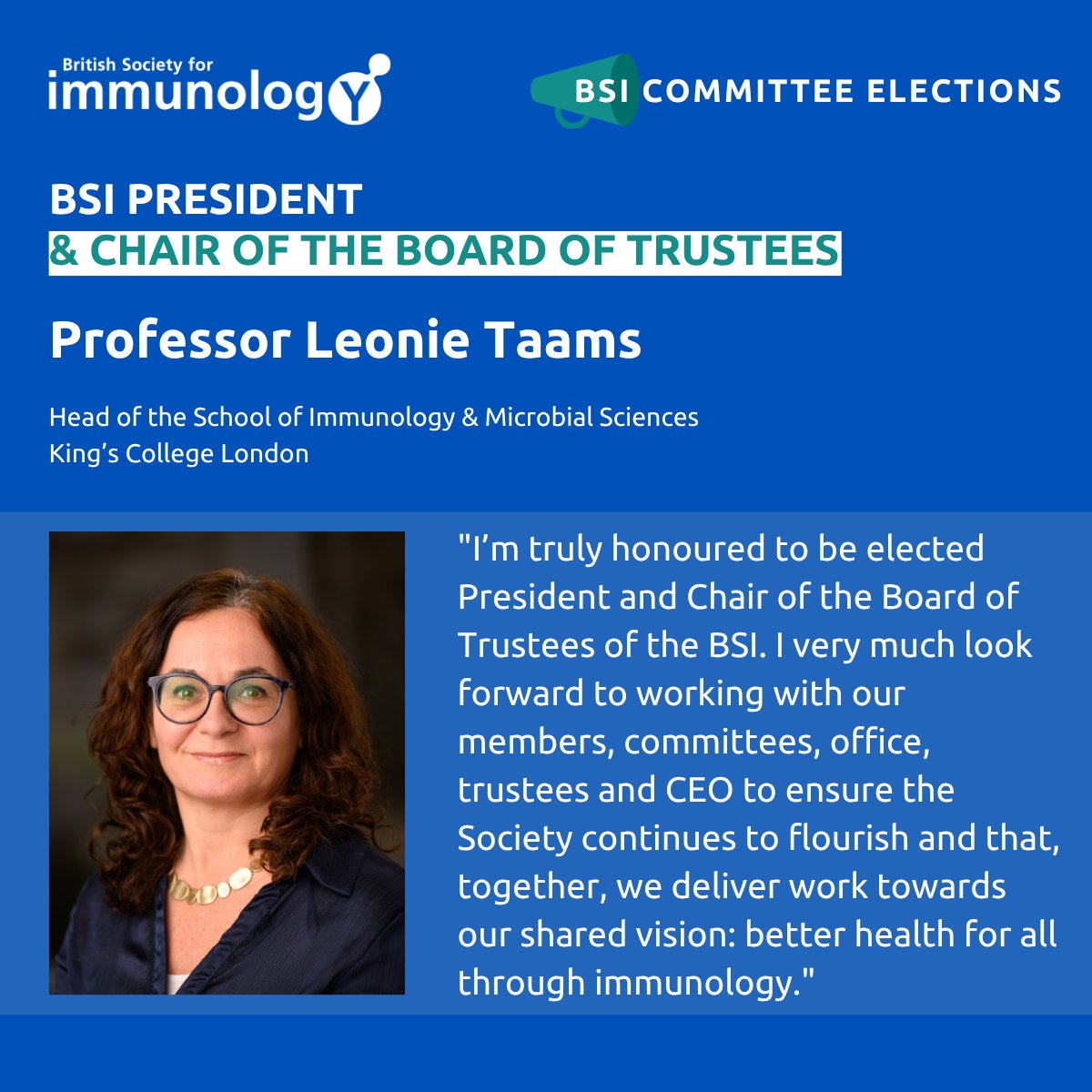
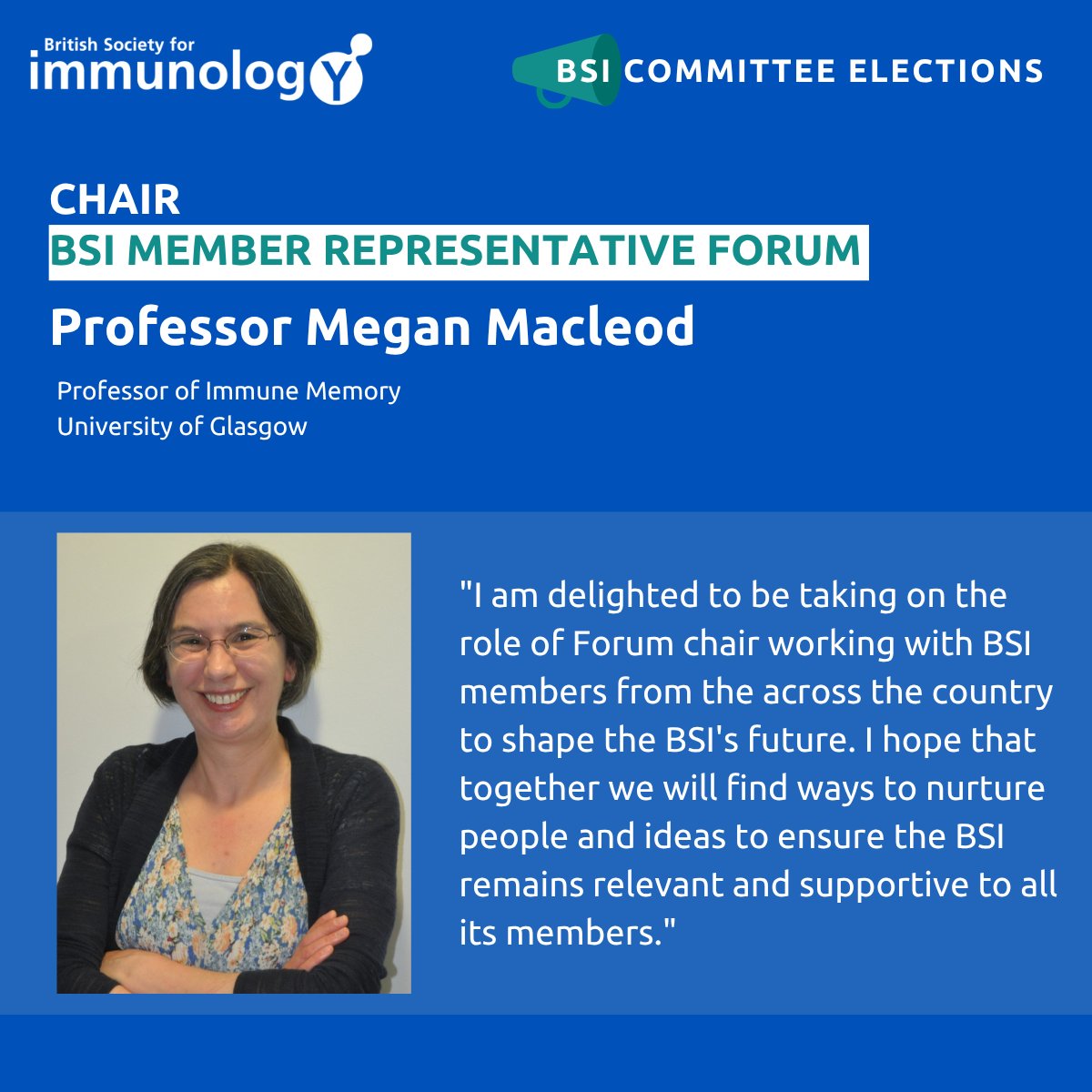
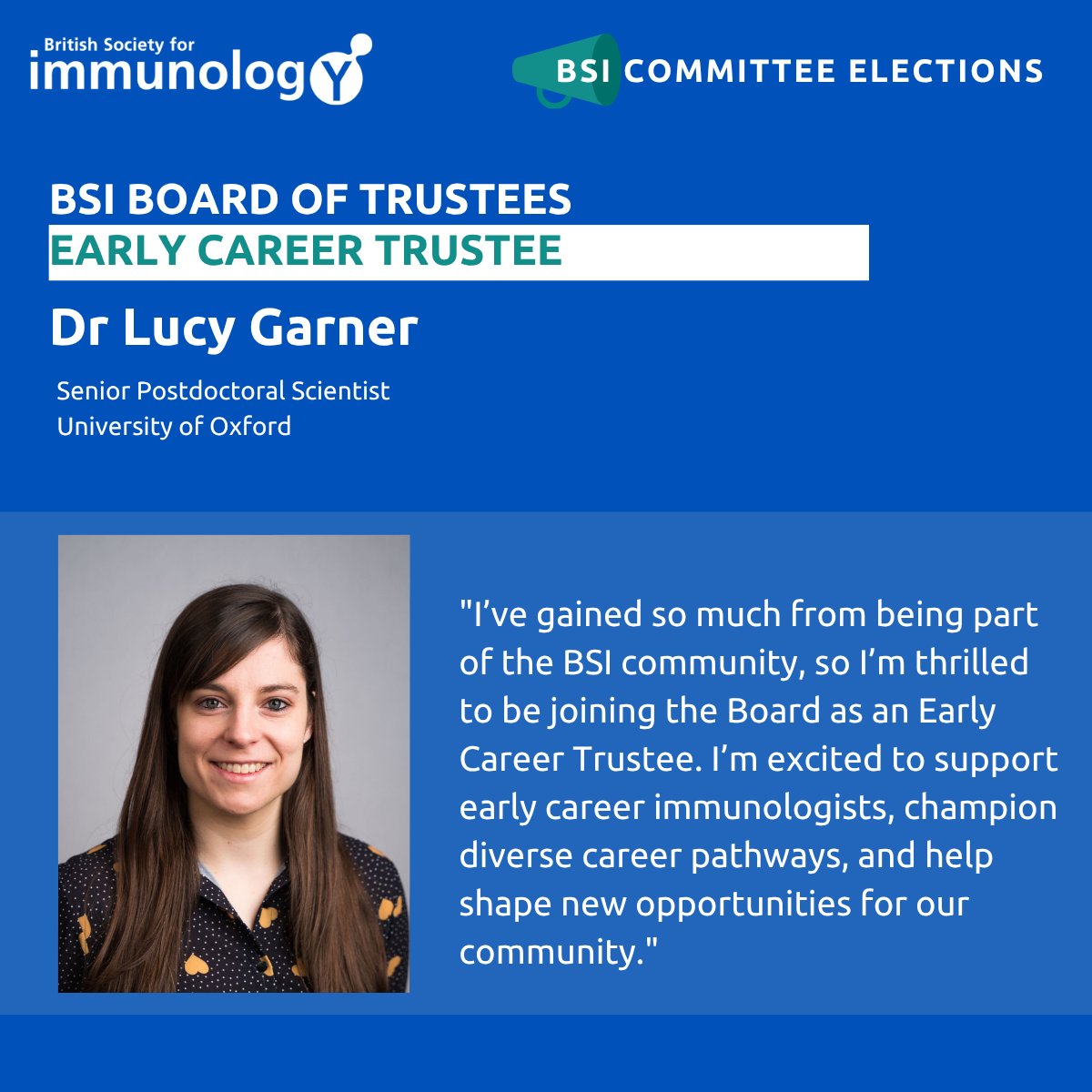
A huge thank you to everyone who took part in the 2026 BSI elections! We're pleased to welcome our newly elected committee members and trustees, who will help guide and support the Society's work over the coming years. Meet the successful candidates 👇
1
2
12
1,432
Mauri Lab UCL retweeted
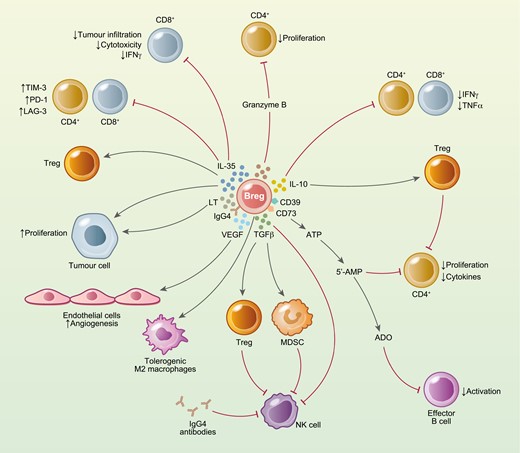
📸 Mediators of #Breg induction in the tumour microenvironment Here, researchers at @QMULBartsTheLon discuss the heterogeneity of #Bregs, cellular interactions they make with other immune cells & the tumour, and how they enable tumour escape ➡bit.ly/3DAlhco
1
2
198
Mauri Lab UCL retweeted
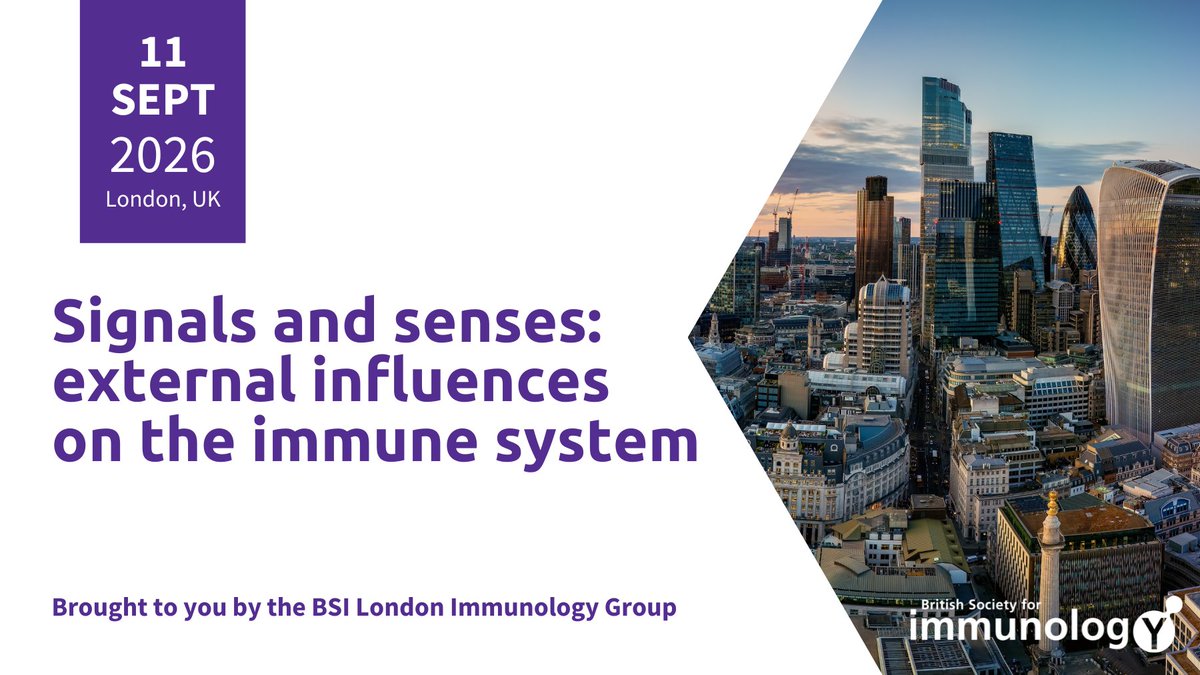
Join us in London this September to explore how environmental signals shape immune responses, with speakers including Yasmine Belkaid, Petter Brodin and more. 📅 Abstract deadline: Monday 29 June 2026 🎟️ Register early to save! Learn more: vist.ly/54ad6
1
4
335
Mauri Lab UCL retweeted
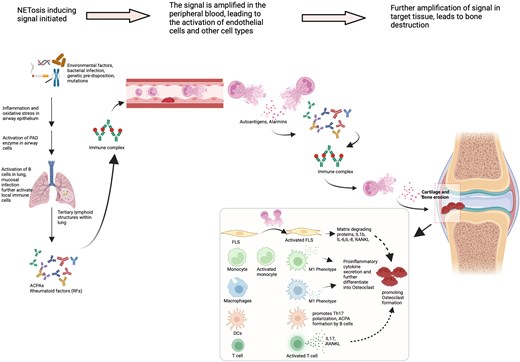
Neutrophil extracellular traps (NETs) are emerging as both biomarkers and drivers of rheumatoid arthritis, linked to disease activity, treatment response and key pathogenic pathways. Targeting NET formation could open new therapeutic avenues in RA. doi.org/10.1093/cei/uxag011
1
5
318
Mauri Lab UCL retweeted
Open‑access review shows how immunotherapy has transformed advanced melanoma treatment, with many patients now likely cured, and highlights emerging options for those who don’t respond to current therapies. doi.org/10.1093/cei/uxaf073
1
2
152
Mauri Lab UCL retweeted
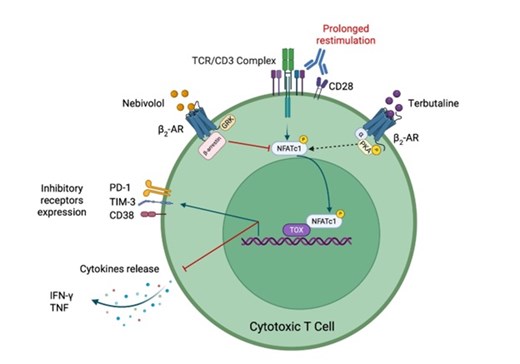
This new open‑access study shows the β‑blocker nebivolol prevents T‑cell exhaustion and boosts cytotoxicity against breast cancer cells via β₂‑adrenergic receptor–dependent signalling, highlighting a potential new immunomodulatory strategy. vist.ly/4zh43
2
2
258
Mauri Lab UCL retweeted
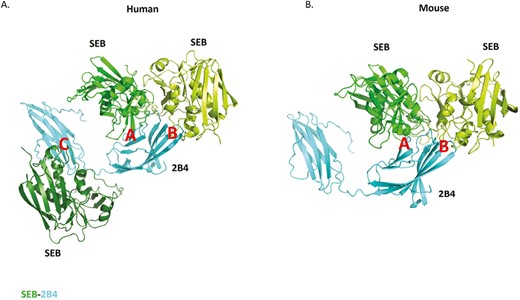
This study highlights 2B4 (CD244) as a key receptor driving Staphylococcus aureus–associated allergic inflammation. SEB binds and activates 2B4, amplifying eosinophil responses, pointing to a promising therapeutic target. 📄 bit.ly/4my2B1e
1
1
150
Mauri Lab UCL retweeted
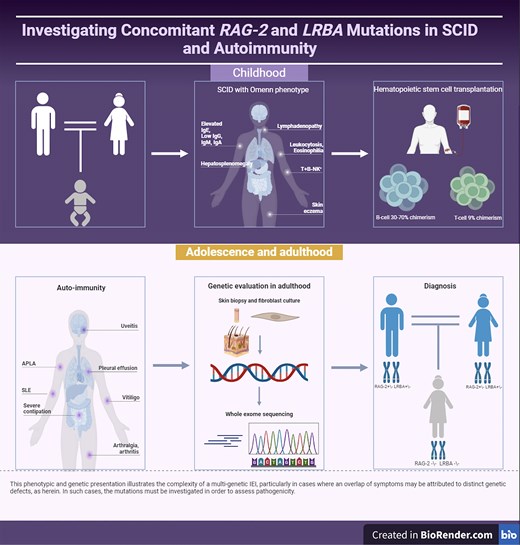
🧬 A rare SCID case highlights the complexity of inborn errors of immunity, showing how concomitant RAG‑2 and LRBA variants can coexist and why functional immunological testing is crucial when interpreting novel genetic findings, even years post‑HSCT. 👉 vist.ly/42fic
1
2
157
Mauri Lab UCL retweeted
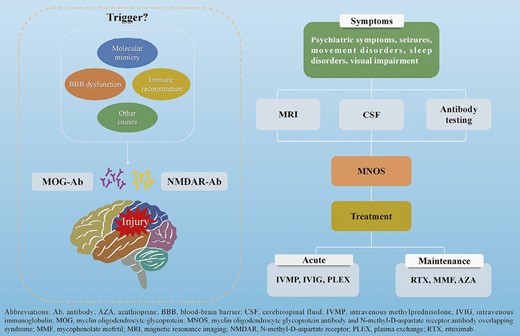
📢 Autoimmune overlap spotlight: MOG‑IgG and NMDAR‑IgG can coexist, causing MNOS, often presenting with psychiatric symptoms or seizures. Most patients respond to immunotherapy, but relapse risk is higher, making early recognition crucial. 🔗 doi.org/10.1093/cei/uxad109
1
2
141
Mauri Lab UCL retweeted
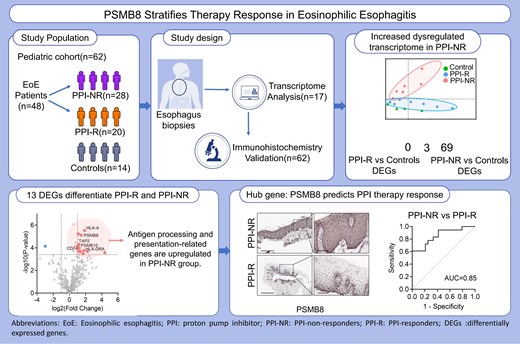
📢 New open‑access study identifies PSMB8 as a biomarker predicting proton pump inhibitor response in pediatric eosinophilic esophagitis, supporting more personalized treatment decisions. 🔗 doi.org/10.1093/cei/uxag012
1
1
143
Mauri Lab UCL retweeted
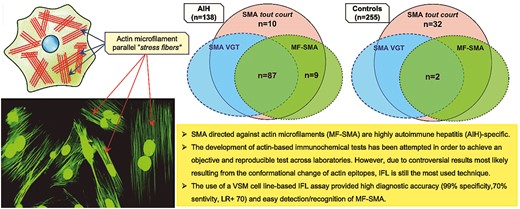
A simpler, highly specific way to detect AIH? This study shows that MF-SMA patterns on vascular smooth muscle cells are easy to recognize and match gold-standard specificity, offering a more reliable diagnostic approach. 🧬 doi.org/10.1093/cei/uxae051
2
3
163
Mauri Lab UCL retweeted
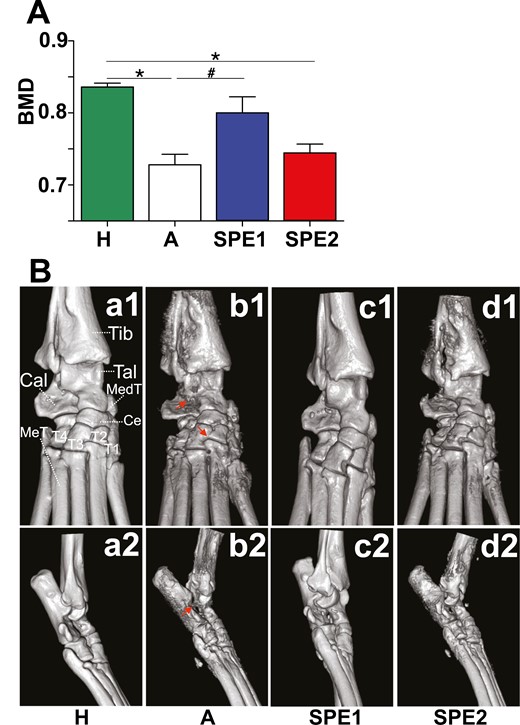
Early splenectomy delays inflammation and reduces joint damage in a mouse model of autoimmune arthritis, highlighting a surprising protective role when done at early stages. 🧬 doi.org/10.1093/cei/uxae013 #Immunology #Autoimmunity #Arthritis
1
2
225
Mauri Lab UCL retweeted
💡 How would you spark interest and conversation about #immunology? The BSI Communication & Engagement Grant supports new engagement projects - any format, any audience. Up to £1,000 available! #PublicEngagement Deadline: 1 June 2026. Apply here: bit.ly/3Y9j8gm
1
4
478
Mauri Lab UCL retweeted
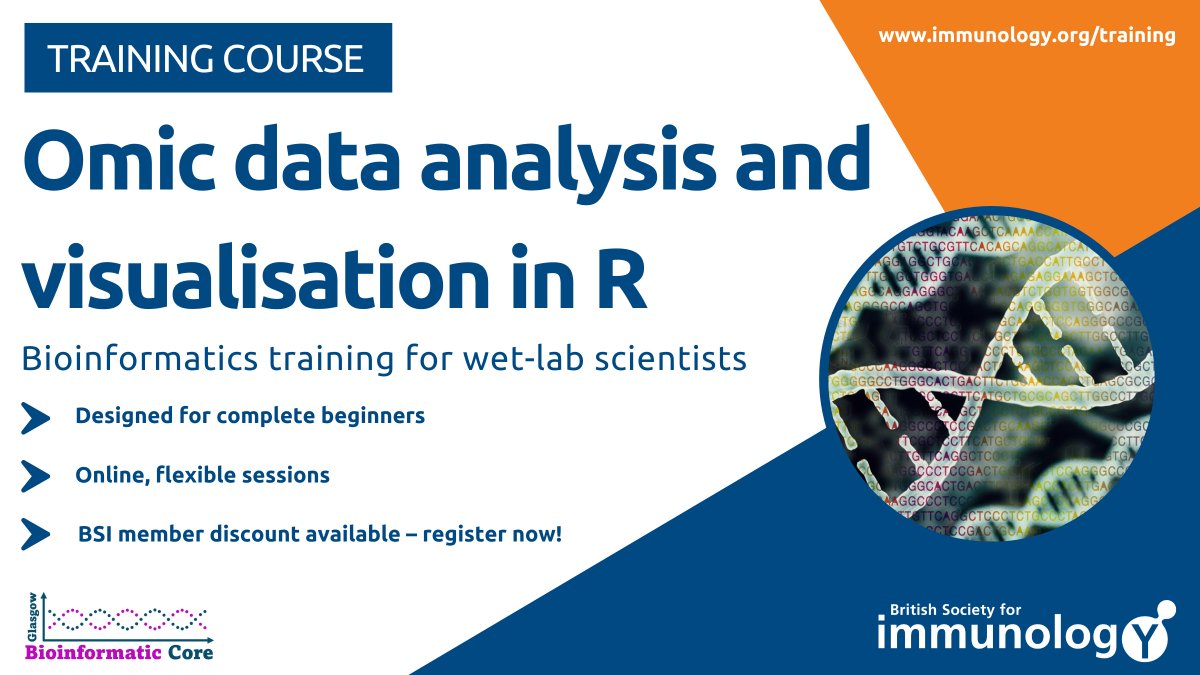
Struggling with #omics data in #R? Join our hands-on training designed for wet-lab scientists with minimal bioinformatics background. We've had over 3,000 participants and received a 9.5/10 rating. Secure your spot for Sept or Dec 2026: vist.ly/53gdp
2
7
684
Mauri Lab UCL retweeted
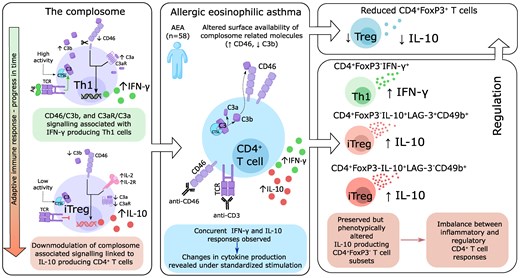
🫁 #WorldAsthmaDay Open‑access research reveals how reduced IL‑10 from FoxP3⁺ Treg cells in allergic eosinophilic asthma may be partially compensated by CD46‑driven FoxP3⁻ IL‑10⁺ regulatory T cells, shedding light on immune balance in asthma. 👉 doi.org/10.1093/cei/uxag017
7
16
1,216
Mauri Lab UCL retweeted
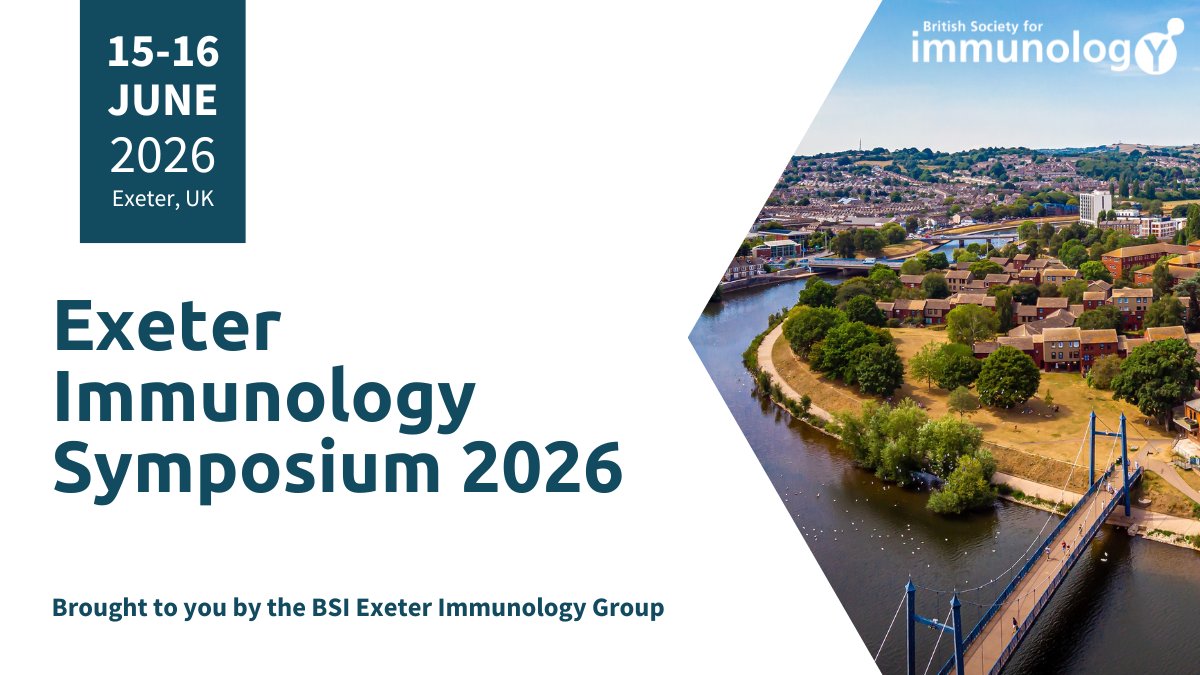
Are you an Early Career Researcher working in immunology? #EIS26 The BSI Exeter Immunology Group is hosting a symposium this June with a strong ECR focus, offering a great opportunity to connect and share ideas. Submit an abstract to get involved 📝 vist.ly/4z7m2
3
4
351
Mauri Lab UCL retweeted
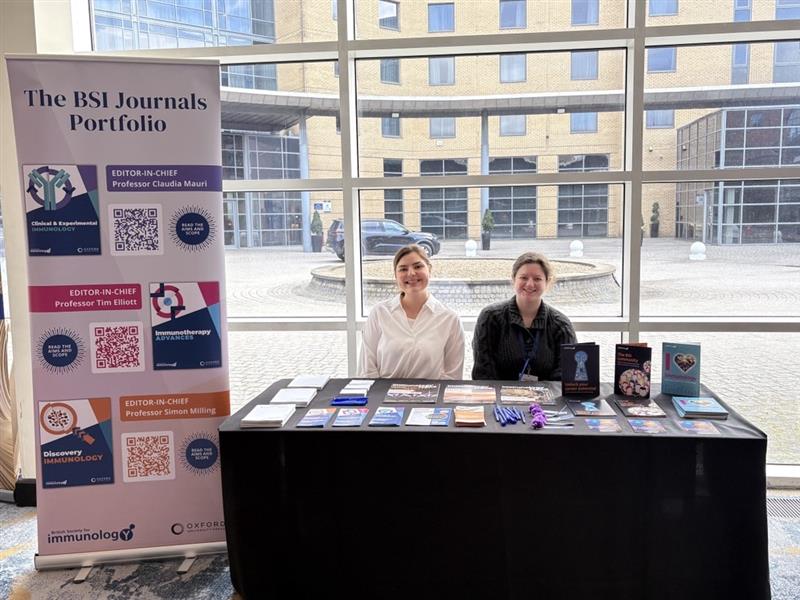
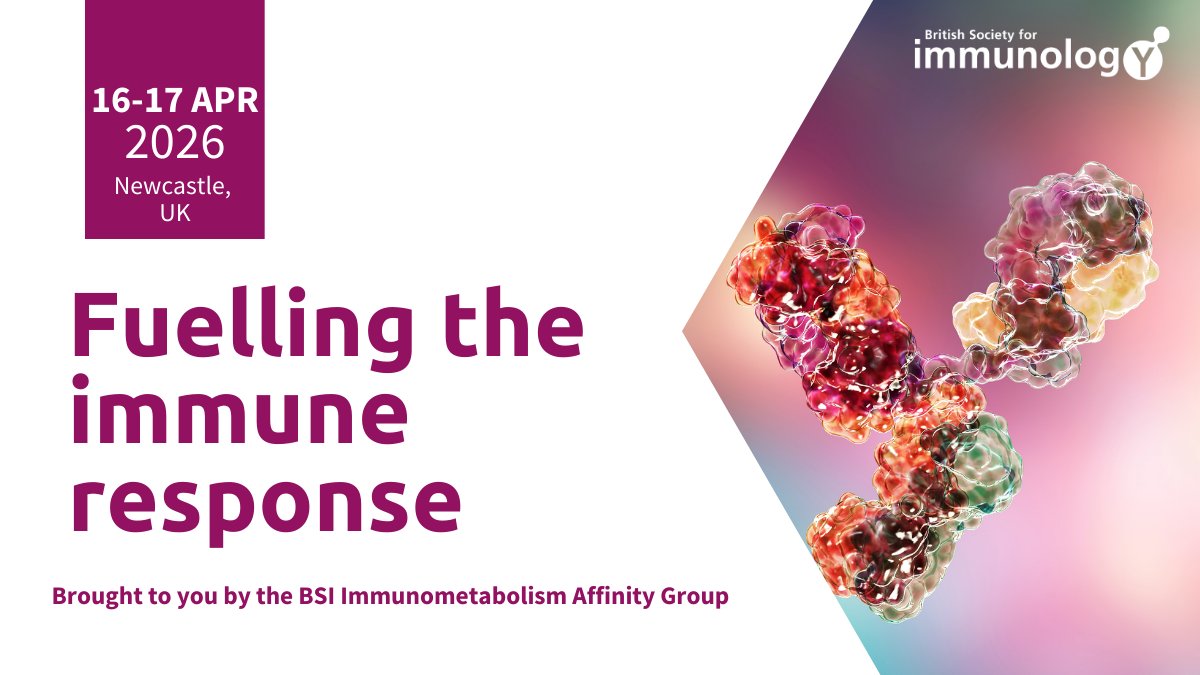
Hey #UKimmunomet26 attendees 👋 Come and say hello at the BSI stand! Chat with Laura Franklin (our Journals Manager) and Ellie Pearson (intern at the BSI) about our journals, how to submit your work, and the other opportunities we offer. We’d love to see you there!
1
3
742
Mauri Lab UCL retweeted
⏰ Early bird deadline: Thursday 2 April #UKimmunomet26 Hear from leading speakers across the UK, Europe and beyond at the UK’s top immunometabolism meeting. Plus dedicated networking and a conference dinner to connect with peers. Register now to save: vist.ly/4wr6t
1
1
211
Mauri Lab UCL retweeted
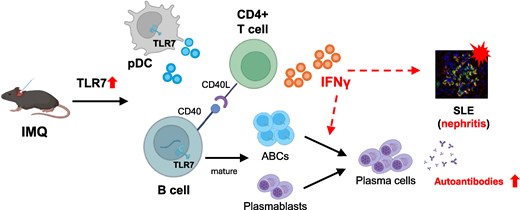
IFNγ from activated CD4⁺ T cells plays a key role in driving lupus by promoting B‑cell differentiation and autoantibody production. Mice lacking IFNγ showed reduced symptoms, highlighting these cells as a potential therapeutic target. doi.org/10.1093/cei/uxaf079 #Immunology
2
5
258