
CEO & Co-founder @ Legora
Joined August 2023
- Tweets 70
- Following 31
- Followers 5,353
- Likes 9
51 Photos and videos







Pinned Tweet

Apr 1
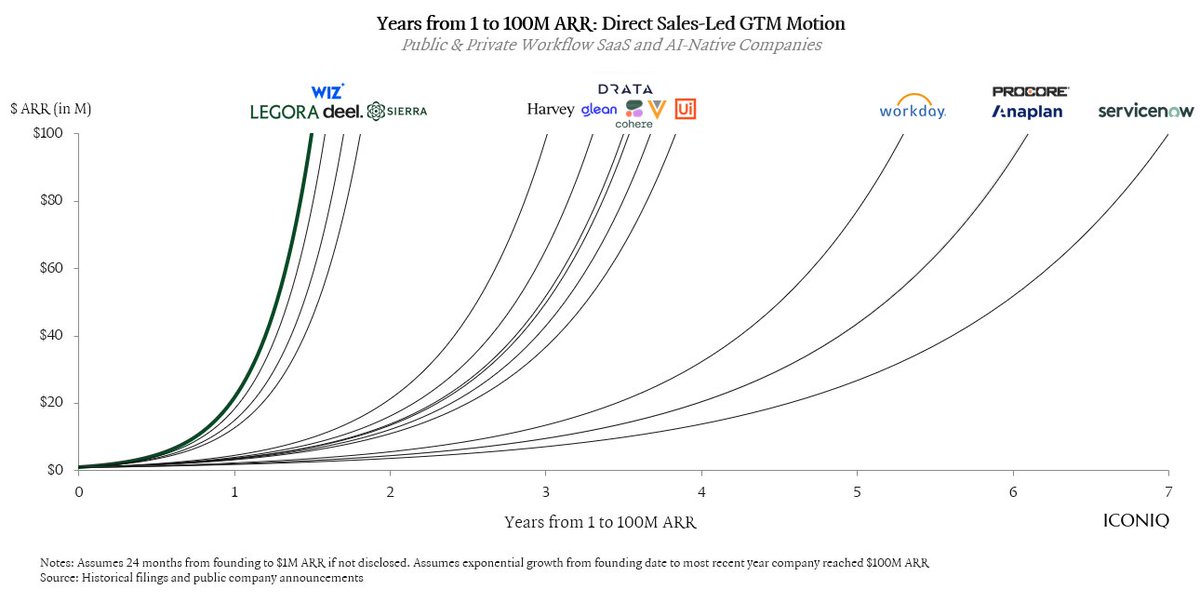
I want to take a moment to recognize a gravity-defying achievement by the entire @WeAreLegora team.
We have grown from $1M to $100M in annual recurring revenue in just under 18 months.
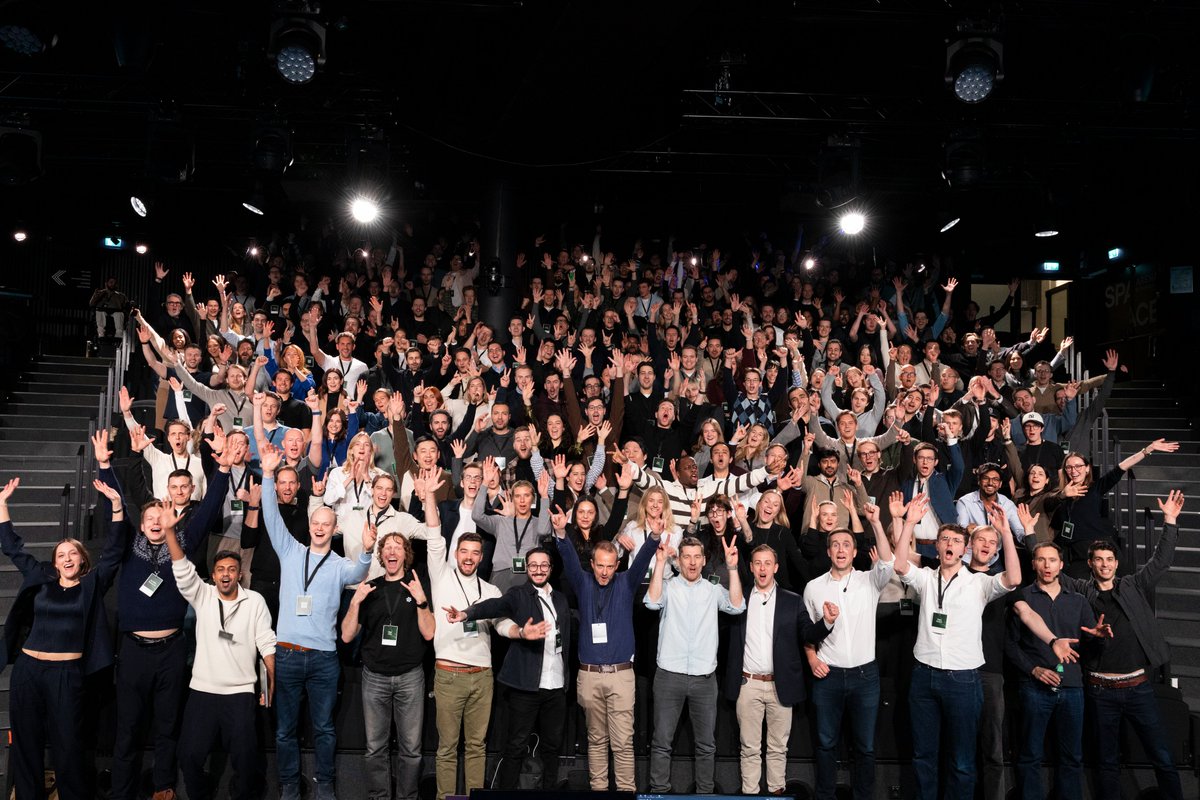
In this time, we've grown into a truly global company with over 400 colleagues - and built the platform where legal work happens. Powering more than 1,000 teams worldwide.
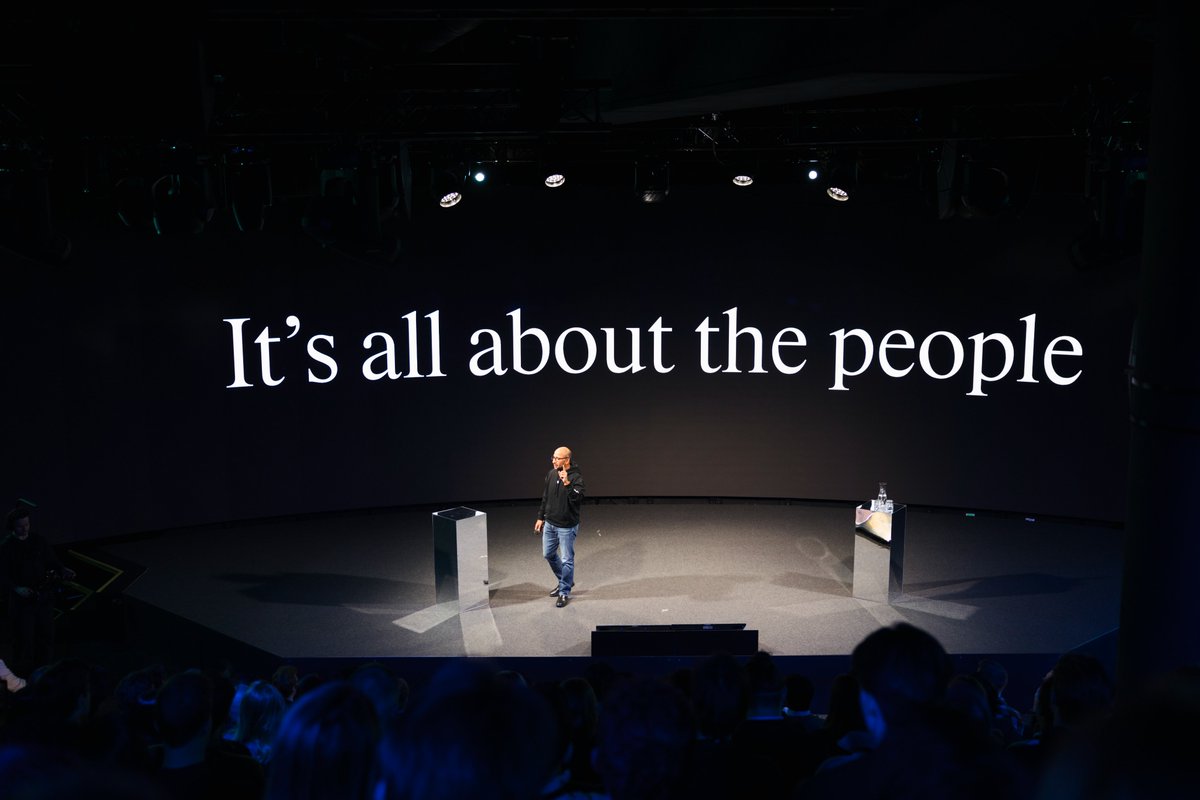
It is all about the people, and I couldn’t be prouder of the Legora team and thankful to our customers and partners.
This achievement is as much yours as it is ours.
34
33
323
232,674
Jun 12
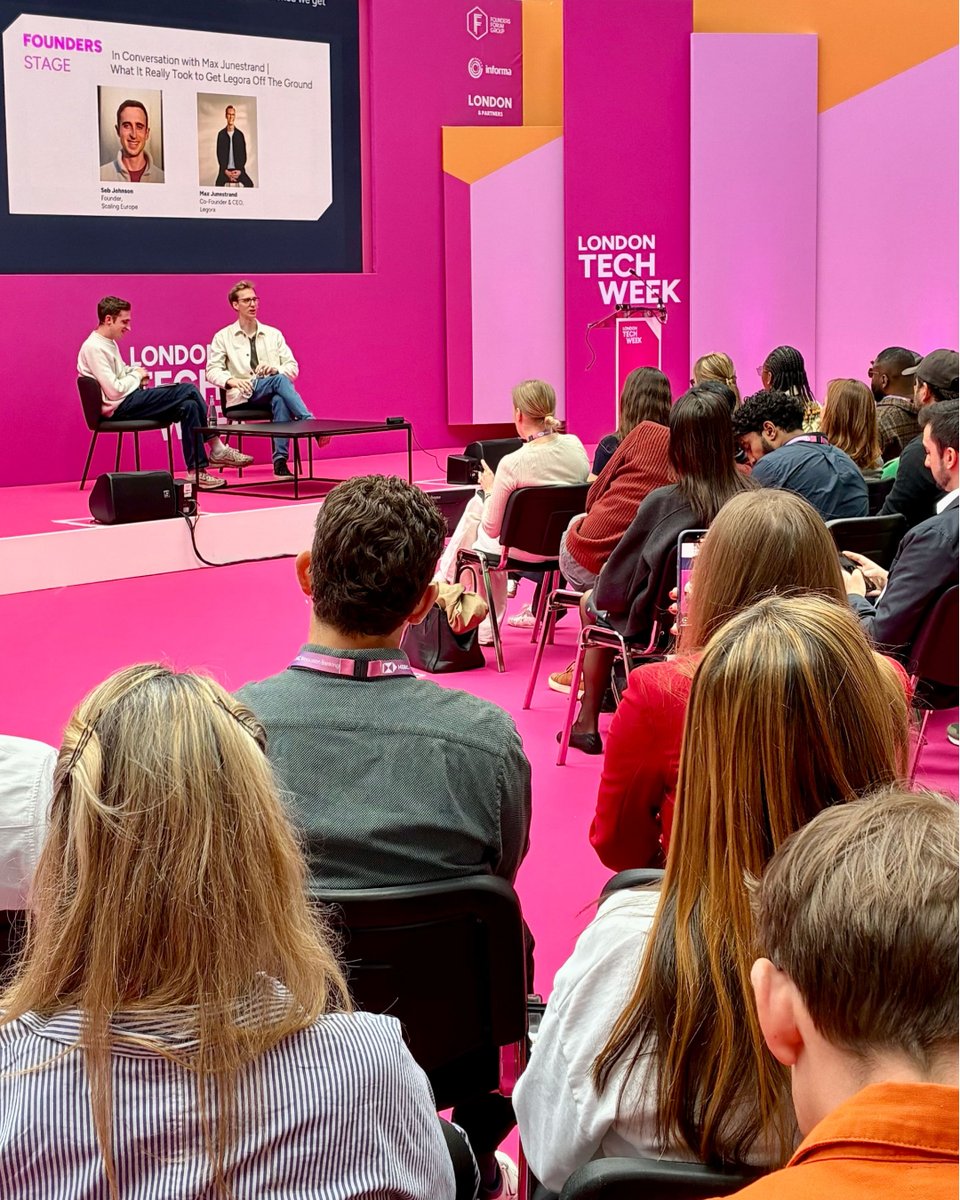
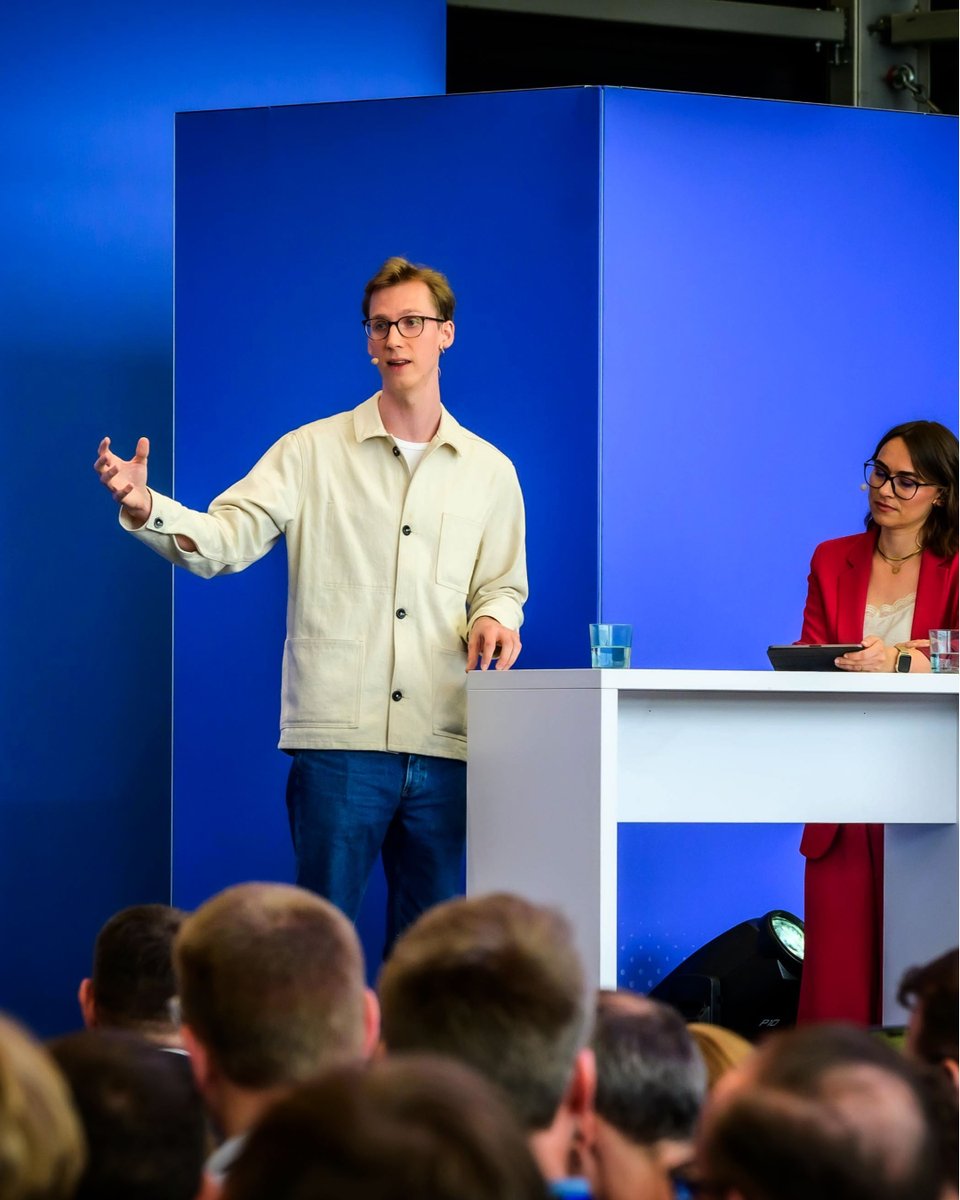
Landed back in NYC after a stretch across Europe visiting TECH by @handelsblatt, @sxswlndn and @LDNTechWeek.
Europe is building category-defining companies in applied AI. The talent is world-class, the ambition is real, and the best founders here are thinking globally from day one. The ones who win are the ones who go for the category, not the niche.
We started @WeAreLegora in Stockholm three years ago with exactly that conviction. Three years in, with $100M ARR, 1,200 firms across 50 markets, and a team expanding across four continents, that bet is paying off.
Thanks to TECH, SXSW and London Tech Week for having me.
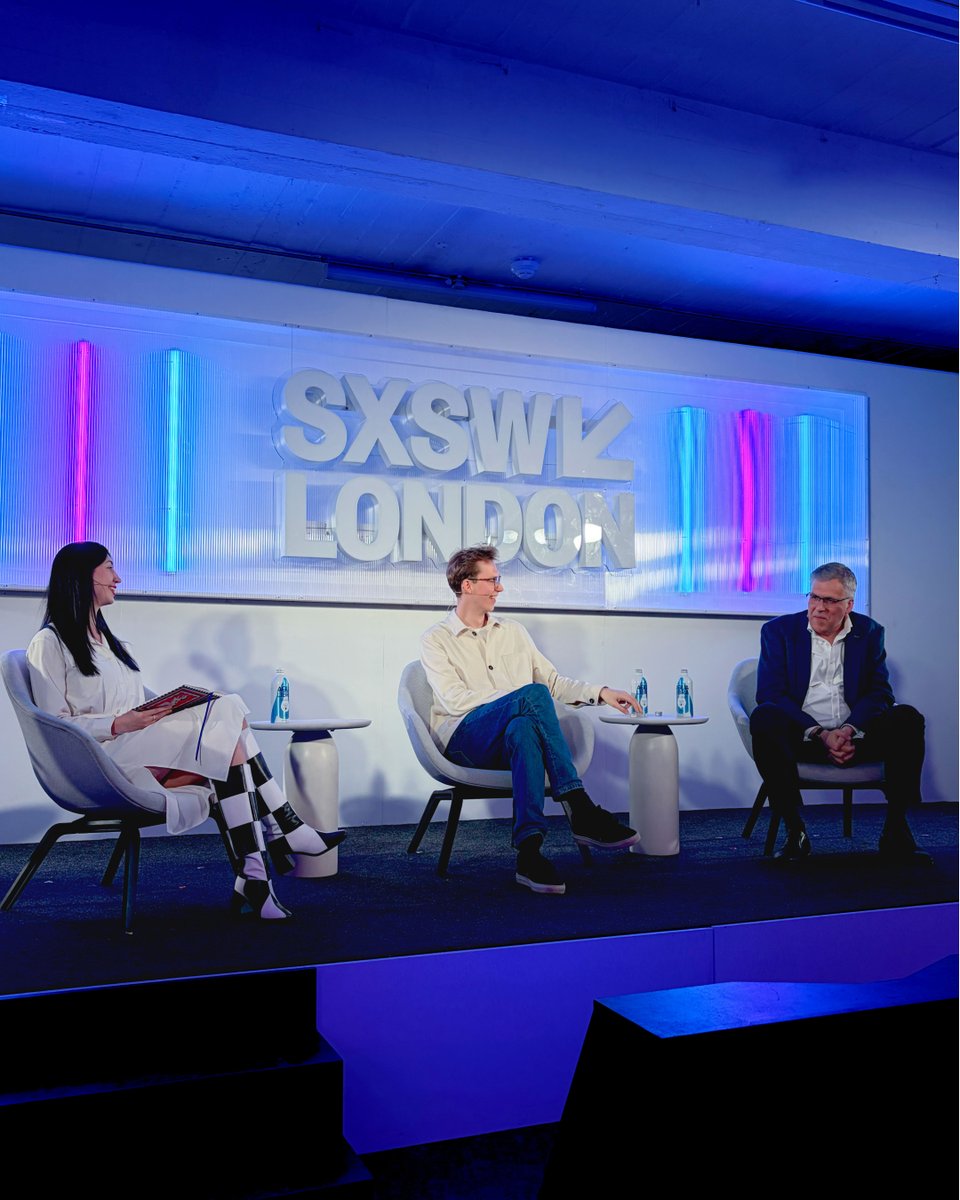
14
899
Jun 11
Yesterday I joined @CNBC Squawk Box Europe to talk about what's really happening in the legal industry right now.
This isn't disruption in the traditional sense. It's expansion. With our technology, more legal services are being done, not fewer. But the way they're delivered is changing fundamentally.
We're seeing our clients hire more lawyers. Organizations are rethinking how they price themselves, how they staff matters, and what it means to do great legal work.
@WeAreLegora exists at the center of that shift. Our EMEA expansion across Madrid, Paris and Italy reflects this growth in demand, and our conviction that the teams moving now are the ones that will define what the furure of legal work looks like.
Thanks to CNBC for having me.
3
5
43
10,136
Jun 10
Today we're opening offices in Madrid, Milan, and Paris, and building a dedicated engineering hub in London.
The demand came before we did. Organisations across Spain, Italy, and France were already running @WeAreLegora on their most complex work before we had a single person on the ground there. When customers adopt you in a market you haven't entered yet, you listen.
These are markets that sit at the centre of European M&A, infrastructure, and cross-border regulatory work. The matters are hard, and the demand for AI that can actually handle that complexity is real. That's the work we're built for.
London becomes the third pillar of our engineering org, alongside Stockholm and New York. The engineers who understand how AI applies in regulated, professional settings are concentrated there, shaped by proximity to some of the most demanding legal and financial institutions in the world. That's exactly the problem we're solving, and exactly the team we want building it.
Sixteen cities. Four continents. Seven hundred EMEA hires in the next 6 to 12 months. All of it pointed at one thing: making lawyers 10x better at what they do.
To be part of it, take a look at legora.com/careers
8
16
173
66,454
Jun 9
Today we are announcing a collaboration with @Wolters_Kluwer Legal & Regulatory US (LRUS), bringing their trusted coverage of US statutory and regulatory law into @WeAreLegora.
With the Wolters Kluwer Legal & Regulatory US partnership, you get continuously updated US statutory and regulatory law in one place inside Legora. A new executive order drops – you can query the text, run an impact assessment against your client's documents, and have a deliverable ready, without ever switching tabs. That's what it means to build for how legal, compliance, and regulatory teams actually work.
I'm excited to work with LRUS to bring trusted, managed US statutory and regulatory law into our solutions and continue our mission.
Let's build.
Full story: legora.com/newsroom/legora-b…
3
1
35
4,696
Jun 2
Interpreting law is one of the oldest jobs in the world.
I've been thinking about that a lot lately: what it means to take something so foundational to how societies function and rebuild it for the age of AI. Not incrementally. Not with a smarter search bar. From the ground up.
That's what we're doing at @WeAreLegora.
The way I see it: every new model release raises the tide. What feels like frontier capability today becomes the baseline tomorrow. Most tools are built for the tide that already came in. We're building for the next one, and the one after that.
Legora is an agentic operating system for legal work. Legal teams can plan, execute, review, and complete complex matters end-to-end. Not one task at a time, but as a full suite that follows legal work wherever it happens. Law firms. In-house teams. The industries that generate the most complex legal work in the world.
Our bet is to build the boats for everyone else. With partners like @AnthropicAI, we're shaping what the industry looks like when the next tide comes in. The large models provide the raw capability. Legora is what turns capability into real, end-to-end value for legal teams: the workflows, the context, the institutional knowledge that makes AI actually usable in practice. That's where the differentiation lives, and that's what our clients feel every day.
I shared more about this in The Problem Solvers – Anthropic's series featuring founders working on hard problems with @claudeai.
youtube.com/watch?v=bjrmYsFa…
3
3
39
6,251
Jun 2
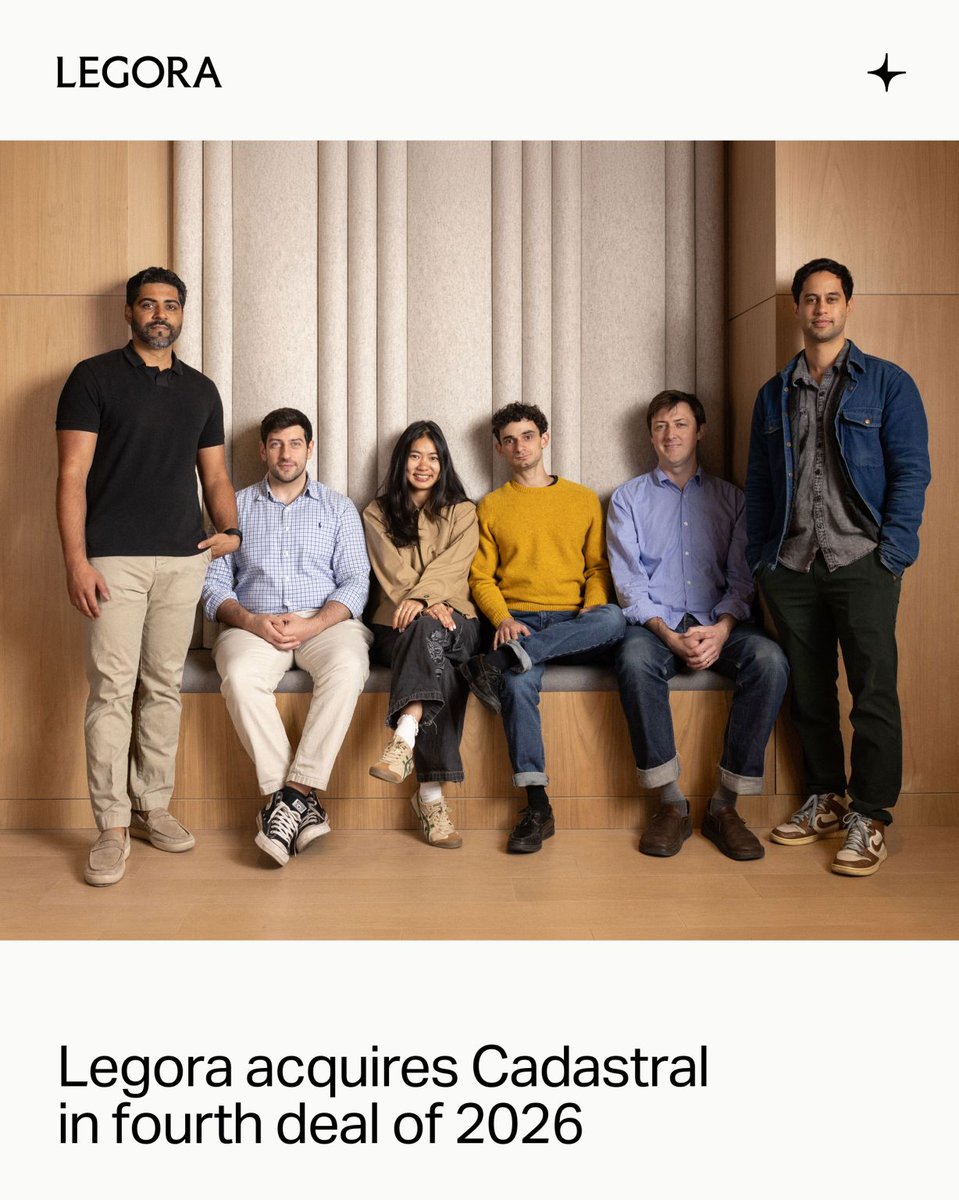
Today, I'm excited to announce that @WeAreLegora has acquired Cadastral.
Cadastral is an AI agent platform built specifically for commercial real estate, trusted by JLL, AvalonBay, Equity Residential, and Empire State Realty Trust. In just over a year, they've signed 50 firms and grown revenues by 40% per month on average.
Why CRE? Because it may be the most legally intensive industry on earth. Acquisitions. Leases. Refinancings. Disputes. Every deal produces a wall of documents that demands precision. Legal teams here have never had AI built for them, until Cadastral.
Co-founders Abe Somani and Aman Dhesi and their NYC engineering team are joining Legora, and planting the flag for our first major US engineering hub. We're building toward 200 people in New York and 300 across North America by end of 2026.
This is our fourth acquisition this year. The thesis is consistent: Legora is an agentic operating system for legal work wherever that work happens. Law firms. In-house teams. And now the industries that create the most complex legal work in the world.
CRE is next. It won't be the last.
Welcome, Abe, Aman, and the Cadastral team.
Full story:
legora.com/newsroom/legora-a…
10
9
237
84,250
May 26
Today we're announcing new offices in Singapore and Tokyo. Combined with Sydney, @WeAreLegora now covers the full breadth of Asia-Pacific.
Here's why:
Japan is one of the largest legal services markets in the world by revenue – and it's in the middle of a structural M&A boom that connects directly to the US corridor we already cover. We already have customers there. The Tokyo office puts us at the center of that flow, serving both the international firms advising on outbound Japanese transactions and the domestic firms handling the inbound.
Singapore is where the Magic Circle and leading US firms base their APAC headquarters. For global firms doing cross-border legal work across the region, it's the natural entry point – and we already have several of those firms as customers.
The APAC legal services fee pool rivals the EU in scale. We've been building here since opening in Sydney in 2025. @minterellison, @AllensLegal, @hsfkramer, and others are already on the platform.
Now we're taking the next step. If you want to be part of what we're building – legora.com/careers.
7
10
151
61,579
May 21
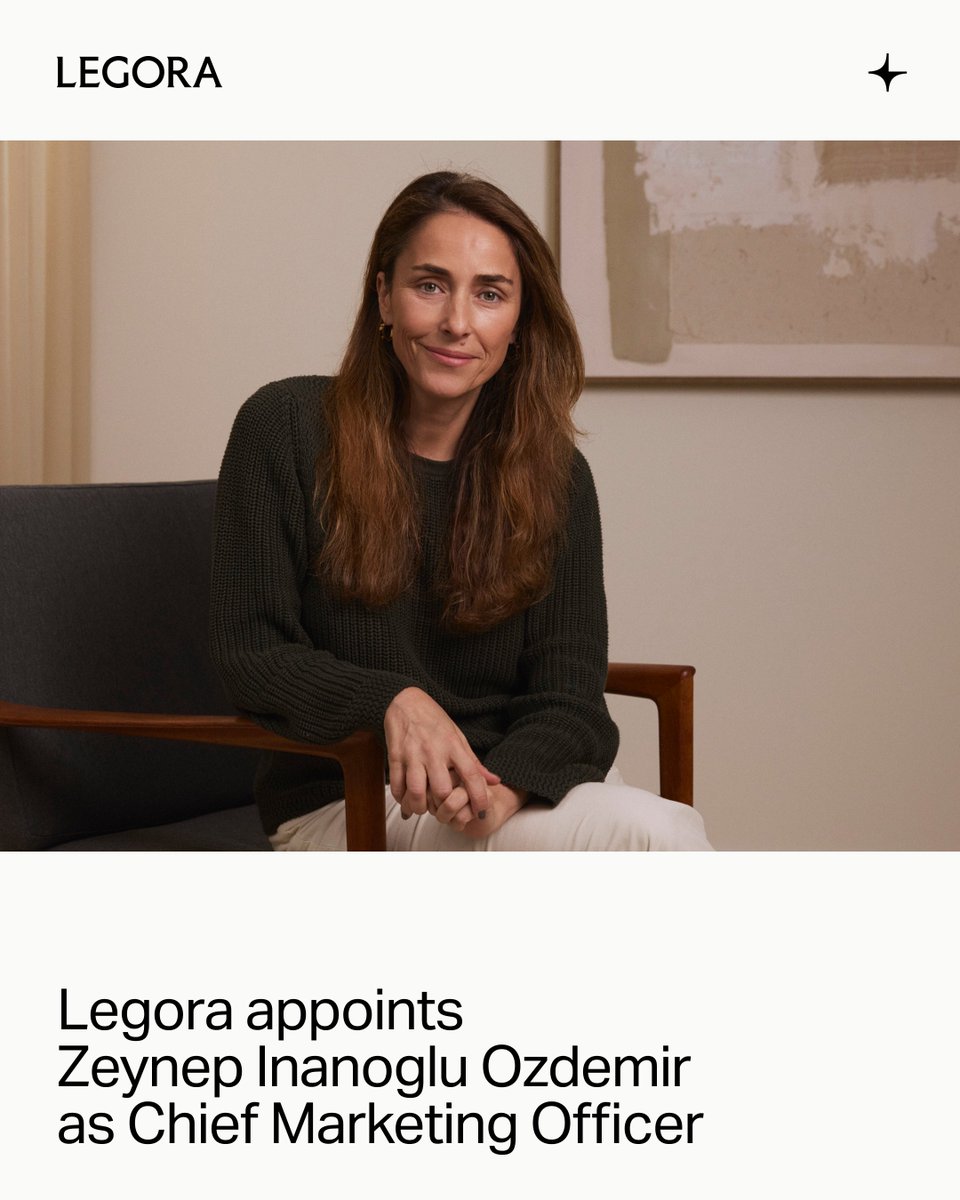
Excited to announce that @zeynepinanoglu is joining @WeAreLegora as our Chief Marketing Officer.
Zeynep ran marketing at Atlassian — a 450-person marketing org at USD 6B ARR. Before that, she was CMO at Palo Alto Networks, where she helped take the company through a 5x increase in market cap while defining entirely new categories from scratch. Those numbers are rare. But what impressed me the most in our conversations was something harder to find: she thinks like a builder. She's led PLG motions with direct revenue accountability. She's operated at scale without losing the instinct that makes great marketing actually work.
One more thing: she has a PhD in Machine Learning from Cambridge. Half the marketing industry is still figuring out what AI means for their function. Zeynep has been sitting with those questions for a long time.
She's coming in to lead an already exceptional team. The Legora marketing org have shown the world what B2B AI marketing looks like when you genuinely believe in what you're building — the Jude Law campaign alone got global recognition most B2B companies would never dream of.
Legora now has more than 100,000 users, 1,200 customers across 50 countries, and a real shot at defining what agentic law means for the world. Zeynep joins at the moment when that story needs to be told at scale.
Welcome, Zeynep!
Read the full story by @meliarobin at @BusinessInsider: businessinsider.com/legora-h…
6
13
131
35,094
May 18
M&A lawyers spend a huge chunk of their time not doing legal work, but managing files. Download from the data room. Upload to the AI tool. Repeat. Slow, manual, and every download is a security risk.
Today we're fixing that together with @DatasiteGlobal.
Deal teams can pull documents directly from Datasite data rooms into Legora – no exports, no re-uploads. Datasite's permissions carry through automatically. And Legora can surface key terms across thousands of documents in minutes, not weeks.
M&A lawyers have been asking for AI that meets them where the work actually happens. Not a tool they have to fight with. Just AI that works on the documents that matter, under the permissions they already have.
Proud to partner with Datasite to solve this problem.
Full story: legora.com/newsroom/datasite…
1
3
62
5,840
May 12
Claude for Legal is another signal that AI is a strong fit for legal work. Better foundation models will continue to improve what’s possible for legal professionals, and we welcome that progress and value our partnership with @AnthropicAI.
The LLMs are necessary to power this work, but insufficient on their own. Enterprise legal work requires far more than a capable model. It requires deep contextual understanding, auditability, integrations, ethical walls, confidentiality, different surfaces, and workflows tailored to the realities of legal practice. What's most important, however, is the enterprise-grade security and governance infrastructure. These are professional obligations governed by bar rules, firm policy, and in many jurisdictions, by law.
That's where a full legal stack platform like @WeAreLegora and the Legora aOS, play a critical role — turning horizontal LLMs into deep, vertical production-ready systems that legal teams can trust and deploy at scale.
A major part of that work is also as much human as it is technical. At Legora, we employ a large team of legal engineers, former practicing lawyers who work directly with customers to deploy AI at scale. They redesign workflows, drive change management, implement governance, and help legal teams operationalize AI across their organizations.
That combination of technological innovation, legal expertise, and enterprise-grade legal infrastructure is what ultimately drives customer impact.
20
12
199
22,991
May 12
Today, @bakermckenzie announced they're deploying @WeAreLegora across their global network.
Baker McKenzie started their AI strategy in 2017. They built an AI-first legal practice in 2021. They recruited Practice Innovation Lawyers into every global practice group. They run an in-person AI Accelerator program for high-performing associates. This isn't a firm that saw a headline about AI in 2024 and decided to act.
What Baker McKenzie is building is different. Their Applied AI practice designs intelligent legal workflows across transactions, disputes, global compliance audits, data breach response, transfer pricing. Our legal engineers will work directly alongside that team, turning legal expertise into scalable, repeatable solutions.
Being a high-performing lawyer in 2026 is no longer just about knowing the law. It's about using AI effectively to deliver it. Baker McKenzie understands this well.
We're proud to be part of their next chapter.
Full story: legora.com/newsroom/baker-mc…
5
6
94
26,901
May 7
Today we're announcing the Legora aOS™.
It's something we've been building toward for three years, and I think it's the most important thing we've ever shipped.
The legal industry has had AI that assists with individual tasks. What it hasn't had is AI that drives entire work products from start to finish.
The Legora aOS changes that. It's a single connected system – matter intake, research, drafting, review, service delivery – orchestrated by the new Legora Agent, running continuously, grounded in your organization’s own knowledge.
The legal teams who use it won't just be faster. They'll operate at a scale that simply wasn't possible before.
We've spent three years being told the legal industry moves too slowly to change. We've also spent three years watching it change faster than almost anyone predicted.
The best time in history to be a lawyer starts today. @WeAreLegora is built to be the partner that makes it possible.
Read the full announcement: legora.com/newsroom/legora-i…
40
75
1,034
237,470
May 6
Legora just acquired Graceview to power regulatory horizon scanning for the world's best legal and compliance teams.
Graceview monitors tens of thousands of official regulatory sources across 100 jurisdictions in real time. That's the kind of coverage that was simply impossible to build manually.
Regulation is getting more complex and more global. The tools haven't kept pace. Go ask any compliance partner at a firm operating across multiple jurisdictions how they currently track regulatory change. It's a mess.
What Graceview does is replace that noise with structured, high-signal intelligence, mapped to the specific jurisdictions and practice areas that actually matter to each organization.
And for legal, compliance, and risk teams using Legora, it means one thing practically: the moment a regulatory change lands, you can act on it, without leaving your workflow.
Excited to welcome the Graceview team to @WeAreLegora.
legora.com/newsroom/legora-a…
3
6
123
14,957
Apr 30
NVentures – @nvidia's venture arm – and @Atlassian are joining our Series D extension alongside a group of new investors, bringing the total round to USD 600M.
These are companies building the compute and collaboration infrastructure that agentic AI runs on. They backed us because they see what we see: that legal is one of the most complex, high-stakes knowledge work domains in the world, and building agents that can actually operate inside it, with firm data, jurisdictional knowledge, real oversight, is genuinely hard and requires deep understanding of the domain.
They believe @WeAreLegora is the team to solve it. We're grateful for their support and trust!
legora.com/newsroom/legora-e…
8
16
149
25,618
Max Junestrand retweeted

Apr 29
Just went to visit Legora. Most impressive startup I've been to visit in years. They're going to surpass Harvey in 2027. After that their only potential rivals will be the model companies. And if ever there was a territory you could defend against the model companies, law is it.
194
138
3,089
542,217
Apr 23
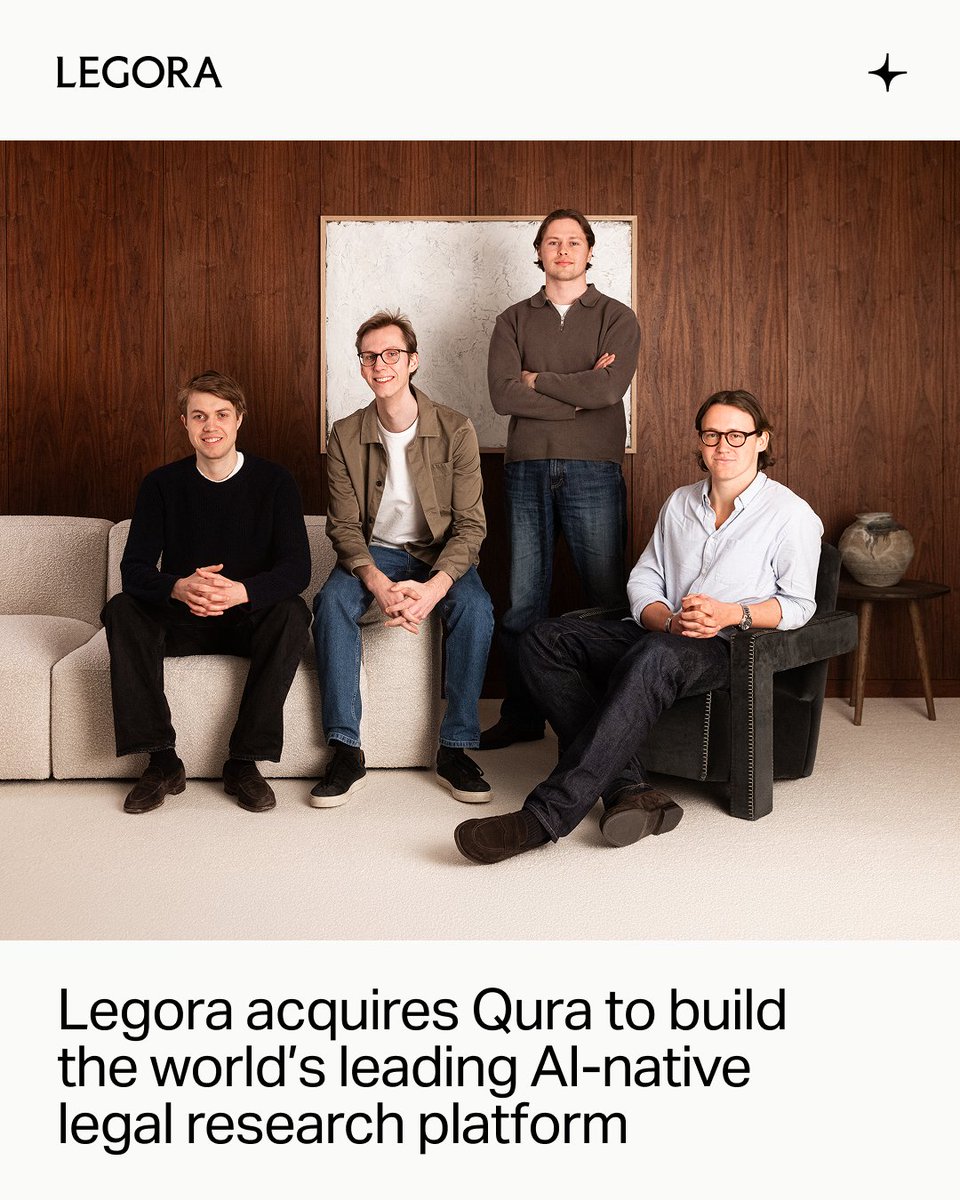
I am thrilled to share that @WeAreLegora has acquired Qura.
Legora is the operating system for legal work, and legal research is a core pillar of our platform.
When others have chased the next shiny object, the team at Qura has obsessed over legal data structures, hierarchies, and completeness of coverage. This is clear in the undeniable customer love, the accuracy and the scalability of their approach.
The Qura team is already busy shipping the next big thing at Legora and will be focused on scaling our legal research product globally.
We can’t wait to show you what’s next.
Press release:
legora.com/newsroom/legora-a…
@BusinessInsider story by @meliarobin:
businessinsider.com/legora-a…
7
10
143
38,201