Remember your 卍 ORIGIN 卐 Hyperborean! 818!
Joined July 2018
- Tweets 8,058
- Following 813
- Followers 579
- Likes 120,140
3,256 Photos and videos





Pinned Tweet

Apr 20
Apparently none of you have ever heard of Rock Against Communism RAC: Nemesis, Skrewdriver, No Remorse, Nordic Thunder, Brutal Attack, Rahowa, Skullhead, Fortress, Ravens Wing, Mistreat, Honor, Max Resist, No Alibi, H8Machine, Day of the Sword, Platoon 14 dn721803.ca.archive.org/0/it…
3
2
8
1,067

"Numerical Kabbalah facilitates control over crowds and men..."
- Fundamentals of the Hyperborean Wisdom
1
44
Max R ✳️ retweeted

Jun 12
Sabbateans and Frankists were just jews engaged in jewish movements, no different from molochian jews, Pharisees, sadduccees, zealots, sacarii, rabbinic judaism, talmudism, kaballah, Bolshevism, zionism, reform judaism, etc. For thousands of years, jews have created countless movements amongst themselves and for waging war on the goyim.
8
44
369
4,167
Jun 11
RT @hyperboreanwis: It is essential to understand that fear is not a natural attribute of your true, eternal essence. The uncreated spirit…
1
Max R ✳️ retweeted

Con la Mentira no vamos a ningún lado. La Doctrina Católica, por mucho que se disfrace de "platonismo" y no sé que más.... sigue siendo cripto-sionismo.
Millones de Gentiles rezando los domingos al "Señor de Zión", escuchando la palabra del Diablo Yahvé y diciendo: "Te alabamos".
2
3
97
Jun 5

1
108
Jun 2
The fatigue is real!
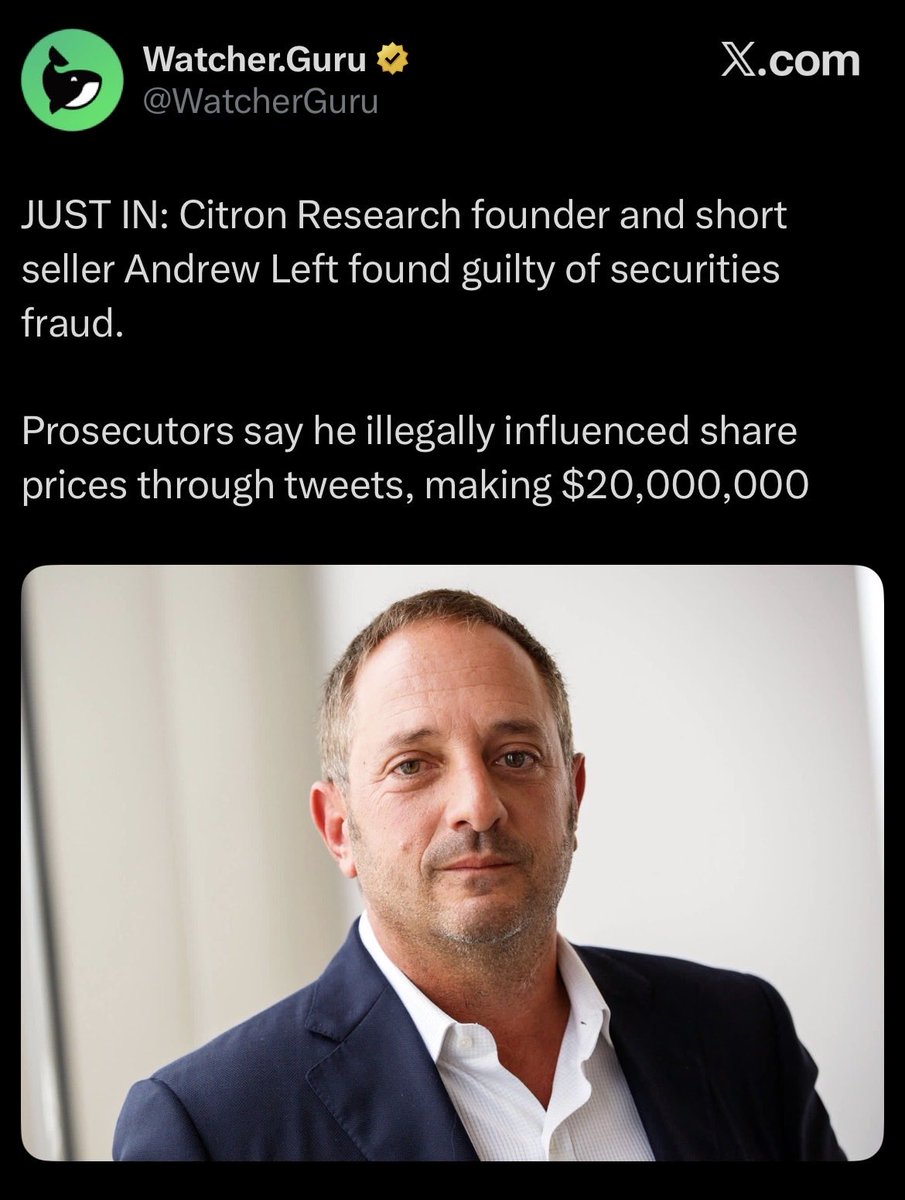

Yes, Andrew Left was born to a Jewish family in a Detroit suburb. He attended Coral Springs High School, where he was president of the Jewish youth group, and as a young man was described as very religious with early aspirations to become a rabbi.
1
128
Max R ✳️ retweeted

They desperately need everyone to believe in “The Holocaust” as the worst crime in history because all of their repeated, documented crimes over millennia are much worse - and continue.
4
48
715
Jun 1
Remember your ORIGIN!
11 Oct 2025

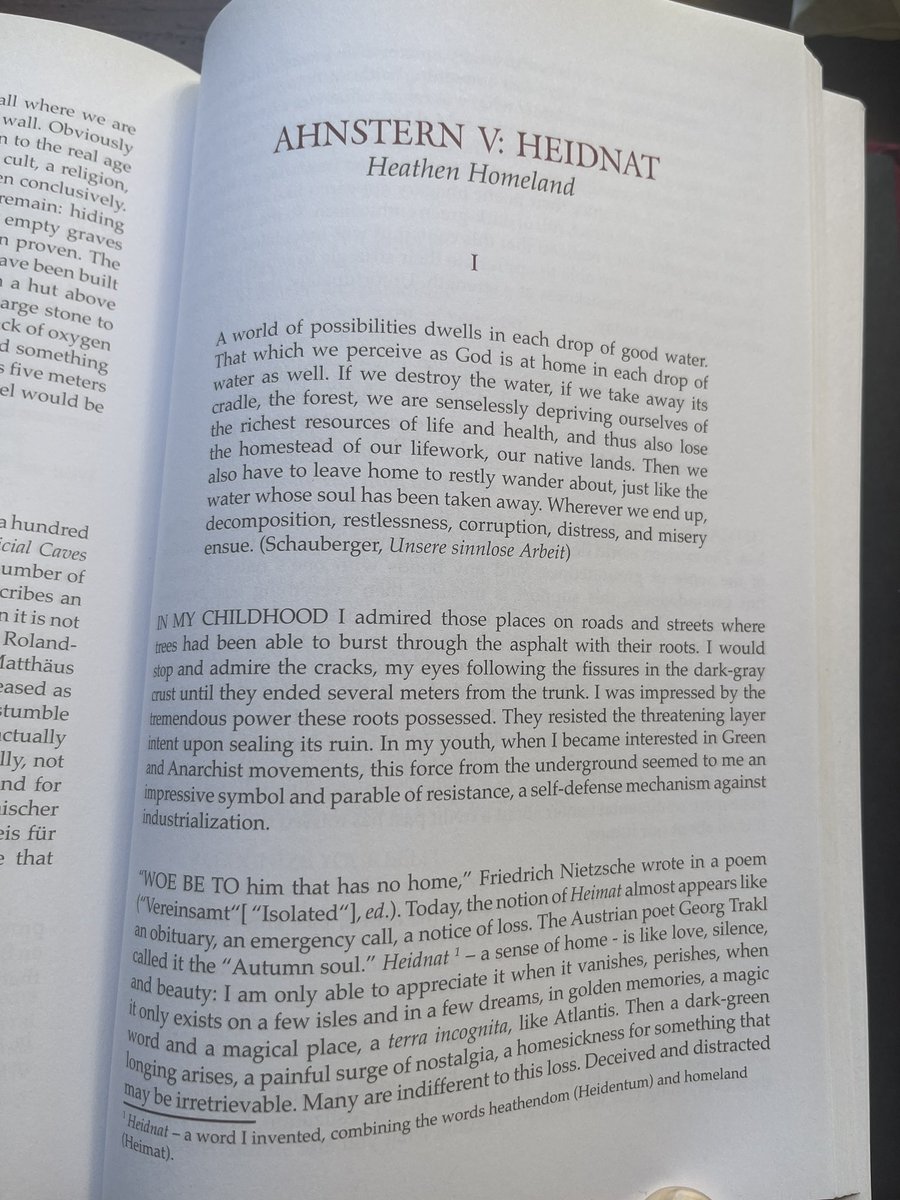
“Heidnat” is not a word you will find in any ordinary dictionary. It was forged by Gerhard Hallstatt, (artist, heathen, visionary of Allerseelen) as a poetic compound of two German words:
– Heidentum (heathenry, the pre-Christian spirit; the etymology relates to the native grasslands of heathen Germania)
– Heimat (homeland, native soil)
In this essay, which is my favorite in his book Blutleuchte (and Jocelyn Godwin writes the same in his foreword to the work), Hallstatt names a feeling we all know but rarely speak aloud: the homesickness for something that may be irretrievable.
Hallstatt writes that Heidnat is like love, beauty, or silence; you often only become conscious of it through its loss. It emerges in mourning, like Atlantis or Hyperborea, and it survives as golden memory, ache and song:
"WOE BE TO him that has no home," Friedrich Nietzsche wrote in a poem ("Vereinsamt"[ "Isolated"], ed.). Today, the notion of Heimat almost appears like an obituary, an emergency call, a notice of loss. The Austrian poet Georg Trakl called it the "Autumn soul." Heidnat - a sense of home - is like love, silence, and beauty: I am only able to appreciate it when it vanishes, perishes, when it only exists on a few isles and in a few dreams, in golden memories, a magic word and a magical place, a terra incognita, like Atlantis.” - Gerhard Hallstatt
And yet the modern world makes exiles of us all by training us to live precisely the opposite reality: homeless in spirit, deracinated in soul, global in flesh but unmoored in form. The system wants you unrooted, demoralized, and placeless, but to speak the word Heidnat is to defy this. It is to call forth a forgotten kinship between blood, land, and spirit as sacred remembering.
Heidnat means even more than the sum of these parts. It is not simply a place, nor a religion, nor a nationalism. It is a metaphysical homeland of the remembered presence of the sacred in soil, silence, and soul; a place not merely geographic but symbolic. It’s a land that exists at once in memory, dream, ritual, and longing. It’s a deep interior knowing that one belonged somewhere once, and must seek again. It is about a soul-form that once had a home in the world, and may still be called back. It is a grief remembered as beauty.
We know the spirit of Heidnat when we pass a stand of trees that speaks like no cathedral ever has. We know it in the scent of iron in the soil. We know it when silence falls the way it did in childhood, as heavy, golden, and whole.
Hail to the ones who still remember the shape of sacred land.
1
145
May 31
“…the agents of the International Synarchy in the bosom of all the cultures of the Earth: they, thousands of men and organizations of every type and function, work for the concretion of the World Government.”
- Fundamentals of the Hyperborean Wisdom
🎶
dn721803.ca.archive.org/0/it…

1
126
Max R ✳️ retweeted
May 24
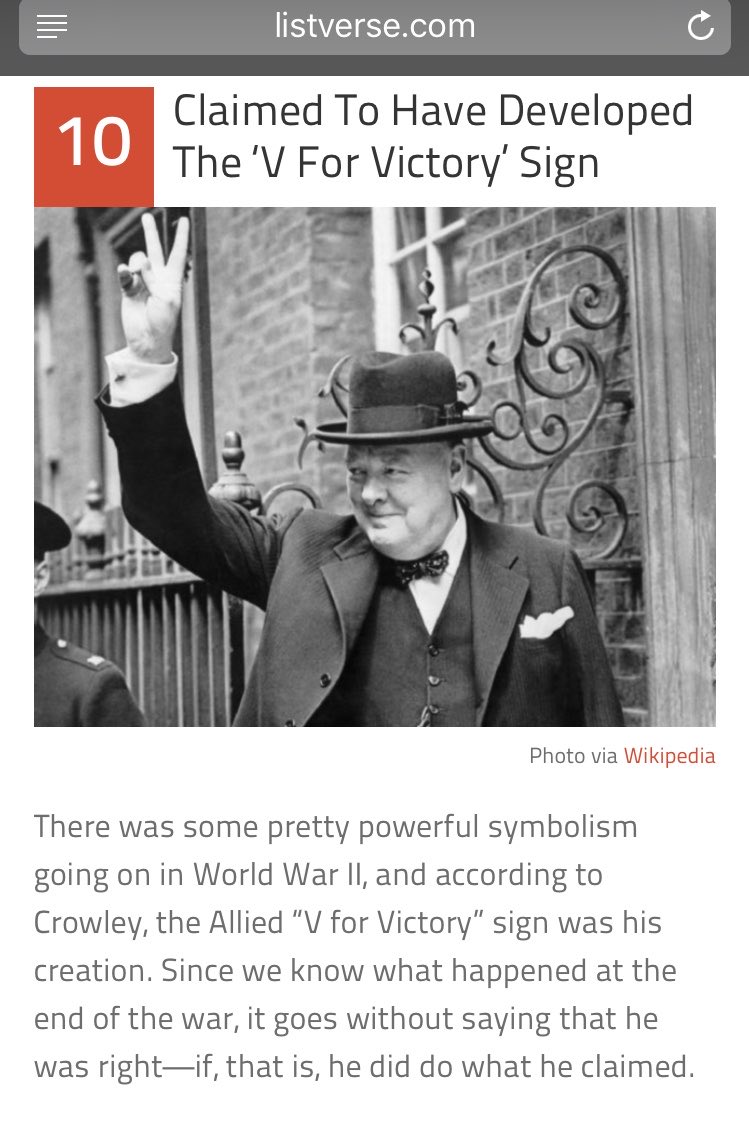
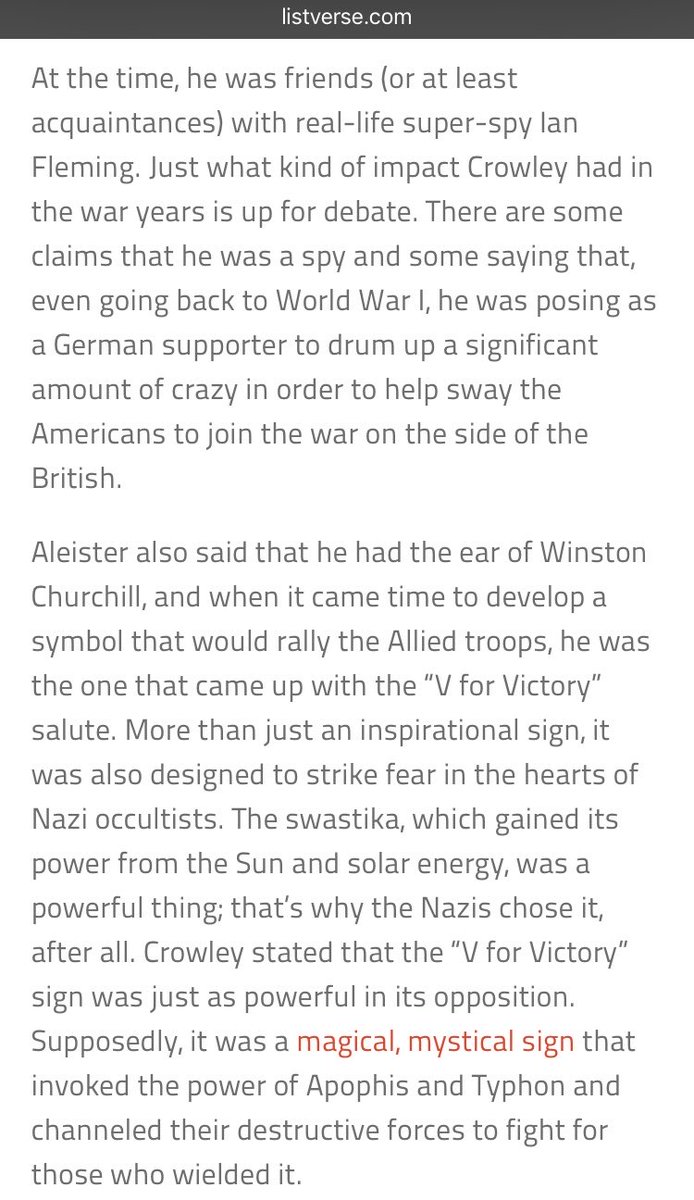
WWII was not an esoteric spiritual war at all, and the peace ✌️ sign has nothing to do with Apophis & Typhon Baphomet, keep scrolling goyim…
1
2
366
May 20
The Constitution was on life support but officially died today. RIP!
RAHOWA - When America Goes Down:
dn721605.ca.archive.org/0/it…

3
137
May 19
An unfortunately prophetic song written by the singer of @uberfolk in the 90’s. We thought it was bad back then! Most of you weren’t even aware of the war waged upon you, being done in the shadows. Things had to get THIS BAD for you to finally “notice”..!
May 19

1
4
190
May 19

May 18

You are not tired of life.
You are tired of the jews.
8
284
Max R ✳️ retweeted
May 17
RAC should be used more by our comrades as a strategic tool to awaken the blood memory. ⚡️⚡️ archive.org/download/hild-sp…
2
3
163
May 17
GM my goyim!

2
228
May 13
Are you aware of The Conspiracy Against the Hyperborean Wisdom? Luis Felipe Moyano was an Argentinian agent who collaborated with the USA (DEA) and with Israel (DAIA) to infiltrate the relocated ⚡️⚡️Black Order. He DID NOT write the Fundamentals of the Hyperborean Wisdom! AH did!
May 8
Moyano was an intelligence agent whose job was to infiltrate and undermine the SS teachings in Argentina. That’s why he later wrote ‘The Mystery of Belicena Villca’, to distort the meaning of already disseminated SS works, which he later claimed to author. mediafire.com/file/98r5hui5m…
3
2
216
May 3
Not for long goyim!
May 3

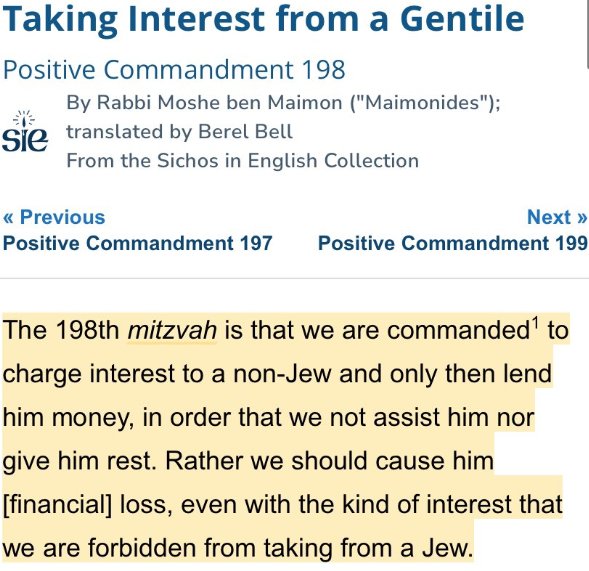
People like to bash on the Talmud for some of its verses but it also has important life lessons like this
2
2
939