
Co-Founder/CTO @mercury; check it out at demo.mercury.com 🐀
Joined July 2012
- Tweets 1,826
- Following 245
- Followers 1,673
- Likes 20,522
113 Photos and videos



Max Tagher retweeted

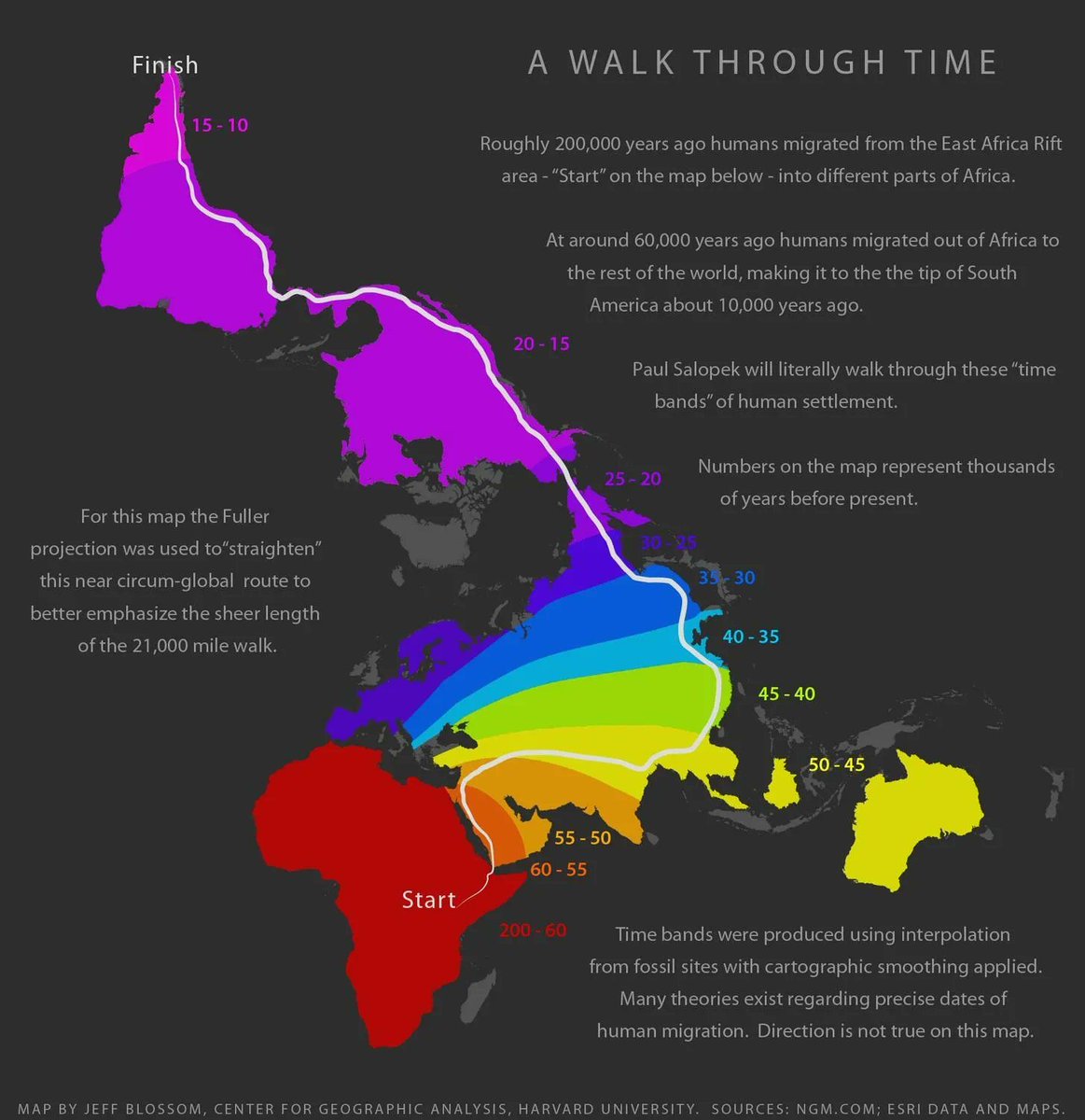
What an amazing way to visualize early human migration. Lovely map by @HarvardCGA. A great colour scheme and an appropriate map projection! Source: buff.ly/3lbxonJ
57
330
1,411
86,829
Max Tagher retweeted

Apr 24
This site can be very negative so let me say today that @KelseyTuoc is awesome. Rational , reasonable, and wise while also being benevolent and gracious. An excellent writer. Bravo.
22
42
927
41,977

Mar 20
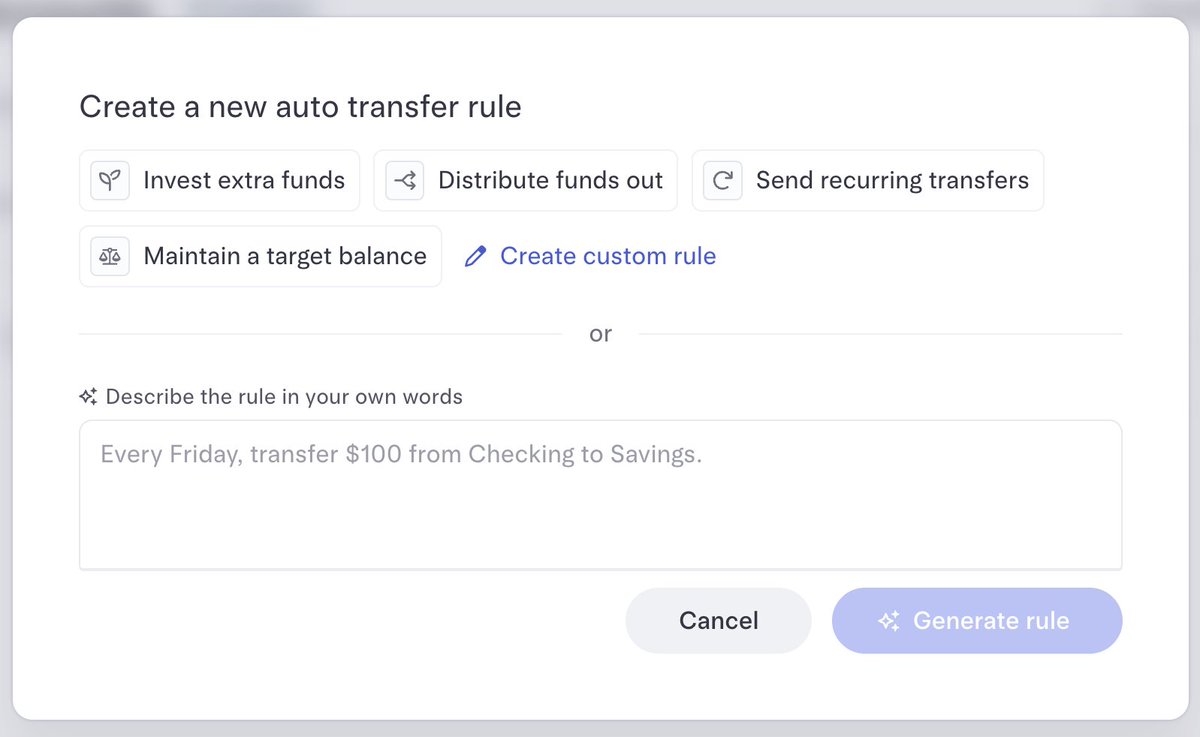
Cool feature of natural language UIs powered by AI: your users tell you about missing features
Example: @mercury bank accounts have an auto-transfer feature where you can setup rules like ~top up my checking account to X from investments when it gets below Y.
You can set up the rules by hand or write a description and AI does the setup for you.
Sometimes users ask it for something our system doesn’t support. For example, about half of unsupported requests involve transferring money to 3rd party institutions, so now we’re building that feature.
3
12
879
Mar 20
We got that feature request through other channels too, but it's nice to say "125 people tried to do this exact thing and found the product wanting, and that was the most common request we couldn't support"
1
219
Feb 10
Passkeys do get hate (eg this TikTok has 240K likes tiktok.com/t/ZP89xNPDM/) but it’s gotta be way less than TOTP (6 digit rotating codes à la Google Authenticator). Success rate @mercury for TOTP is 88% vs 97% for passkeys, and passkeys have ⅓ the support tickets
Feb 10

Passkeys are the solution to this problem but people are mad about those too
1
2
459
Feb 10
Caveat that right now every user has to have TOTP and passkeys are added additionally, so passkey users have a backup option AND they’re self selecting into using them. But still think the data is in favor of passkeys and they keep getting better
222
Max Tagher retweeted

3 Jun 2021
Something insane and wonderful has happened to me.
I have no idea how to cleverly lead into this story but here is the headline: I came across a random account on this very website some two months ago, we are now engaged to be married, I have never been happier in my life
116
195
4,281
Max Tagher retweeted

11 Dec 2025
Been using Mercury Personal for almost two years now, highly recommend it
By far the best banking UX there is, worth switching just for that alone, but the high yield savings account is also best in class
x.com/mercury/status/1999124…

The wait(list) is over. A new era of personal banking* starts now.
*Mercury is a fintech company, not an FDIC-insured bank. Banking services provided through Choice Financial Group and Column N.A., Members FDIC.
2
1
22
6,256
Max Tagher retweeted

16 Sep 2025
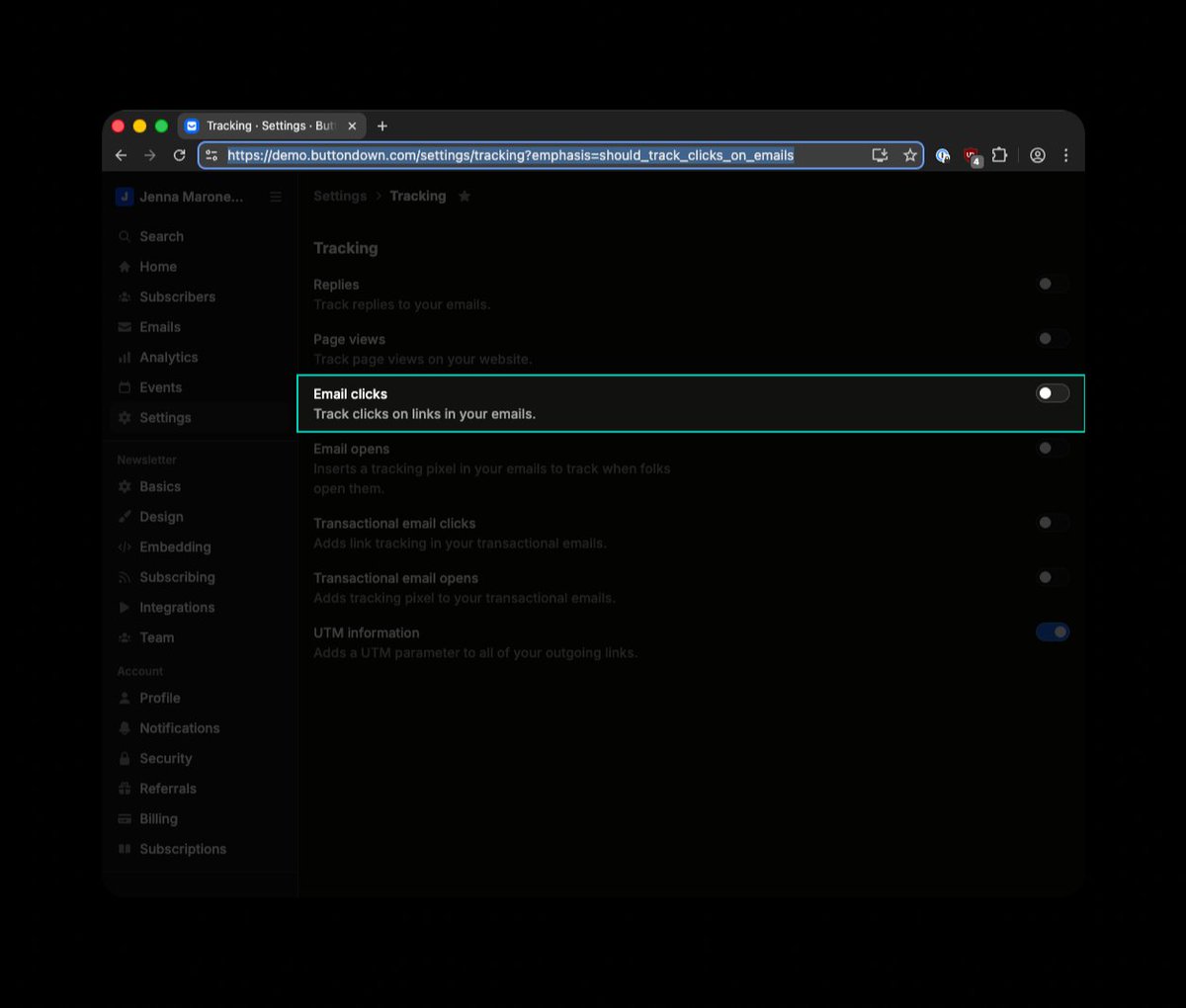
i cannot emphasize enough how valuable it is to send someone a URL that brings them to this
5
1
39
3,466
7 Sep 2025
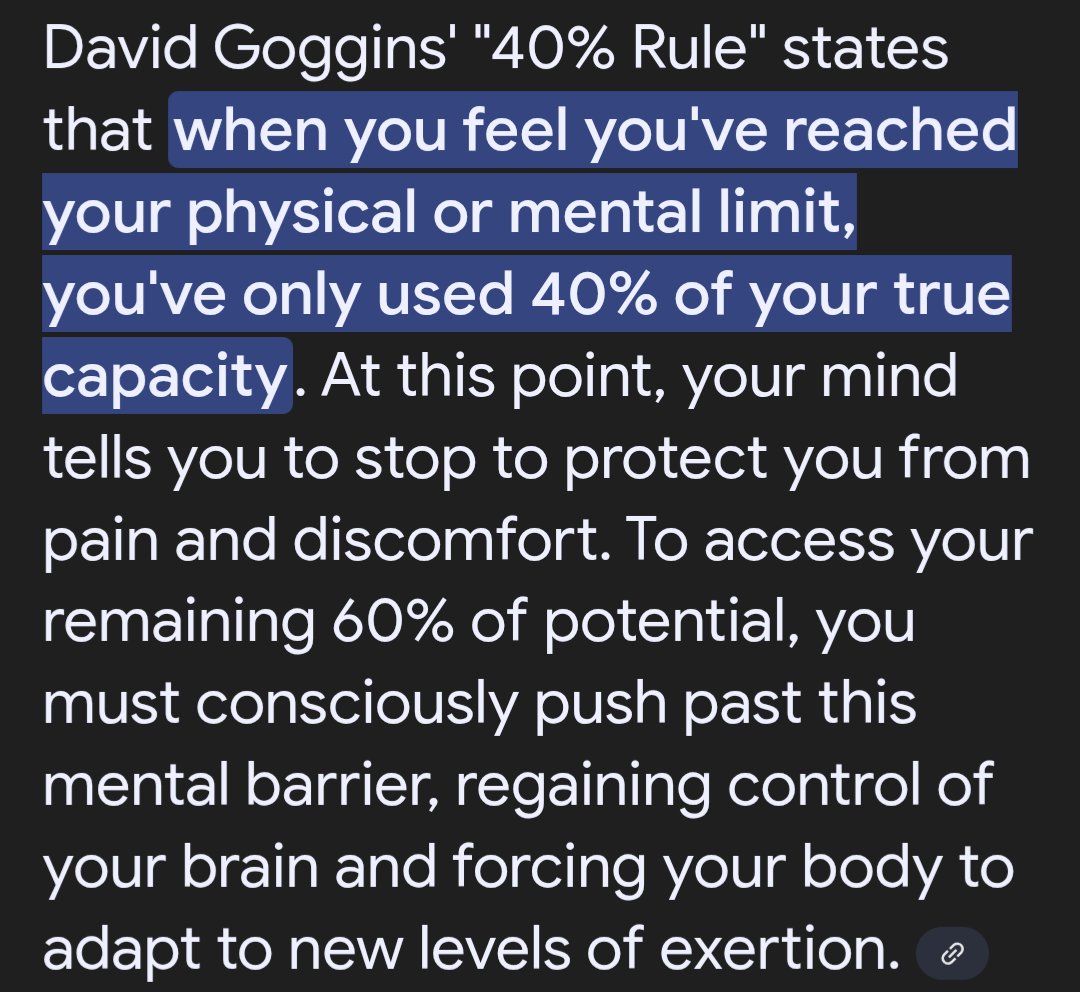
Telling myself this after the 15th attempt at a Silksong boss
5 Sep 2025

3
14
1,079
Max Tagher retweeted

6 Apr 2025
The slowly-unfolding premise of the Good Place is that everyone is damned. They are damned because they participate in the modern world; they buy from sweatshops, they eat chocolate, they fly in airplanes while the poorest people in the world see their harvests fail thanks to climate change. It's much easier to earn demerits than merits. No one has gone to the Good Place in a very long time.
My post about why I think cheap goods make peoples' lives better attracted a lot of discussion of what I should do instead of buy inexpensive things. You can roll dice on your phone, one person said; you don't need to buy them. (Someone objected that phones were expensive, and the first person said that you could finance them.) Another explained to me that I should really be sewing my five year old's Viking tunics myself. Surely my family of 10 can borrow enough camping gear from friends? Have I joined my local buy-nothing group?
I don't own a car. The six adults who live in my house in total own one, and it's electric. I walk to work, and to the grocery store, and to the microschool, and to almost everywhere else. From an environmental perspective this matters a whole lot more than purchasing a five dollar set of dice, but I did not choose to write the post with a defensive accounting of all of the ways in which I've chosen a low-environmental-footprint modern life in order to earn the internet's approval for my dice.
The thing I'm trying to say is not that by sufficient virtue you can beg the luxury of owning a set of real dice, or that if you walk to the grocery store then you have a good enough excuse not to hand-sew your kids' halloween costumes. I am in my local buy-nothing group, but I do not think it's okay that I bought wallpaper only because I did scour the buy-nothing group first.
The thing I'm trying to say is that I do not agree with the Good Place that we are all damned; I am not pleading that I meet the standard but objecting to it.
----
People are really bad at grappling with moral obligations that are large, diffuse, and unbounded. Lots of people reject them entirely - why should that be my problem? Why shouldn't it be someone else's problem, who isn't me? (The answer is that we're not negotiating whether you are damned, we're just determining what happens in the real world where things either happen or don't; things will only get better if you fix them, and you have to decide whether you want to, not whether you have an airtight argument that it isn't your job to.)
No one has a satisfactory answer to this, of course, but I think the Good Place captured one implicit answer offered in modern liberal society, and I think it's a dumb one, and I don't think it's doing us any favors. It's a thesis of abnegation: don't do harmful things. It barely admits the existence of helpful things. Most of why we have escaped from under the threat of the worst climate impacts is better green energy; most of the places that will suffer the most will suffer the most because they are very poor. Those things matter a lot, yet far more energy is expended on things that matter very very little.
My own thesis is that you should make things better where it is cheap, and not try to do so where it is extraordinarily costly. You should save lives where it's cost-effective. You should demand more humane policy when your politicians might listen. You should invent better batteries and better solar panels. Almost everything that you do that matters will be located in where you actively make things better, not in your purchasing decisions.
(I'm writing here about the environmental angle, not about the labor-conditions angle, which I also think is very important but which I approach differently; I'll write about that later.)
But surely every little bit still helps, right? Well, kind of, but some things are bad bargains; they are a little bit of improvement purchased at fairly extraordinary costs to you. You are a limited resource, and should not spend yourself down for the most minimal of gains.
And a movement that demands that you do so will be recognized by lots of people as unhealthy and destructive; they will move away from it. Christians often recommend that you preach the word of God by living the word of God, by having a life so abundant with meaning and joy that people start wondering what your secret is.
I think this is good tactical advice, and I don't think it is only good because it's good tactical advice. Human flourishing is good. Peoples' lives should be rich and joyous and abundant. The reason that your movement will be more compelling if it embraces joy and flourishing and abundance is that those are objectively good things and people are correct to be on the lookout for them.
And so the defense of my dice purchases and my not hand-sewing my kids' Halloween costumes is not that I walked four miles with the baby on errands today (though I did) or that I donate tens of thousands of dollars every year to trying to build a safer richer better world (though I do) or that we have solar panels on the roof (though we do).
It's that rolling real physical dice is good, and forgoing the dice does not buy anything of comparable value. It is that joy and meaning belong on the scales, and not only are you not required to sacrifice them on the alter of fixing the world, but sacrificing them isn't even a very good way to fix the world.
Enjoy the good things, enjoy them without guilt, enjoy them with the conviction that everyone should have them. Figure out where a better world is cheaply purchased, and purchase it there. Don't lose sight of how much is at stake, but keep in mind that making your life worse to purchase very little benefit to the world is also a way of losing sight of what is at stake. We're not damned. We just have a big to-do list.
29
52
662
42,870
Max Tagher retweeted

26 Feb 2025
This is a very fun read!
You can see Mercury striking a very careful balance between security and UX:
- To prevent phishing, they added extra checks for users with password/OTP. But users with WebAuthn are not at risk, so they disabeld the checks for them to prevent unnecessary friction
- They started prompting Windows users to use WebAuthn. But the adoption rate was so low that they decided to stop as to annoy the users with something they wouldn't use anywhere
- They measured the overall friction of these checks on their user base and concluded it was low and worth it
Security teams can think like product teams and Mercury's is a great example
26 Feb 2025

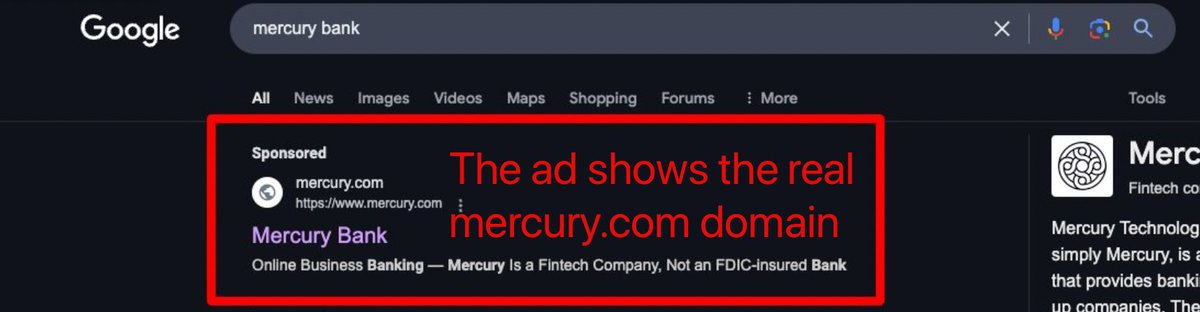
A wild thing about Google Ads: hackers can run an ad showing your domain, but it actually leads to a phishing site. @Mercury got hit by this 3 years ago—but within a week, we launched a device verification system to stop it. I wrote up the story for our eng blog (link below)
ALT Screenshot of a google ad for mercury.com. A caption reads "the ad shows the real mercury.com domain"
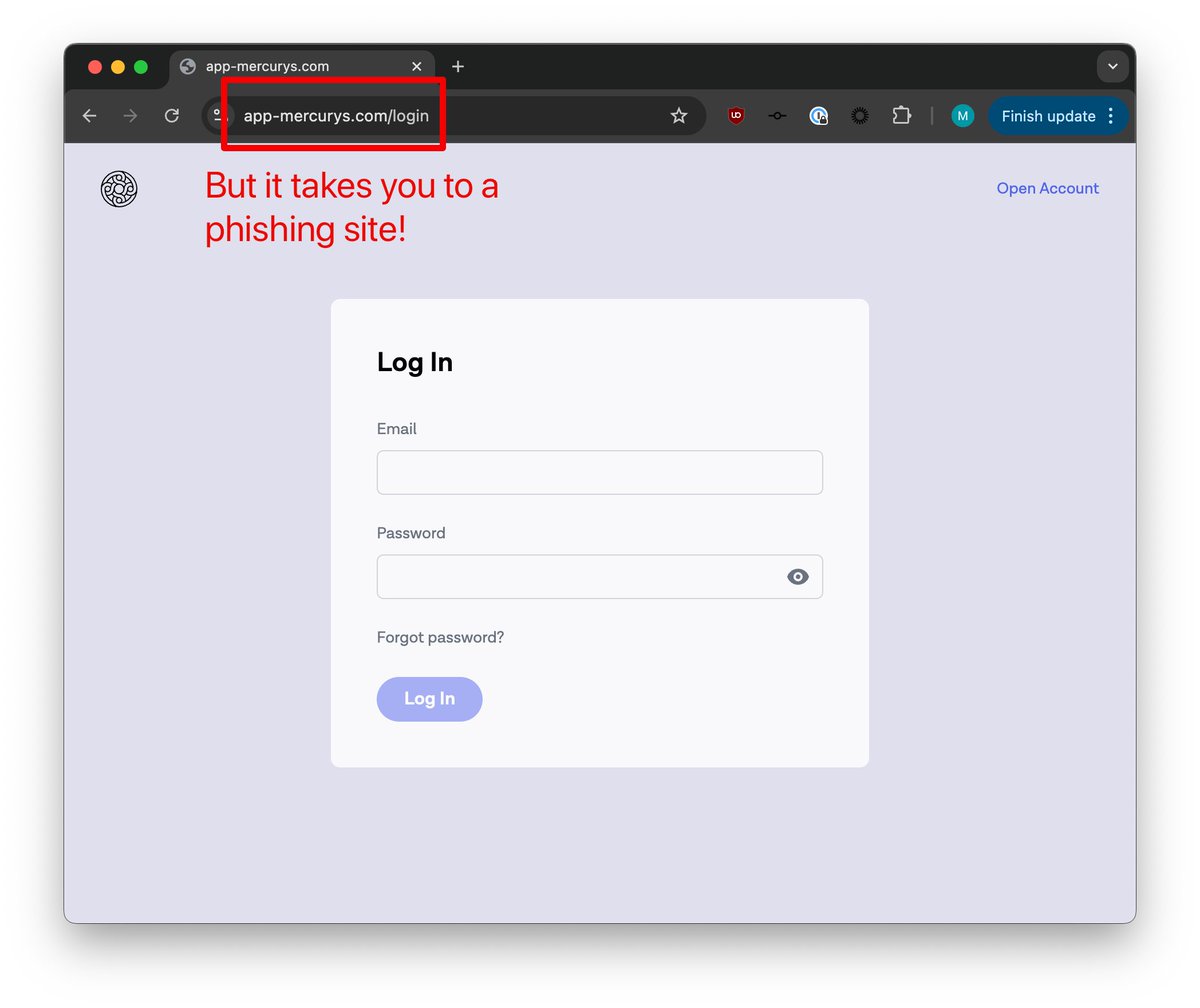
ALT A screenshot of a phishing site with the URL app-mercurys.com. The site shows a rough copy of the real mercury.com login. A caption reads "But it takes you to a phishing site!"
1
2
13
3,328
26 Feb 2025
A wild thing about Google Ads: hackers can run an ad showing your domain, but it actually leads to a phishing site. @Mercury got hit by this 3 years ago—but within a week, we launched a device verification system to stop it. I wrote up the story for our eng blog (link below)
ALT Screenshot of a google ad for mercury.com. A caption reads "the ad shows the real mercury.com domain"
ALT A screenshot of a phishing site with the URL app-mercurys.com. The site shows a rough copy of the real mercury.com login. A caption reads "But it takes you to a phishing site!"
6
9
44
22,229
14 Feb 2025
The @mercury engineering team is releasing our internal exercises for learning Esqueleto, the query builder we use on our Haskell backend.
Query builder vs raw SQL is a classic debate on Hacker News—we use both, but mostly the query builder for type safety and composability.
8
13
124
9,063

Max Tagher retweeted

21 Jan 2025
Curtis Yarvin is mistaken when he says that Apple can produce iPhones because it's a monarchy. There are millions of firms ("monarchies") in the world that can't produce anything nearly as impressive as iPhones, from the laundromat down the street to Boeing.
Apple is the result of a decades long evolutionary process facilitated by the market which uplifts the very best culture, talent, processes, and ideas in the entire world. And the moment Apple slips, it'll get replaced (the average lifespan of a Fortune 500 is 15 years).
Governments just don't work this way. Xi Jinping isn't competing again a million counterfactual Chinese leaders who didn't do Zero-COVID, avoided deflation, didn't kill the tech industry, and were awake to AGI. He can fuck up as much as he wants.
If a monarch happens to be competent, like Lee Kuan Yew, it's merely by chance, not due to some intrinsic selection mechanism of monarchy that we can replicate. You are just as likely to get brutal dictators like Mao and Stalin by chance - this is not a reasonable gamble to take with the lives of hundreds of millions of citizens.
Apple is indeed a wonderfully competent organization - if we want more of the world to be run competently, we should delegate more functions to the market, which is constantly and ruthlessly sizing down incompetence.
To be clear, ton of incompetent businesses exist, but they loose access to capital, talent, and power rapidly, which is reallocated to those who can deliver. They don't drag down the fortunes of entire countries and kill millions of people, which has happened again and again in authoritarian systems.
210
405
4,827
929,101
Max Tagher retweeted
15 Nov 2024
I've been using Mercury Personal for 6 months now and can't sing its praises enough
It's so nice to use software written by people who actually care about quality, and the banking functionality itself is unmatched
x.com/MaxTagher/status/17806…
17 Apr 2024
Releasing @mercury for personal use today!
The product is almost exactly what we offer for businesses, and the whole product can be tried at demo.mercury.com?orgKind=per…
(This is a paid product but nets to free if you keep $5000 in your savings account, at current rates)
3
1
12
3,360

Our today's guest on the Functional Futures podcast is @MaxTagher, the co-founder and CTO of @mercury 💰
Read: serokell.io/blog/haskell-mer…
Watch: youtu.be/NgI5OgfERU0?si=1we0…
Listen: open.spotify.com/episode/0ba…
2
7
1,070