
Evolutionary genetics and epigenetics in wild animal populations | postdoc at the University of Sheffield | former PhD student at the NIOO-KNAW
Joined October 2018
- Tweets 70
- Following 130
- Followers 139
- Likes 366
6 Photos and videos
Melanie Lindner retweeted

12 Jul 2024
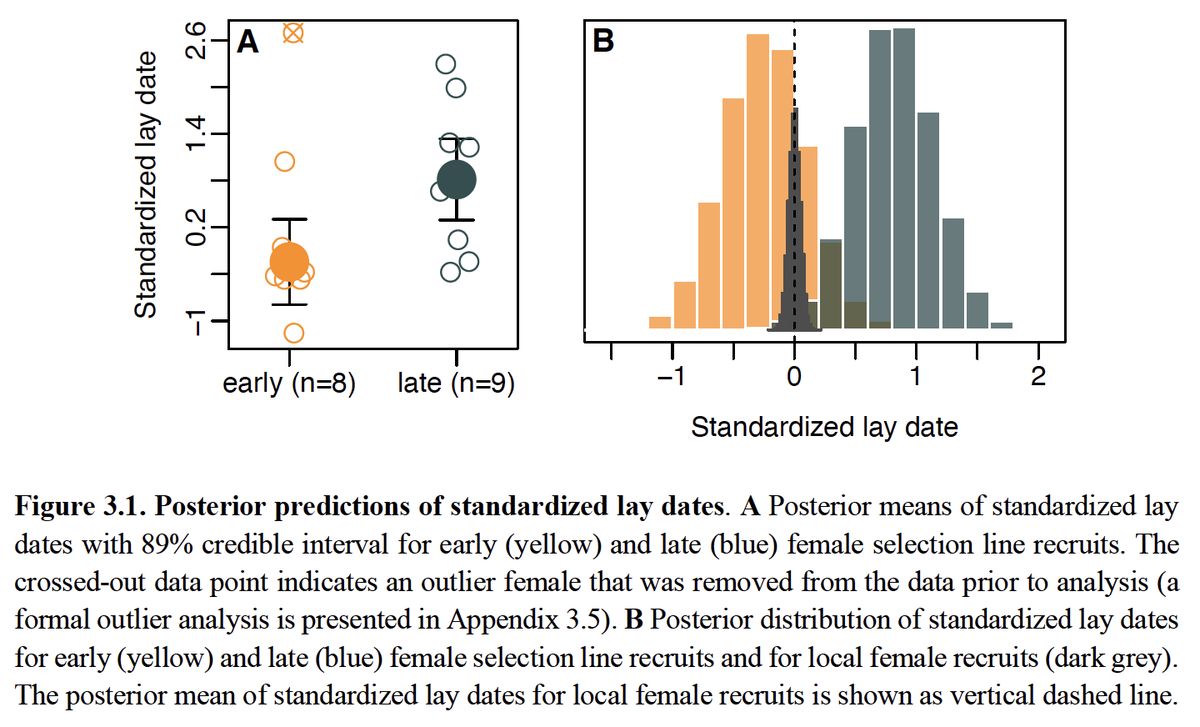
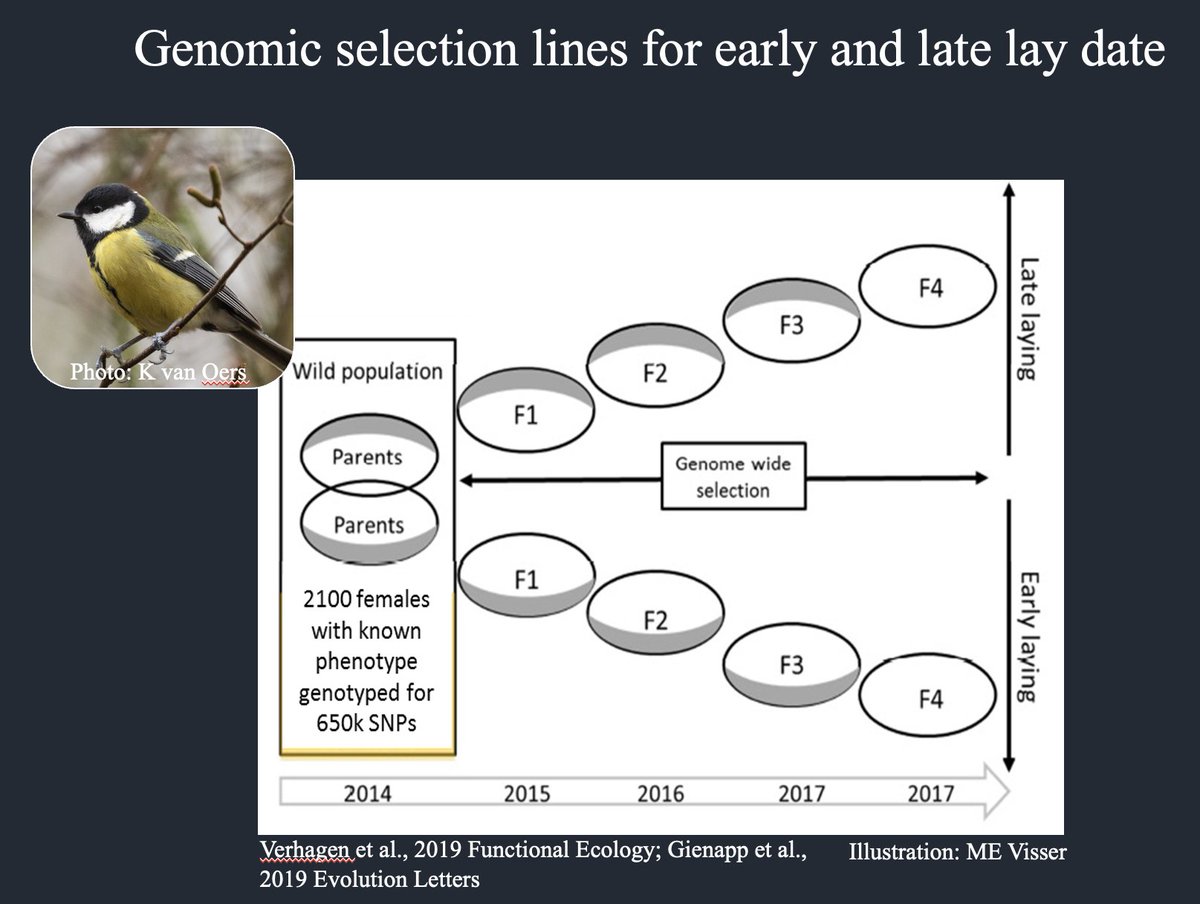
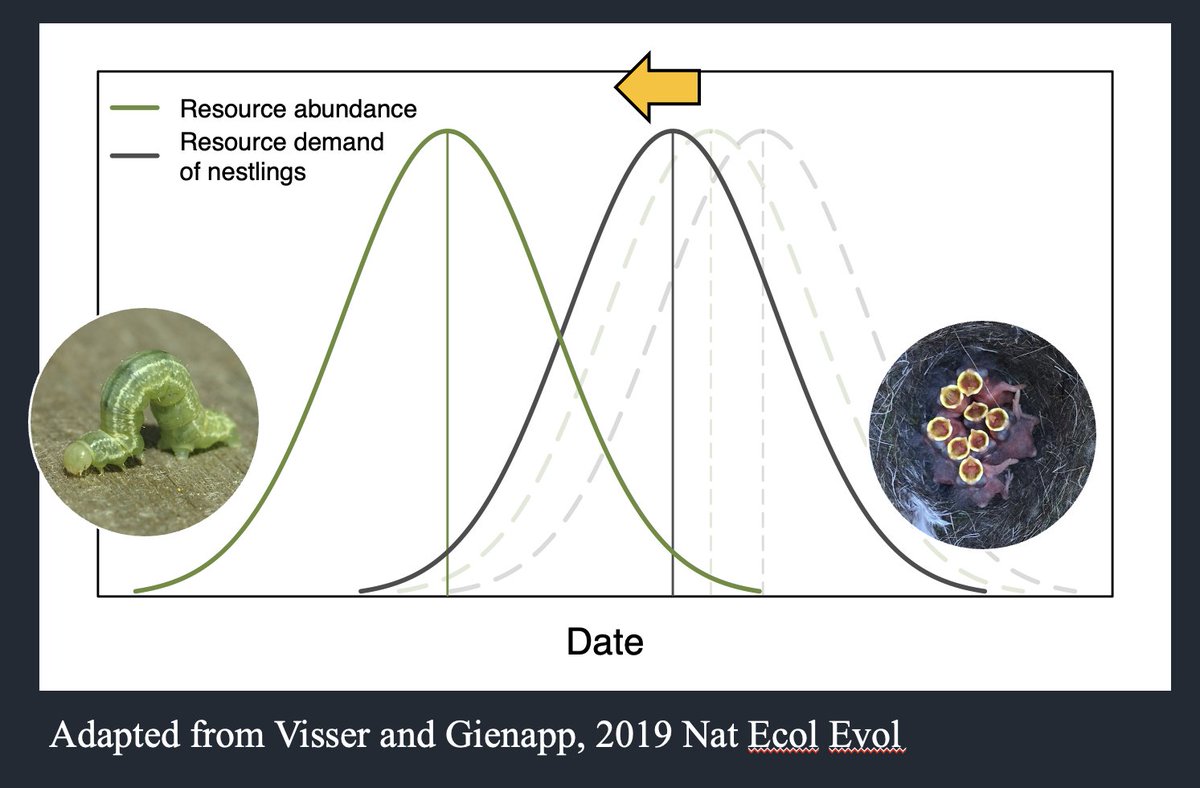
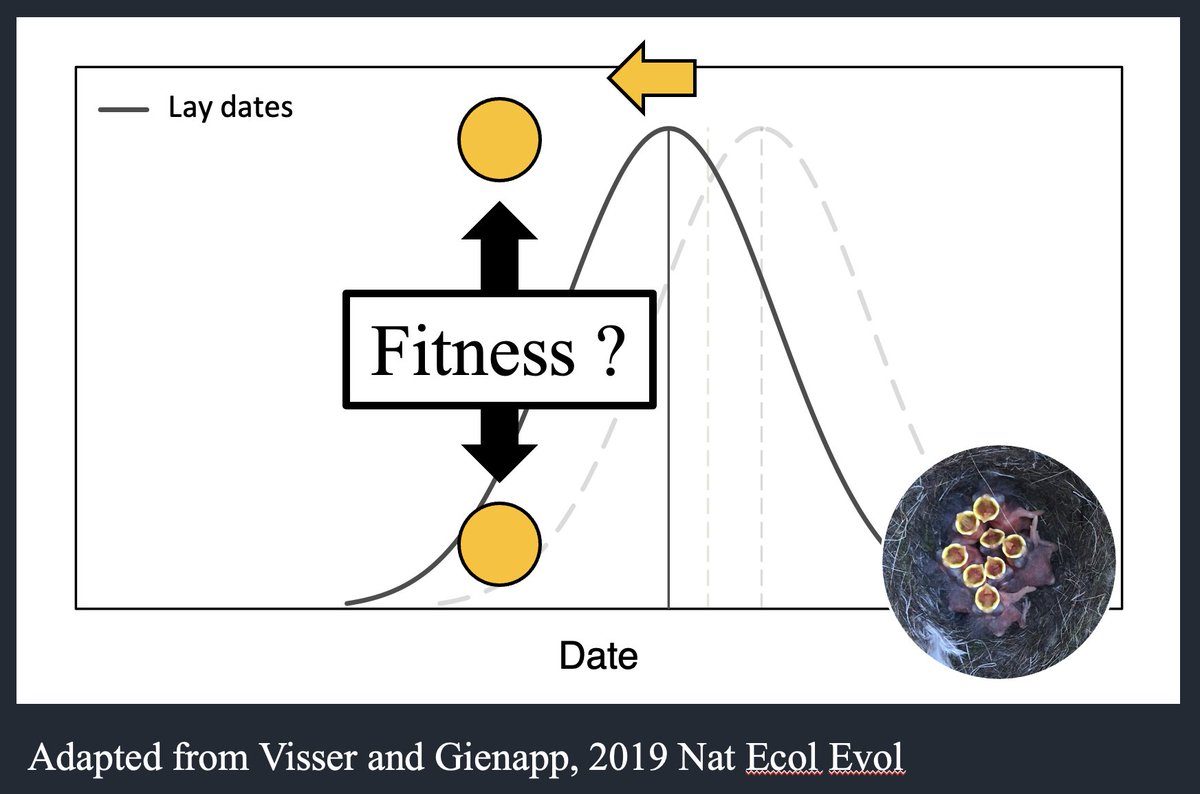
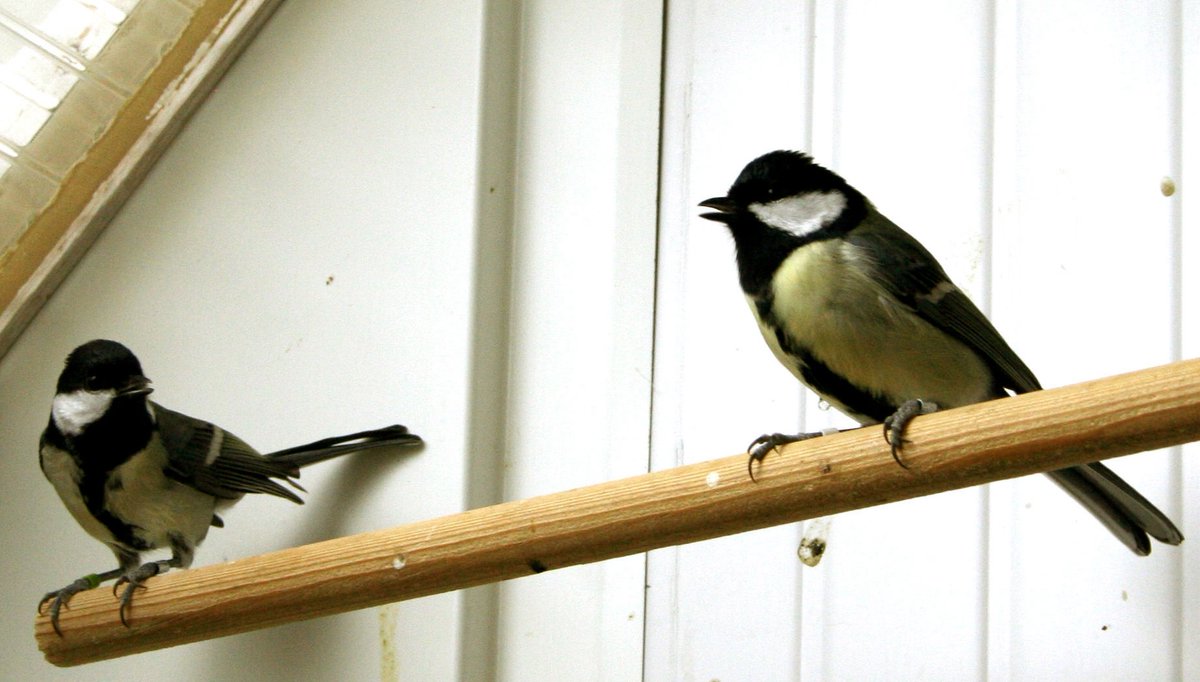
Can species adapt to a changing world? Where in the genome does adaptation occur? A study in great tits found clear genetic and epigenetic differences between selection lines for early vs late lay date
by @Me_Lindner @m_e_visser @KvanOers @VeronikaNLaine
doi.org/10.1111/eva.13703
5
12
903
Melanie Lindner retweeted

5 Jul 2024
New publication: Genetic and epigenetic differentiation in response to genomic selection for avian lay date, by @Me_Lindner @KvanOers @m_e_visser #climatechange #evolution #adaptation #parusmajor #DNAmethylation #breedingtime
doi.org/10.1111/eva.13703
2
3
681
Melanie Lindner retweeted

13 Feb 2024
📣 Come work with us! 🎉
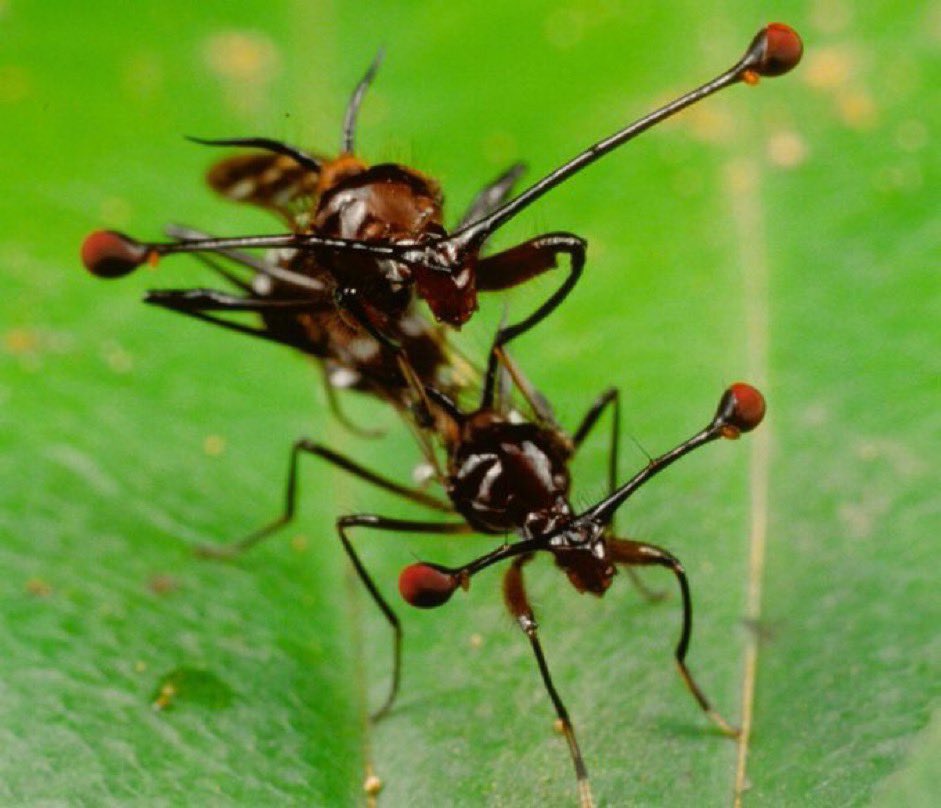
#PDRA position in my group @EEB_Sheffield on the #evolution and #genomics of sexual signals in stalk-eyes flies!
Exciting questions and methods, awesome study system, and a friendly group and department.
2
33
45
14,020
Melanie Lindner retweeted

27 Nov 2023
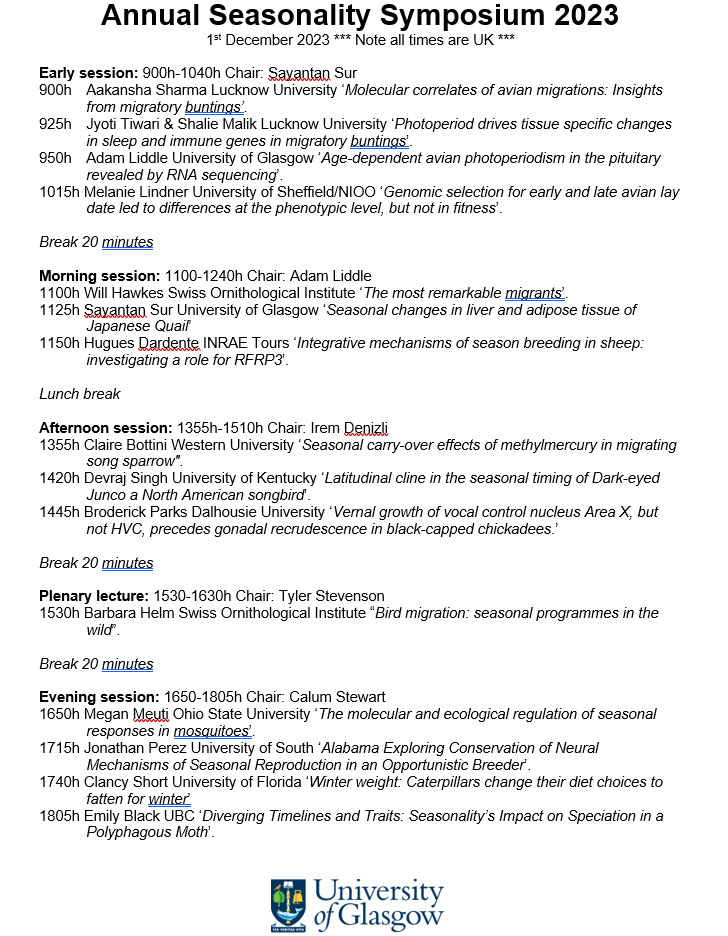
Excited to host the 6th Annual Seasonality Symposium this Friday, December the 1st from 900-1830h. There is an excellent group of speakers talking about the latest advances in seasonal research across the spectrum of life. All online and free to attend. Please DM for zoom details
11
24
4,802
Melanie Lindner retweeted

5 Sep 2023
Our ecologist's guide for studying DNA methylation variation appeared in an issue. The cover illustration made by @KristavdHeuvel illustrates the route from animal to environment. onlinelibrary.wiley.com/doi/…
@AnimalEcol_NIOO @VeronikaNLaine @BerniceSepers @Me_Lindner @RuuskanenSuvi
1
17
34
6,428
Melanie Lindner retweeted
18 Aug 2023
New NIOO publication: Detecting climate signals cascading through levels of biological organization. #climatechangeecology #ecologicalmodelling #populationdynamics #climatechange
doi.org/10.1038/s41558-023-0…
2
3
1,404
Melanie Lindner retweeted
30 Jun 2023
Early birds of the future: earlier, but still too late?
Our researchers @AnimalEcol_NIOO took a sneak peek into the birds’ future, to predict the future impact of climate change on nature.
nioo.knaw.nl/en/news/early-b… @m_e_visser @Me_Lindner @babi_mt @ScienceAdvances
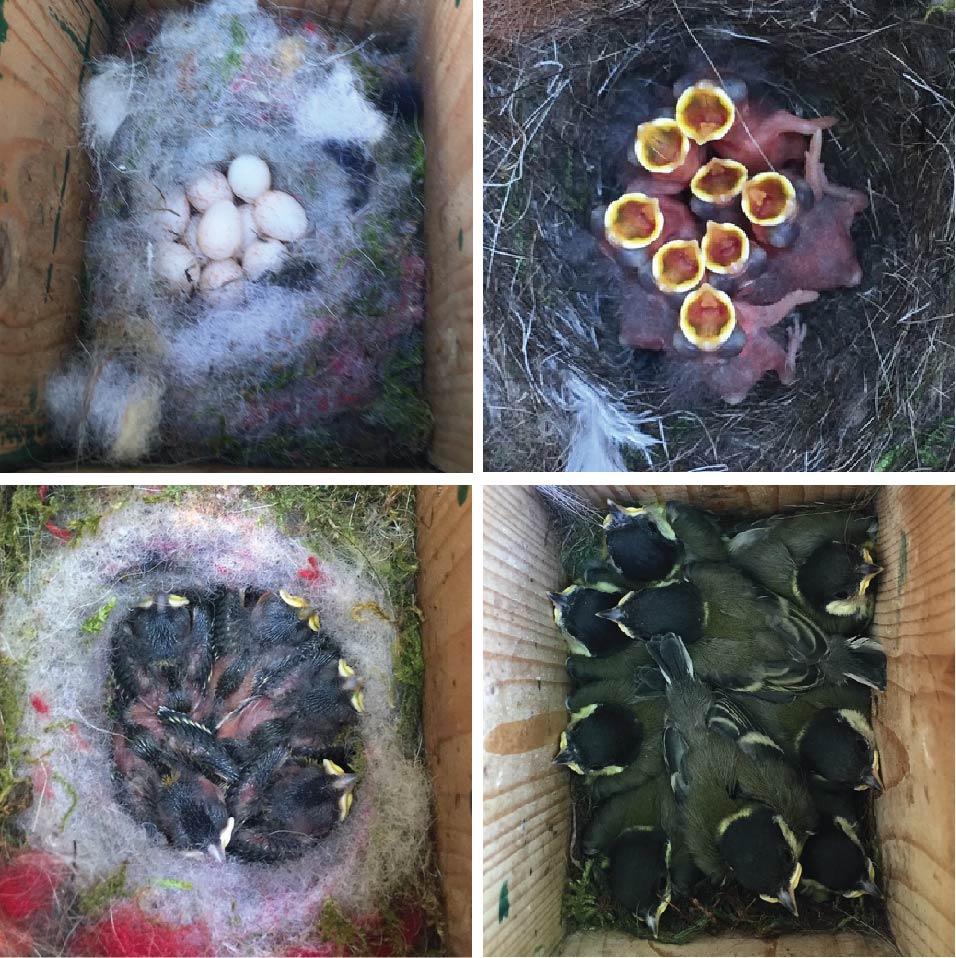
ALT Four key phases inside the nest box: laying eggs (top left), two days after the eggs are hatched (top right), a week after they are hatched (bottom left) and two weeks later - when the young are about to leave the nest. Photographs: Melanie Lindner/NIOO-KNAW
3
11
1,517
Melanie Lindner retweeted
15 Jun 2023
New NIOO publication: #Genotypes selected for early and late avian lay date differ in their #phenotype, but not #fitness, in the wild, by @Me_Lindner @babi_mt @JipRamakers and others. #parusmajor #greattit #layingdate
doi.org/10.1126/sciadv.ade63…
2
1
594
Melanie Lindner retweeted

13 Jun 2023
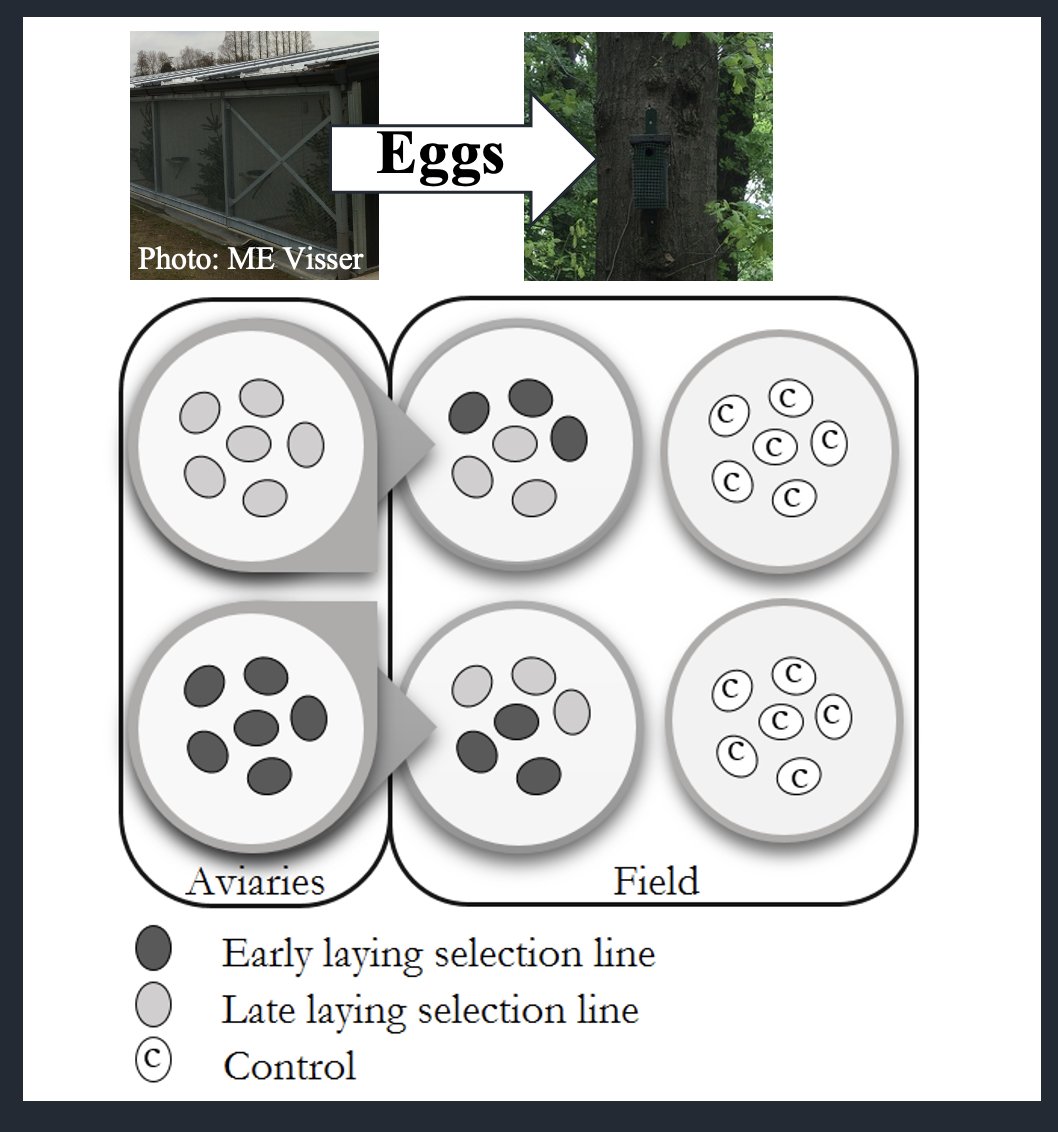
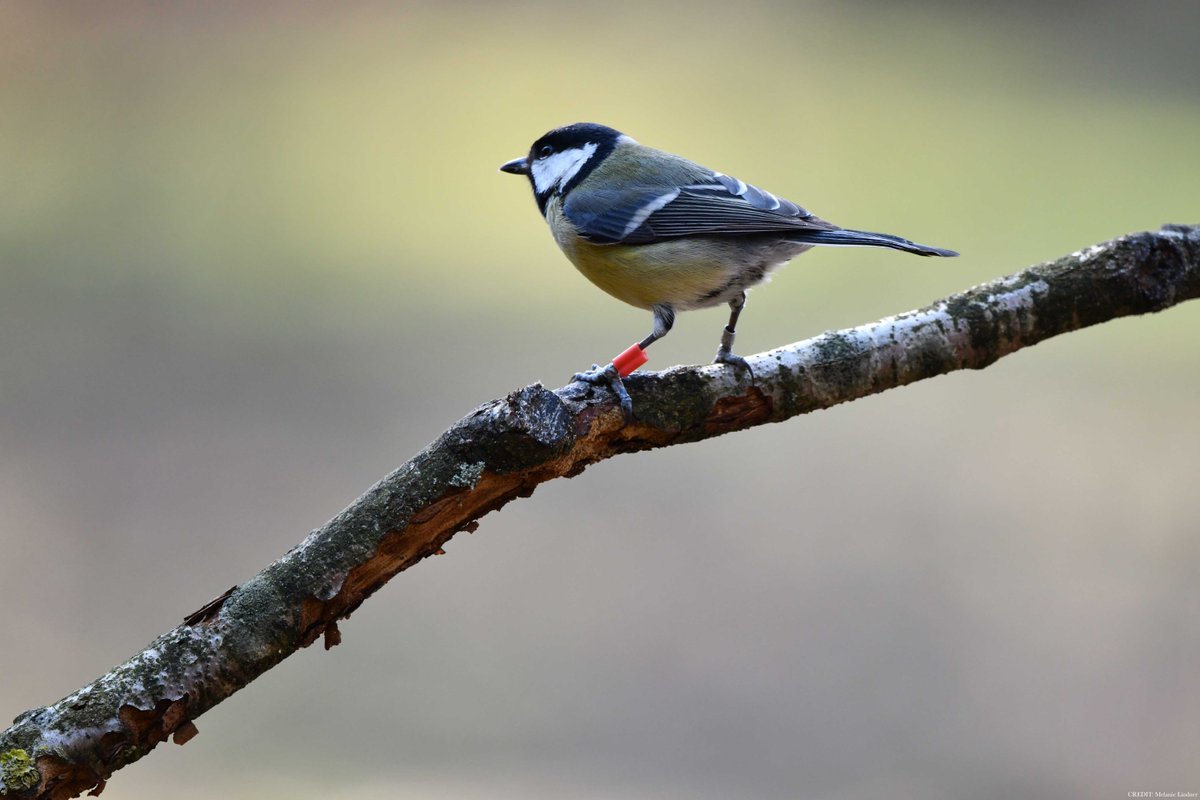
In a 3-year genomic selection experiment in the wild involving more than 2000 Dutch great tits, researchers found that the birds’ reproductive success was not affected by laying eggs early or late in the season. scim.ag/2Zd
2
5
2,710

12 Jun 2023
Excited to see our paper on genomic selection in wild great tits out in @ScienceAdvances. Grateful to have contributed to this big team effort with @JipRamakers, Irene Verhagen, @babi_mt, Christa Mateman, Phillip Gienapp & @m_e_visser! scim.ag/2WM
9 Jun 2023

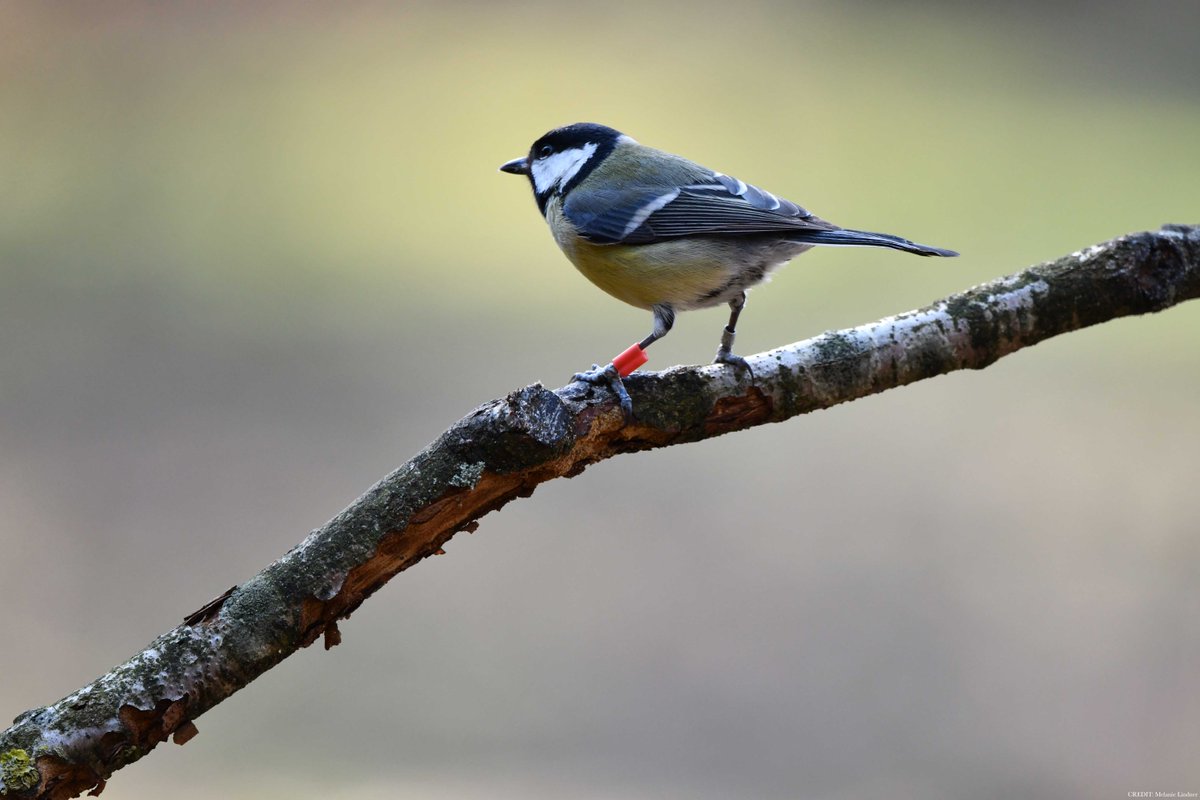
In a 3-year genomic selection experiment in the wild involving more than 2000 Dutch great tits, researchers in @ScienceAdvances found that the birds’ reproductive success was not affected by laying eggs early or late in the season. scim.ag/2WM
1
13
1,151
Melanie Lindner retweeted

8 Jun 2023
Genotypes selected for early and late avian lay date differ in their phenotype, but not fitness, in the wild | Science Advances
science.org/doi/10.1126/scia…
#ornithology
3
12
1,604
Melanie Lindner retweeted
7 Apr 2023
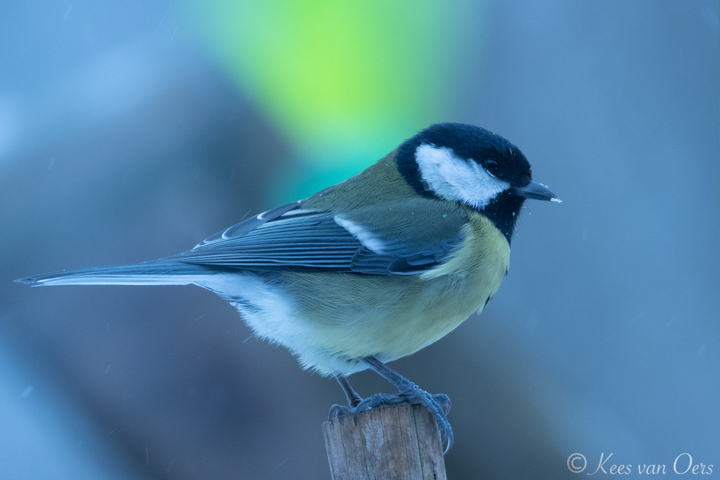
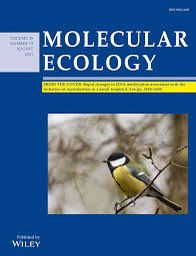
It is great that I can combine my hobby as photographer with being a scientist. So proud that my picture landed on the cover of @molecology with the paper of @Me_Lindner as the reason for this! onlinelibrary.wiley.com/doi/…
@AnimalEcol_NIOO @niooknaw @m_e_visser @HeidiViitaniemi
3
24
2,451
5 Apr 2023
1/6 #BOU2023 #SESH1 In times of global warming, species need to adjust to their changing world. Seasonally breeding bird species can do so via shifts in phenology traits. An evolutionary response toward a shifted phenology will occur only if such a shift has a fitness benefit.
1
6
29
3,925
5 Apr 2023
6/6 #BOU2023 #SESH1 With @JipRamakers, Irene Verhagen, @babi_mt, Christa Mateman, Phillip Gienapp & @m_e_visser conducted @AnimalEcol_NIOO @niooknaw
Picture taken by @KvanOers
Link to PhD thesis for more: bit.ly/thesis_mlindner
1
6
4,221
10 Mar 2023
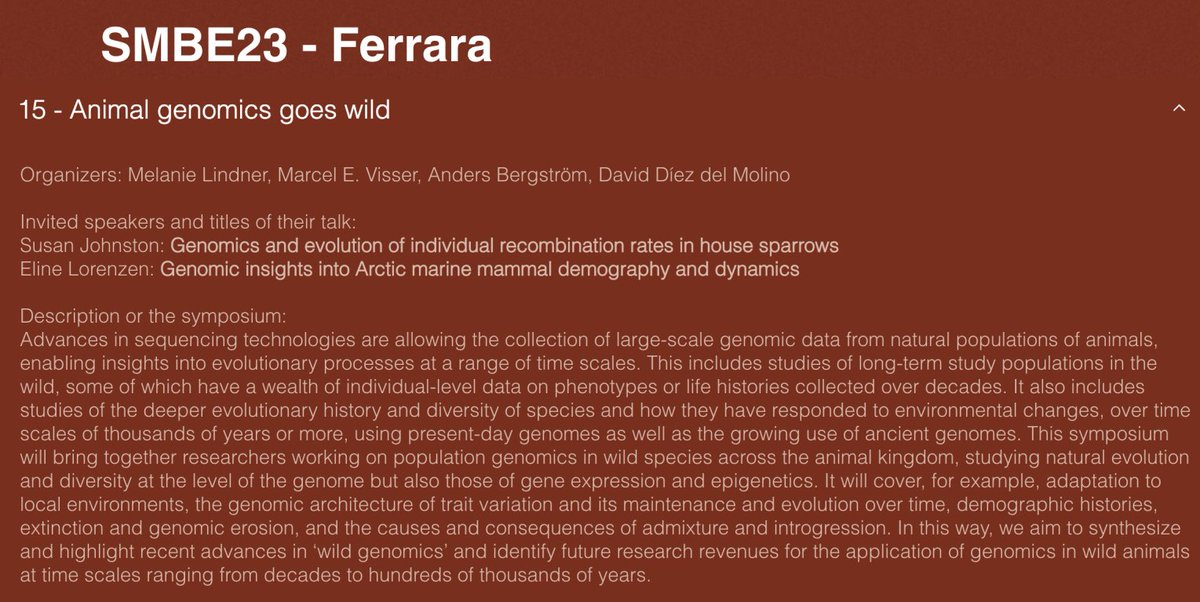
Get your abstracts ready and join us for the #SMBE2023 symposium #15 “Animal genomics goes wild” - submission closes March 15! smbe2023.org/abstractsubmiss…
With @m_e_visser @indianadiez @andersbrgstrm and two fantastic invited speakers @SuseJohnston & @ElineLorenzen
2
5
781
Melanie Lindner retweeted

16 Feb 2023
The Lord then said to Noah, "Take with you a genomics abstract for every kind of animal, submit it to #SMBE2023 symposium #15". Don't miss our Noah's Ark of wild animal genomics (#aDNA too!), invited speakers @SuseJohnston & @ElineLorenzen, w/ @Me_Lindner @m_e_visser @indianadiez
13
32
3,538