
Your daily dose of Medical Wisdom. Learn, Revise & Stay updated.🩺📚
Joined September 2025
- Tweets 13,825
- Following 2,899
- Followers 11,305
- Likes 13,203
459 Photos and videos

Pinned Tweet

24 Sep 2025
🚀 Welcome to MedLearn Hub🩺📚
📍Your go-to space for-:
✅Latest Medical Updates & Research.
✅High Yield Exam Prep (NEET PG,INICET,USMLE,PLAB & more).
✅Clinical cases & Medical Insights.
📌Let's grow our medical wisdom together.
#MedTwitter #MedEd #NEETPG
7
7
94
40,551
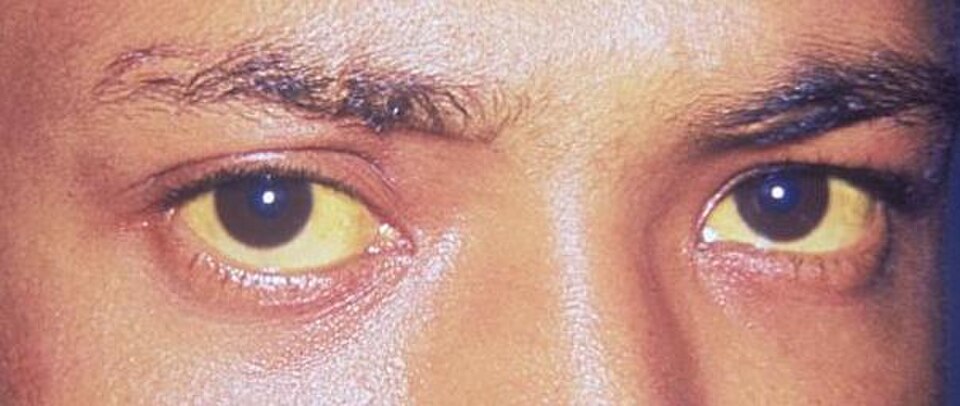
Q. This middle aged man presented with fever & malaise after consuming contaminated food. The likely diagnosis is?
A. Hepatitis A.
B. Hepatitis C.
C. Wilson disease.
D. Autoimmune hepatitis.
7
1
10
1,081
Q. Which health trend has the strongest scientific support?
A. Detox cleanses.
B. Regular exercise.
C. Fat burning teas.
D. Juice only diets.
4
3
272
MedLearn Hub retweeted
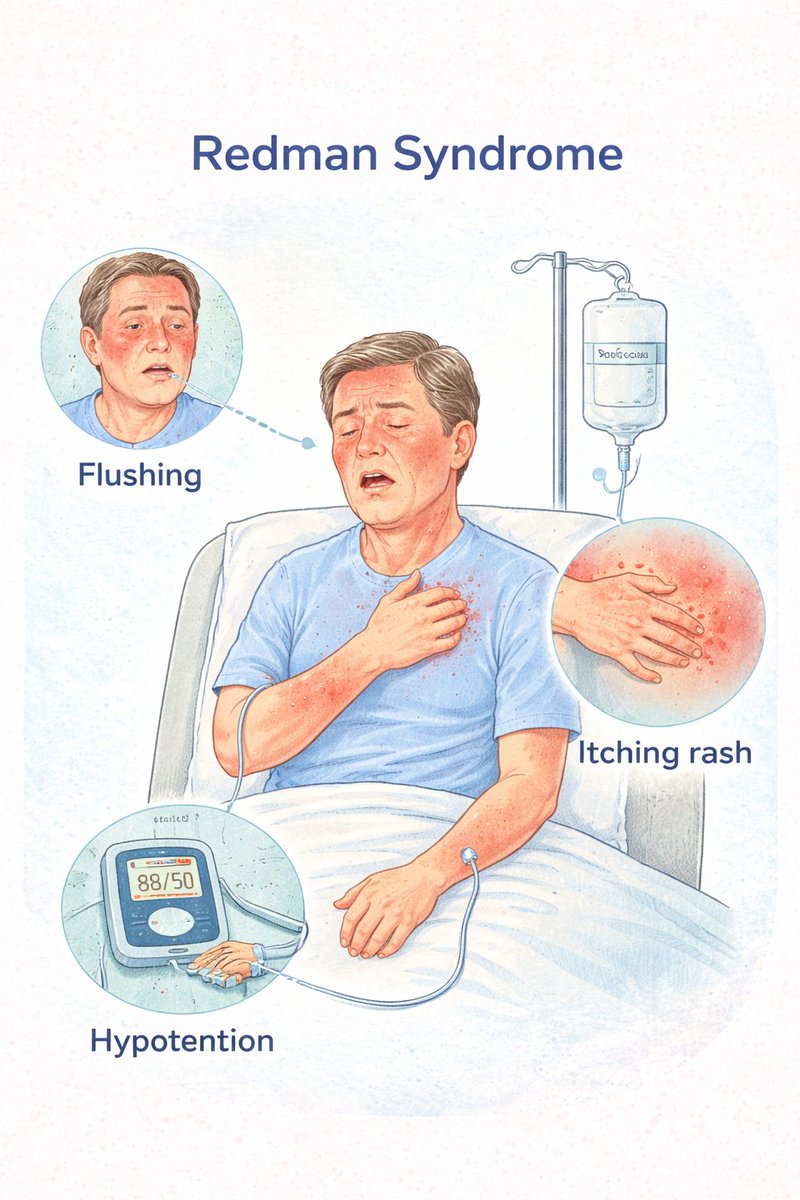
Q. Which drug is most commonly associated with Red Man Syndrome ?
a. Amikacin.
b. Linezolid.
c. Rifampicin.
d. Vancomycin.
9
3
27
2,323
MedLearn Hub retweeted
Q. Which nutrient deficiency is the most common worldwide?
A. Vitamin A.
B. Iron.
C. Vitamin C.
D. Calcium.
2
2
11
1,514
MedLearn Hub retweeted
Jun 14
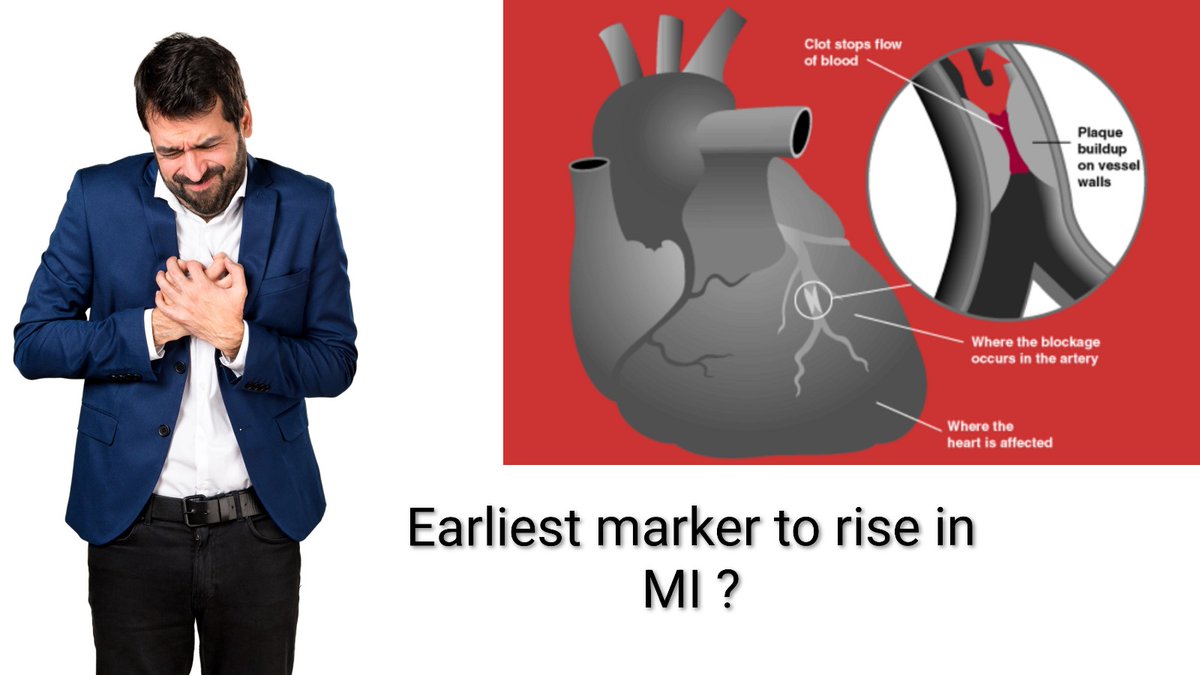
Q. Which is the Earliest marker to rise in Myocardial Infarction ?
A. CK-MB.
B. Troponin.
C. LDH.
D. Myoglobin.
18
6
72
10,543
MedLearn Hub retweeted
Jun 14
Q. Which of the following is True about antibiotics?
A) They work against all infections.
B) They speed recovery from the common cold.
C) They are effective only against bacteria.
D) They boost the immune system.
3
1
3
440
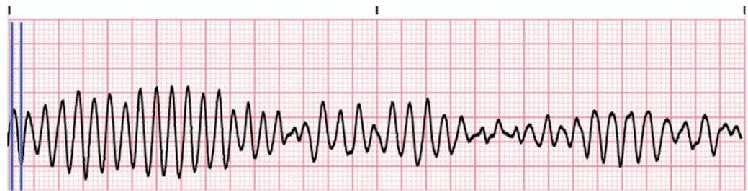
✓ Magnesium sulfate (MgSO4) is the drug of choice for treating both Torsades de Pointes and eclampsia.
• Torsades de Pointes: It serves as the immediate first-line agent to stabilize cardiac membranes and suppress polymorphic ventricular tachycardia.
• Eclampsia: It is the gold standard anticonvulsant used to prevent and control life threatening seizures in severe pre-eclampsia.
∆ Key Mechanism: It acts by blocking calcium influx through NMDA receptors and stabilizing neuromuscular membranes.

I’m a Drug, used in both
Torsades de Pointes and
Eclampsia.
Who am I?
67
✓ This is the Cannulation of the external jugular vein, a prominent superficial vessel crossing the sternocleidomastoid muscle.
• It serves as a rapid peripheral alternative for emergency fluid resuscitation or drug delivery when limb veins are inaccessible. • Differential anatomical considerations for neck access include the internal jugular and subclavian veins, which typically require central placement techniques.
• In critical scenarios with difficult access, other options include ultrasound guided peripheral lines, intraosseous access, or formal central venous catheterization.

98
MedLearn Hub retweeted
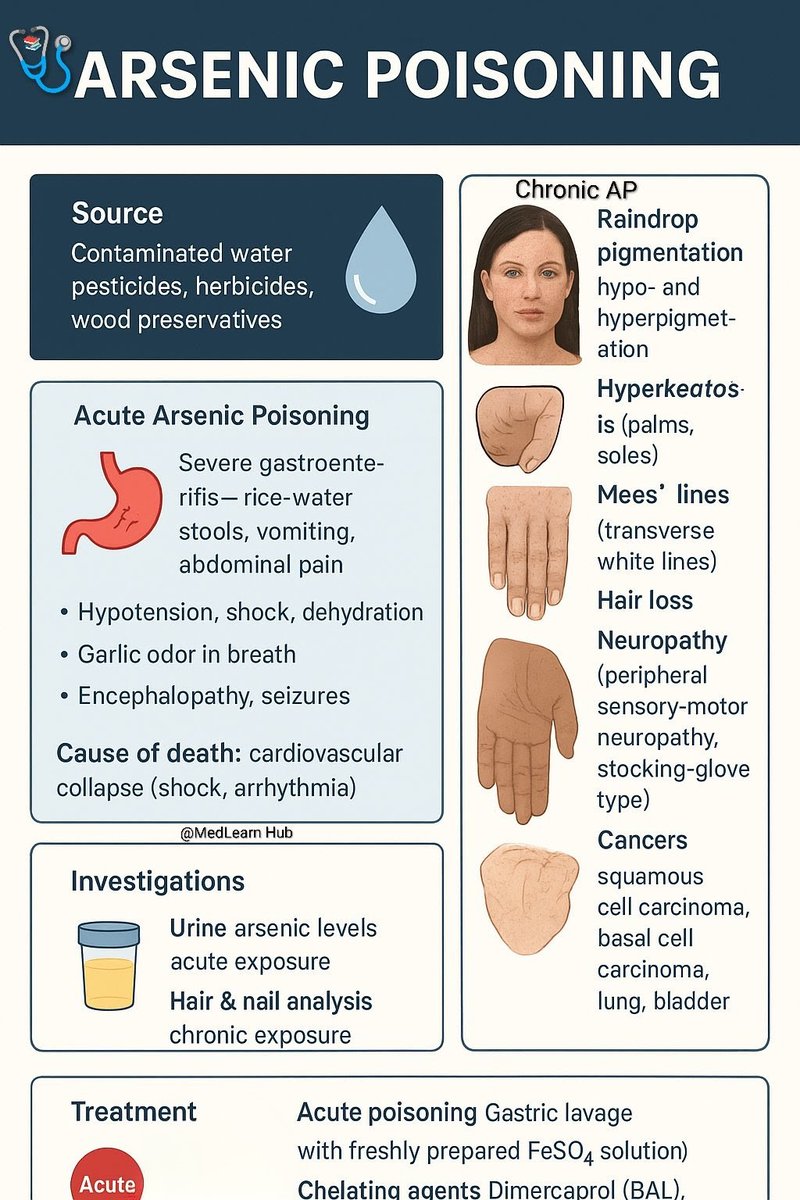
🔶Arsenic poisoning.
∆ Clinical Features-:
• Acute poisoning: rice-water stools & garlic odor.
• Chronic poisoning hallmark: Raindrop pigmentation & hyperkeratosis (palms/soles).
• Nail sign: Mees' lines.
📍Cancer risk: skin (SCC, BCC), lung, bladder.
∆ Cause of death- Circulatory Collapse.
✓ Management- Antidote: Dimercaprol (BAL).
• Acute Poisoning-: Gastric lavage with freshly prepared FeSO₄ solution, Chelating agents- Dimercaprol (BAL), DMSA, DMPS, Supportive- Fluids, electrolytes, treat shock.
• Chronic poisoning- Removal of source (safe water), Keratolytics, chelation therapy.
2
6
619
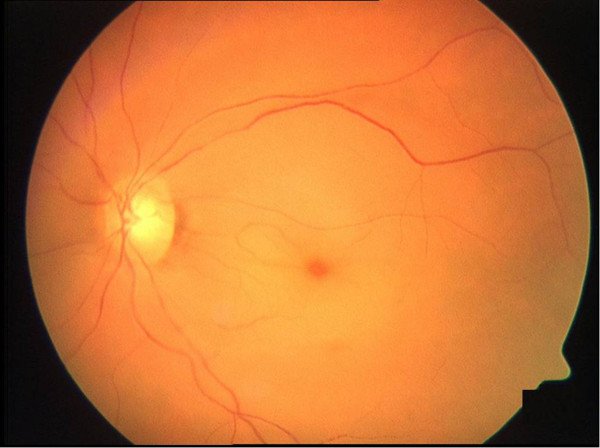
✓ B) Cherry-red spot at the macula is a classic diagnostic hallmark of Central Retinal Artery Occlusion (CRAO).
• Retinal ischemia causes acute, diffuse intracellular edema, making the surrounding inner retinal layers appear pale and cloudy.
• The thin fovea lacks these inner layers and maintains its normal color because the underlying choroid is separately supplied by ciliary arteries.
• This contrast allows the vascular red color of the unaffected choroid to prominently show through the ischemic tissue.

Fundoscopy shows cherry-red spot at the macula.
comment your diagnosis ?
A) Diabetic retinopathy
B) Retinal artery occlusion
C) Retinal detachment
D) Optic neuritis
139
MedLearn Hub retweeted
Jun 13
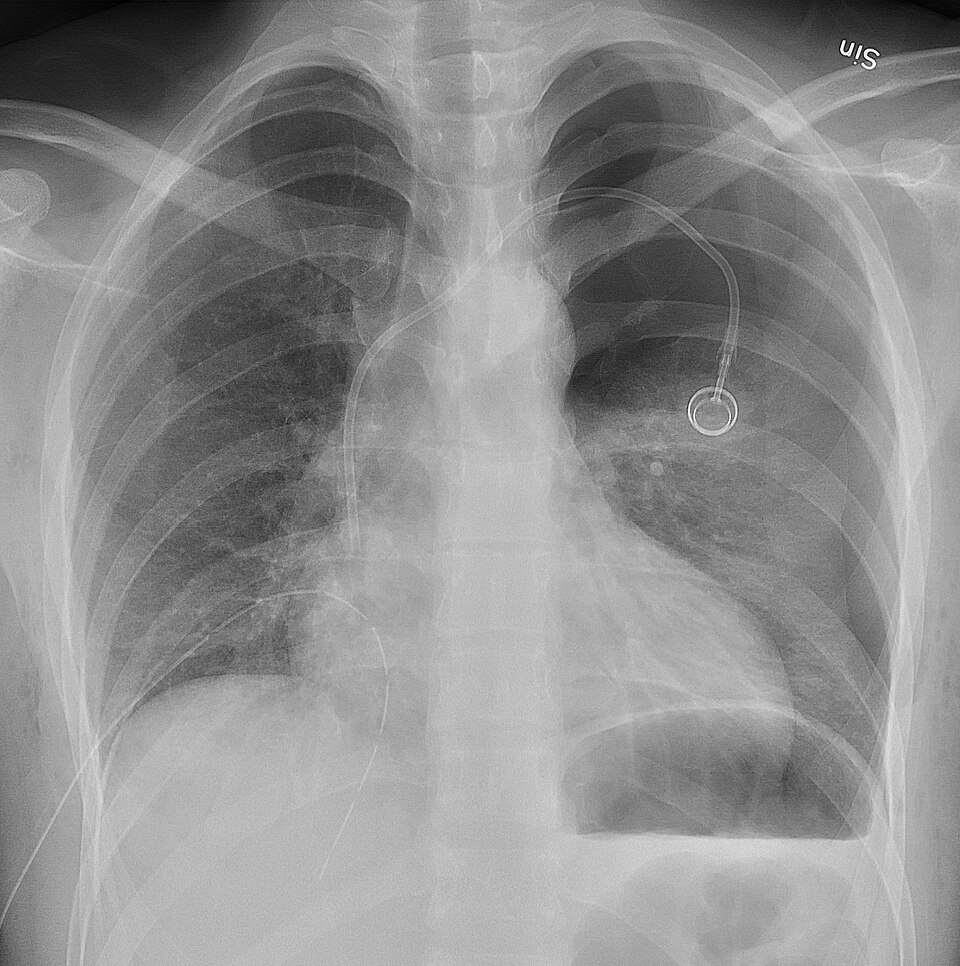
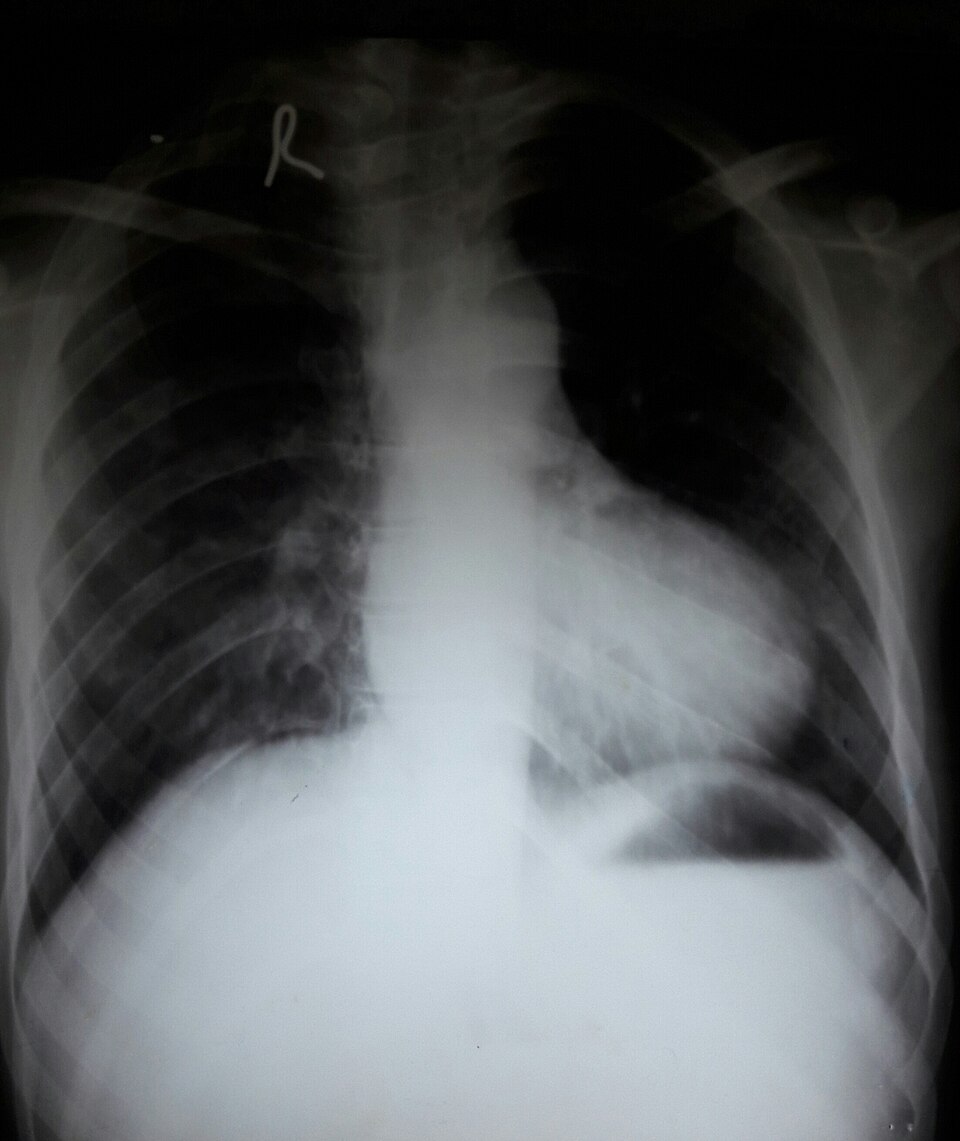
Q. A patient presents with sudden onset dyspnea with unilateral absent breath sounds. This chest X-ray is most suggestive of?
A. Pleural effusion.
B. Lobar pneumonia.
C. Pneumothorax.
D. Pulmonary embolism.
7
3
16
1,909
MedLearn Hub retweeted
Jun 13
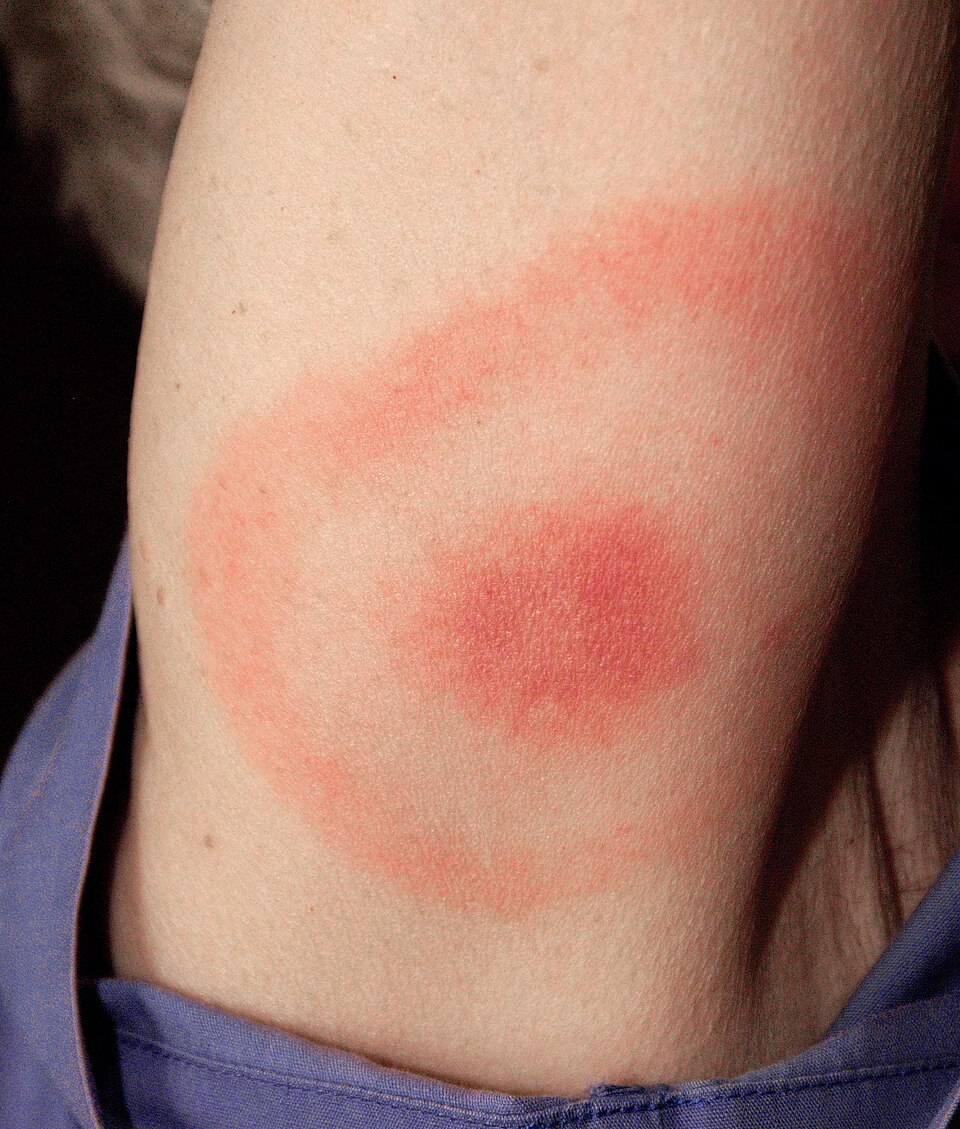
Q. A patient presents with this classic lesion at the site of a tick bite. What is the likely diagnosis?
A) Rocky Mountain spotted fever.
B) Cellulitis.
C) Erysipelas.
D) Lyme disease.
12
4
22
2,475
Jun 14
✓ B. Hypokalemia.
• Hypokalemia commonly causes muscle cramps, muscle weakness, and cramps-related muscle pain because low extracellular potassium hyperpolarizes muscle cell membranes and impairs normal excitation–contraction coupling.
∆ Mechanism- Reduced serum K increases the resting membrane potential (more negative), making muscle fibers less excitable and prone to involuntary contractions and cramping with activity or rest.
• Hypocalcemia and hypomagnesemia can also cause muscle cramps and tetany, but hypercalcemia and hypermagnesemia typically cause weakness rather than cramps.
Which electrolyte abnormality is associated with muscle cramps?
A. Hypernatremia
B. Hypokalemia
C. Hypercalcemia
D. Hypermagnesemia
3
224
MedLearn Hub retweeted
Jun 13
Q. Which organ receives the highest percentage of the heart's output at rest?
A) Brain.
B) Kidneys.
C) Liver.
D) Lungs.
4
2
12
2,146
MedLearn Hub retweeted
Jun 13
Q. What is the Most common cause of anemia in pregnancy ?
A) Folate deficiency.
B) Iron deficiency.
C) B12 deficiency.
D) Hemolysis.
8
1
12
1,419
MedLearn Hub retweeted
Jun 13
Q. Which measurement is a simple indicator of cardiometabolic risk?
A. Height.
B. Waist circumference.
C. Foot size.
D. Arm span.
4
1
6
1,243