
Examines how media and emerging technologies shape democracy. Housed at @mcgillu @maxbellschool. Led by @taylor_owen & @SonjaSolomun.
- Tweets 1,910
- Following 1,280
- Followers 2,837
- Likes 1,427





ALT Tracy Vaillancourt

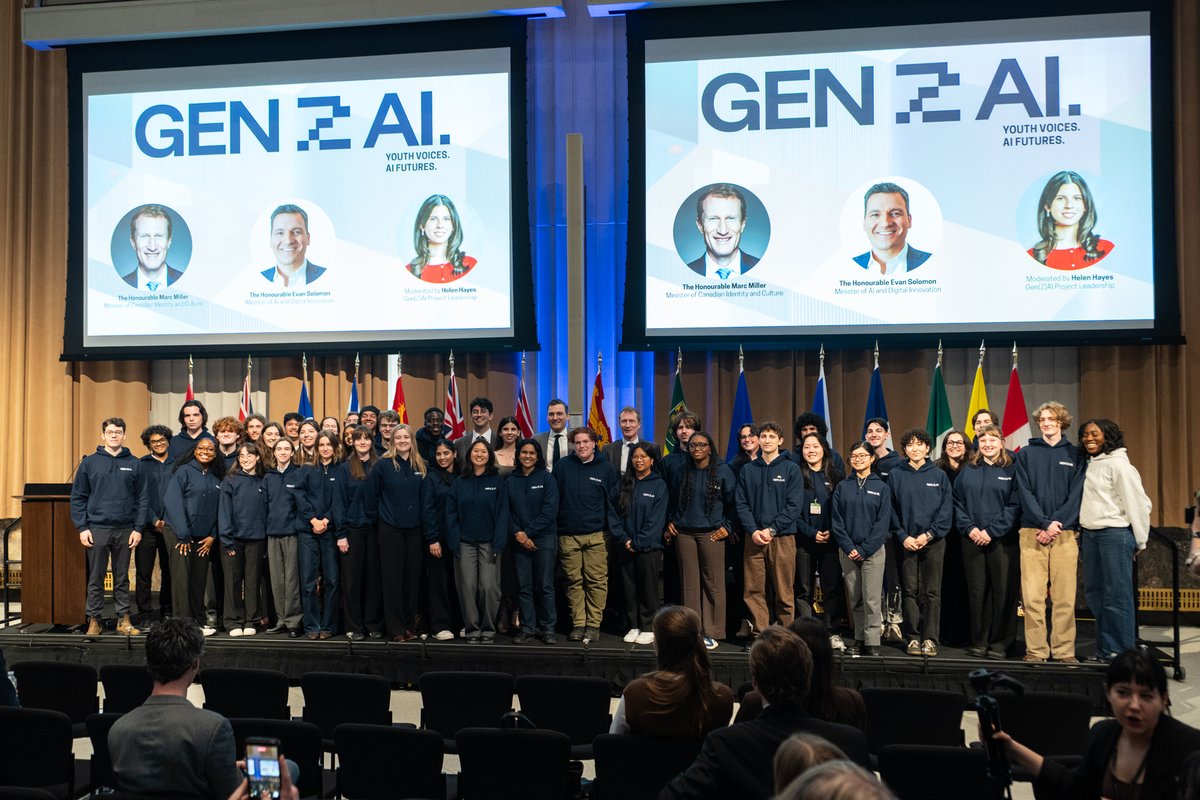
ALT Gen(Z)AI participants, youth fellows, and project leads posing for a group photo with the Honourable Evan Solomon (Minister of AI and Digital Innovation) and the Honourable Marc Miller (Minister of Canadian Identity and Culture). Photo by Lindsay Ralph.
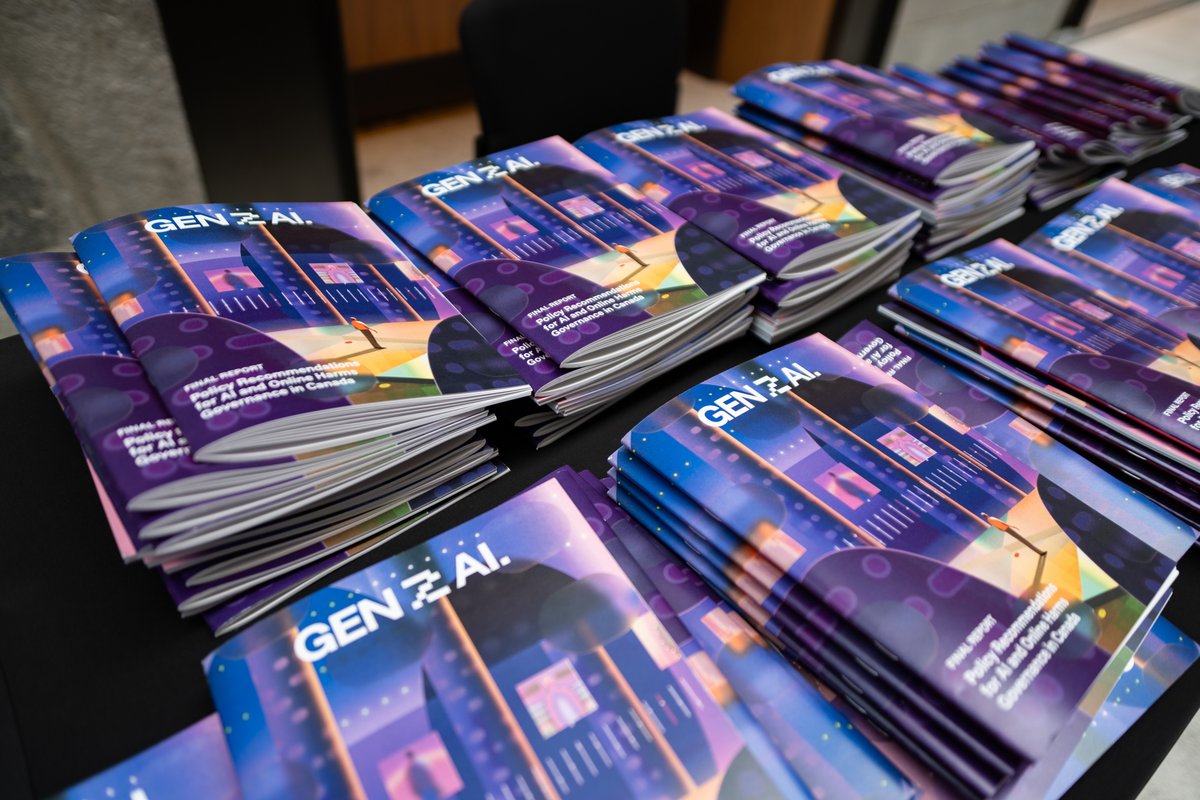
ALT Gen(Z)AI final reports. Photo by Lindsay Ralph.
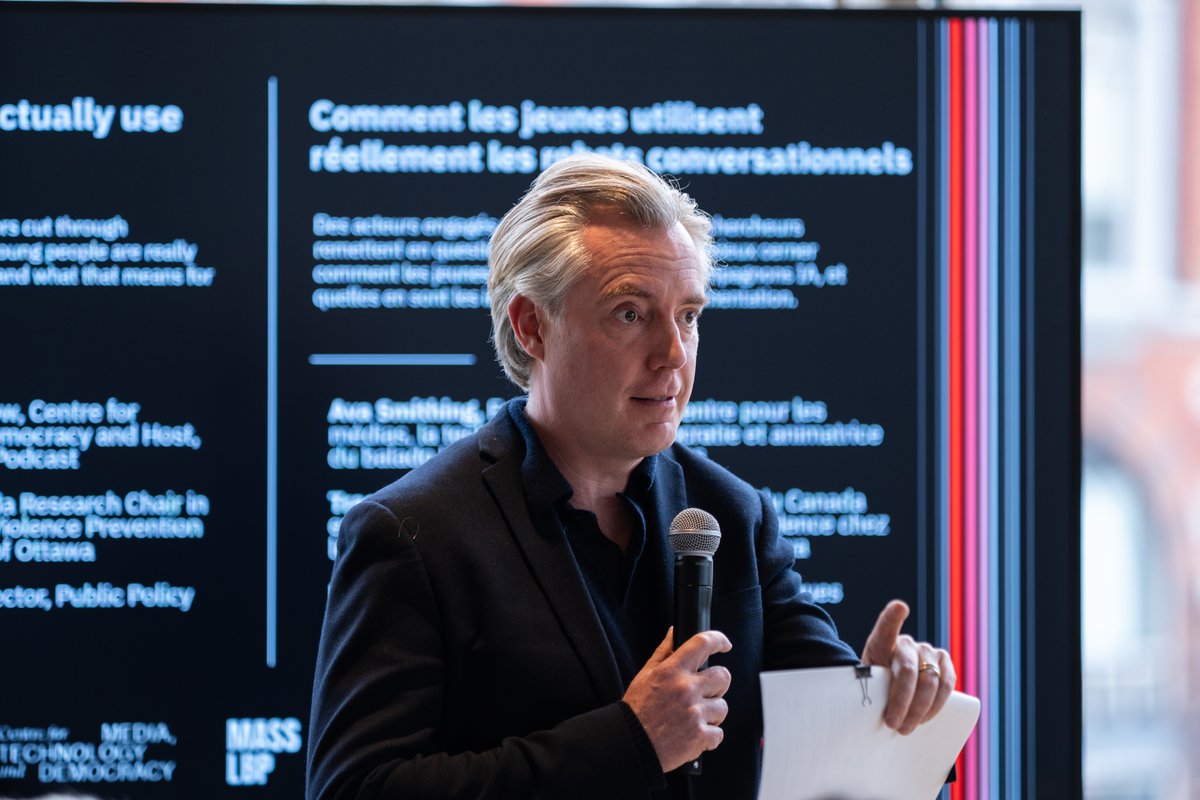
ALT Peter MacLeod (Founder and Principal, MASS LBP). Photo by Lindsay Ralph.
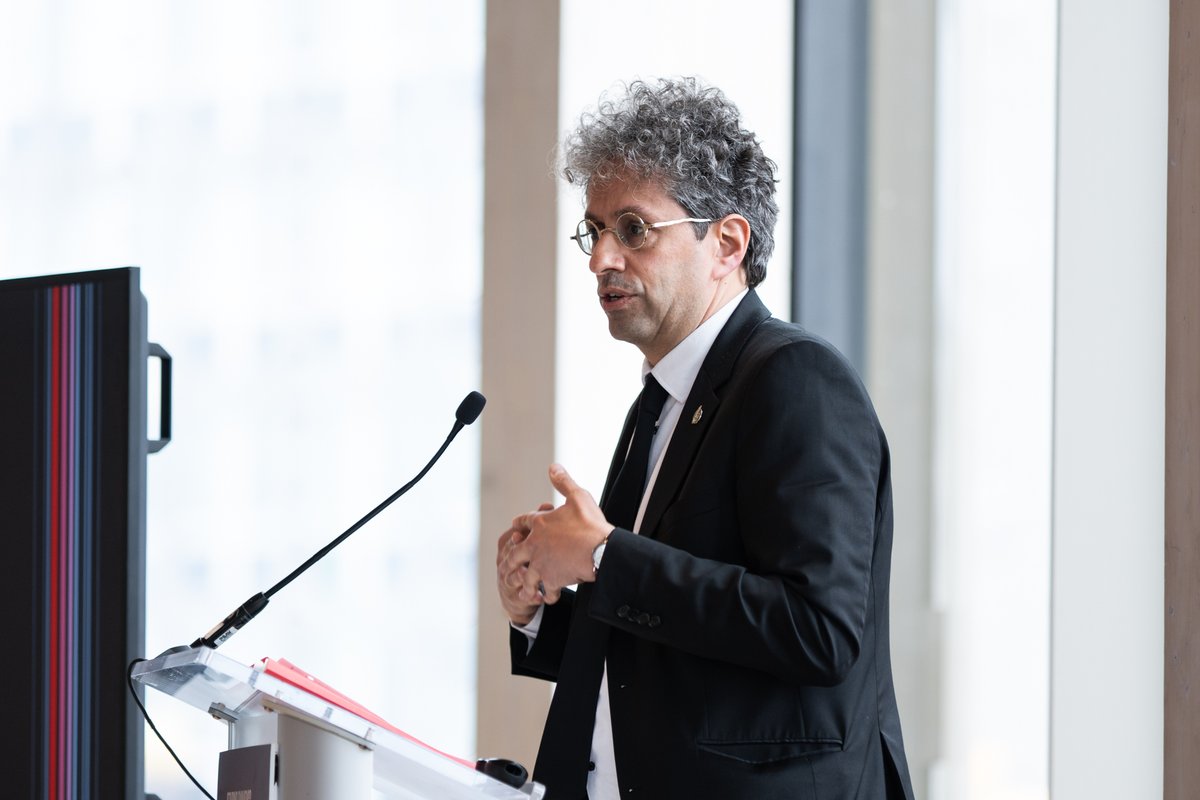
ALT Karim Bardeesy (Member of the House of Commons of Canada). Photo by Lindsay Ralph.
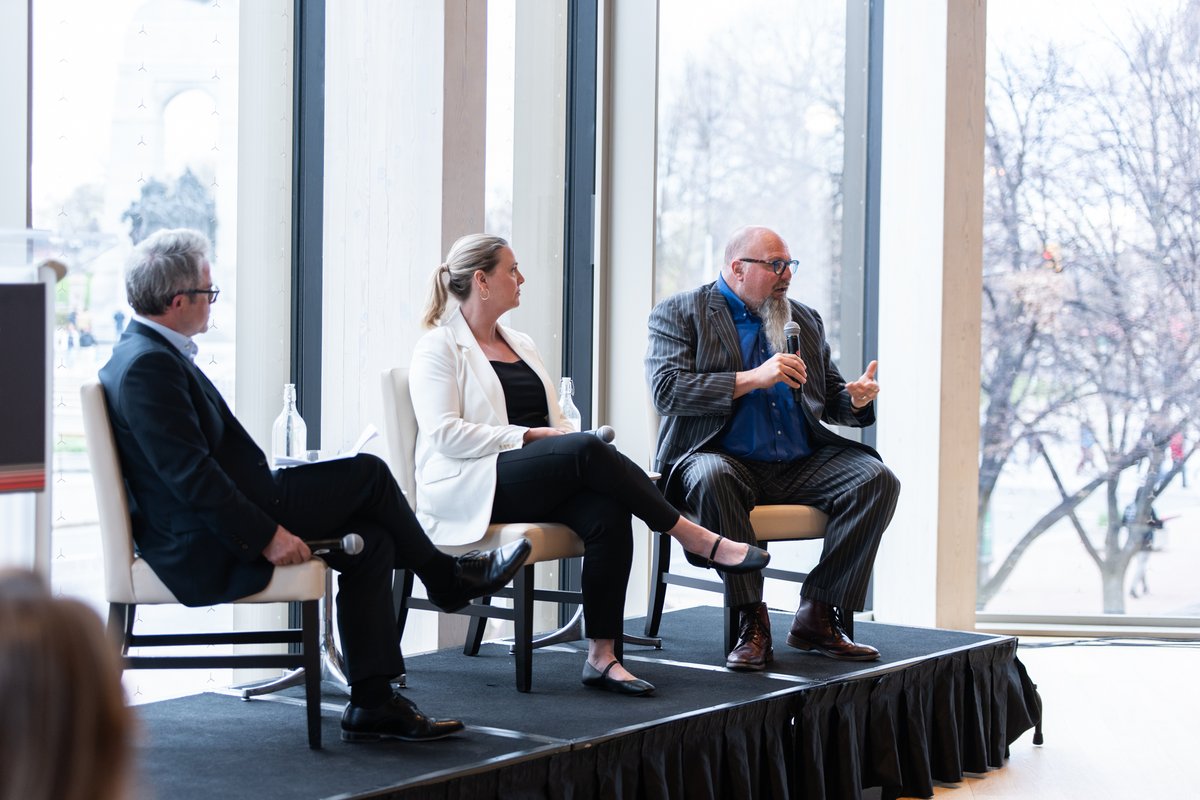
ALT From left: Taylor Owen (Beaverbrook Chair in Media, Ethics and Communications and the founding director of The Center for Media, Technology and Democracy), Emily Laidlaw (Professor of Law, University of Calgary and Canada Research Chair - Cybersecurity Law), and Ethan Zuckerman (Professor of Public Policy, Communication and Information, University of Massachusetts and Founder, Initiative on Digital Public Infrastructure). Photo by Lindsay Ralph.