
Crypto geek | Won’t stop untill win
Joined May 2024
- Tweets 763
- Following 132
- Followers 51
- Likes 4,168
63 Photos and videos




Megacrypto ᯅ retweeted

Jan 15
20
50
101
11,646
Megacrypto ᯅ retweeted

7 Nov 2025
Connie Hiu, CEO & Co-founder of Paraverse Tech, discusses how #Biban_Forum_2025 empowers tech companies to expand globally and access new markets through strategic programs and unique investment opportunities.
#Global_Destination_for_Opportunities
Register now
bibanglobal.sa/en/registrati…
20
37
99
21,681
Megacrypto ᯅ retweeted

20 Oct 2025
𝗪𝗲 𝗺𝗮𝗱𝗲 𝗶𝘁 𝘁𝗼 𝘁𝗵𝗲 𝗧𝗼𝗽 𝟭𝟬𝟬 𝗴𝗹𝗼𝗯𝗮𝗹 𝘀𝘁𝗮𝗿𝘁𝘂𝗽𝘀 𝗼𝗳 𝘁𝗵𝗲 𝗘𝗻𝘁𝗿𝗲𝗽𝗿𝗲𝗻𝗲𝘂𝗿𝘀𝗵𝗶𝗽 𝗪𝗼𝗿𝗹𝗱 𝗖𝘂𝗽 𝟮𝟬𝟮𝟱! 🎉🌍🚀
Selected from over 10,300 applicants across 169 countries, #Paraverse Technology is proud to represent Hong Kong at Biban Forum 2025 in Riyadh—the Global Destination For Opportunities. We look forward to competing for a share of $1.5 million in prizes and connecting with the world's leading entrepreneurs, investors, and partners as we showcase our Cloud XR Streaming Technology, #LarkXR, on the global stage.
🚀 Read more about our journey and the Entrepreneurship World Cup here:
paraverse.cc/paraverse-techn…
𝙎𝙚𝙚 𝙮𝙤𝙪 𝙞𝙣 𝙍𝙞𝙮𝙖𝙙𝙝.ᐟ
#EWC2025 #Entrepreneurship_World_Cup #HongKongStartups #Biban_Forum_2025 #Global_Destination_For_Opportunities
@BibanGlobal
@MonshaatSA
@unleashingideas
@MiskKSA
40
99
322
54,887

2 Oct 2025
🌐 Paraverse is leading the shift to real-time cloud rendering — powering digital twins, smart cities, healthcare, gaming & more.
No high-end device needed, all in the cloud.
Market on track for $23B by 2025.
m.pingxingyun.com/news/13993…
🚀 Powered by $PVS #CloudRendering #Web3
5
5
55
2,013
Megacrypto ᯅ retweeted

25 Sep 2025
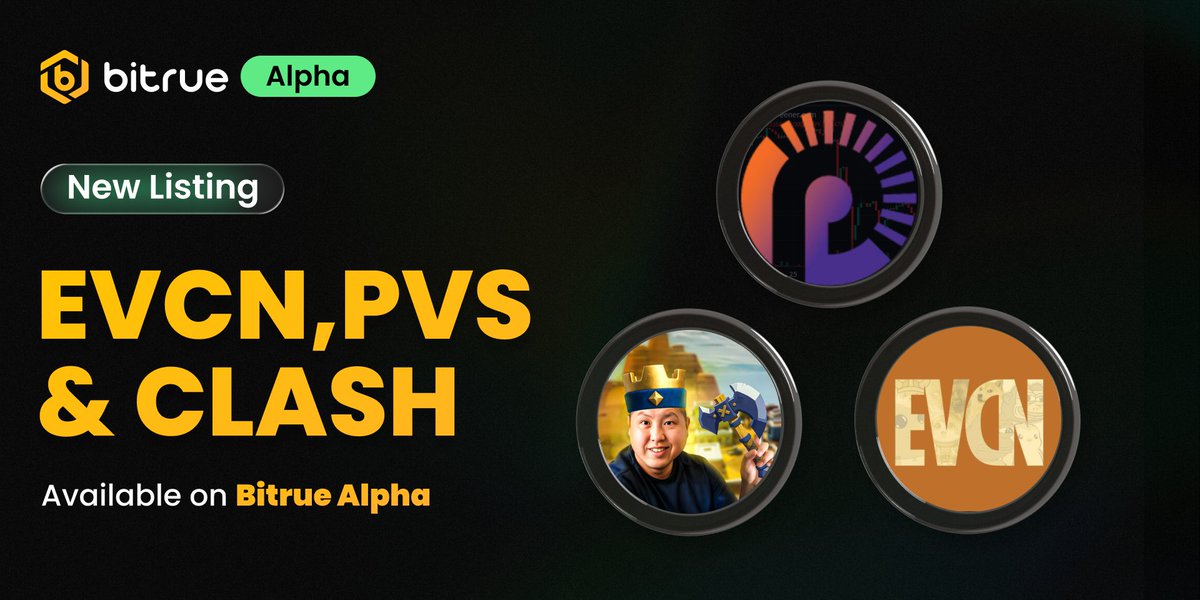
✨ NEW LISTINGS: $EVCN, $CLASH & $PVS NOW LIVE on #Bitrue Alpha!
@EVERYCOINNN @GeorgePlayClash @PVT_Paraverse
Contract Addresses:
🔹 $EVCN - 8MWLo9PmNiunLFhCZsXBsHqmvKrxTjt3qffFJF81pump
🔹 $CLASH - 6nR8wBnfsmXfcdDr1hovJKjvFQxNSidN6XFyfAFZpump
🔹 $PVS - FWAr6oWa6CHg6WUcXu8CqkmsdbhtEqL8t31QTonppump
👉 Details: support.bitrue.com/hc/en-001…
18
13
56
11,826
25 Sep 2025
Believe in something
$PVS
25 Sep 2025

— ANNOUNCEMENT: Paraverse Ecosystem Development Update
As a technology company at our core, Paraverse continues to pioneer Digital Parallel Worlds while adapting to evolving market dynamics. Our focus remains on building the next-gen web where virtual and physical worlds seamlessly converge, accelerating the new digital economy while integrating Web3 elements as part of our technology stack.
We recognize that meaningful advancement requires extensive collaboration across the broader technological landscape. Through sustained efforts, we've made significant progress on our core streaming products, PVS/PAR dual-token architecture, infrastructure layers, and miner integration. These efforts protect and maximize value for our customers, investors, partners, and ecosystem participants while prioritizing ecosystem health and long-term sustainable growth.
Looking ahead, we remain fully committed to executing our complete ecosystem development roadmap while strategically calibrating our implementation sequence and pace based on market conditions and ecosystem readiness. This methodical progression adheres to security, compliance, and sustainability principles. We remain highly optimistic about revolutionizing how digital worlds are created and valued, envisioning a future where immersive experiences are seamlessly accessible and digital assets hold meaningful utility. Your ongoing support empowers this bold vision as we reshape the foundation of digital experience for generations to come.
— The Paraverse Team
#ParaverseEcosystem #FutureDigitalEconomy
4
36
1,098
16 Sep 2025
$PVS delivering non stop
16 Sep 2025
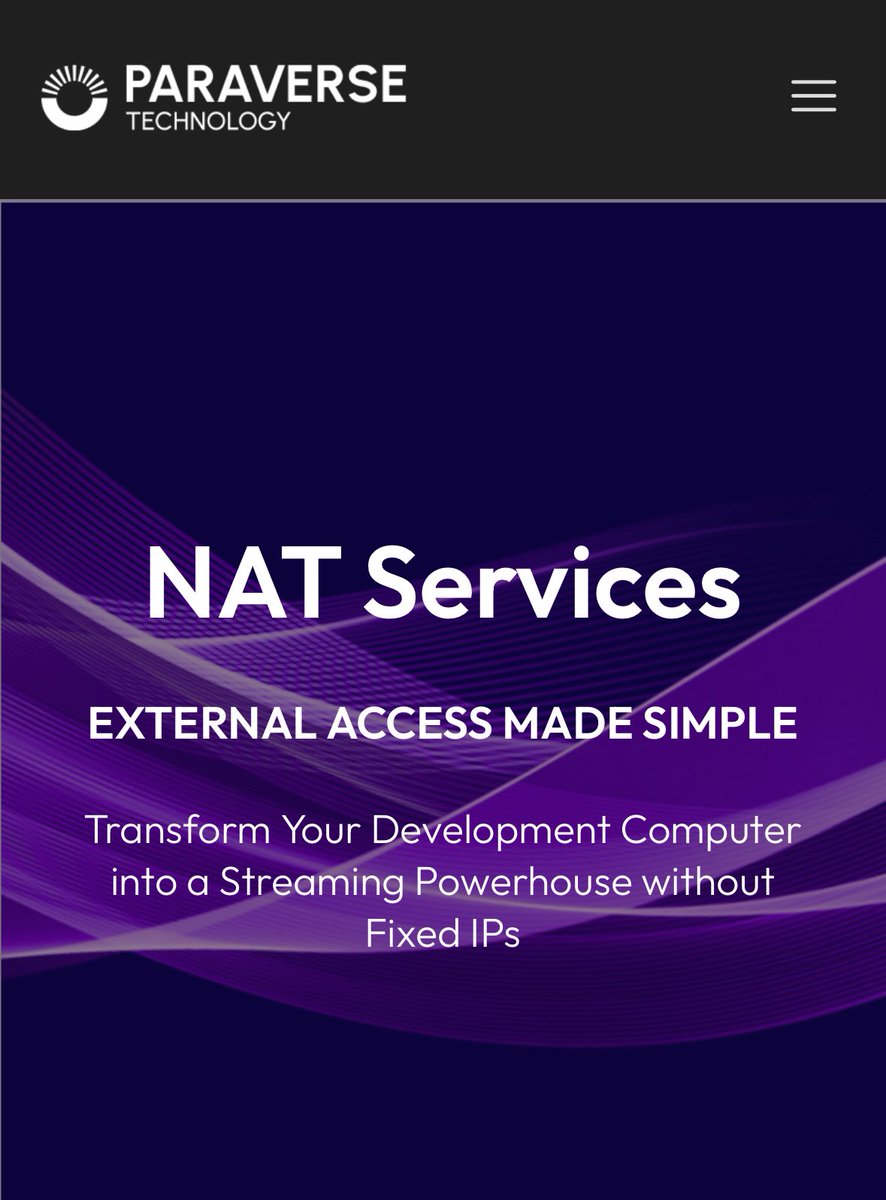
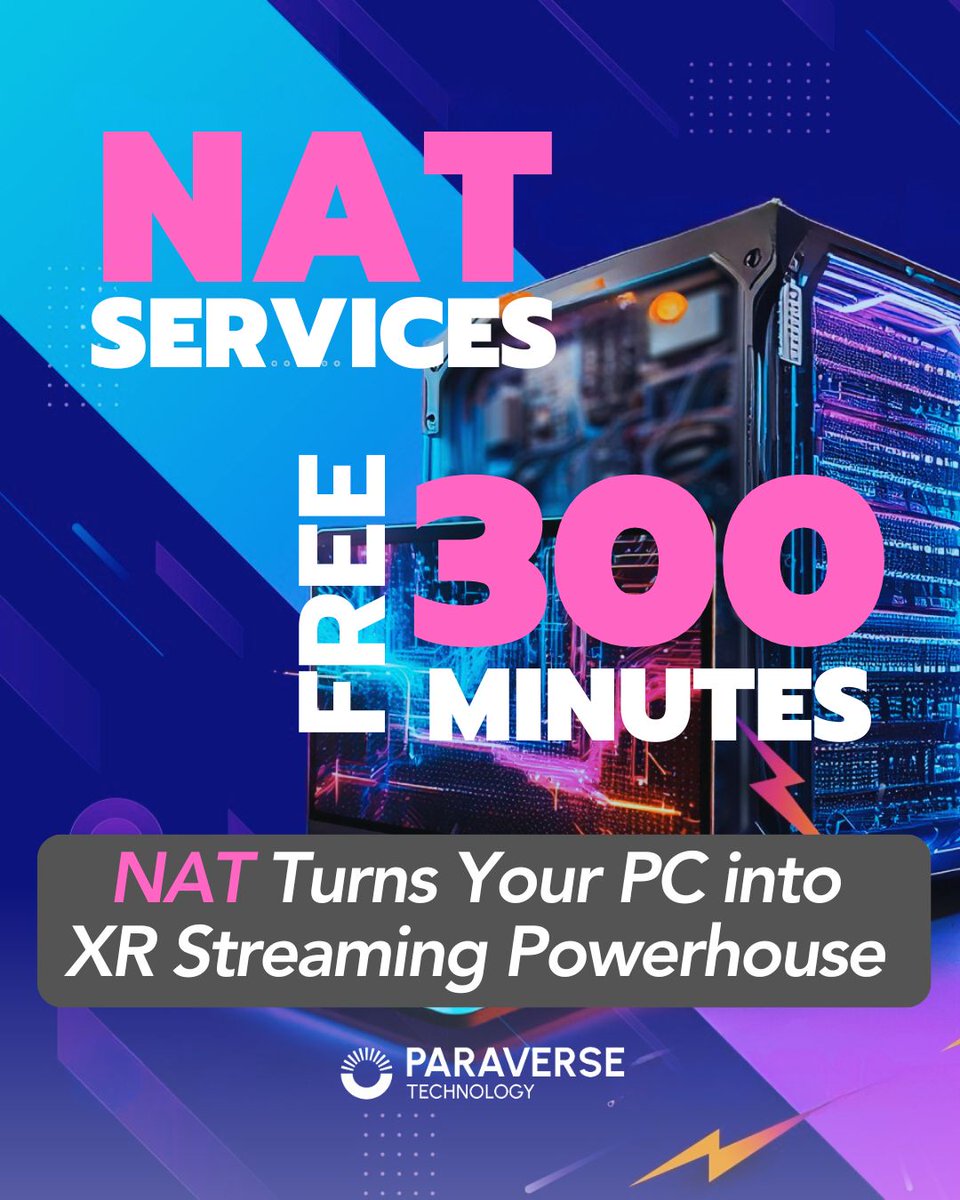
🚀 For #XR developers, #Paraverse #NAT services transform your PC into a #streaming engine. Need public IP? No problem. We generate external access for you. Easily deploy NAT with LarkXR for seamless dev testing, team collabs, or client demos. Enjoy zero-code setup and top-tier performance, trusted by thousands globally.
🪄NAT services bring you:
✘No IP restriction
✘No complicated network setup
✘No costly cloud server fees
🟢Open your global access to your applications
🎁 FREE 300-Minute Trial for New & Existing Users 👀paraverse.cc/nat-services/
1
6
322


4 Sep 2025
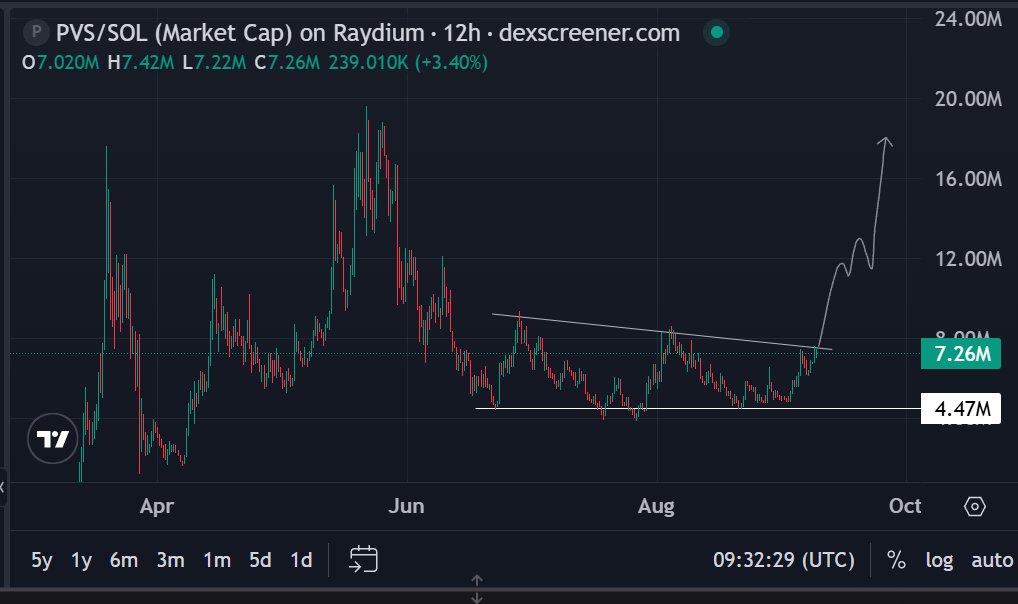
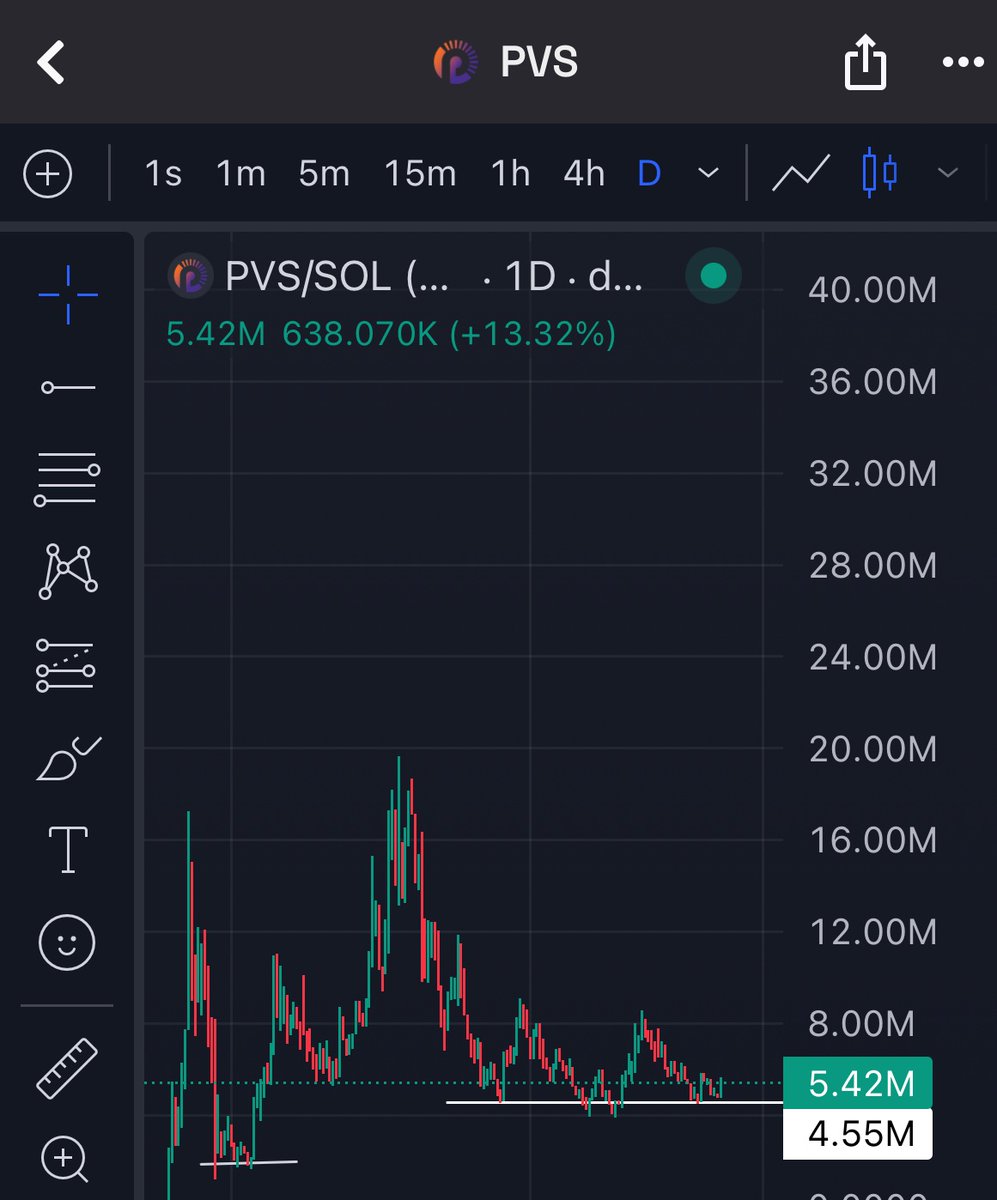
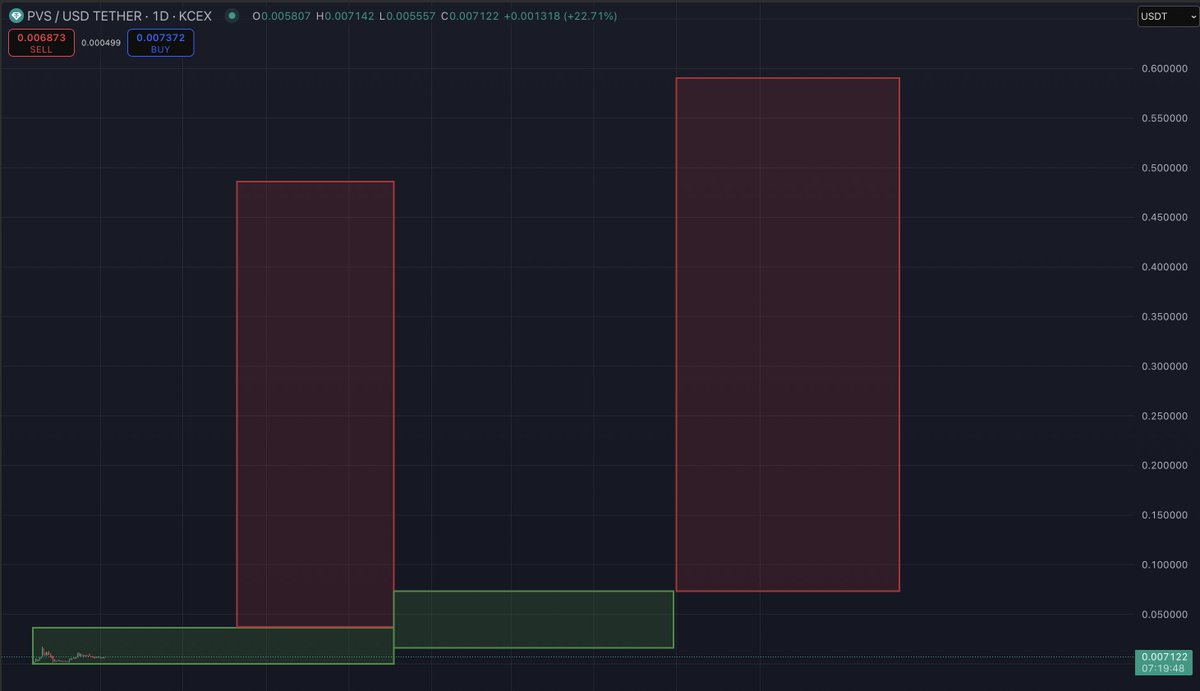
Raise your targets $PVS
3 Sep 2025

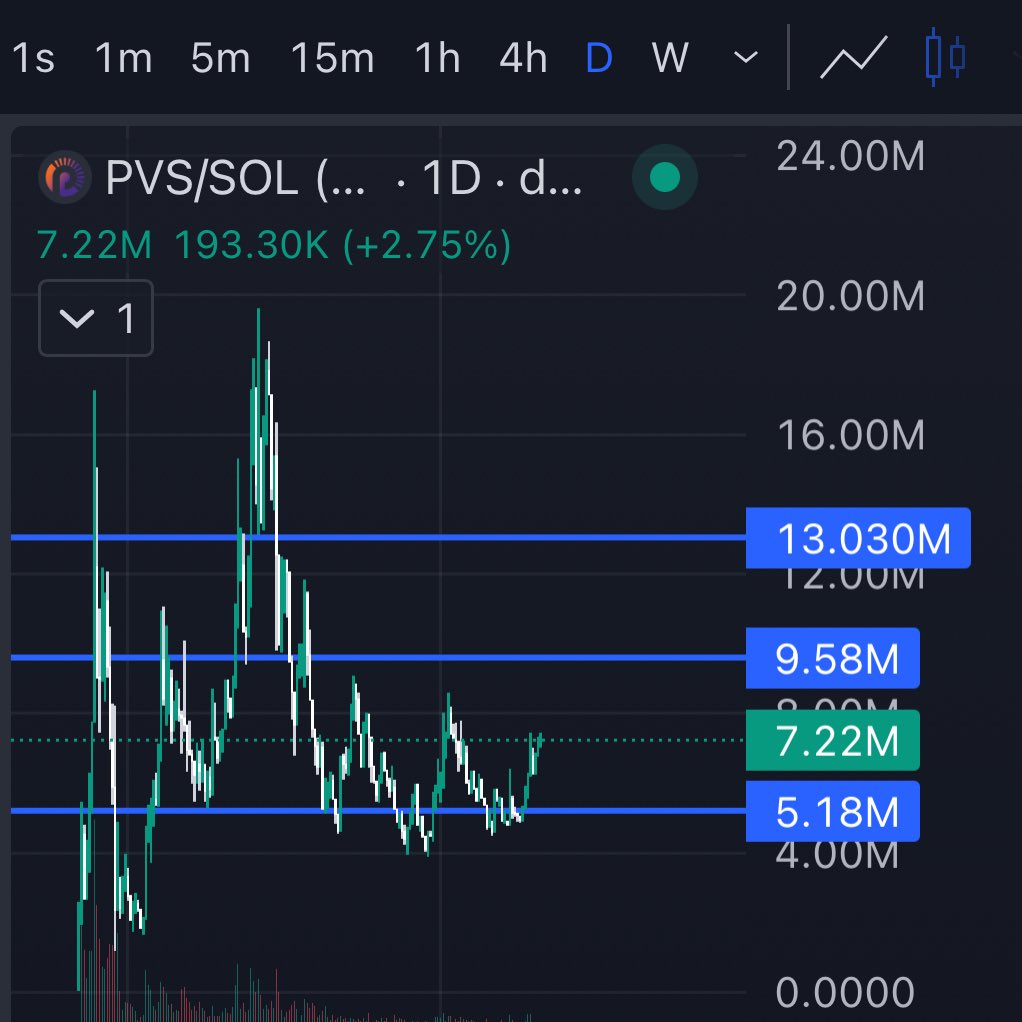
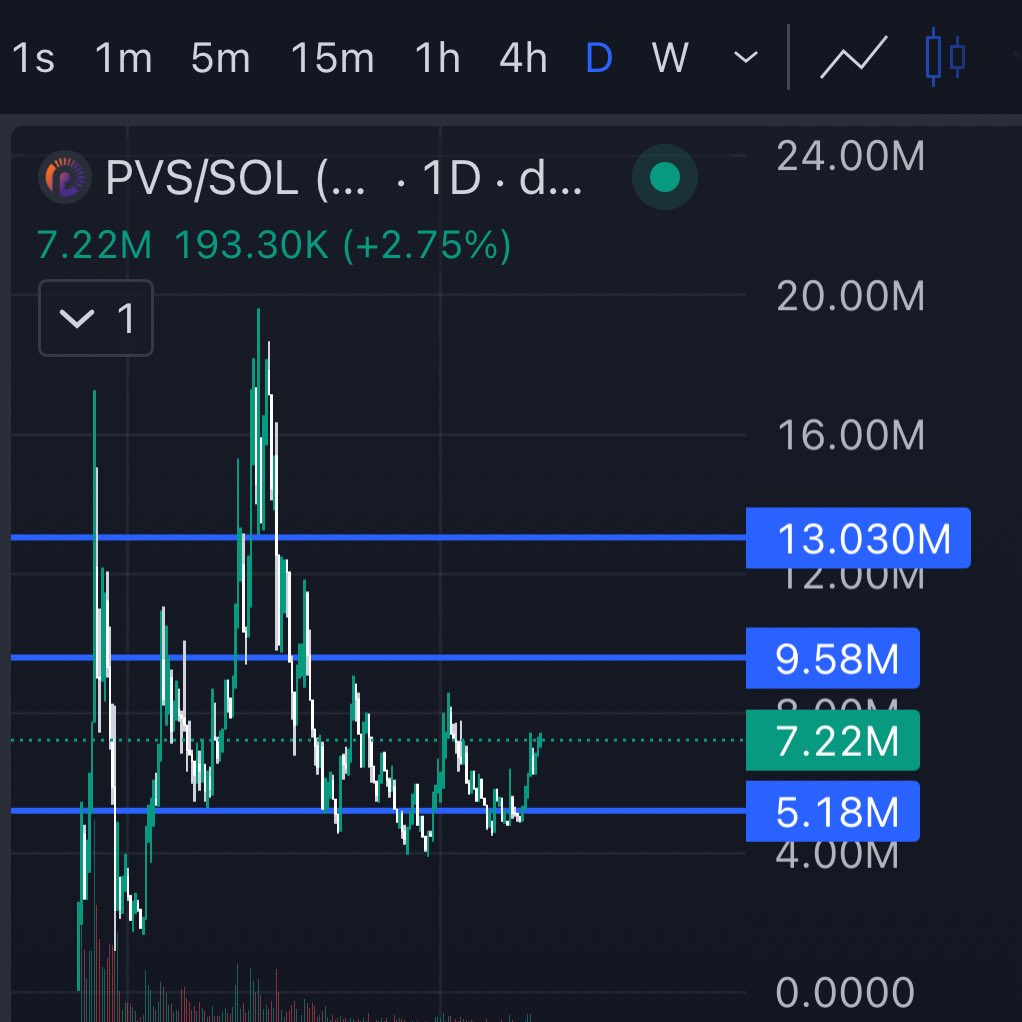
I’m holding through 2027 and beyond, but if we get a parabola earlier, this is my setup (RNDR playbook). Now it’s all about waiting for PAR. Let me drop a few thoughts on the token duality angle real quick.
1
21
437
3 Sep 2025
Invest in real company like $PVS 🔥
2 Sep 2025
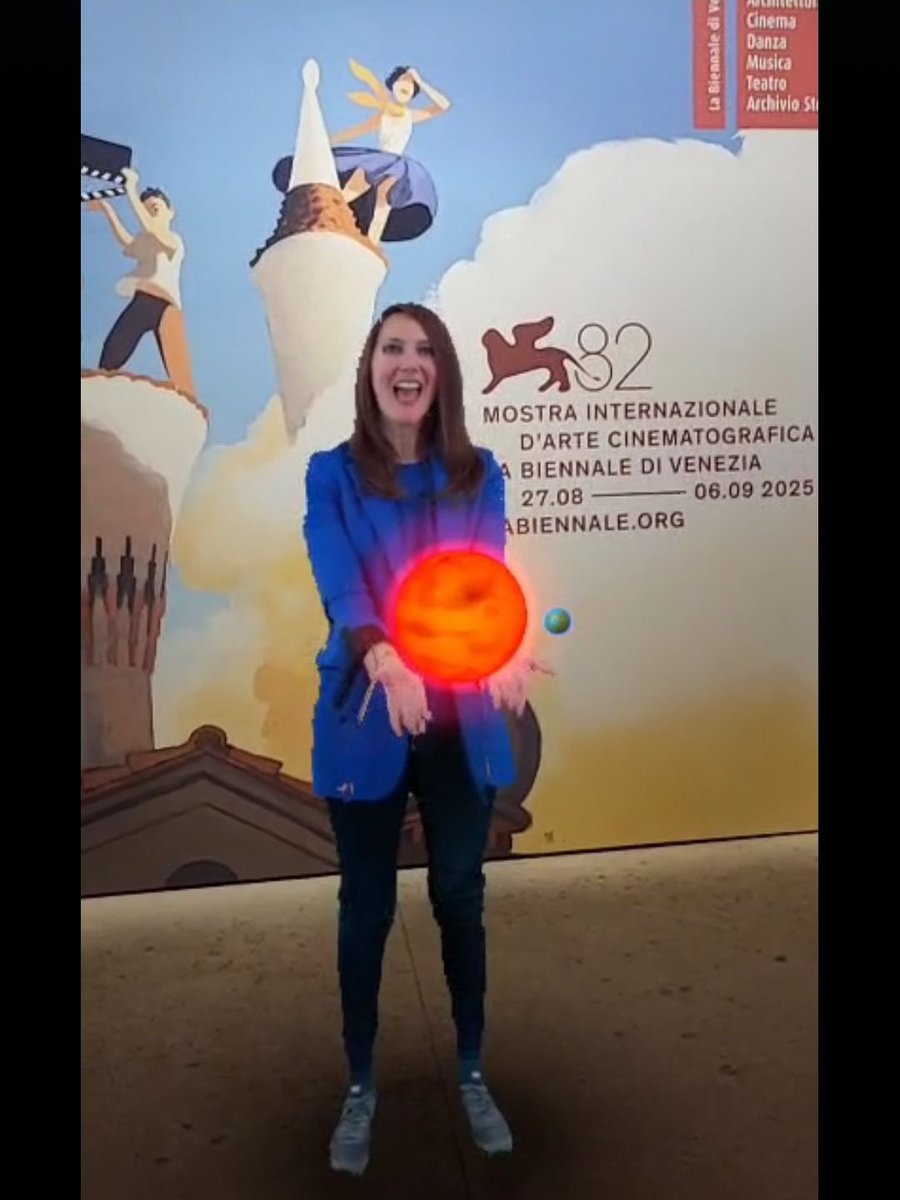
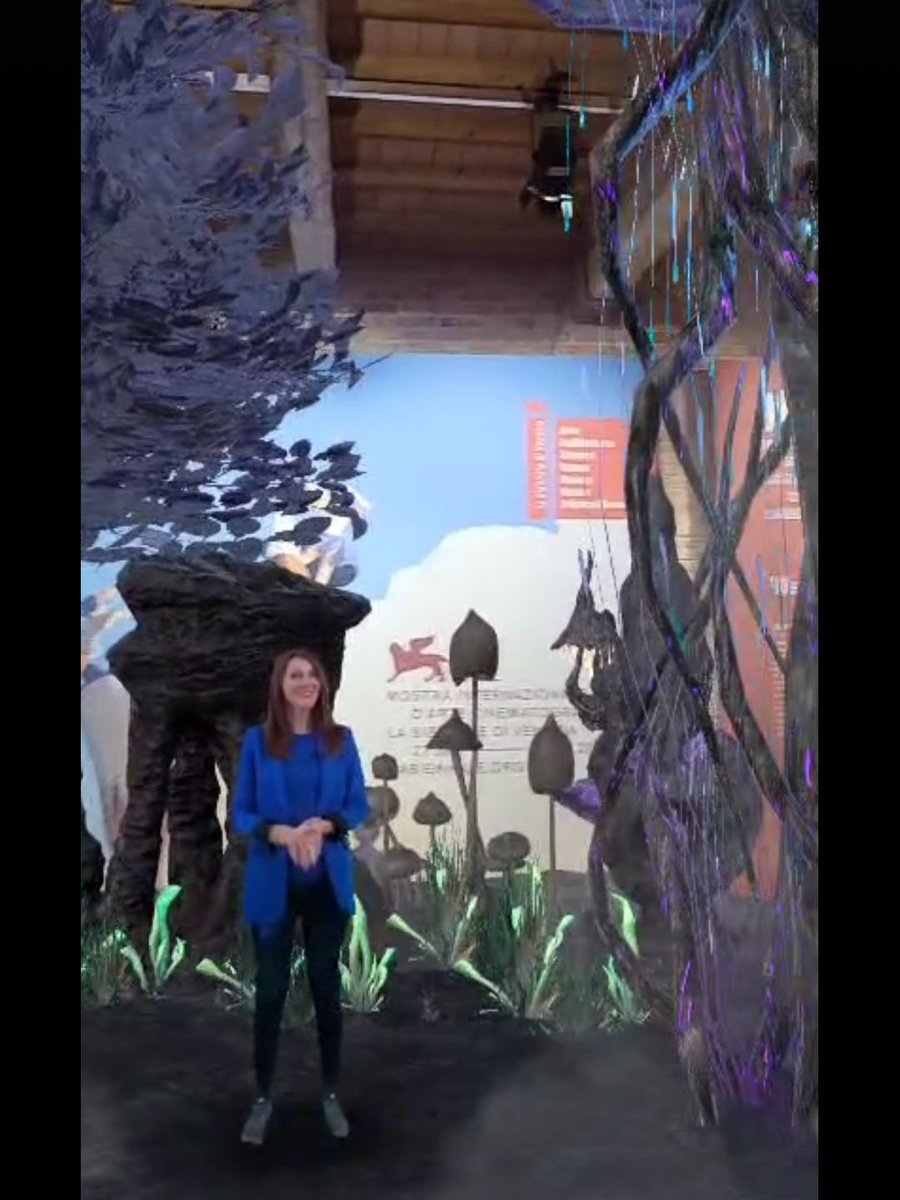
𝗣𝗮𝗿𝗮𝘃𝗲𝗿𝘀𝗲 𝗔𝗴𝗮𝗶𝗻 𝗣𝗼𝘄𝗲𝗿𝘀 𝗫𝗥 𝗘𝘅𝗽𝗲𝗿𝗶𝗲𝗻𝗰𝗲𝘀 𝗮𝘁 𝗩𝗲𝗻𝗶𝗰𝗲 𝗕𝗶𝗲𝗻𝗻𝗮𝗹𝗲!
🎬 This year, our Cloud XR Streaming technology for volumetric powers immersive experiences at the prestigious Venice Biennale Cinema 2025.
(August 27 - September 6)
✦.── 𝗟𝗶𝘃𝗲 𝗳𝗿𝗼𝗺 𝘁𝗵𝗲 𝗩𝗥 𝗶𝘀𝗹𝗮𝗻𝗱 𝗮𝘁 𝗙𝗼𝗻𝗱𝗮𝘇𝗶𝗼𝗻𝗲 𝗟𝗮 𝗕𝗶𝗲𝗻𝗻𝗮𝗹𝗲 𝗱𝗶 𝗩𝗲𝗻𝗲𝘇𝗶𝗮
Our #LarkXR enables FRENCH TOUCH FACTORY to showcase their #ITHACA volumetric video demonstration, streaming LIVE from Hong Kong to Venice, Italy.
We're equally thrilled to congratulate their immersive projects being selected worldwide for VENICE IMMERSIVE MARKET 2025!
🔗 𝘍𝘳𝘦𝘯𝘤𝘩 𝘛𝘰𝘶𝘤𝘩 𝘍𝘢𝘤𝘵𝘰𝘳𝘺 𝘓𝘪𝘯𝘬𝘦𝘥𝘐𝘯
linkedin.com/company/french-…
𝗕𝗿𝗲𝗮𝗸𝗶𝗻𝗴 𝗕𝗼𝘂𝗻𝗱𝗮𝗿𝗶𝗲𝘀. 𝗖𝗼𝗻𝘁𝗶𝗻𝘂𝗶𝗻𝗴 𝗜𝗻𝗻𝗼𝘃𝗮𝘁𝗶𝗼𝗻 ── .✦
From #Architecture to #Cinema Biennale - #Paraverse Powers Global Immersive Experiences across continents. Experience Our Previous Collaboration:
🎥 𝘛𝘩𝘦 𝘝𝘦𝘯𝘪𝘤𝘦 𝘐𝘯𝘵𝘦𝘳𝘯𝘢𝘵𝘪𝘰𝘯𝘢𝘭 𝘈𝘳𝘤𝘩𝘪𝘵𝘦𝘤𝘵𝘶𝘳𝘦 𝘉𝘪𝘦𝘯𝘯𝘢𝘭𝘦
youtu.be/qKp0a7aPHyo?si=ctaV…
🔗 𝗬𝗼𝘂𝗿 𝗫𝗥 𝗦𝘁𝗿𝗲𝗮𝗺𝗶𝗻𝗴 𝗣𝗮𝗿𝘁𝗻𝗲𝗿. 𝗖𝗼𝗻𝗻𝗲𝗰𝘁 𝗡𝗼𝘄.
paraverse.cc
#CreativeEurope #France2030
#BiennaleCinema2025 #Venezia82
#VeniceImmersive #XRStreaming


22
386
23 Aug 2025
$PVS is timeless. With the team consistently delivering, the cult just keeps growing stronger every day. Billions are imminent.
$JOS $PRGN $CDB $LENS $SNAI $CFX $ALCH $RENDER $COLLAT $KNET
18 Aug 2025
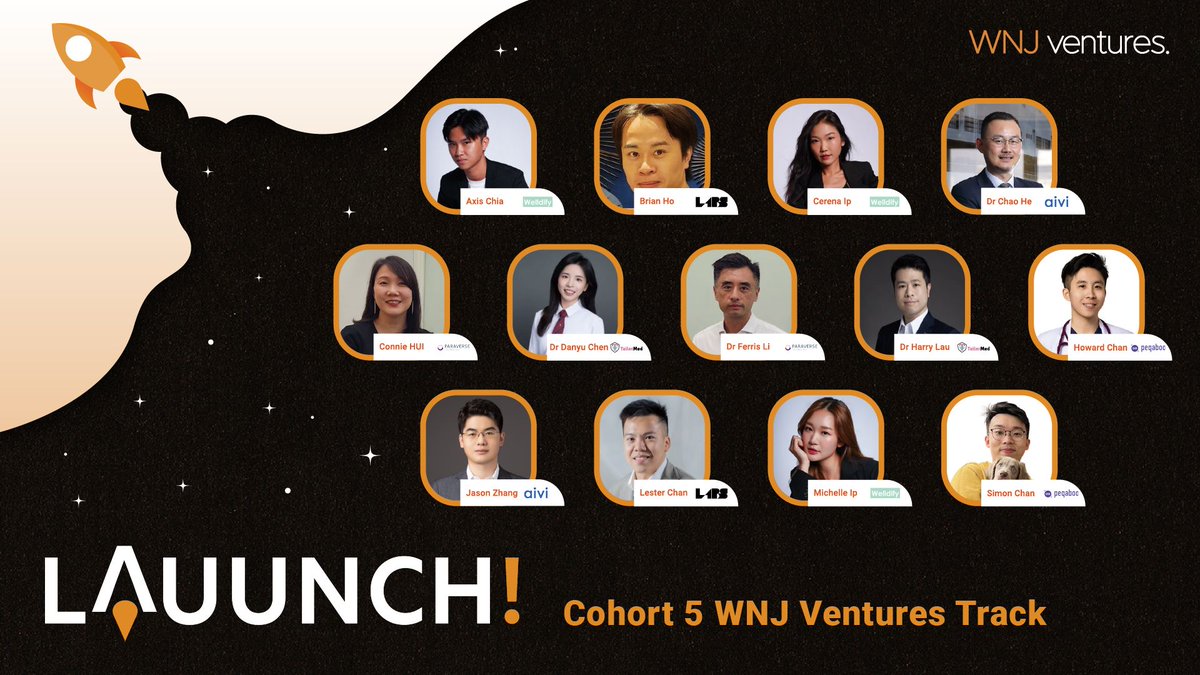
Absolutely buzzing to join the LAUUNCH! Incubation Program Cohort 5 - WNJ Track! 🚀
We're honored to be among six innovative startups working alongside industry experts and dedicated mentors over the next three months.
Can't wait to connect with #WNJ Ventures' incredible network of seasoned professionals who'll help shape #Paraverse's future! 🗺️⁀જ✈︎
🔗 LinkedIn: shorturl.at/Q2xf8
3
28
1,633
22 Aug 2025
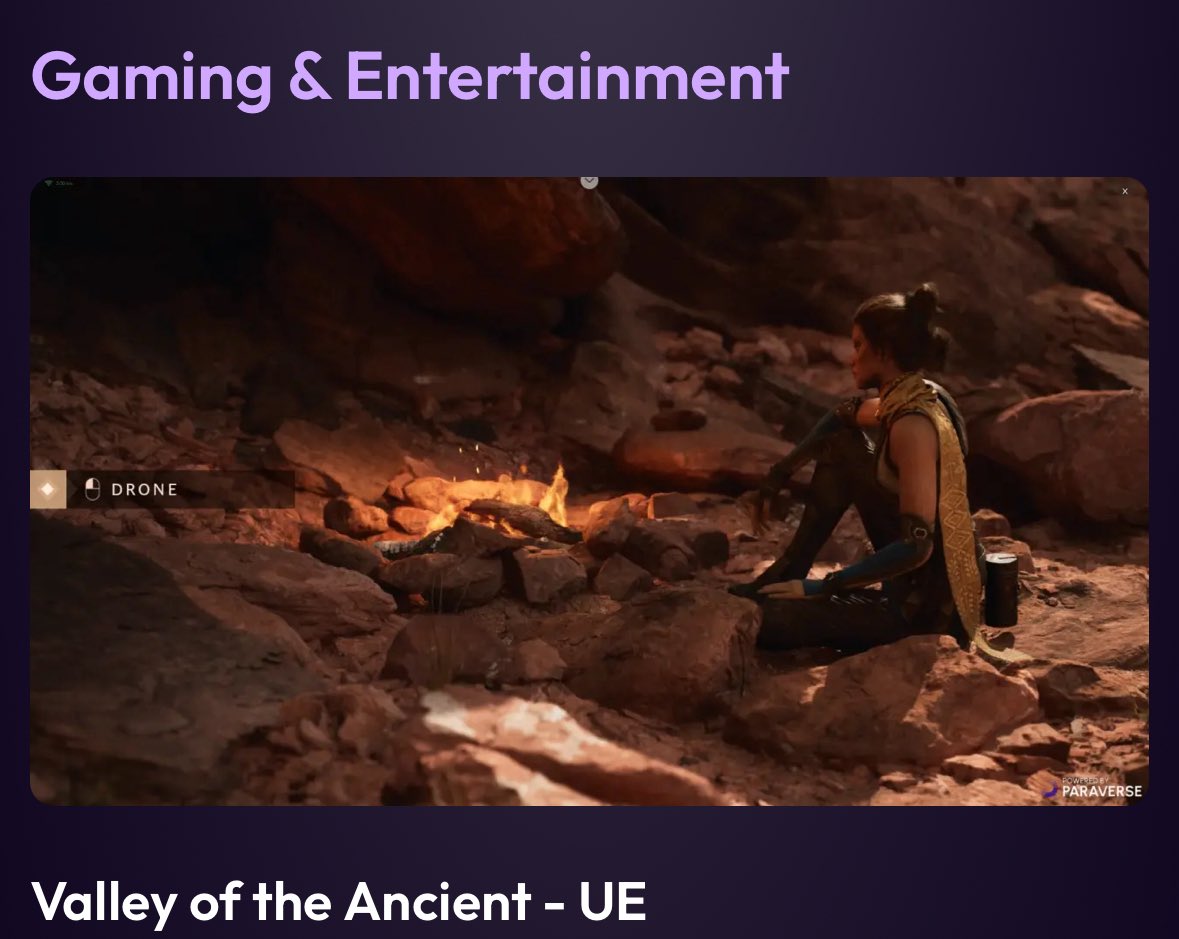
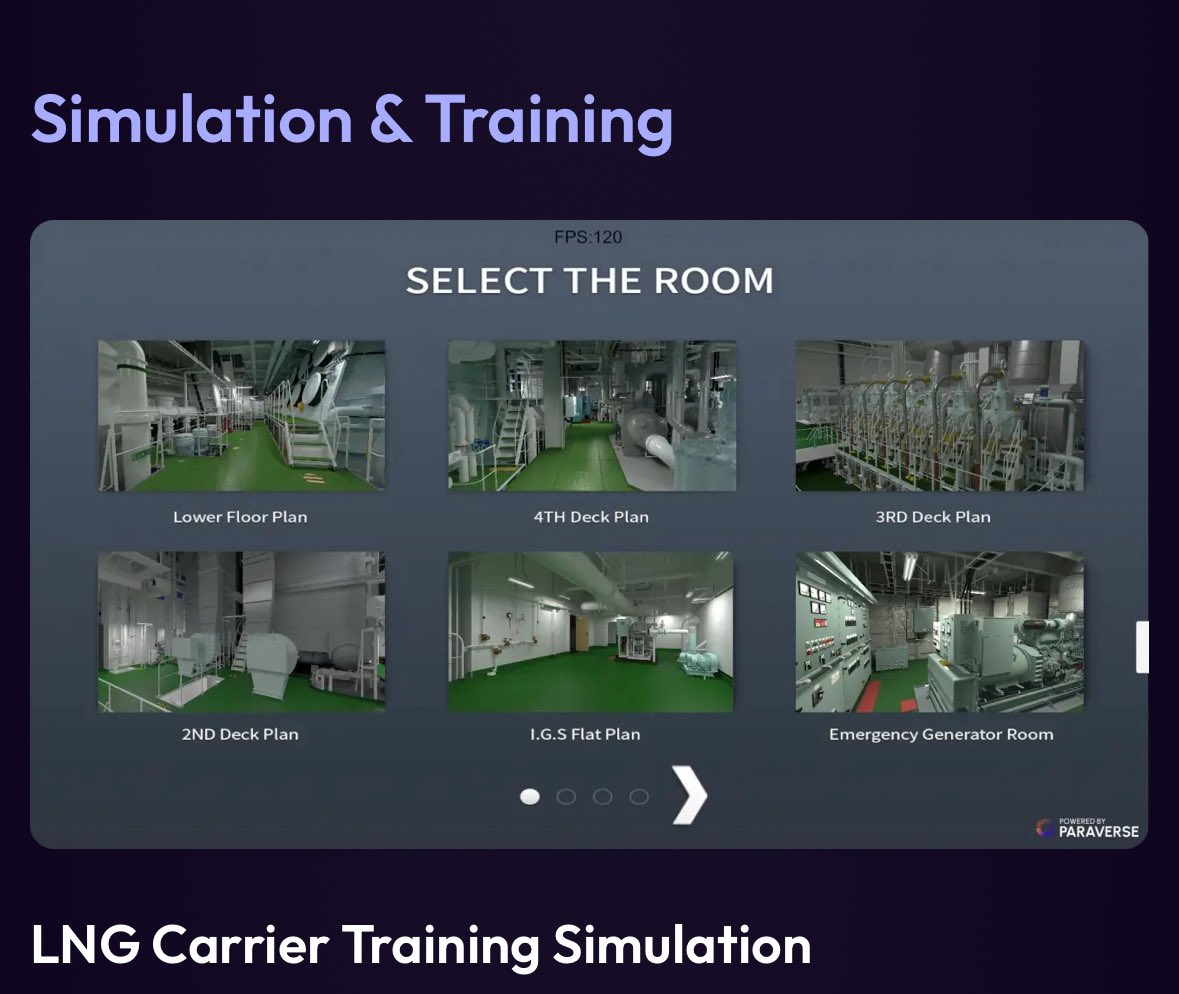
Try the LarkXR-powered $PVS 3D applications demo in your own browser
paraverse.cc/experience-cent…
3
16
1,228
16 Aug 2025
6
2
35
2,637
16 Aug 2025
$PVS not to fade
15 Aug 2025

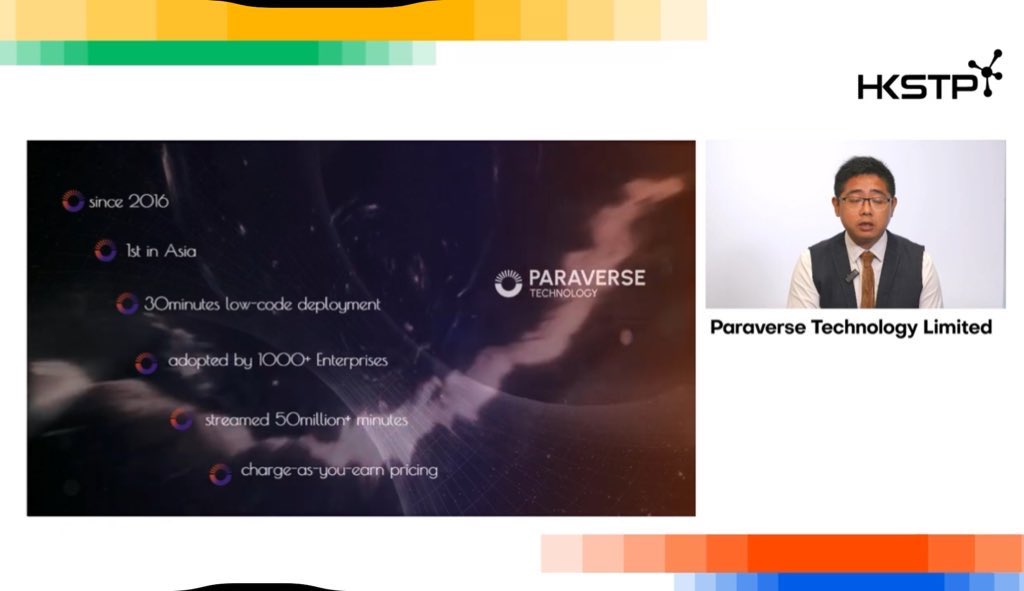
‼️I genuinely believe PVS is going to shock a lot of people! ‼️
The project has been moving quietly, but every announcement confirms they’re building a technological infrastructure capable of redefining entire markets. With a unique position across several strategic sectors, strong partnerships, and a long-term vision, @PVT_Paraverse could go from an undervalued project to a key leader in Web3 and XR.
->Mark my words: the potential is huge. Check for yourself by looking into their roadmap, partnerships, and technology. The deeper you dig, the more you realize $PVS hasn’t even begun to show its full power.
I can’t wait for September, when $PAR launches and partner companies start integrating it into their solutions. That will mark the start of a new chapter, and I’m convinced that those already positioned will see the first tangible signs of what Paraverse has been preparing all along.
$SNAI $COLLAT $BTC $SOL $lens $cdb $payai $sse $house $usduc $xrp $fwog $Moby $ufd $troll $tilt $prgn $FORGE $uranus
2
3
23
650
12 Aug 2025
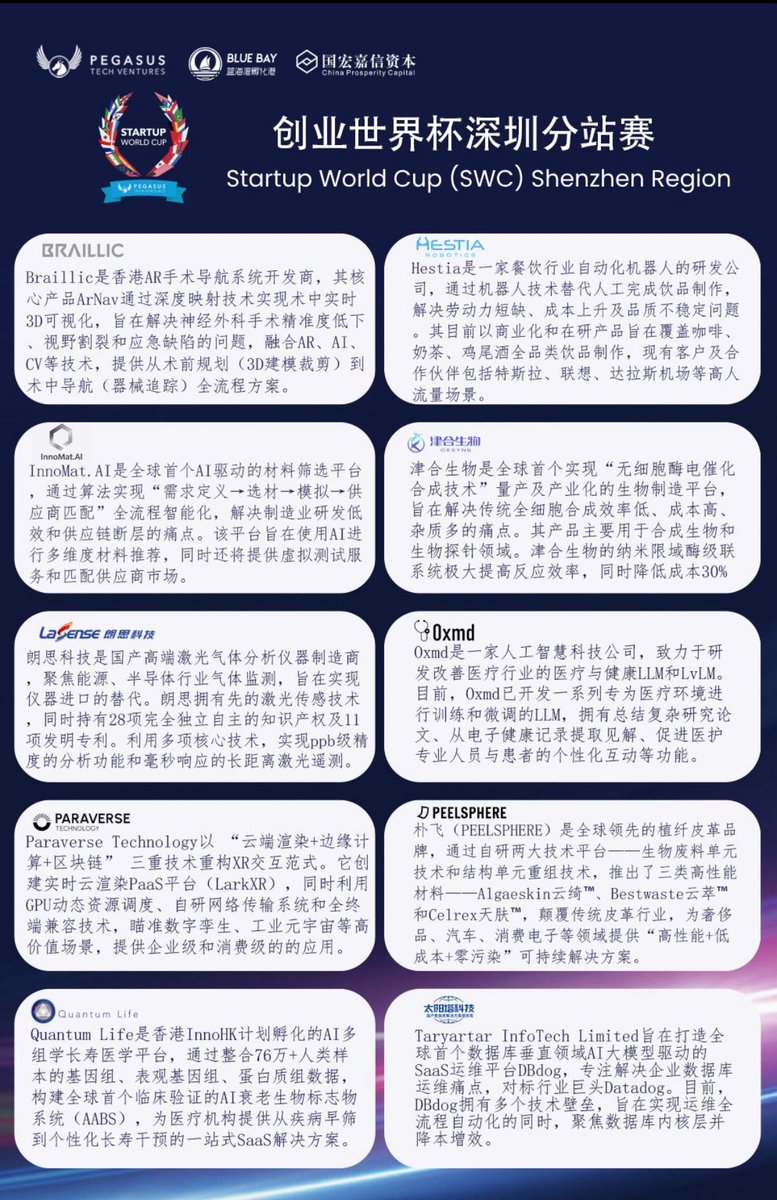
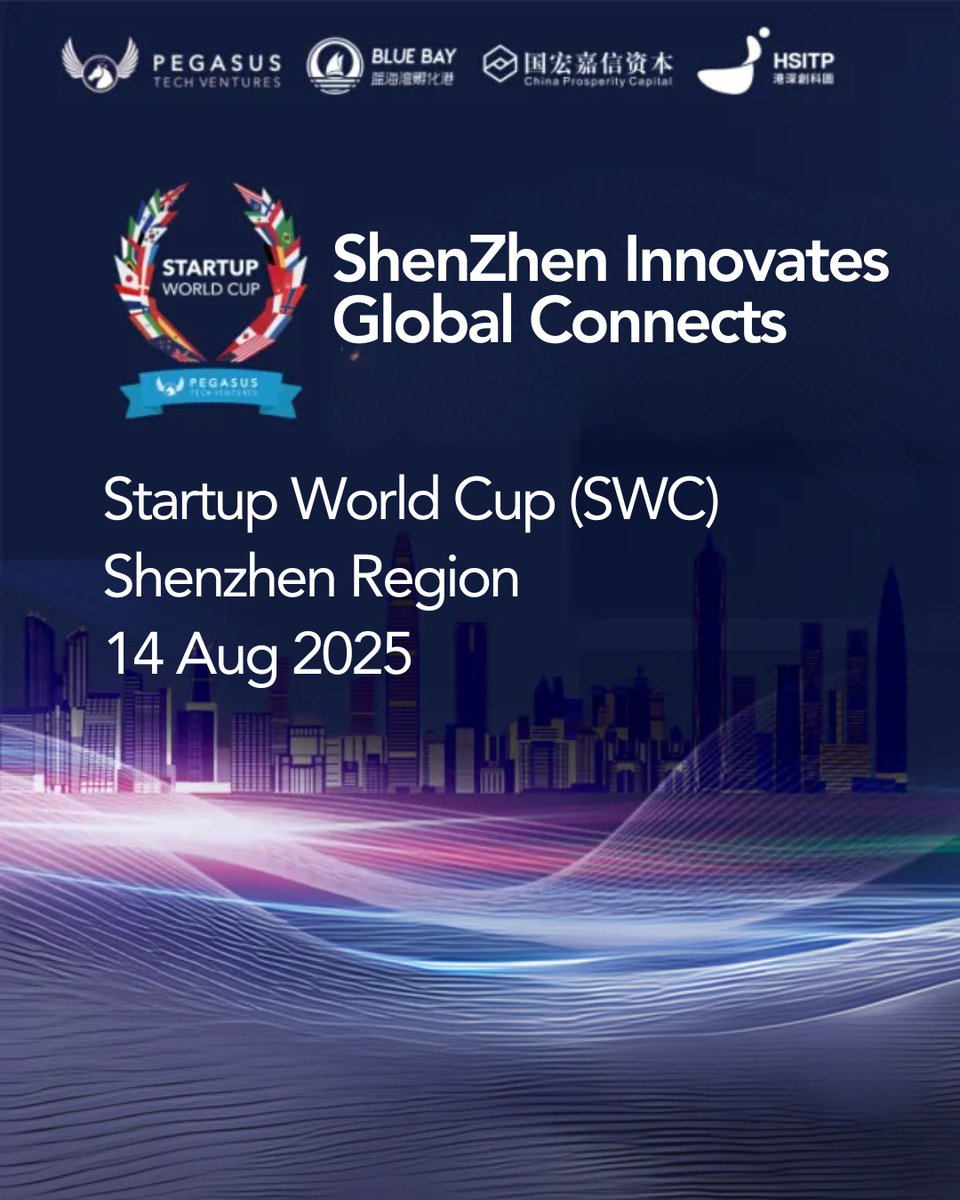
$PVS is a Top 10 Finalist in the Startup World Cup (SWC) Shenzhen Region, set for August 14, 2025. They’re excited to showcase their powerful LarkXR cloud XR streaming tech and deepen ties with Pegasus Tech Ventures to expand globally.
$JOS $KNET $DTR $CDB $PRGN $SNAI
12 Aug 2025
🎯 #Paraverse's Hong Kong HQ is a Top 10 Finalist in the 2025 Startup World Cup Shenzhen Region. 🚀We're thrilled to showcase our cloud #LarkXR Cloud XR Streaming Tech, deepen #Pegasus VC collaborations, and expand our global XR ecosystem. Let's drive XR innovation towards global markets!
👉🏻 paraverse.cc/paraverses-head…
🌎 #StartupWorldCup #XR #Innovation #XRStreaming
1
7
1,139
Megacrypto ᯅ retweeted

8 Aug 2025
$PVS: The Hidden Fuel Behind the $PAR Rocket 🚨🚨
Picture this: the $PAR layer of Paraverse goes fully live.
Companies, developers, and users rush to stake $PAR to access governance, secure the network, and unlock premium services.
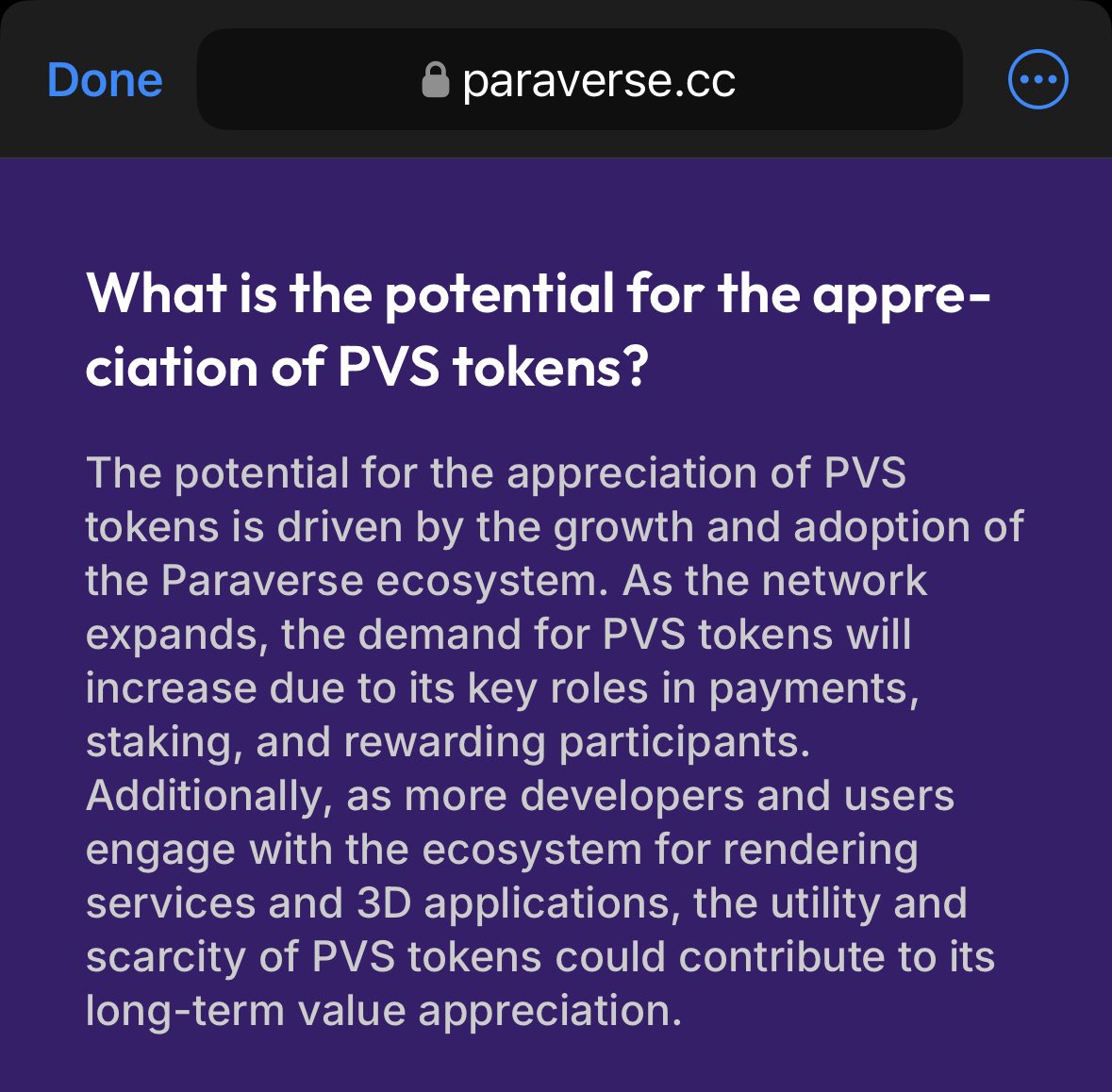
But here’s the part most people miss: to get $PAR, you first need $PVS.
And that exact mechanic is what will send $PVS demand through the roof.
Real-world examples:
- A drone logistics company wants to use Paraverse’s real-time 3D tools to manage aerial routes. They stake $PAR for priority access… but first, they have to buy $PVS to convert.
- An XR game studio integrates LarkXR into its immersive MMO. Every player pays in $PVS, directly fueling market demand.
- A university builds a digital twin of its campus. Transactions run on the $PAR layer, but the entry point is still $PVS.
The whitepaper makes it crystal clear:
- $PVS = utility token (payments, XR integrations, app services)
- $PAR = infrastructure token (staking, governance, smart contracts, storage)
The $PVS → $PAR conversion is native to the architecture.
That means every strategic operation on $PAR automatically drives liquidity into $PVS.
When $PAR staking goes live, it won’t just be “another feature”:
- Every staker will have to go through the $PVS market.
- Companies will increase $PVS positions to secure $PAR access.
- Circulating supply will shrink, scarcity will rise, and upward price pressure will intensify.
Right now, the market is massively undervaluing this connection. But the day the engine turns on, $PVS will become the main entry valve into the entire Paraverse ecosystem. And when a single valve feeds a highway of transactions… there’s only one direction left: up.
$SNAI $COLLAT $BTC $SOL $lens $cdb $payai $sse $house $usduc $xrp $fwog $Moby $ufd $troll $tilt $prgn $FORGE $uranus
14
30
130
13,789