
U of MN Associate Professor. Disease ecologist, world traveler, mom, and aspiring runner.
Joined February 2013
- Tweets 153
- Following 286
- Followers 568
- Likes 682
11 Photos and videos

2 Jul 2024
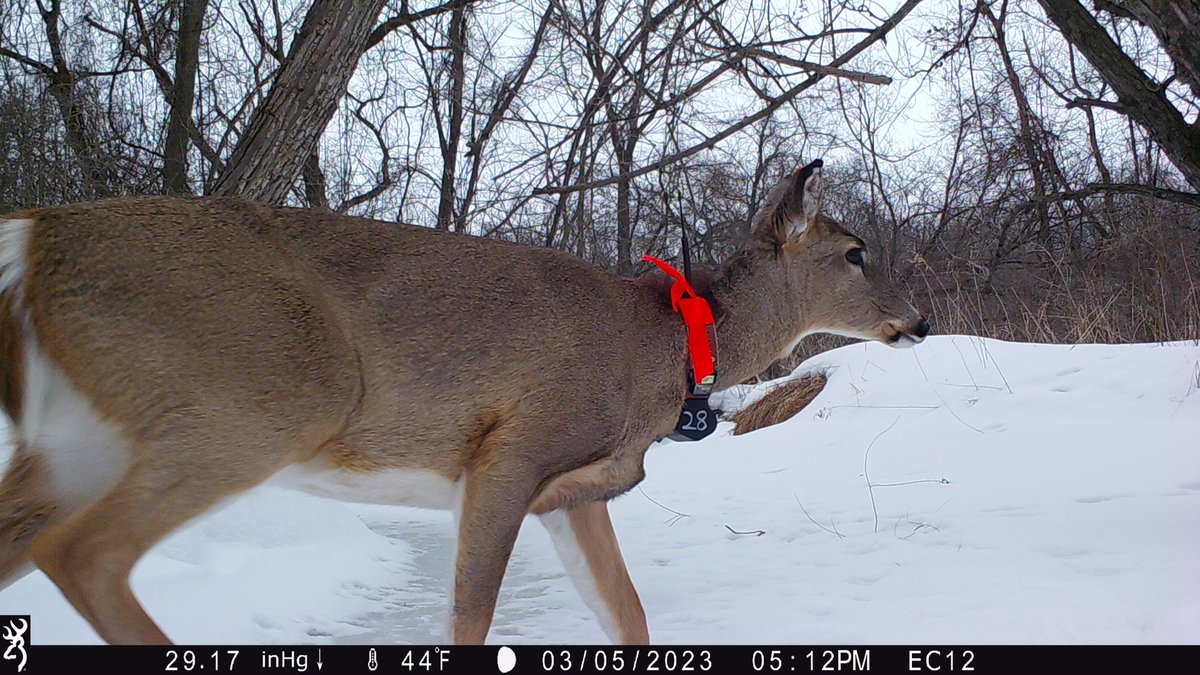
I’m looking for a postdoc (quantitative wildlife ecologist) to join our team to estimate white-tailed deer density and group size using camera traps (with implications for pathogen spread). hr.myu.umn.edu/jobs/ext/3618…
2
114
120
16,021
2 May 2024
Which wild animals carry the COVID-19 virus? An ambitious U.S. project aims to find out | Science | AAAS science.org/content/article/…
3
7
740
Meggan Craft retweeted

4 Apr 2024
Exciting news for our former student & current #research technician, David Dayan! He is now an @NSF Graduate Research Fellowship Program award winner! He is continuing his #WildlifeHealth #education at @umncbs EEB program w/ @MegganCraft Read about David: bit.ly/3xfOnOQ
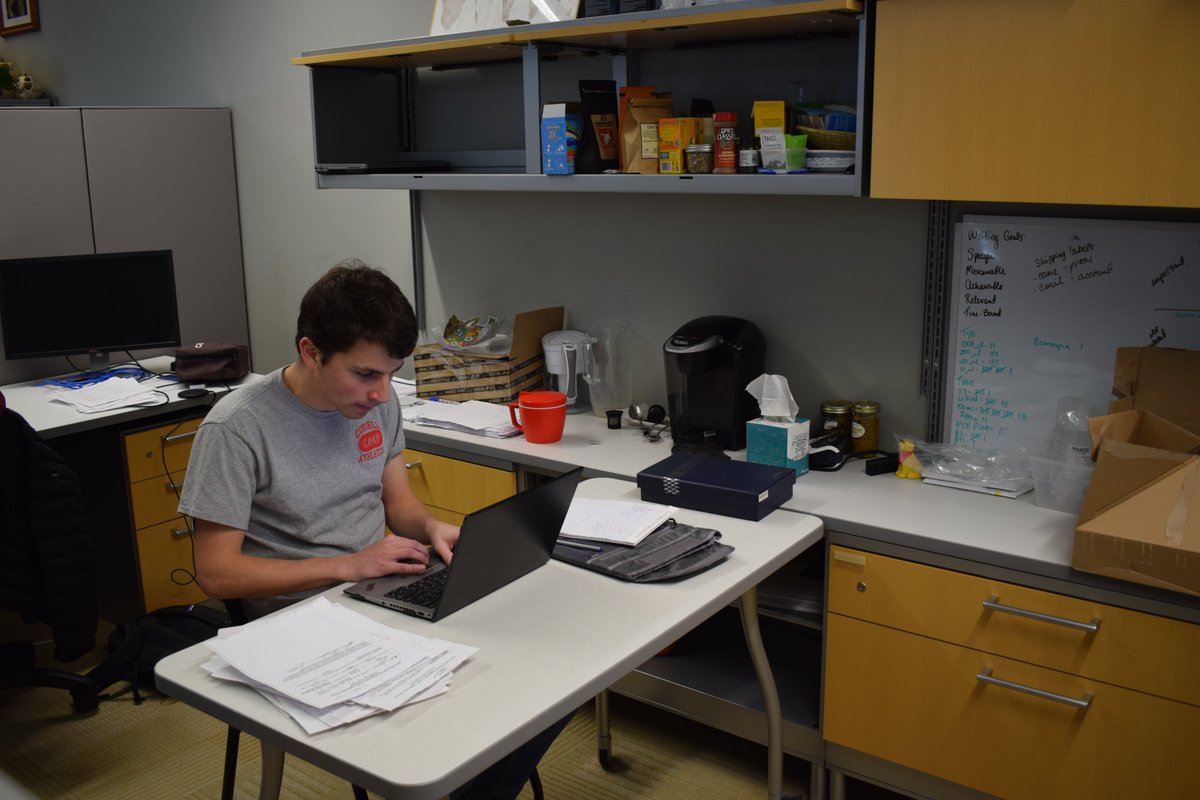
ALT David working on research documents. #cornellvet
3
15
625
Meggan Craft retweeted

6 Mar 2024
New in ME!
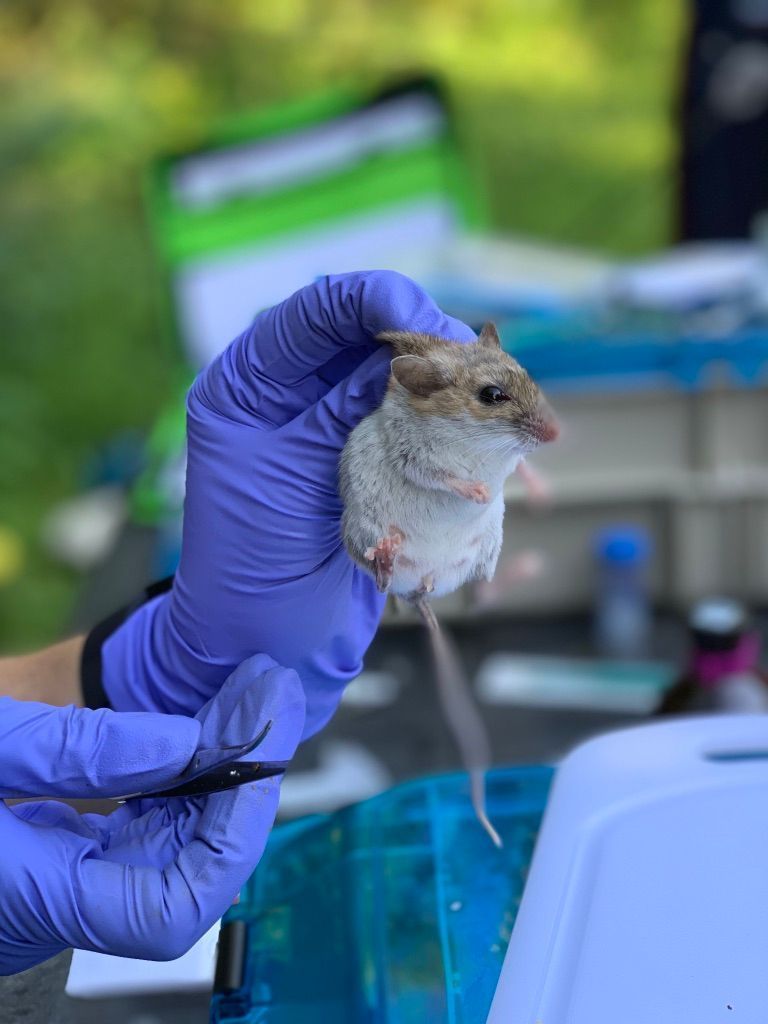
@J9Mistrick et al. use 16S @nanopore sequencing to investigate the role of agricultural landscapes as potential sources of putative bacterial pathogens in wild mice 🐁. @CedarCreekESR @ItascaBio @WileyEcolEvol
Read more: buff.ly/3TpQYOY
📷: @MegganCraft
3
11
1,718
13 Feb 2024
I'm hiring a postdoc to work on epidemiological models at the human-deer interface in partnership with USDA APHIS. To apply: 1) visit humanresources.umn.edu/jobs, 2) “Apply for a job today”, and 3) search for Job ID 358672. @ESAdisease @ESAEcology
23
36
4,008
16 Sep 2023
Reach out if you are interested in a writing a NSF-GRFP to conduct graduate work in my lab. We have exciting new fieldwork and modeling involving white-tailed deer movement/behavior and SARS-CoV-2 in the Twin Cities, MN. nsfgrfp.org/
1
11
21
3,390
Meggan Craft retweeted

2 May 2023
We have successfully hired enough women faculty and department chairs over the last several years that we can begin a brand new initiative! Cutting staff positions by 60% because women are better at doing university service! (Don’t worry, we’ll keep all our associate deans).
13
38
316
59,844
Meggan Craft retweeted

11 Apr 2023
Disease Ecology Research Technician opening in my lab to study resource-coinfection interactions! Collaborative field and lab work in Finland. 1 year position. Great research opportunity for postbac or MS. Apply here: tinyurl.com/5n94p8z2
3
31
38
11,310
28 Nov 2022
Neat to comment on this cool study: A parasite makes wolves more likely to become pack leaders science.org/content/article/…
2

Meggan Craft retweeted

19 Oct 2022
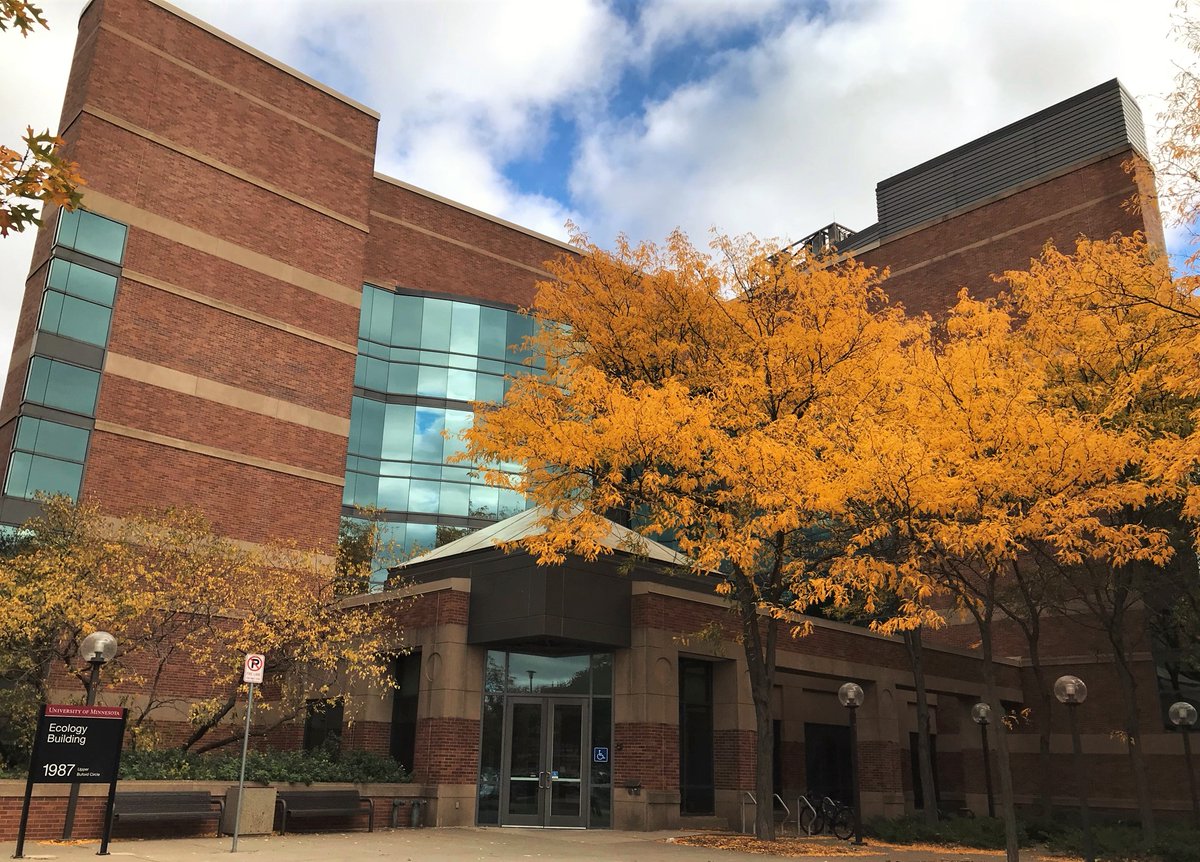
UMN EEB @umncbs is hiring at the Assistant Professor level in any area of ecology, evolution or behavior. Join us! @CedarCreekESR @MSP_LTER
@UMNIonE @BellMuseum @ItascaBio hr.myu.umn.edu/jobs/ext/3522…
2
171
206
Meggan Craft retweeted

New Research: Apathogenic proxies for transmission dynamics of a fatal virus: Identifying drivers of transmission—especially of emerging pathogens—is a formidable challenge for proactive disease management efforts. While close social… frontiersin.org/articles/10.… #VetScience
1
1
2
Meggan Craft retweeted

6 Jun 2022
Looking to hire multiple postdocs: 1) Modeling a transmissible vaccine currently being used to control a chicken virus, 2) Experiments in a new model system (a nematode virus) to understand drivers of host jumps. I'll be at EEID the next few days, but also available by DM/email
46
56
7 Jun 2022
Great to be at #EEID2022 with my peeps! Stop by poster session #2 to ask @J9Mistrick about vole spatial overlap networks (poster 33) and my poster on raccoon rabies and urbanization/ latitude (poster 53). Lab alum @LAWhite_Ecology is in group 1!
8
26 May 2022
I just joined @momsdemand & @everytown to send an urgent message demanding our U.S. Senators take bold action by passing gun safety legislation. We cannot wait for another mass shooting. Send your message now >> bit.ly/3GgUxyE

A virus is spreading amongst Florida panthers... threatening an already small population. @UMNresearch EEB Prof @MegganCraft partnered up w/ colleagues to sort out the best way to limit impact conserve the species. Results in @JAppliedEcology. Read on > twin-cities.umn.edu/news-eve…
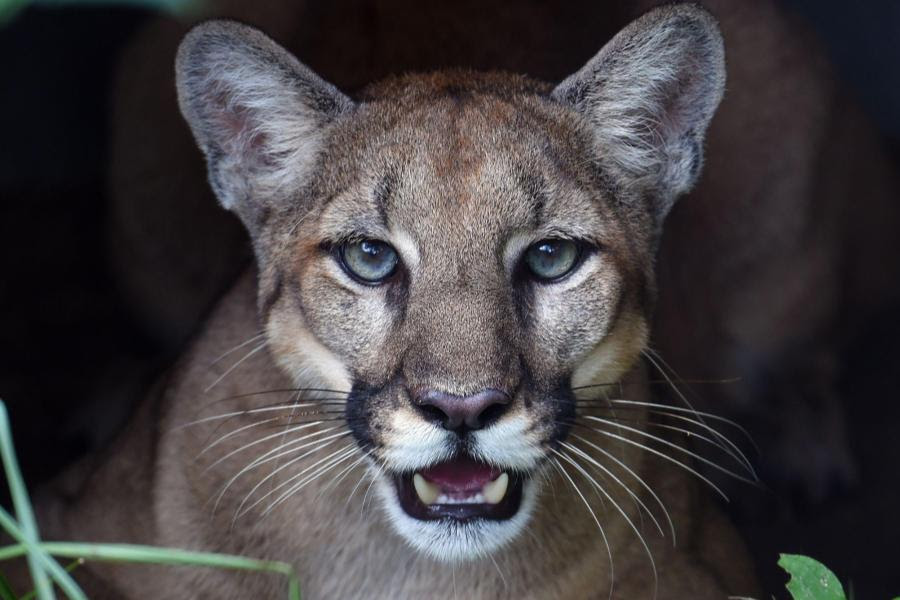
ALT Puma stars into the lens of the camera. Credit: Ron Magill
4
3
26 Apr 2022
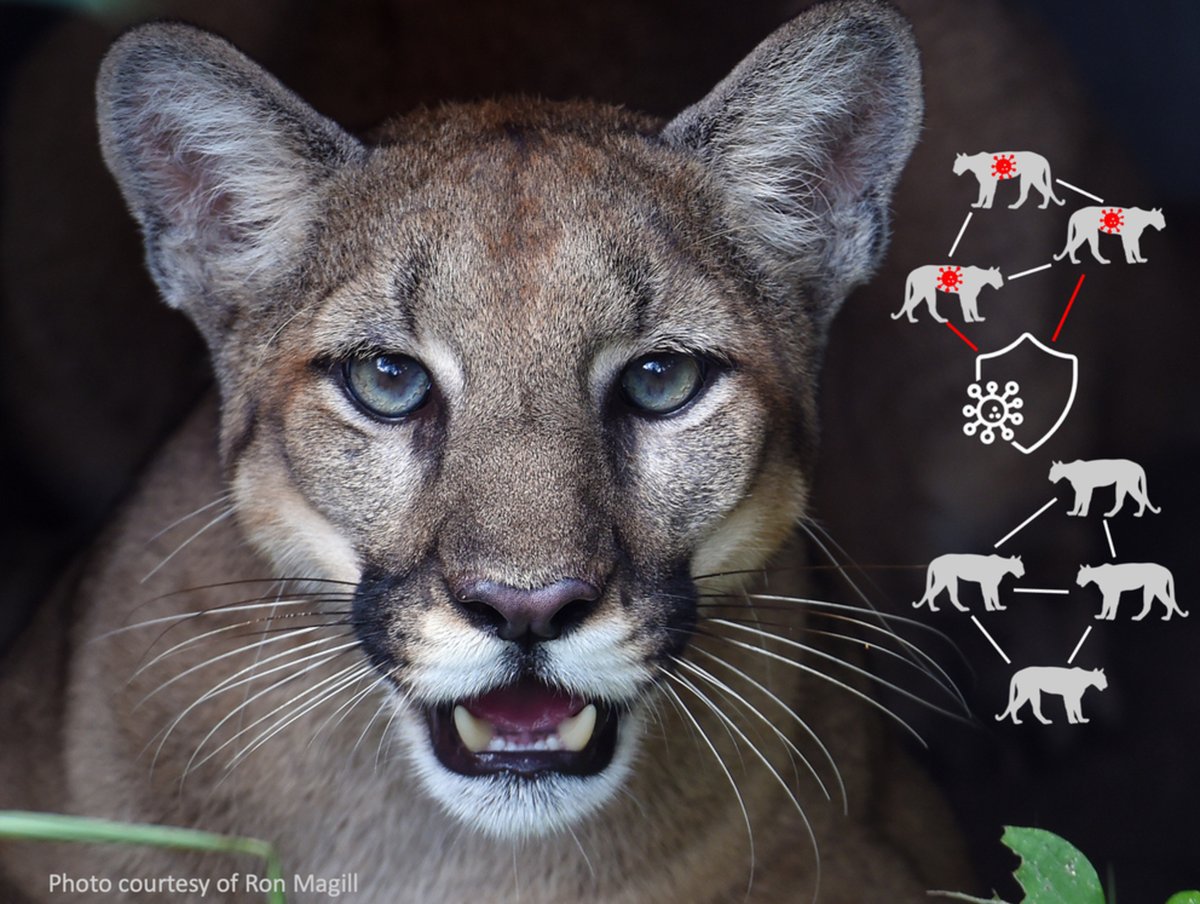
It is always fun to promote student research! #Endangered #FloridaPanther disease modeling study led by Marie Gilbertson is now out. #FeLV 📷 by Ron Magill
26 Apr 2022

Paradoxes and synergies: New #OA paper shows combining preventative and reactive disease interventions reduces disease-induced mortalities in a simulated #carnivore population & prevents unexpected negative impacts associated with inadequate vaccination👉 bit.ly/38nsXTA
2
9
Meggan Craft retweeted

Negotiating a TT #faculty job offer or retention w/your chair or dean? It's a situation that systematically disadvantages women BIPOC faculty. Here's what I learned after years of @coacheproject research about what's REALLY on the table (potentially). A🧵1/n #AcademicTwitter
9
250
866
Meggan Craft retweeted

19 Feb 2022
Pumas are solitary creatures. To learn more about them, Meggan Craft with @umncbs co-led a study on the pathway of a common virus in pumas and the effect of different wildlife management strategies. Learn more at: z.umn.edu/7i5s
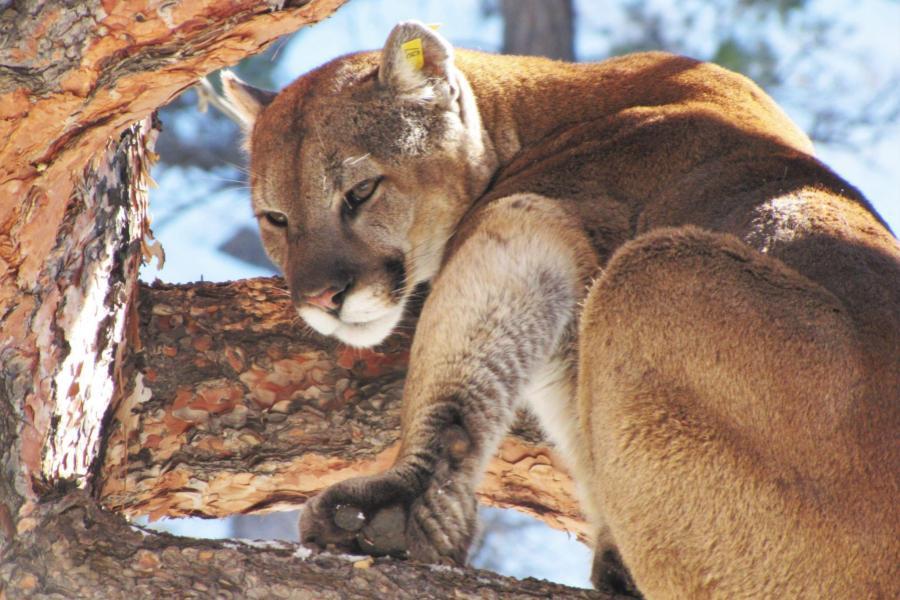
ALT Adult male puma (Puma concolor) M87, originally tagged as a 28-day-old cub on the Uncompahgre Plateau study area, Colorado, USA. Credit: Kenneth A. Logan, Colorado Parks and Wildlife.
2
4
12
Meggan Craft retweeted

31 Jan 2022
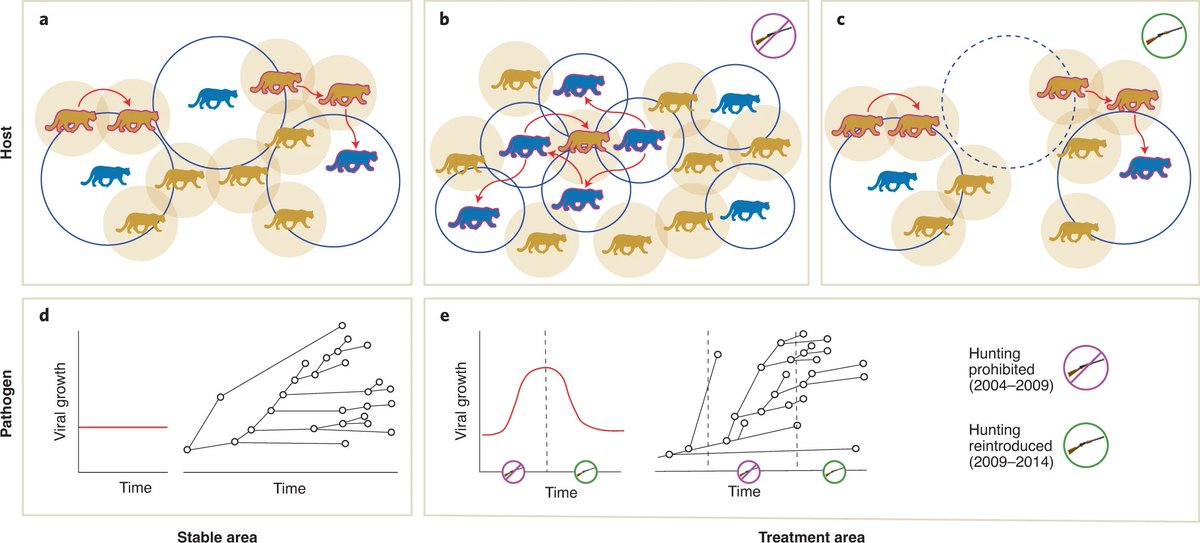
Commentary on our study on how hunting altered viral transmission dynamics in puma in Nature Ecology and Evolution.
@nfountainjones @ErickGagne1 @SKraberger @fieldgenomics @sdellicour @GuyBaele @XavierDidelot @MegganCraft @patitepui

13
33