Trump 45 Alum | Sr Advisor to the Chairman @TechDiplomacy | Fmr Dep Asst Secretary of State | “The State Department’s Secret Weapon” - Jerusalem Post
Joined May 2011
- Tweets 11,761
- Following 2,258
- Followers 39,188
- Likes 5,264
1,630 Photos and videos
Len Khodorkovsky retweeted

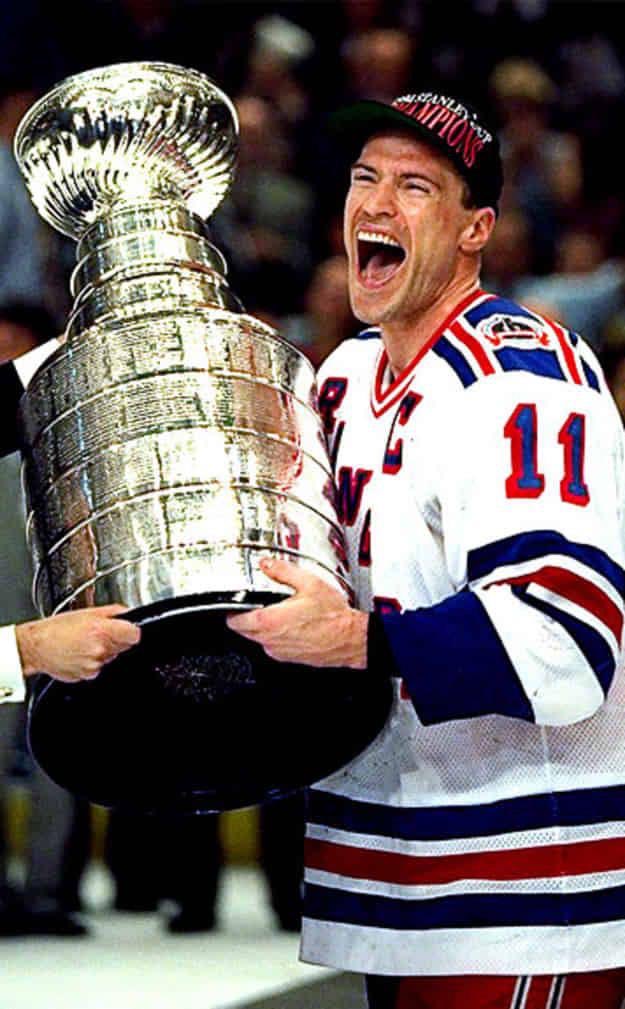
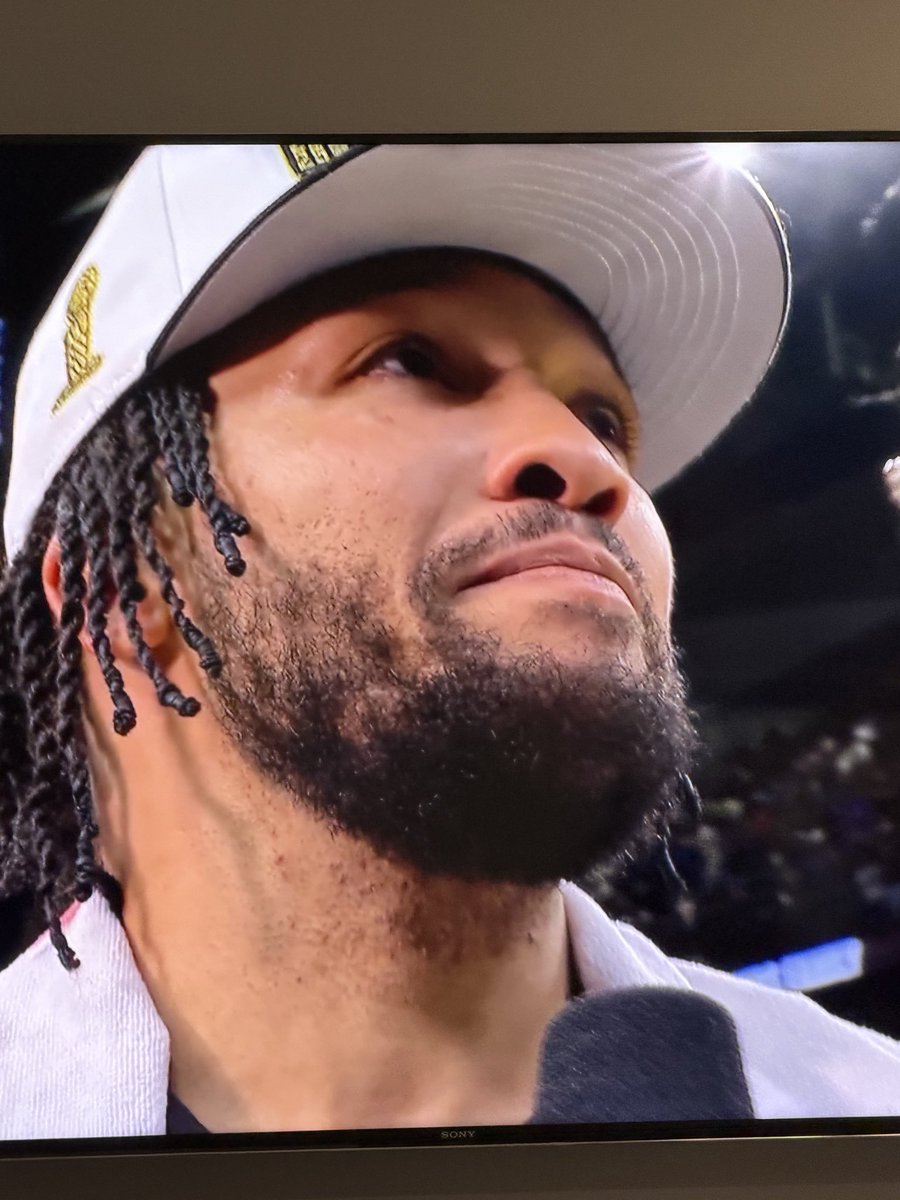
June 14, 1994: #11 breaks a 54 year drought
June 13, 2026: #11 breaks a 53 year drought
120
1,792
11,473
320,748
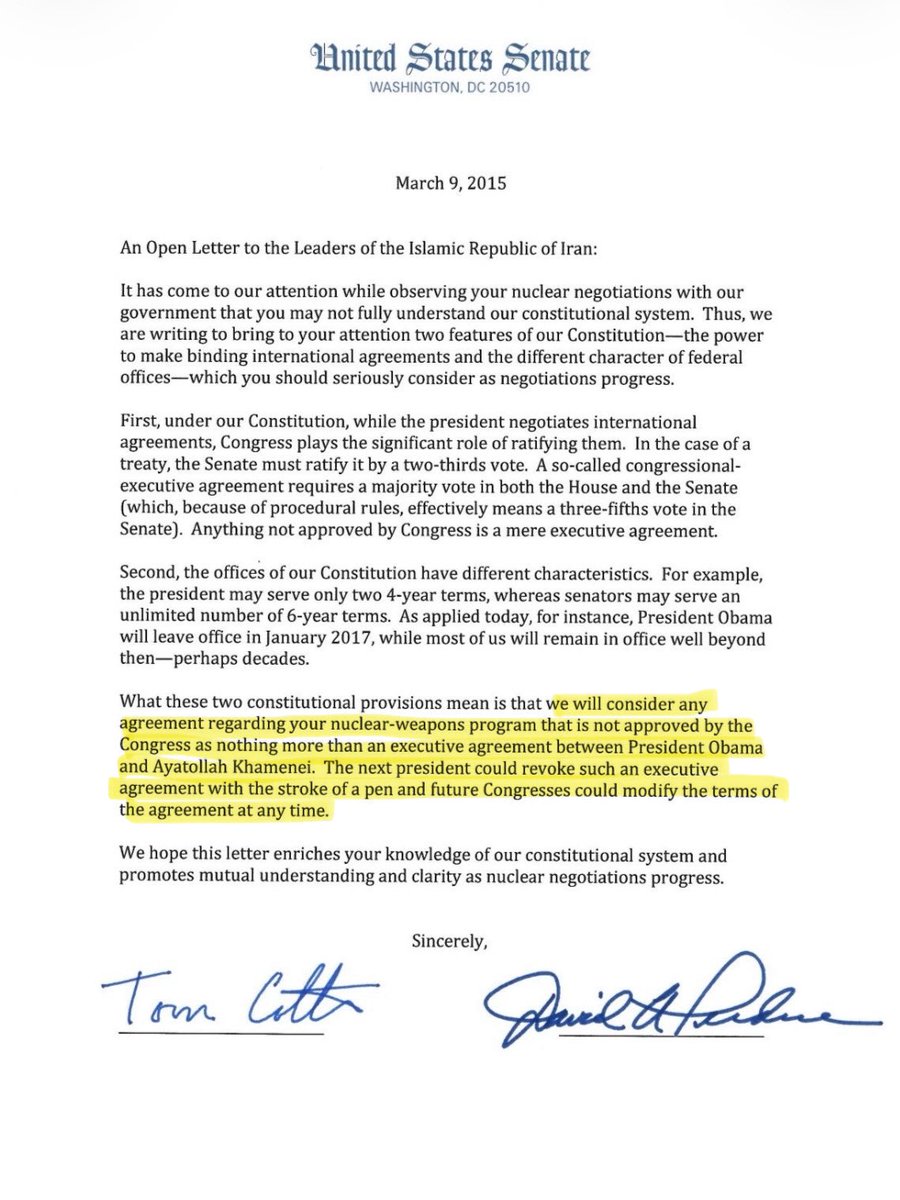
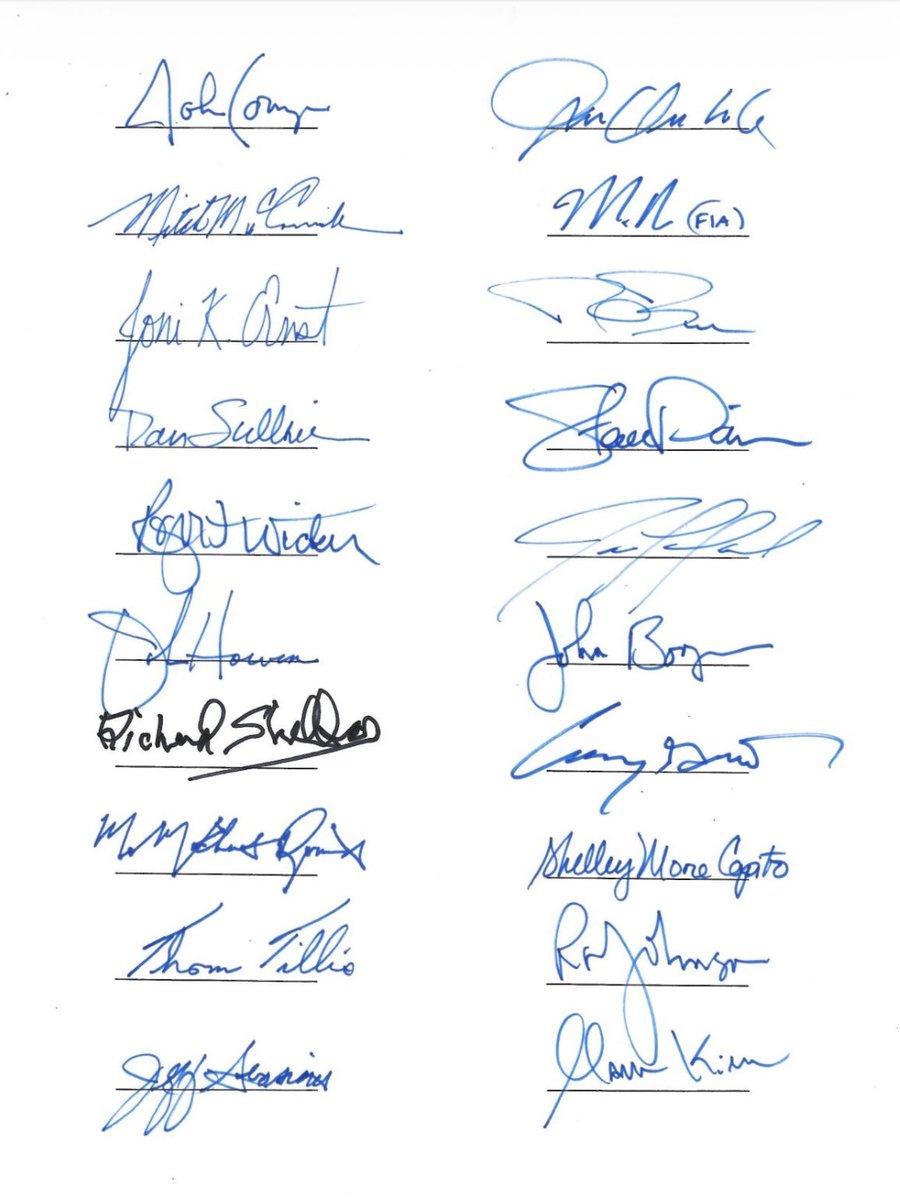
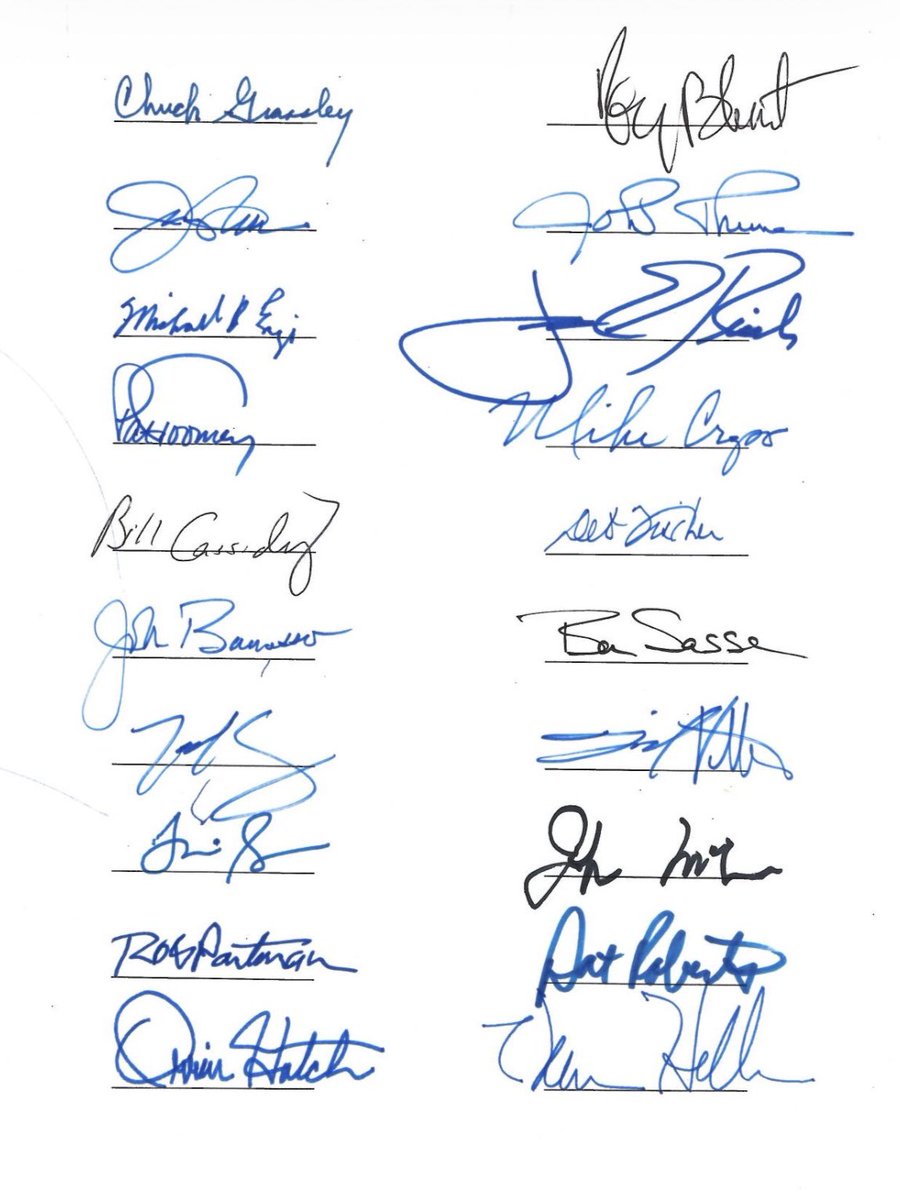
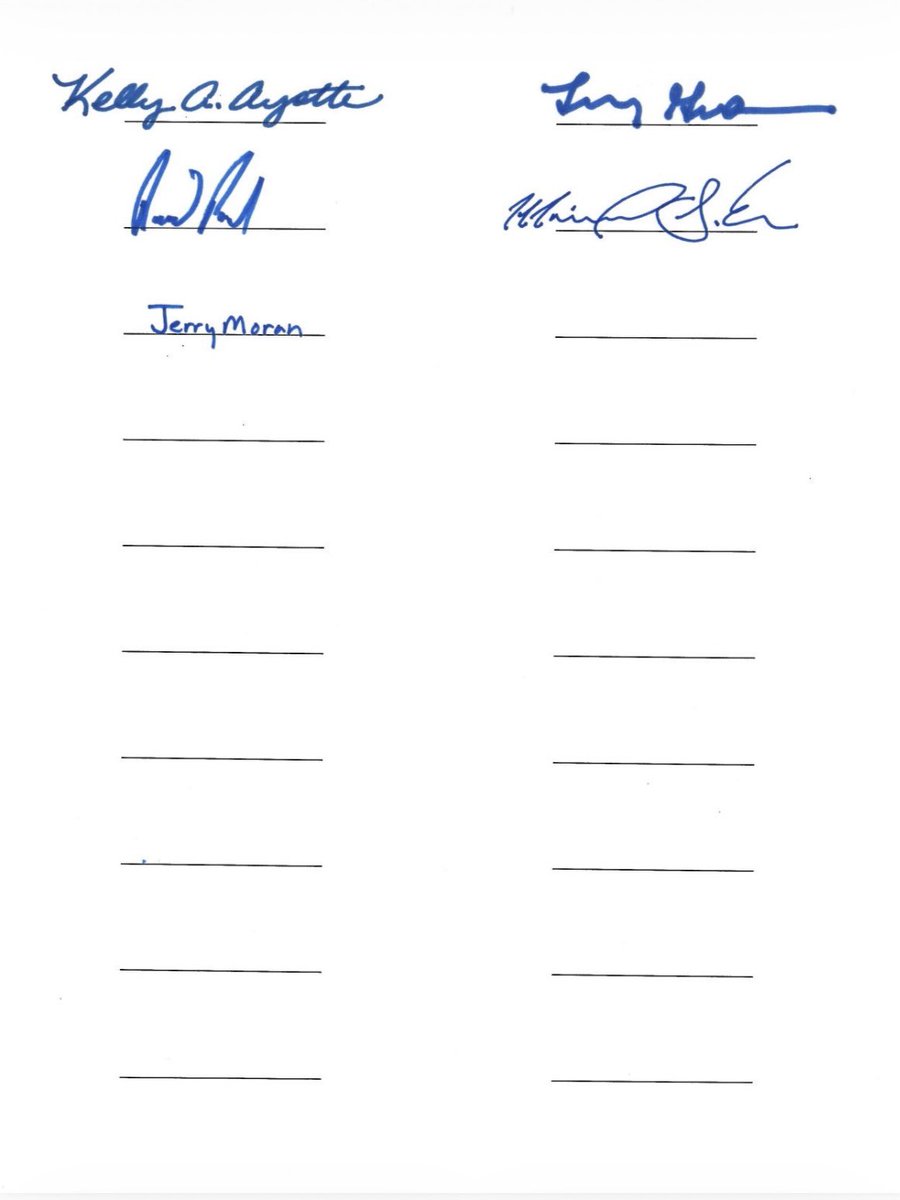
“We will consider any agreement regarding your nuclear-weapons program that is not approved by the Congress as nothing more than an executive agreement between President Obama and Ayatollah Khamenei. The next president could revoke such an executive agreement with the stroke of a pen.”
Obama’s nuclear deal bypassed Congress, making it easy to reverse by a future President. It was. The same is true of this deal (or not even, just an MOU). Unless it’s ratified by Congress.
In 2015, 47 Republican Senators reminded the regime about this pesky feature of our democracy.
20
104
292
11,274

Jun 13
According to a “Senior Official,” Pakistan and Qatar are “incredibly helpful partners.” For that official’s awareness:
- Pakistan sheltered Bin Laden and (via AQ Khan) provided nuclear technology to Iran, Libya, and North Korea
- Qatar funds the Muslim Brotherhood, Hamas and the other terrorist groups, amplifies Jihadist propaganda thru Al Jazeera, and pumps billions into US universities to fuel antisemitism and anti-Americanism
It’s possible that their agenda is not exactly pro-American.

‼️ On where the signing of the deal with Iran can take place, a Senior Official said : Both the Pakistanis, in particular, Field Marshal Dadir, and the Qataris have been incredibly helpful partners in leading us to where we are now. So, we want to make sure that it's a place that both the Qataris, the Pakistanis, and, of course, the Iranians can get to and are happy with.
15
98
261
5,569
Jun 13
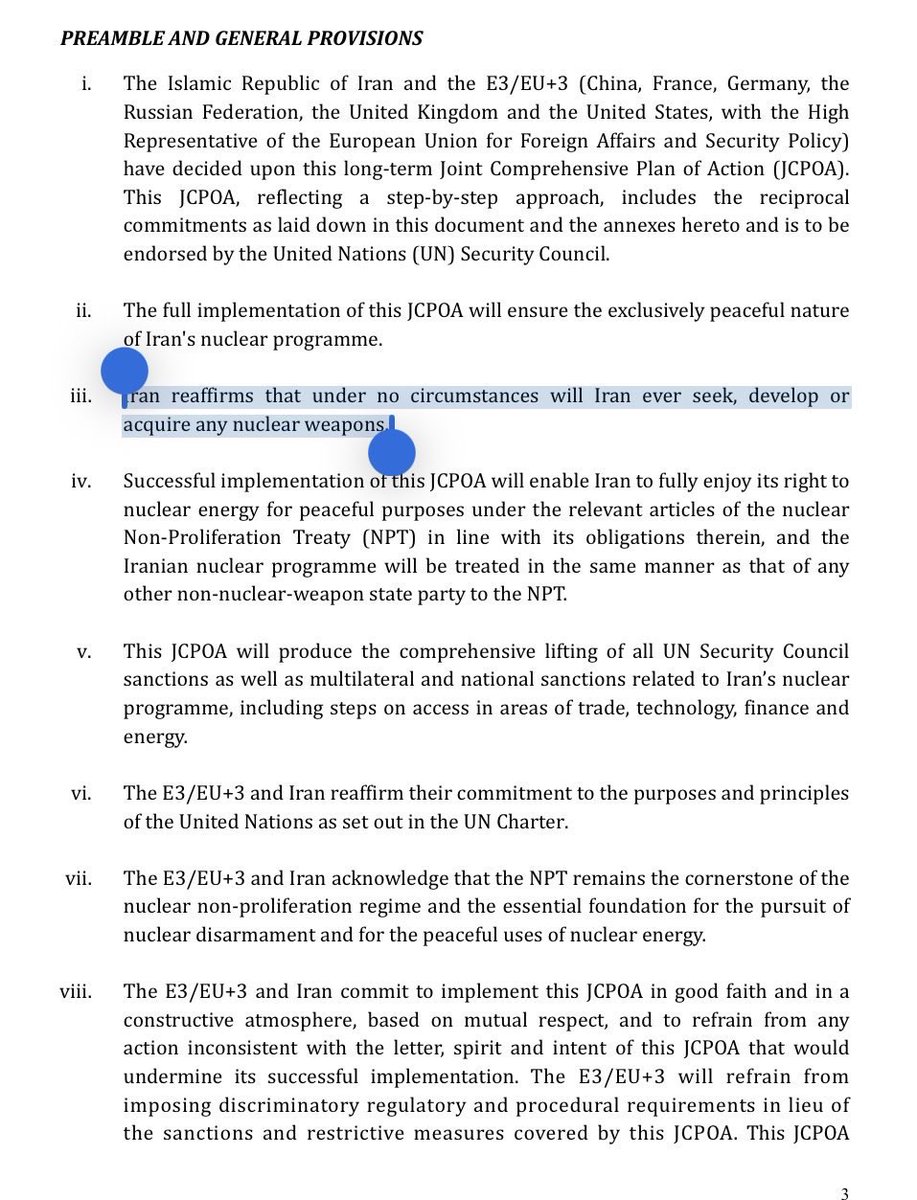
Yeah, but:
- This statement is in the Preamble, not the body of the document
- The document itself was non-binding and not signed
- The very next line guarantees the regime’s “right” to enrich uranium
- The sunset clauses guaranteed the regime’s ability to breakout unrestrained
Jun 13

original iran nuclear deal:
“under no circumstances will iran ever seek, develop or acquire any nuclear weapon.”
6
20
76
2,824
Len Khodorkovsky retweeted

Jun 13
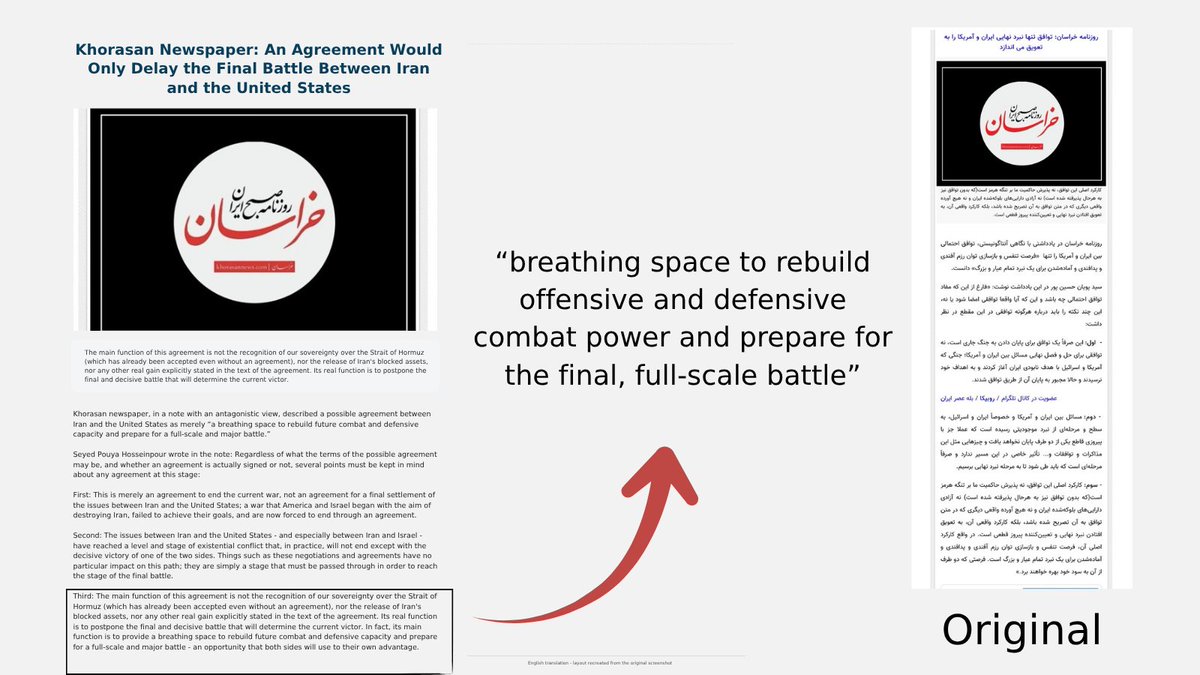
Khorasan newspaper, an official outlet close to Iran's Parliament Speaker and chief negotiator Mohammad Bagher Ghalibaf, openly published that a potential deal with the U.S. is not a settlement.
They explicitly called it a “breathing space to rebuild offensive and defensive combat power and prepare for the final, full-scale battle”. This is the smoking gun. When they sign a document, they are not investing in peace; they are buying time to weaponize and prepare for a global catastrophe. The West is funding its own ultimate destruction.
60
558
1,267
41,307
Jun 13
I’m sure July 4 is a coincidence.
Jun 13

The funeral for #Iran’s regime's late Supreme Leader Ali Khamenei will begin in Tehran on July 4 and conclude with his burial in the northeastern city of Mashhad on July 9, state media reports.
timesofisrael.com/liveblog_e…
1
9
67
2,011
Len Khodorkovsky retweeted

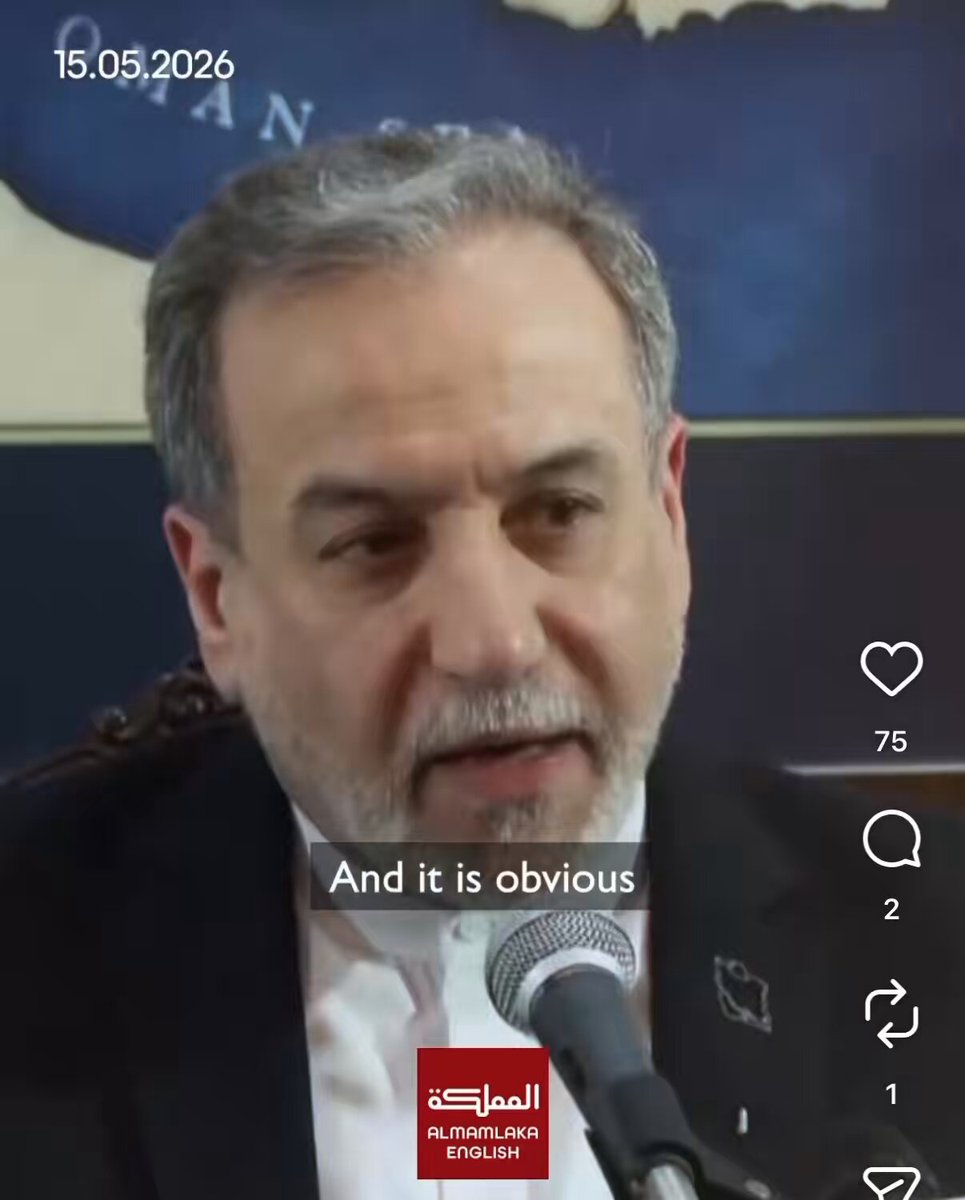
Iranian Foreign Minister Abbas Araghchi said Friday that if the final stage of negotiations is completed, the agreement would be signed remotely by both sides and then formally announced.
1
7
38
5,429
Jun 12
I don’t believe anything from Iranian sources. We’ll see the details when they come out (though the US side should not allow Iranian propaganda drive the narrative).
President Trump has said many words and done many things on the issue of Iran. He’s gone further than any US leader to address the threats from the regime. He’s also aware of the damage caused to our interests and reputation by Biden’s withdrawal from Afghanistan. The way he resolves (or doesn’t) this conflict will have lasting consequences for our interests, reputation, and Trump’s own legacy.
Ultimately, the results will speak for themselves.
But, regardless of what’s been said and done and what the US settles for in the end, Israel is a sovereign country and not bound by any deal it doesn’t sign. Lebanon is a sovereign country and not bound by anything Iran says or does on behalf of a terrorist group inside its borders. They will act in their self-interest, just as we would (and do).
As for the Iranian people, President Trump said some specific, very clear things to them. Those words impact their lives. A man’s word is sacred. The President will be judged against those words. Either way, the people have their own interests and don’t have to abide by any deal that undermines them. They will have the last word. But their trust in America, just like everyone else’s affected by this conflict (and those observing and taking notes), will have an impact on our credibility. Losing that trust means fighting the next fight alone. Having friends is much better.
Those are the stakes. Now, it’s up to President Trump.
Jun 12

In comedy nothing is more basic than the bait-and-switch: the audience builds expectation, the climax arrives, and at the last moment Lucy yanks the football and Charlie Brown crashes to the ground. It’s a comedy mainstay—and lately, it seems to have crept into geopolitics as well.
This week saw multiple cases of the trope. On Sunday, we were supposedly so close to a deal that Trump demanded Israel take a direct Iranian attack on the cheek. Then, at the last moment, a U.S. helicopter was downed by Iranian fire, and the president declared they’d been “playing us for suckers.” Deal’s off.
What followed was a night of strikes, plans for another, even a declaration that “in the not too distant future, we will be taking Kharg Island.” Then, at the last moment—crash. “Discussions and final points have been, in both concept and great detail, approved by all parties involved,” according to the White House, and Trump called off the strikes.
Charlie Brown isn’t the only one with a headache, and no one—except the Iranians—is laughing.
But much like the devil, the fate of this deal is in the details—and so far, the details look familiar. This MOU appears nearly identical to the disastrous deal floated in late May, the one Trump abandoned after Republicans had an allergic reaction to it, while Iran reportedly concluded he was simply too desperate for a deal and they could wait him out.
Rather than a full agreement, what’s on the table is an MOU extending the ceasefire for 60 days while nuclear negotiations continue—and, despite the steep costs Israel recently paid to sever the two fronts, this one appears to fold Lebanon back in as well. On the nuclear file, the text lays out a framework for addressing Iran’s enriched uranium stockpile, though any actual action would wait on a second, more detailed accord.
Worse is the financial relief: according to the report, after reopening the strait, Iran would be given temporary sanctions waivers allowing it to sell oil for 60 days, generating precious revenue for Tehran. That relief would expand if Iran complies with the initial agreement and shows “good faith” in subsequent negotiations—though, as one diplomat put it, “there is no set date for sanctions relief, and it will be tied to the implementation of the deal.”
Less clear is what happens to the billions in Iranian funds frozen overseas. Iran has insisted it must receive some money immediately upon signing any initial deal, while the U.S. has said release would come in tranches based on compliance. Separately, the U.S., Iran and Qatar have reportedly discussed a mechanism letting Iran access some of its frozen funds in Qatar for humanitarian purchases. I’m not sure if Qatar is simply trying to make its terrorism support tax-deductible, but these payments are humanitarian in name only—just ask Hamas. Money is fungible, and the regime still controls imports, so it can either redirect funds from what little it gives its own population now that it is being covered by Qatar, or simply sell the humanitarian goods to its own population and pocket the revenue.
This deal can be judged by a simple test: does it merely pause the regime—leaving Iran roughly where it’s been since the blockade began—or does it rewind the clock, leaving Tehran better off than before? If sanctions are eased and frozen assets unlocked, it’s definitely the latter.
As one very senior Israeli official put it to me this morning, the deal is “shit.”
The bad news is that Trump paused operations when the deal hasn’t even been ratified yet. As of last night, the line was that “the U.S. and Iran have agreed on the text of a deal,” with the caveat that it still needs final sign-off. Trump said he expected a signing ceremony over the weekend. Iran’s foreign ministry, for its part, said only that Tehran had “not yet reached a final decision.”
The good news is that nothing’s locked in—the gaps between the parties remain huge—and given how fond Trump has grown of yanking the football away at the last second, maybe this time it’s the Ayatollah who ends up flat on his back.
24
46
129
3,142
Jun 11
The Hand Of G
The OMG at MSG
The MSG Miracle
However we remember the @nyknicks miraculous comeback, NY is going Knickerbonkers!
1
1
9
944
Jun 10
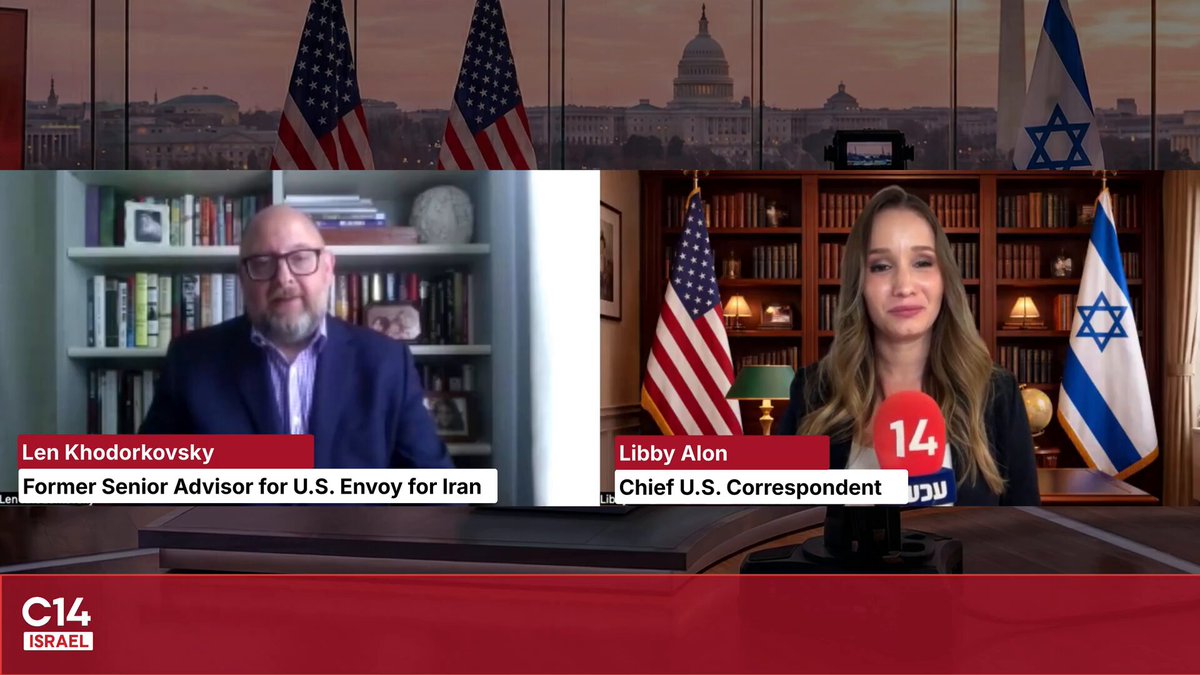
I joined @AlArabiya_Eng to discuss how the pause in military pressure on the regime did the opposite of what President Trump intended. Instead of signaling goodwill, it signaled weakness and led directly to the attack on our helicopter.
Watch the clip 👇
Jun 10

"The Iranian regime is bringing this on ITSELF."
Former US Deputy Assistant Secretary of State Len Khodorkovsky discusses Iran's role in the latest escalation with the United States.
@MessageFromLen
2
28
81
1,557
Jun 10
Exactly
Jun 10

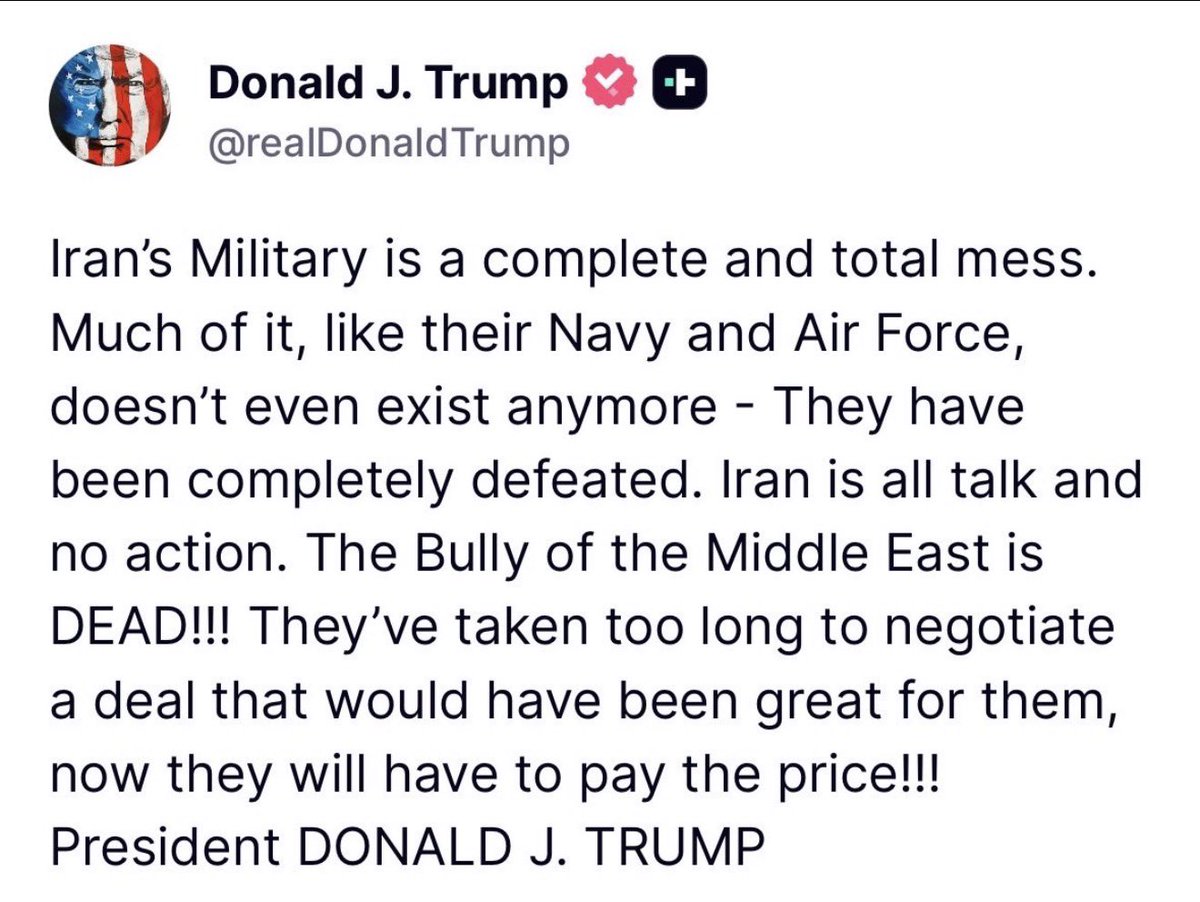
President Trump faces a choice: keep pursuing an elusive deal that fails to meet his requirements, or use American and Israeli power to dismantle the regime’s leadership, destroy its sources of power, and support the millions of Iranians determined to reclaim their country.
5
18
92
1,642
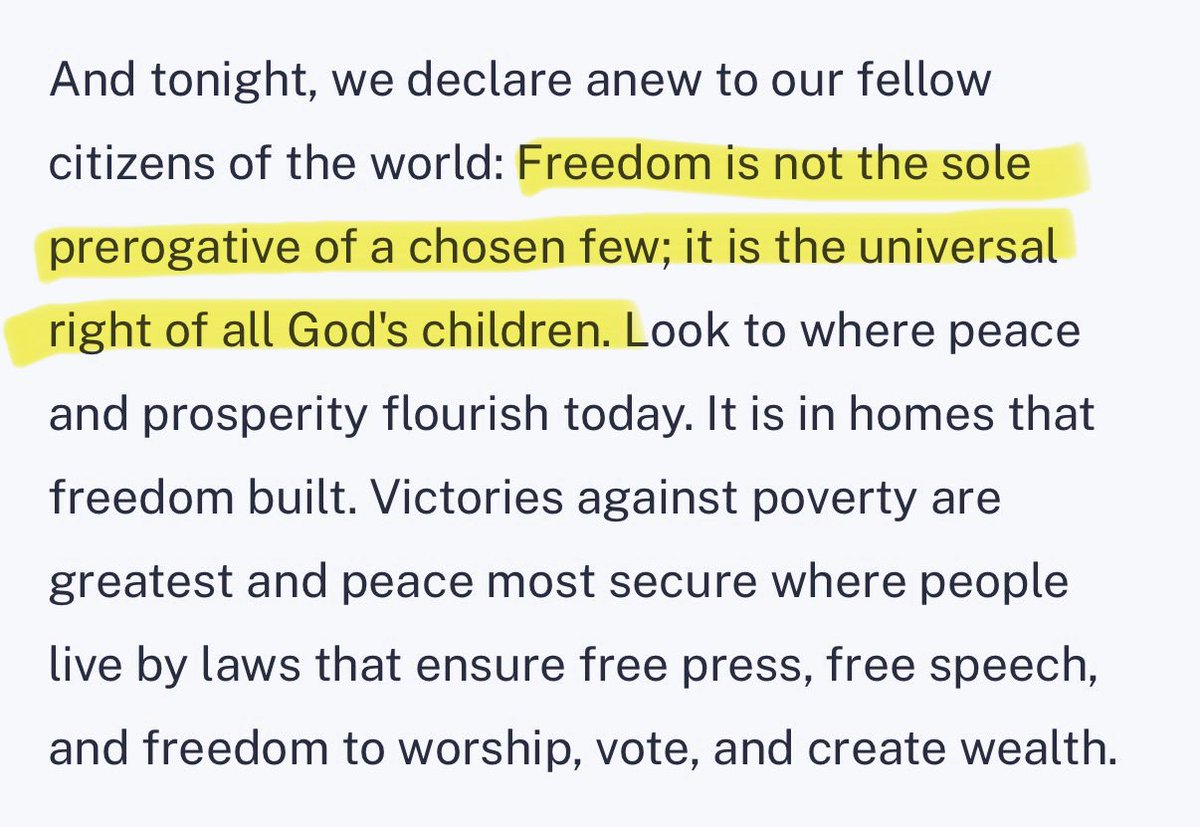
President Reagan’s 1985 State of the Union address:
“Freedom is not the sole prerogative of a chosen few; it is the universal right of all God’s children… We must stand by all our democratic allies. And we must not break faith with those who are risking their lives… Support for freedom fighters is self-defense.”
2
27
80
1,096
Sacrificing common sense at the altar of a “peace” deal will not result in peace or a deal.
7
37
630
Absolutely right. The best use of frozen funds would be to ensure the Iranian people have internet connectivity. It can be done. Just a matter of money. And it’s the least we can do after promising that help was on the way.

Spend it to give the Iranian people internet.
This is the money that belongs to the Iranian people not the regime. Use it to have contract with Starlink to provide internet to Iranians.
18
333
1,024
32,909
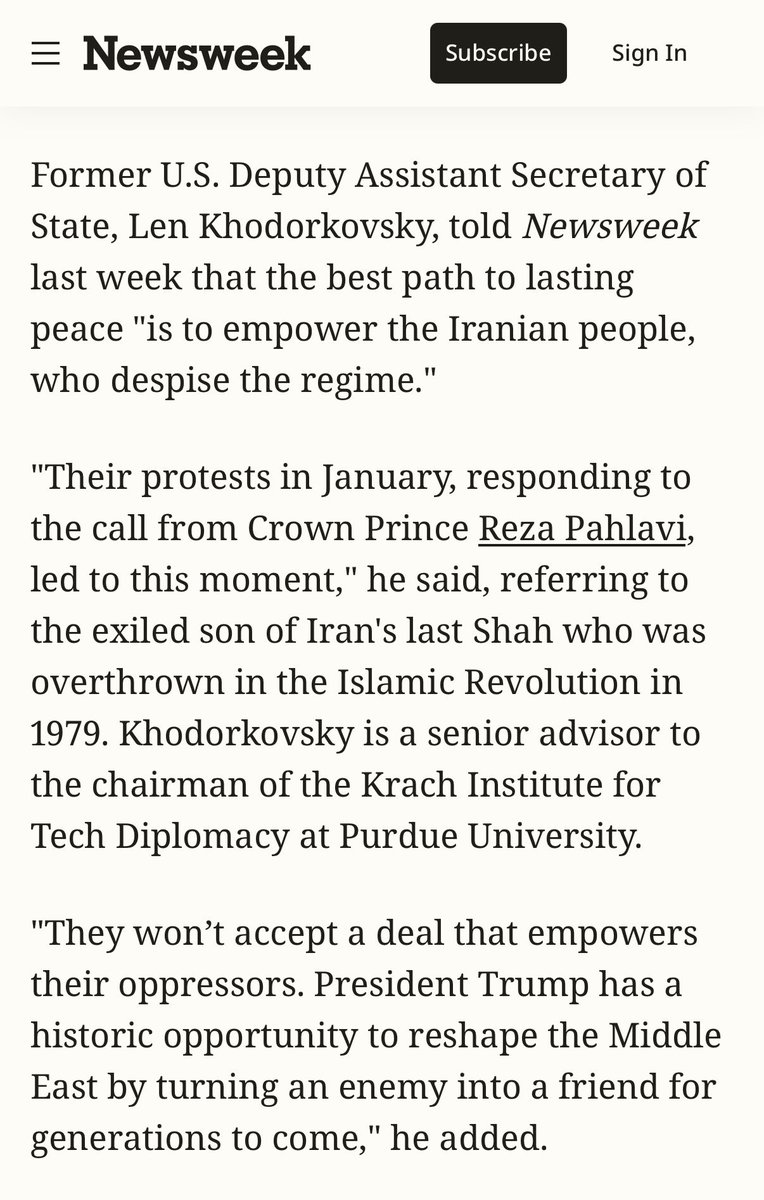
Told @Newsweek that the best path to peace “is to empower the Iranian people, who despise the regime. Their protests in January, responding to the call from Crown Prince @PahlaviReza, led to this moment. They won’t accept a deal that empowers their oppressors.
President Trump has a historic opportunity to reshape the Middle East by turning an enemy into a friend for generations to come.”
newsweek.com/us-fired-hellfi…
38
397
948
10,703
Len Khodorkovsky retweeted

At OFF 2026, @NoorPahlavi reiterates her family's goal: Free and fair elections in which Iranians can decide their future.
293
1,786
3,893
49,853
Strong speech by @NoorPahlavi at the @OsloFF. She embodied the determination of the Iranian people with dignity and grace.
Jun 2

دومین روز نشست انجمن آزادی اسلو با سخنرانی نور پهلوی، فرزند ارشد شاهزاده رضا پهلوی، آغاز شد. او در این نشست با انتقاد از جمهوری اسلامی گفت این نظام مشروعیت ندارد و تاکيد کرد مردم ایران برای آزادی و زندگی بهتر جان دادهاند.
25
501
1,378
12,310
The US has no better—or more capable—friend than Israel. Period. 🇺🇸🇮🇱
139
90
878
14,117
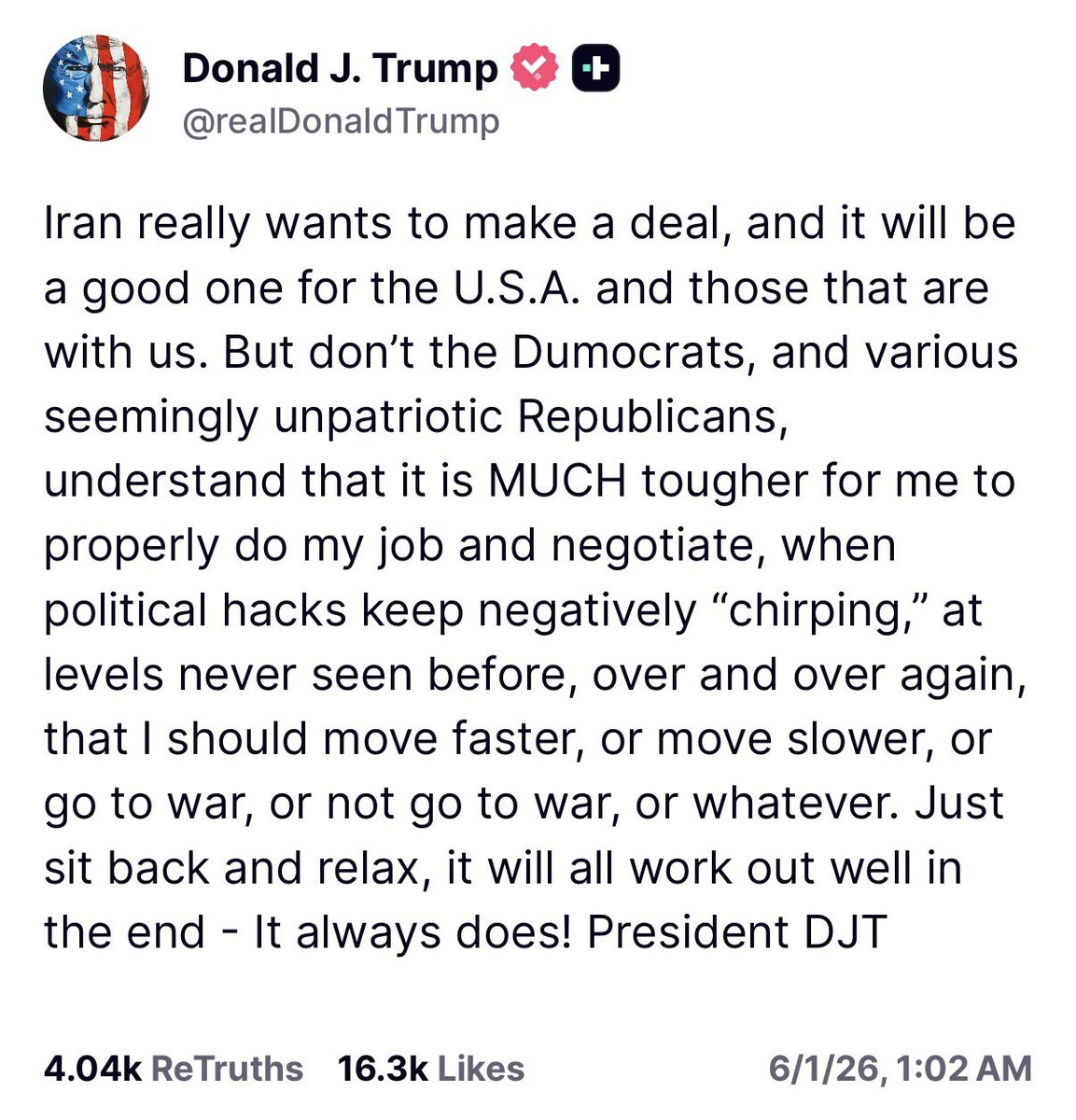
Whoever is leaking to @BarakRavid & co is not doing President Trump any favors. His frustration with the “chirping” is related to the constant drip-drip of half-baked snippets about the negotiations.
People understand how the process works. It’s usually bumpy. But when they get jerked around so much, they start worrying (because they care) and express that worry.
Regular public updates can help shut down most of the noise.
19
37
156
4,631
Len Khodorkovsky retweeted

May 31
A few weeks ago a left-leaning MP in Europe told us in a meeting that Iranians were not ready for democracy.
I suggest they look in a mirror.
241
3,062
8,649
136,095