233 Photos and videos
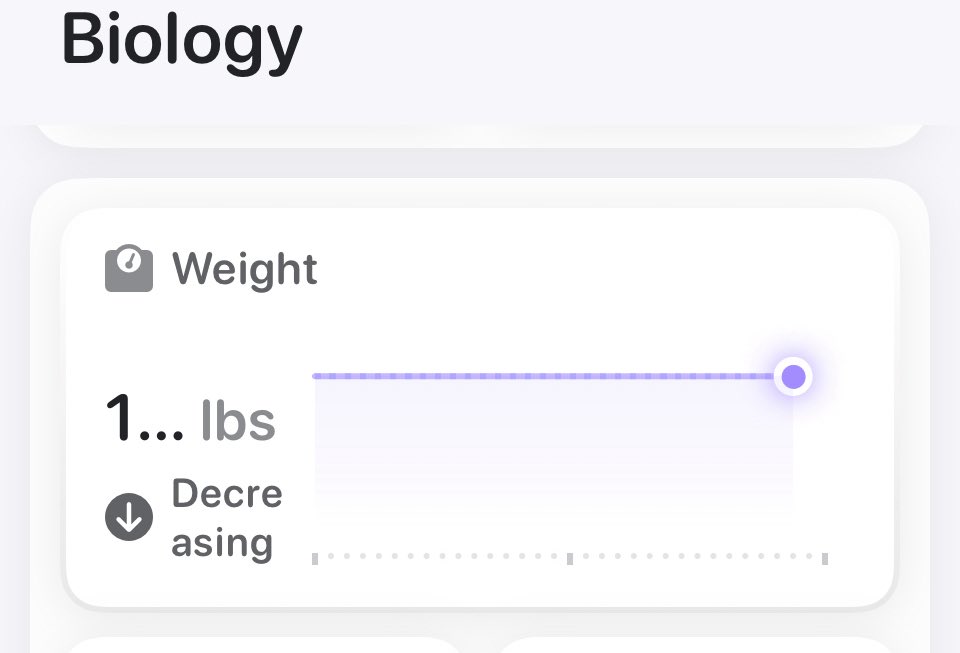
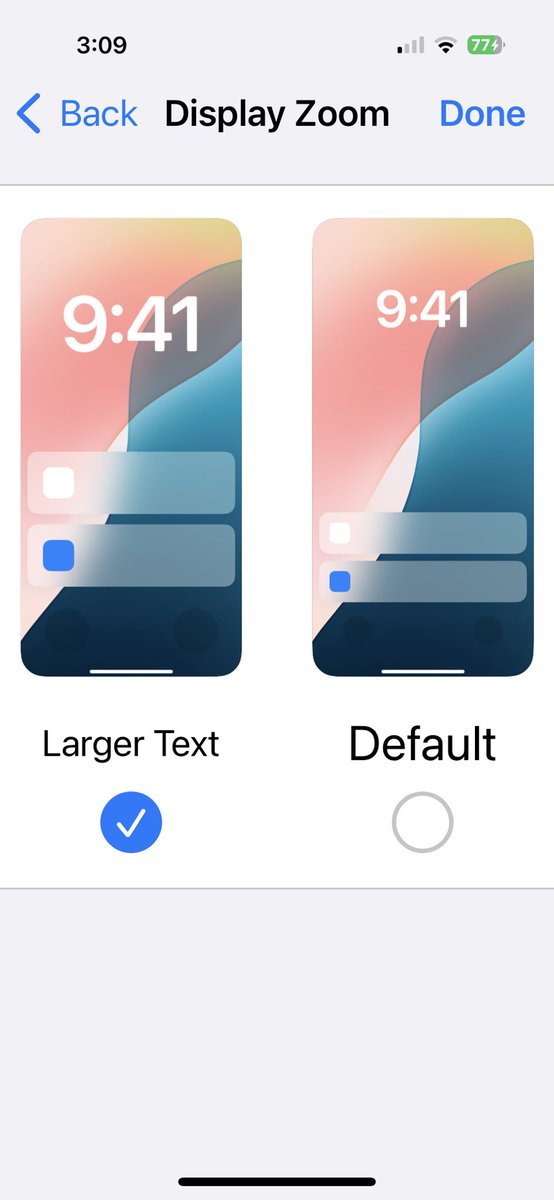
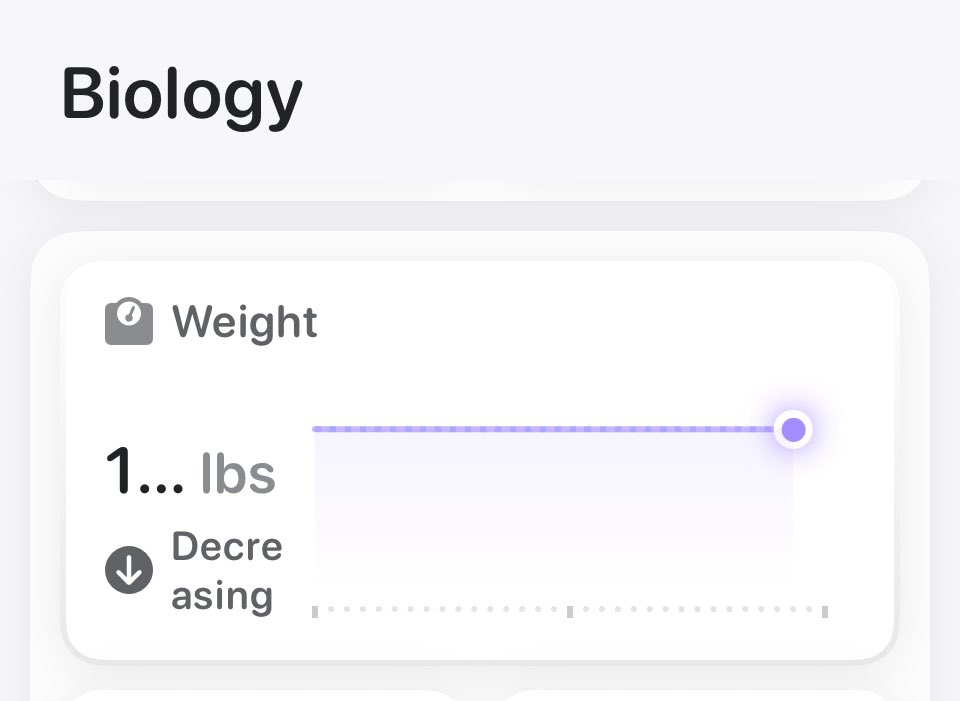
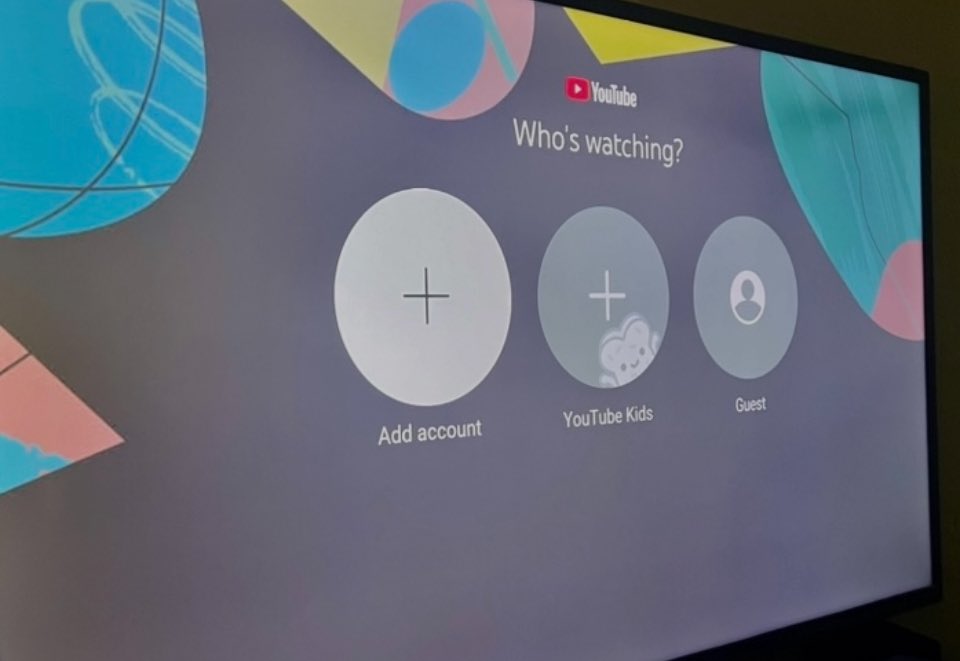

I THOUGHT THE IPHONE 16 WAS BUILT FROM THE GROUND UP FOR AI?
Apple not supporting everything on their less than 2 year old AI devices is insane.
Jun 8

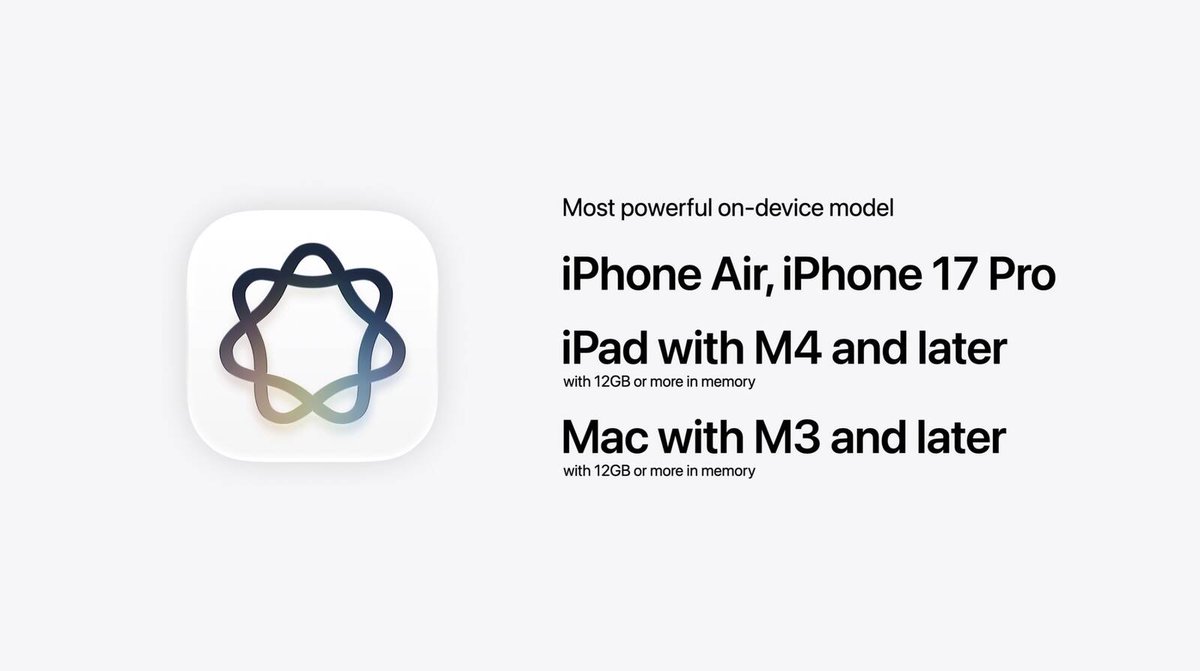
Apple Intelligence features are available on iPhone 15 Pro and later, but the most powerful on-device model is limited to newer iPhones, iPads, and Macs. Developers are getting access to Siri AI today, but it is not going to be available in the EU initially.
314
335
8,167
924,629
Miami Tech News retweeted

Apr 24
The handcrafted magic behind Apple's MacBook Neo introduction
125
2,885
29,096
2,915,716

Artemis II Moon mission complete!
✅✅✅✅✅✅
- Space Launch System rocket launched crew into space
- Orion spacecraft kept astronauts safe
- Flew around the Moon, observed its far side
- New human spaceflight distance record
- Crew safely returned to Earth
- Inspired the WORLD
2,026
16,441
96,088
3,085,759
Miami Tech News retweeted

To think that we aren't just going "to the Moon," but rather traveling to meet it at an exact point in space... changes everything.
It all comes down to orbital mechanics: arriving at the precise location, at the precise moment.
One tiny error... and it simply doesn't happen
711
5,867
36,101
3,446,363
Miami Tech News retweeted

Apr 5
Every email you’ve ever sent uses a symbol one engineer picked in 30 seconds. He wasn’t supposed to be building email. When he showed a colleague, the first words were: “Don’t tell anyone. This isn’t what we’re supposed to be working on.”
In 1971, Ray Tomlinson was an engineer at a tech company in Cambridge, Massachusetts that had a government contract to build an early version of the internet. His actual job was writing code to move files between computers. Nobody asked him to build a messaging system. He picked it up as a side project because it “seemed like a neat idea.”
So he needed to figure out addressing. If you’re sending a message from your computer to mine, the system needs to know two things: my name, and which computer I’m on. He needed one character to separate those two pieces. He looked down at his keyboard, an old mechanical terminal called a Teletype where @ sat above the letter P, and ran through his options. Exclamation point was already being used in programming, so that was out. Comma, same problem. Equal sign didn’t make sense. The @ was just sitting there, unused by almost anyone, and it already meant “at” in old pricing shorthand. He picked it and moved on.
The first email went between two computers sitting next to each other in the same room. The message was probably just “QWERTYUIOP,” the top row of the keyboard. He later said the test messages were “entirely forgettable and I have, therefore, forgotten them.” I think it might be the most nonchalant origin story in computing. The guy invented the most used communication format on earth and didn’t even bother to write a real sentence.
Two years later, email made up 75% of all traffic on that early internet. The Pentagon was furious. Defense Department auditors said they’d accidentally built a communication system, which wasn’t their job. They got officially reprimanded for it.
The @ symbol is way older than computers. First known use was in 1536, by a merchant in Florence named Francesco Lapi, writing about wine shipments. He used @ as shorthand for a clay jar used to measure wine. From there it ended up on typewriter keyboards as a pricing notation (“10 apples @ $1 each”), and by 1971 it had been sitting on keyboards for decades while almost nobody touched it.
Today, about 392 billion emails cross the internet every single day. Every one of them carries the @ that one engineer chose during an unauthorized side project 55 years ago, a project he was told to keep quiet about.
Apr 4

The “@” symbol in your email exists because of one engineer’s decision
9
181
1,277
125,045
This view just hits different 🌍
@Astro_Christina and @astro_reid take a moment to look back at Earth as they continue deep into space toward the Moon.
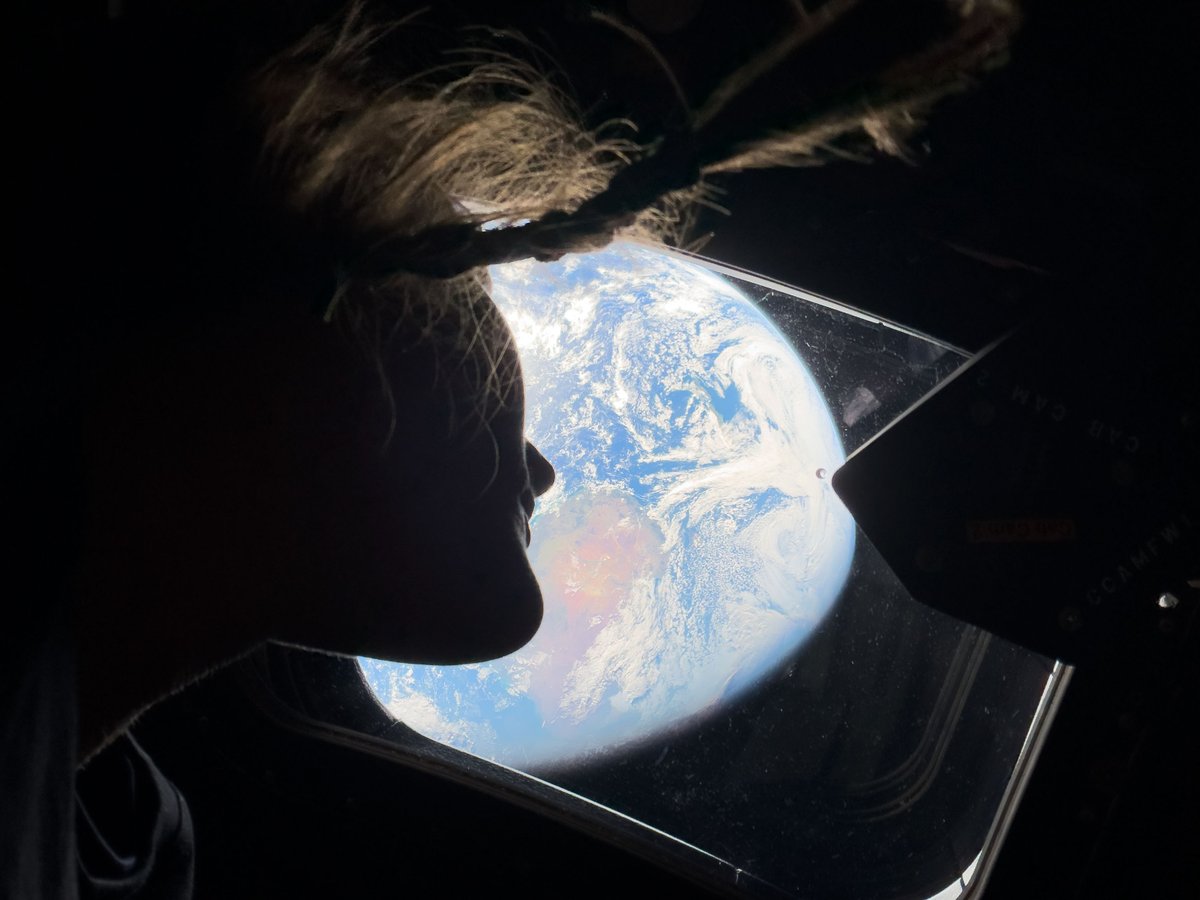
ALT Inside the dim Orion spacecraft, a window in the center of the image shows a brightly lit Earth and an astronaut sits on the right side looking back at Earth. Credit: NASA
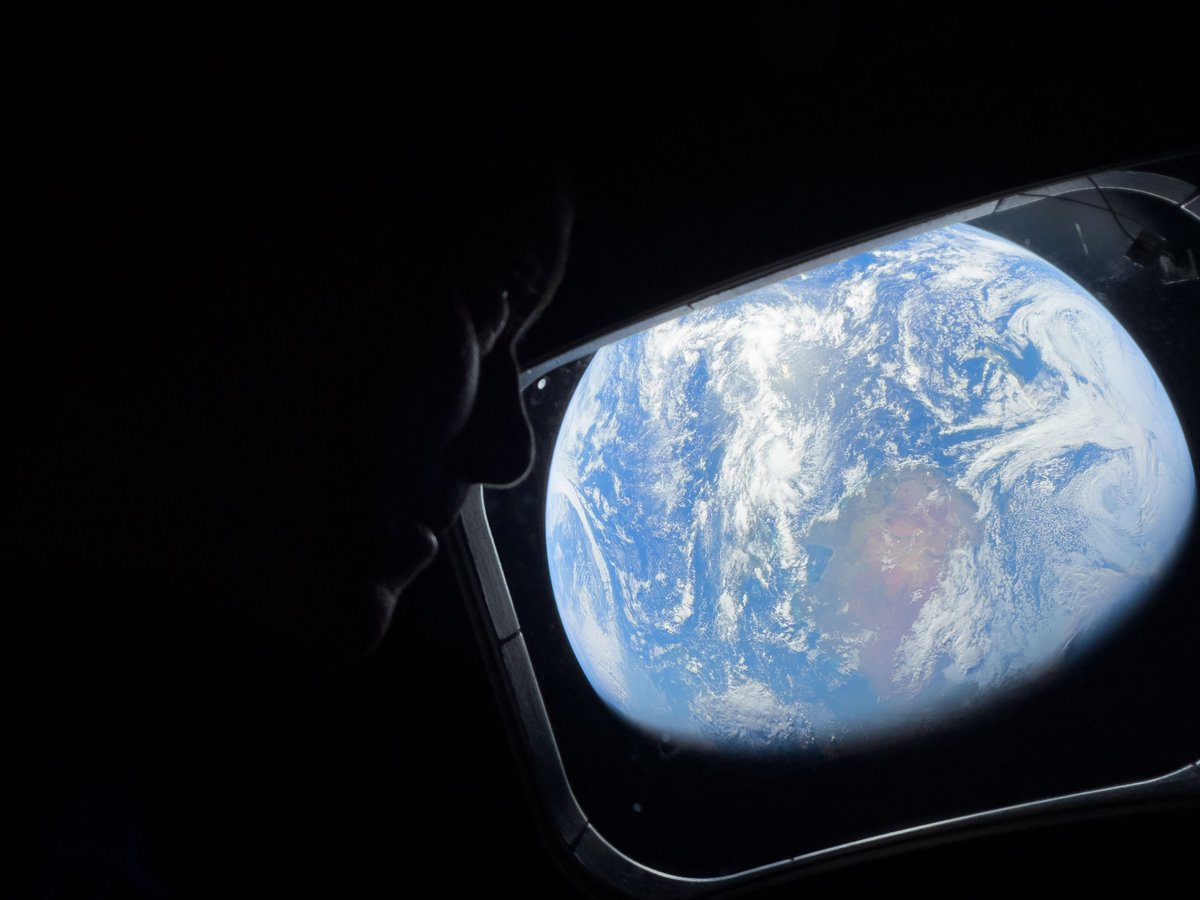
ALT Inside the dim Orion spacecraft, a window in the center of the image shows a brightly lit Earth and an astronaut sits on the right side looking back at Earth. Credit: NASA
3,356
29,541
197,392
26,478,184
#NASA Confirms #Artemis II Earth Photo Was Taken on an #iPhone 17 Pro Max ibtimes.co.uk/nasa-artemis-i…
93
Miami Tech News retweeted

Apr 3
NASA pays $100M for Microsoft 365 licensing across the agency. They standardized every system on Microsoft. They put Microsoft Surfaces on the Orion spacecraft as the crew's personal computing devices.
And the first technical crisis of humanity's return to the Moon was Reid Wiseman radioing Houston to say he has two Microsoft Outlooks and neither one works.
Mission Control's response? "With your go, we can remote in and take a look." The same exact workflow your company's IT helpdesk uses when you submit a ticket on a Monday morning. Except the user is traveling at 4,275 mph, 30,000 miles from Earth, and the Wi-Fi situation is considerably worse.
This spacecraft survived hydrogen leaks, helium leaks, a faulty heat shield, and a broken toilet. Outlook broke anyway. The toilet actually got fixed faster.
The real story here is that Microsoft has achieved something no other software company in history can claim: a support ticket from lunar transit. Their enterprise sales team should frame this. "Battle-tested in space" is a positioning statement most B2B companies would mass murder for, and Microsoft accidentally earned it because Outlook crashes everywhere, including orbit.
Outlook remains the only software in human history that performs identically whether you're in a cubicle in Redmond or aboard a spacecraft bound for the Moon. Universally, reliably broken. And we keep buying it anyway.
Apr 2

JUST IN: Artemis II crew experiences issues with Microsoft Outlook on their way to the Moon, asks ground crew for assistance.
656
3,841
24,179
2,449,586
Miami Tech News retweeted

19 Nov 2025
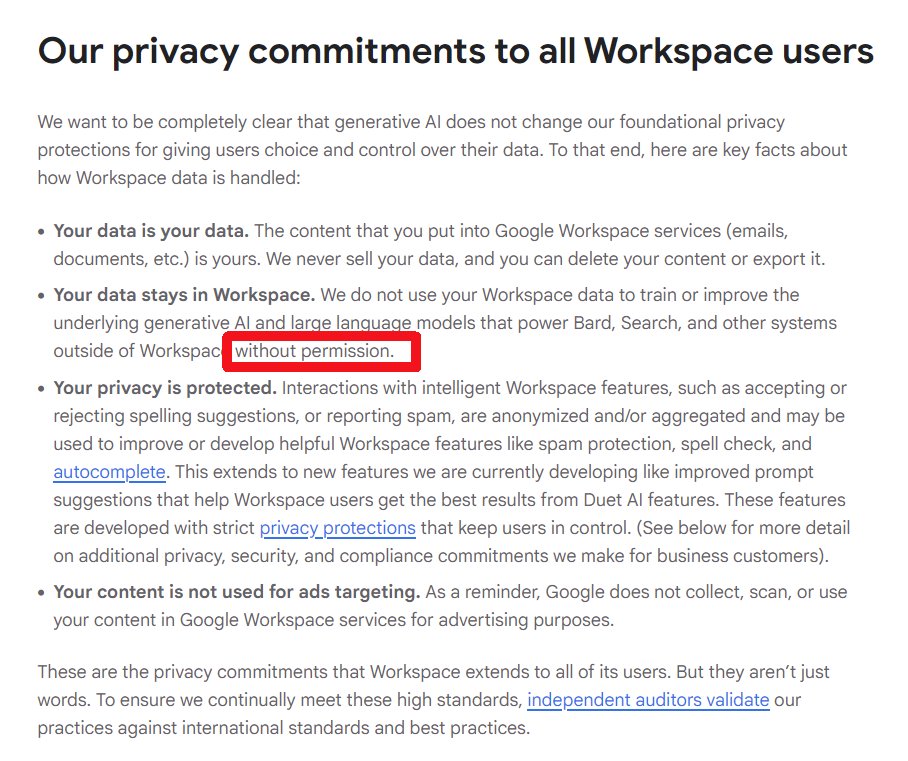
IMPORTANT message for everyone using Gmail.
You have been automatically OPTED IN to allow Gmail to access all your private messages & attachments to train AI models.
You have to manually turn off Smart Features in the Setting menu in TWO locations.
Retweet so every is aware.
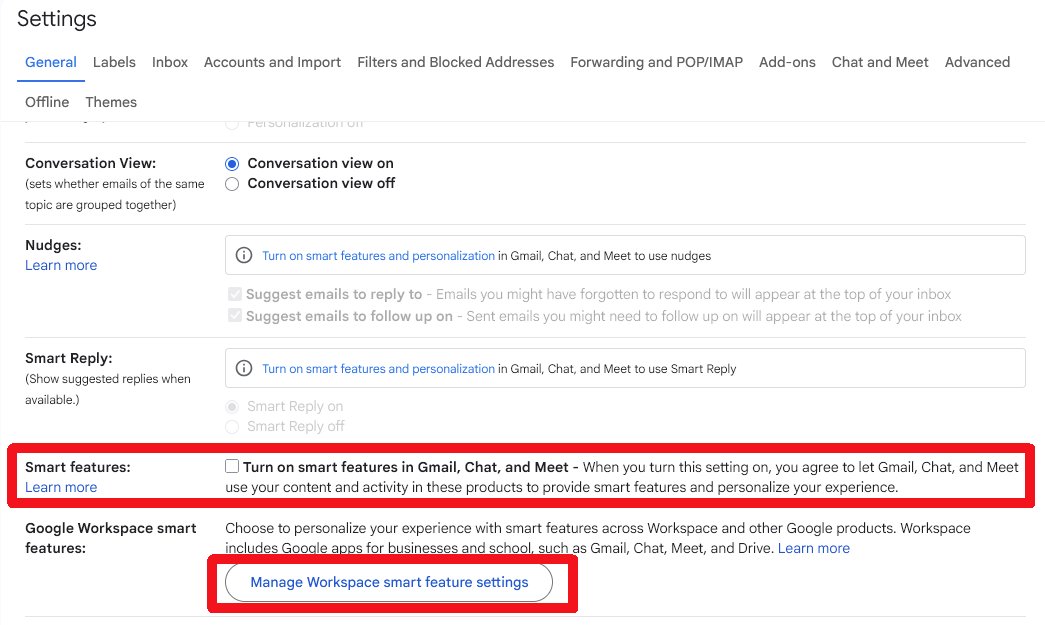
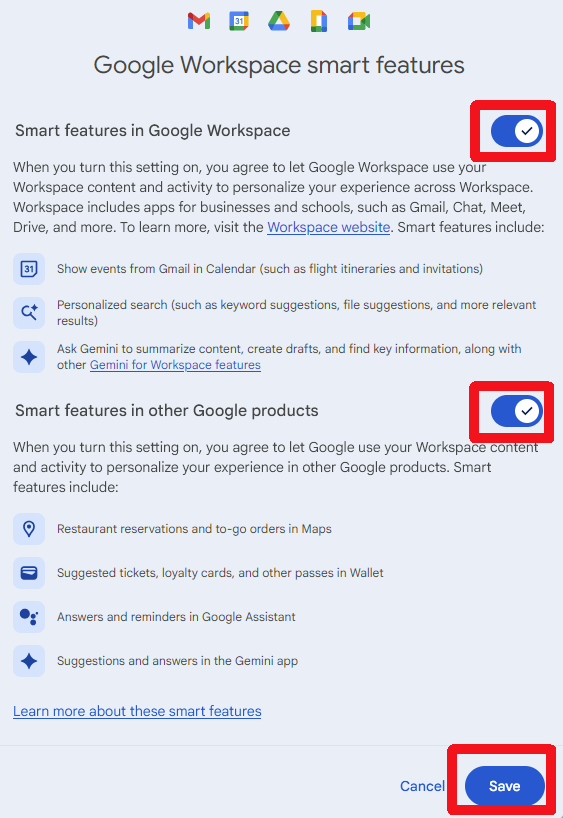
1,237
68,685
158,393
13,602,674
NASA's SLS (Space Launch System) rocket and Orion spacecraft are getting ready to roll back to Launch Pad 39B for the @NASAArtemis II mission. Teams are currently monitoring the wind speeds before rolling out of @NASAKennedy Vehicle Assembly Building. Follow along: youtube.com/live/ED2nbfb3NbE
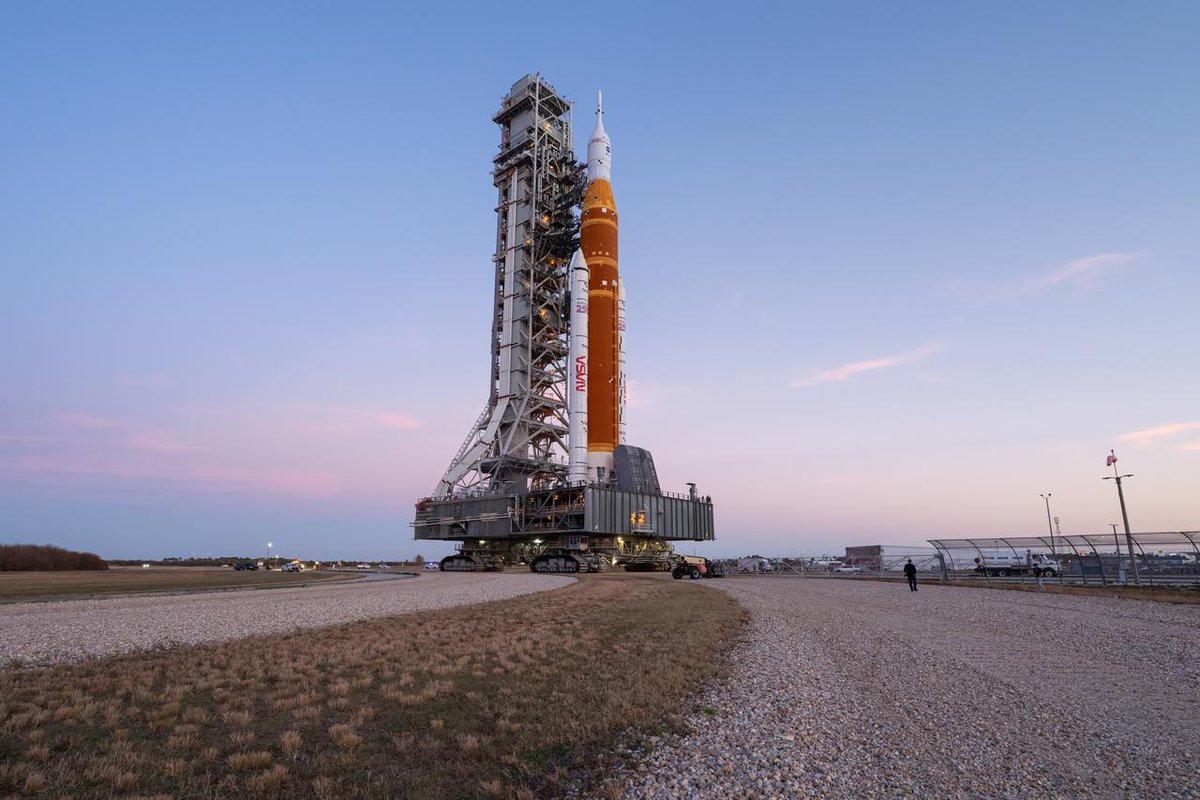
ALT NASA’s Artemis II SLS (Space Launch System) rocket and Orion spacecraft roll back to the Vehicle Assembly Building at NASA’s Kennedy Space Center in Florida, Feb. 25, 2026. In the foreground, dry grass and two gravel paths outline the route for the Crawler-Transporter. The sky above is blue and pink with wispy clouds. Photo Credit: (NASA/John Kraus)
420
1,487
8,056
2,916,707
Miami Tech News retweeted

Mar 10
The moment I realized I was going need to find a tougher test for the MacBook Neo😳
358
1,096
21,688
8,550,248
Miami Tech News retweeted

Jan 22
On January 24th, Apple Computer will introduce Macintosh. And you'll see why 1984 won't be like "1984"
Apple's 1984 commercial released 42 years ago today
9
41
363
19,383


Miami Tech News retweeted

23 Dec 2025
Adam The Woo is a legend that will be remembered forever 🙏🏼🔥
17
180
1,391
29,602

19 Jun 2025
Do these nine things to protect yourself against #hackers and #scammers 9to5mac.com/2025/06/14/do-th…
1
15


Miami Tech News retweeted

14 Apr 2025
It’s 1978. Owning a Polaroid camera is like flexing the latest iPhone today:
• Every tourist's favorite
• Every celebrity and family gathering had it
Instant photos were literally magic. And Polaroid owned it all.
But that was just the surface...
1
4
63
11,713
17 Apr 2025
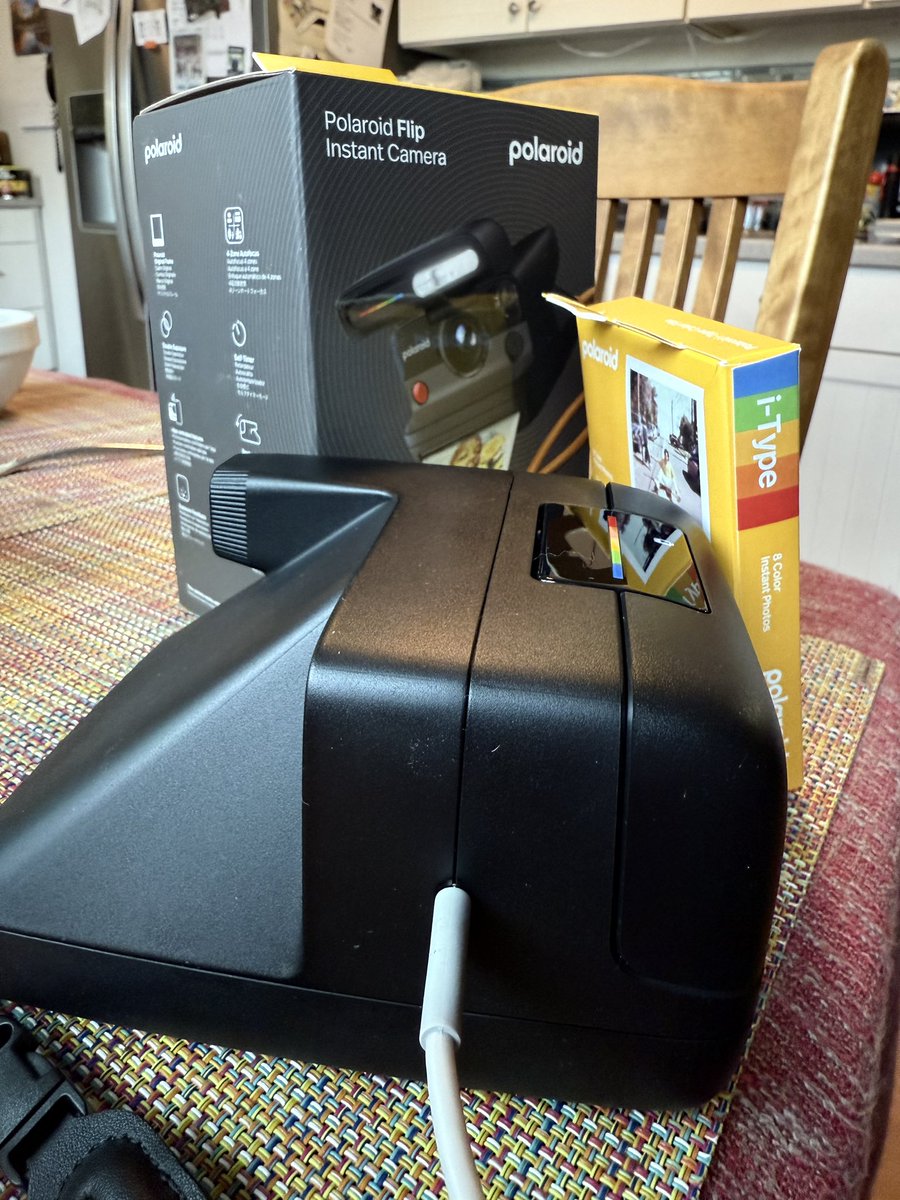
I've used the #Polaroid Flip – it's the best Polaroid camera you can buy | T3 t3.com/tech/cameras/polaroid…
46
27 Mar 2025
#Polaroid NOW Gen 3 In-Depth Review | WATCH BEFORE YOU BUY youtu.be/wVKk3YR4udA?si=1KOb…

42