“Bored by the Lower Mantle? Think again!”
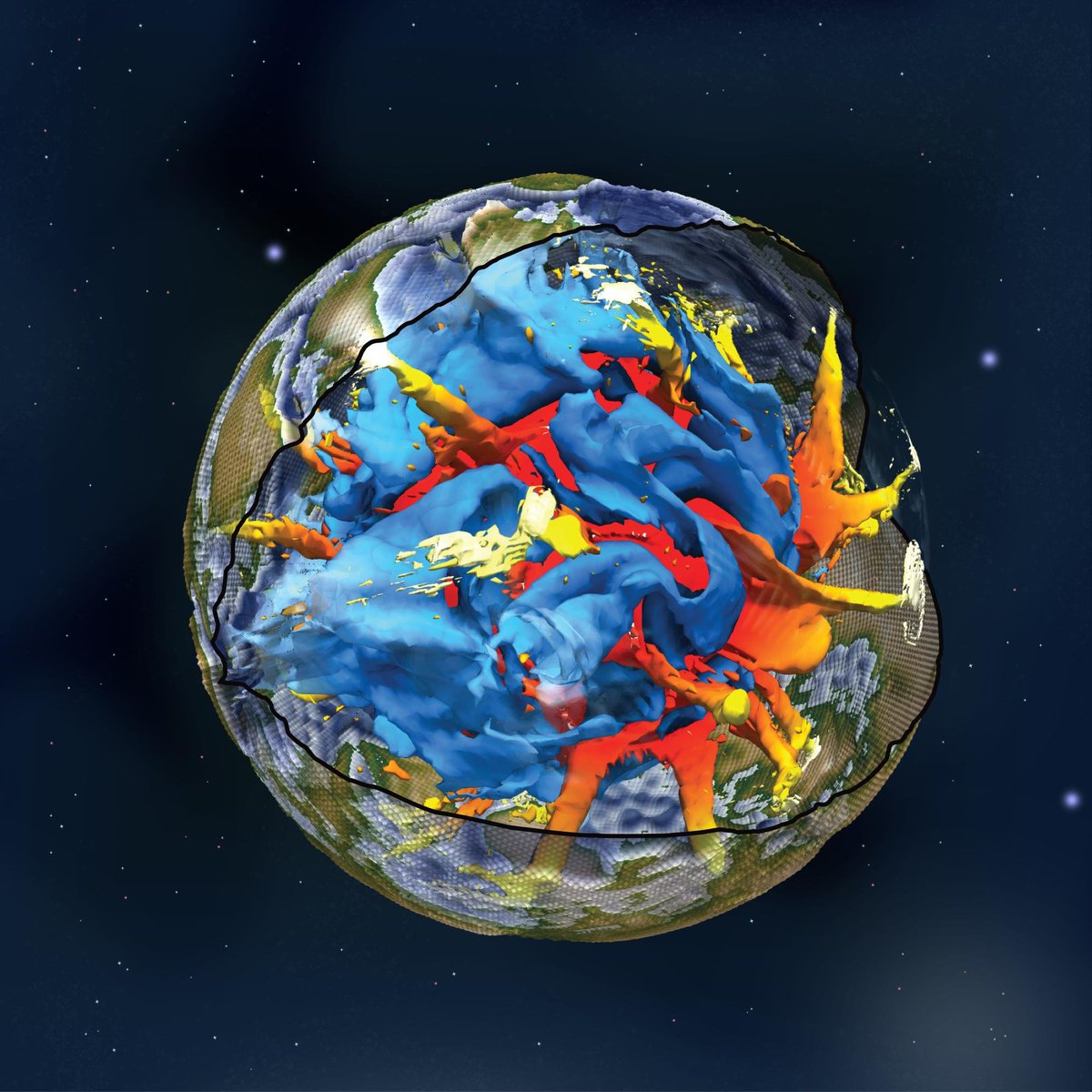
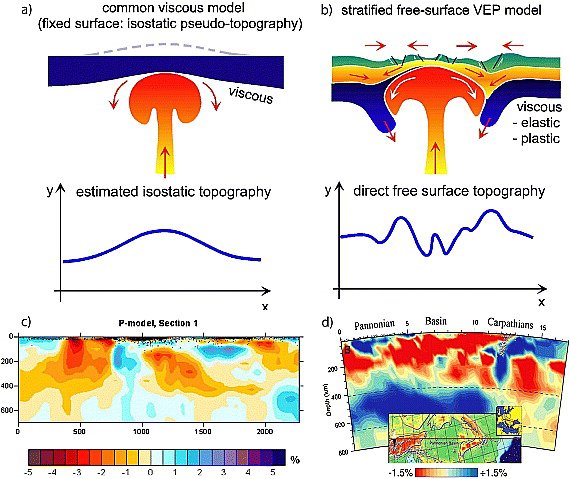
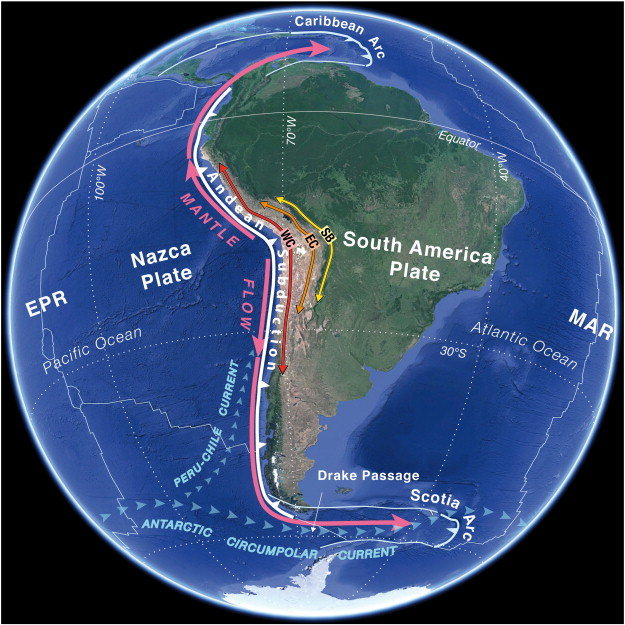
In my new @EGU_GD blog, I talk about how deep mantle dynamics can be “seen” with seismic anisotropy, revealing a lot more going on down there than we think. Enjoy and don’t get bored!😊
blogs.egu.eu/divisions/gd/20…
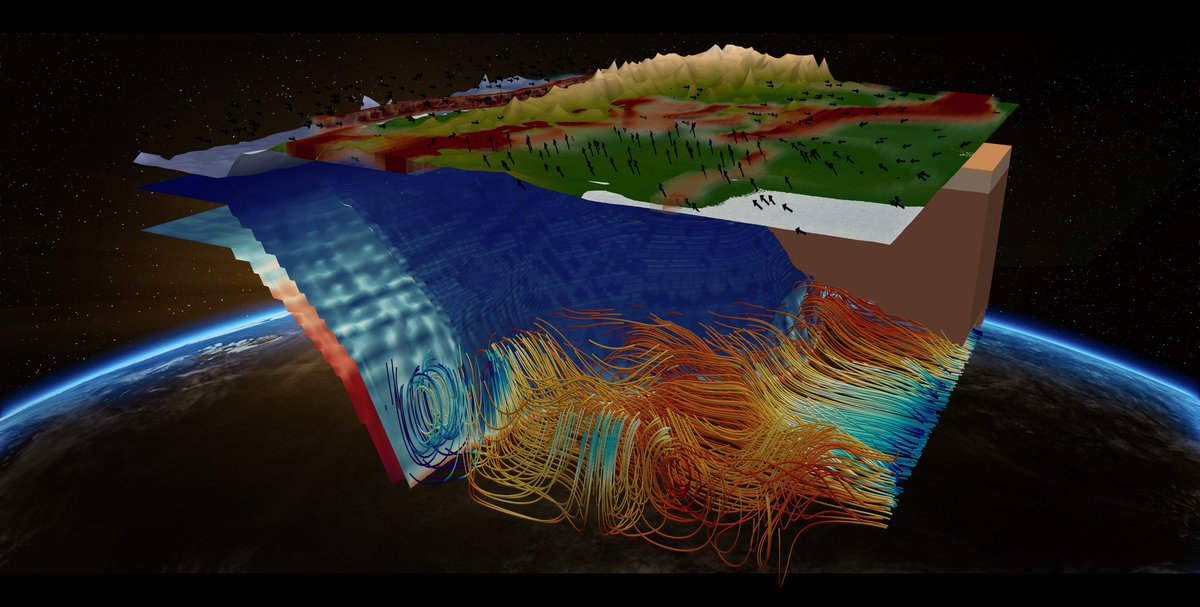
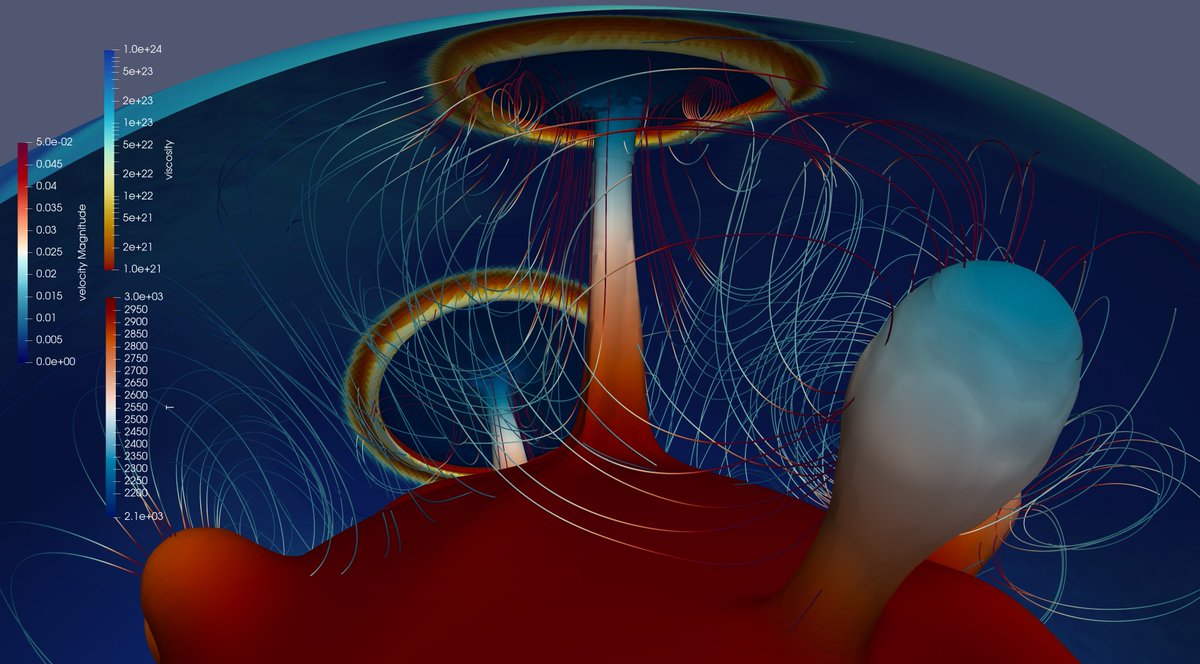
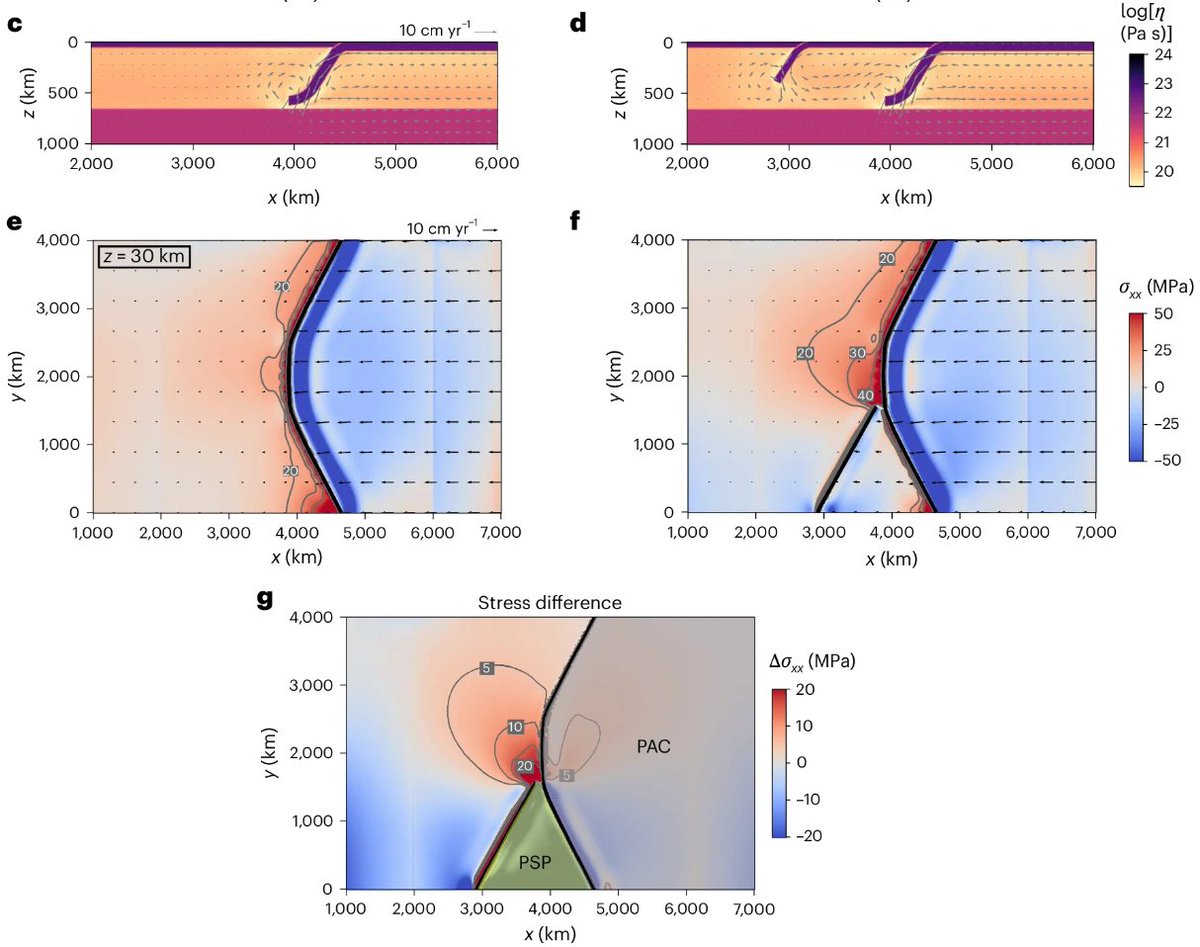
ALT Plots showing the viscosity and velocity fields in cross-section and the trench-perpendicular normal stress field and plate velocity for reference single and double subduction models
Hey everyone 😊
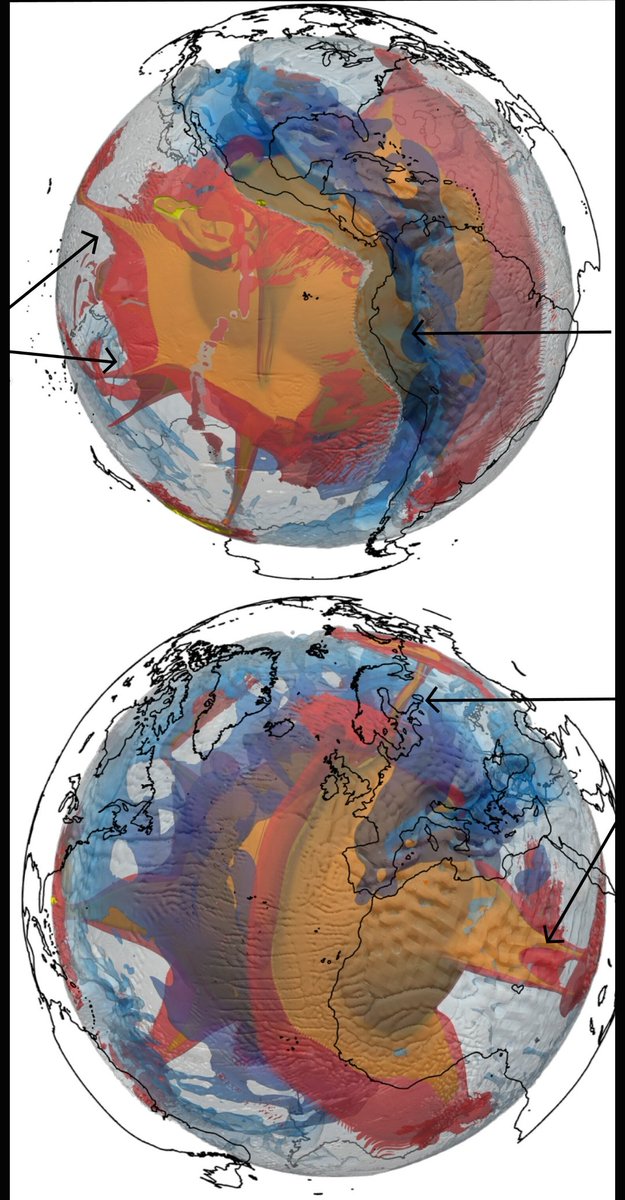
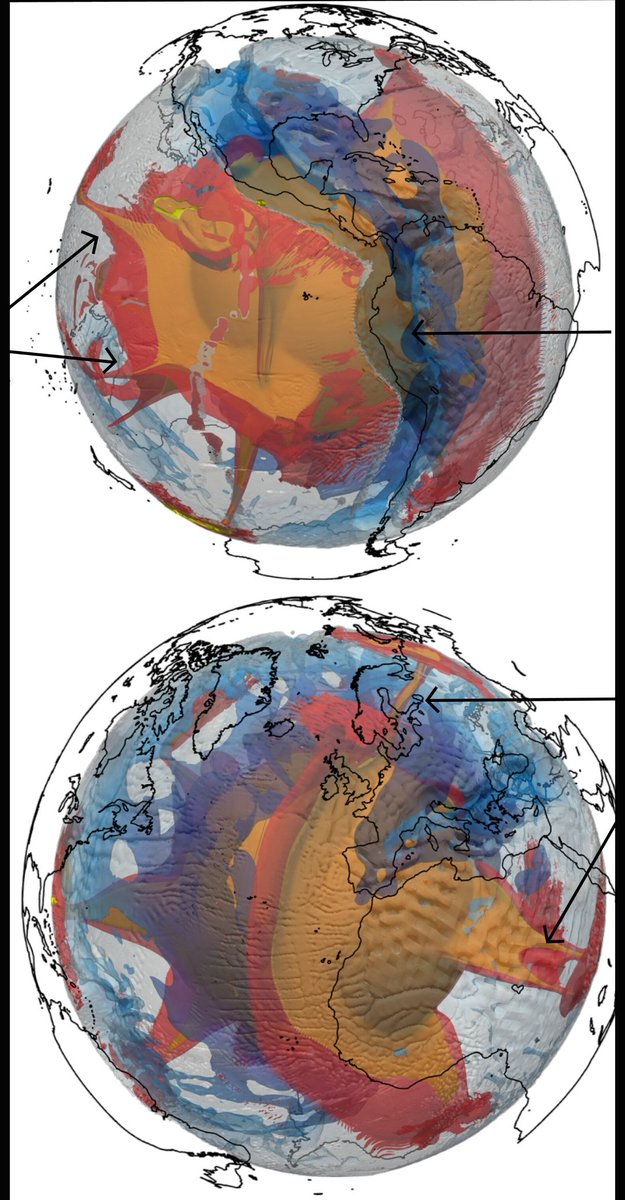
My global Earth geodynamic model is part of the Helmholtz Imaging Best Scientific Image Contest 2025!
I’d really appreciate your support 🤗, feel free to check it out and vote if you like it 🗳️
Link 🔗 shorturl.at/TMgOH#HelmholtzImaging#ScienceArt#SciComm
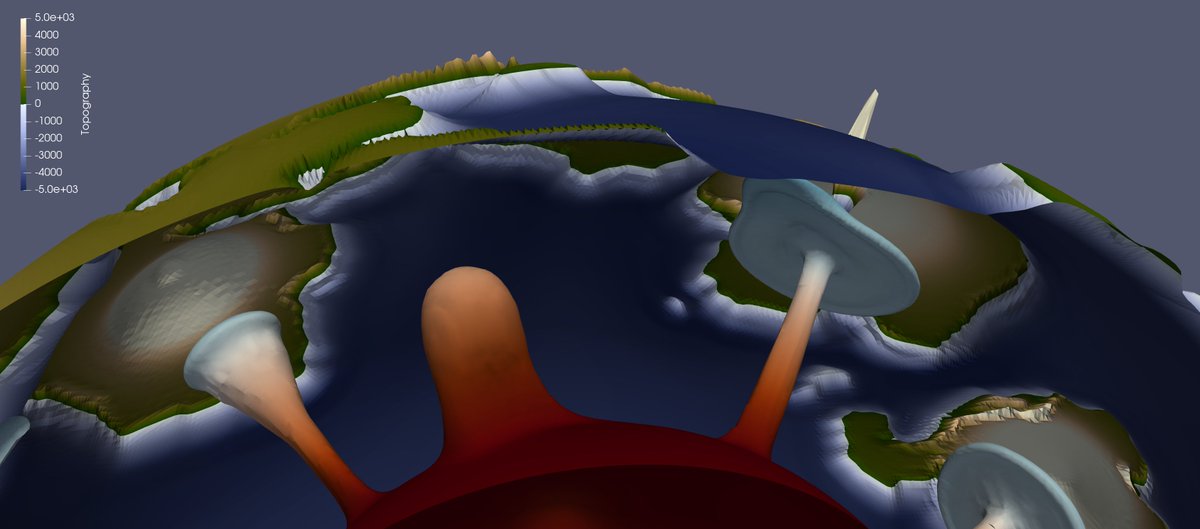
ALT Six Hundred Leagues Under the Earth
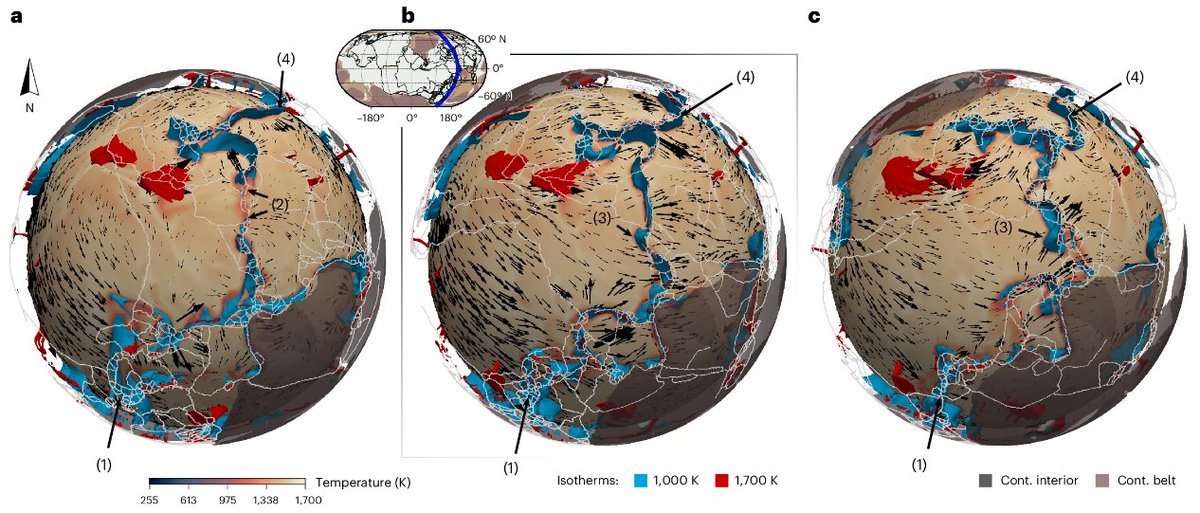
This geodynamic model of the Earth at 850 Ma explores the expression and evolution of the Earth's surface as a result of the complex interaction between cold subduction and warm mantle plumes.
Hey everyone 😊
My global Earth geodynamic model is part of the Helmholtz Imaging Best Scientific Image Contest 2025!
I’d really appreciate your support 🤗, feel free to check it out and vote if you like it 🗳️
Link 🔗 shorturl.at/TMgOH#HelmholtzImaging#ScienceArt#SciComm
ALT Six Hundred Leagues Under the Earth
This geodynamic model of the Earth at 850 Ma explores the expression and evolution of the Earth's surface as a result of the complex interaction between cold subduction and warm mantle plumes.
🌍 One event you won’t want to miss at #EGU25 is the Geodynamics ECS Dinner—a fantastic chance to meet and connect with fellow early career scientists worldwide!
🔗 Reserve your spot (limited seats!):
docs.google.com/forms/d/e/1F…
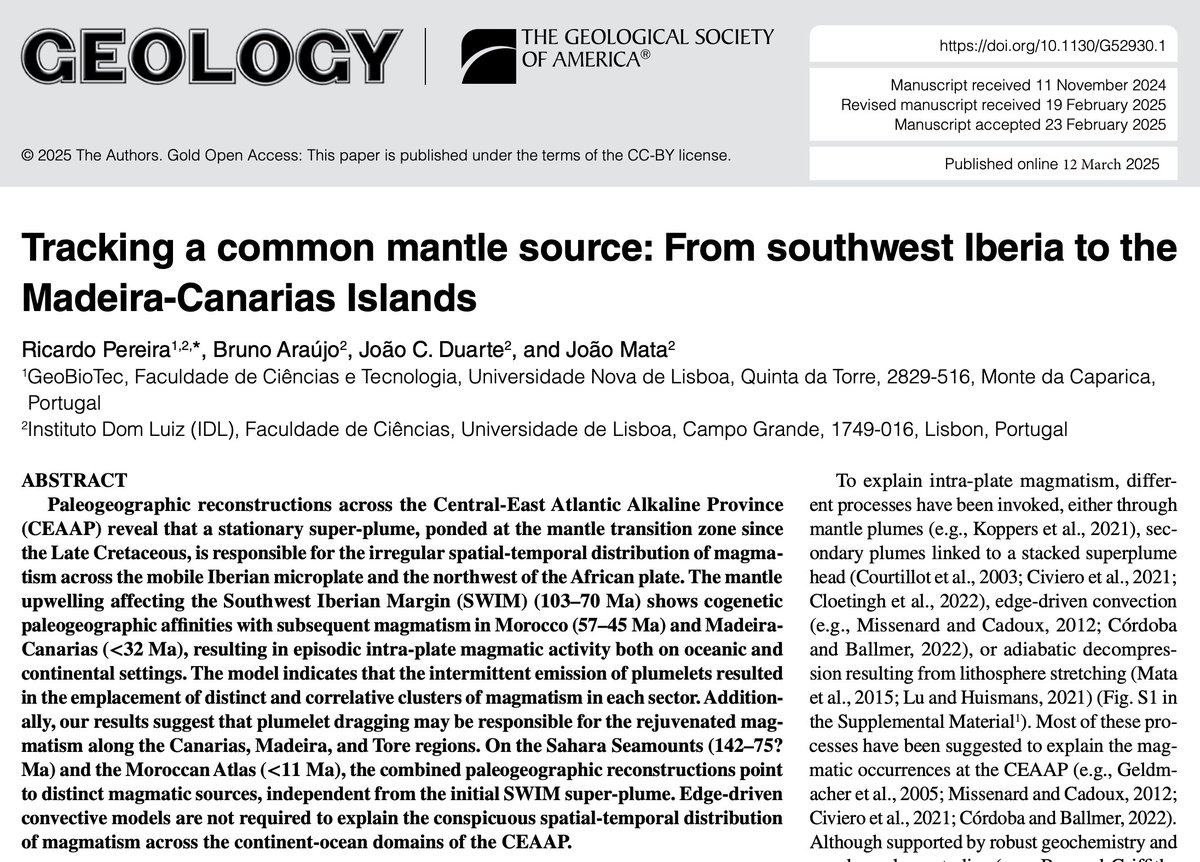
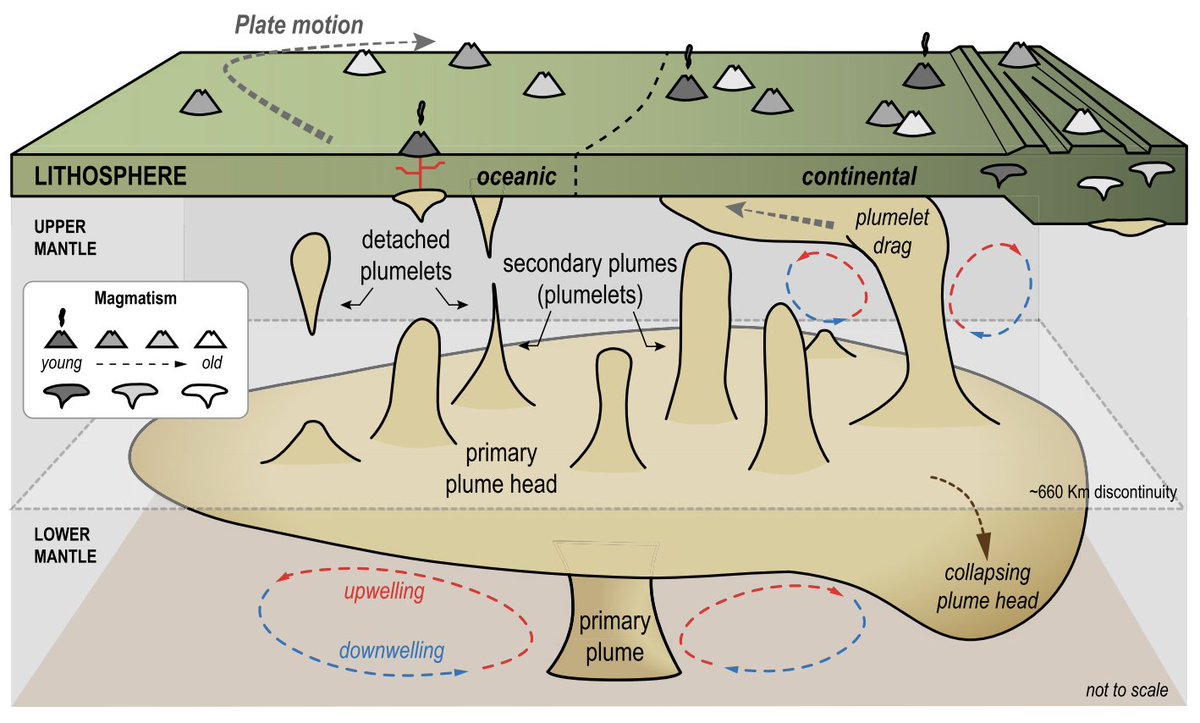
Neste paper mostramos que a fonte mantélica (superpluma) que alimentou o vulcanismo em Portugal no Cretácico (Sintra, Sines, Monchique, etc) parece ser a mesma que está hoje por baixo das Canárias:
doi.org/10.1130/G52930.1
@idlinstitutodomluiz @FCTNOVA
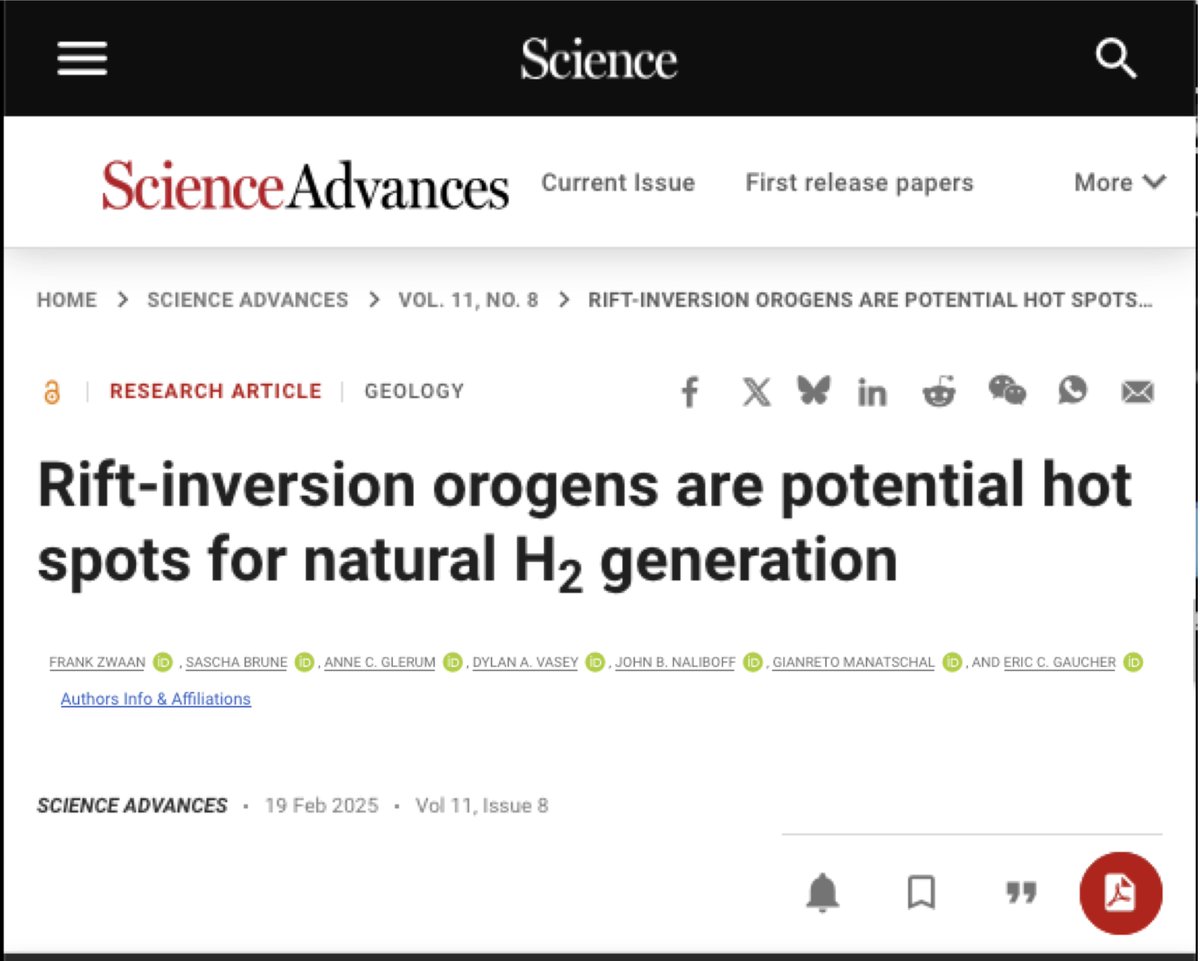
📢 Brand new paper alert! ⚒️
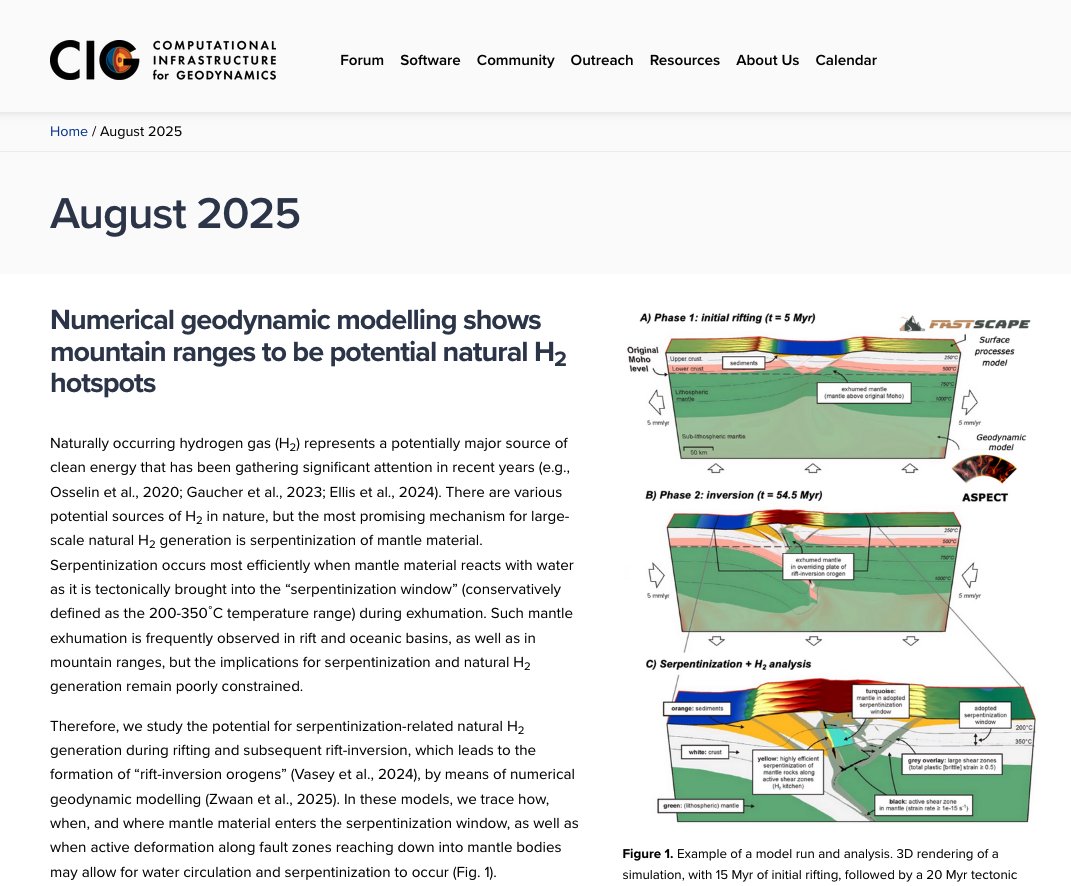
Are you interested in natural hydrogen gas (H2), a potential green energy source?😃
Check out our new paper in the @AAAS's @ScienceAdvances, in which we show that natural H2 exploration should focus on mountain ranges.
Link: dx.doi.org/10.1126/sciadv.ad…
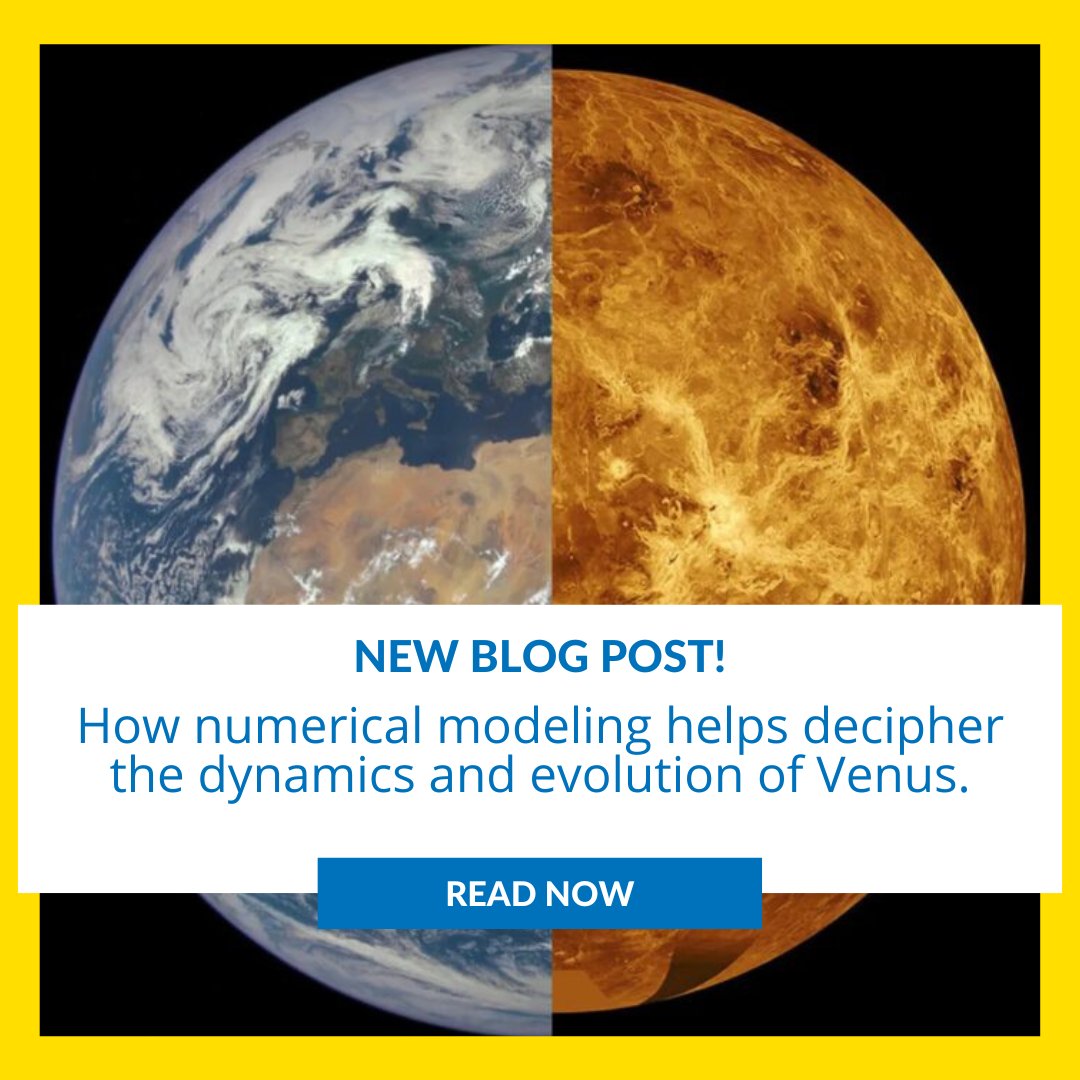
How does #numerical#modeling help us understand #Venus's evolution? This blog by @EGU_GD analyses the evolution of Venus and Earth, highlighting the differences between these two planets.
In case you missed it, read more about it here: egu.eu/8RIO2O
ALT Image description: half views of Earth and Venus, with text that reads: " New Blog Post!How numerical modeling helps decipher the dynamics and evolution of Venus. read now".

If you are planning to come to Lisbon for the GEOMOD 2025, please pre-register here: geomod2025.com/?page_id=22
We would like to have an estimation of the attendees to see if we can have reduce fees for students.
Looking forward to have you with us!
#tectonics#geodynamics
🚨Today is the EGU abstract submission deadline, consider applying to the session "Initiation and Evolution of Subduction: Dynamics, Volatiles and Melts from the Surface to the Deep Mantle" 🗻🏞️
meetingorganizer.copernicus.…
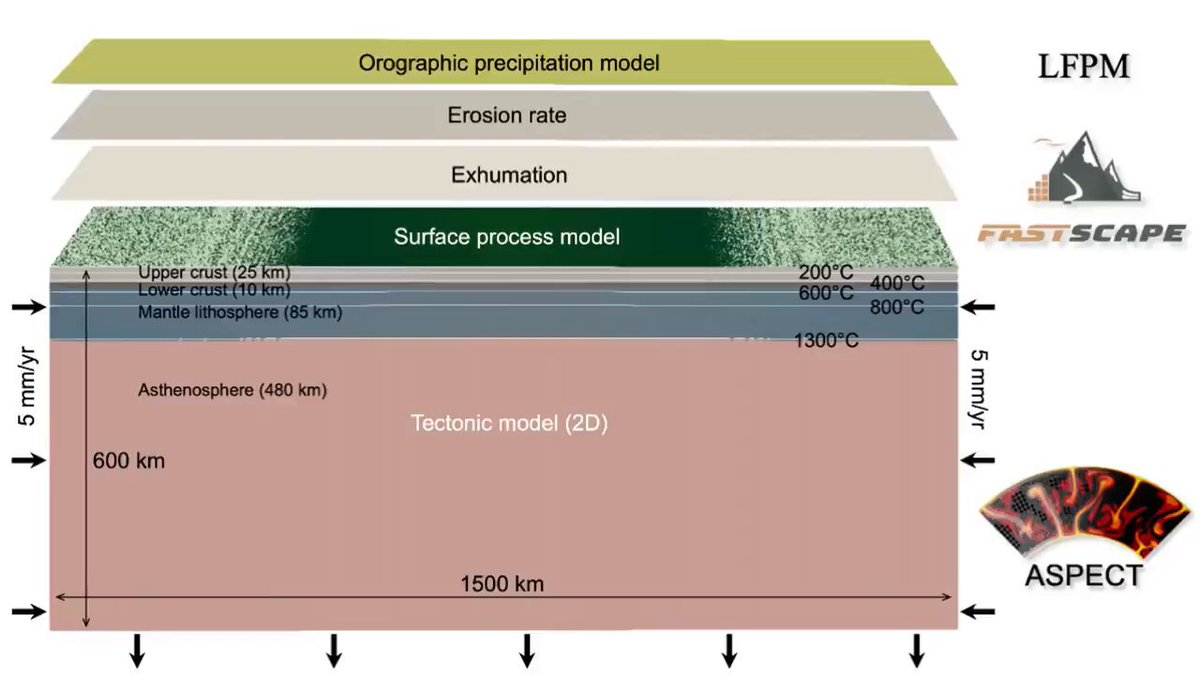
How do deformation, erosion, and precipitation interact during orogenic growth? ⚒️ Find out in this new study led by Xiaoping Yuan where we used a 3-code coupling between #ASPECT,#FASTSCAPE, and #LFPM.
Article here:
nature.com/articles/s41467-0…
(Post video from @sasbrune )
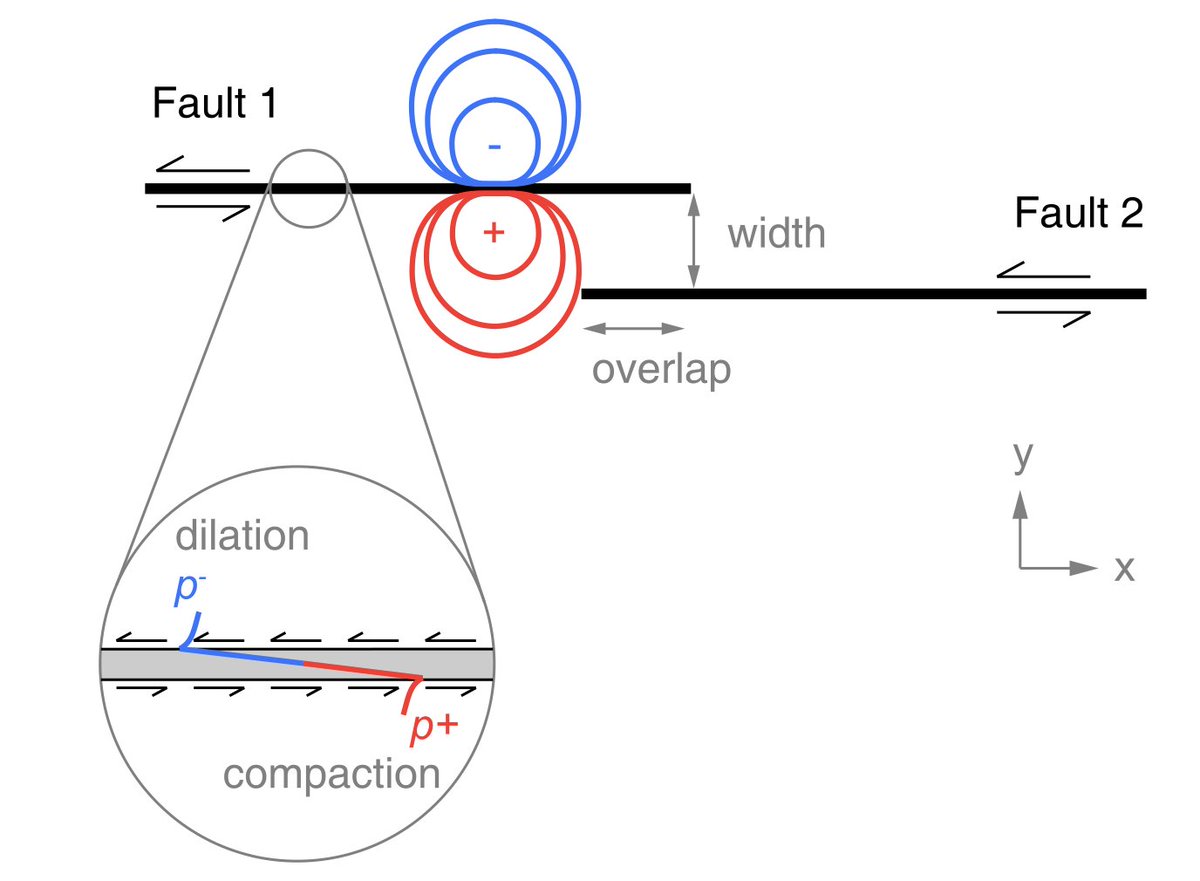
🚨 Just published in Earth and Planetary Science Letters! In collaboration with Luyuan and @EliasHeimisson, we explored how poroelasticity affects rupture propagation across fault stepovers and its impact on earthquake hazards.
Link: doi.org/10.1016/j.epsl.2024.…
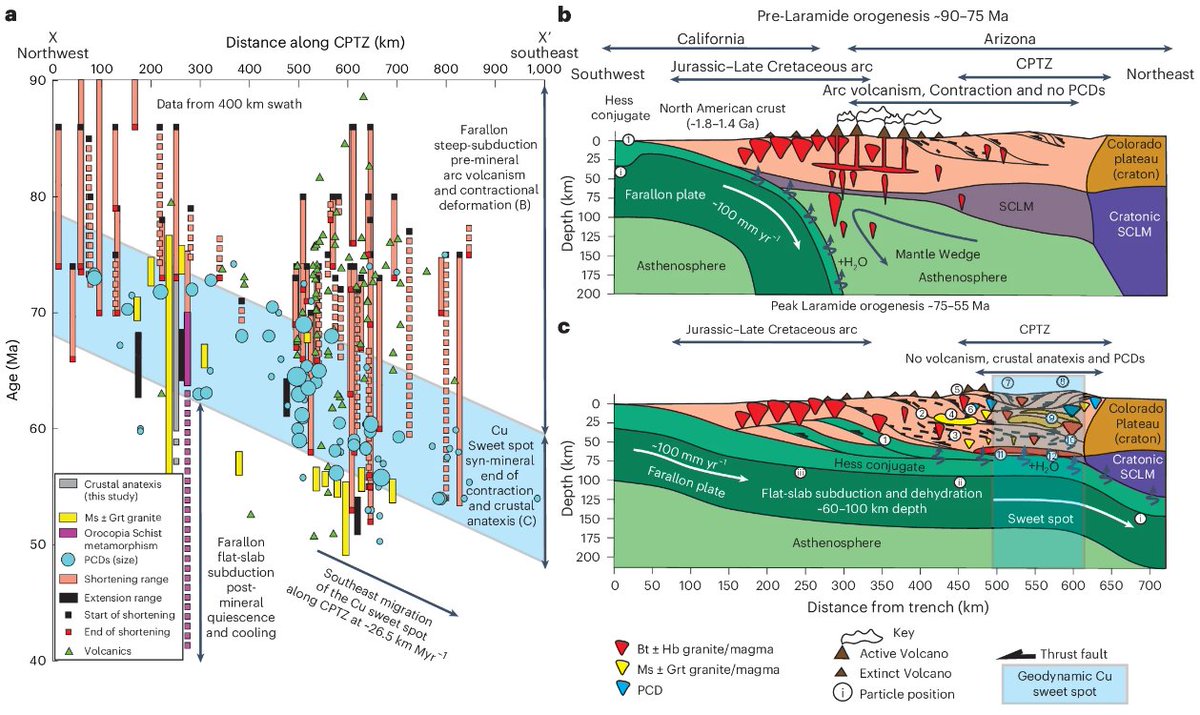
ALT Age-distance plot and schematic illustrations showing the spatial-temporal tectonic–magmatic–mineralization relationships along the Colorado Plateau Transition Zone supporting a flat-slab subduction and crustal anatexis porphyry copper deposit model for Arizona