
Enhancing peace, security, and people-to-people ties between the US and the Middle East through dialogue, engagement and exchange.
Joined June 2009
- Tweets 40,453
- Following 1,192
- Followers 114,334
- Likes 1,317
6,068 Photos and videos
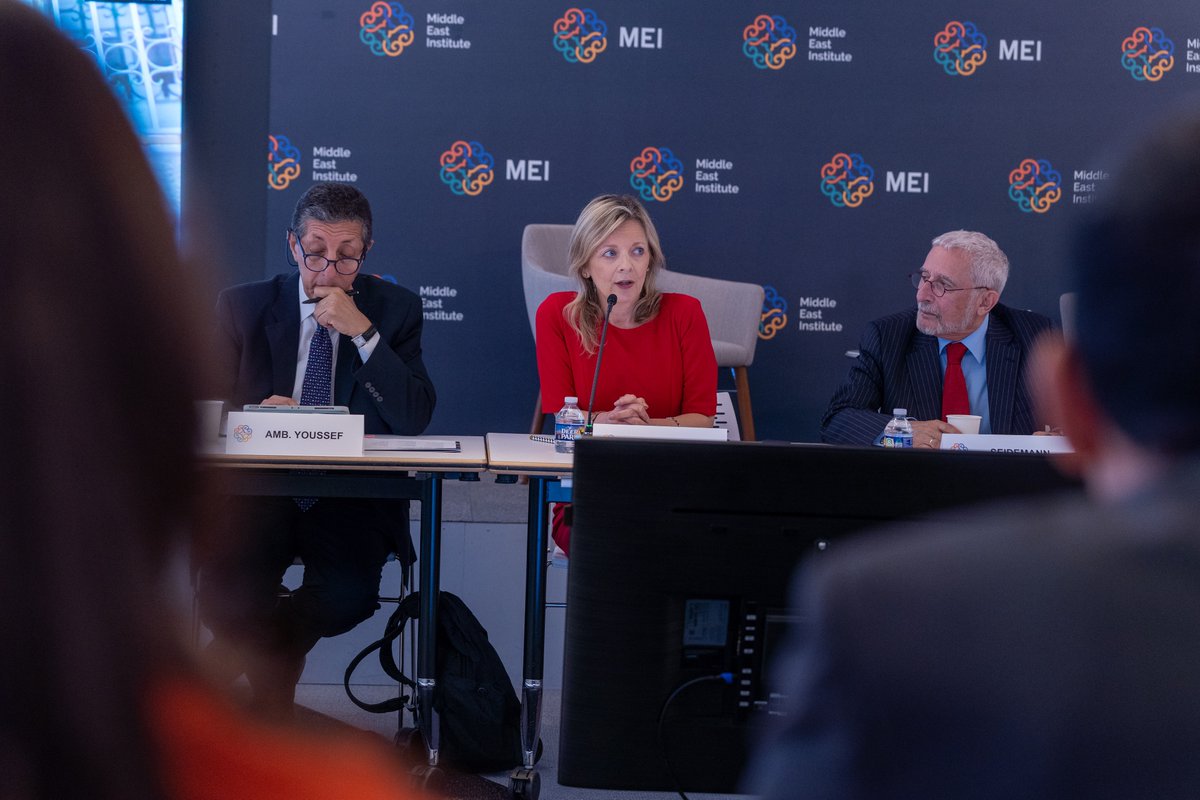
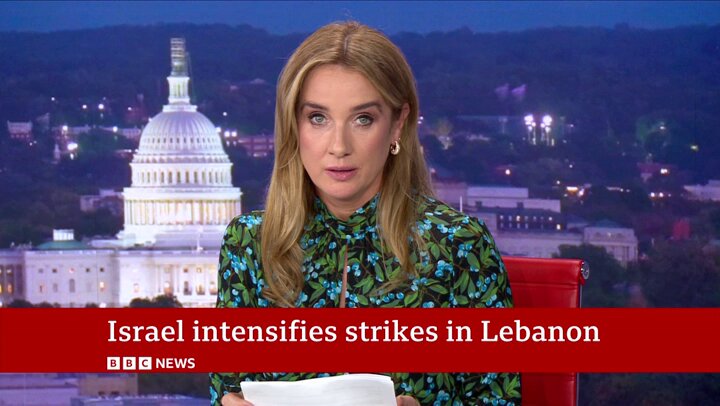

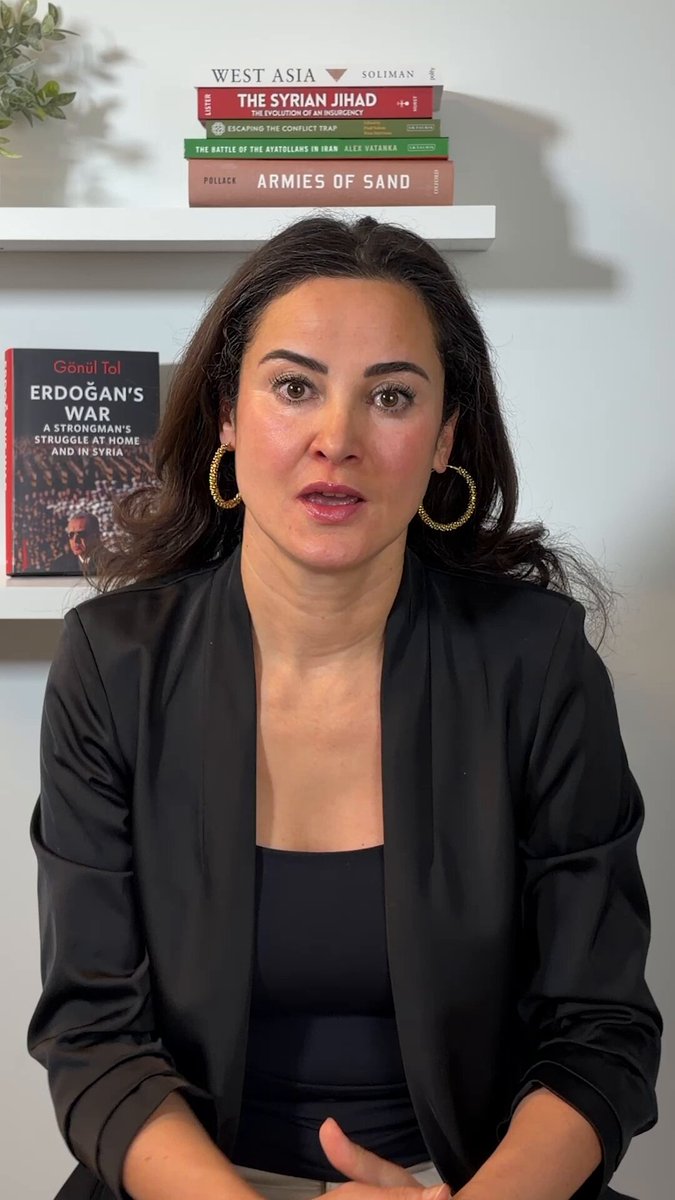
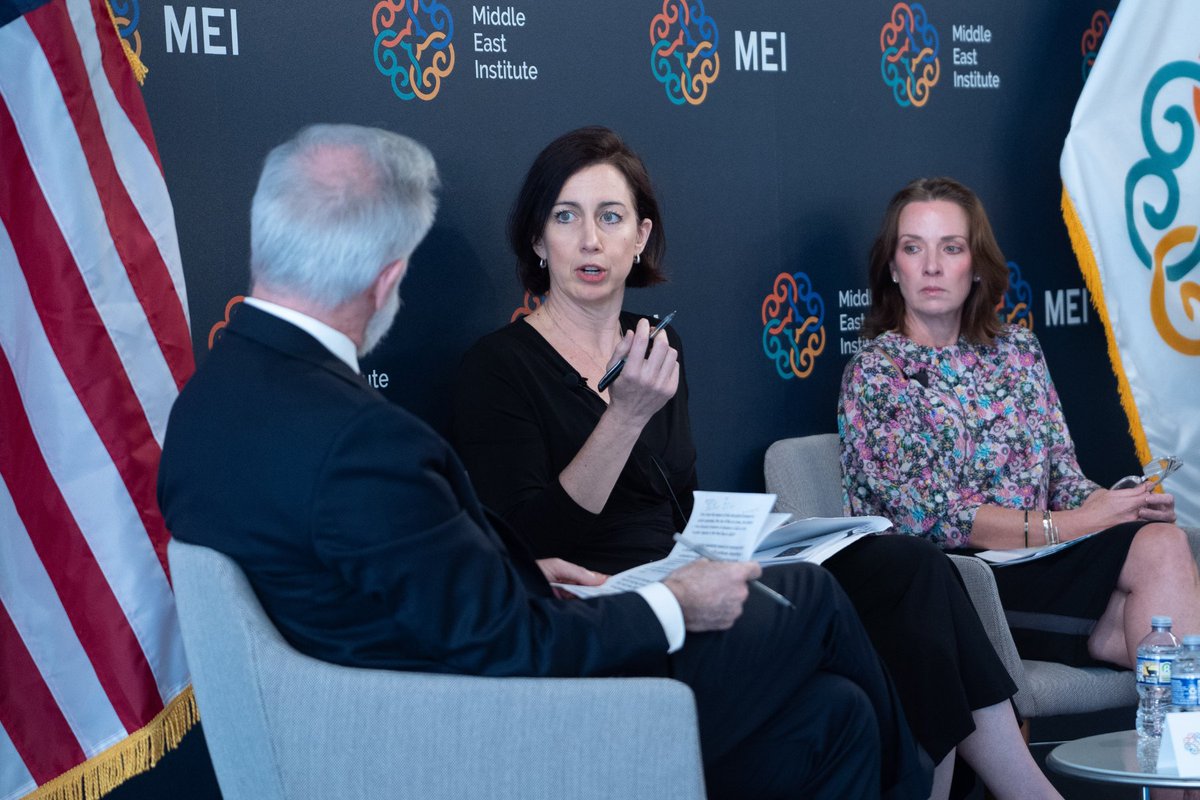
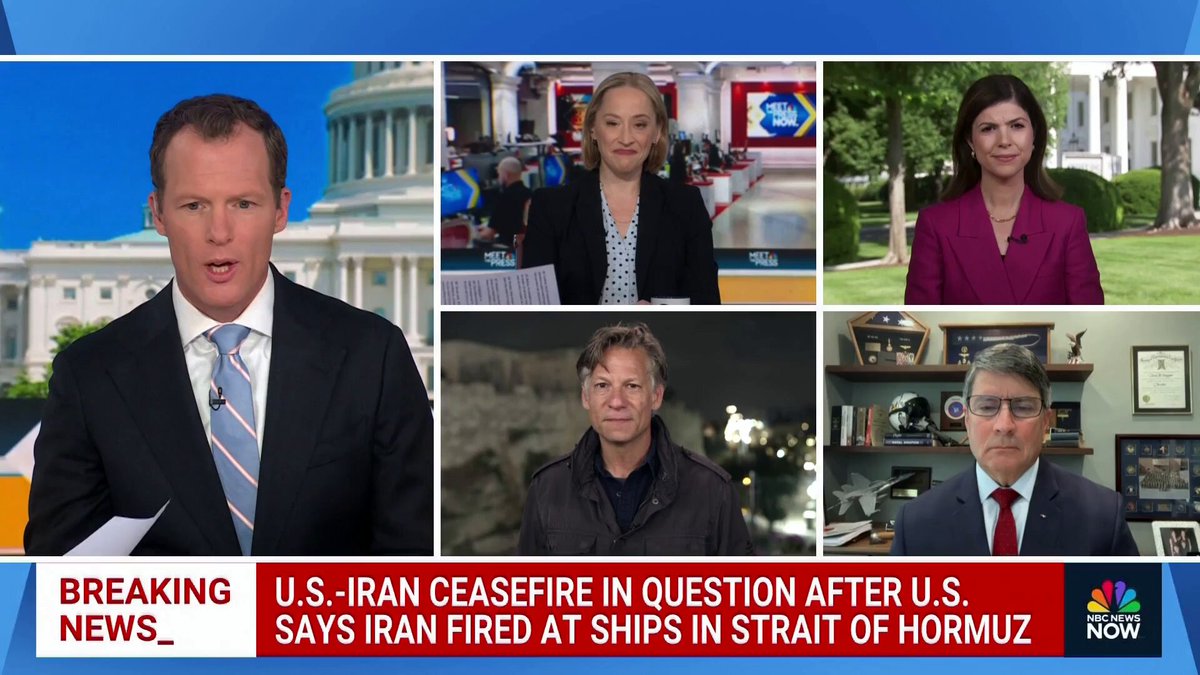
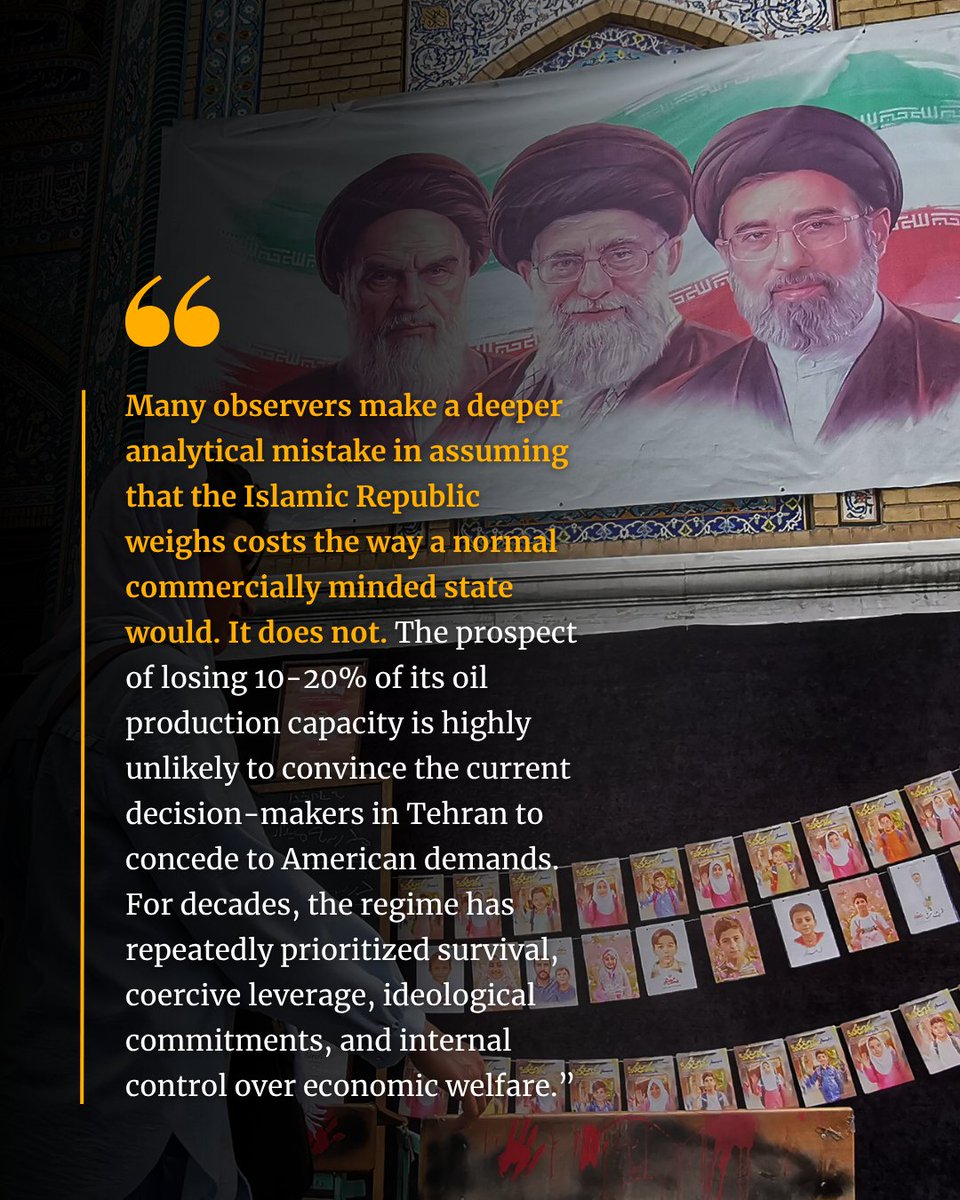
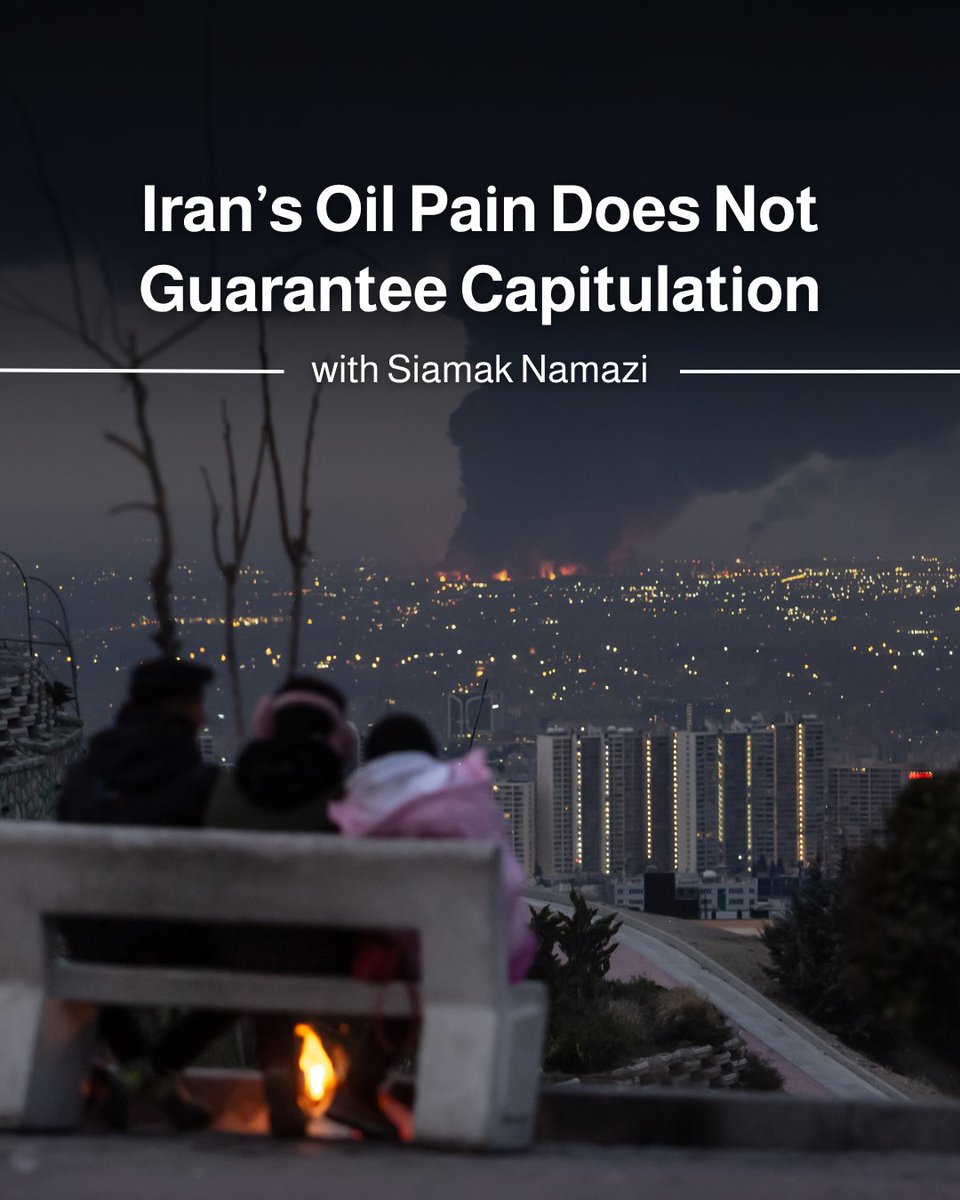

RT @gonultol: If you missed yesterday's conversation, Ambassador John Bass and General Phil Breedlove @PMBreedlove joined me for a timely…
4
"The Iraqi state, after 2003, has been so fragmented that the formal government hasn't been able to … control its borders. And because of that, it's become the place where the US, Israel, and Iran meet and compete for influence," @renadmansour explains.
podcasts.apple.com/us/podcas…
5
2
923
"For two and a half decades, whenever the Turkish government had a falling out with the US and Europe, analysts frantically began worrying that the West had 'lost' Turkey...," @gonultol writes in @ForeignAffairs.
"Now, however, Turkey is coming back around to its Western partners." Read more ⬇️ foreignaffairs.com/guest-pas…
1
9
35
5,310
RT @gonultol: Ahead of the critical NATO summit in Turkey, we at the @MiddleEastInst are examining all dimensions of Turkey’s evolving rel…
26
"Mr. Kılıçdaroğlu has committed political suicide. Nearing the age of eighty, he has become the second most hated person by our electorate. You can guess the number one person," @ilhanuzgel tells @gonultol on the latest episode of Rethinking Democracy.
podcasts.apple.com/us/podcas…
2
3
16
2,257
Join MEI on June 11, from 11-12 PM for a fireside chat with H.E. Haneen Sayed (@HaneenSayed_LB), Lebanon’s Minister of Social Affairs, moderated by MEI Senior Fellow Dr. Fadi Nicholas Nassar (@dr_nickfn).
The discussion will examine Lebanon’s fragile cease-fire, recovery and reconstruction efforts, support for vulnerable communities, and the role of the US and international partners in helping rebuild public trust.
mei.edu/events/fireside-chat…
2
3
1,526
Middle East Institute retweeted

"The Collapse of #ISIS in #Syria"
My latest for @MiddleEastInst takes a look at #ISIS's dramatic decline & the role played by #Assad's departure; the #SDF's military defeat; & the withdrawal of US forces.
Important lessons to be learned, here.
mei.edu/publication/the-coll…
4
27
150
15,197
Israelis will head to the polls this fall to choose their next prime minister and governing coalition.
Tomorrow, June 9th, at 10:30AM, join @natansachs, Dr. Yohanan Plesner (@yplesner) of @IDIisrael, and Dr. Tamar Hermann for a webinar to discuss how the race is likely to unfold and what the potential outcomes mean for Israel's foreign policy. mei.edu/events/israel-heads-…
1
628
Middle East Institute retweeted

Jun 8
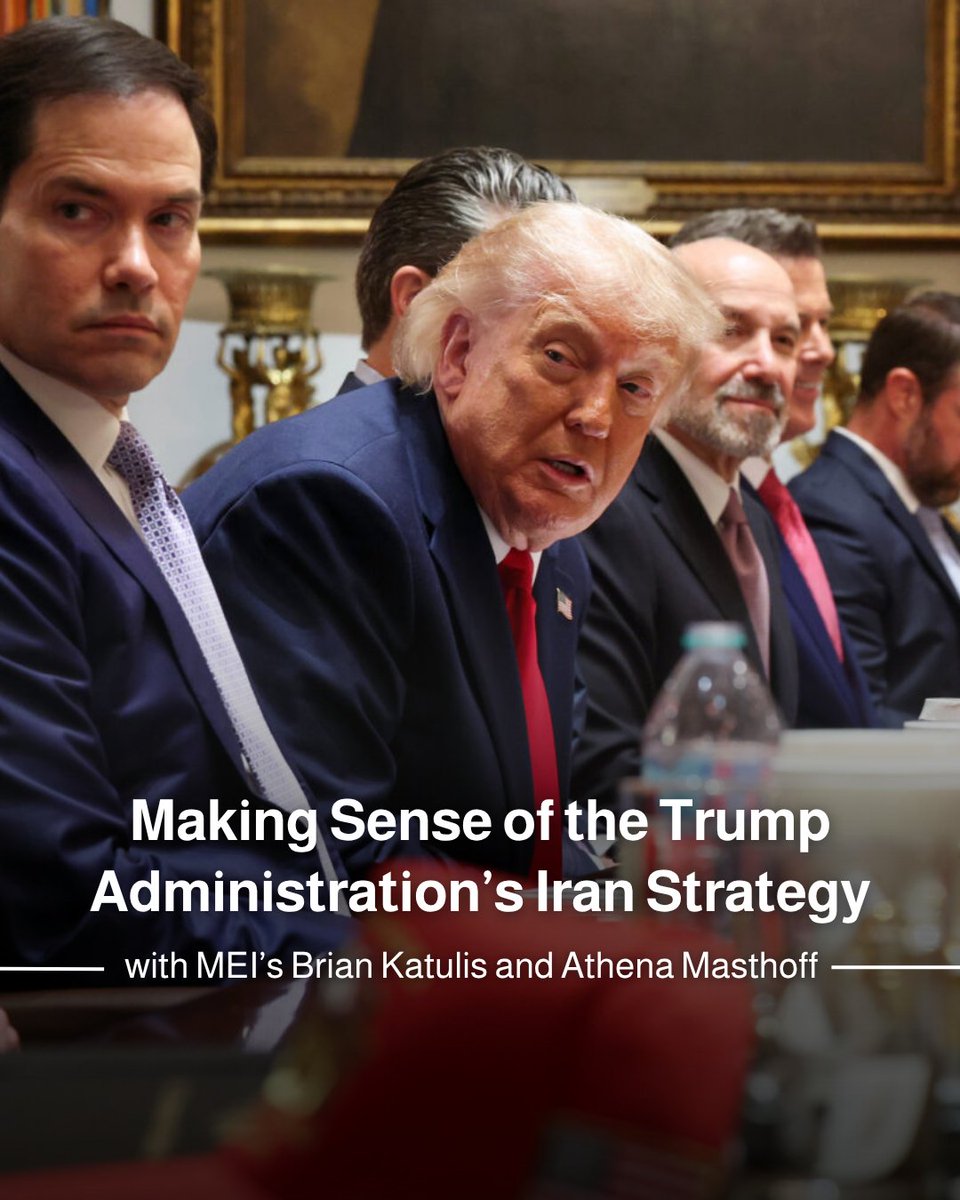
In a conversation with This Is Beirut, Brian Katulis (@Katulis), senior fellow at the Middle East Institute and expert on U.S. Foreign Policy, characterizes increasing tensions between the U.S. and Iran as “a test of wills” as the two exchange escalatory rhetoric and put forth maximalist demands.
He outlines Trump’s policy of “super maximum pressure,” which is carried out against an increasingly hardline and less predictable Iranian regime, while neither side currently appears more resilient than the other.
By Jeremy Brecher
Watch the full interview here: thisisbeirut.com.lb/features…
2
2
679
Middle East Institute retweeted
Jun 8
Speaking with This Is Beirut, Brian Katulis (@Katulis), senior fellow at the Middle East Institute and expert on U.S. Foreign Policy, said U.S.-Iran talks are less promising than the Lebanon-Israel track.
He cites a lack of clear U.S. objectives, sidelining of Arab Gulf partners, and weak intelligence on key issues as central diplomatic shortcomings.
By Jeremy Brecher
Watch the full interview here: thisisbeirut.com.lb/features…
3
2
787
Middle East Institute retweeted
Jun 8
In an interview with This Is Beirut, Brian Katulis (@Katulis), senior fellow at the Middle East Institute and expert on U.S. Foreign Policy, said that indicators from the situation on the ground in Lebanon and the tools of leverage that the U.S. utilizes as a mediator will be key factors regarding the prospect of achieving a sustainable peace agreement between Lebanon and Israel.
He describes the ambassadorial meetings as “the place where real diplomacy gets done” but emphasizes that they must “reflect the reality on the ground.”
By Jeremy Brecher
Watch the full interview here: thisisbeirut.com.lb/features…
1
4
1,481
“Washington and Iran both seem stuck between war and peace. They're both intent on applying pressure against the other side and pushing the limits of the pressure they can apply without a return to war,” @danielbenaim tells @TIME. time.com/article/2026/06/03/…
2
2
567
“Russia’s decline has given Turkey, after a decade of deference to Moscow, the freedom to pursue its interests. Ukraine is the beneficiary,” MEI's @gonultol writes in the @nytimes.
Read the full NYT guest essay at the link below ⬇️ nytimes.com/2026/06/07/opini…
7
14
3,017
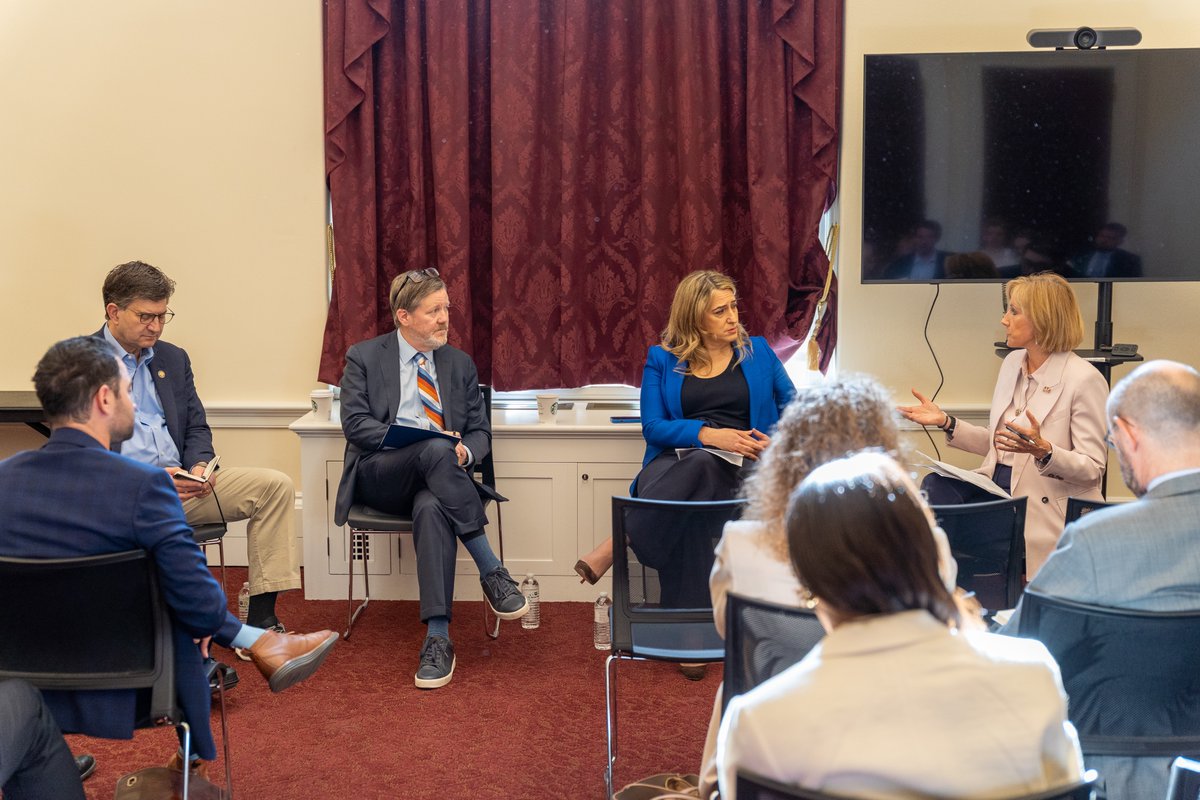
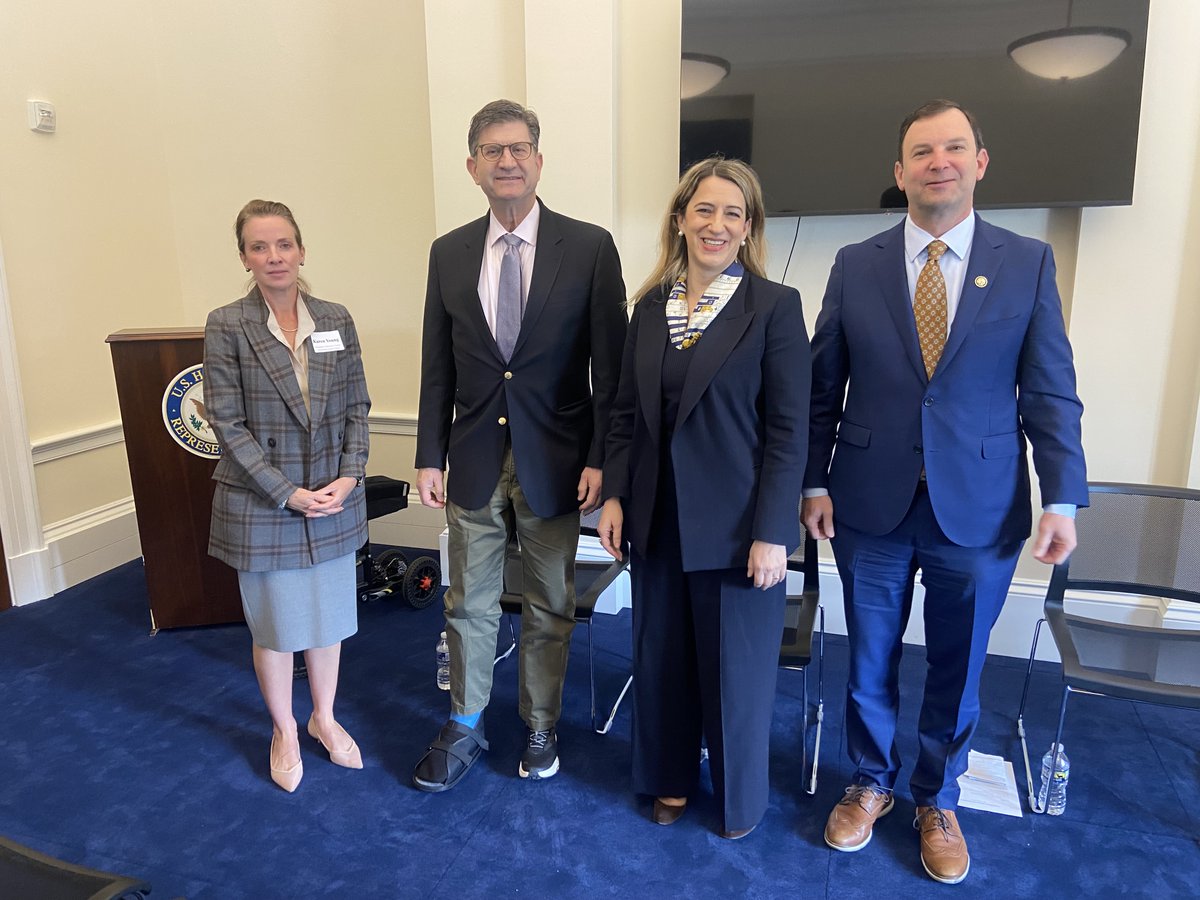
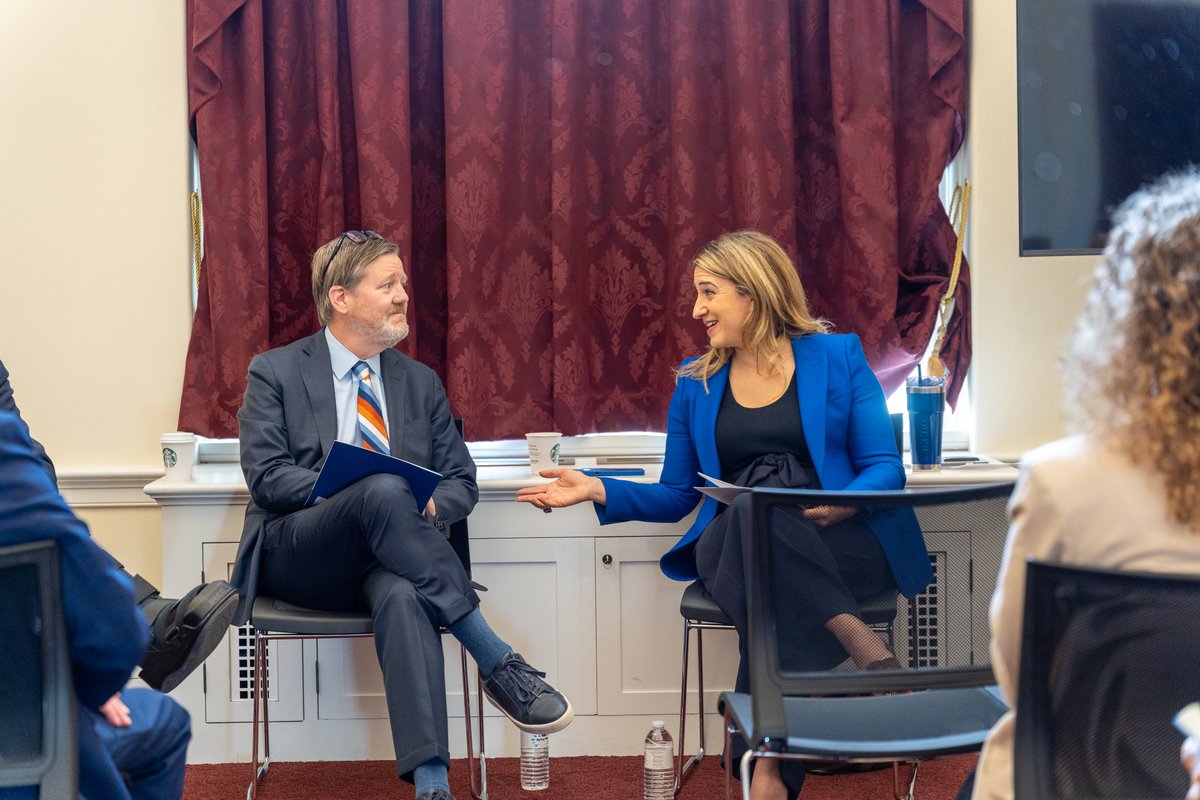
MEI was back on Capitol Hill today for a bipartisan discussion about the far-reaching impacts of the closure of the Strait of Hormuz, looking beyond energy to the other affected sectors.
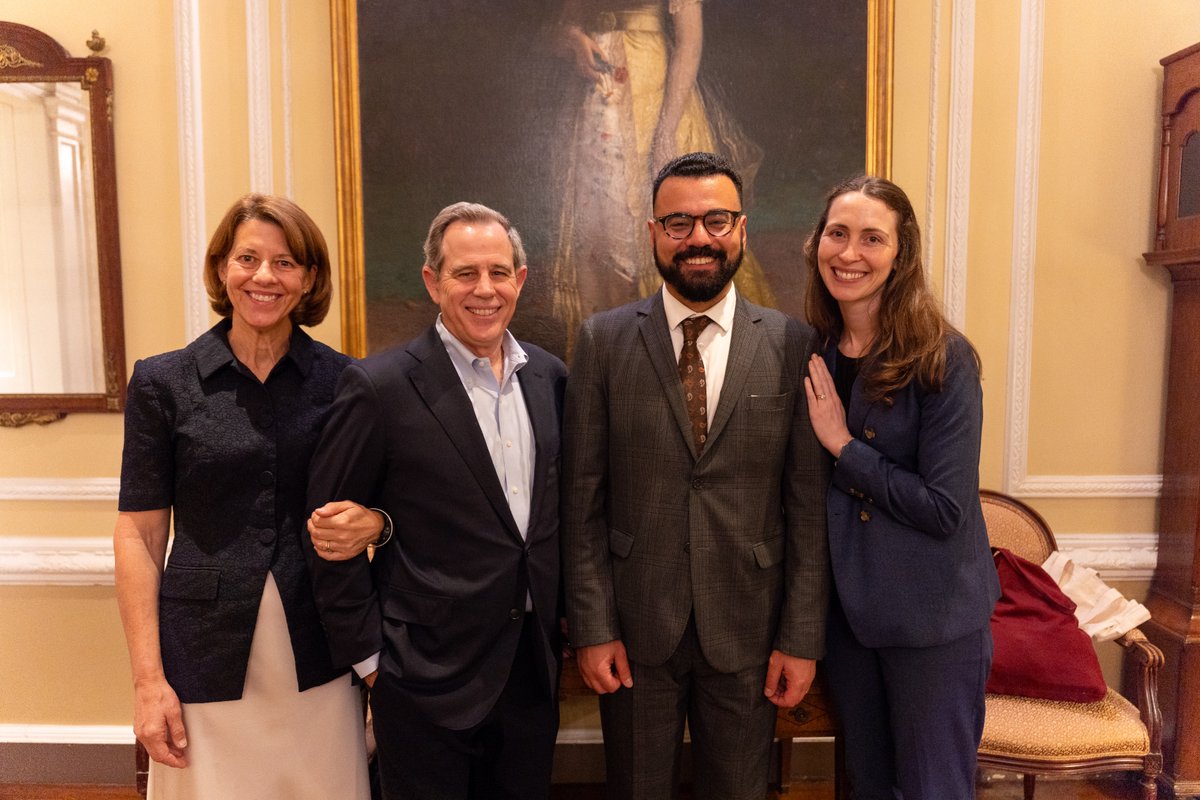
MEI Vice President for Outreach Amb. Yael Lempert joined Abraham Accords Caucus members Rep. @claudiatenney (R-NY) and Rep. Brad Schneider (D-IL) @Schneider4IL10, and @stevelutes, Vice President for Middle East Affairs at the @USChamber, for this timely panel examining the effects of the closure on supply chains, global trade, investment, the tech industry, and more. Many thanks to the Members of Congress for hosting this discussion!

1
2
898
"The US likes to... work out agreements with the big people who've already got power. ... That's a pragmatic approach for short-term solutions, [but] they're inherently brittle and fragile. ... And that's my fear [for Libya]," explains @JonathanMaWiner. podcasts.apple.com/us/podcas…
560