
President @CFR_org. Former U.S. Trade Representative. Connecting the dots, globally.
Joined February 2014
- Tweets 139
- Following 222
- Followers 50,003
- Likes 280
16 Photos and videos
Pinned Tweet

May 20
CFR is launching the Future of American Strategy Initiative, a major, whole-of-CFR multi-year effort to inform and shape the next era of U.S. international leadership.
You can watch the launch video here:

America’s global role is more contested and uncertain than at any time since World War II, and the time is ripe for a fundamental reevaluation of the nation’s strategy. To meet this moment, the Council on Foreign Relations is launching the Future of American Strategy Initiative, a multiyear effort that aims to answer one defining question: Where does America go from here?
To kickstart this conversation, CFR scholars, across 27 essays, explore the evolving strategic environment the United States will face over the next decade, spanning American strategy, great power rivalry, global order, geoeconomics, and warfare: cfr.org/future-of-american-s…
5
24
12,103
May 28
Terrific video from Rebecca Lissner, who is leading our Future of American Strategy initiative. She spoke with more than 300 people representing 29 states about what they want from U.S. foreign policy and found that their answers were remarkably consistent: Americans of both parties want strong U.S. leadership abroad.
Over the past year, we sat down with 359 Americans across 29 states to ask a simple question: What do they actually want from U.S. foreign policy?
Their answers were remarkably consistent and cut across party lines. CFR Senior Fellow @RebeccaLissner explains that Americans want strong global leadership from the United States, but on their terms.
6
18
6,254
May 27
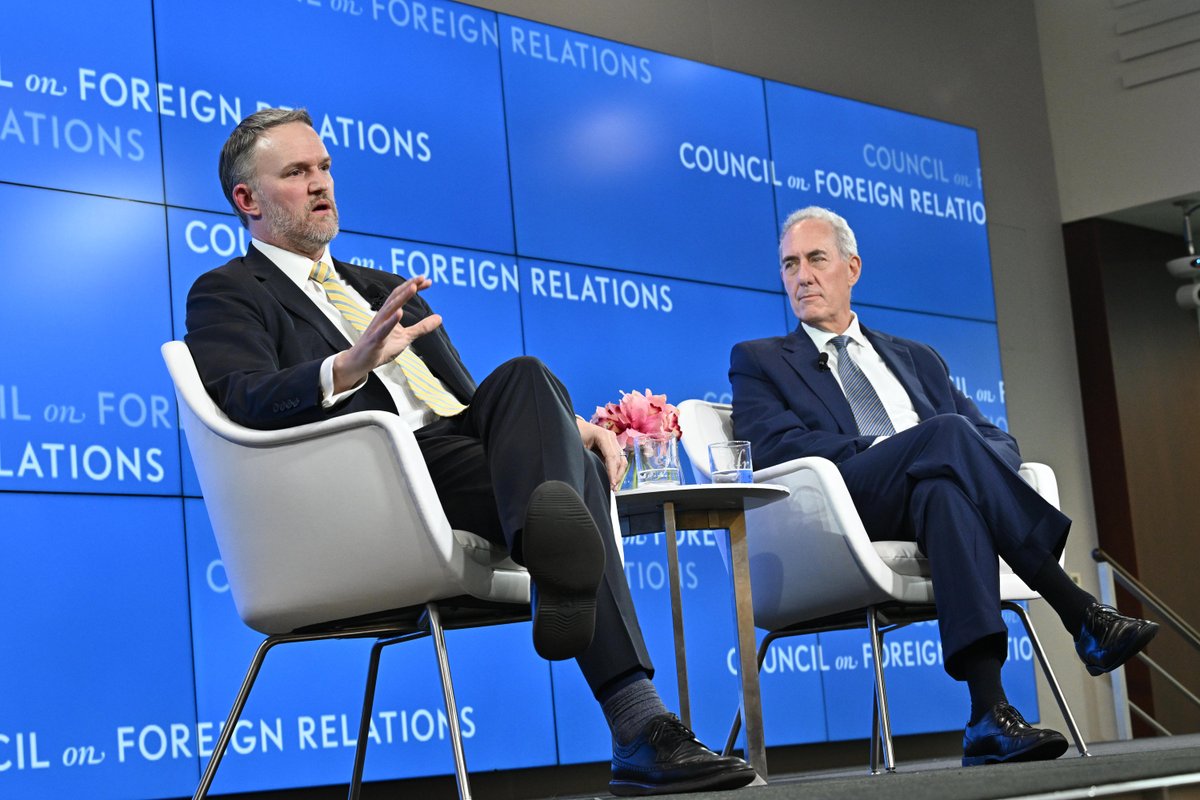
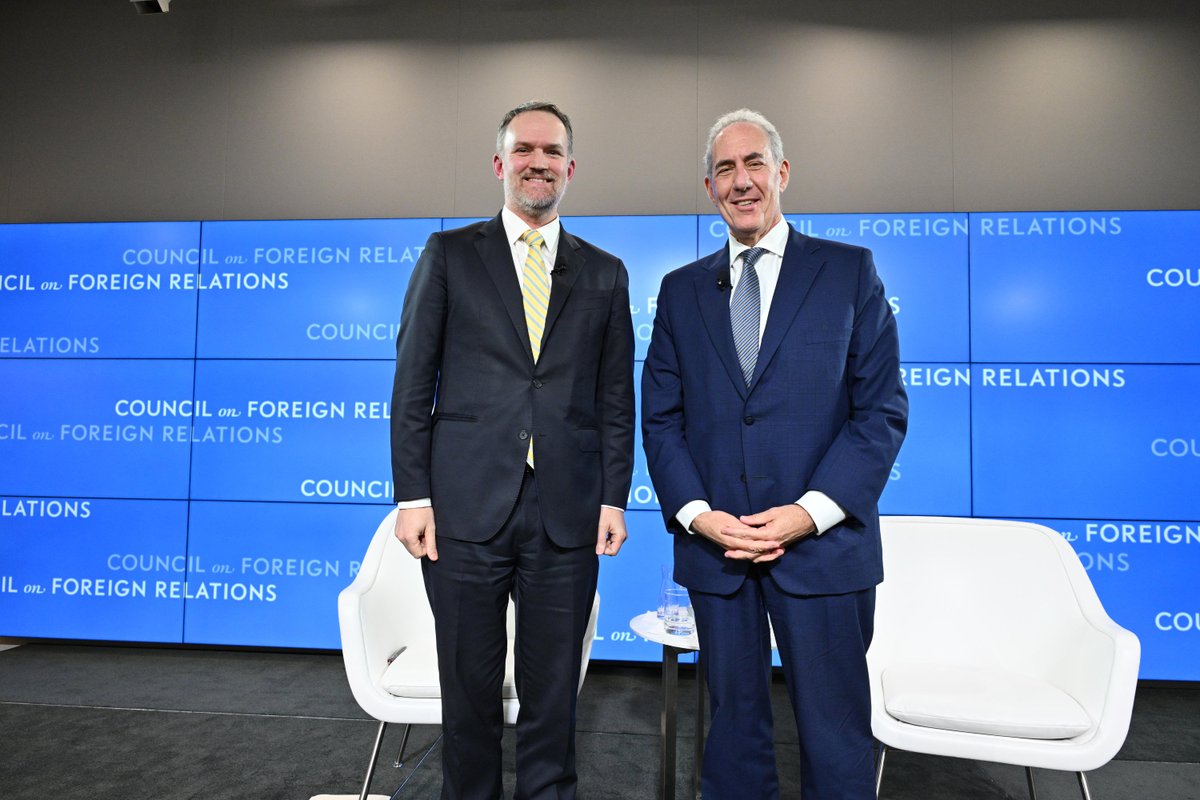
It was a pleasure to welcome U.S. Trade Representative @jamiesongreer back to @CFR_org for a wide ranging discussion on the Trump administration’s trade strategy from China and the Board of Trade to USMCA.
One of the great things about the job of the @USTradeRep is that it combines international diplomacy at the highest level like sitting down and negotiating with heads of governments with a detailed appreciation for the U.S. economy like what it takes to manufacture a car, export a molecule of milk, or deliver a service halfway across the world.
3
2
8
3,603
May 27
1
288
May 23
We just launched our Future of American Strategy initiative. It’s an effort to take a step back and look at the major questions that have been opened over the last couple of years and what happens in the future. How do we think about managing alliances, dealing with adversaries, dealing with global issues like pandemics or climate change or international terrorism? What role is there for American leadership in the world? Take a look. We hope you’ll join us.
2
2
412
May 22
Well, this job is never boring, that’s for sure.
Just take a look at some of the major world events of the past week: Putin’s trip to China, a new level of tension in U.S.-Cuba relations, a fresh warning from NATO, the continued closure of the Strait of Hormuz, and a new Ebola outbreak.
Any one of these events would constitute a major development in global affairs on their own: the emergence of great power competition between the United States and China, major and unresolved conflicts in Europe and the Middle East, a new global health crisis, and the looming AI singularity. But taken together, they point to fundamental questions about the future of U.S. strategy, regional relations, geoeconomics, great power rivalry, and war.
Fortunately, the United States is coming at these challenges from a place of relative strength across the economic, technological, and military domains, but our ability to tackle these challenges alone has declined from the peak of the unipolar moment. And bubbling beneath all of this is an American electorate with changing and deeply divided views on the future of U.S. international leadership.
There are areas of foreign policy where there are points of agreement, if not outright consensus, across party lines. Just this week, Senator Elissa Slotkin (D-MI) and Senator Tim Sheehy (R-MT) came together at CFR to have a civil discourse over a number of these issues. They were followed by former deputy national security advisors Victoria Coates from the Trump administration (now at the Heritage Foundation) and Jon Finer from the Biden administration (now at the Center for American Progress), who found meaningful areas of common ground. In an era of great polarization, there are building blocks of a consensus to flesh out.
For example, improvements to the U.S. defense industrial base are widely supported. China is broadly recognized as a serious strategic challenge. The development of AI and its implications for national security and domestic stability are widely acknowledged. And while sharp disagreements remain over specific policies in each of these domains, there is striking bipartisan agreement that the status quo cannot hold.
That shared conviction that the current moment demands blue-sky thinking about where the international system is going, and the role of the United States in that system, is precisely the impetus behind the CFR’s new Future of American Strategy Initiative.
Led by Senior Fellow Rebecca Lissner, the initiative has already released more than two dozen analyses authored by our fellows with differing views on approaches to relations with Africa, Asia, Europe, Latin America, and the Middle East; trade and international economics; the development of AI; nuclear proliferation and defense strategy; and other issues.
1
272
May 15
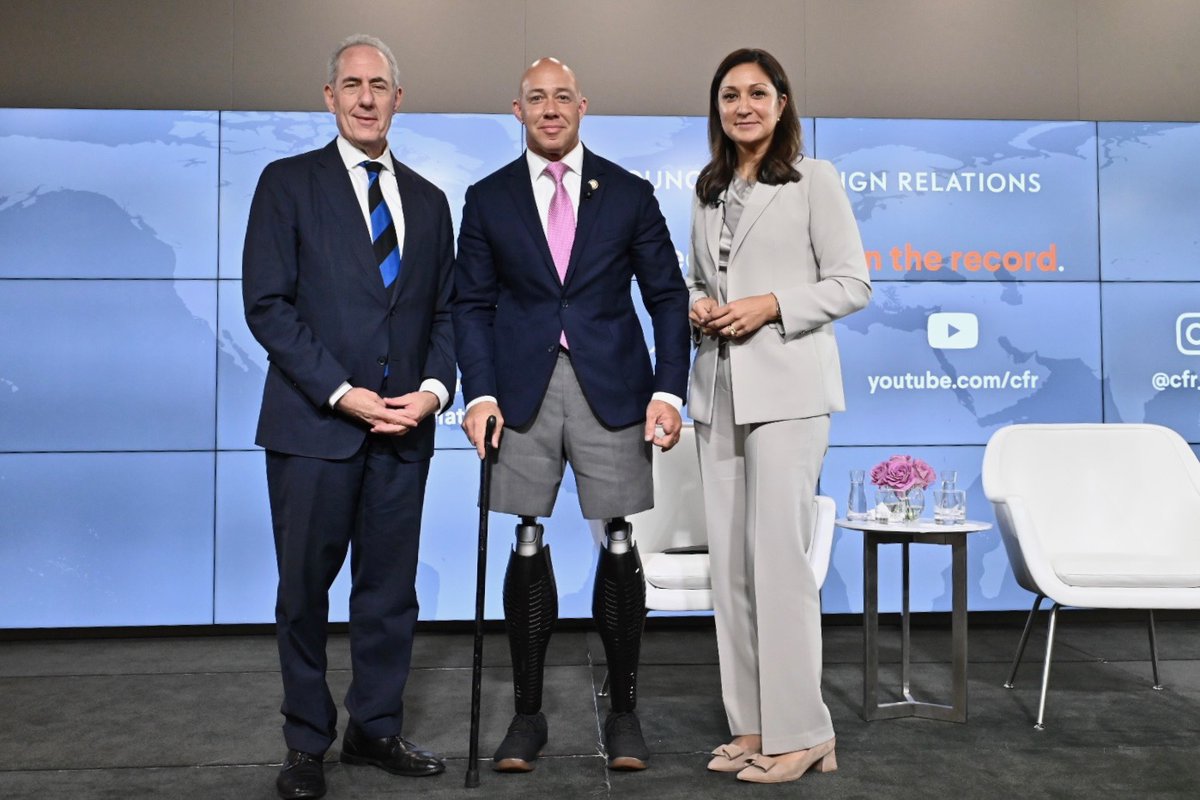
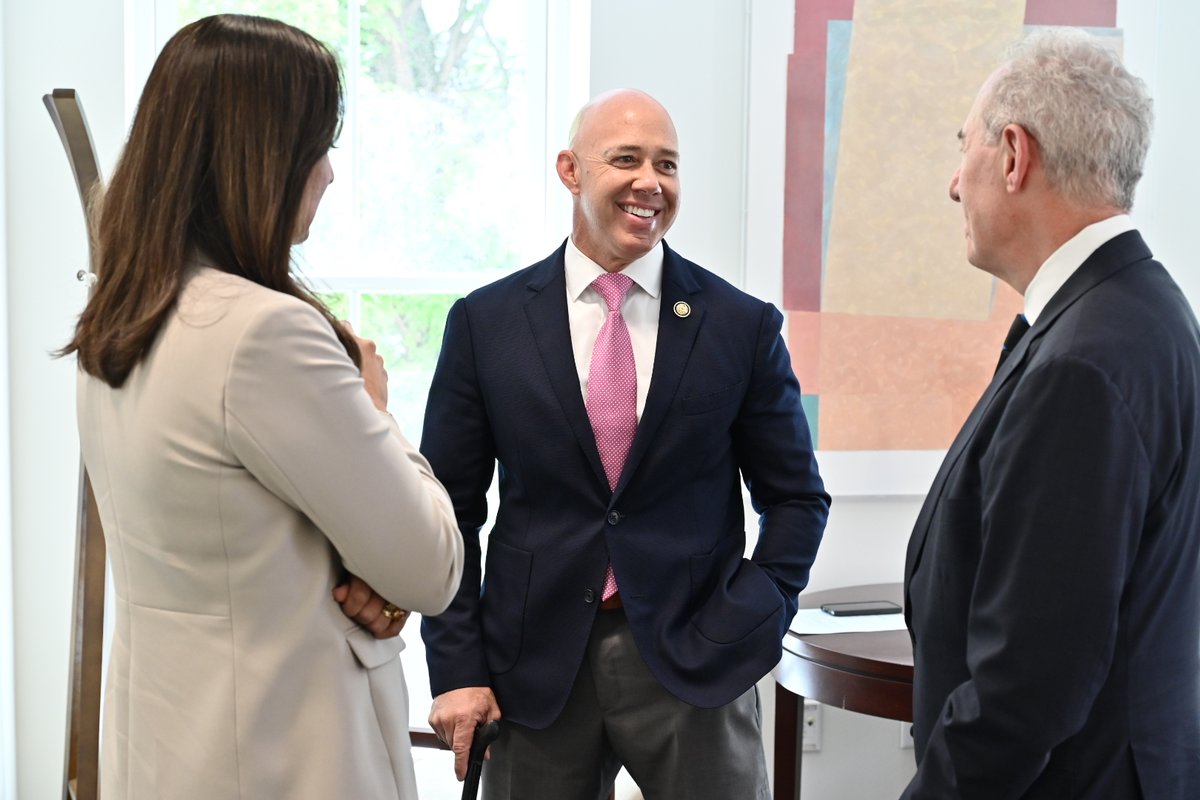
It was a pleasure to host @RepBrianMast for a wide-ranging discussion on China, Ukraine, NATO, Latin America and soft power, moderated by @IAmAmnaNawaz. Great to have his perspective on the evolving role of the U.S. in the world and that of Congress in American foreign policy.
1
1
2
2,017
May 18
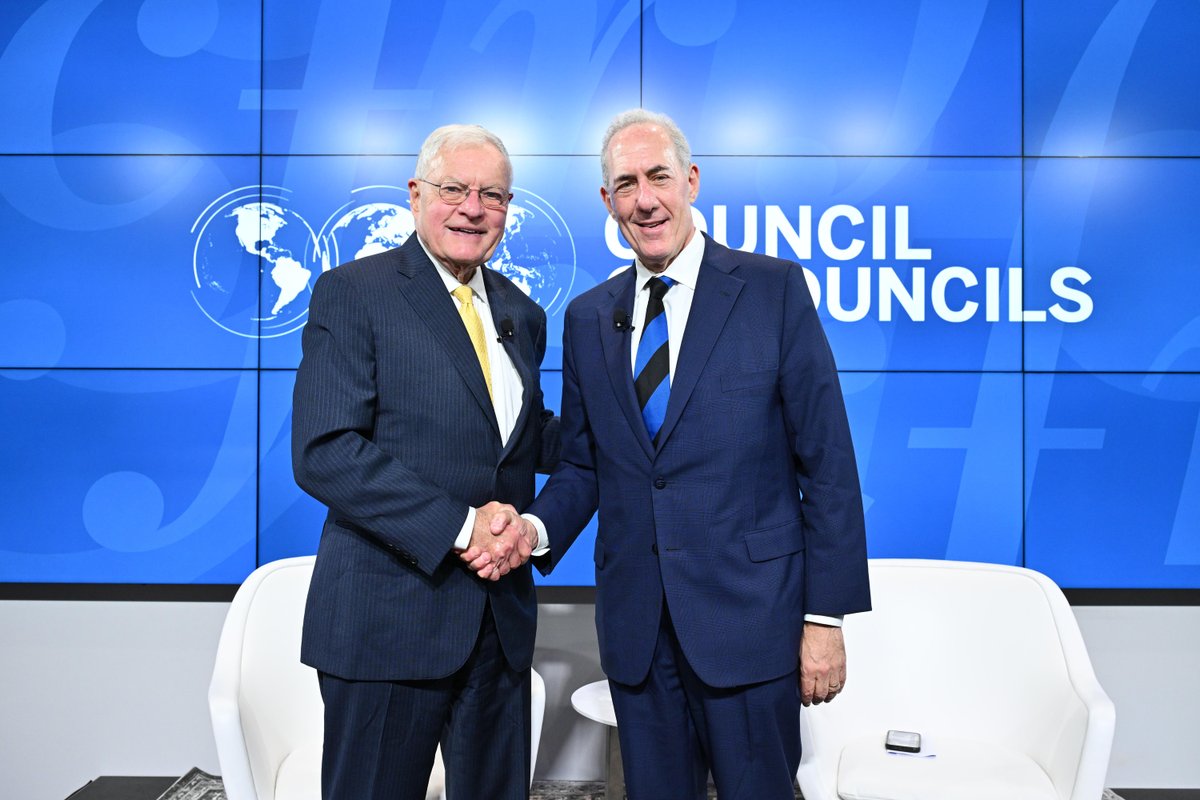
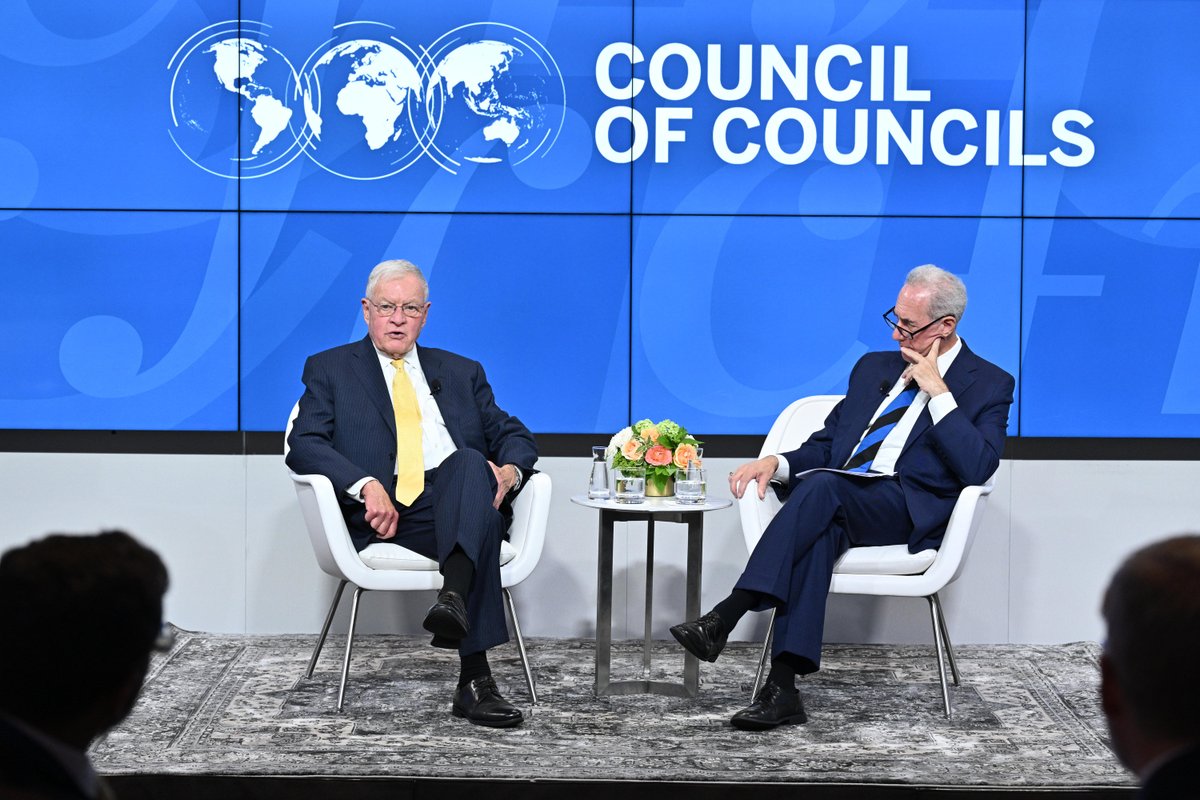
Honored to host General Keith Kellogg, President Trump's former Special Envoy for Ukraine, at the opening dinner of the Council of Councils, a group of 27 think tanks from around the world convened by the Council on Foreign Relations. Think they will leave Washington with a better sense of how the Trump administration makes decisions and is thinking through critical issues, from Ukraine to Iran to China.
7
1,600
May 15
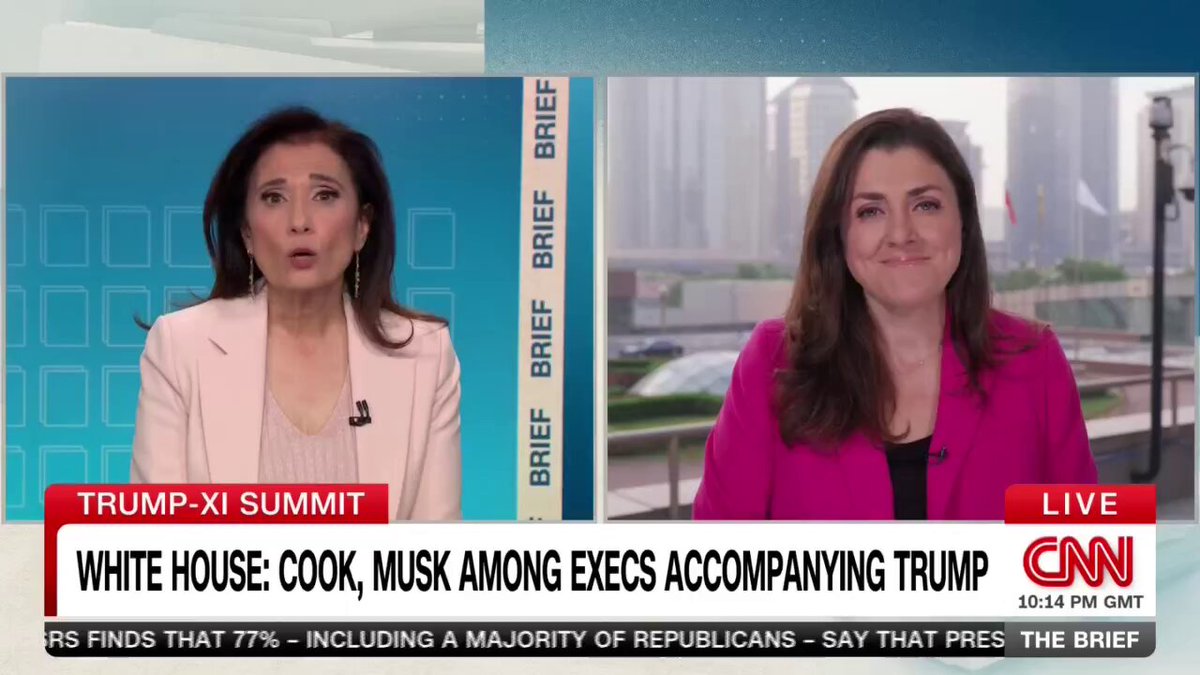
President Trump and Chinese President Xi just wrapped up their long-awaited summit. Both leaders left able to claim a measure of victory, having locked in what amounts to a delicate détente.
For Trump, that meant a fresh round of commercial deliverables—China’s commitment to purchase more planes, agriculture, and energy products. For Xi, it was an opportunity to lay down a marker on Taiwan and to offer up a new framework for the bilateral relationship.
Here’s my analysis of the summit:
Taiwan was clearly top of mind for Xi. Trump told reporters that he and Xi discussed “in great detail” the pending $14 billion weapons sale to Taiwan. Trump’s handling of the arms package will be the first real test of how to manage a controversial issue within the framework Xi laid out.
Beyond Taiwan, both leaders found alignment in other areas, including the Middle East. Per the White House readout, they reached a mutual understanding that Iran can never have a nuclear weapon and that the Strait of Hormuz must remain open. No country has more interest in oil flowing freely through the strait than China, the primary buyer of oil transiting it. Trump said Xi promised to be helpful with Iran and suggested he might lift sanctions on Chinese companies buying Iranian oil. We haven’t seen any movement by China to deploy its navy to support the United States in restoring freedom of navigation, but perhaps they can at least stop providing satellite targeting assistance to the Iranians.
A number of commercial deals were cinched at the summit. Chinese firms agreed to purchase 200 Boeing aircraft—the manufacturer’s first major state-linked order from China since 2017, and Xi committed to honoring the 25-million-metric-ton soybean pledge made at Busan last October, with additional purchases of U.S. oil, liquefied natural gas, and other energy and agricultural products to come.
On technology, semiconductor exports and cooperation on AI safety may follow suit. Reuters reported that Washington had cleared sales of Nvidia’s H200 AI chips to roughly 10 major Chinese tech firms, including Alibaba, Tencent, and ByteDance. There is an ongoing debate inside and out of the U.S. government about whether we should be selling advanced chips to China, and there is debate within China about whether Chinese firms should be allowed to buy them or be required to purchase Huawei’s instead.
On the trade front, the two sides are discussing a Board of Investment and a Board of Trade. These would be paired institutions intended to fast-track Chinese investment into “non-strategic, non-sensitive areas” of the U.S. economy, alongside reciprocal tariff reductions on non-critical goods. Tariffs are easier to put on than to take off but reducing tariffs on non-sensitive goods certainly makes sense given concerns about affordability at home. Will the administration permit Chinese electric vehicle companies to invest in the United States, and if so, will they be required to transfer their technology to U.S. counterparts?
Summits are great moments for personal diplomacy. Having been present at Sunnylands and several other U.S.-China summits, I firmly believe there is no more valuable asset than a leader’s time and engagement. Given this is the most important bilateral relationship in the world, let’s hope we’re not talking past each other.
2
6
16
3,567
May 14
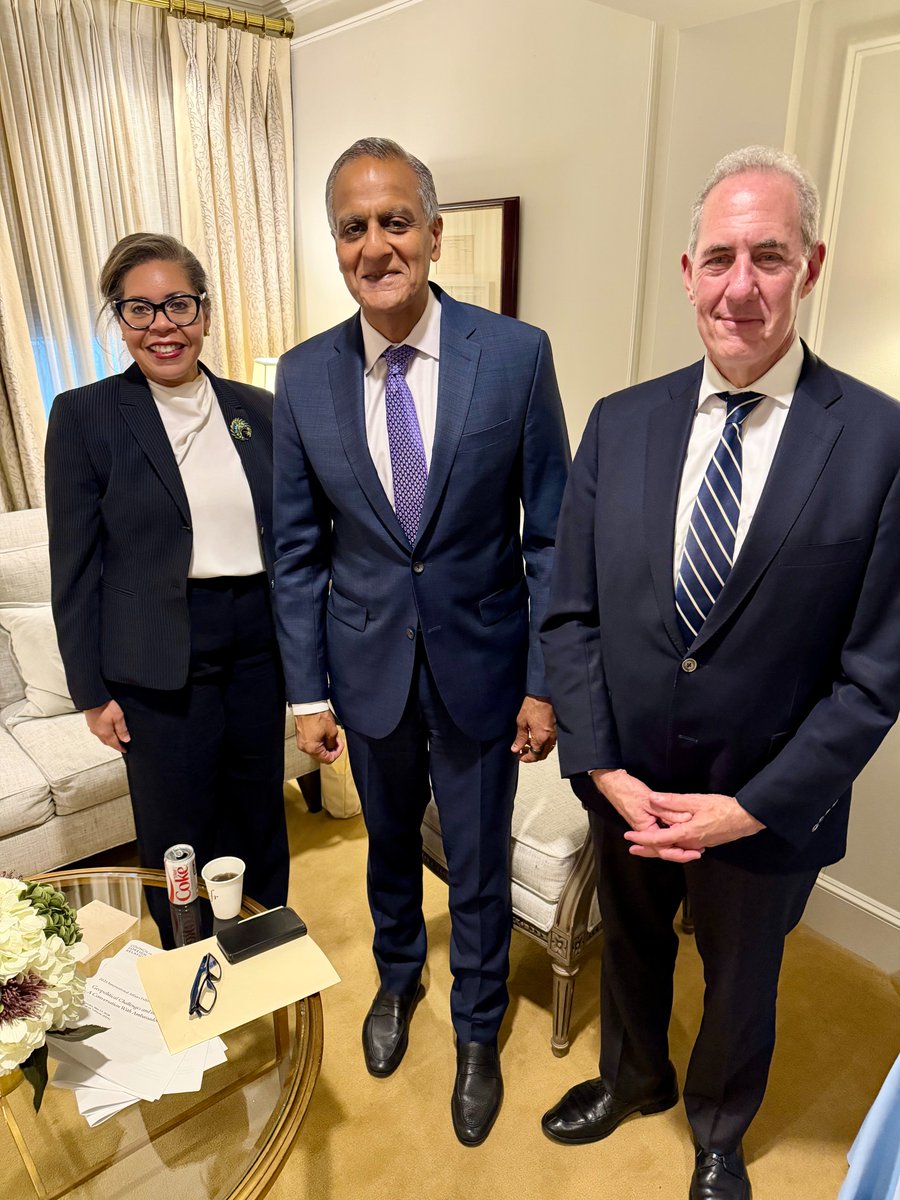
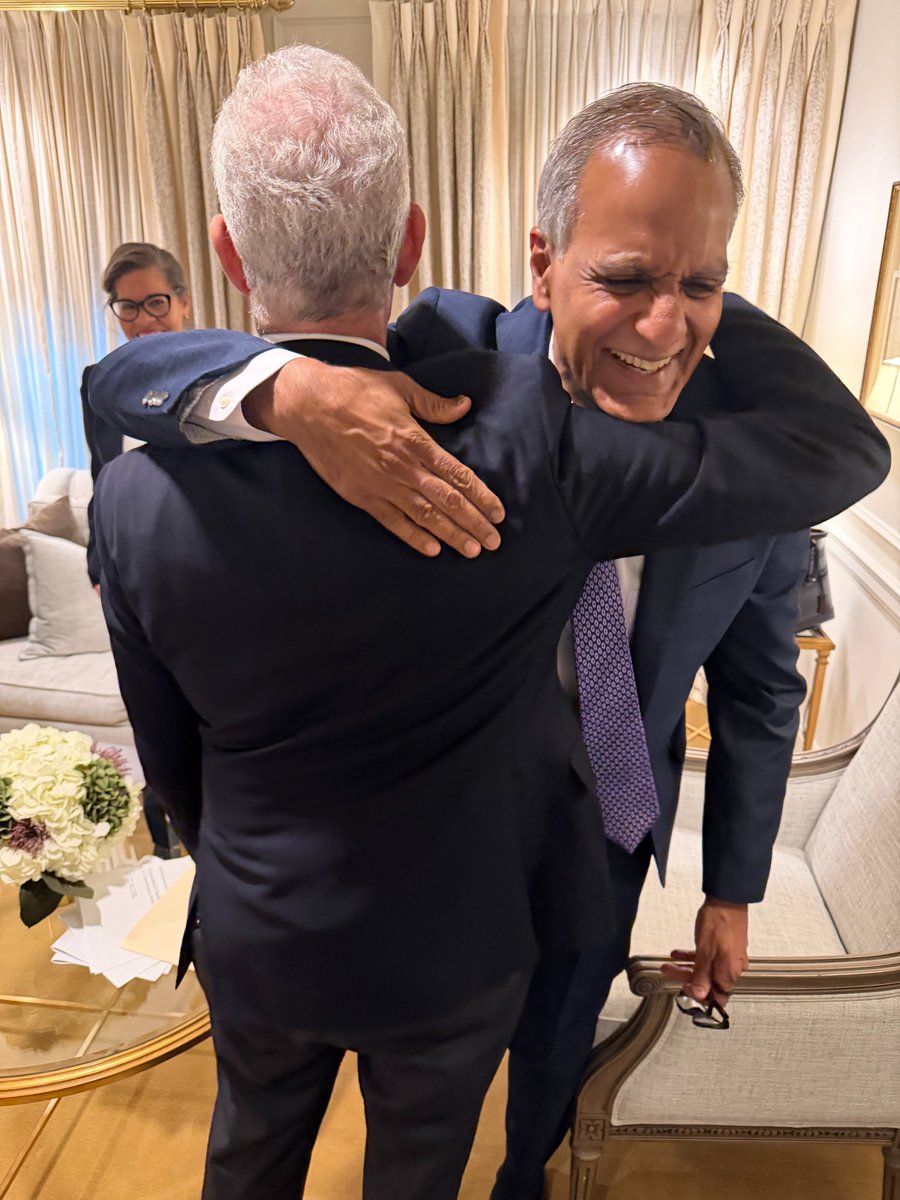
Great to welcome my dear friend @RichardRVerma, former Ambassador to India, former Deputy Secretary of State and my former colleague at Mastercard, back to the @CFR_org for our International Affairs Fellowship keynote event.
The IAF launched Rich's career in the U.S. Senate, working for Senator Harry Reid, and helped start his long and distinguished contribution to U.S. foreign policy.
Others who got their start in government thanks to an IAF include former Secretary of State Condoleezza Rice, former National Security Advisor to the Vice President Phil Gordon, and former U.S. Ambassador to the United Nations Samantha Power, to name a few.
1
2
22
1,876
May 13
President Donald Trump arrived in Beijing for a highly anticipated summit with Chinese President Xi Jinping this week.
I was one of the few Americans in the room in Sunnylands, when former President Barack Obama and Xi rolled up their sleeves in June 2013. It was a rare moment for a real, substantive, and fairly unscripted conversation about some of the most significant issues in the relationship. Most summits are long on formalities and short on substance.
So, what will Trump actually leave the summit with?
2
1
3
828
May 13
The summit is unlikely to alter the character and course of the U.S.-China relationship long-term. It is about managing for stability, not solving outstanding concerns like China’s imbalanced economic model. That said, the world is a safer place when its two largest economies and most powerful countries are at least on speaking terms.
Read the full piece: cfr.org/articles/what-to-exp…
1
1,518