
🐦 account
Joined April 2009
- Tweets 13,502
- Following 1,469
- Followers 246
- Likes 24,996
516 Photos and videos









Pinned Tweet

24 Oct 2024
👇
11 Apr 2023

I'm not sure everyone is ready for how unbelievably stupid the next two years are going to be.
1
2,715
Mike Weinstein retweeted

Apr 4
One day, "It" will happen, by which I mean sudden and unexpected news that you want to celebrate. In such cases, you will want the right outfit. 🧵
261
1,626
32,801
1,262,351
Mike Weinstein retweeted

Feb 25
There's lots of talk about the prevalence of neo-nazis and white supremacists on here now, but there's also clearly been a massive rise in would-be rapists.
Feb 25

These are the most psychotic, evil people in America. An ideology completely rooted in sexual violence

77
521
5,744
254,203
Mike Weinstein retweeted

1 Aug 2025
This is like seeing the asteroid coming for the dinosaurs.
1 Aug 2025

This hyper-realistic doll looks exactly like a real person.
732
5,409
159,939
6,832,679
Mike Weinstein retweeted

29 Jul 2025
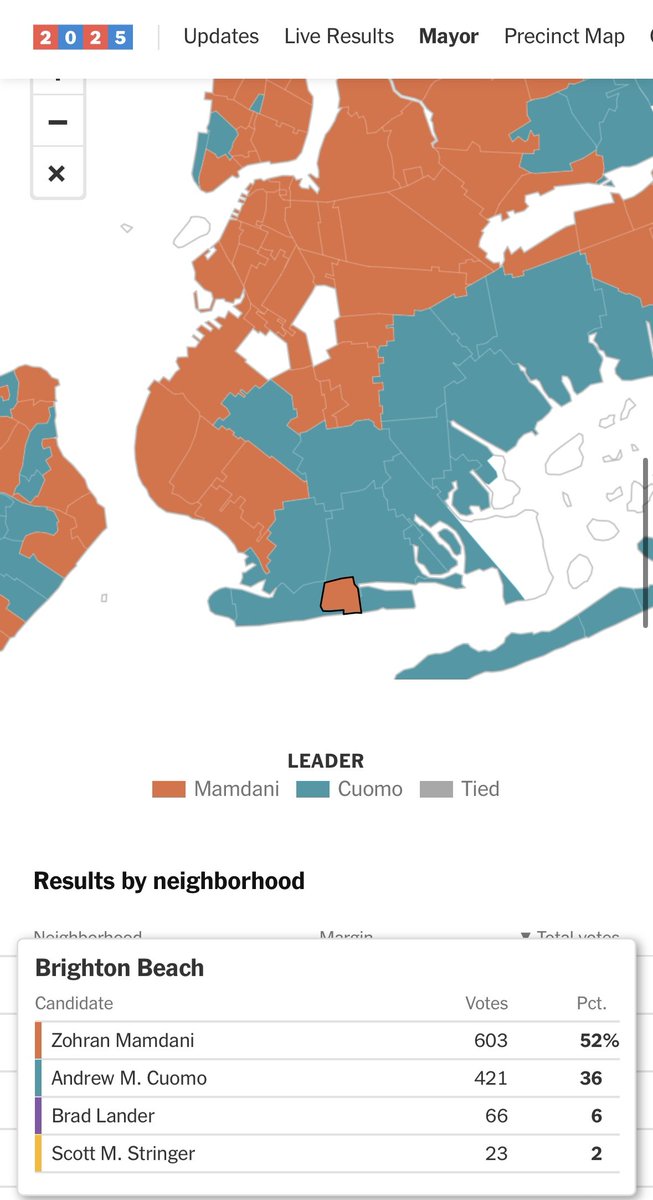
NEW: Two-thirds (or more) of NYC D primary voters agree with Zohran Mamdani’s positions on Israel, inc. arresting Bibi.
57% say they might oppose Dems who don’t endorse Mamdani for mayor. That includes the party’s two Brooklyn-based leaders in Congress. semafor.com/article/07/28/20…
178
1,161
7,563
1,291,572
Mike Weinstein retweeted

27 Jul 2025
If you’re building a hard tech company in 2025, you should prioritize getting a massive diagonal elevator platform installed in your HQ to make it easy to descend into the lower levels and access the underground portion of your facility.

661
2,379
39,434
4,435,297
Mike Weinstein retweeted

27 Jul 2025
"Slowly, I realized realism in cinema is not the same as realism in life. Cinema has its own realism. The world in cinema is not the real world. It has been crafted. That makes cinema interesting. It's not real. It's closer to dreams. If you treat life as a dream, you can understand this."
Tsai Ming-liang
44
2,440
18,764
467,547
Mike Weinstein retweeted

25 Jul 2025
“Just give us food.. I don’t want anything else”
It takes a special kind of monster to starve children and then lie about it.
1,315
12,377
28,189
625,523

Mike Weinstein retweeted

25 Jul 2025
A reminder that everything that has happened was knowable and predictable on the morning of October 7, 2023. Many of you failed, morally and analytically. Many of you ran interference for what the whole world now sees is a campaign of mass starvation.
7 Oct 2023

The current Israeli government is overtly genocidal and routinely kills Palestinian civilians as a matter of policy; it’s about to kill many more. There’s no excuse for not knowing this; to rally behind them now is a statement of geopolitical preference, not moral principle.
35
769
3,557
155,481
Mike Weinstein retweeted

25 Jul 2025
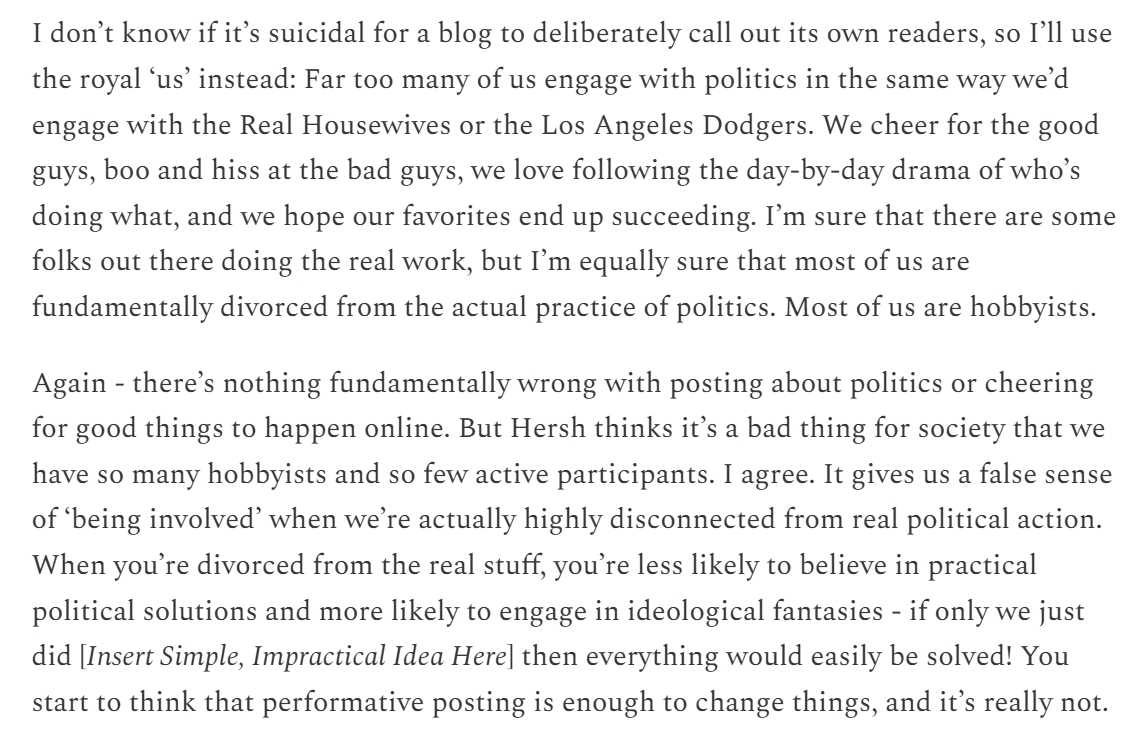
Most people on this site don't really care about politics. They just have a politics hobby.
16
57
416
82,127
Mike Weinstein retweeted

24 Jul 2025
I’m glad that some pro-Israel voices are acknowledging the famine in Gaza, but the tone of these posts is insane. What else was going to happen when Israel cut off all aid to Gaza for months at a time? What data did you need besides the fact that no food=starvation?
24 Jul 2025

Folks, I need to inform you that there is very concerning data regarding the food situation in Gaza.
Firstly, let me just that that as someone who supports Israel I anticipate many on my side will be skeptical of this and I totally understand why. Throughout the war you have been fed false information from the UN and various "Humanitarian" institutions and media who have essentially zero concern for truth or anything resembling reality. As I have publicly documented extensively, these institutions repeatedly fabricated data, then lied about their own data they fabricated, made up nonsense on the spot, all completely shamelessly knowing they wouldn't be questioned, and of course were repeatedly proven wrong (including by myself from my own past analyses and counter-predictions). My view of these institutions has not changed. "Humanitarian" institutions have been and still are the ultimate kings of pseudoscience.
That all being said, the fable of the boy who cried wolf has an important moral which is not that wolves don't exist and will never attack anyone. Rather, it is precisely because wolves do exist and will eventually attack that makes it so important to not cry wolf. And ideally, even when the UN cries wolf and a wolf actually happens to finally be there, we should still be ready for that.
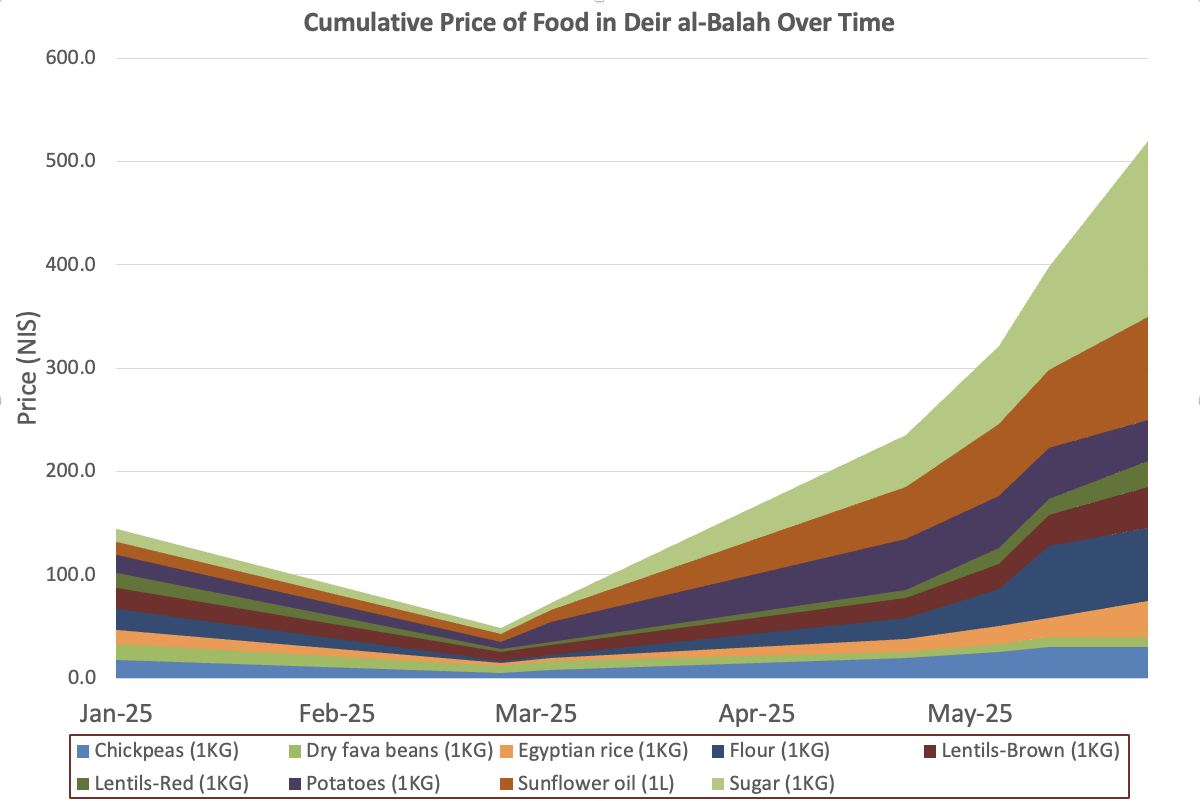
Prices of staple food items for calories and/or protein (tracked over time in the same region, minimizing noise) have reached extremely high values, many of which are unprecedented throughout the war. This data was compiled by @YannayASpitzer, from the Department of Economics at @HebrewU.
This is concerning as relative changes food prices have been a reasonable indicator for access to food in Gaza throughout the war, even while free aid, distribution, concomitant looting of aid, potential hoarding of aid (insert additional concerns here) were all concomitantly happening. While this data can be complex and hard to standardize, they overall did what you would expect them to do - when access was low, they went up, when access was high, they went down. Now they're up at levels we haven't seen before (standardized for market location as above).
Also, this isn't just my assessment. It also isn't just Yannay's assessment. This sentiment was also expressed by the GHF themselves. They said "the situation in Gaza is dire". This isn't coming from the UN or some other "Humanitarian" pseudoscience factory. This is coming from the GHF, who are on the ground and see what is happening firsthand every day without the anti-Israel lenses on.
Something needs to change. The suggestions I have at the moment (getting at things that will work but also politically viable/realistic):
1) Scale up humanitarian operations:
- Increase the food quantity to be distributed, petition for increased funding if necessary.
- Increase distribution site number to increase access and minimize crowding at any single site.
- Increase the operational time open of distribution centers, for the same reasons.
2) Reduce casualties of civilians en-route to aid centers: Without litigating each case (which is not the purpose of this post), the civilian casualties near/en-route to humanitarian centers ultimately limits aid access and needs to be improved.
- Higher thresholds for engagement, including for warning shots
- Consider policing protocols for crowd control (while the IDF is not the police, if they are going to be doing a policing job, they should be implementing police protocols at least to some degree)
3) Force idle aid to be distributed:
Yes, do this by force if necessary. It doesn't matter if aid is idle in a truck, a warehouse, or even being hoarded. If it's not going anywhere, it might as well not exist.
- Implement protocols such that aid idle beyond a given time will be seized for distribution to any other humanitarian organization that will distribute it. Not just idle trucks, but aid idle in UN warehouses as well. And to whatever degree claims of warehouse hoarding by Hamas or other nefarious actors are true, raid and seize that aid for distribution too. Aid doesn't sit. It goes to the people who need it. Period.
Other suggestions are welcome, so long as they are politically realistic (this mean accounting for what certain authorities will and will not allow, even if you don't like that) and genuinely motivated by improving the situation rather than scoring political points or feeding some moral sense of righteous indignation.
6
60
299
13,382
Mike Weinstein retweeted

24 Jul 2025
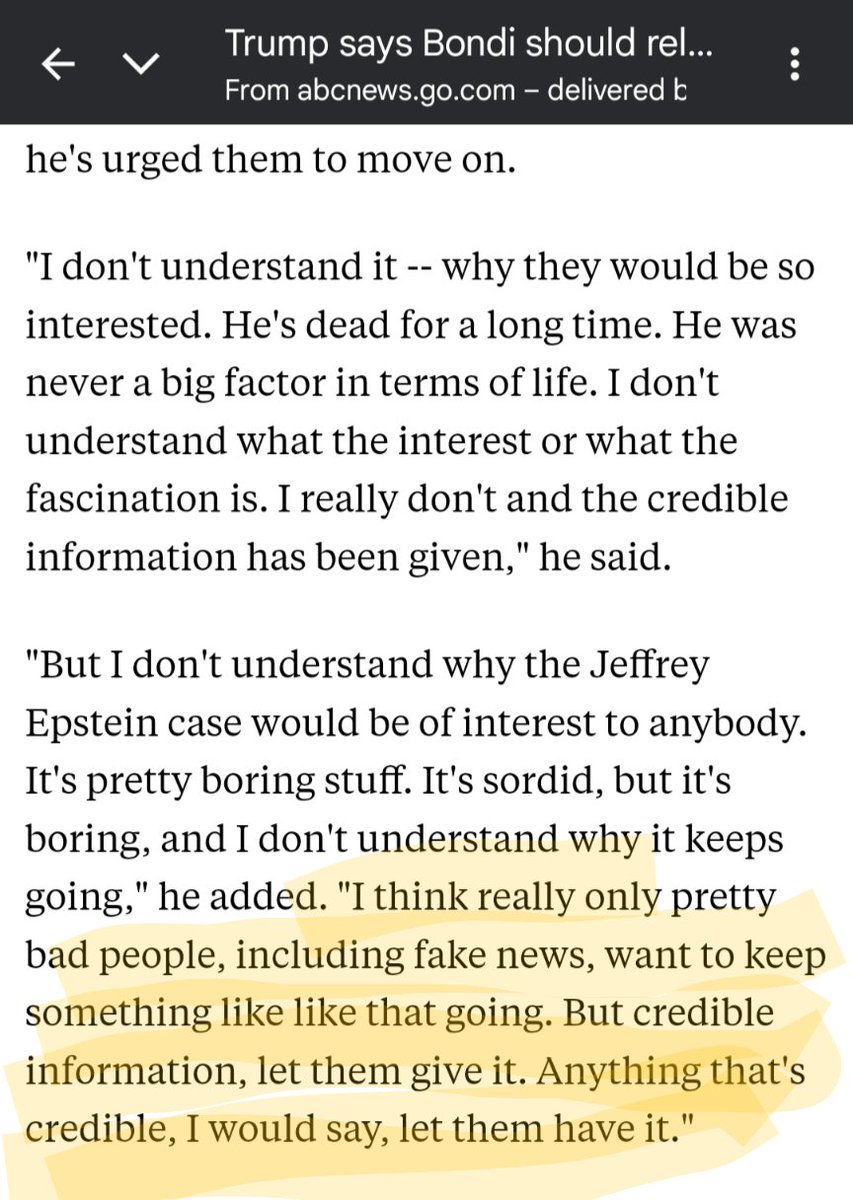
Trump/Epstein is a full-on DC dumpster fire right now.
🧵
421
3,314
23,452
2,142,692
Mike Weinstein retweeted

25 Jul 2025
Read this very carefully: *One quarter* of all the people who have died of starvation in Gaza over the past 22 months have died in the past *3 days*
197
7,025
13,589
328,993
Mike Weinstein retweeted

24 Jul 2025
The IDF is shooting children who are just trying to find food. Babies are being starved to death. How can any government or person with a conscience support this insanity?
24 Jul 2025

Gaza's reality: Palestinians aren't just being starved. They're being shot while seeking aid.
More than 1,000 have been killed by Israeli forces while seeking aid, according to the Palestinian Health Ministry & the UN. 60% have been killed while trying to reach GHF sites.
78
861
2,936
160,183
Mike Weinstein retweeted

24 Jul 2025
The mass starvation & killing of Palestinians in Gaza at the hands of the Israeli gov’t is a chillul hashem, a desecration of God.
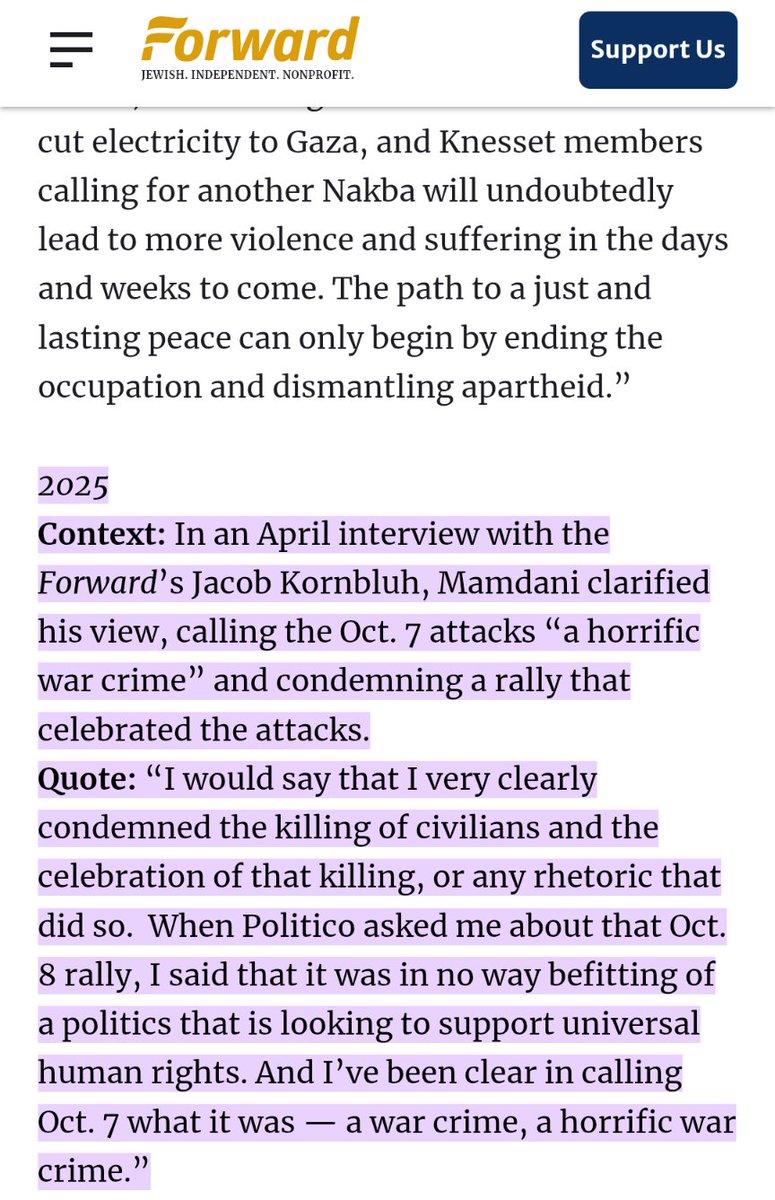
Jewish leaders who criticized Zohran Mamdani for three words he doesn’t use should raise their voices loudly here as well.forward.com/opinion/757549/a…
1,057
3,209
17,641
907,990
Mike Weinstein retweeted

23 Jul 2025
Aww—long ago at Cus D’Amato’s house in Catskill. Mike Tyson was training for the Trevor Berbick fight & I was covering it for Life Magazine. (Tyson’s first heavyweight title at age 20.)


16
39
810
29,710
Mike Weinstein retweeted
23 Jul 2025
Meet the New Centrist Democrat Copying Zohran Mamdani
This is incredible @heycappello
151
1,302
11,047
759,589
23 Jul 2025
Jeffrey Epstein has healed the divided soul of America 🙏
23 Jul 2025

So, Speaker Johnson killed a vote on releasing Epstein files and a Judge just blocked the release of grand jury Epstein testimony.
Man, for something that wasn’t at all a conspiracy, there sure are a lot of powerful people hell bent on us never seeing the proof.
17
Mike Weinstein retweeted

23 Jul 2025
Waymo is a godsend for working parents.
Need to hand off the baby between meetings?
Put them in a Waymo and send them to your partner across town.
Impossible before now. Really grateful we have this technology 🙏

1,920
1,263
36,046
7,227,025
Mike Weinstein retweeted

23 Jul 2025
True Grift


818
753
17,487
545,161