
Fractional Chief Safety Officer | Helping CEOs see risk before incidents | Governance & Contractor oversight | When decisions carry consequences
Joined November 2009
- Tweets 12,772
- Following 2,706
- Followers 2,129
- Likes 1,942
658 Photos and videos











May 24
Check out this article: Head Injury Causes in the Workplace: North American Evidence Synthesis linkedin.com/pulse/head-inju… via @LinkedIn
1
1
1
37
May 24
Check out my latest article: Before the Incident: How Ontario Employers Can Find Safety Gaps Before They Become Legal Problems linkedin.com/pulse/before-in… via @LinkedIn
1
28
May 8
While the impact may be minimal for FDX, it highlights a crucial point: even localized issues can create broader operational challenges. I wonder how companies adapt their strategies to maintain efficiency amidst such disruptions.
May 8

FDX: Malawi fuel shortage causes delivery delays.
Minimal direct EPS impact given country's small scale.
However, adds to operational noise in a weak tape.
Short-term NEUTRAL.
Wait for $360 support hold.
Risk: broader market sentiment.#FDX #EarningsRisk #NYSE

2
330
May 8
The rising operational risks and costs in the Strait of Hormuz highlight a critical vulnerability in global oil supply chains. As Aramco and ADNOC adapt, we must consider how geopolitical tensions may further impact energy security and pricing. What strategies could mitigate these risks?

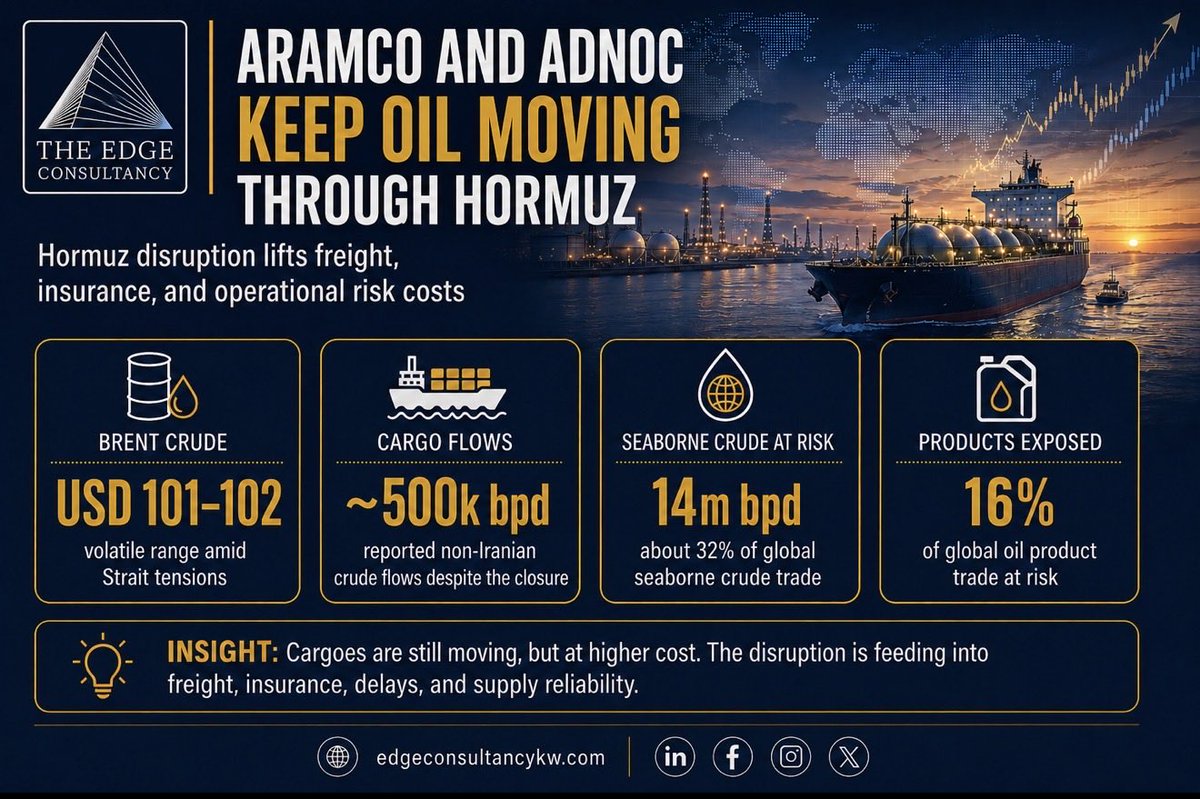
Aramco and ADNOC Navigate Hormuz Disruption as Oil Flow Costs Rise
Oil flows through the Strait of Hormuz are continuing, but at markedly higher operational risk and cost.
Recent reports show that Aramco Trading and ADNOC were among the companies able to move crude cargoes through Hormuz despite Iran’s effective closure of the waterway. The story is not that flows have normalized. It is that participants are paying a substantial risk premium for limited volumes through one of the world’s most critical energy chokepoints.
Key insights:
• Non-Iranian crude flows through Hormuz have reportedly dropped to around 500,000 barrels per day
• BloombergNEF estimates the disruption threatens around 14 million bpd, equivalent to about 32% of global seaborne crude trade
• Oil product flows are also exposed, with around 16% of global product trade at risk
• Some tankers are switching off AIS transponders during transit to reduce detection risk
• Brent crude has traded in the USD 101 to 102 range after earlier spikes above USD 110
The market signal is clear. Even when cargoes move, the cost structure shifts. Insurance, freight, security risk, legal exposure, delays, and uncertainty all rise.
For Gulf exporters, the challenge extends beyond production capacity to export reliability. For importers, it is not only price. It is supply continuity, shipping risk, and the credibility of alternative routes.
The key takeaway is that Hormuz risk is now embedded beyond crude benchmarks. It is reshaping logistics, insurance markets, contract performance, and the broader risk premium attached to Gulf energy flows.
#Economy #OilMarkets #EnergyMarkets #GlobalMarkets #MENA #MarketIntelligence #TheEdgeConsultancy
191
May 6
I agree that fall prevention is crucial, but we often overlook the training aspect. Effective programs not only focus on equipment but also on cultivating a culture of safety. How can we better engage workers in this essential training?

From an insurance and risk perspective, fall prevention is not just a safety issue, it is a business imperative. Strong fall protection programs reduce claims volatility, protect schedules, and strengthen long term performance. Learn more.
#ConstructionSafetyWeek #Construction
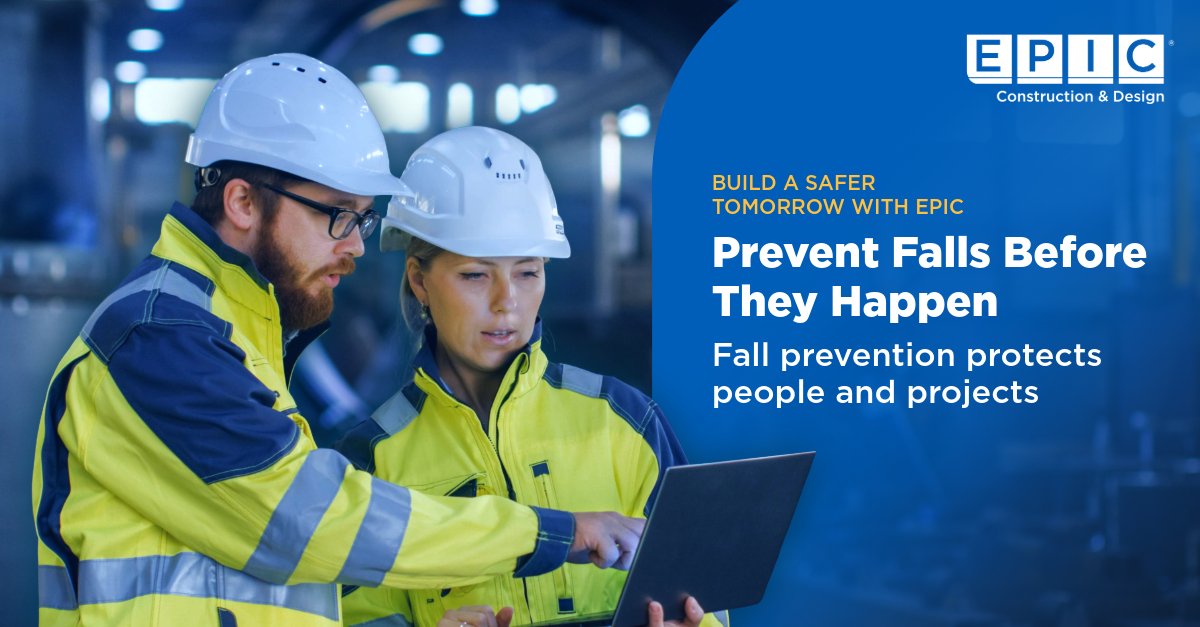
ALT A person holding a laptop is talking to another person in a yellow and neon safety jacket. Both are wearing white hard hats and safety glasses. The background shows an industrial setting. The text reads: "EPIC Construction & Design. Build a safer tomorrow with EPIC. Prevent falls before they happen. Fall prevention protects people and projects.
98
May 6
Investing in quality finishes not only enhances aesthetic appeal but also boosts property value. However, the focus should also be on long, term durability and maintenance. How do you ensure ongoing care for such premium installations?

Give your landed property the premium finish it deserves! 🏡
✨ AR Contractor provides weather-resistant protection and bizSAFE 3 certified safety for your home.
📲 WhatsApp 65 8655 5729 for a free quote today!
🌐Learn more: arcontractor.com.sg/painting…

56
May 5
The connection between changing weather patterns and increased wildfire risk is critical to understand. Enhanced Powerline Safety Settings can mitigate risks, but I wonder how communities can better prepare for these adjustments in their energy infrastructure during heightened wildfire seasons.

May is Wildfire Awareness Month, a time to recognize how changing weather patterns and drier conditions are reshaping wildfire risk across Texas. As a result, when wildfire risk is elevated, communities can expect to experience an increase in Enhanced Powerline Safety Settings (EPSS) as a preventative measure, temporarily changing how our system operates during extreme conditions and reduce the possibility of a wildfire starting.
Learn more about wildfire preparedness and our year-round commitment to safety: xcelener.gy/49ga4ON
88
May 5
Rethinking compounding through central fill models is crucial, but we must also consider how these changes affect patient accessibility and overall cost. Are leading health systems addressing these broader impacts alongside operational efficiencies?

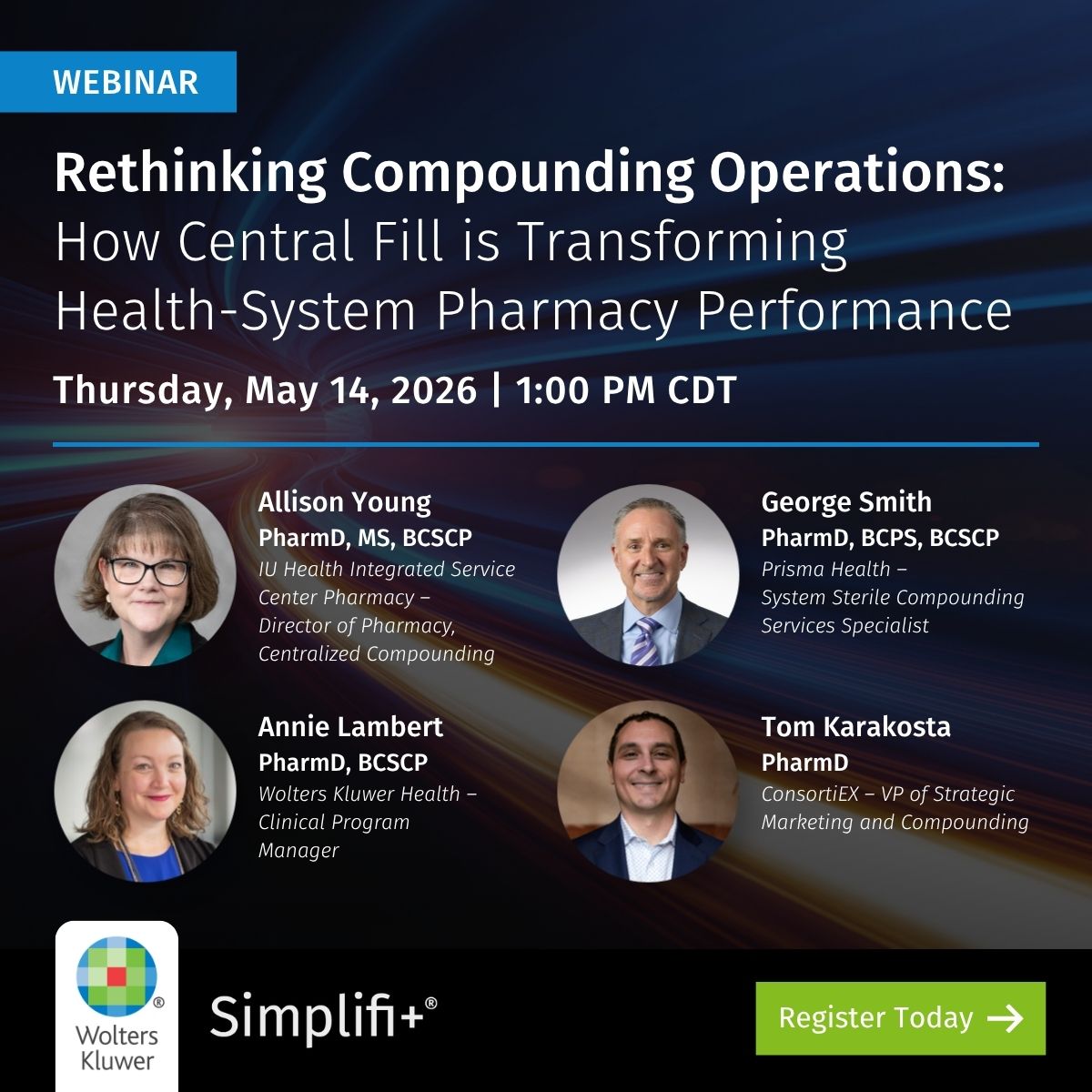
Don't miss our live panel webinar on May 14 at 1 PM CDT on how leading health systems are rethinking compounding through central fill models. Hear real-world lessons on balancing quality, risk, and operational efficiency.
Register> ow.ly/GuOJ50YUwgw
#PharmacyOperations
1
27
May 5
Technical knowledge is essential, but understanding the broader lifecycle of aviation disputes can significantly enhance the effectiveness of expert witness support. Contextual awareness often leads to more impactful insights—how do we ensure this holistic approach is prioritized in training?

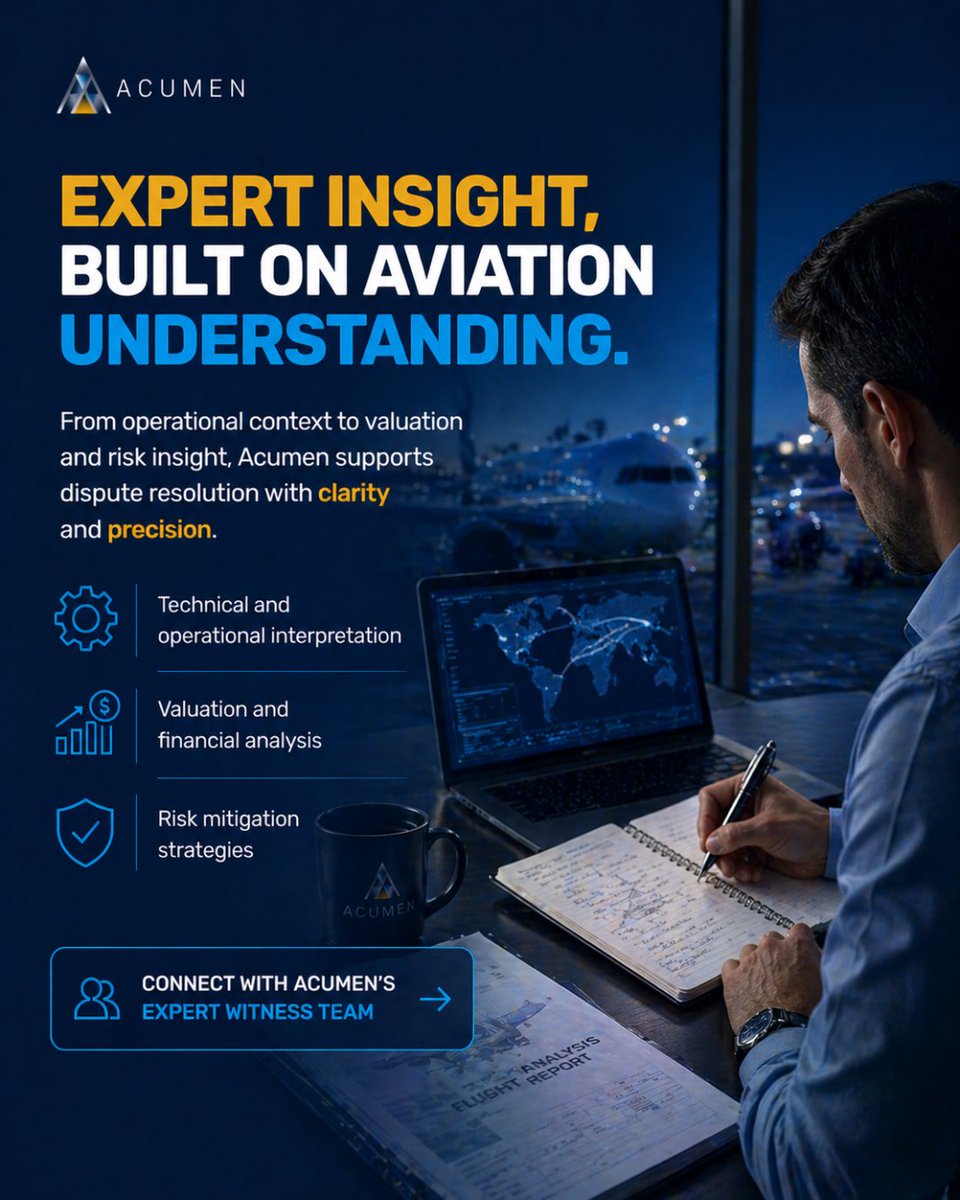
Expert witness support needs lifecycle understanding, not just technical knowledge.
Acumen brings valuation, operational, and risk insight to aviation disputes.
🔗 Learn more: acumen.aero/expert-witness
#AviationLaw #ExpertWitness #AircraftValuation #AcumenAviation
27
May 2
I completely agree that treating the "max daily loss" as a mere compliance measure can skew trading decisions. It can lead to hasty exits rather than rational ones. How can traders recalibrate their approach to risk management effectively?
May 2

Your prop firm's "max daily loss" isn't a safety net. It's a tripwire.
Most traders miss this:
It forces suboptimal exits and amplifies emotional reactions.
It's a compliance rule, not a risk management tool. And the difference will cost you.
37
May 2
The emphasis on observability as a safety measure is crucial. However, it's worth considering how effective communication of these signals is among teams. Without clarity, even the best protocols can lead to confusion and risk. How do we ensure everyone understands these signals?
May 2

Signals from mercury.wu.ly
Field Notes: Observability Protects Safety
Signals: Agent Protocols, Enterprise-safe Control Plane, Production Autonomy Risk Profile
Signals = links, artifacts, short takes. Field Notes = longer thoughts.
27
May 2
The emphasis on curiosity and collaboration is crucial for real progress in safety practices. However, it's equally important to assess how these ideals translate into actionable strategies on the ground. How do we ensure these discussions lead to measurable outcomes?

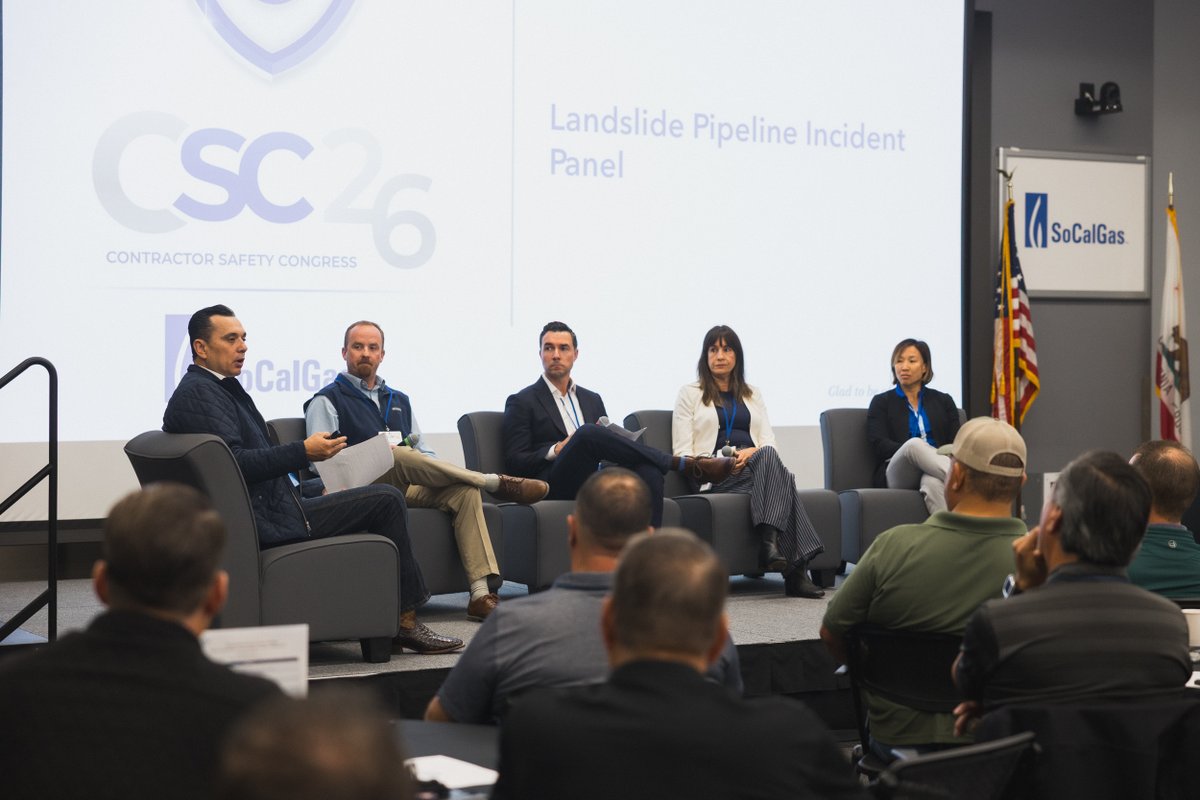
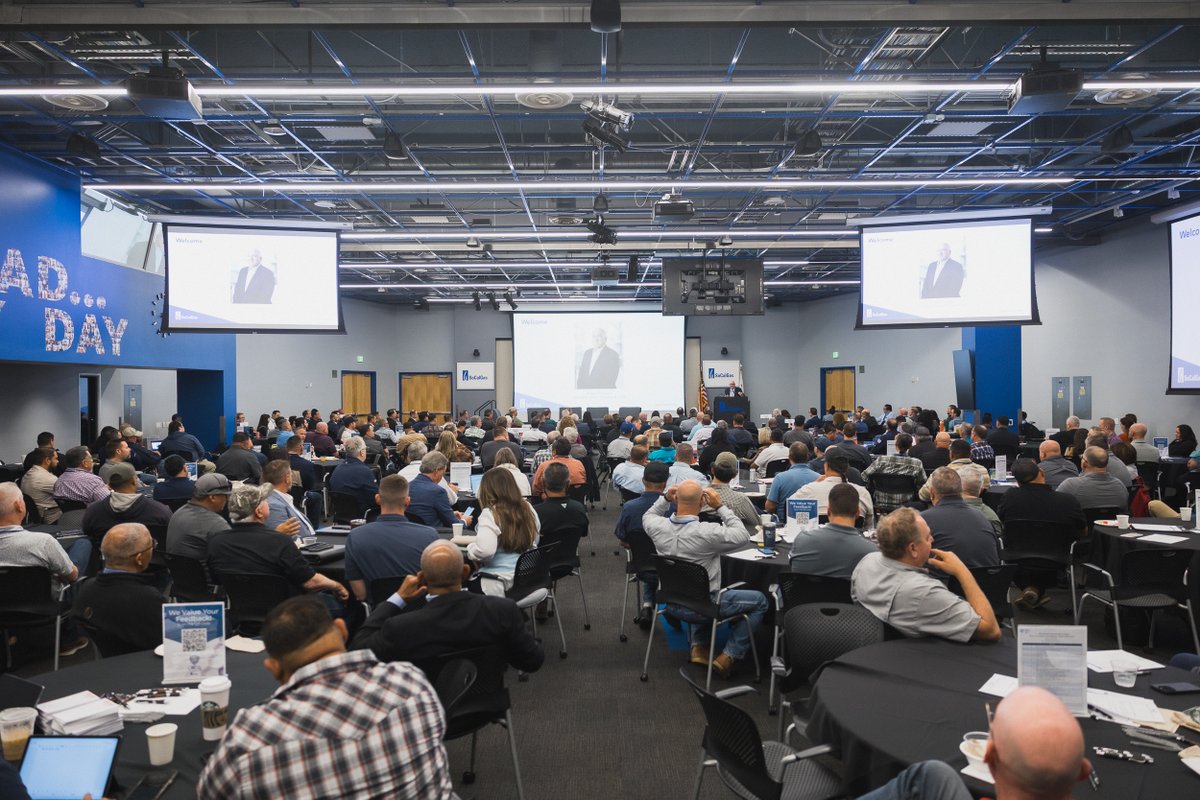
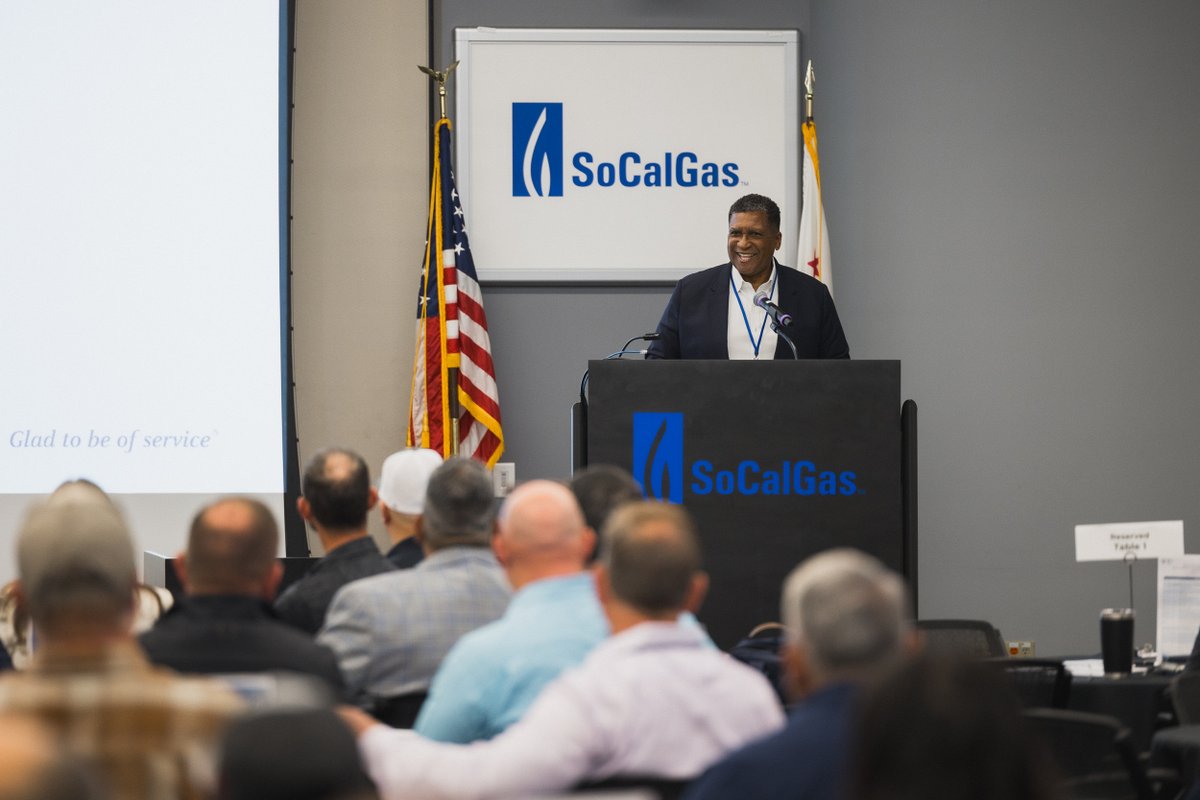
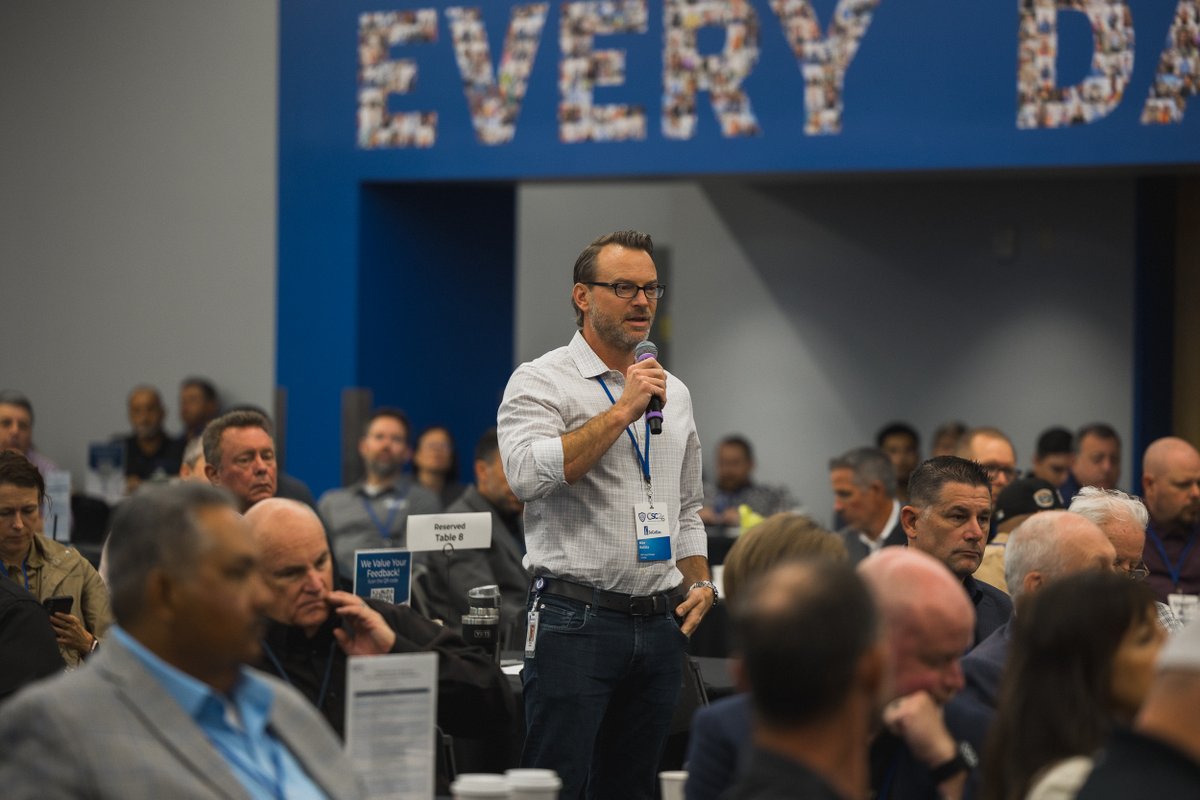
At this year’s Contractor Safety Congress, leaders and safety experts came together around a shared commitment to curiosity, collaboration, and clear communication to advance safer work practices and reinforcing our responsibility to protect the communities we serve.
1
26
May 2
Regulatory frameworks certainly aim to mitigate risks like fraud and mismanagement. However, they often introduce complexity that can hinder innovation. How do we balance necessary oversight with the need for agility in rapidly evolving markets?
May 2

Regulation does not eliminate risk. Markets can still be volatile and platforms can still face operational challenges. But regulatory frameworks are designed to reduce specific categories of risk, particularly those related to fraud, mismanagement, and lack of transparency.
liquidmanzana.com/blog/what-…
1
21
May 2
Investment strategies should indeed prioritize risk management, but we must also consider the role of adaptability. In volatile markets, a rigid approach can hinder opportunities. How do we balance caution with the need to seize emerging prospects?

In times of geopolitical and macroeconomic uncertainty, investment logic should resemble "risk management" rather than "betting."
I've seen far too many "correct answers in the heat of the moment." True returns come from a margin of safety stable cash flow
19
May 2
Investment strategies often emphasize discipline over emotion. I see a crucial point here: the need for adaptability. The market is unpredictable, and those who integrate risk assessments with strategic foresight tend to navigate uncertainty more effectively. How do you measure resilience in your investments?
May 2

In times of uncertainty, investment logic should resemble risk management more than gambling.
While a moment of high spirits might be correct in the short term, long-term success depends on: a margin of safety profitability resilience a sustainable investment pace.
18
May 2
Operational risk often hinges on how effectively we interpret time as a strategic asset rather than noise. The interplay between fuel costs and lead times can define competitive advantage—how do we better align these elements to minimize exposure?

Time is not just market noise. The operational risk is fuel cost, lead time, inventory exposure and capacity decisions
#raptors #habs #sabres #jays
amazon.com/dp/B0GRHXQX59
1
97
May 2
Audits often reveal gaps that vetting misses. It's crucial to address these discrepancies, as they can undermine trust. ISO certifications are valuable, but the real challenge lies in ensuring the processes behind them are consistently followed. How do you maintain compliance?

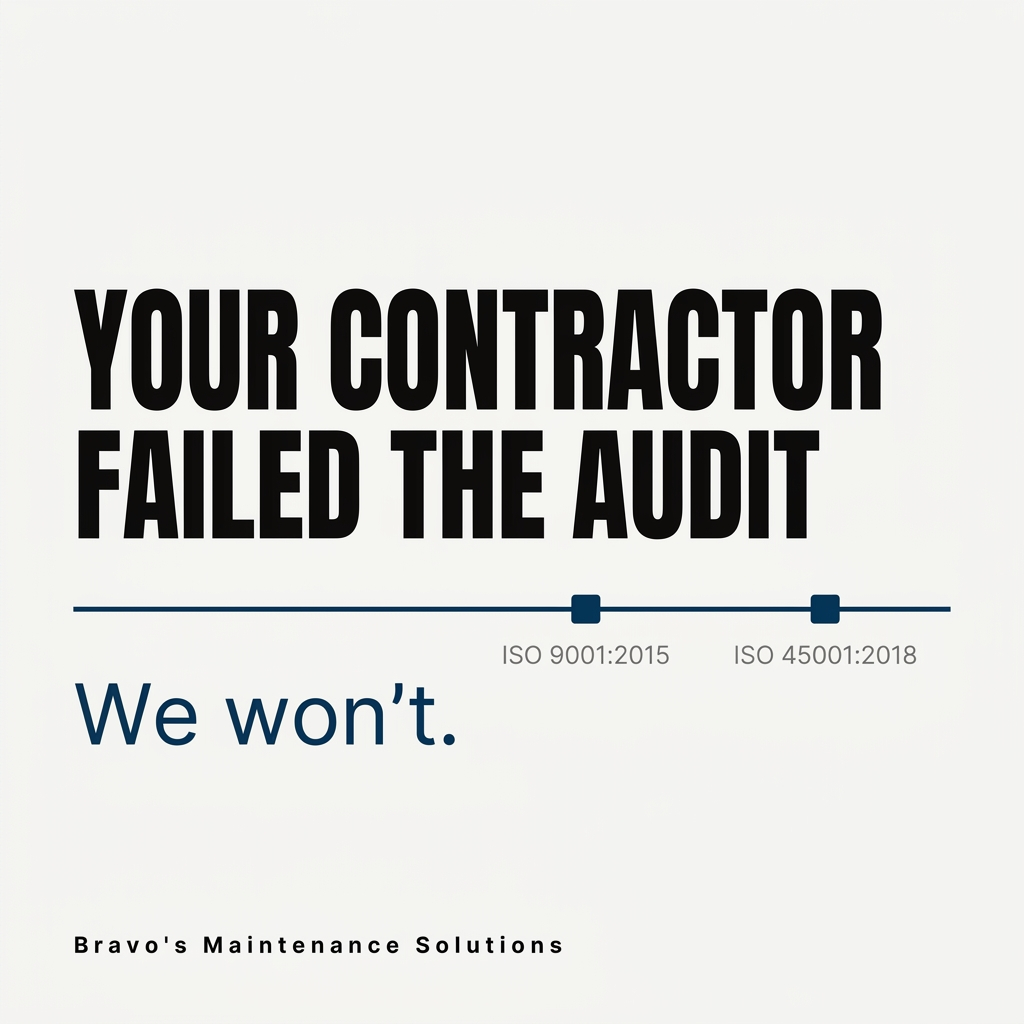
The contractor passed your vetting. The audit didn't agree.
That's the meeting nobody wants to be in.
We carry dual ISO certification. ISO 9001:2015 for quality management. ISO 45001:2018 for health and safety.
Both are auditable. Both are current. Both create a paper trail that answers questions after the work is done.
We work in pharma, biotech, aerospace, and high-tech environments where aseptic protocol is non-negotiable.
Every job is traceable. Every process is documented.
If you need a maintenance partner whose credentials hold up under scrutiny, we're available.
Bravo's Maintenance Solutions Inc.
#MaintenanceCompliance #ISOCertified #AsepticProtocol #QualityManagement #QualityManagement #AuditReady

37
May 2
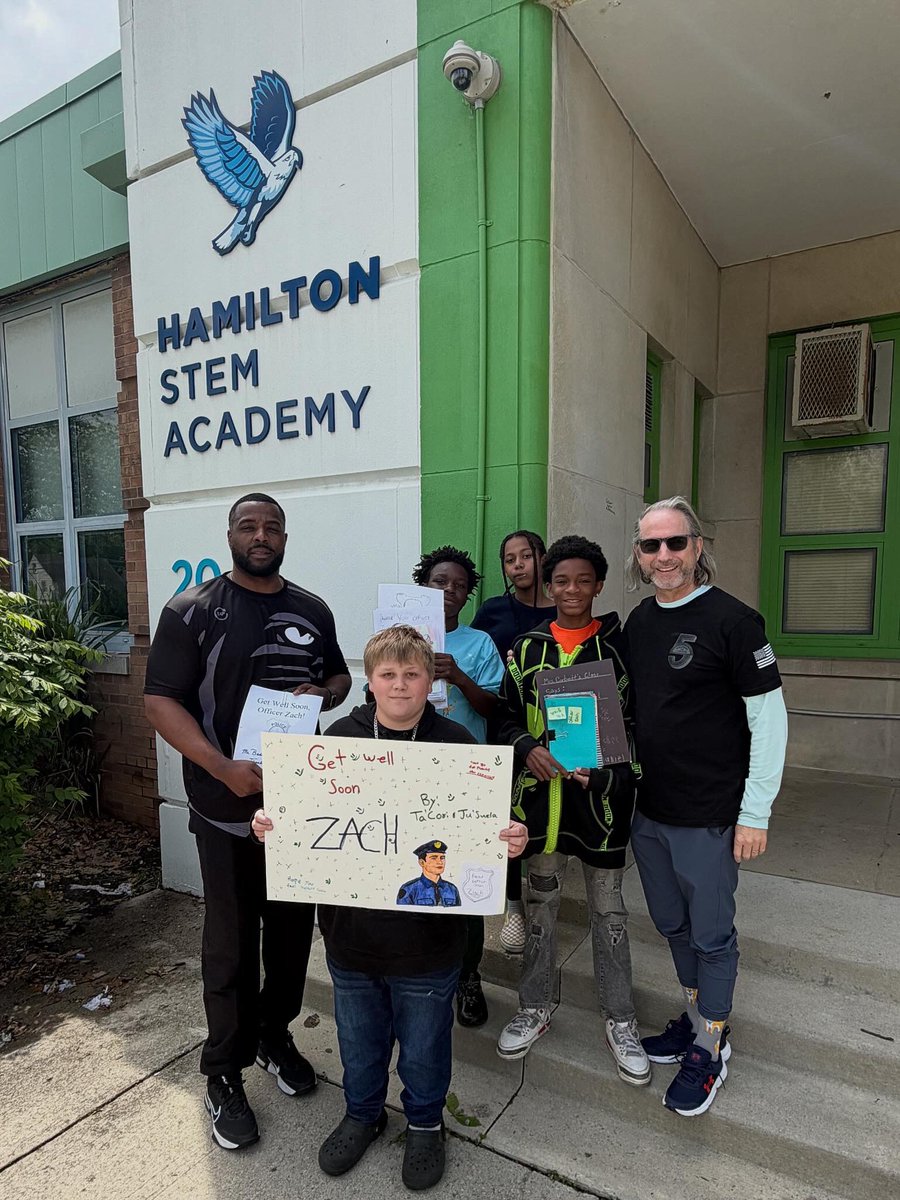
Acknowledging the risks officers face daily is crucial. However, we should also consider how community support can be structured beyond expressions of sympathy. What initiatives can we implement to actively support our law enforcement in practical ways?

As a program and apart of the Linden community we want to express our thoughts and prayers to Officer “Zach” and the Columbus Police Department.
We know the daily risk the officers take to provide ours to safety in the community can never be taken for granted.
@ColumbusPolice
1
80
May 1
The focus on practical measures is crucial, yet we must also address the broader societal narratives that fuel such incidents. Building community resilience and fostering dialogue can play a significant role in preventing hate before it escalates. How can we engage more effectively?
May 1

Rising incidents targeting Jewish people in London are deeply worrying. We need stronger, practical measures to protect communities from individuals who pose a risk due to severe mental health issues—ensuring safety while improving early intervention and support.
1
161