
Joined October 2021
- Tweets 462
- Following 153
- Followers 264
- Likes 636
199 Photos and videos






Jun 11
If your threat detection workflows stop at alerts, the issue is not detection. It’s integration depth.
Phishing signals, identity context, IOCs, external threat intel, behavioral data. They live in separate systems.
When integrations are shallow, automation stops at triage. You can flag the threat. You can’t respond at speed.
Threat detection only scales when enrichment, validation, identity checks, and response actions are fully executable through APIs.
Full read and write coverage. Not just alerts and lookups.
@fortraofficial Agari Phishing Defense · IOC Parser · @Yubico Enterprise · ZeroFox · @exabeam Context
1
17
Jun 9
Unlock Hidden Opportunities: Advanced Automation Secrets
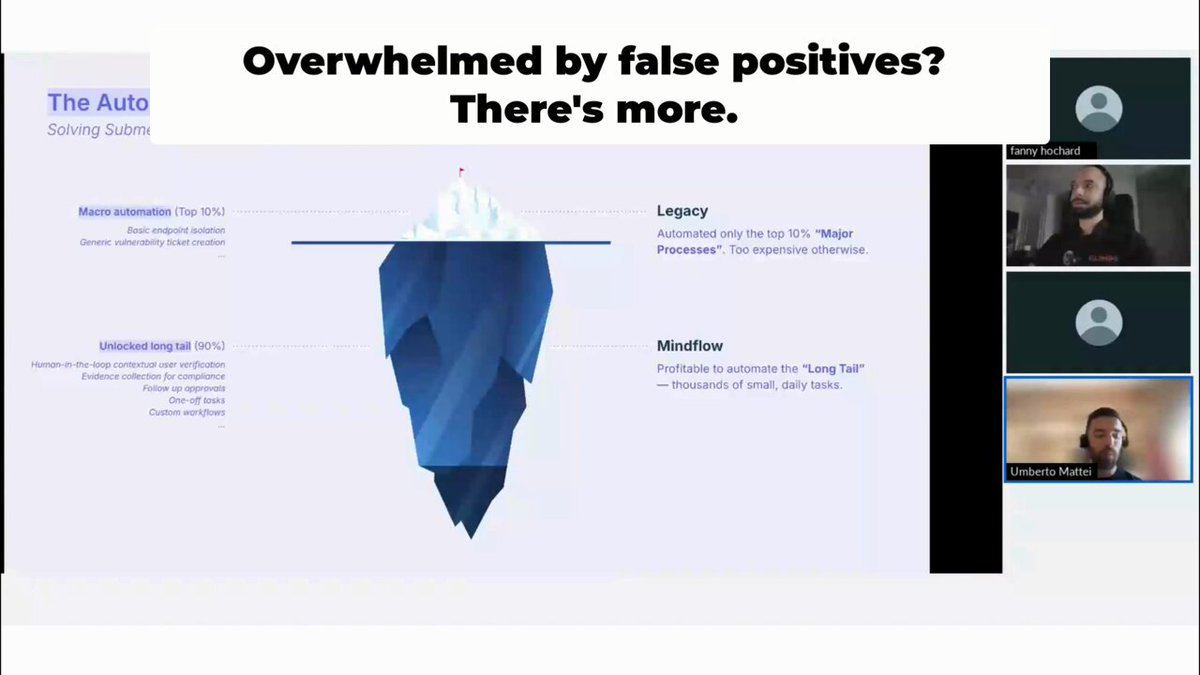
Alert volume keeps climbing. False positives keep piling up. Analysts are still overwhelmed.
That's not really a failure of automation. That's the automation iceberg, and most teams only see the tip.
The real opportunity is below the surface: deeper contextual analysis, full-stack integration, decisions made with every relevant data point actually in the picture.
Surface-level automation reduces noise. Advanced automation changes how your team operates.
Watch the full webinar with GLIMPS on youtube: youtu.be/oM93NKDmmCI?si=PJVn…
1
17
Jun 4
If your malware analysis workflows still rely on analysts jumping between tools, the issue is not detection. It’s integration depth.
Threat intel, sandbox results, IOCs, proxy logs. They live in separate systems.
When integrations are shallow, automation stops at enrichment.
You can collect indicators. You can’t orchestrate action.
Malware response only scales when ingestion, parsing, detonation, enrichment, and blocking can all be executed through APIs.
Full read and write coverage. Not just lookups.
Zscaler Cloud Service · Anomali ThreatStream · IOC Parser · HostedScan · Snyk
66
Jun 3
Should have shipped this sooner.
Mindflow's new Teams feature lets you manage permissions once, at the team level, and enforce them everywhere automatically.
No manual updates. No permission drift. No audit surprises. As your workflows scale, your access model scales with it. Teams is live.
Learn More: mindflow.io/blog/teams-role-…
1
1
7
Jun 2
A phishing report lands in the inbox.
Within seconds:
→ The ticket is created and qualified
→ Threat intelligence is pulled from VirusTotal, AbuseIPDB, and more
→ The risk is assessed and classified
→ The security engineer is paged
→ The employee is informed
No manual copy-paste. No tool-switching. No waiting.
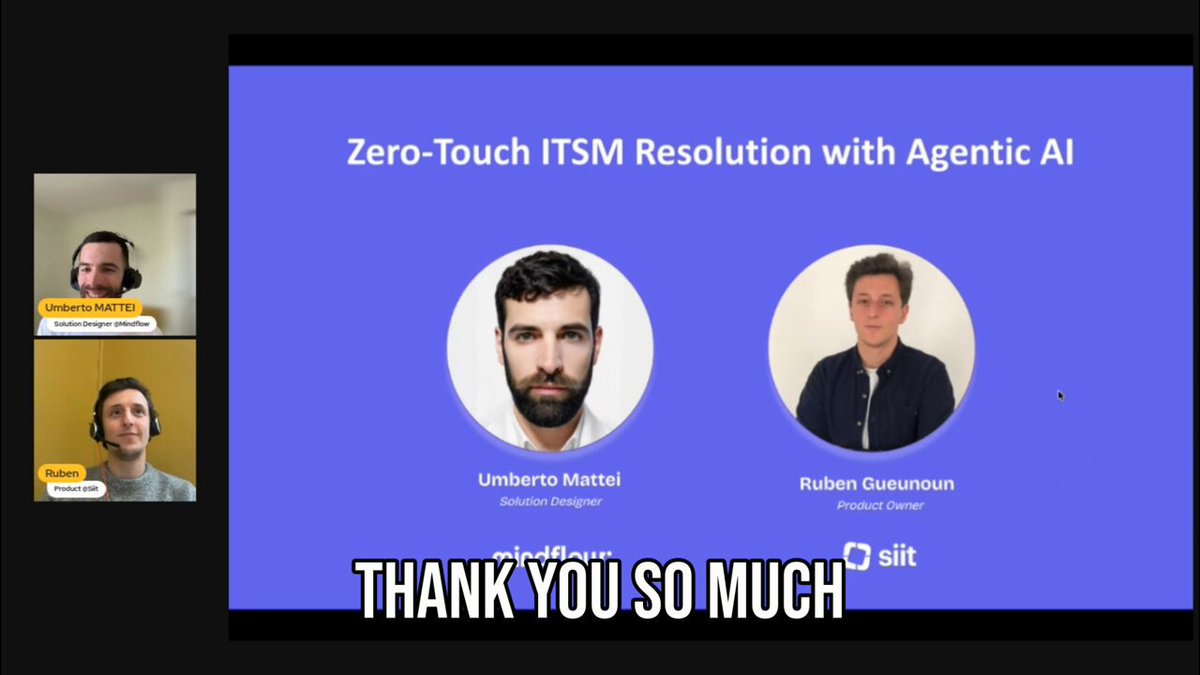
That's what we demoed live with @siitapp last week, a fully agentic, zero-touch ITSM resolution flow that shows what AI agents actually look like in production.
The full webinar is now available on YouTube: youtu.be/4FE8d0GPZ8o?si=oUkC…
14
May 28
If your customer support and retention workflows still rely on manual coordination, the issue is not process. It’s integration depth.
Support tickets, outbound campaigns, lifecycle messaging, live conversations, and service requests all sit in separate tools.
When integrations are shallow, automation stops at notifications. A ticket gets assigned. A message gets sent. Then humans take over.
Customer success only scales when support, engagement, follow-ups, and lifecycle actions are fully connected through APIs.
Full read and write coverage. Not siloed workflows. Not copy-paste operations.
Atlassian Service Management · @lemlist · @intercom · @freshdesk
17
May 27
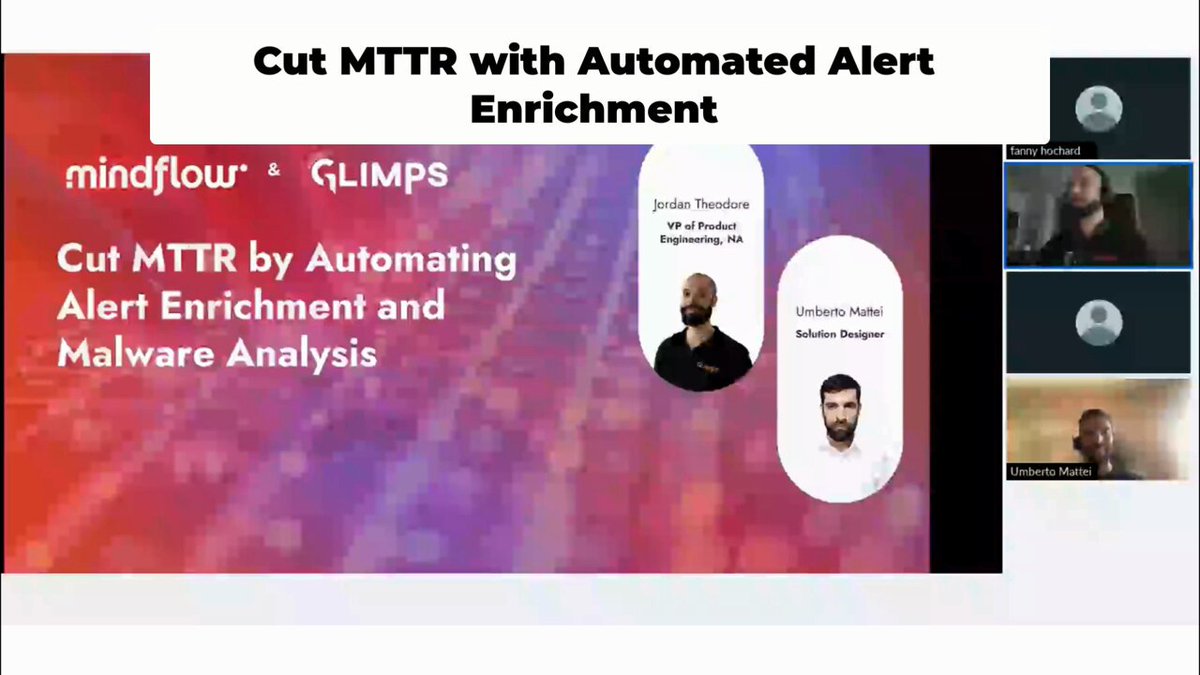
Automate Alerts & Malware Analysis: Cut MTTR Fast!
Last month, we ran a webinar with GLIMPS on one of the most pressing challenges in SecOps: cutting MTTR through alert enrichment and malware analysis automation.
Umberto MATTEI walked through how teams can move from manual triage to machine-speed response. Practical, no fluff, built around real workflows.
Worth a watch if your team is still spending too much time on alerts that should be handled automatically.
If you missed it, the full replay is on YouTube: youtu.be/oM93NKDmmCI?si=WePp…
1
15
May 21
If your ticketing workflows still depend on humans copying data between tools, the issue is not process. It’s integration depth.
Ideas, incidents, customer requests, internal tasks. They sit in different systems.
When integrations are shallow, automation stops at ticket creation.
A ticket is opened. Then someone has to push it forward manually.
Ticketing only scales when every status change, field update, comment, and assignment is accessible through the API.
Full read and write coverage. Not just “create ticket.”
@Atlassian Product Discovery · @GoIvanti Cherwell · @HubSpot Tickets · @Zendesk · @trello
11
May 20
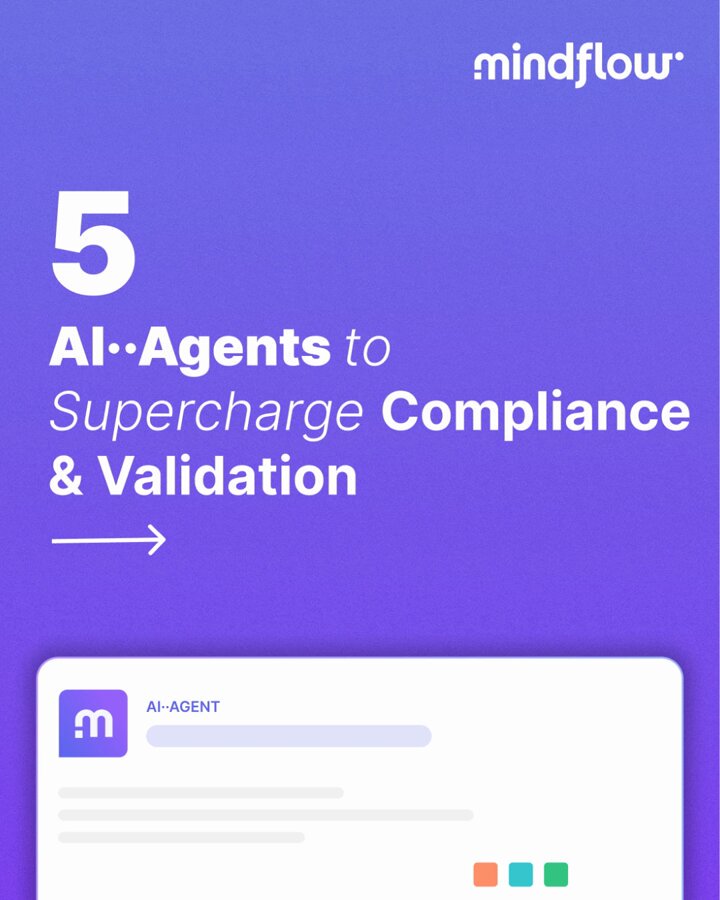
Compliance work has a talent for hiding in 14 tools, 37 Slack threads, and one spreadsheet named “final_final_v3.”
Not ideal 😵💫
This week’s AI Agents carousel shows 5 agents built to keep audits, contracts, continuity plans, and risk workflows moving without the chaos.
Less chasing, less guessing, and fewer “who owns this?” moments.
Swipe through the agents.
24
May 18
Tomorrow, 4 PM CET. LinkedIn Live.
Umberto MATTEI and Ruben Gueunoun are walking through Zero-Touch ITSM Resolution with Agentic AI, a real workflow, built and presented by the people who built it.
Bring your questions.
🔗 Join here: linkedin.com/events/74534539…
7
May 14
If your endpoint protection workflows stop at alerts, the issue is not detection. It’s integration depth.
EDR signals, antivirus events, file integrity, network controls, phishing data. They live in different systems.
When integrations are shallow, automation stops at isolation. You can flag the endpoint. You can’t coordinate the full response.
Endpoint protection only scales when containment, remediation, validation, and follow-up actions are fully executable through APIs.
Full read and write coverage. Not alerts. Not manual playbooks.
Trellix MVISION EDR · Kaspersky · Acronis Notary · pfSense · Fortra Agari
10
May 13
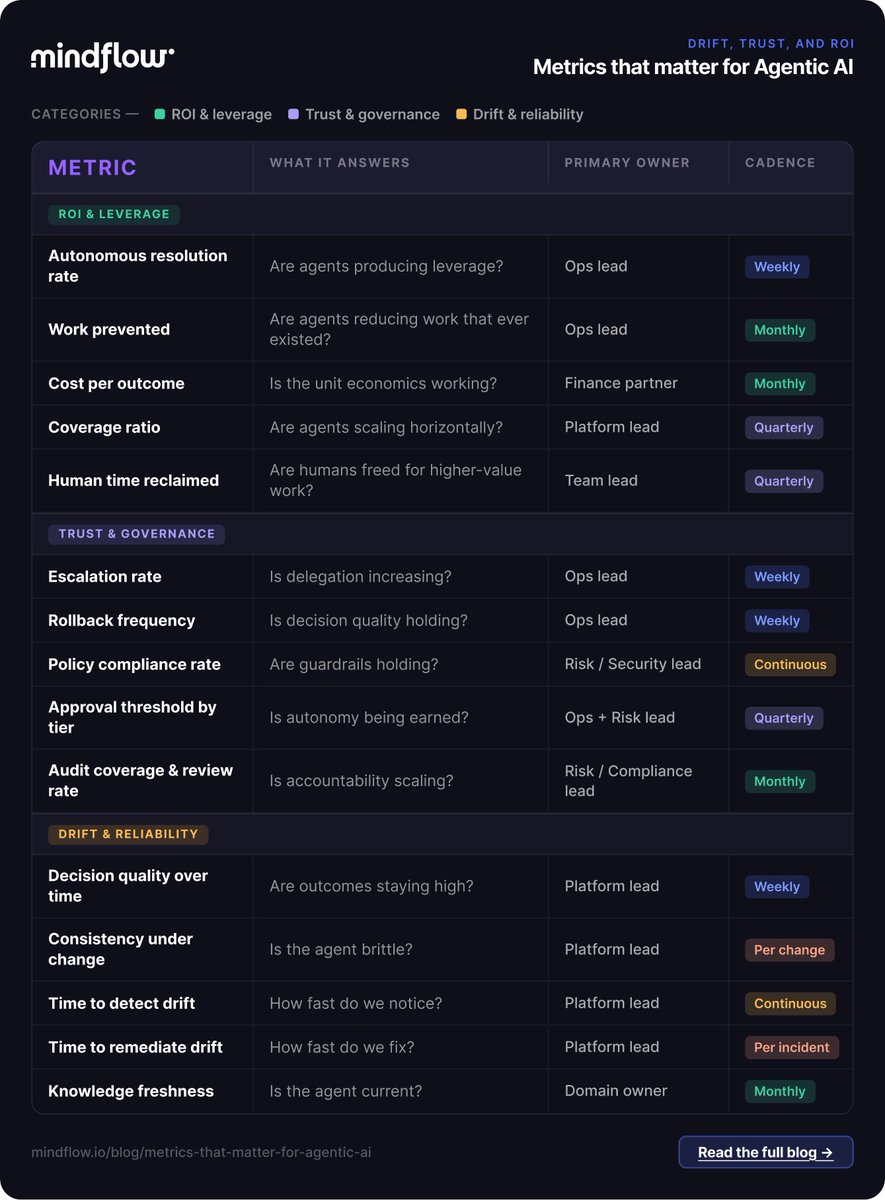
Measuring Agentic AI is genuinely tricky; it's not like measuring traditional automation.
So we put together a framework we think makes sense: 15 metrics across three dimensions, the leverage agents create, the trust they build over time, and how you spot drift before it becomes a problem.
Full breakdown in the blog: mindflow.io/blog/metrics-tha…
2
28
May 12
Umberto from Mindflow and Ruben from Siit work with IT teams to elevate their operations.
On May 19, they're going live on LinkedIn to walk through one of these workflows.
The focus: Zero-Touch ITSM Resolution with Agentic AI, a real workflow, from the moment a ticket is submitted to the moment it’s resolved. AI agents handle operational tasks, while humans remain in control when decisions matter. Siit brings the employee context; Mindflow orchestrates the agents.
They’ll also cover other ITSM automation use cases they work on in the field, the teams building them, and where agentic workflows are making a difference.
📅 May 19, 2026. 4:00 PM CET 🔗 Register here: linkedin.com/events/74534539…
61
May 11
Your tool “integrates with everything.” (Everything = 12 tools.)
At Mindflow:
If it has an API, it’s integrated.
That’s it.
Currently 4341 and counting.…
7
May 7
If your DevOps automations still rely on manual steps, the problem is not tooling. It’s API depth.
Pipelines, logs, cloud resources, tokens, and risk signals sit across different systems.
When integrations are partial, automation stops at notifications.
You get alerts. You don’t get action.
DevOps at scale requires full read/write access across your stack.
Search, token rotation, cloud operations, risk checks. All executable.
Not screenshots. Not exports. Real API coverage.
@exabeam Search · @databricks Token Management · 3DS OUTSCALE · @Trellix MVISION · @UpGuard CyberRisk
16
May 5
Most “automation” fails at the handoff?
Enterprise teams do not work in silos, and automation should not either.
Most friction comes from poor handoffs between tools and teams.
Mindflow connects existing stacks across functions and improves how work flows between them.
Start with one agent or coordinate many, each with a clear role.
From there, automation naturally expands to ITOps, CloudOps, enterprise operations...That is how modern enterprises are built.
Step by step, toward real hyperautomation.
10
May 5
Most “automation” fails at the handoff?
Enterprise teams do not work in silos, and automation should not either.
Most friction comes from poor handoffs between tools and teams.
Mindflow connects existing stacks across functions and improves how work flows between them.
Start with one agent or coordinate many, each with a clear role.
From there, automation naturally expands to ITOps, CloudOps, enterprise operations...That is how modern enterprises are built.
Step by step, toward real hyperautomation.
12
May 4
Your SOC team just got a new addition.
It’s called Neo.
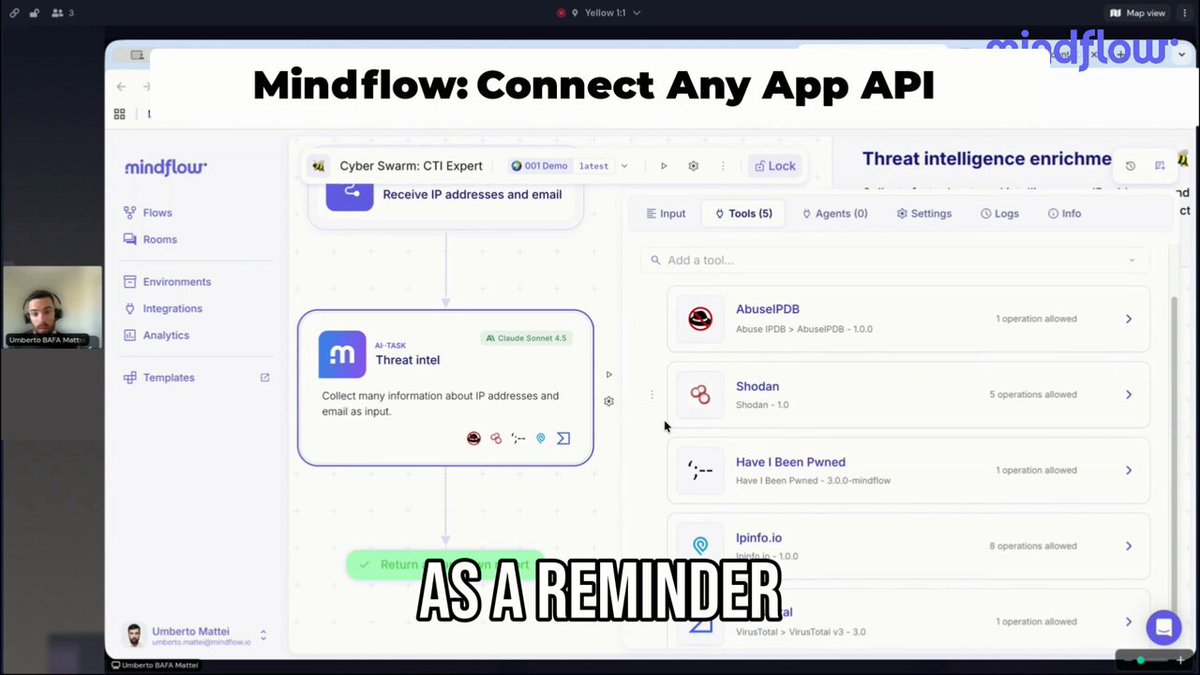
In this demo, Neo, the incident responder agent, coordinates a swarm of AI agents to handle security investigations end-to-end.
It decides which agents to call, gathers context across tools, correlates findings, and produces a structured investigation with next steps.
Behind it:
• Threat intelligence enrichment
• Activity analysis across systems
• Communication checks
• Ticket creation
All orchestrated through a controlled, auditable multi-agent system.
Watch the full video on YouTube: youtube.com/watch?v=Ad9fs03E…
32
Apr 30
If your data security automations are still brittle, the issue is not detection. It’s integration depth.
Access risk, identity signals, user context, and external exposure data often live in separate tools.
When integrations are shallow or incomplete, automation stops at visibility.
You can see the risk. You can’t act on it.
Data security only scales when identity, access, and exposure data are fully accessible through APIs.
That means full read and write coverage. Not dashboards. Not exports.
SailPoint Access Risk Management · Kaspersky · Imperva User Management · Microsoft Graph Identity · ONYPHE
8
Apr 29
Less talk, more build.
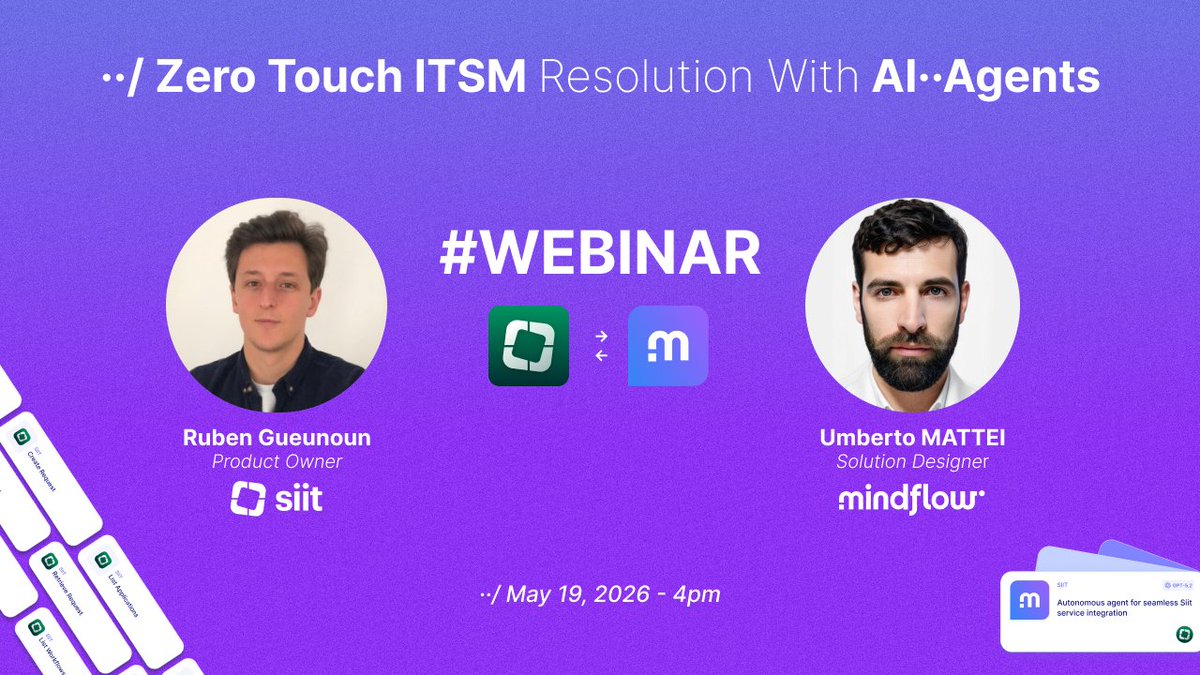
Umberto (Mindflow) and Ruben (@siitapp) are hopping on LinkedIn Live on May 19 to show you Zero-Touch ITSM Resolution with Agentic AI.
A real agentic workflow, built by them and walked through by them, from ticket submission to ticket resolution.
📅 May 19, 2026, 4:00 PM CET
Register here: linkedin.com/events/74534539…
20