
Joined July 2021
- Tweets 2,931
- Following 473
- Followers 163
- Likes 3,897
407 Photos and videos
Mobin Sarayloo retweeted

من یک موقع شروع کرده بودم «سر گوین و شوالیه سبز» رو به صورت موزون ترجمه کردن
persiangawain.blogspot.com/
1
1
8
1,019
Mobin Sarayloo retweeted

Jun 10
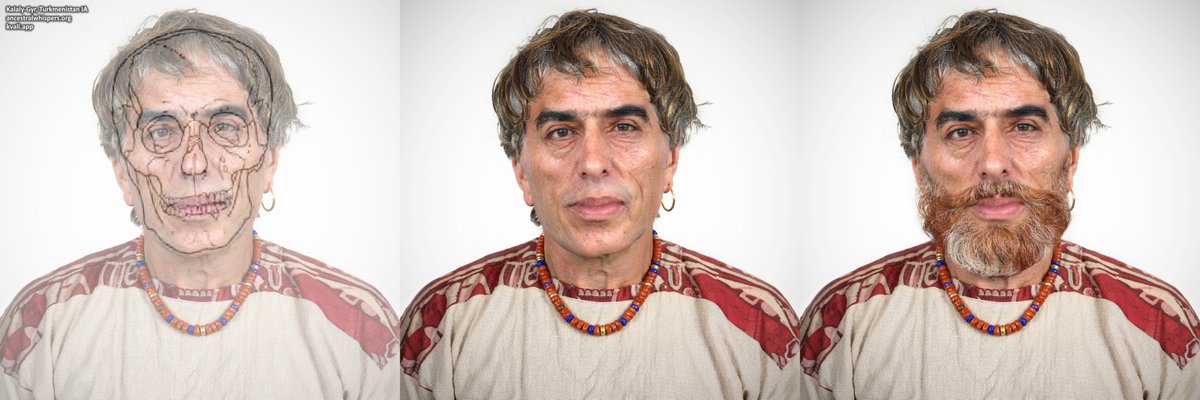
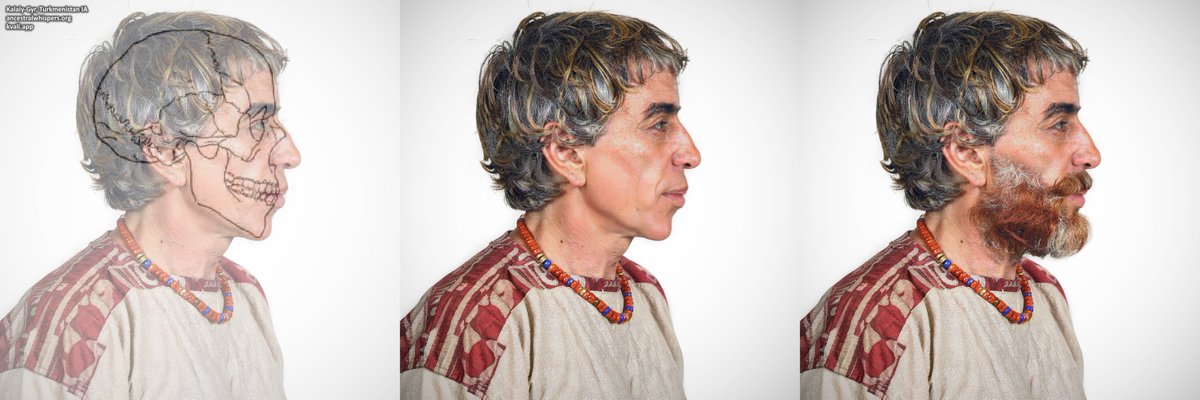
Facial reconstruction of a 2,500-year-old man from Kalalygyr, Turkmenistan
Kalalygyr was an ancient city in northern Turkmenistan that disappeared in antiquity. It served as the second capital of ancient Khwarezm during the 5th-4th centuries BC. According to the Khwarezm Archaeological Expedition, the fortress of Kalalygyr 1, covering nearly 70 hectares, is the largest known settlement site in Khwarezm.
One of the city's fortresses, Kalalygyr 1, was a rectangular fortified settlement measuring approximately 1,000 × 700 meters. Its walls were reinforced with towers and contained four gates protected by complex entrance labyrinths and bastions. The inhabitants lived primarily within long vaulted corridor-like chambers built into the thickness of the massive defensive walls. Near the western wall, on the inner side of the fortress, stood a monumental palace complex.
Construction of both the fortress walls and the palace was never fully completed, and the site was eventually abandoned. The foundations consisted of large pakhsa (rammed-earth) blocks over one meter high, upon which mud-brick masonry of standard ancient dimensions was erected. The palace was square in plan (80 × 80 meters) and contained two internal courtyards and two external courts. Around these courtyards were approximately thirty rooms of various functions. The palace halls had flat roofs supported by columns, some of whose bases survive.
Researchers believe construction of the colossal fortress of Kalalygyr 1 began in the late 5th or very early 4th century BC, during the period when Khwarezm was under the rule of the Achaemenid dynasty. The project may have been part of broader Achaemenid initiatives connected with irrigation and water management, reminiscent of the policies described by Herodotus.
The male skull series from Kalaly-Gyr I is mesocranic (cranial index 79.9) with average length (182.0 mm), broad width (144.7 mm), and notably high vault (138.6 mm). The forehead is slightly sloping, with a well-developed glabellar region.
Facially, the skulls show medium height (72.9 mm) and medium bizygomatic breadth (132.5 mm), with a moderate facial index (54.9). The face is orthognathic, with moderate profiling at the nasomalar angle and slightly stronger at the zygomaxillary region.
Orbits are moderately high, the nose is medium-width (nasal index 48.7), with moderate nasal projection and a relatively high nasal bridge.
Overall, the series is mainly Eastern Mediterranean in type but shows clear mixture. The increased cranial index may reflect both admixture and brachycephalization. Some facial flattening and reduced nasal projection suggest slight Mongoloid influence. There is also evidence of Andronovo-related Europoid admixture, possibly mixed Srubnaya–Andronovo/Tazabagyab, and one incidence of an equatorial-influenced specimen.
The Iron Age and Early Antiquity inhabitants of Turkmenistan belong to the Tkm_IA/Yaz genetic cluster, which is a mixture of BMAC-related and Indo-Iranic Andronovo-related ancestry. This genetic cluster is pivotal in the spread of the Iranic languages; all modern Iranic languages, with the likely exception of Ossetic, ultimately stem from this genetic cluster.
Reconstruction commissioned by @shoresh03 at the request of @asteraex
16
27
212
30,446

صد در صد موافقم تعزیه داشت یک سبک نمایشی متمایز خلق میکرد چیزی مثل تراژدی در یونان، در اواخر قاجار در تکیه دولت نمایش نامه نویسی هایی خارج از محتوای عاشورا داشت خلق میشد حتی مثلا قتل ناصرالدین شاه!
Jun 9

نظر نامحبوب:
مراسم سینهزنی و عزاداری یک عقبگرد فرهنگی بود در مقایسه با تعزیه.
ما با تعزیه درام، هنر، قصهگویی، ادبیات و فرهنگ ایرانی رو ترکیب کرده بودیم اما تحت تاثیر فرهنگ عربی رفتیم به سمت یک خرده فرهنگی نازل تر و صرفا پرشورتر.
5
257
- ca | š]try (’)ncm(n)[y] w|[… O]BYDWNm W hlgwpt [W | štrd’l’n W BLBYTAn .....
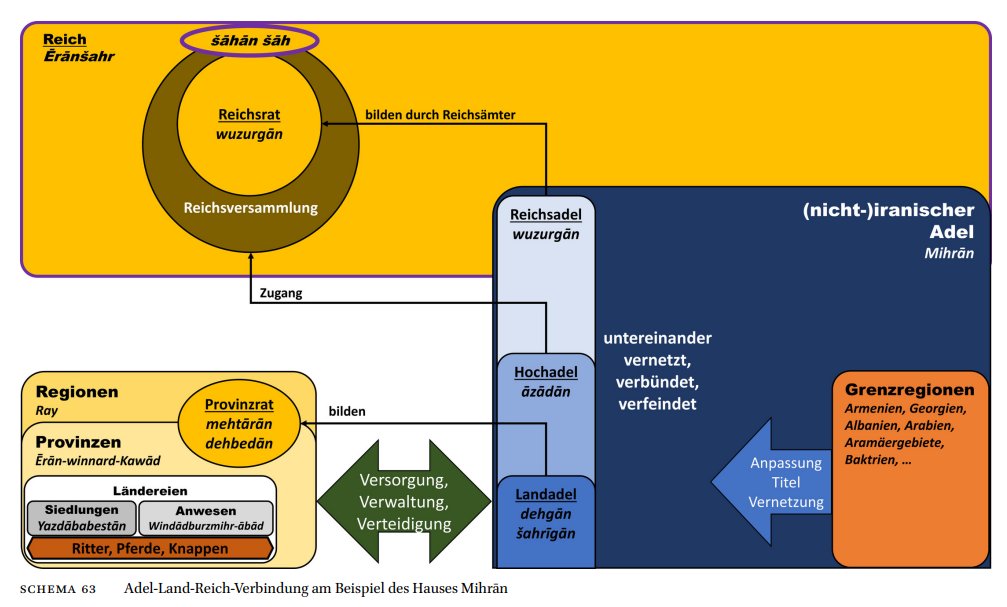
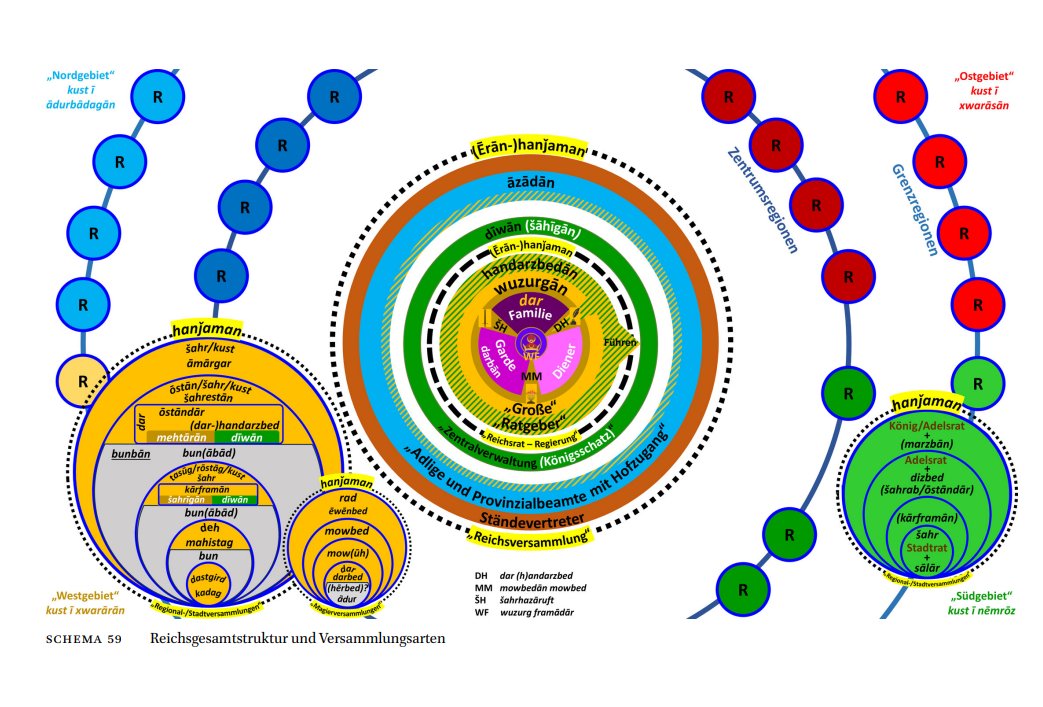
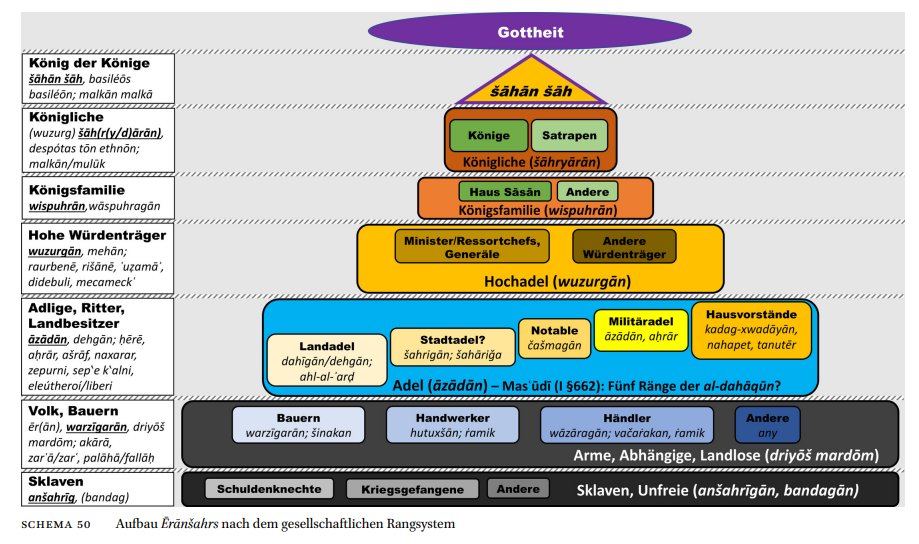
«و من شورایی گرد آوردم از کشور، و پیامی فرستادم به هَرگبَد و شهرداران و شاهزادگان و مهتران و آزادگان و کدکخدایان...» این شورا برای تأیید و انتخاب نرسه به شاهی، پس از درگیری با بهرام سوم تشکیل شد.
May 29

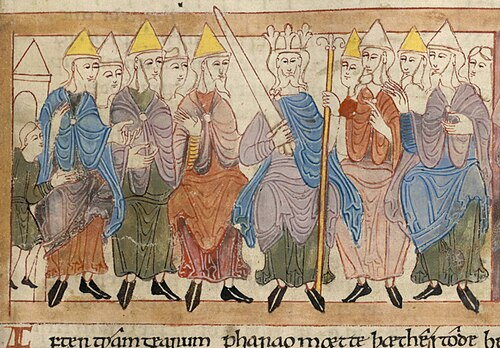
مقایسه با پارلمان قرون وسطایی انگلیس؟هر دو نمایندهٔ نخبگان زمیندار بودند( البته که اعضا در انگستان عمومی تر بود).هر دو کارکردهای مشورتی و مشروعیتبخشی داشتند. اما هنجمن یک پیشدرآمد باستانی متأخر برای حکومت شورایی مانند کوریا رجیس بود قرنها بعد در اروپای قرون وسطی ظهور کرد.
1
3
6
1,023
این شورای را که مگنوم کانسیلیوم میگفتند اختیارات ویتِن در عزل و نصب شاه را نداشت. این اختیارات بعد از مگناکارتا و تبدیل تدریجی کوریا رِجیس به پارلمان به دست آمد. تفاوت اصلی پارلمان با کوریا رجیس در حق عزل، ورود طبقات عوام، و زمانبندی مشخص برای تشکیل جلسه بود.
1
4
67
از میان همۀ این موارد، شاید زمانبندی مشخص، کلیدیترین تفاوت پارلمان با انجمن ایرانشهر باشد که به حق قانونگذاری هم تکامل یافت. همین نداشتن تقویم ثابت تشکیل جلسه است که انجمن ایرانشهر را در سطح یک «کورای رجیس» یا شورای سلطنتی نگه میدارد و از تبدیل شدنش به پارلمان جلوگیری میکند
3
55